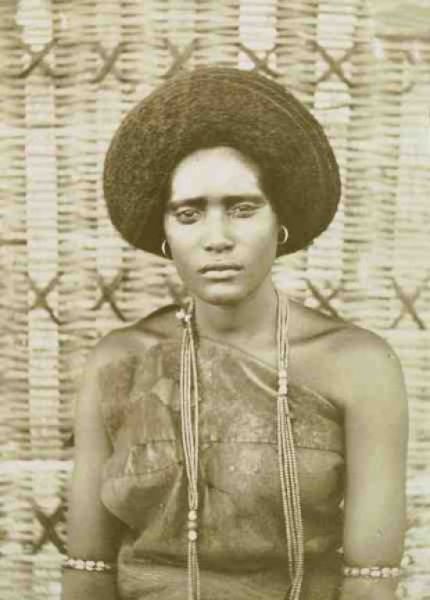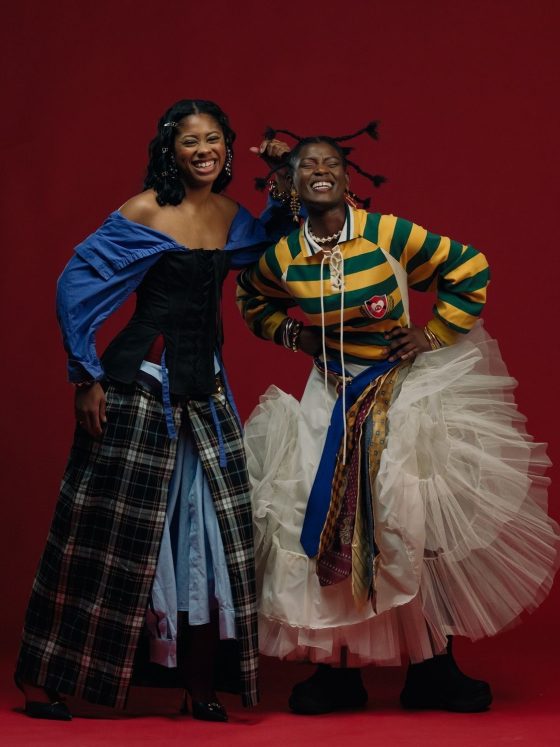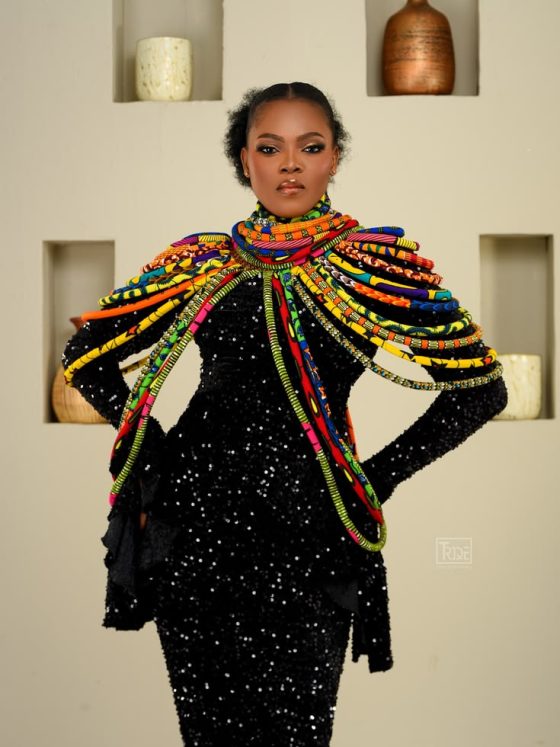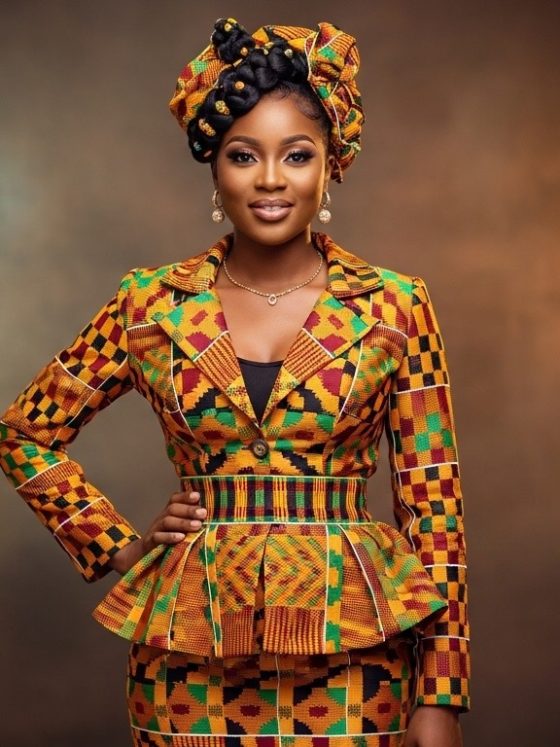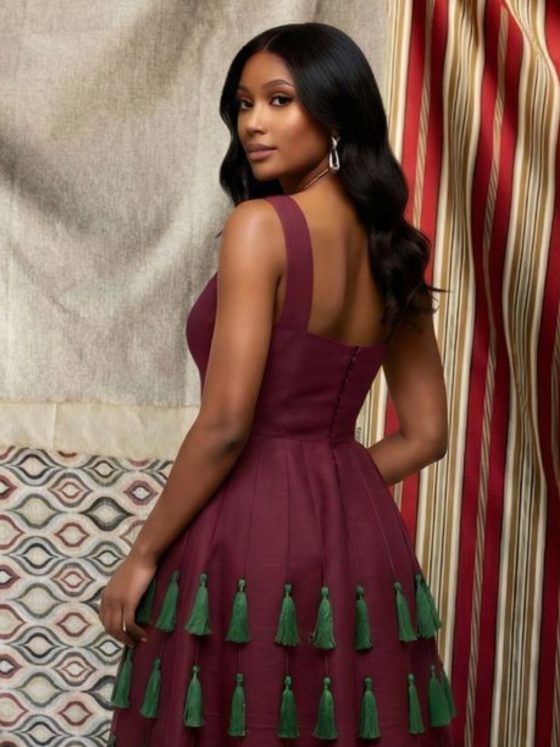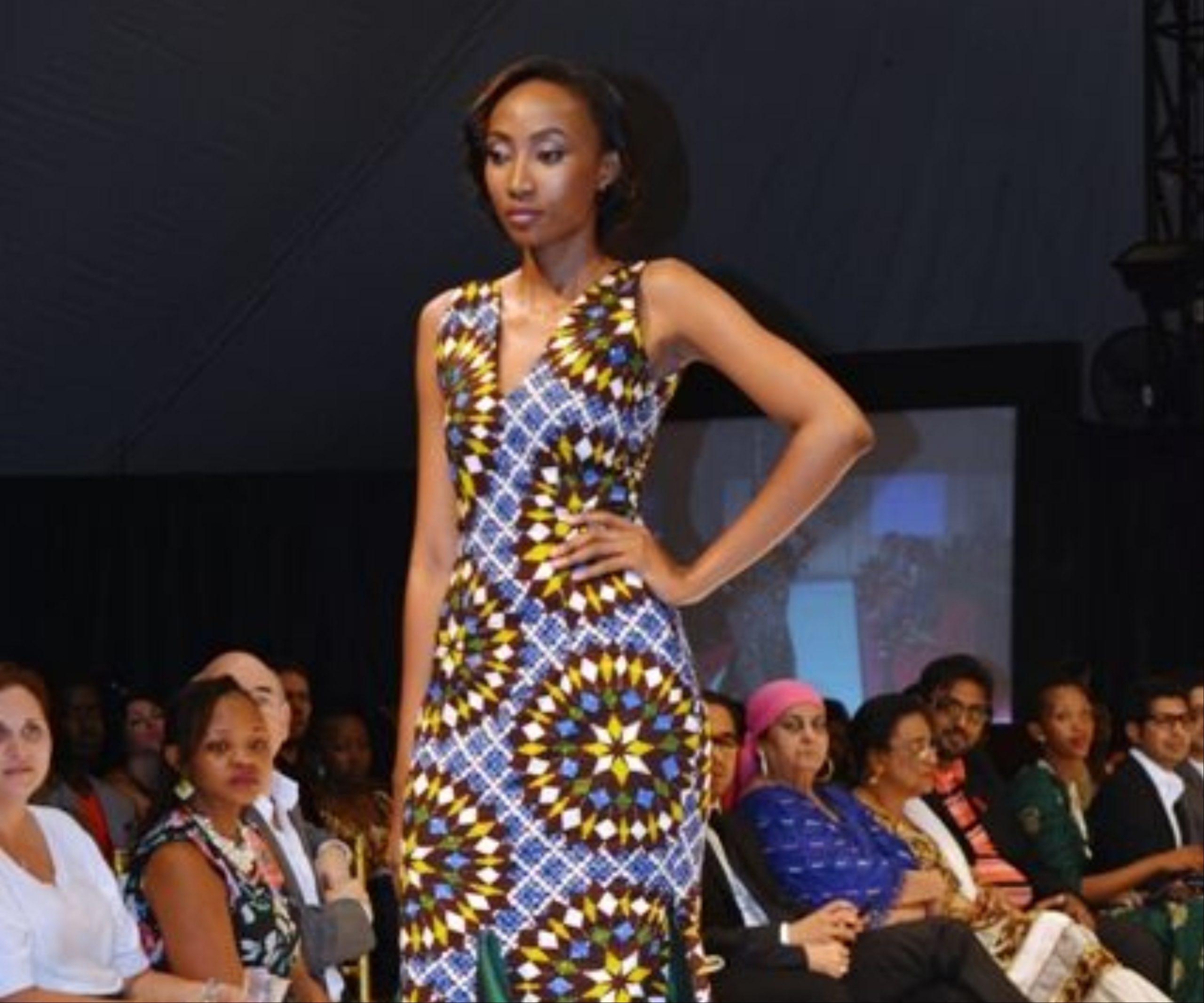
A woman never travels alone in the peaceful, intentional environment of East Africa’s coast; her goals are ingrained in every aspect of her existence. The Khanga is a living proverb, not just a lovely piece of cotton. The jina, a brief, poignant phrase or puzzle printed along the border, defines each cloth.
The Omiren woman uses these “Whispering Fabrics” as an upscale, individual anchor in 2026. It is a creative way for her to express her opinions to the world without ever breaking her quiet, guaranteeing that the force of the written word will continue to shield her private haven.
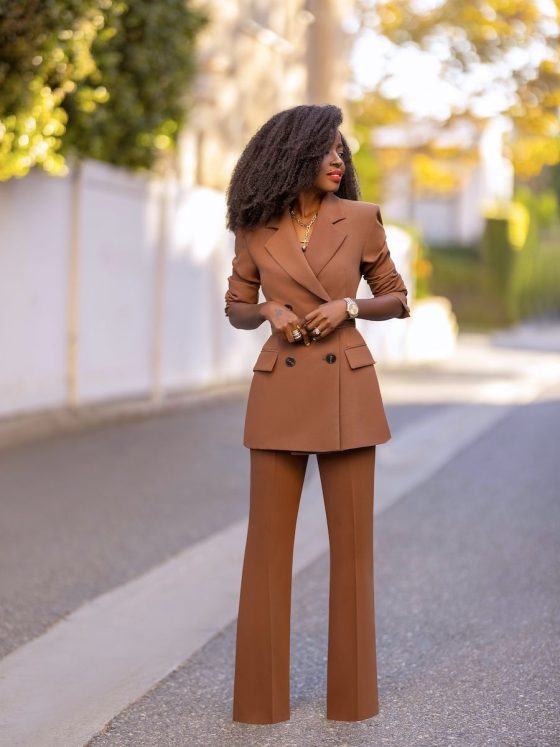
Brands like Vivo Activewear and KikoRomeo have perfected the technique of transforming these rhythmic, floral motifs into powerful, contemporary statements. The Khanga is treated as a tactile archive rather than merely a wrap. She might decide on a structured duster coat with a traditional saying from Katush instead of a typical scarf. Choosing a silhouette that feels steady and intelligent, while utilising cotton grown on the planet to convey a message of independent sovereignty, is more important than following a fad.
She is aware that her presence reflects her own path and is a beautiful, enduring glow. We are reminded that every word has a purpose by labels such as Chandra, which frequently include these lyrical borders in their simple tailoring.
The proverb serves as a wholesome, all-encompassing barrier for her spirit, regardless of whether it talks of perseverance, fortitude, or the natural beauty of the coast. She is honouring the women of Mombasa and Zanzibar, whose voices have been woven into the fabric and carried on the wind for generations, by selecting these items.
This luxury honours the phrase’s historical significance. Her Khanga conveys elegance and strategic meaning as she stands in a business boardroom or a gallery bathed in sunlight. Her “Whispering Fabric” speaks for her, so she doesn’t have to yell to be heard. Using the subdued power of Swahili poetry to ensure her voice is heard long before she speaks, she employs a strong, self-reliant method of managing her public persona.
Discover “The Whispering Fabric”, a high-end look at the Swahili Khanga. Explore how the Omiren woman uses the soulful, rhythmic proverbs of East Africa as a personal anchor and a visionary, silent statement of independent authority and sustainable grace.
The Jina as a Private Shield
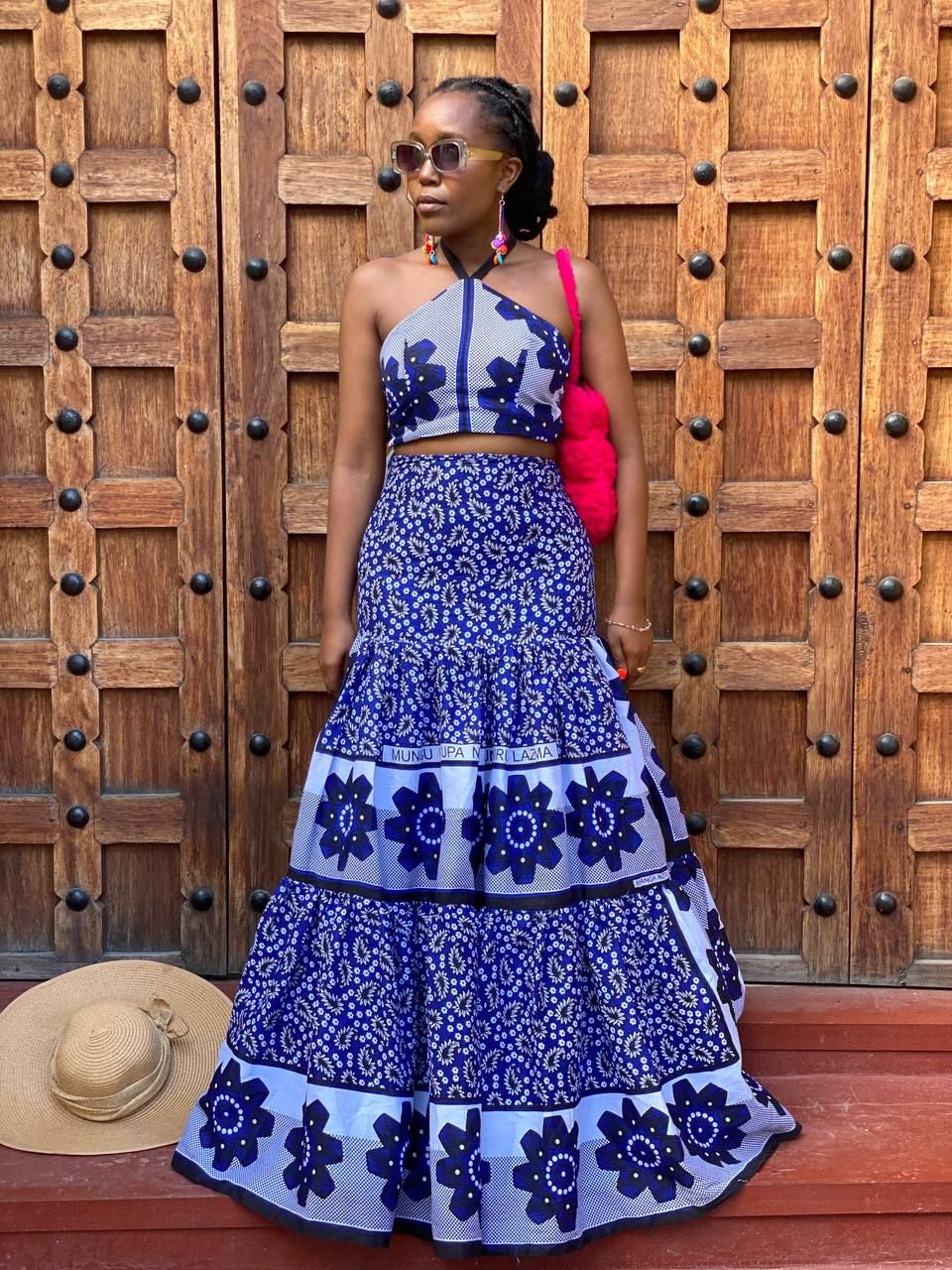
The way the cloth is split into two different worlds, the jina, the poignant aphorism written along the edge, and the mji, the core motif, is where it all begins. The jina is a woman’s most effective weapon for navigating the global skyline in 2026. She can tell her truth to the world without ever breaking her quiet because it is a piece of literary architecture that she wears on her body. This guarantees that the power of the written word will continue to guard her inner sanctuary.
Brands like Vivo Activewear and KikoRomeo have perfected the technique of transforming these rhythmic, floral motifs into powerful, contemporary statements. They handle the cloth as a tactile archive rather than merely as a covering. She might choose a structured duster coat from Katush, where the jina is hardly noticeable at the lapel, rather than a typical scarf. Choosing a silhouette that feels steady and intelligent, while utilising cotton grown on the planet to convey a message of independent sovereignty, is more important than following a fad.
She is aware that her presence reflects her own path and is a beautiful, enduring glow. We are reminded that every word has a purpose by labels such as KikoRomeo, which frequently include these lyrical borders in their simple tailoring.
The proverb serves as a wholesome, all-encompassing barrier for her spirit, regardless of whether it talks of perseverance, fortitude, or the natural beauty of the coast. She is honouring the women of Mombasa and Zanzibar, whose voices have been woven into the fabric and carried on the wind for generations, by selecting these items.
This luxury honours the phrase’s historical significance. Her “Whispering Fabric” conveys a tale of elegance and calculated purpose as she stands in a corporate boardroom or a gallery bathed in sunlight. Her bordering truth speaks for her, so she doesn’t have to shout to be heard. Using the subdued power of Swahili poetry to ensure her voice is heard long before she speaks, she employs a strong, self-reliant method of managing her public persona.
Patterns of Growth and Resilience
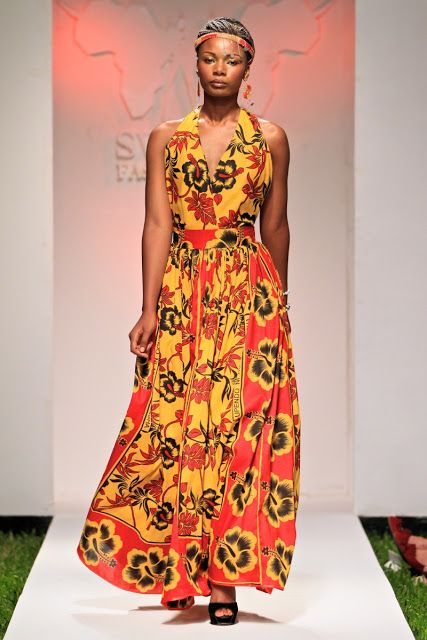
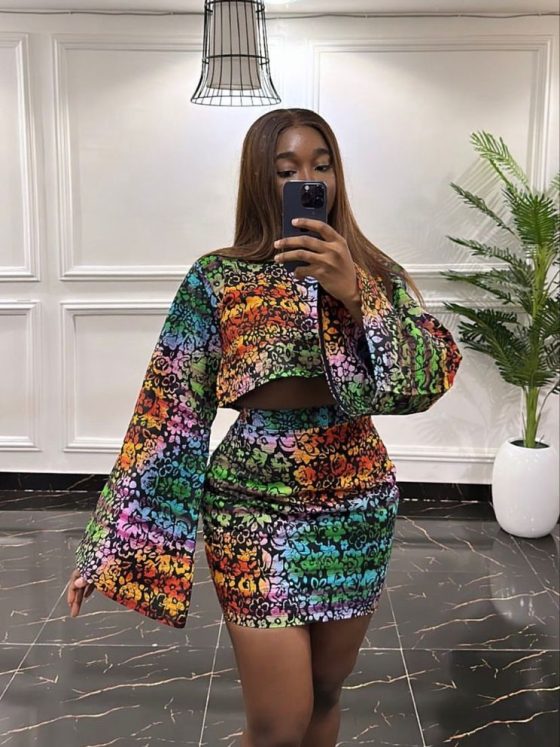
The mji, a vivid heart of pattern and colour that narrates a tale about the earth itself, is at the core of every textile. These patterns are frequently botanical metaphors that relate to a woman’s development and her relationship to the environment; they are rarely merely ornamental.
These patterns serve as an internal haven for the lady navigating the 2026 global skyline, bringing the rhythmic energy of the coast into her metropolitan setting. Every emblem, whether it be the clove flower or the palm leaf, is a glowing, healthy frequency that conveys her resiliency to the outside world.
These classic prints are used by brands like KikoRomeo and Vivo Activewear, who elevate them into upscale statements that feel both contemporary and profoundly ingrained. She makes sure her silhouette is both commanding and grounded by selecting a flowing midi skirt or a structured blazer from Katush that has these key themes. She is wearing a garment that respects Mombasa’s soil while still projecting an autonomous, polished image, a creative approach to sustainable style.
She is aware that her presence reflects her personal path and provides an eternal radiance. Katush frequently uses these primary motifs to give a minimalist wardrobe a feeling of movement and vitality. She is promoting a methodical, careful craft that honours the biological heritage of East African cotton through her choice of these pieces.
She can maintain a connection to her heritage even in the midst of a bustling metropolis because of the mji, which transforms from a simple print into a heartfelt record of the natural world.
This luxury honours the Swahili coast’s botanical knowledge. Her whispering fabric conveys a tale of grace and inherent strength, whether she is standing in a business boardroom or a gallery bathed in sunlight. Her choice of pattern conveys a life in balance with her surroundings, so she doesn’t need to shout to be understood. Using the subtle, radiant power of the earth’s own symbols to ensure her voice is heard long before she speaks is a powerful, inclusive way to manage her public persona.
ALSO READ:
Weaving a Community of Intent
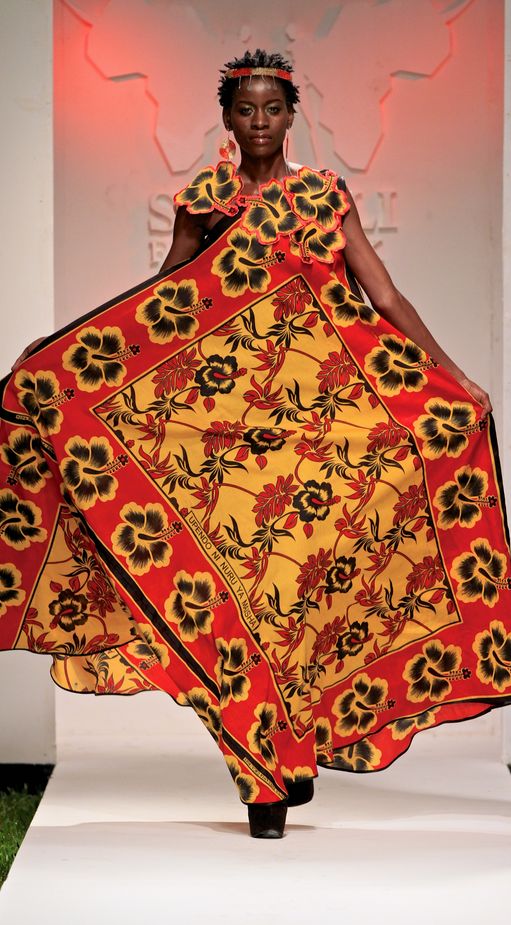
The Ritual of Gifting defines the last layer of this map. The Khanga is a textile that women exchange to commemorate milestones of development, mourning, and joy in Swahili culture. This custom turns a woman’s outfit into a network of personal connections as she navigates the global skyline in 2026.
When she presents or gets a “Whispering Fabric,” she is providing more than just an accessory; rather, she is sharing a visionary piece of support that serves as a protective barrier for her community.
Brands like Katush and KikoRomeo respect this shared heritage by ensuring their products carry the weight of a genuine narrative. She is contributing to a quiet, patient economy that honours the hands of the coastal artisans by selecting an upscale wrap or a structured accessory from these labels. Knowing that her style is rooted in a multigenerational sisterhood gives her an enduring, brilliant glow that serves as her inner haven. By bridging the gap between the traditional and the modern through the subtle power of common proverbs, she uses a self-reliant and powerful method to establish her brand.
She is aware that a luxury with soul promotes a sustainable, inclusive future. Katush frequently draws attention to this by crafting classic pieces meant to be passed down, transforming each article of clothing into a tactile repository of collective knowledge.
Her style embodies the rhythmic vitality of the women who came before her, whether she is entering a boardroom or a seaside resort. Knowing that her bordered truth is a gift of resiliency that she shares with the world, she moves with a commanding grace.
Her voice will be heard long after she leaves the room thanks to this ceremony. She takes on a sovereign authority that is both imaginative and grounded by embracing the patience of the gift.
She is more than simply dressed; she has a connection. To maintain her identity as lively and welcoming as the seaside breeze that first brought the Khanga proverbs to the world, her whispering fabric conveys a tale of grace and strategic intent.
Conclusion
More than just a piece of cotton, the Swahili Khanga is a sovereign script that enables the Omiren woman to preserve her past for future generations. She connects her contemporary existence with a deeper map by selecting the whispering weave of the jina, the spiritual periodicity of botanical patterns, and the patient power of a great tradition. Her inner sanctuary is safeguarded by the stories she wears, which make for a luxurious and inclusive way to navigate the world.
Her proverbial archive serves as a bright anchor as she traverses the worldwide skyline of 2026. True luxury can be found in the slow, methodical pulse of the human hand and the wisdom of the coast, as demonstrated by brands like KikoRomeo and Katush, which ensure this silent conversation remains a visionary force in fashion. Her presence is a silent, self-reliant revolution; she doesn’t have to yell to be heard. She is a woman who understands that a skill that has endured, flourished, and still speaks with complete grace is the greatest way to convey her feelings.
Your style is your silent revolution. To discover the high-end, sustainable stories, artisanal Swahili craftsmanship, and soulful global connections that anchor the Omiren woman’s radiant map, explore the full Omiren Global Editorial Archive.
Frequently Asked Questions (FAQs):
- What is the difference between the mji and the jina?
The mji is the central, botanical heart of the fabric, often filled with rhythmic patterns of the earth. The jina is the name of the specific Swahili proverb printed along the border. Together, they create a complete, visionary dialogue between nature and the written word.
- Which high-end brands are re-imagining the Khanga in 2026?
Visionary labels like KikoRomeo and Katush lead the movement, transforming these traditional cloths into structural, luxury silhouettes. Vivo Activewear also offers inclusive, modern pieces that honour these coastal prints for a radiant, everyday presence.
- How do I choose the right proverb for my silhouette?
Selecting a jina is an act of strategic intent. Choose a proverb that reflects your current internal sanctuary, whether it speaks of quiet patience, ancestral strength, or the beauty of growth. It acts as a healthy, private shield that shares your truth without breaking your silence.
- Is the Khanga considered a sustainable fashion choice?
Yes. High-end Khanga is a celebration of slow, patient craft. By supporting brands that source authentic East African cotton and work with coastal artisans, you are participating in a human-centred economy that values heritage over mass production.
- How should I style a Khanga for a global urban setting?
Treat the cloth as a piece of architectural jewellery. Drape a Katush Khanga over a sharp, minimalist suit, or use a KikoRomeo wrap as a structural headpiece. This allows the soulful, rhythmic patterns to act as a radiant anchor against a modern, neutral skyline.