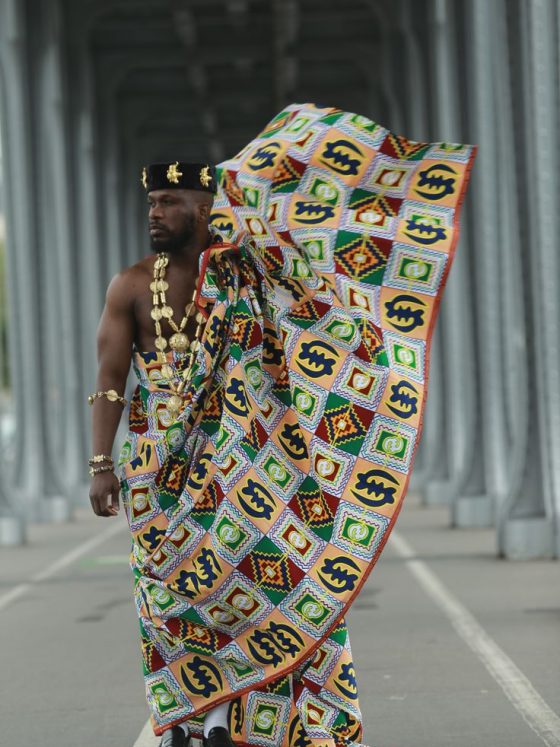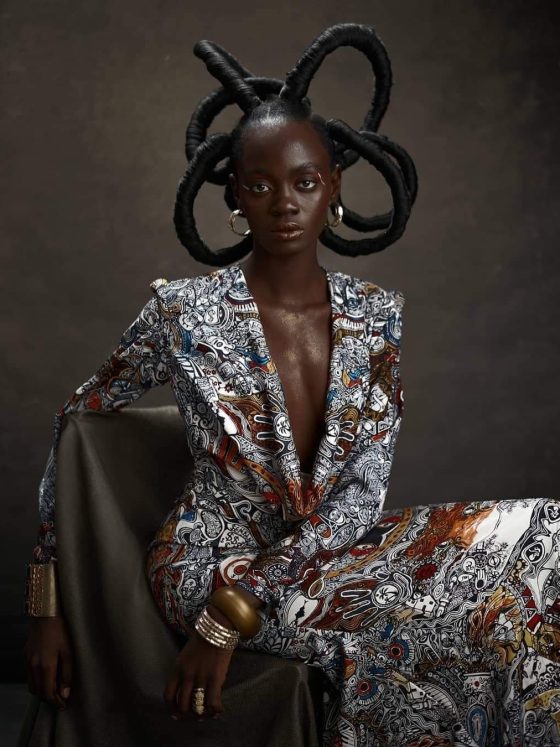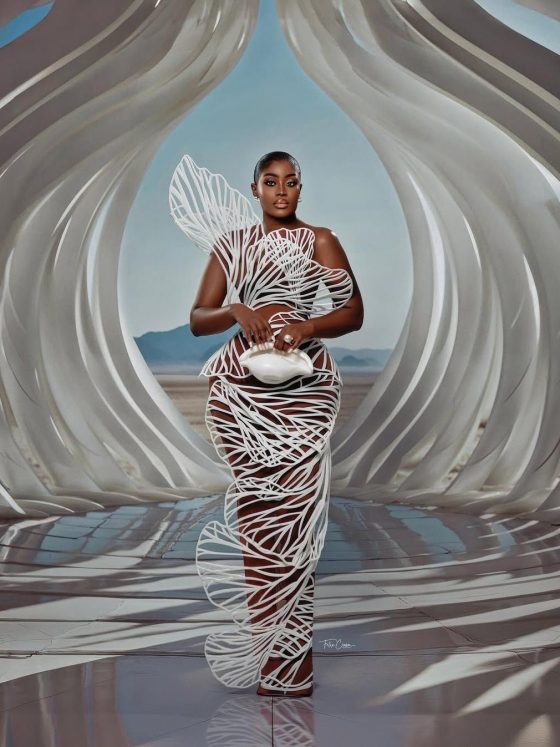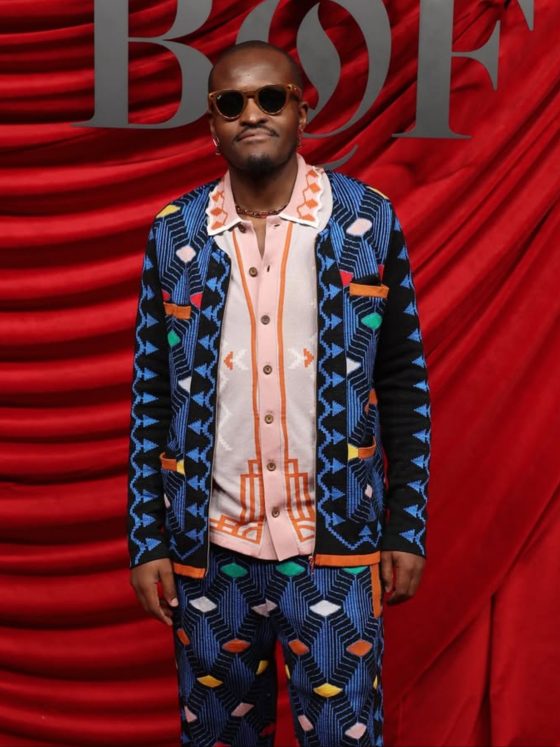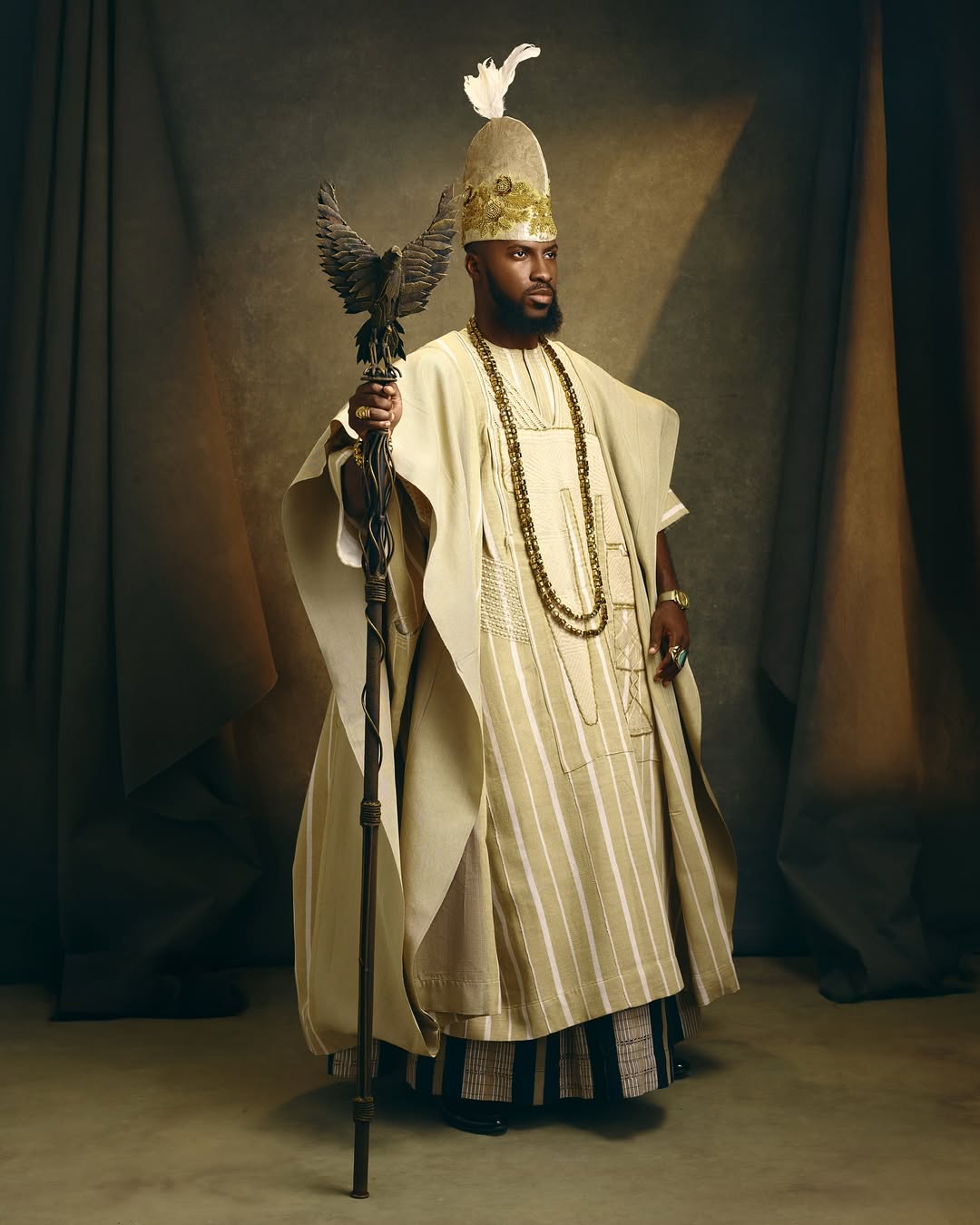
The most influential people in fashion are not always the most visible.
They do not dominate feeds or announce their presence with spectacle. Their work travels differently. Through images that linger. Through ideas that repeat themselves quietly across campaigns, editorials, and personal wardrobes. You begin to notice a consistency in how things feel long before you recognise a name.
This is how style is being shaped now. This transformation is not due to constant exposure but rather to trust. Such confidence is achieved through a gradual accumulation of choices that evoke a sense of consideration rather than performance.
A group of creatives are defining contemporary style across fashion, image-making, and cultural spaces by working steadily, intentionally, and often beyond the frame. Adoption, not attention, measures their influence. Their influence is evident in the way others use their language without giving credit.
This aspect is where style is being shaped quietly right now.
Meet the creatives shaping contemporary style quietly through image, process, and cultural clarity, redefining influence without noise or spectacle.
When Influence Stops Performing
Fashion has entered a more reflective phase.
As audiences grow tired of excess and acceleration, influence has shifted away from spectacle toward clarity. The people shaping taste today are not chasing relevance. They are building it patiently.
Their work is grounded in process. They prioritise editing over accumulation. They choose restraint where others select volume. The result is a style that feels calm, assured, and durable.
Quiet influence does not seek validation. It earns it.
Nana Kwasi Wiafe: Visual Storytelling as Authority
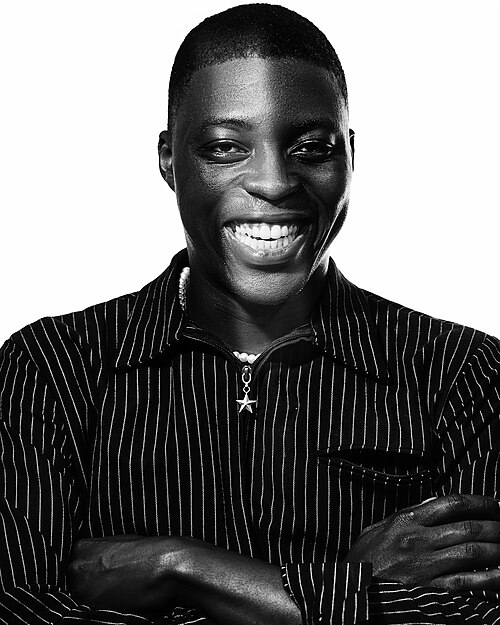
Nana Kwasi Wiafe’s work rarely announces itself. Instead, it settles in.
As the founder of Very Ghanaian and ThouArtKwasi, he prioritises narrative over novelty in his approach to styling. His editorials feel composed rather than crowded, allowing his clothing, posture, and environment to speak together.
His influence is visible across fashion imagery that avoids exaggeration in favour of intention. The looks feel lived-in, thoughtful, and culturally aware without leaning on symbolism. Over time, this approach has quietly reshaped how African style is framed in editorial spaces.
Wiafe’s authority comes from consistency. His work does not try to impress. It builds trust.
Alexander-Julian Gibbson: Styling as Cultural Translation
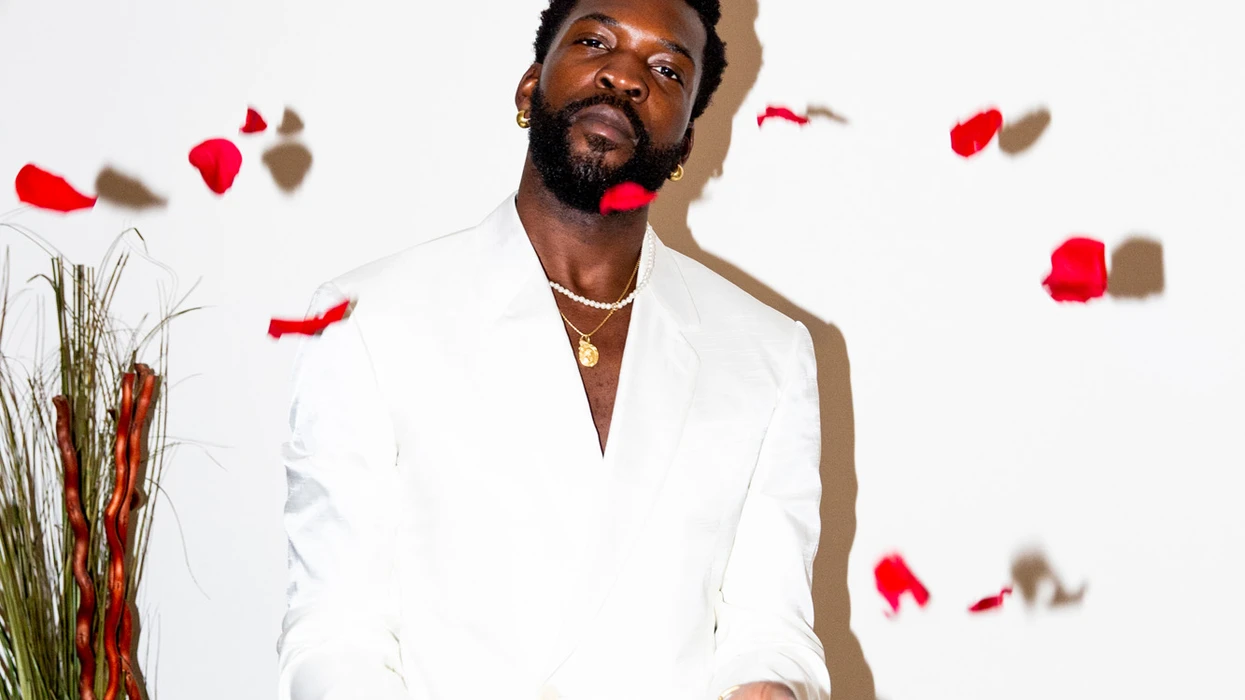
Alexander-Julian Gibbson moves between fashion, travel, and cultural documentation with ease. His styling work does not exist in isolation. It is contextual, layered, and observant.
Rather than dressing bodies for impact, he dresses narratives. Clothing becomes a language for place, movement, and identity. His work has shaped how Black and African style is interpreted in editorial spaces that value nuance over shorthand.
What sets his influence apart is subtlety. He does not explain culture. He allows it to exist naturally within the frame. That restraint has made his approach quietly influential among editors and creatives looking for depth rather than display.
Afua Rida: Everyday Style as Cultural Continuity
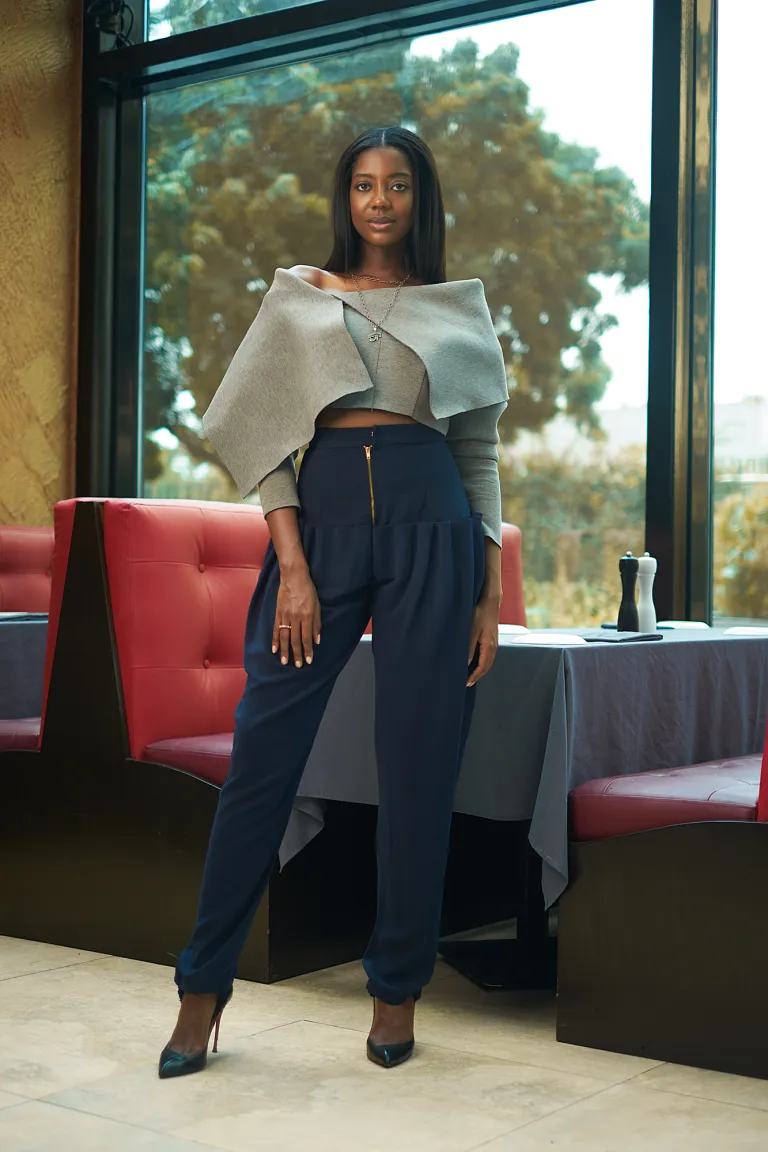
Afua Rida’s styling practice is grounded in lived experience.
Through her brand, Styled by Rida, she blends contemporary fashion with Ghanaian textiles and references in a way that feels natural rather than symbolic. Her work does not romanticise cultures. Her work seamlessly integrates cultural elements into everyday dressing.
This approach has quietly influenced how cultural elements appear in modern wardrobes. This approach does not treat cultural elements as costumes but rather as continuous features. Her collaborations with established textile brands have helped shift perception toward wearability rather than spectacle.
Rida’s influence lives in how culture becomes part of daily life, not a visual event.
Akin Faminu: Digital Presence Without Noise
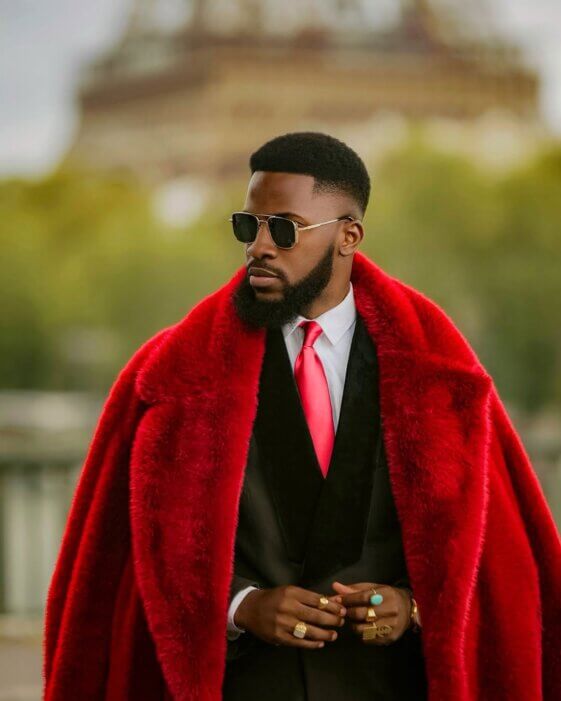
Akin Faminu’s approach to style is measured and composed.
In a digital landscape driven by constant output, his influence comes from consistency rather than volume. He focuses on proportion, tailoring, and repetition, presenting menswear as something lived in rather than showcased.
His work has shaped how a generation approaches dressing thoughtfully, not through trend forecasts, but through quiet demonstration. Over time, his visual language has become familiar without becoming loud.
Faminu represents a shift in digital influence—one where restraint carries more weight than reach.
What Quiet Influence Looks Like Now
Across these creatives, a pattern emerges.
Style is being shaped through:
- Editing rather than accumulation
- Context rather than spectacle
- Process rather than performance
This kind of influence does not announce itself. It circulates through trust, reference, and repetition. It becomes visible only after it has already taken root.
In a culture saturated with visibility, quiet influence has become the most enduring form of authority.
READ ALSO:
- 80s Exuberance & Power Dressing: Why Structure Is Leading 2026 Fashion
- Who to Watch as Fashion Enters a More Thoughtful Era
- How Institutions Shape Legacy in Fashion and Beauty
The Future Is Already Being Written
The people shaping style quietly right now are not waiting for recognition.
They are building systems, images, and narratives that will outlast trends. Their work proves that influence does not need amplification to be effective. It needs clarity.
As fashion continues to slow and reflect, these voices will remain relevant not because they demanded attention, but because their work earned it.
Quietly, style is being shaped.
Frequently Asked Questions
- Why focus on quiet influence in fashion?
This is because consistency and trust, rather than visibility, often lead to long-term impact.
- Are these creatives considered emerging or established?
They occupy a space between. They are well-known within industry circles, yet they are not influenced by mainstream exposure.
- Does quiet influence mean limited reach?
This isn’t necessarily the case. It often means more profound, more sustained influence over time.
- How does this reflect modern luxury?
Luxury today values intention, clarity, and restraint over spectacle.
- Is this approach shaping the future of fashion?
Yes. As audiences seek meaning over noise, quiet influence becomes central.