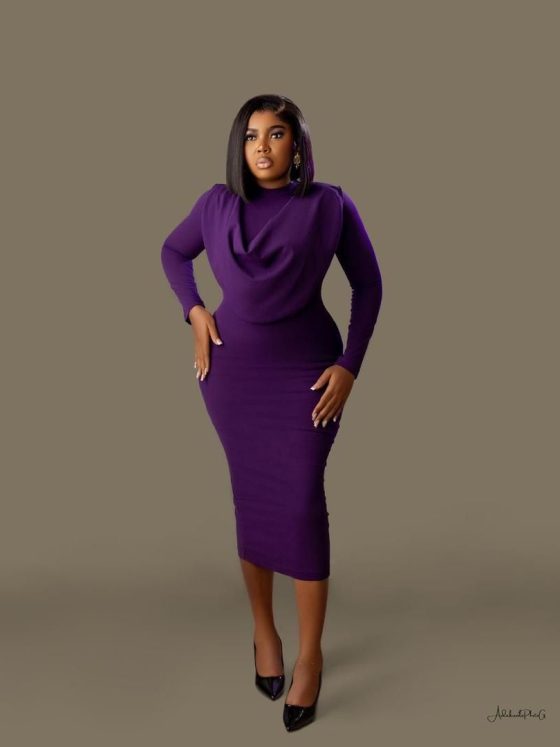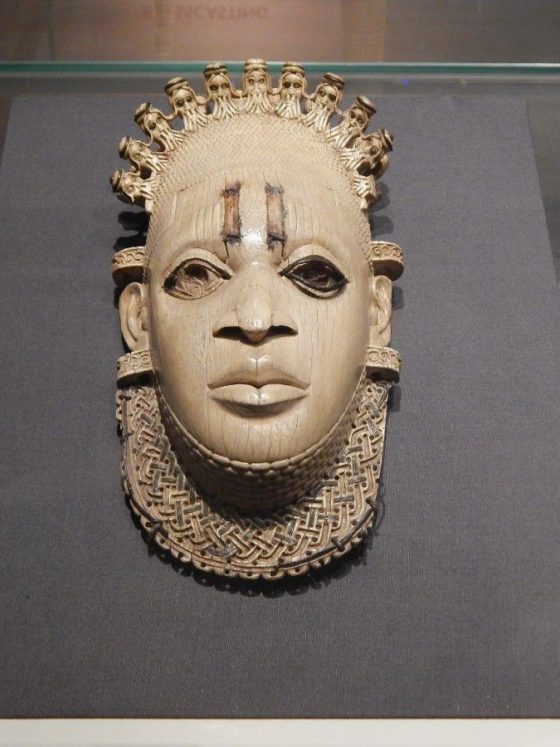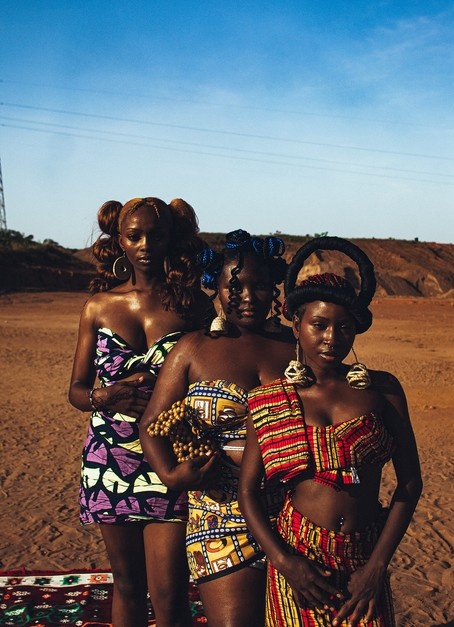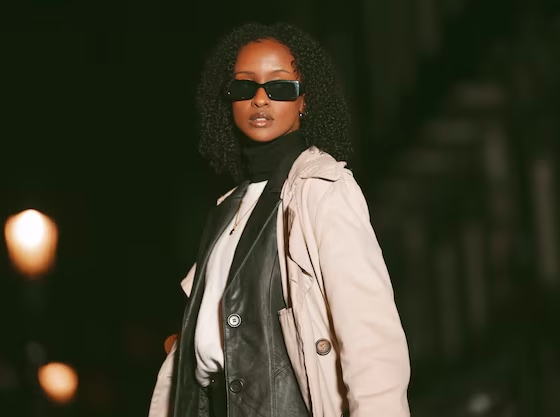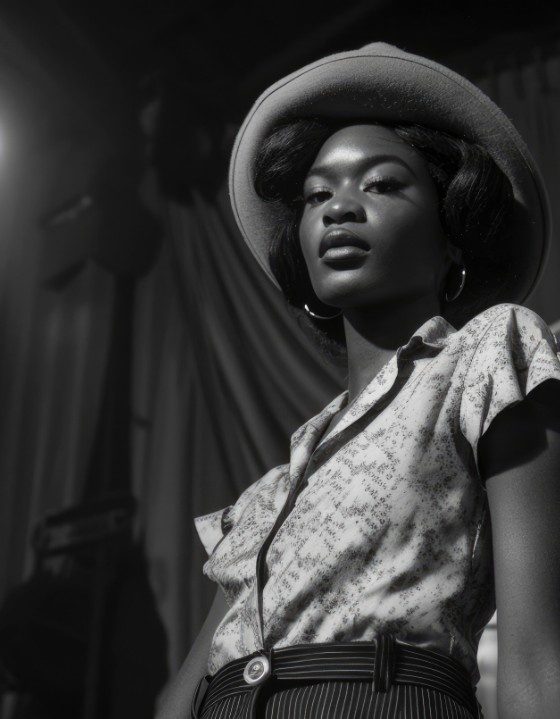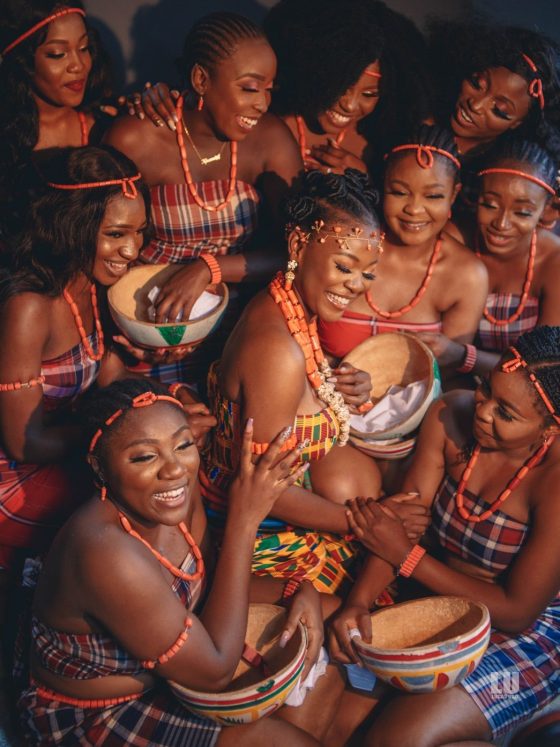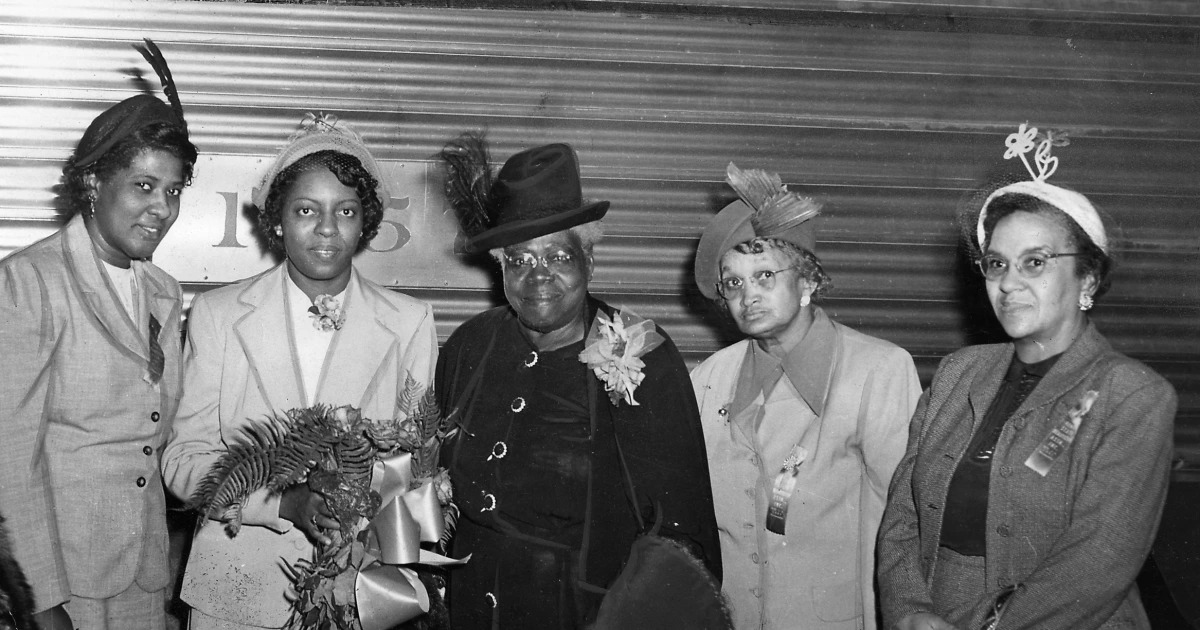
The shape clothing creates, called a silhouette, has played an important role in the history of power in Black women’s fashion because it influenced how Black women were seen and treated. Silhouettes were more than just style. They helped Black women show confidence, protect their pride, and express who they were, even when society tried to limit them.
Over time, these clothing styles changed as Black women gained greater freedom and cultural pride. Fashion became a way for them to express strength, identity, and presence without speaking.
In this article, you’ll learn how silhouettes changed over time and how they became a powerful part of Black women’s fashion and identity.
How has a history of power in Black women’s fashion shaped identity and culture? Read our detailed guide to learn how it works.
What Is The History Of Power In Black Women’s Fashion?
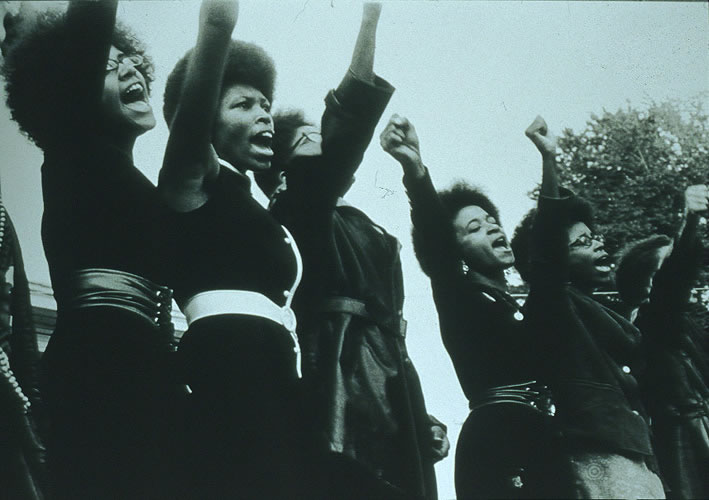
The history of power in Black women’s fashion is about more than trends; it shows how clothing shaped how Black women were seen and treated. During slavery and colonial times, laws and social rules limited what Black women could wear. Even modest silhouettes and headwraps became ways to protect dignity and quietly express identity.
After slavery, Black women used structured dresses and tailored outfits to show confidence and professionalism in public spaces, symbolising respect and self-worth. In the Harlem Renaissance and civil rights era, bold prints, Afrocentric designs, and elegant gowns celebrated culture, pride, and strength. Fashion became a way to be seen, respected, and heard without speaking.
Today, modern silhouettes continue this legacy. From sharp suits to vibrant cultural attire, clothing shapes still communicate confidence, heritage, and identity. Black women’s fashion has a long history of using silhouettes to convey strength, survival, and self-expression across generations.
How Did Black Women Use Fashion During Slavery And Early History?
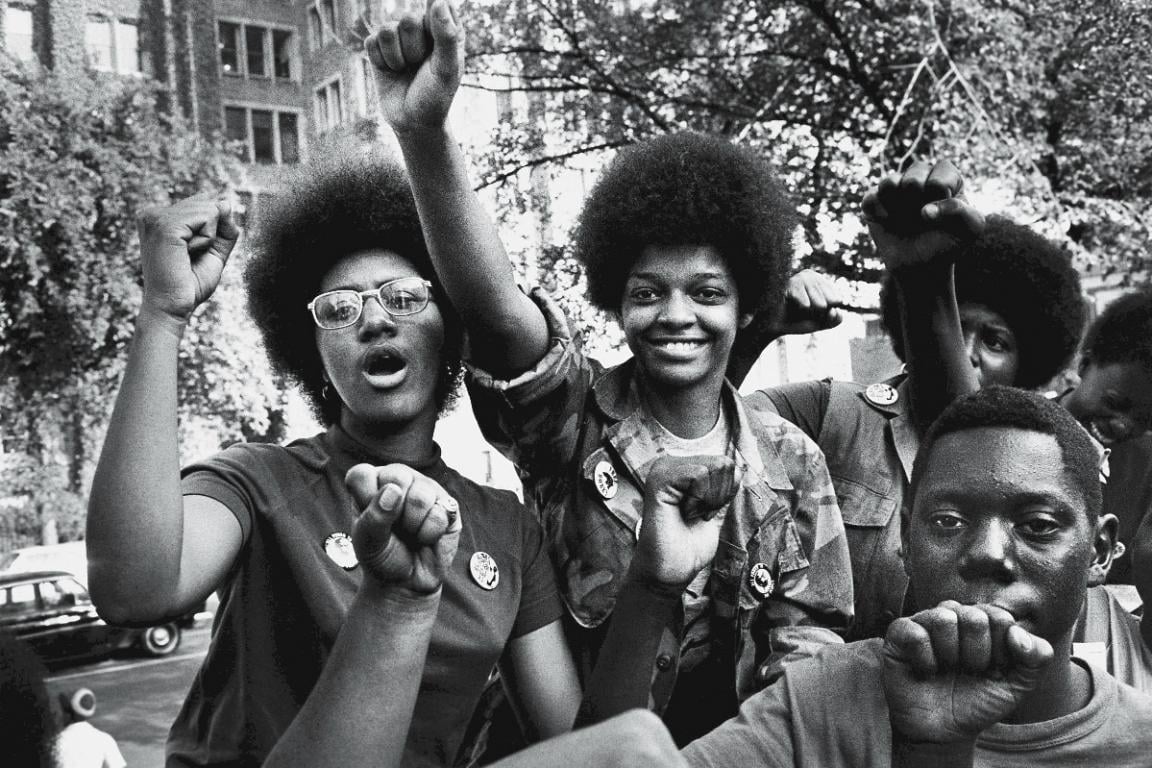
During slavery and colonial times, Black women had very little control over what they could wear. Laws and social rules restricted fabrics, colours, and styles, often to show status and limit visibility. Even with these limits, Black women found ways to use fashion strategically.
Long skirts, layered garments, and covered tops created modest silhouettes that allowed women to move safely while keeping their dignity. Headwraps, though sometimes required by law, became symbols of personal identity and cultural pride.
The way a woman tied or styled her headwrap could communicate creativity, resilience, and heritage even under strict control.
Even when materials were scarce, African traditions influenced how clothing was layered, folded, and styled. These small choices helped preserve culture and identity across generations. Silhouettes were tools for survival, self-respect, and quiet resistance.
Through these strategies, Black women transformed limited fashion options into ways to assert presence, protect themselves, and communicate strength, forming the earliest chapter in the history of power in Black women’s fashion.
How Black Women’s Fashion Evolved After Slavery
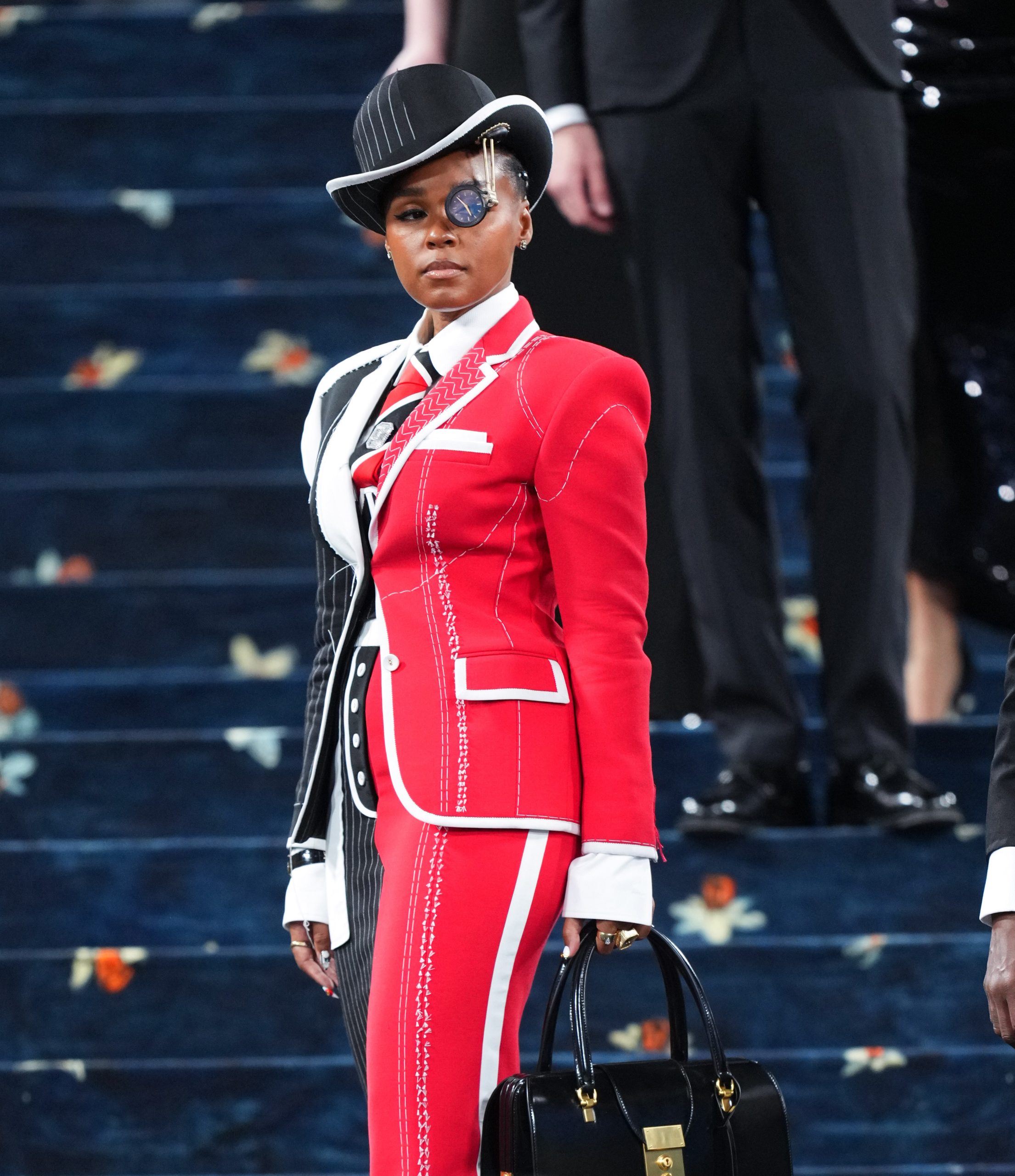
After slavery ended, Black women gained more freedom in their clothing choices, but public scrutiny and social judgment remained. Clothing became a tool for navigating society because, in schools, workplaces, churches, and public spaces, the way a woman dressed influenced how she was seen and respected.
Also, silhouettes began to reflect social mobility, confidence, and growing public presence. The period after slavery marks an important chapter in the history of power in black women’s fashion. This is because clothing shifted from being dictated by restriction to being intentionally chosen as a form of identity.
Every shape, fold, and detail of the silhouette helped Black women assert dignity, communicate authority, and define themselves in a changing society. Fashion became a tool for empowerment, bridging survival, strategy, and self-expression.
ALSO READ:
- How The Dinner Table Sets The Stage For Revolution
- Fashion as Statecraft: The Power of Black Cultural Diplomacy
- Opera Was Never White: Black Singers and the Truth About Classical Music
- Why Culture Is the Foundation of Style in African and Global Fashion
How Do Modern Silhouettes Continue The Legacy Of Power In Black Women’s Fashion?
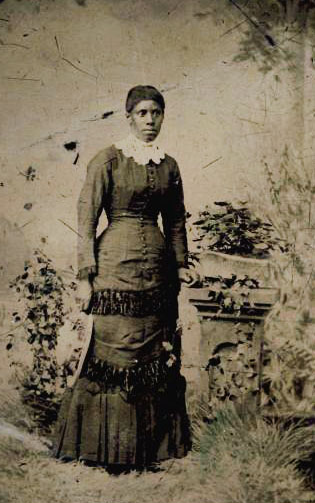
Today, black women’s fashion reflects both history and personal choice. Modern silhouettes, whether sharp tailoring, bold prints, oversized shapes, or Afrocentric designs, carry the same purpose as earlier styles: asserting identity, confidence, and presence.
Designers and everyday wearers use clothing to celebrate heritage, challenge stereotypes, and make statements in workplaces, social spaces, and online communities.
Fashion is now both personal and political, showing pride in culture while navigating modern life. From professional settings to cultural celebrations, clothing shapes remain a way for black women to define themselves on their terms.
Conclusion
Silhouettes in Black women’s fashion have always carried meaning beyond style. The shape of clothing influenced how Black women were seen and treated across different periods.
In a history of power in Black women’s fashion, silhouettes shifted from survival under restriction to intentional self-definition. Clothing became a quiet way to control presence and perception.
Today, silhouettes still reflect independence, cultural pride, and identity, showing that power in fashion is often expressed through how one chooses to present and define oneself.
Frequently Asked Questions
-
What Is A Silhouette In Black Women’s Fashion?
A silhouette is the visible shape clothing creates on the body. In black women’s fashion, this shape often carried meaning, especially in times when appearance affected how women were treated in public and social spaces.
-
Why Were Clothing Shapes Important In Black Women’s Fashion History?
Clothing shapes helped control how Black women were perceived. In many periods, presentation influenced respect, safety, and social acceptance, so silhouettes became a practical form of self-presentation.
-
Did Dress Laws Really Control What Black Women Could Wear?
Yes. In several historical periods, dress rules and social expectations constrained fabrics, styles, and appearances. These restrictions influenced modest silhouettes and simple garment shapes.
-
Why Did Modest Silhouettes Appear So Often In Early Black Women’s Fashion?
Modest silhouettes were not always just about style. They often reflected social pressure, public scrutiny, and the need to move safely in controlled environments.
-
How Did Black Women Express Identity Through Fashion Despite Restrictions?
Even with limits, identity was evident in headwraps, fabric choices, layering, and styling details. The silhouette itself became a quiet way to maintain cultural presence.