Bridal fashion has undergone a fundamental shift over the last century. What was once a largely prescriptive category defined by tradition, etiquette, and regional expectation has evolved into a sophisticated design space shaped by couture techniques, global fashion systems, and individual expression. Today, bridal fashion operates within the same creative and commercial frameworks as high fashion, responding to changing lifestyles, aesthetics, and production realities.
A single region or fashion capital has not driven this transformation. Instead, it reflects the growing influence of designers working across continents, presenting collections on international runways, dressing global clients, and redefining what bridal fashion can represent. The designers examined in this article are part of that shift. Their work is recognised globally not because of where they are from, but because of the technical, conceptual, and commercial strength of their bridal and couture practices.
This study provides an in-depth analysis of how contemporary designers are transforming bridal fashion by utilising couture techniques, global collections, and modern design thinking.
Bridal Fashion as a Contemporary Design Discipline
In the modern fashion system, bridal wear is no longer isolated from mainstream design. It intersects with couture, ready-to-wear, and luxury craftsmanship. Bridal collections are now shown alongside eveningwear, presented during fashion weeks, and reviewed by international fashion media. Designers approach bridal garments as complex design objects, applying advanced pattern construction, fabric engineering, and surface embellishment.
The contemporary bride is also central to this change. Weddings today vary widely in scale and form, and designers respond with garments that reflect mobility, comfort, individuality, and reusability. As a result, bridal fashion has expanded beyond a single silhouette or aesthetic, becoming a flexible category shaped by design intent rather than fixed convention.
10 Designers Contributing to the Global Evolution of Bridal Fashion
The following designers have made sustained contributions to contemporary bridal fashion through couture collections, bespoke bridal work, and international visibility. Their inclusion is based on documented runway presentations, established client bases, and consistent global recognition.
-
Amsale Aberra
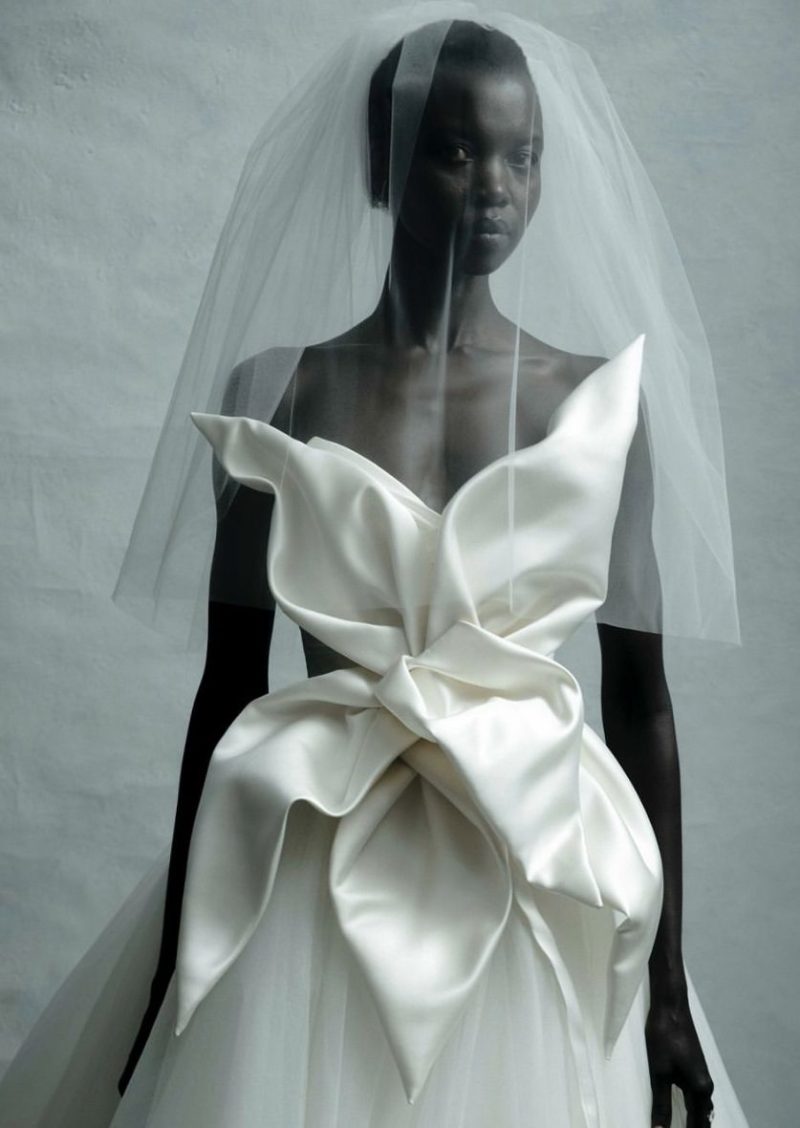
Amsale Aberra played a defining role in reshaping modern bridal fashion by introducing restraint and architectural clarity at a time when bridal wear was dominated by excess. Her work emphasised structure, fabric quality, and proportion rather than overt embellishment. The Amsale bridal line, headquartered in New York, became a reference point for minimalist bridal design and remains influential within the luxury bridal market.
-
Deola Sagoe
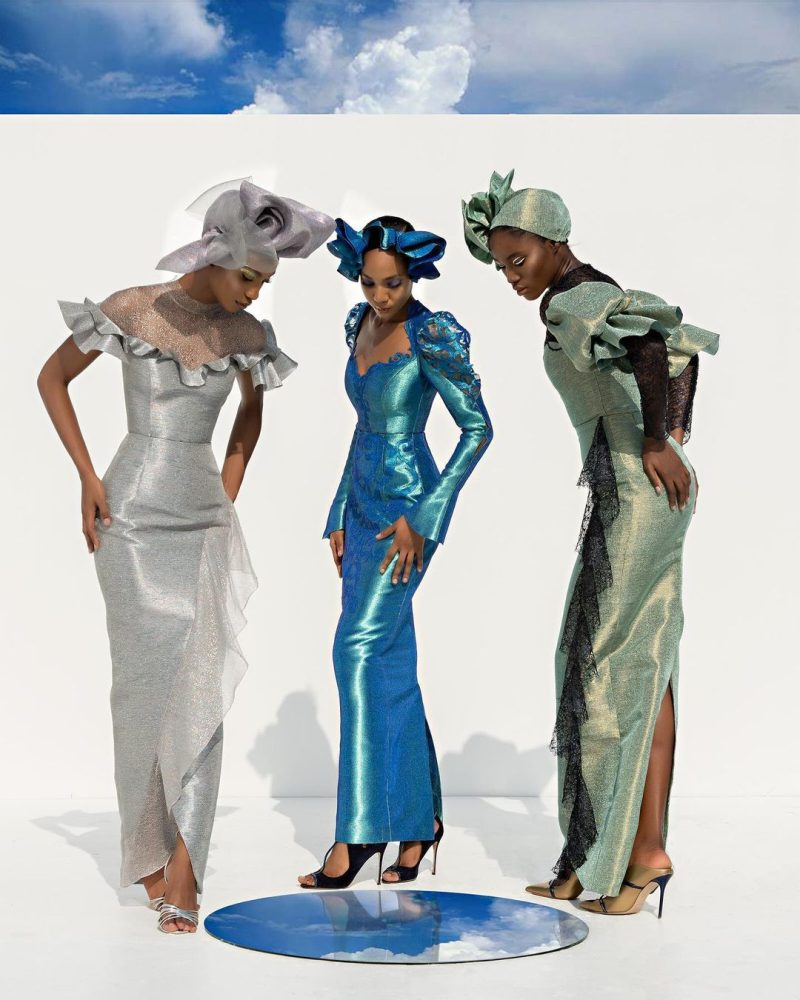
Deola Sagoe’s couture practice is rooted in complex construction and textile innovation. Her bridal work applies these principles through sculptural silhouettes, layered fabrics, and precise detailing. With presentations at international fashion weeks and exhibitions, her approach positions bridal fashion within the broader context of couture design rather than ceremonial dressing.
-
Elie Kuame
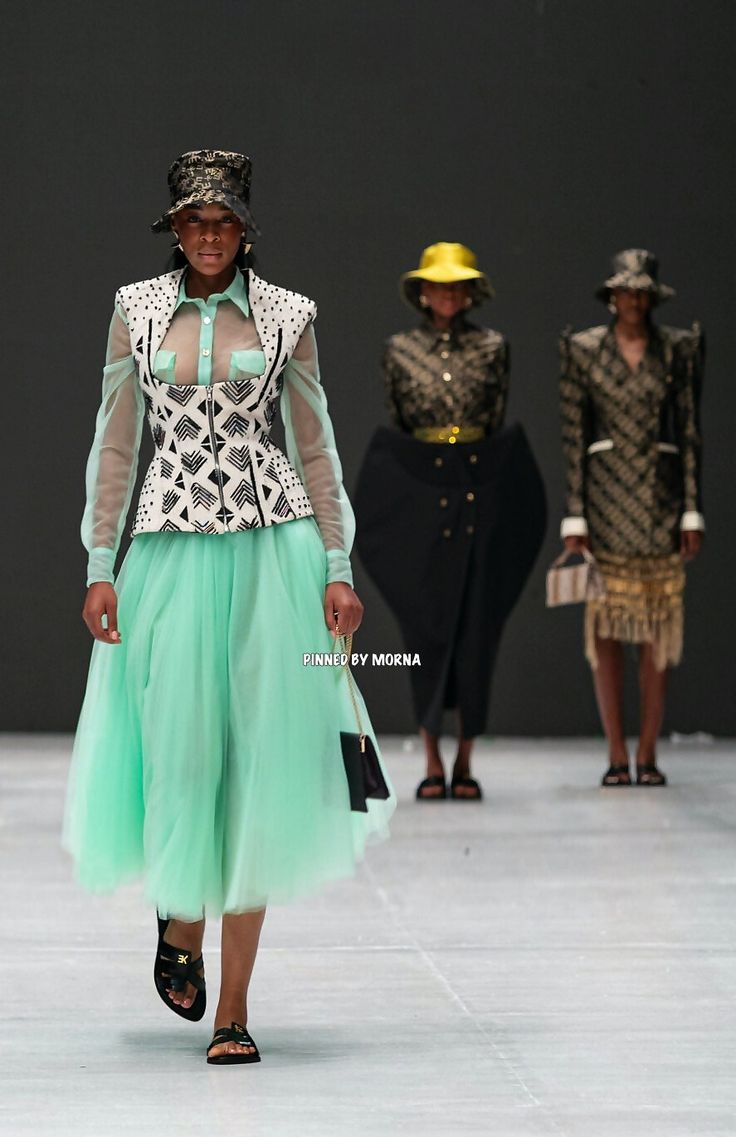
Based in Paris, Elie Kuame operates within the couture tradition, producing bridal and formal collections characterised by dramatic volume, corsetry, and intricate handwork. His gowns often feature structured bodices and expansive skirts, reflecting classical couture techniques adapted for contemporary bridal clients. His participation in European fashion circuits reinforces his global standing.
-
Imane Ayissi
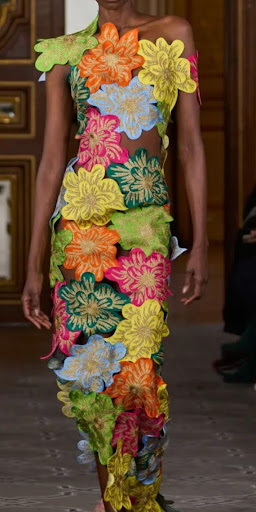
Imane Ayissi is an officially recognised designer at Paris Haute Couture Week, a distinction that places his work within the highest tier of fashion craftsmanship. Material research, handwoven textiles, and experimental surface treatments inform his bridal and couture designs. Ayissi’s work is frequently discussed in academic and museum contexts, underscoring bridal fashion’s relevance as a cultural and artistic practice.
-
Lanre Da Silva Ajayi
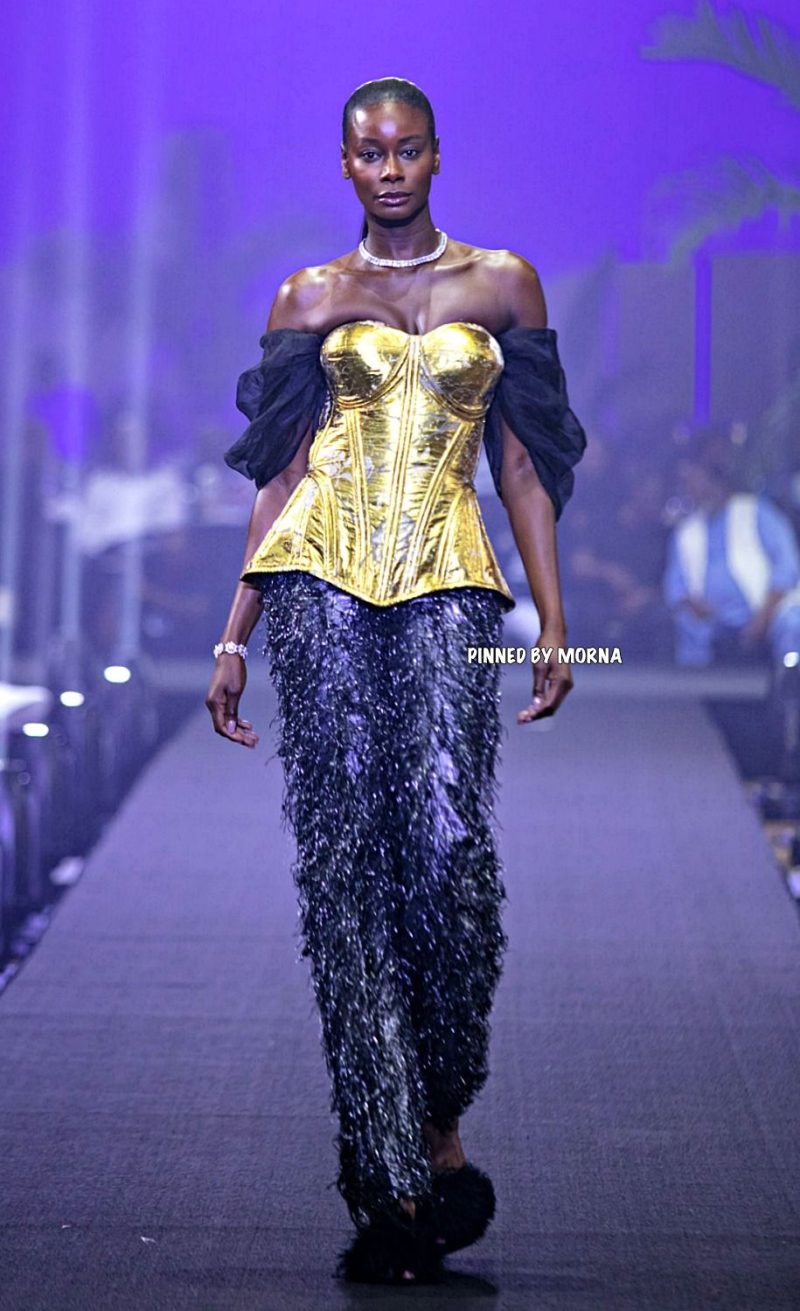
Lanre Da Silva Ajayi’s bridal designs reflect a long-standing commitment to couture techniques, including hand embroidery, beading, and structured tailoring. Her gowns are known for their formal elegance and attention to detail. With an international clientele and decades of consistent output, her bridal work represents continuity and refinement within luxury fashion.
-
Veekee James
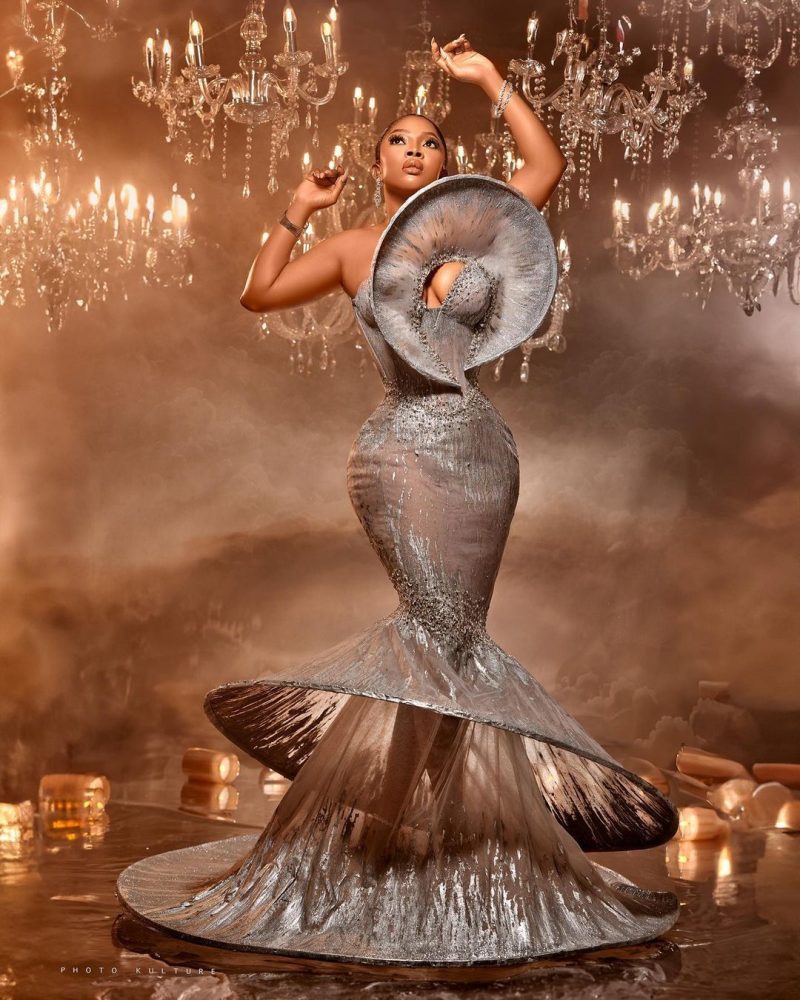
Veekee James has emerged as a prominent contemporary bridal designer through the development of bold, sculptural gowns that prioritise strong silhouettes and visual impact. Her bridal collections are frequently worn by high-profile clients and circulated widely across fashion media platforms. Her work demonstrates how modern bridal fashion engages with celebrity culture and visual storytelling.
-
Toju Foyeh
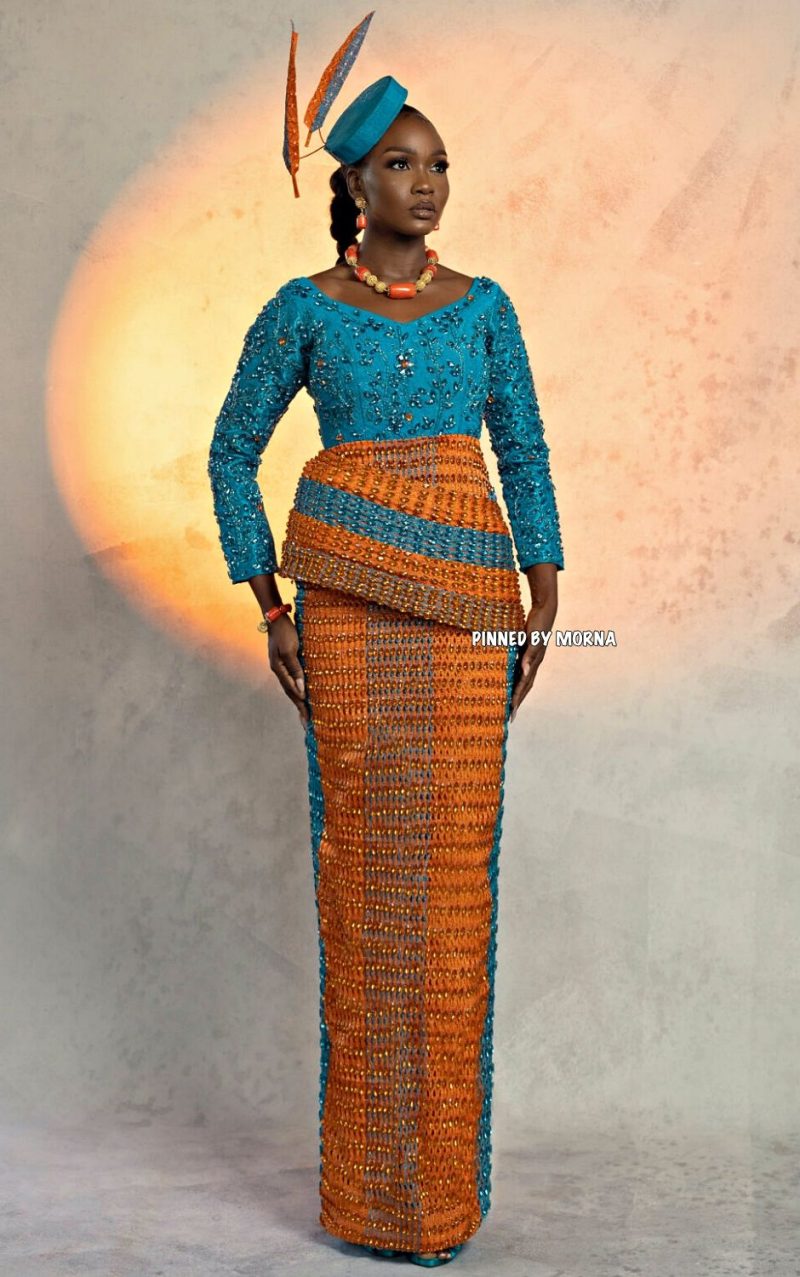
Toju Foyeh’s design practice centres on fluidity, movement, and romantic form. Her bridal and couture pieces often feature soft draping, layered textures, and dramatic trains. Presenting her collections internationally, she treats bridal wear as an extension of high fashion rather than a separate category.
-
Selam Fessahaye
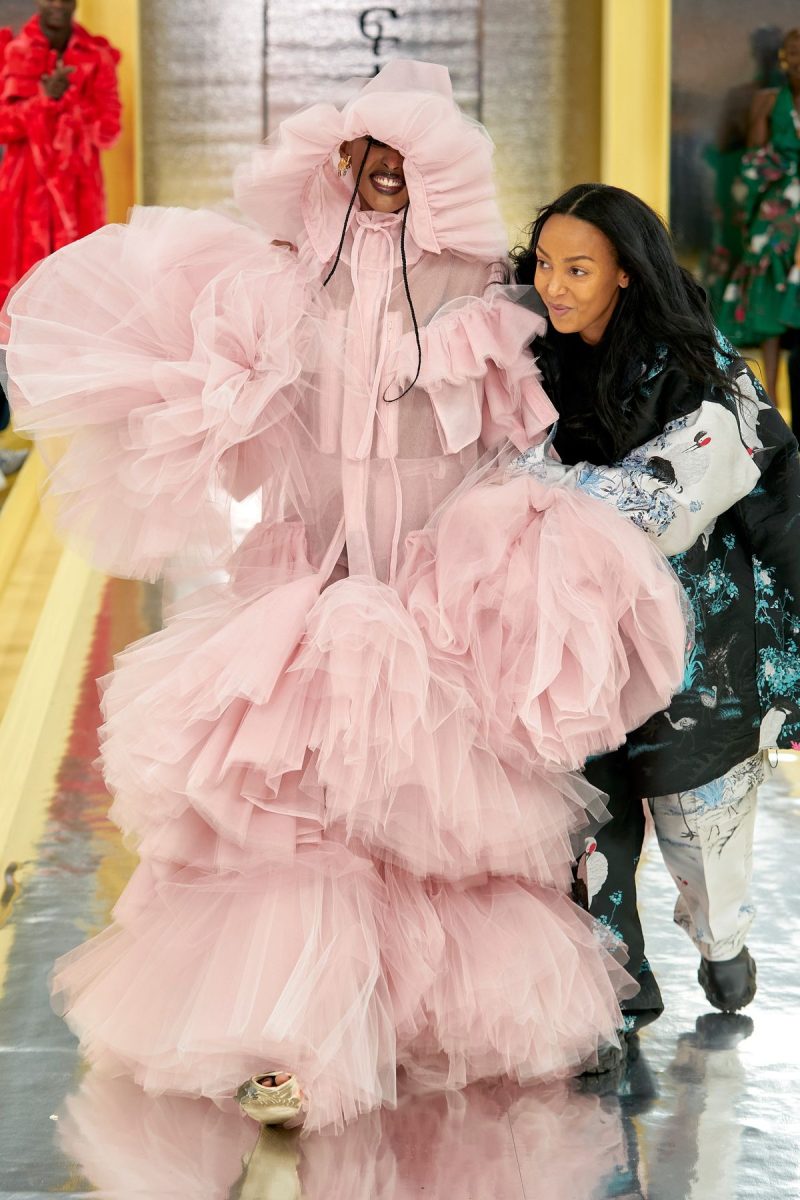
Operating between Europe and international fashion markets, Selam Fessahaye’s bridal work is defined by clean construction, precise tailoring, and material discipline. Her collections focus on form and function, aligning with contemporary bridal preferences for understated elegance and wearability.
-
Christie Brown (Aisha Ayensu)
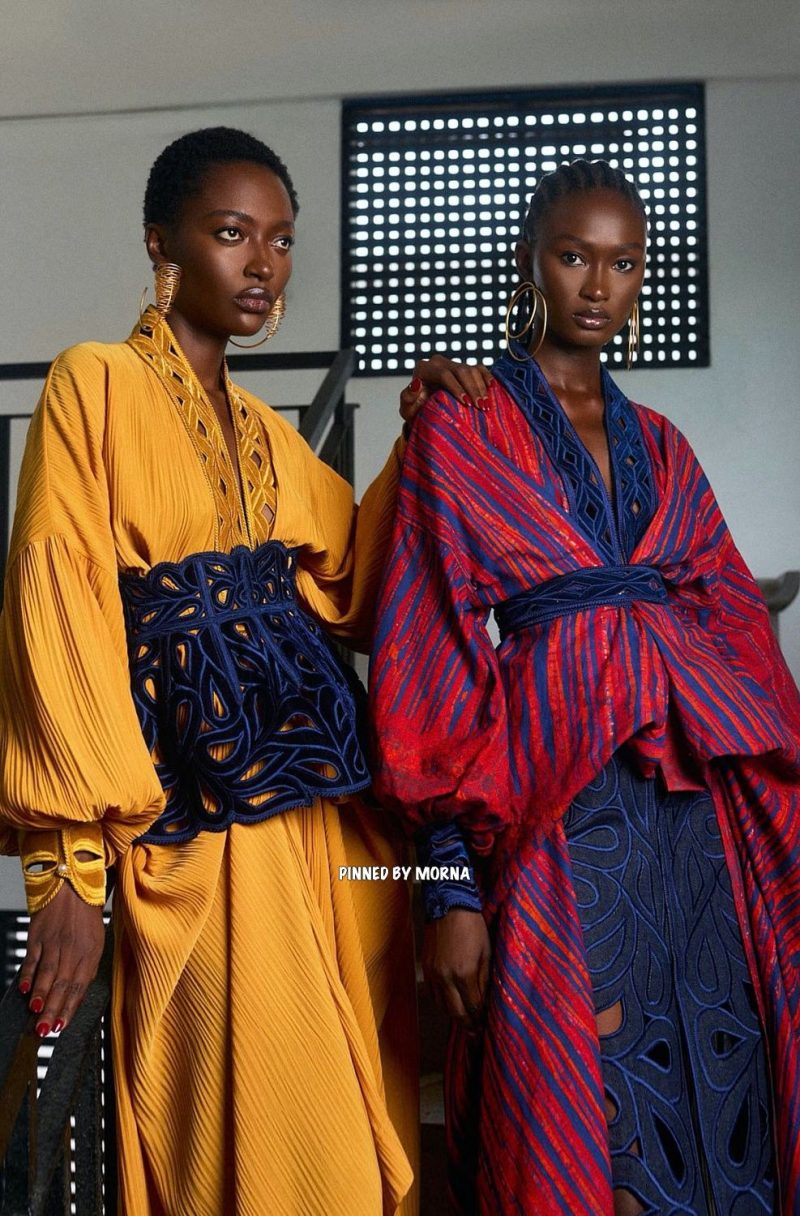
Christie Brown is a luxury fashion house with an established bridal offering that combines couture detailing with modern silhouettes. The brand’s bridal collections have been showcased internationally and stocked by global retailers, reflecting its commercial reach and design consistency.
-
Sukeina (Oumar Salam)

Sukeina is recognised for architectural tailoring and sculptural designs. While primarily known for luxury ready-to-wear, the brand’s formal and bridal-adjacent pieces apply the same structural precision and design logic. Its presence in international stockists and fashion editorials positions it firmly within the global luxury market.
READ ALSO:
- Inside the Fashion Wardrobe of the Most Influential Celebrities
- Top African Menswear Collections Released in 2025
Shared Design Principles Across Contemporary Bridal Collections
Across these designers, several consistent themes emerge. Bridal fashion is treated as a site of technical experimentation rather than adherence to tradition. There is a strong emphasis on couture construction, including corsetry, internal structure, and hand-finished details. Silhouettes range from minimalist to dramatic, reflecting the expanded definition of bridal aesthetics.
Another notable shift is the move away from purely symbolic garments toward functional design. Modern wedding formats and lifestyles inspire the creation of many bridal pieces that prioritise mobility, comfort, and adaptability.
Bridal Fashion Beyond Fixed Geographies
One of the most significant developments in bridal fashion is the dissolution of geographic boundaries. Designers now operate within a global system where fashion weeks, digital media, luxury retail, and international clientele shape visibility. Bridal fashion, in this context, becomes a shared design language rather than a regional expression.
This shift has broadened the aesthetic possibilities available to brides worldwide and has allowed designers working outside traditional fashion capitals to contribute meaningfully to the evolution of bridal design.
Conclusion
The transformation of bridal fashion reflects broader changes within the global fashion industry. A single silhouette, tradition, or point of origin no longer defines it. Designers apply rigorous craftsmanship, contemporary design thinking, and international engagement to shape one of fashion’s most symbolic garments.
For in-depth fashion analysis, designer studies, and archival perspectives,
Follow and read OMIREN Style.
FAQs
1. Why has bridal fashion changed so significantly in recent years?
Bridal fashion has evolved in response to changing lifestyles, diversified wedding formats, and the influence of contemporary couture and luxury fashion systems.
2. Is bridal fashion still considered part of haute couture?
High-end bridal fashion often overlaps with couture, particularly in bespoke gowns that involve extensive handwork and advanced construction techniques.
3. Are minimalist wedding dresses replacing traditional styles?
Minimalism has become one of several dominant approaches. Traditional, ornate, and experimental styles continue to coexist within the bridal market.
4. How do designers gain global recognition in bridal fashion?
Through international fashion weeks, editorial coverage, luxury retail partnerships, and a visible client base that extends beyond local markets.
5. What defines modern bridal design today?
Technical craftsmanship, adaptability, strong design identity, and relevance to contemporary lifestyles.