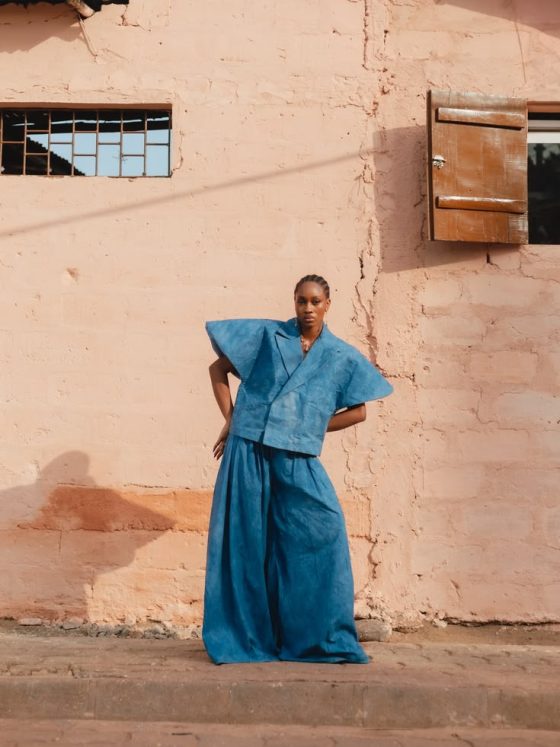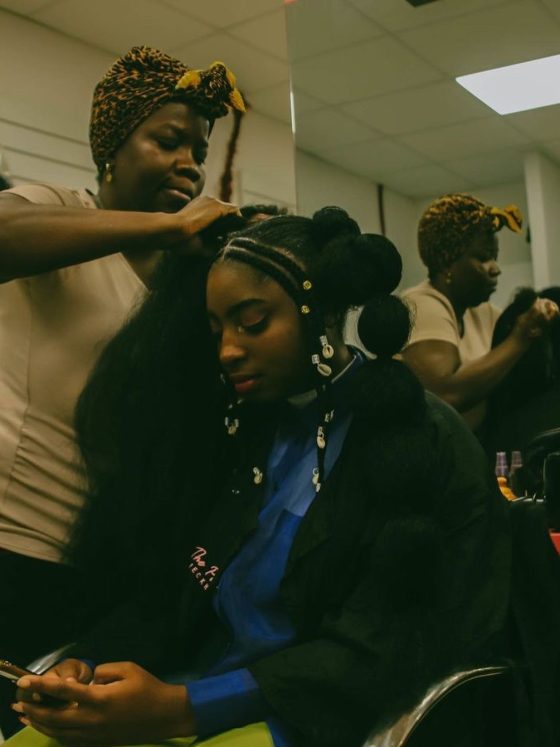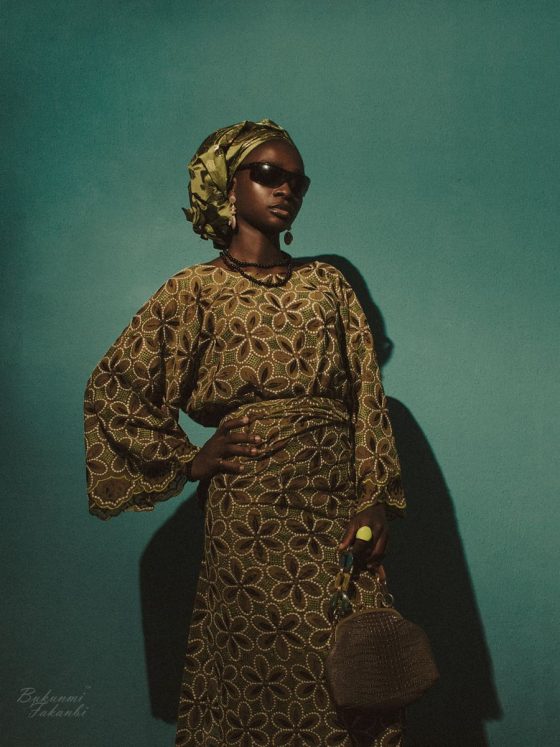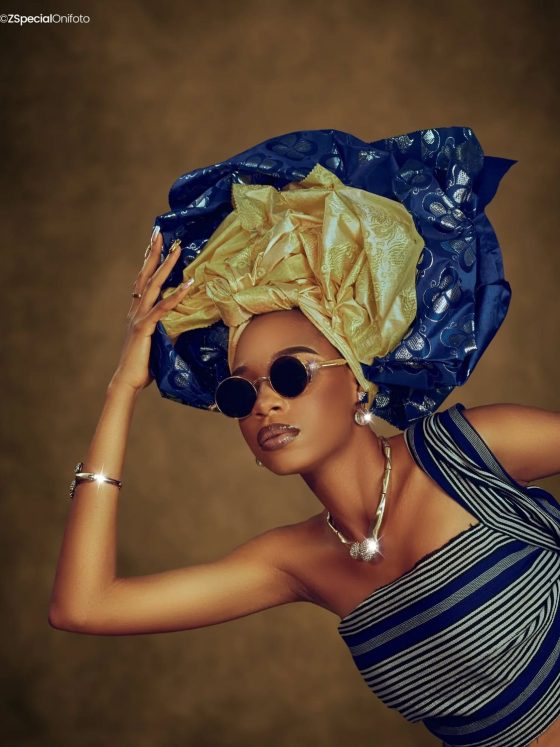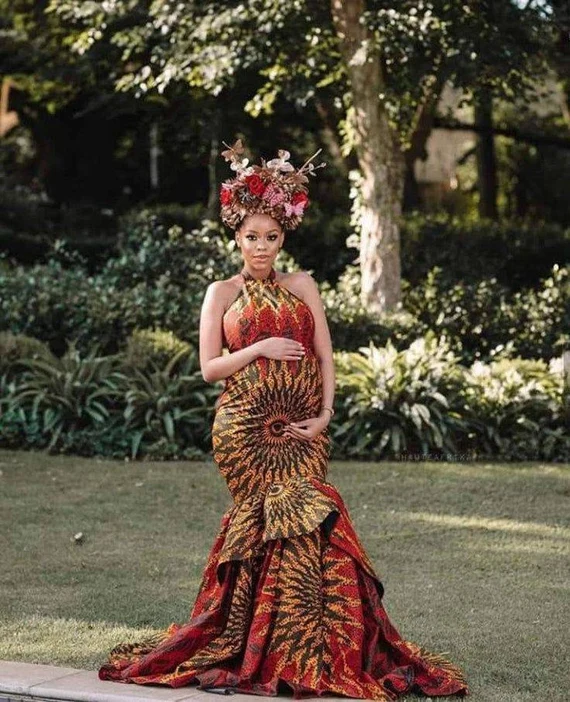
Across many African societies, pregnancy has long been viewed as a divine blessing, a season of strength, fertility, and ancestral continuity.
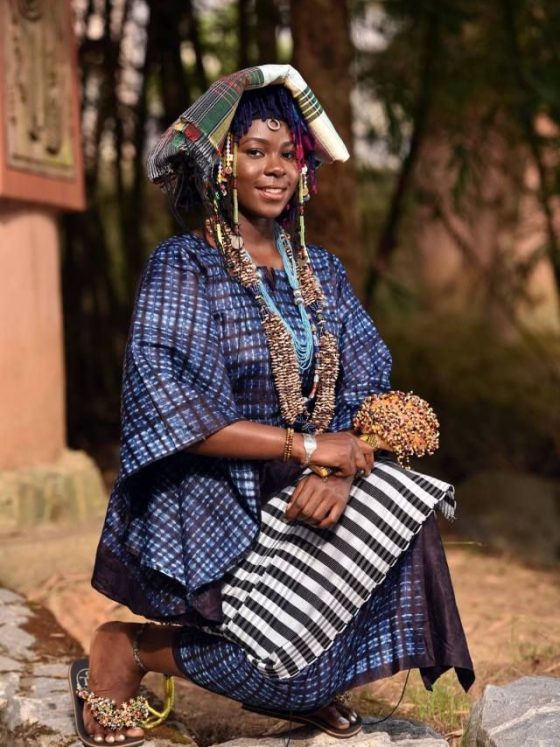
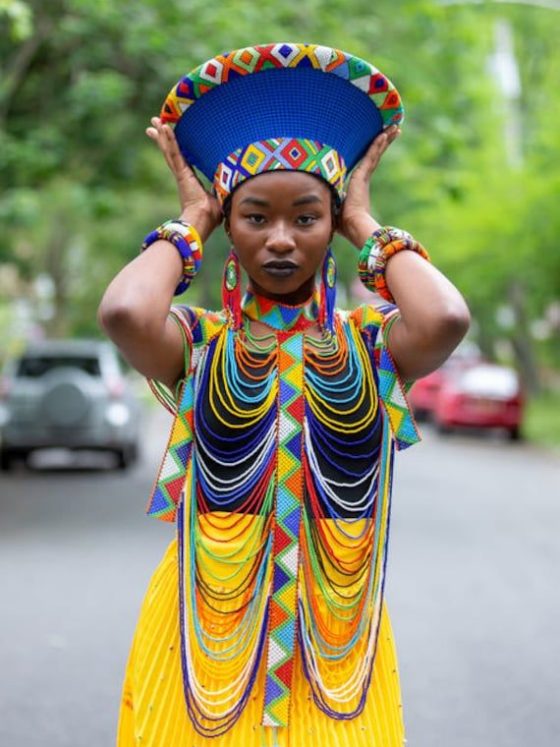
Certain garments, such as the beaded Ndebele ingcayo aprons of Southern Africa and the flowing wrappers and robes of West and East Africa, affirmed the beauty of transformation during pregnancy.
Yet somewhere along the way, imported ideals crept in. The Victorian-era notions of modesty, reinforced by colonial influence and global retail, pushed pregnant women toward shapeless, muted pieces that made them feel invisible.
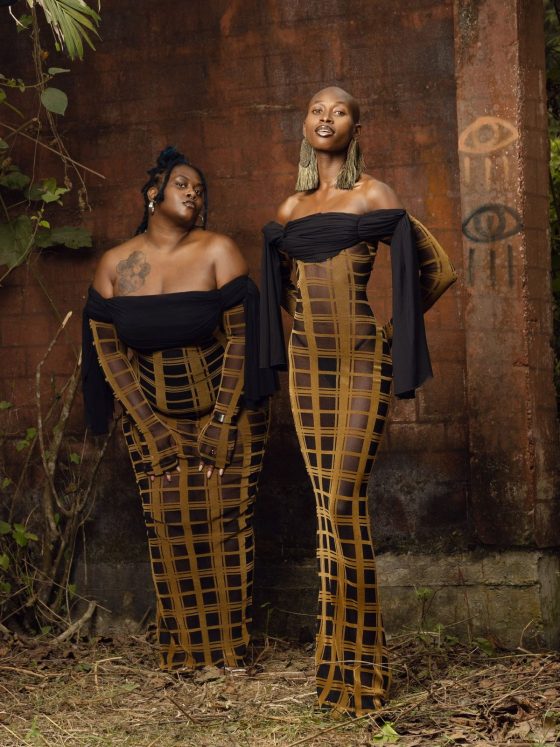
But today, African women are rewriting that narrative with clear intention. Whether it is through a fitted kitenge dress that outlines the curve of new life or through maternity fashion on the continent, maternity fashion is stepping into the light.
This shift reflects maternity fashion in Africa as an expression of identity, pride, and visibility rather than concealment.
Maternity fashion in Africa celebrates the changing body through culture and fabric while challenging global norms that treat pregnancy as something to hide.
The Omiren Argument
Maternity fashion in Africa rejects the idea that pregnancy should be hidden. It celebrates the changing body through culture, fabric, and design. This has turned visibility into pride and challenged global norms that treat maternity as something to be softened or concealed.
The Cultural Roots of Celebrating the Bump
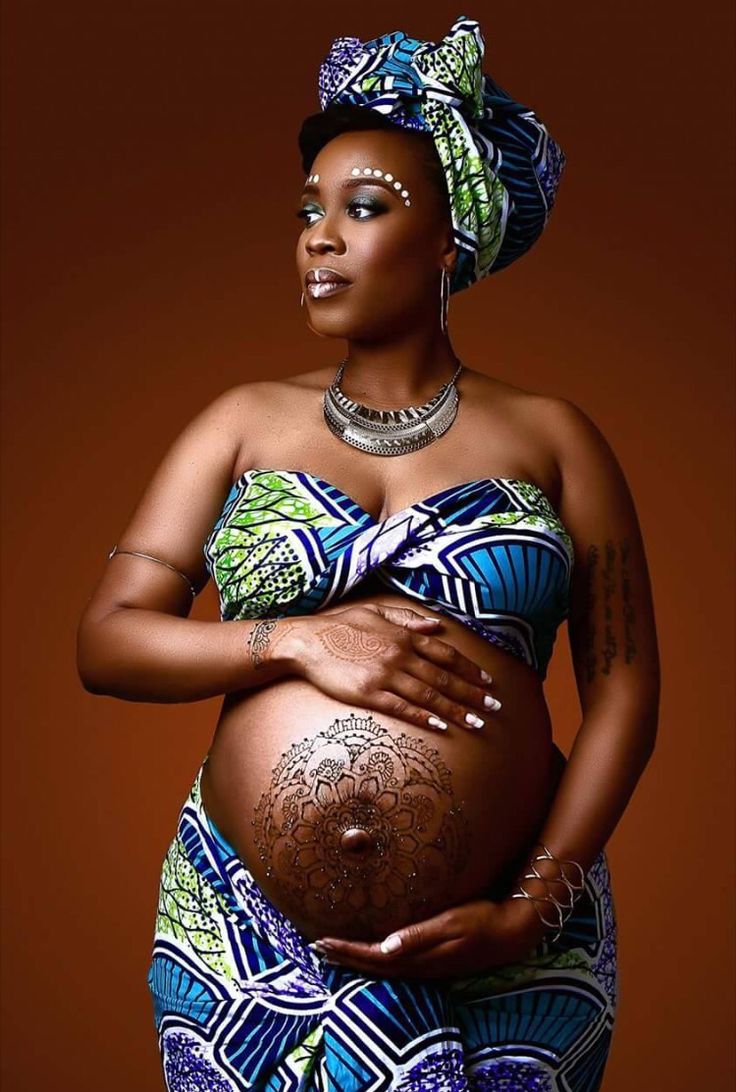
What shaped how pregnancy was dressed in many African societies was not special “maternity clothes.” It was the way clothing was made in the first place.
For instance:
- Most outfits weren’t fixed-tailoring
Outfits which existed centuries ago were made to be wrapped, tied, or layered. This made it easy for the body to change without needing new clothes.
Because of this, clothing could adjust as pregnancy progressed, and nothing needed to be replaced. People also had the liberty to wear their garments differently depending on comfort and need.
This made dressing flexible and practical in everyday life.
- Fabrics were often light and breathable.
Aside from outfits being easy to adjust, the fabrics used were equally light. This helped people stay comfortable in warm weather and made movement easier.
These two points are where maternity fashion in Africa has deep roots. It grew from a simple idea that clothes should work with the body, not against it.
That is why even today, many African styles naturally support the changing shape of pregnancy without needing to hide it.
Colonialism Changed How Clothing Was Seen
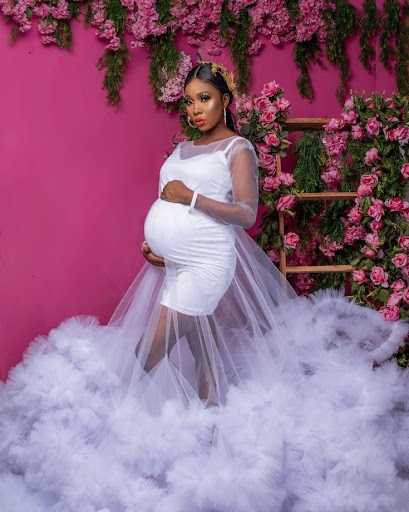
With colonial systems came a different idea of dress. At the time, European fashion relied more on structured tailoring and fixed shapes that didn’t easily accommodate changes in the body, compared with many wrap-based African clothing systems.
This means that loose African styles were often viewed as “less proper” in formal colonial settings such as mission schools, government offices, and churches.
In these spaces, women were encouraged to wear more structured or covered clothing shaped by European ideas of modesty. When that happened, clothing became less about comfort and movement but more about appearance and regulation.
For pregnant women, this shift mattered. In some formal settings, there was less room for clothing that fit the body. Instead, there was more pressure toward garments that reduced visible change.
However, this didn’t replace traditional clothing systems in everyday life. It created a divide between everyday dress practices and colonial-influenced expectations of what was considered appropriate in public spaces.
Sadly, that tension still exists in maternity fashion today, where comfort and body visibility sometimes compete with ideas of “proper” dressing.
Signature African Maternity Silhouettes and Fabrics
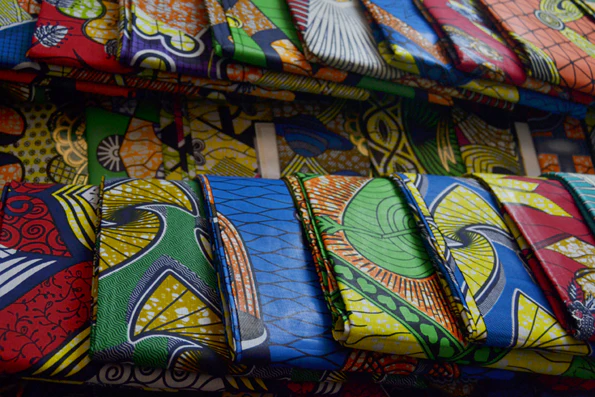
Maternity fashion in Africa is shaped by one main idea: clothing should support the body as it changes.
So, instead of a single fixed look, maternity fashion in Africa is built on many clothing traditions that designers and tailors adapt to occasion, climate, and personal style. Some fabrics and silhouettes that work are:
Fabrics That Work With the Body
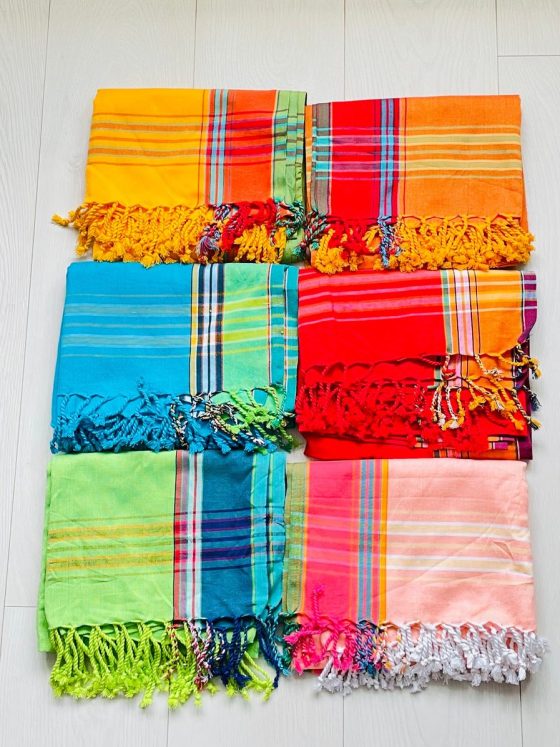
- Ankara and Kitenge are widely used for their versatility and ease of shaping into dresses, gowns, or two-piece sets.
- Cotton blends and linen are common for everyday wear because they feel light on the skin and allow airflow.
- Lace fabrics often appear in celebratory wear, such as baby showers, church events, or naming ceremonies.
- Adire and Aso Oke elements are sometimes used in modern designs for texture, identity, or formal looks.
- Chiffon and soft viscose fabrics are used for flowy styles that move easily with the body.
Silhouettes That Adapt Instead of Restrict
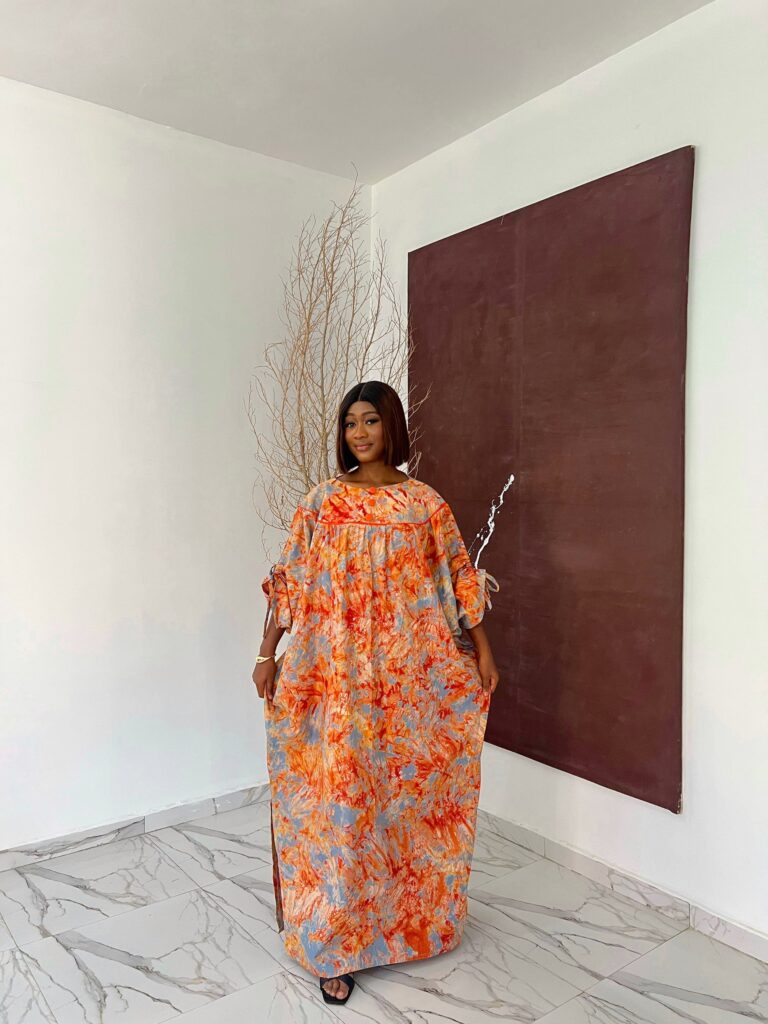
- Loose kaftan and bubu styles remain popular because they give full comfort without restricting movement.
- Wrap dresses allow women to adjust fit as the body changes
- Empire waist dresses create space under the bust, so the bump is free
- Smocks and free-cut dresses are common in West African tailoring because they fall naturally on the body
- Tiered and flow dresses add volume without pressure on the stomach
- Modern jumpsuits and shirt dresses are becoming popular in urban areas for both work and casual wear
- Two-piece sets with elastic waists or oversized tops give styling options that last beyond pregnancy
Challenging the “Invisible Pregnancy” Standard in Fashion and Media
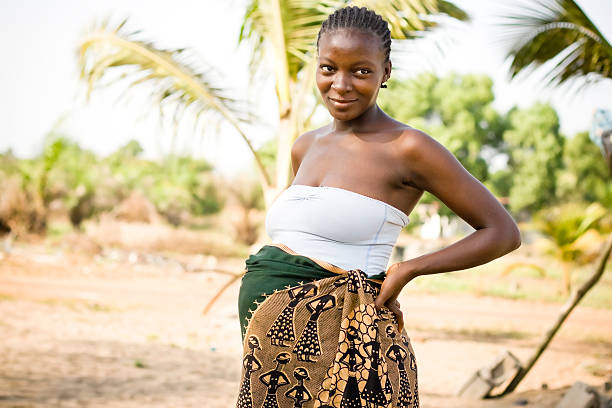
Maternity fashion in Africa is also about how pregnancy is seen, not just what is worn.
For a long time, global fashion has often treated pregnancy as something to soften, hide, or downplay. This shows up in clothing choices that focus more on covering the body than responding to it.
Here’s why this matters for how pregnancy is seen in fashion and society:
Visibility Builds Confidence During Pregnancy
When clothing allows the body to be seen clearly, it changes how pregnancy is experienced.
Many women report feeling more confident when their clothes fit well and reflect their shape instead of hiding it. It creates a sense of ownership over the body during a time when it is constantly changing.
This is why maternity fashion in Africa is closely linked to self-expression. It isn’t only about looking good.
It is about feeling present in your own body without shame or pressure to disappear into oversized clothing.
Representation Still Has Gaps
Even with this shift, representation in global media is still limited. Many international maternity collections still rely on loose, neutral, and oversized styles as the default.
These styles are often presented as the “safe” option, even when they don’t reflect how many African women dress during pregnancy.
This gap matters because what people see repeatedly becomes what they think is normal.
When African maternity style is under-represented, it limits how African pregnancy is understood in wider fashion spaces.
Maternity Fashion in Africa Is About Reclaiming Visibility
At its core, maternity fashion in Africa is part of a larger conversation about visibility. It pushes back against the idea that pregnancy should be hidden or toned down.
Instead, it shows that pregnancy can be visible, styled, and celebrated without losing comfort or dignity.
This shift is about how African women choose to be seen during a major life stage, and how that visibility challenges long-standing ideas of what pregnancy should look like.
Frequently Asked Questions
1. What Are Some Examples of Cultural Awareness During Pregnancy?
It includes how pregnancy is respected in community life, how women are supported, and how they dress during pregnancy. In many African contexts, this is expressed through flowing garments, wrappers, and ceremonies that recognise pregnancy as a valued life stage.
2. What Style Dress Hides a Baby Bump?
Loose dresses like kaftans, bubu gowns, empire waist dresses, and oversized maxi styles can reduce bump visibility. They are usually chosen for comfort and ease of movement rather than specifically for hiding pregnancy.
3. How Do Traditional African Communities Show Respect for an Unborn Child?
Respect is shown through family support, cultural rituals, naming traditions after birth, and treating pregnancy as an important and protected stage of life within the community.
4. How To Avoid a Big Baby Bump During Pregnancy?
You cannot safely avoid or reduce a baby bump during pregnancy. Growth of the bump is a natural part of pregnancy, and health care focuses on wellbeing, not changing body size.