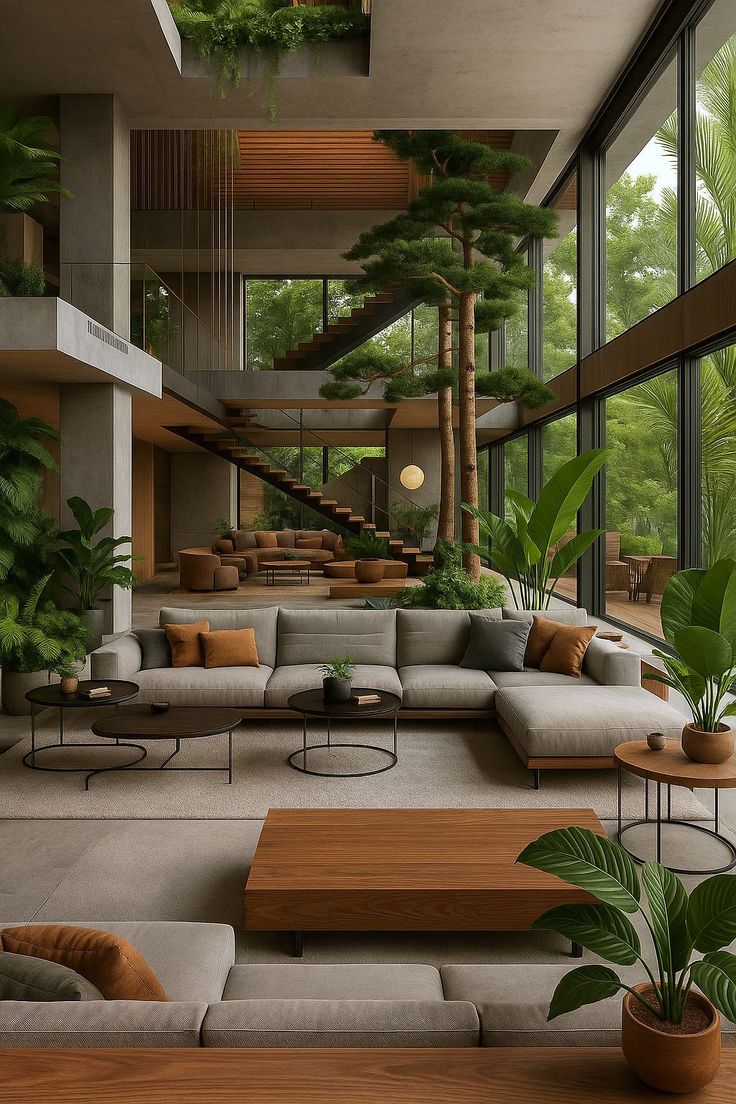
Morning light slips through a patterned screen, settling softly on textured walls. The space feels calm, grounded, and composed. Stone, wood, and fabric hold their presence without demanding attention. Nothing is arranged to impress. Everything is placed to endure.
This is a home designed for living, not display.
Interiors that prioritise atmosphere over ornament, and intention over excess, are redefining luxury. Increasingly, designers are drawing from African craft and architectural traditions not as surface references, but as guiding principles. Ideas shaped by climate intelligence, skilled making, and a profound understanding of how people move, gather, and rest within a space.
Discover luxury living spaces inspired by African craft and architecture, where natural materials, spatial balance, and thoughtful design redefine modern interiors.
Architecture That Responds to Environment
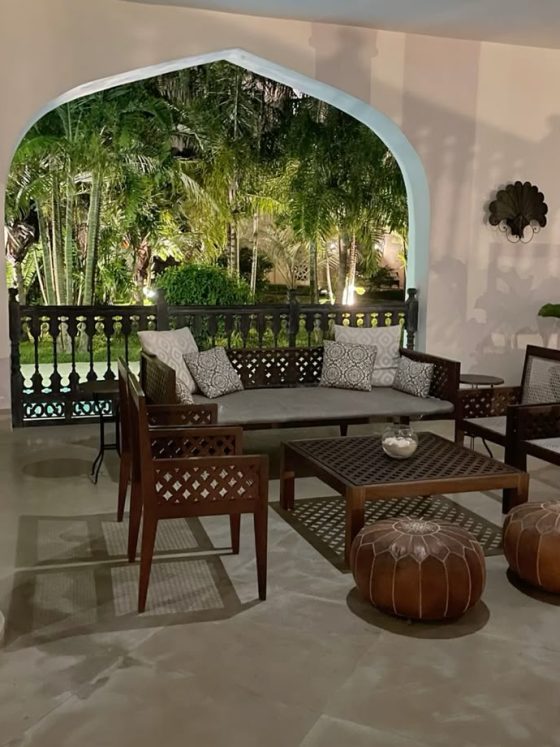
One of the most influential contributions to modern living is architectural responsiveness. Traditional homes across the continent were designed with climate in mind. Thick earthen walls moderated heat. Narrow openings filtered light. Courtyards encouraged airflow and communal life.
Today, luxury homes borrow directly from these principles. Architects are designing spaces with cross ventilation, internal gardens, shaded walkways, and open courtyards. Comfort is no longer added at the end of the design process. It is embedded from the beginning.
In these spaces, architecture becomes a silent collaborator in daily life. Cooling feels effortless. Light feels intentional. Movement through the home feels intuitive rather than imposed.
Craft as Structure, Not Decoration
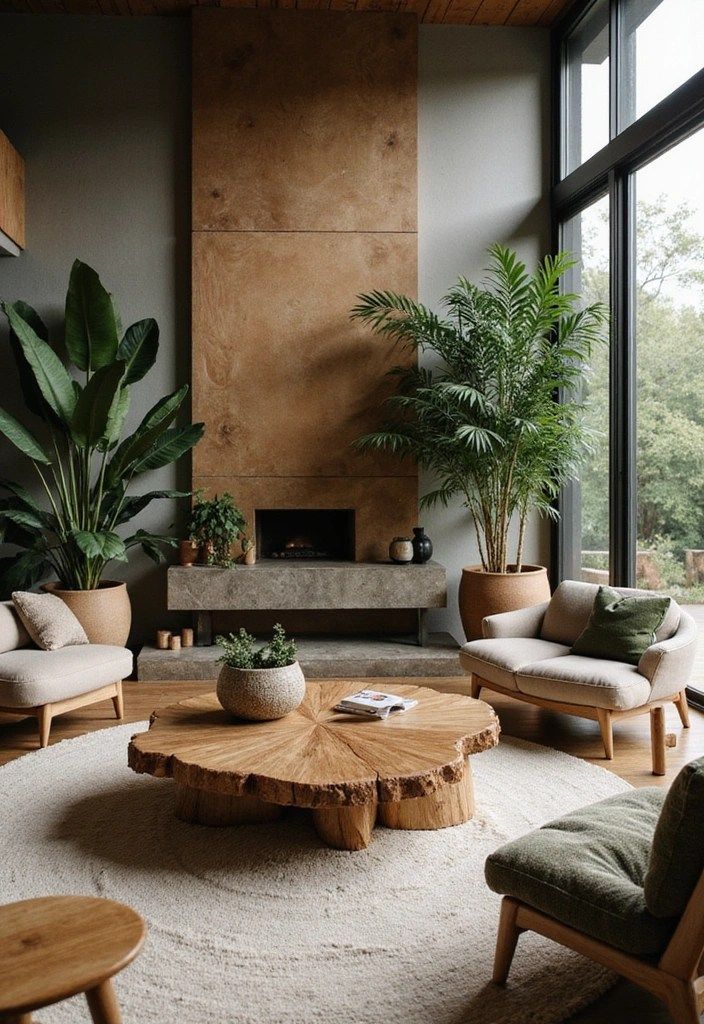
In many building traditions, craft was never ornamental. It was integral. Doors were carved by hand. Walls were shaped and textured. Roofs were layered using techniques passed down through generations.
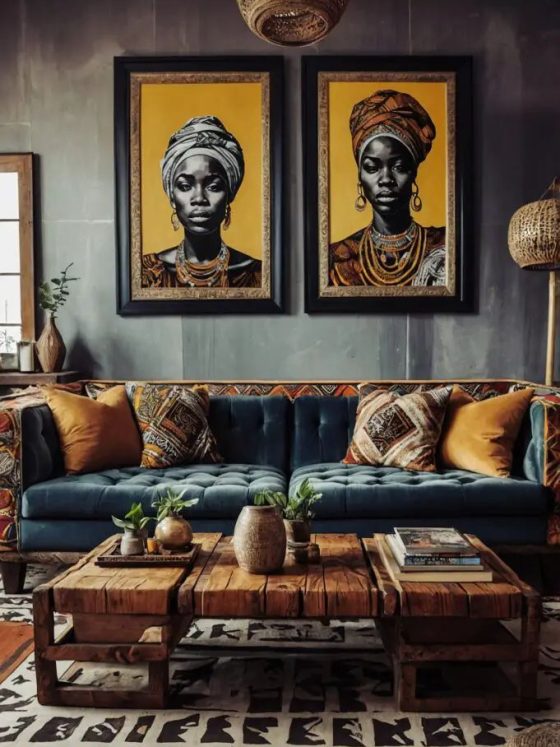
Modern luxury interiors inspired by this approach treat craftsmanship as a structural language. Hand-carved wood panels, textured plaster walls, woven ceiling elements, and custom-built furniture replace mass-produced finishes.
Here, precision lives alongside imperfection. And that tension is what gives these spaces warmth.
Material Intelligence and Natural Textures
Material choice defines how a space ages. Wood, clay, stones, leather, raffia, woven grasses, and natural fibres are selected not only for beauty but also for endurance.
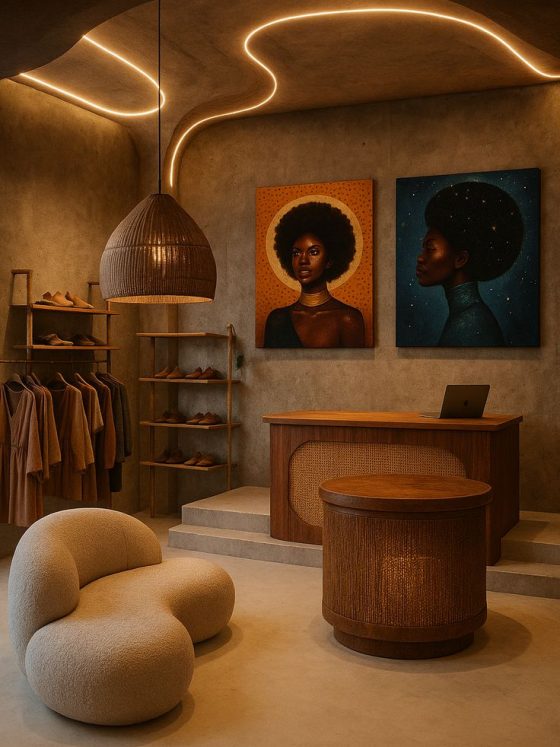
In contemporary interiors, these materials are refined rather than disguised. Clay walls are smoothed but not erased. Stone floors are polished while retaining texture. Timber is left expressive rather than lacquered into anonymity. Woven elements are elevated into architectural lighting, wall features, and sculptural installations.
Luxury, in this context, is not about flawlessness. It is about longevity.
Furniture That Feels Grounded
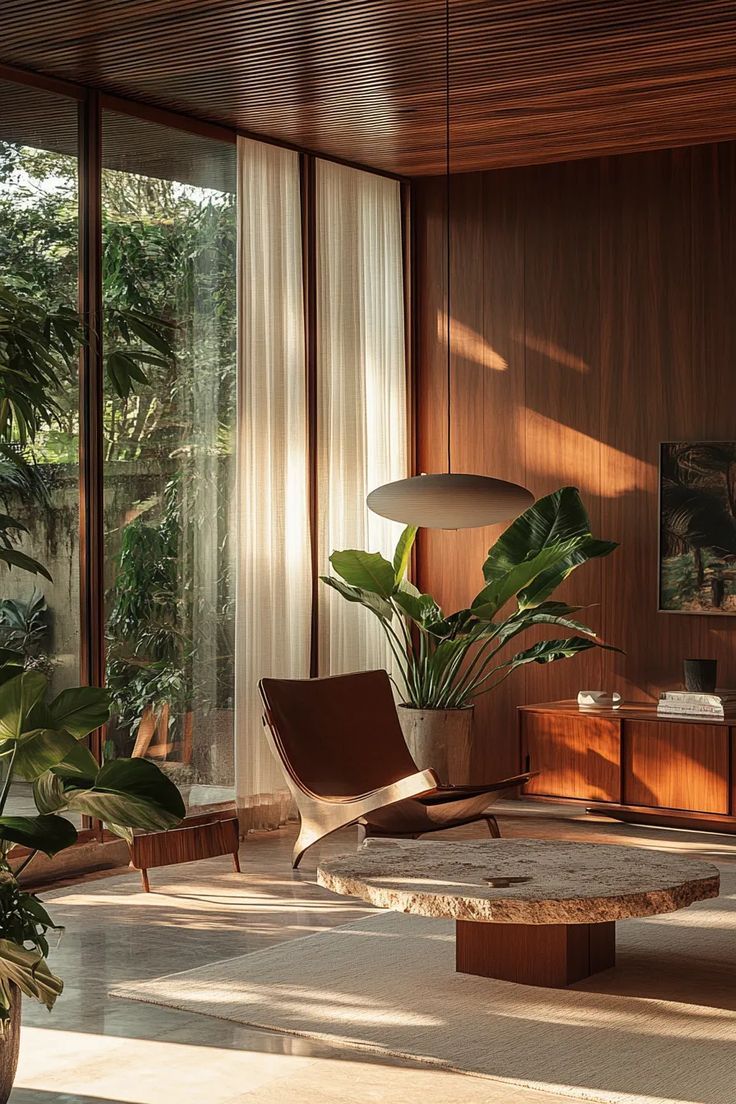
Furniture inspired by traditional forms emphasises proportions and presence. Low seating, sculptural silhouettes, and solid bases create stability within a space.
Rather than filling rooms, furniture is edited carefully. Each piece earns its place. Negative space is respected, allowing interiors to breathe and feel composed rather than crowded.
The result is not minimalism. It is intentional living. Spaces feel calm because nothing is competing for attention.
INTERESTING READS:
- Afro-Luxe Home Décor: Where Design, Comfort, and Identity Meet
- Home Is The New Luxury: How Intentional Living Is Redefining Modern Lifestyle
- African Interior Designers Shaping Global Aesthetics
The Role of Woven Craft
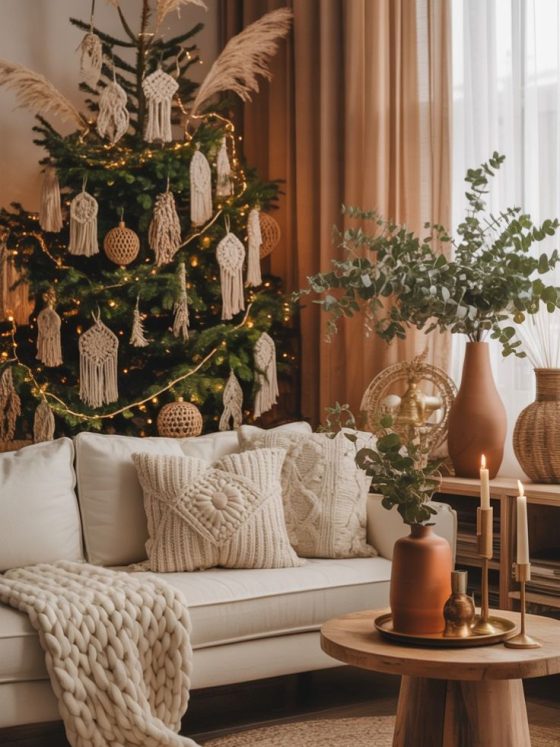
Woven techniques have become one of the most influential elements shaping modern interiors. Basketry, textile weaving, and fiberwork now inform lighting, wall installations, screens, and furniture accents.
These elements soften architecture and introduce rhythm. They add depth without heaviness, movement without noise.
In a world dominated by rigid surfaces and digital polish, woven craft restores tactility. It reminds us that luxury can be touched, felt, and lived with.
Light, Shadow, and Spatial Rhythm
Light is treated as a design material. Screens, overhangs, slatted panels, and textured walls filter sunlight rather than blocking it outright.
As light moves through these spaces, it creates shifting patterns of shadow that change throughout the day. Artificial lighting is warm and restrained, supporting the atmosphere rather than overpowering it.
A home designed this way never feels static. It evolves with the weather and movement.
A New Definition of Luxury Living
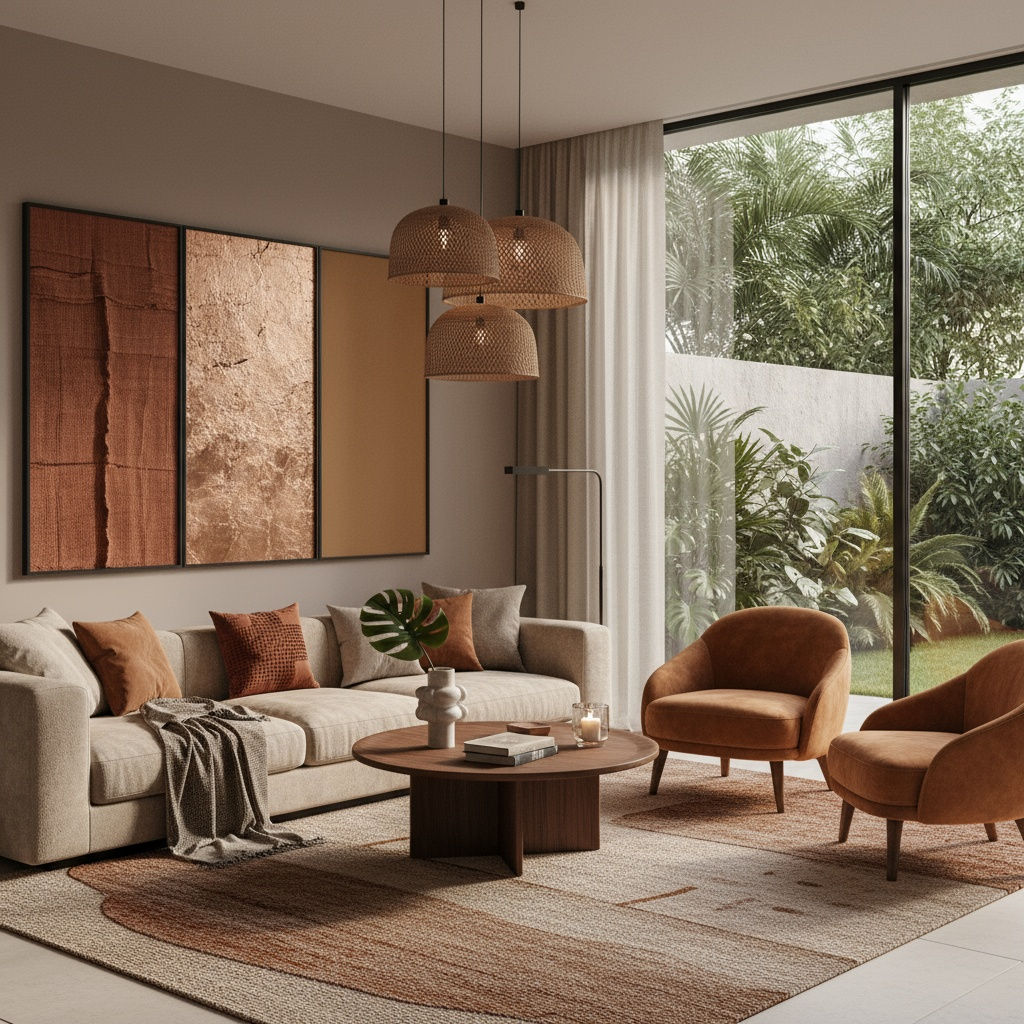
What defines these interiors is not a fixed aesthetic, but a philosophy. Luxury is expressed through restraint, craftsmanship, and spatial intelligence. Through spaces that feel rooted, calm, and deeply livable.
In an era of visual overload and rapid design cycles, these spaces offer something rarer than spectacle. They offer clarity. Homes are designed not to impress at first glance, but to endure over time.
Frequently Asked Questions
-
What defines luxury living spaces inspired by African craft and architecture?
They are shaped by climate-responsive design, natural materials, artisanal craftsmanship, and a focus on balance rather than excess.
-
How is craft incorporated into modern luxury interiors?
Hand-finished surfaces, carved wood elements, woven details, and custom-built features are integrated into the architecture.
-
Why are natural materials central to this design approach?
They age gracefully, add warmth and texture, and create interiors that feel lived in rather than overproduced.
-
Can this style work in contemporary urban homes?
Yes. The principles translate easily into urban settings through thoughtful layouts, material choices, and lighting design.
-
How does this approach differ from trend-driven interior design?
It prioritises longevity, intent, and comfort over fast-changing aesthetics, resulting in spaces that remain relevant over time.