What If Clothing Spoke Before You Did?
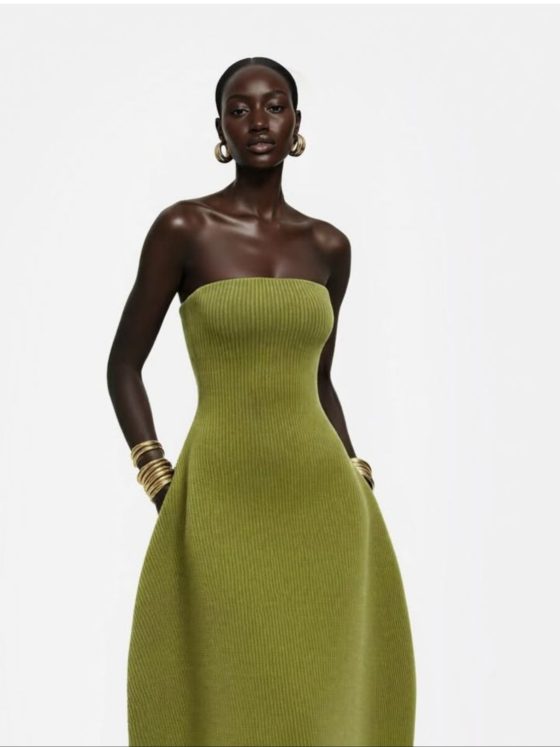
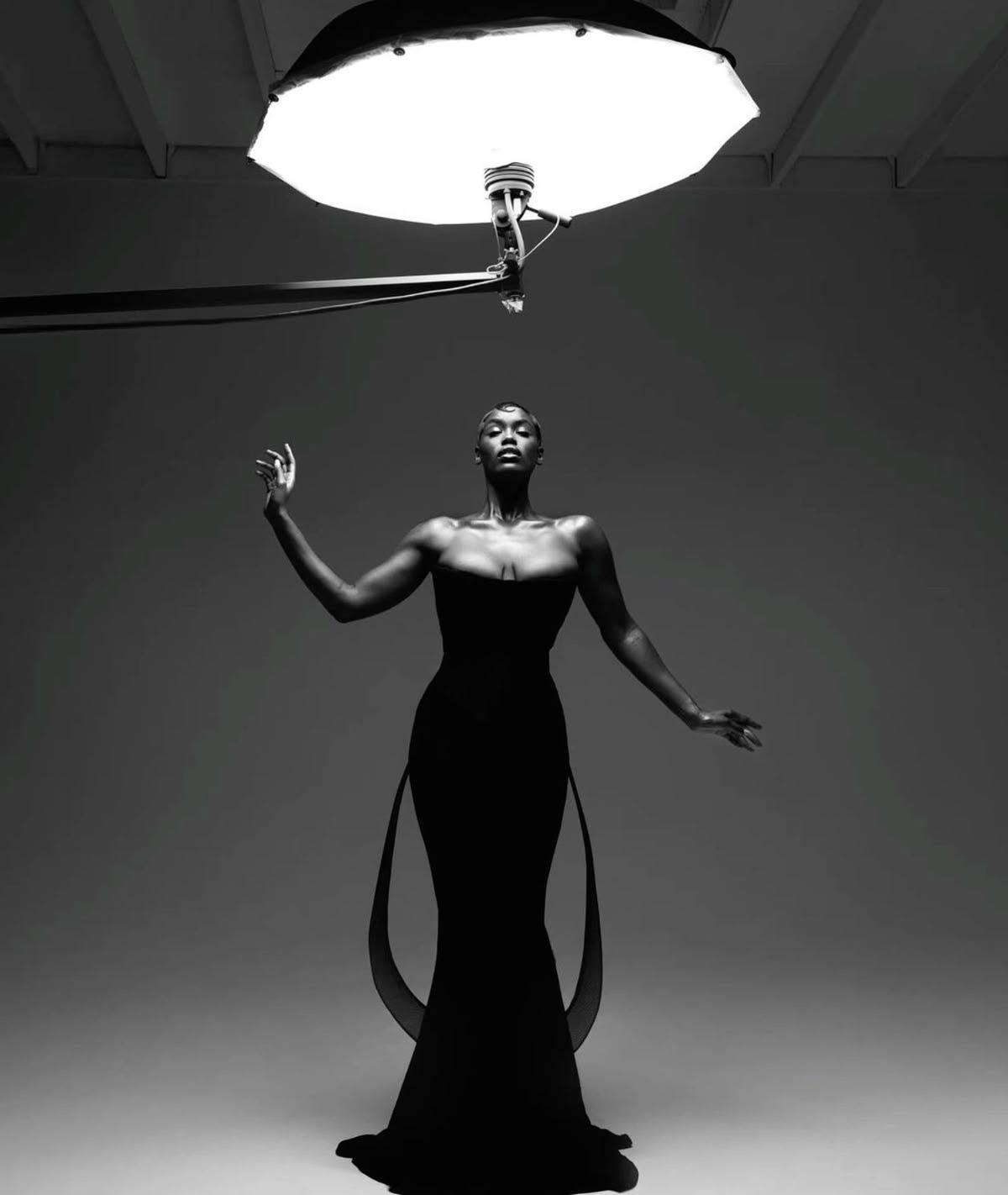
Before colour, before detail, before fabric even registers, the body is read in outline. A shoulder enters a room first. A waist suggests intention. A hemline decides how space is occupied.
Silhouette is the first language of style, long before trend or label has a chance to speak. It determines how a woman is perceived, how she moves through the world, and often, how she understands herself within it.
A silhouette is not about fashion as decoration.
It is about clothing as structure, posture, and quiet assertion. Draping is where that language begins.
Silhouette is fashion’s quiet language. Through draping, cut, and proportion, women use form to express power, restraint, and self-knowledge.
Silhouette as Intention, Not Ornament
Silhouette is often mistaken for aesthetics alone. In reality, it is a decision about presence.
A sharply defined shape communicates control.
A fluid line suggests adaptability.
Volume can signal authority, ease, or refusal, depending on how it is held.
Women have always understood this instinctively. Long before fashion theory named it, silhouette was used to negotiate visibility and power. One can either occupy the space or retreat from it. To soften perception or sharpen it.
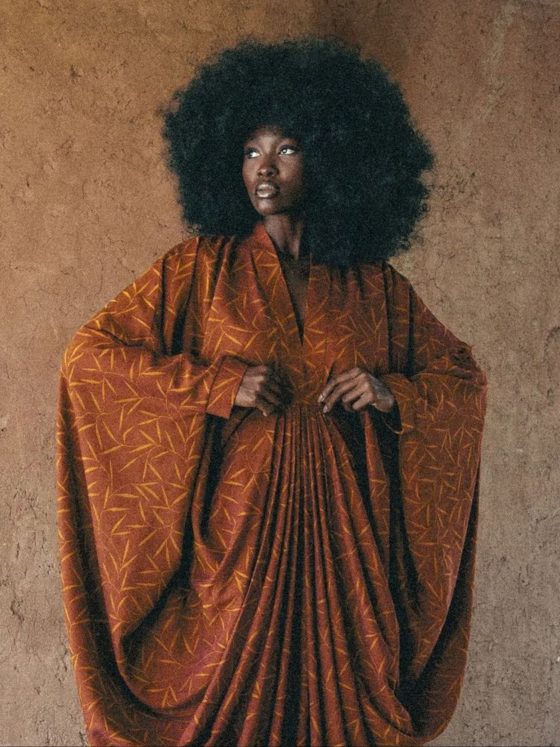
Draping, in particular, allows the silhouette to remain responsive rather than rigid. Fabric moves with the body instead of against it. Shape becomes conversational, not imposed.
This phenomenon is why draped garments feel alive. They adjust. They listen. They respond.
The Body as Architecture
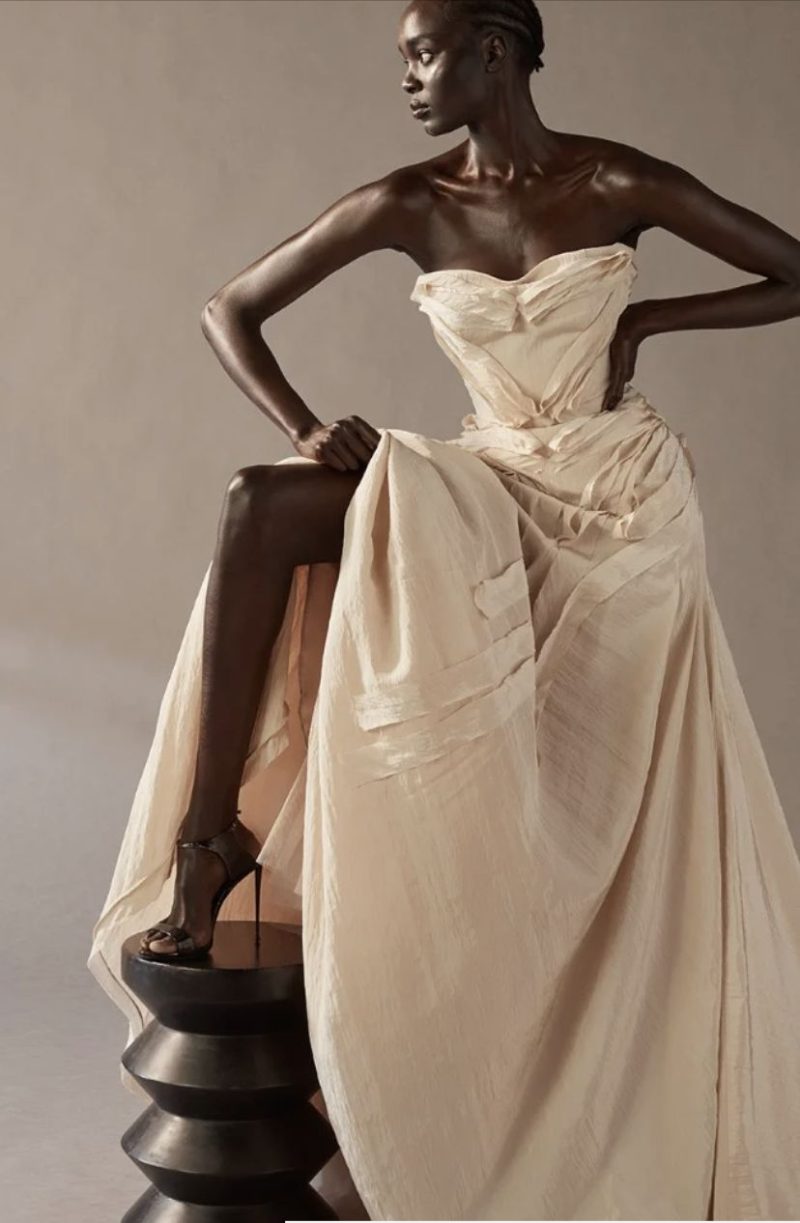
At its most refined, fashion behaves like architecture.
Lines are intentional. Proportions are balanced. Negative space matters as much as structure. Draping operates within this logic, sculpting the body without constraining it.
Rather than forcing the body into predetermined shapes, draping allows form to emerge organically. The garment follows the body’s logic, not the other way around.
This approach creates silhouettes that feel intelligent rather than decorative. They acknowledge posture, movement, and pause. They allow the wearer to exist fully within the garment.
The result is a style that feels authored rather than assembled.
Why Women Return to Silhouette Again and Again
Trends come and go because they reflect specific moments in time. Silhouettes endure because they speak to identity.
Women return to specific shapes not out of habit but out of recognition. A silhouette can feel like alignment. It mirrors how one sees oneself or how one wishes to be read.
This is why some women gravitate toward elongated lines, others toward cinched waists, and others toward fluid volume. These preferences are usually deliberate. They are emotional, psychological, and deeply personal.
Silhouette becomes a form of self-editing. A way of clarifying intention without explanation.
Draping and the Politics of Soft Control
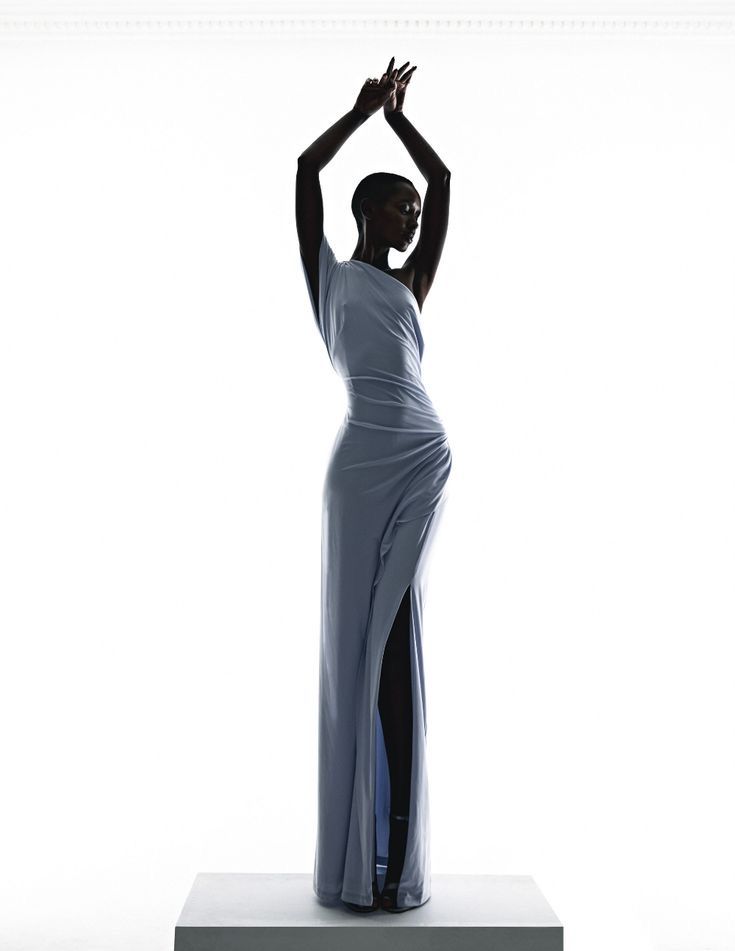
There is power in clothing that does not need to assert itself aggressively.
Draped silhouettes often resist obvious structure yet retain authority. They suggest control without rigidity. They convey a sense of strength without resorting to harshness.
This balance is especially significant in women’s fashion, where strength has historically been misinterpreted as severity. Draping offers an alternative language. One where command is expressed through composure, not confrontation.
Softness, here, is not fragility.
It is precision without tension.
Movement as Meaning
A silhouette is never static. It exists in motion.
How does fabric fall when walking? How does the fabric alter its position while seated? How it responds to gestures. Draping allows clothing to participate in movement rather than interrupt it.
This dynamic quality changes how women inhabit space. Garments no longer restrict behaviour; they adapt to it. Style becomes embodied rather than performative.
Movement reveals intention. And intention, over time, becomes identity.
Contemporary Dressing, Ancient Understanding
While modern fashion often treats draping as innovation, the logic is ancient. Across histories and geographies, women have used fabric, fold, and form to negotiate comfort, dignity, and presence.
What feels contemporary today is not the technique but the awareness. Women are once again choosing clothes that reflect inner clarity rather than external noise.
The renewed focus on silhouette signals a shift away from excess explanation. Clothing no longer needs to justify itself. It simply needs to feel right.
When Style Becomes Self-Knowledge
To understand one’s preferred silhouette is to understand one’s relationship with visibility.
Some silhouettes are protected.
Others reveal.
Some command distance.
Others invite closeness.
None is accidental.
As women become more intentional about how they dress, silhouette becomes less about aligning with trends and more about personal truth. Fashion turns inward. It becomes reflective.
Style stops performing. It starts communicating.
The Quiet Authority of Form
In an era saturated with visual noise, silhouette offers restraint.
It asks fewer questions. It makes fewer promises. It holds its ground without insisting on attention.
Its simplicity is why silhouette-driven style feels timeless. It is not about relevance. It is rooted in understanding.
Draping, in this sense, is not a technique. It is a philosophy.
READ ALSO:
- The Ghanaian Women Redefining Fashion on Their Own Terms
- Timeless Women’s Accessories for 2025: Stylish Bags & Jewellery That Elevate Your Look
- Afrofuturism in Fashion: How Creativity and Luxury Are Being Rewritten
The Shape That Stays
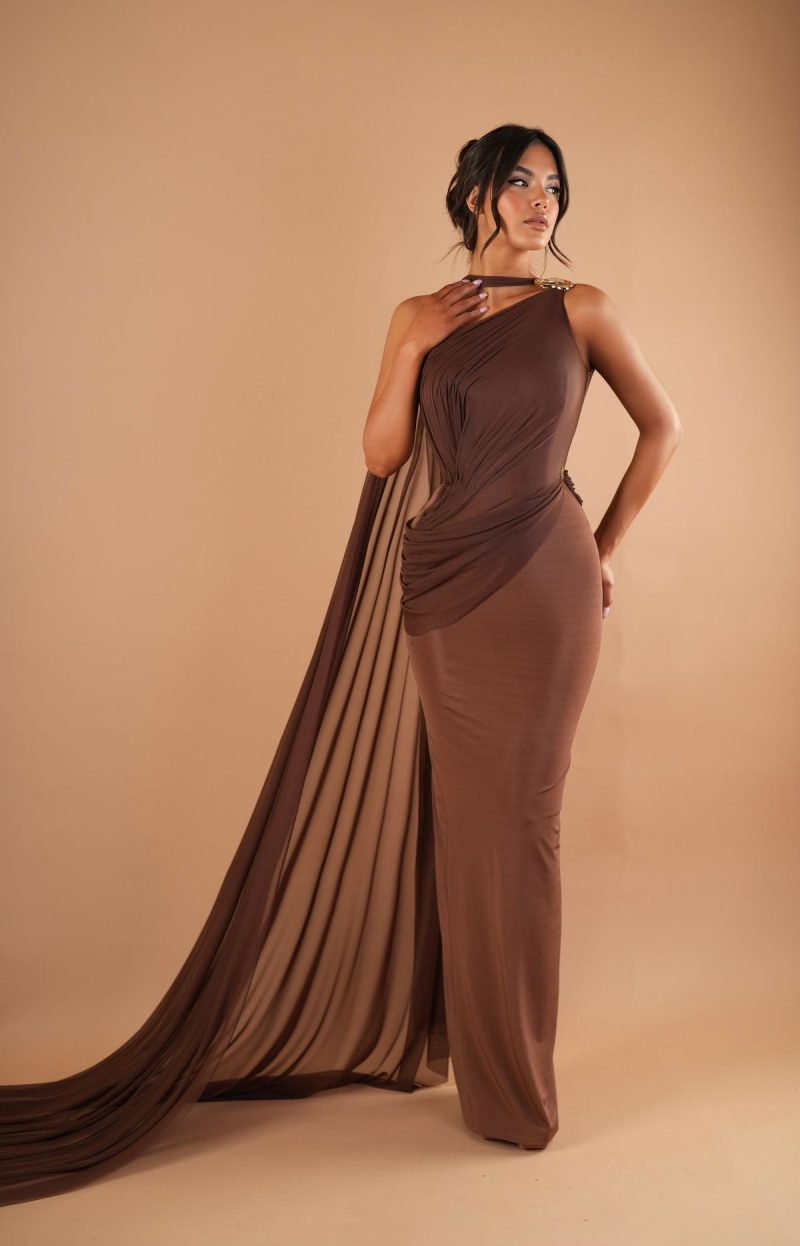
Long after colours fade and trends expire, a silhouette remains.
It is the memory of how something felt on the body.
It facilitated freedom of movement.
It provides a sense of support and presence.
Silhouette is fashion’s most honest language.
And draping is how it learns to speak softly, clearly, and with intention.
FAQs
- Why is silhouette important in women’s fashion?
This is because draping shapes perception, movement, and how clothing communicates presence before detail or trend.
- What makes draping different from tailoring?
Draping responds to the body organically, while tailoring imposes structure through construction.
- Can a silhouette influence confidence?
Yes. When form aligns with self-perception, confidence becomes embodied rather than performed.
- Is the silhouette more critical than the fabric or colour?
Silhouette comes first. Fabric and colour support the form, not replace it.
- Why does Silhouette feel timeless?
Because it reflects identity and proportion rather than seasonal trends.