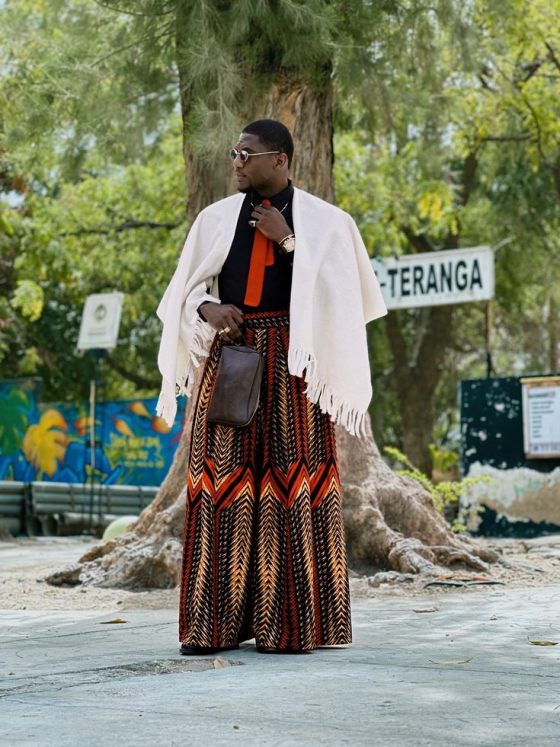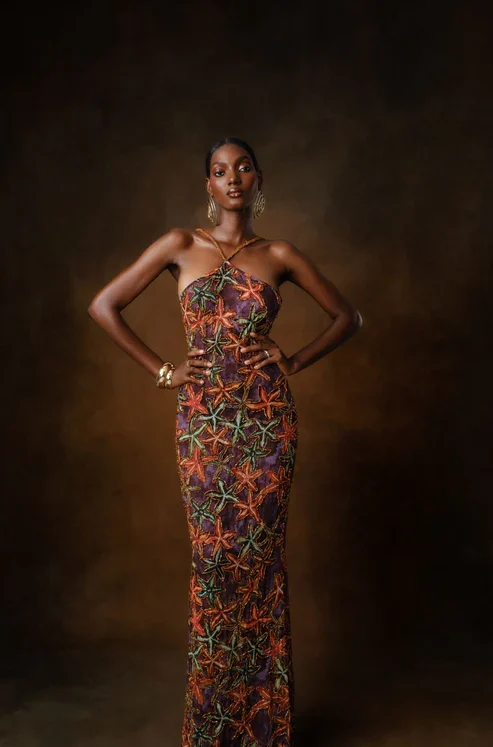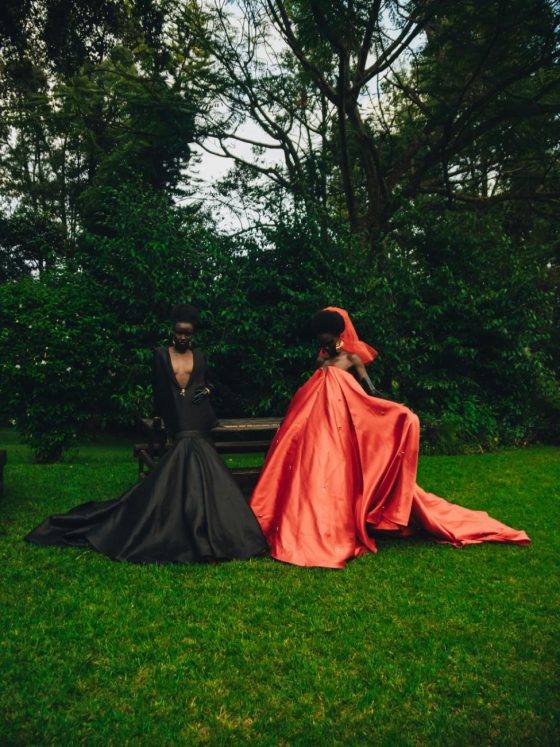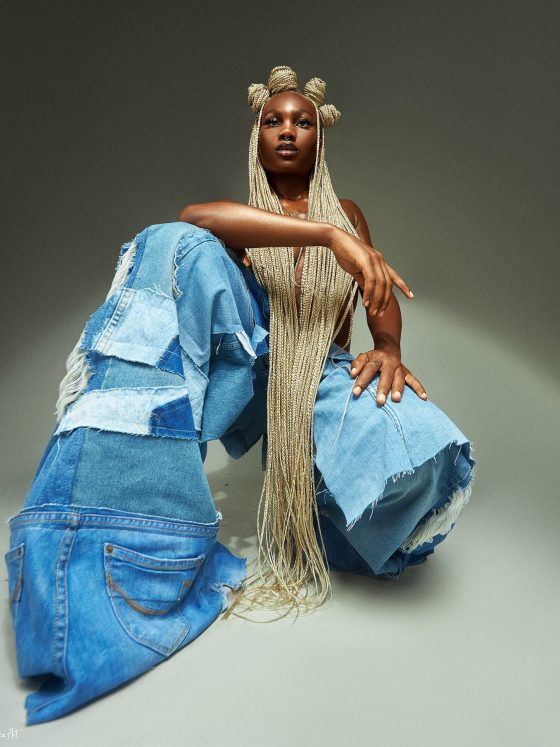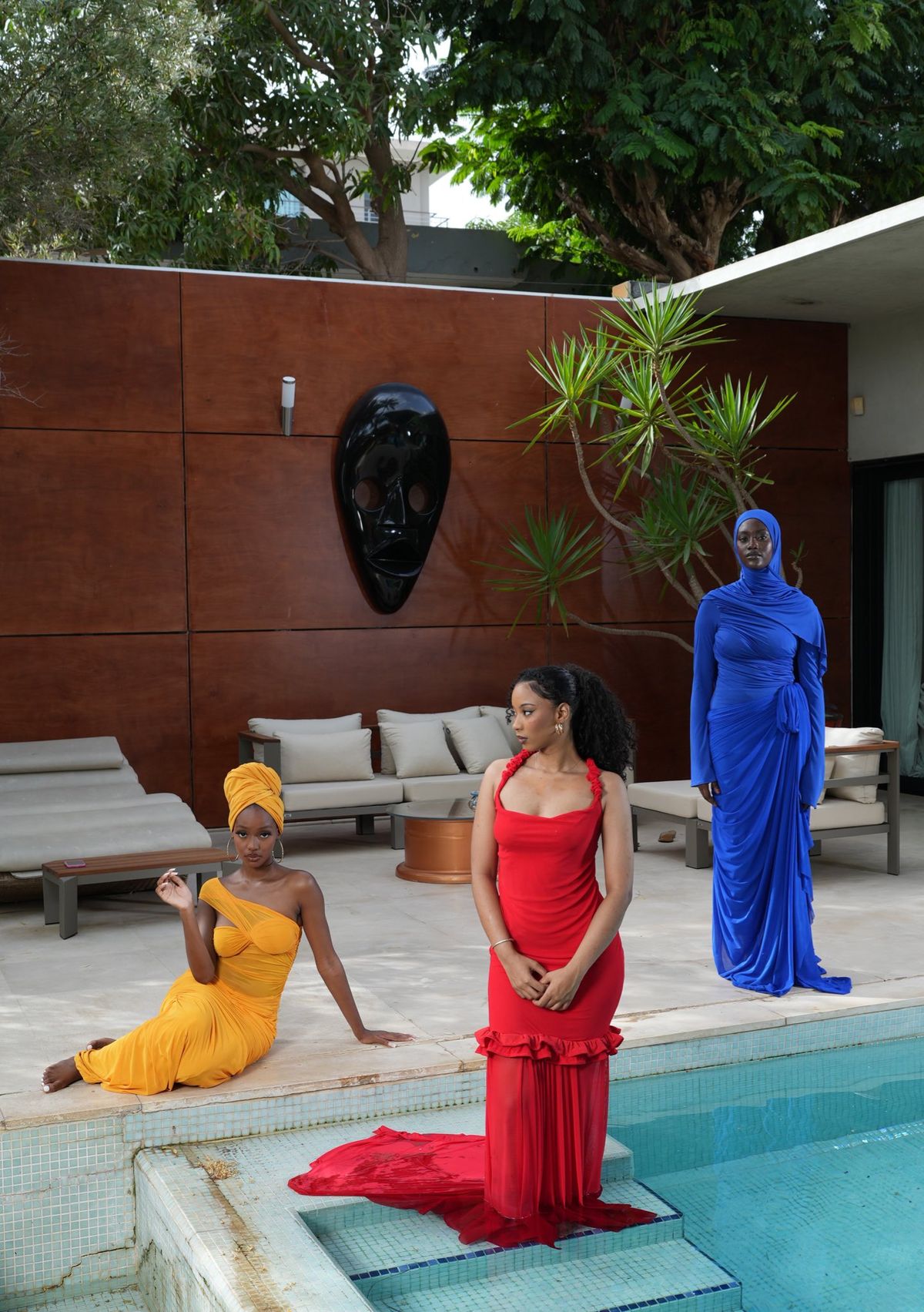
For decades, the global definition of luxury was shaped by European heritage, exclusive pricing, and rigid standards, often alienating many consumers. However, by 2026, this paradigm had shifted. Modern luxury is now characterised by dialogue and inclusivity, rather than serving solely as a silent status symbol.
The most significant transformation in the African fashion landscape is not the emergence of new colours or viral silhouettes, but rather the increasing importance of cultural literacy. This concept involves perceiving garments as more than mere fabric, recognising the historical significance of weaves, the ethical considerations of supply chains, and the inclusivity embedded in design. As sustainability becomes a necessity, understanding the narrative behind clothing represents the ultimate form of luxury.
What does cultural literacy mean in today’s fashion world? See how luxury brands in 2026 are highlighting African heritage, inclusivity, and sustainable craftsmanship. Find out why young fashion leaders now value cultural depth more than fast-fashion trends.
Beyond The Label
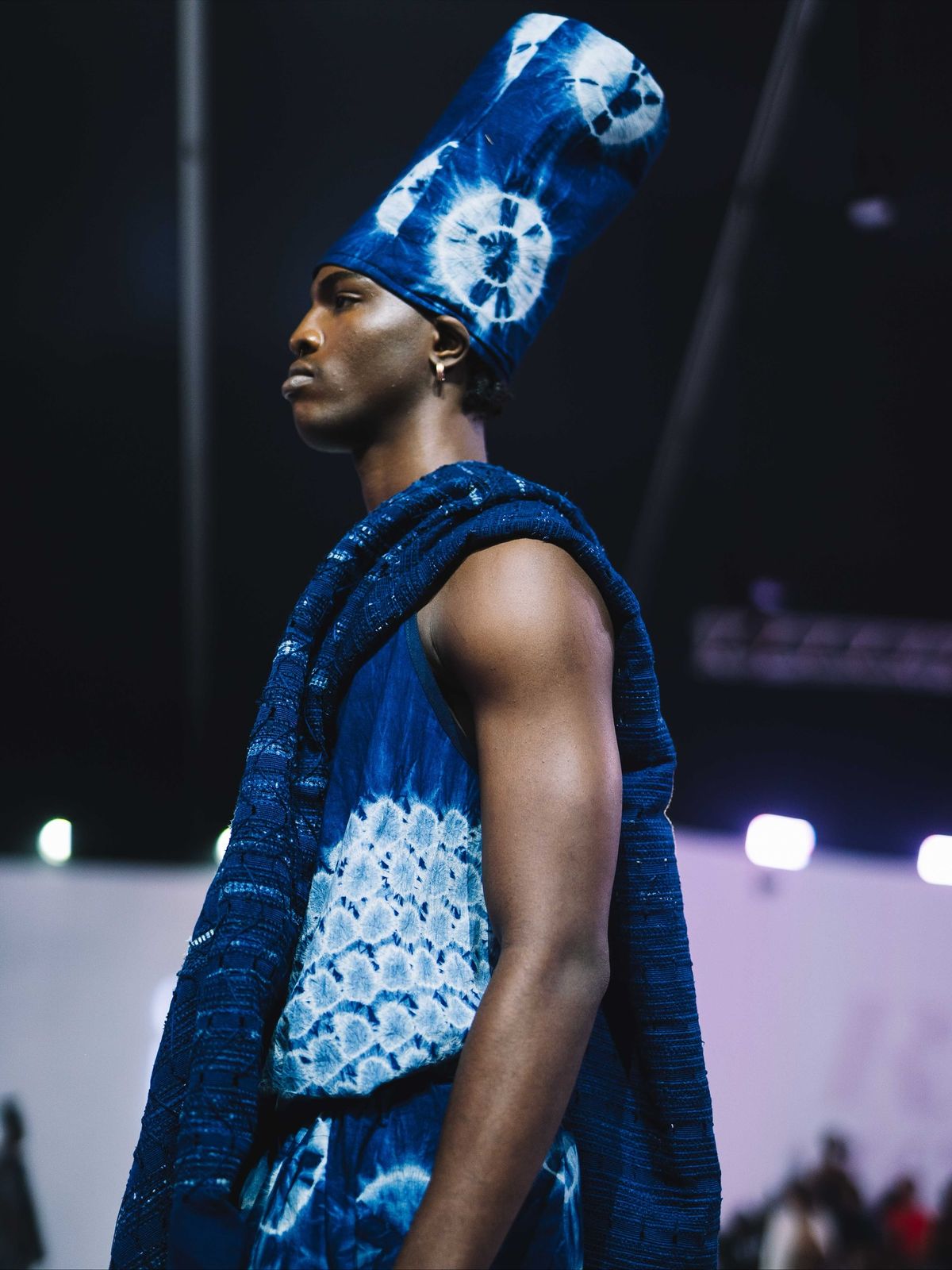
In the past, luxury was one-sided. Brands decided what was valuable, and people accepted it. Now, things have changed. In 2026, consumers act as editors, searching for cultural meaning instead of just big names. Cultural literacy connects simply owning something with truly understanding it.
Luxury in Africa is about being intentional. Brands like Thebe Magugu show this by making collections that explore South African history. NKWO uses the ‘Dakala’ fabric technique to turn textile waste into unique, sustainable pieces. This change drives sustainability because when clothes have a story, people are less likely to throw them away.
These pieces become investments and heirlooms, similar to those on Industrie Africa, which showcases top African designers. By focusing on cultural literacy, today’s African brands are leaving fast fashion behind and choosing inclusivity. Now, the artisan’s heritage is valued as much as the brand name. We are seeing the end of ‘quiet luxury’ and the rise of ‘conscious authority’, led by creative leaders.
Digital Guarding and Inclusive Design
If cultural literacy defines luxury in 2026, technology will keep it safe. We are moving away from flashy tech and focusing on tools that help protect and grow our heritage. African designers now use digital pattern development and 3D mapping to ensure inclusivity is part of the design process. Brands like Hanifa, led by Anifa Mvuemba, have set a new standard by using 3D technology to show how garments look on different body types before any fabric is cut. This made-to-order approach is highly sustainable because it avoids the waste that comes with mass production.
Cultural literacy is also being digitised to protect the intellectual property of local artisans. Some digital archives are working to document traditional weaving, ensuring the knowledge behind our textiles is preserved and not misused by combining technology and tradition. A new kind of adaptive luxury is emerging. Now, a custom-fit, sustainable piece from a brand like Orange Culture can reach a global audience while keeping its local roots. In 2026, technology does not replace the tailor; it gives them the tools to succeed worldwide.
ALSO READ:
- The Future of Luxury Modesty Fashion Trends in Africa for 2026
- 2026 Fashion Trends: Sculptural Maximalism, New Silhouettes, and the Luxury Reset
The New Conscious Consumer
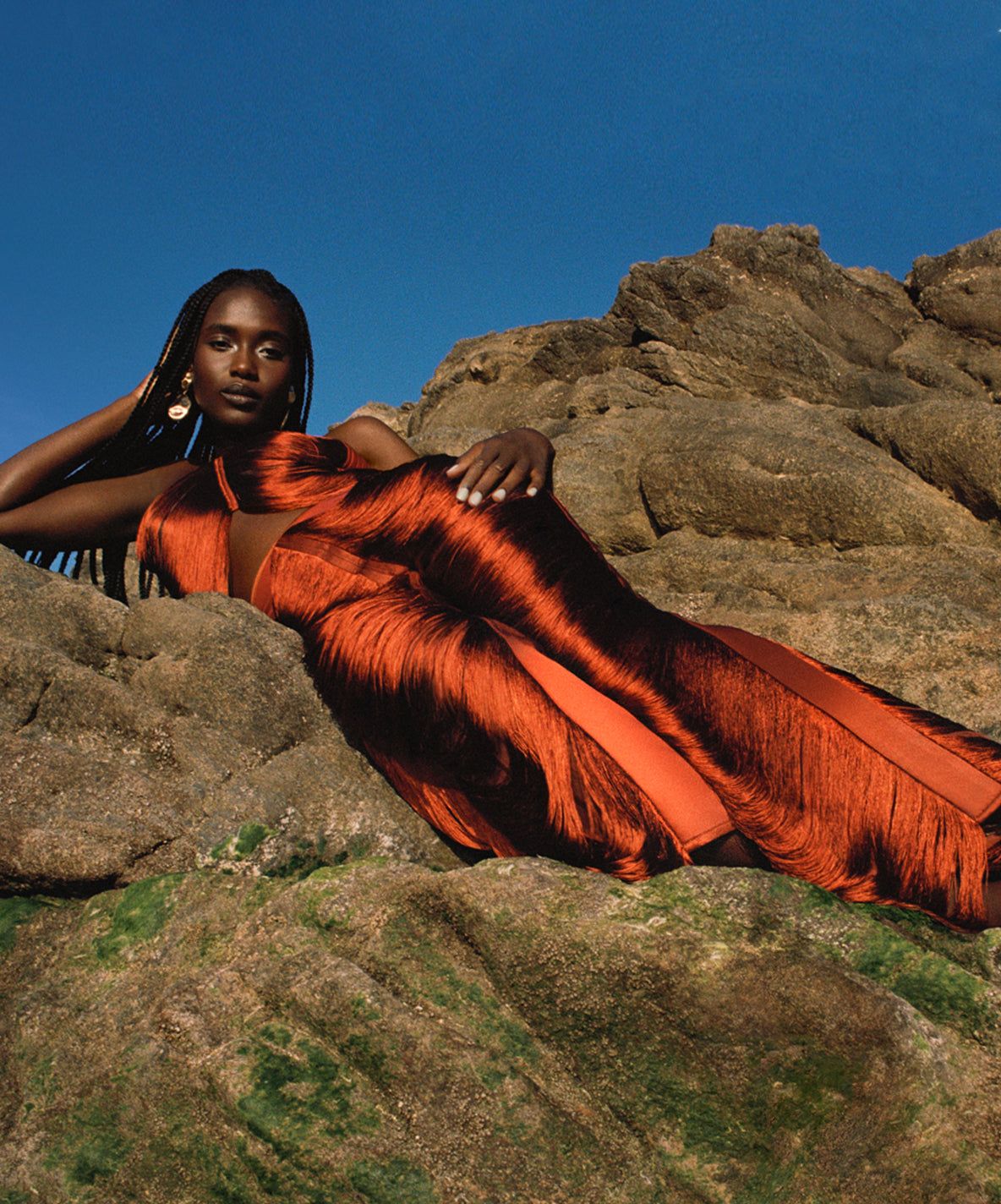
In 2026, consumers are less interested in exclusivity and more inspired by empathy and integrity. We are seeing the rise of ‘conscious luxury’, where a garment’s value is judged by its impact. For today’s African audience, this shift means focusing on substance over spectacle. Events like Nairobi Fashion Week 2026 highlight how sustainability has become a core part of business, not just a style trend.
When brands promote cultural understanding, they create what experts call ’emotional anchors’. If people learn about a brand’s zero-waste pattern-cutting or its use of locally sourced organic cotton, they move from being passive viewers to active supporters. Inclusivity also drives business success. By designing for different body types and abilities, and sharing these stories openly, brands like Sindiso Khumalo and Lukhanyo Mdingi are earning strong loyalty. The future of fashion depends on moving from just selling products to sharing values. In 2026, the most successful brands will treat their audience as partners in building a more sustainable, inclusive, and culturally aware future.
Conclusion
The old rules of luxury have changed for the better. Fashion is no longer just about price, but about meaning. Cultural literacy has moved from a niche interest to the core of the global fashion industry. It is what transforms a basic piece of clothing into something lasting and meaningful, and what makes diverse styles a true celebration of inclusivity.
The African fashion renaissance isn’t just about ‘looking good’; it’s about using storytelling to create real change. When we support brands that value transparency, heritage, and innovation, we become more than just shoppers; we help shape a new, thoughtful era of fashion. The flashiest brands will not lead the future; instead, those who truly understand their craft will. In 2026, the most incredible luxury will be knowing the real story behind what we wear.
True luxury in 2026 is all about narrative. Discover how Omiren blends heritage craftsmanship with modern inclusivity in every piece this season.
FAQs
- What exactly is cultural literacy in modern luxury?
A: Cultural literacy is the ability to understand the heritage, symbolism, and ethical craftsmanship behind a garment. In 2026, it means moving beyond “aesthetic” and recognising the language of textiles, knowing the difference between appreciation and appropriation.
- Why is cultural literacy critical for sustainable fashion?
A: When we understand the “story” of a piece, we value it more. Cultural literacy fosters an emotional connection that discourages a “throwaway” culture, leading to garments being kept as heirlooms rather than discarded amid fast-fashion trends.
- How do brands incorporate cultural literacy into their designs?
A: Brands prioritise intentionality, blending minimalist silhouettes with deep-rooted African craftsmanship. This ensures that every piece is not just a style choice but a narrative of inclusivity and heritage preservation.
- Is modern luxury becoming more inclusive?
A: Yes. 2026 is the year of “Radical Inclusivity”, in which luxury brands are using technology, such as 3D pattern mapping, to ensure that high-end fashion is accessible to diverse body types and abilities without losing its premium edge.