There is a moment during a fitting that rarely gets spoken about.
You stand still. The tailor circles you. No rush. No assumptions. Just observation. A hand adjusts your shoulder—a pin marks where the fabric resists your body instead of following it.
In that moment, something shifts. The garment is no longer being made for “a person”. It is being made for you.
That is the intimacy of tailoring.
Before fashion became fast, global, and standardised, clothing was built through relationships. Tailors didn’t just take measurements; they read people. They understood posture, movement, and even personality. What you wore was not just about covering the body. It was about translating it.
Today, as fashion leans heavily on replication and trend cycles, tailoring is quietly returning—not as nostalgia, but as necessity. And when viewed through African fashion systems, it becomes something deeper: a practice of memory, identity, and control over how one is seen.
From Lagos workshops to diaspora studios, tailoring reshapes fashion as identity, memory, and power through garments made to understand the body.
Tailoring as Knowledge, Not Service
Tailoring is often framed as a premium option—something you “upgrade” to. But that framing misses the point.
True tailoring is not customisation. It is knowledge.
A tailor studies how your body exists in space:
- The slight forward lean from years of work
- One shoulder sits higher than the other
- The way confidence or the lack of it shows in posture
These details are not corrected. They are understood.
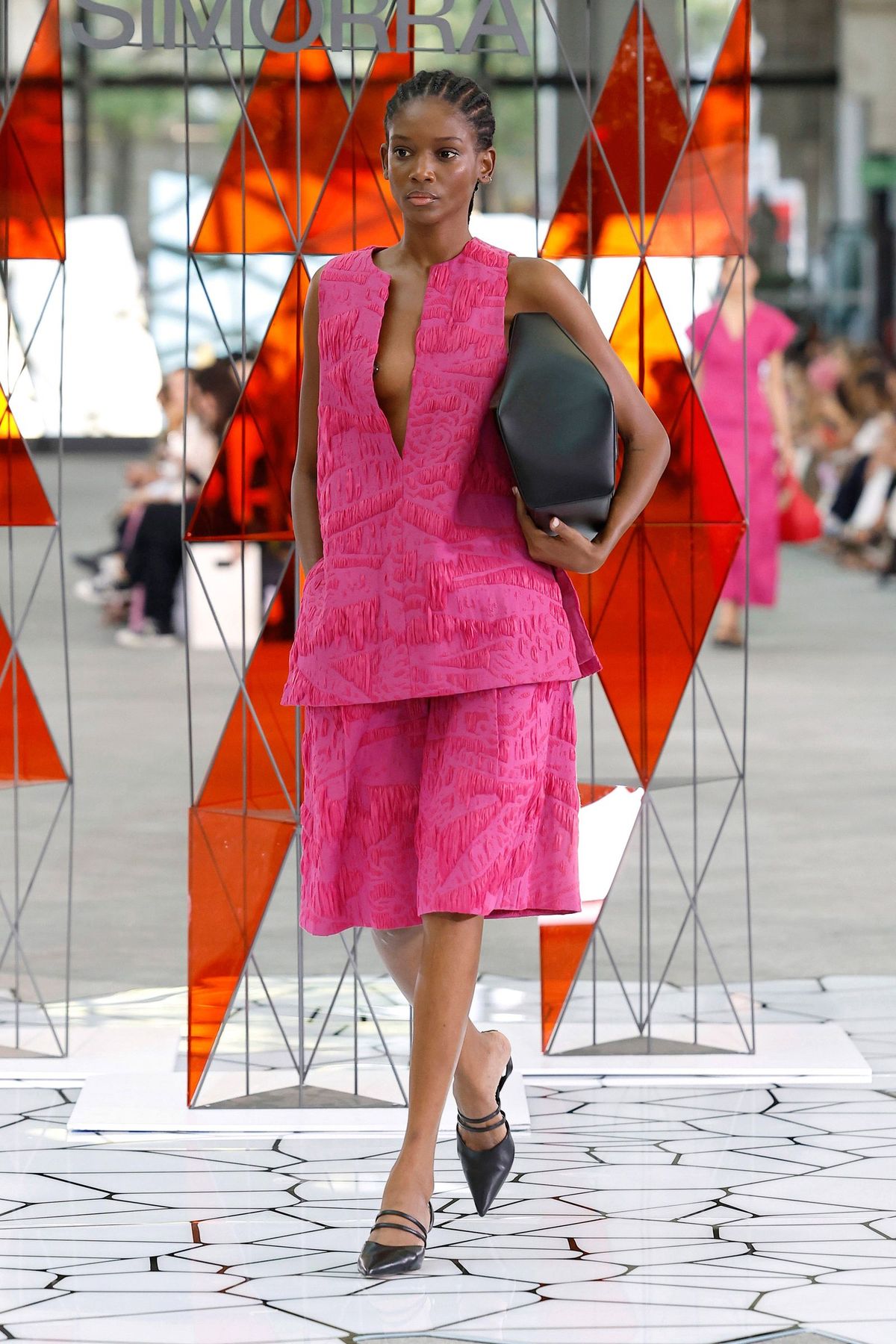
In many African cities, this kind of observation has always been standard practice. From everyday wear to occasion outfits, garments are made through repeated fittings and conversations. The process is slow, but it is intentional. The result is clothing that aligns with the person, not just the body.
African Tailoring as Cultural Record
Globally, tailoring is often linked to heritage houses and elite traditions. But across African contexts, tailoring has long functioned as a cultural record.
Clothing reflects:
- Social roles
- Age and stage of life
- Occasion and community
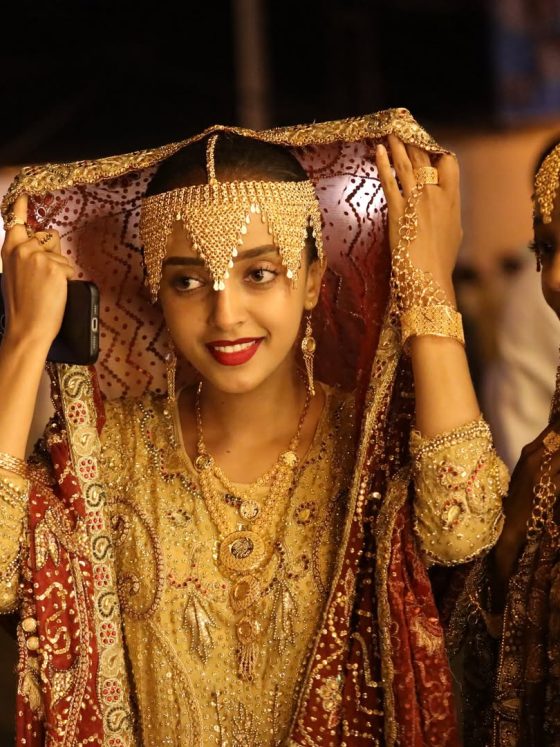
A wedding outfit is not just sewn. It is negotiated between family, tradition, and personal expression. A simple outfit for a weekend outing still carries intention in fabric choice and fit.
This is where African fashion shifts the narrative. Tailoring is not about exclusivity. It is about relevance.
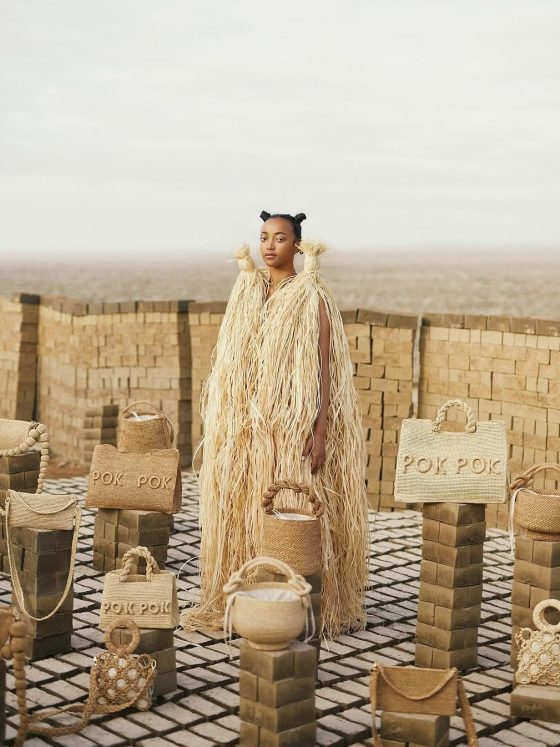
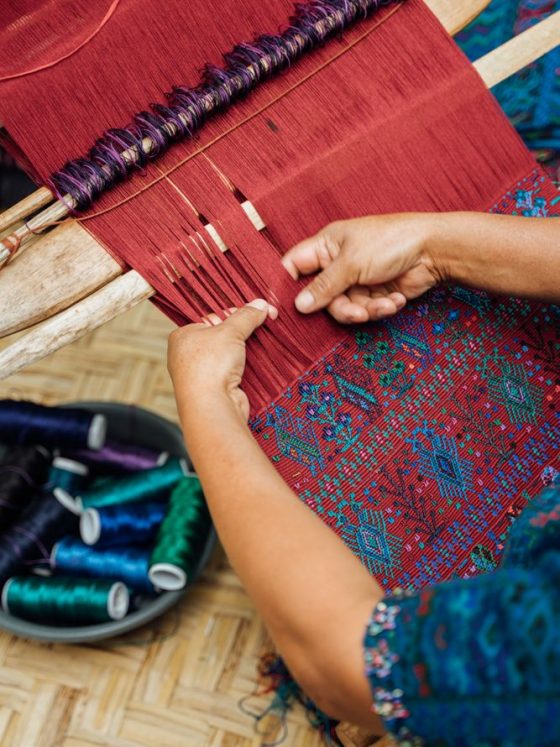
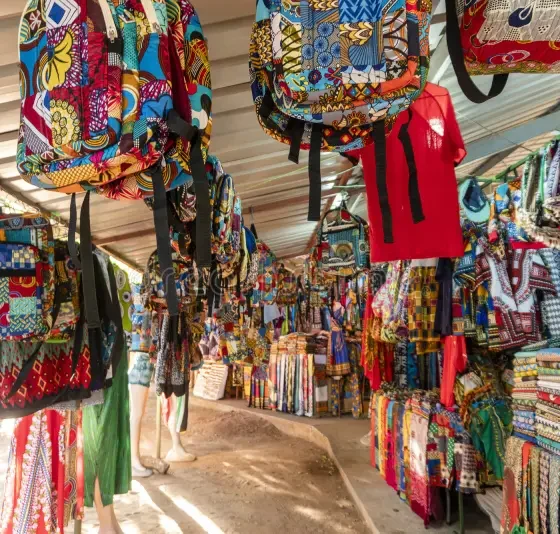
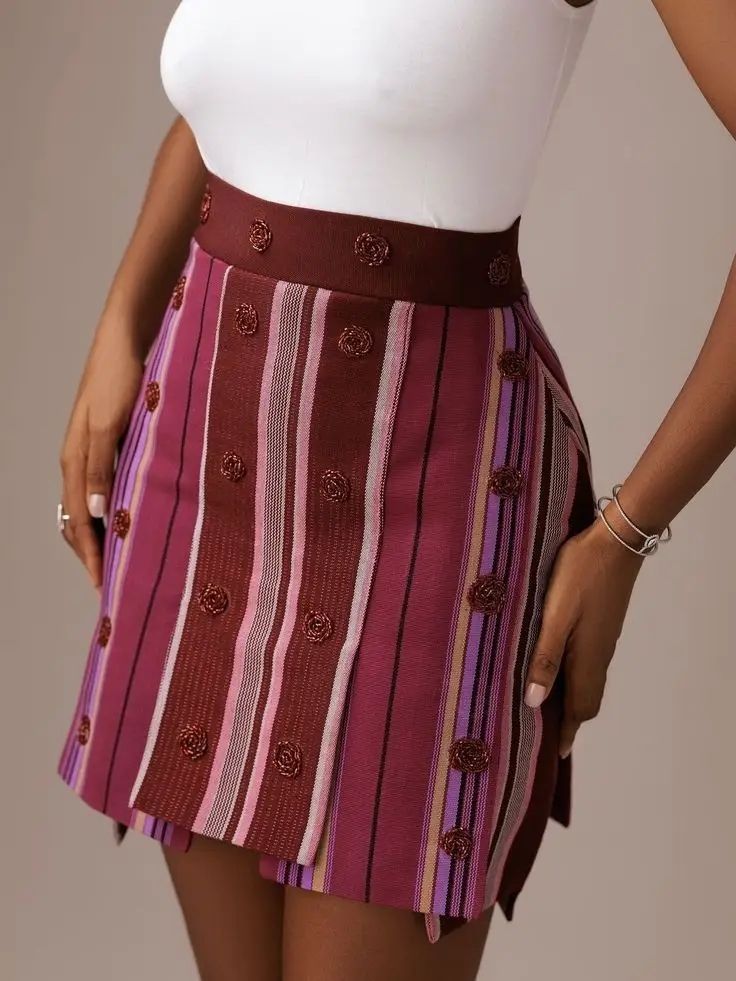
Even fabrics carry layered meaning. Indigo-dyed cloths, patterned prints, and handwoven textiles are not neutral surfaces. They hold history. When shaped by a tailor, that history is adapted to the present body.
Diaspora Dressing as Negotiation
For Africans in the diaspora, tailoring takes on another role. It becomes a tool for navigating multiple identities.
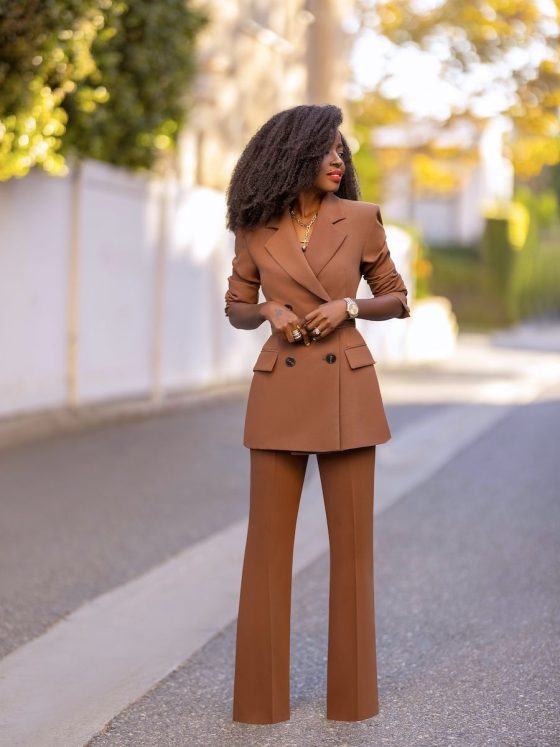
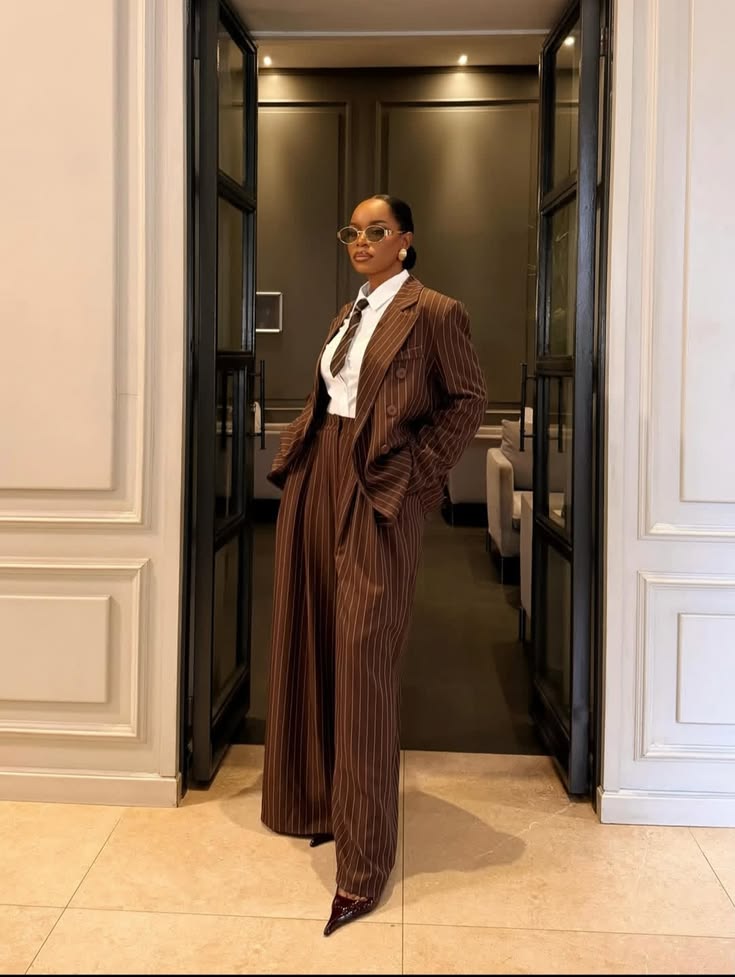
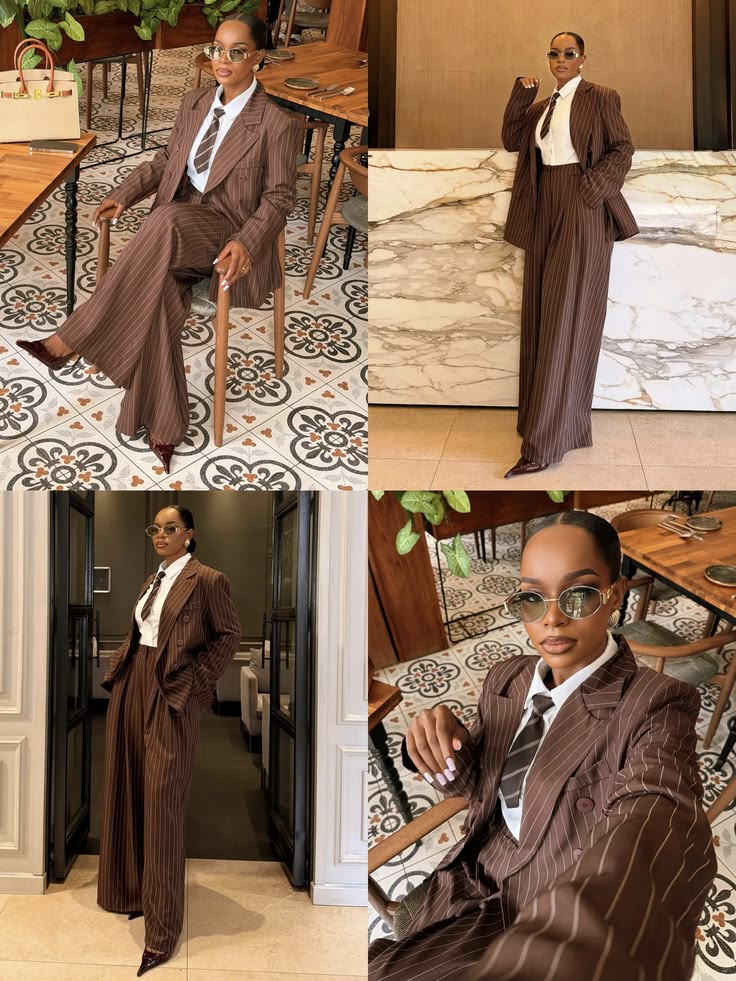
A tailored suit in London or Toronto may follow the Western structure. But small decisions carry weight:
- A traditional fabric used in a modern cut
- A silhouette that softens rigid tailoring rules
- Details that signal belonging without full assimilation
This is not about standing out for attention. It is about moving through different spaces with control.
Diaspora tailoring is precise. It allows individuals to participate in global systems while maintaining cultural authorship over their appearance.
Redefining Luxury Through Attention
Luxury in mainstream fashion is often defined by scale—brands, price points, visibility. Tailoring offers a different definition.
Luxury becomes:
- Time spent understanding the wearer
- Skill applied in construction
- Care in repeated fittings and adjustments
In many African tailoring systems, garments are not rushed. They are revisited, corrected, and refined. The process itself is the value.
This redefinition challenges the idea that luxury must be loud. Instead, it positions luxury as attention—something deeply human and increasingly rare.
Read Also:
Women, Tailoring, and Self-Definition
For women, tailoring carries particular weight.
Standard sizing has long failed to account for the diversity of women’s bodies. Beyond that, it often imposes narrow ideas of how women should look.
Tailoring disrupts both.
It allows women to define:
- How the structure sits on their body
- How softness and authority coexist
- How they want to be perceived in professional and social spaces
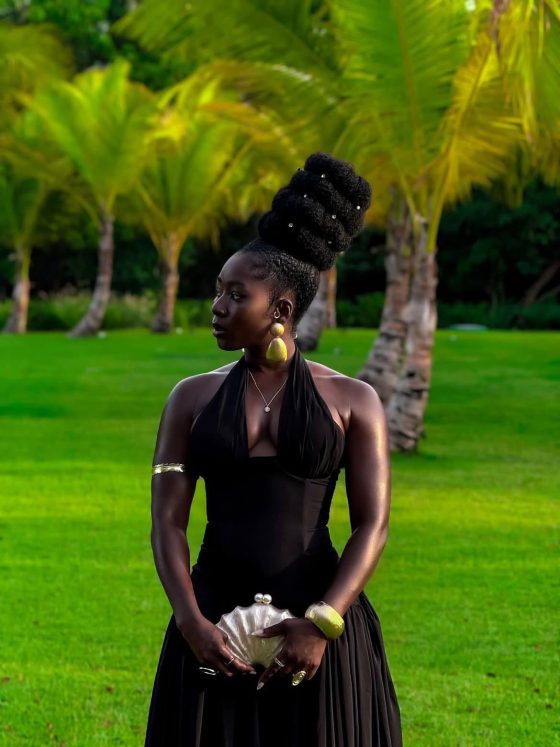
A well-tailored garment does more than fit. It aligns.
For many African women balancing visibility, ambition, and cultural expectation, this alignment is powerful. It removes the need to adjust oneself to clothing and instead demands that clothing adjust to the self.
Sustainability as Continuity, Not Trend
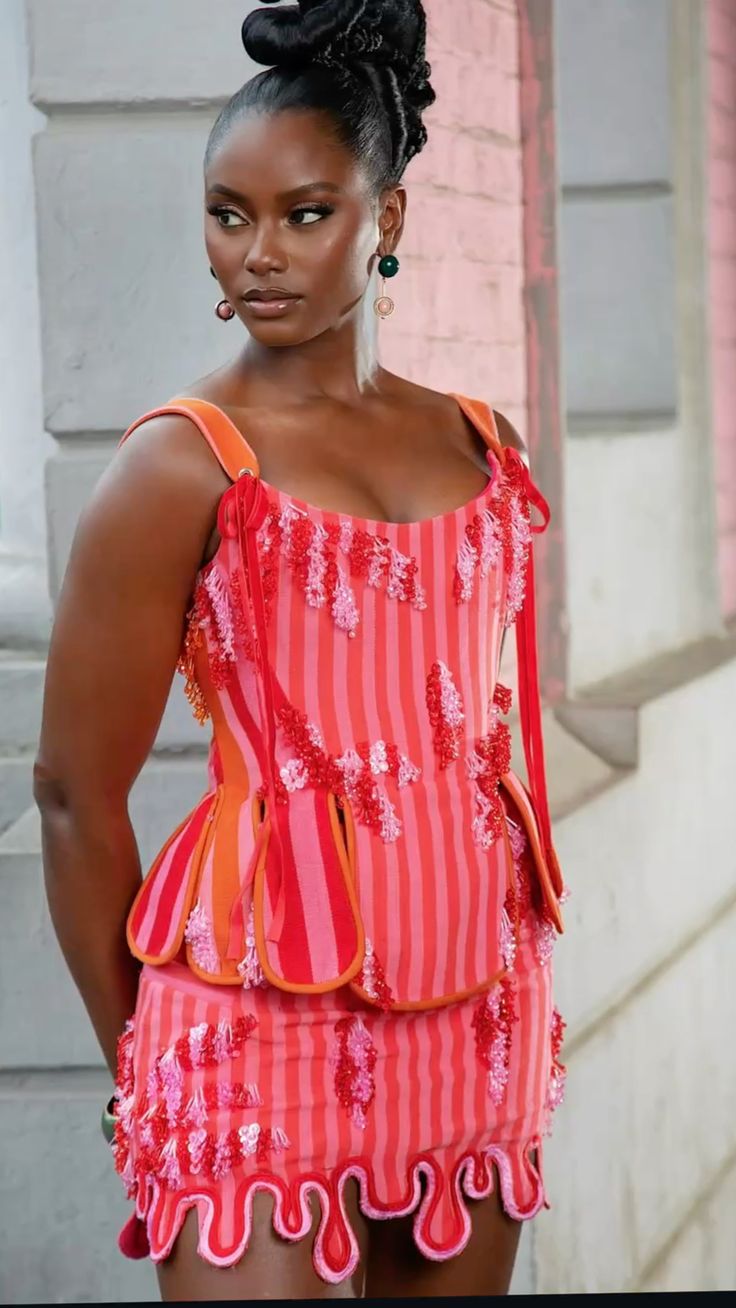
There is a growing global conversation around sustainability. But in many African contexts, the principles already exist—just without the language.
Tailored garments are:
- Worn over longer periods
- Altered as bodies or needs change
- Passed down and reworked
This is not framed as sustainability. It is simply how clothing functions within a system that values longevity.
Tailoring encourages emotional connection. When a garment is made specifically for you, it is harder to discard. It holds memory.
Conclusion
The intimacy of tailoring lies in its ability to see.
Not just the body, but the life within it.
In a fast-moving industry that often prioritises speed over substance, tailoring slows things down. It asks questions. It observes. It adjusts. And in doing so, it creates clothing that feels less like an object and more like an extension.
Through an African lens, this practice is not new. It is simply being recognised for what it has always been: a system of making that centres people over product.
That is the real shift.
Clothes are no longer just worn.
They are understood.
FAQs
1. What makes tailoring different from ready-to-wear clothing?
Tailoring creates garments specifically for an individual’s body and lifestyle, while ready-to-wear is produced in standard sizes for mass use.
2. Why is tailoring considered intimate?
It involves close observation, repeated fittings, and a deep understanding of how a person’s body moves and presents itself.
3. How does tailoring reflect African fashion systems?
In many African contexts, tailoring has always been central. It connects clothing to culture, occasion, and personal identity rather than mass production.
4. Is tailoring only for luxury consumers?
No. While often positioned as a luxury globally, tailoring is an everyday practice in many communities, especially across Africa.
5. Can tailored clothing be more sustainable?
Yes. Tailored garments are typically worn longer, adjusted over time, and valued more, thereby reducing the frequency of disposal and replacement.