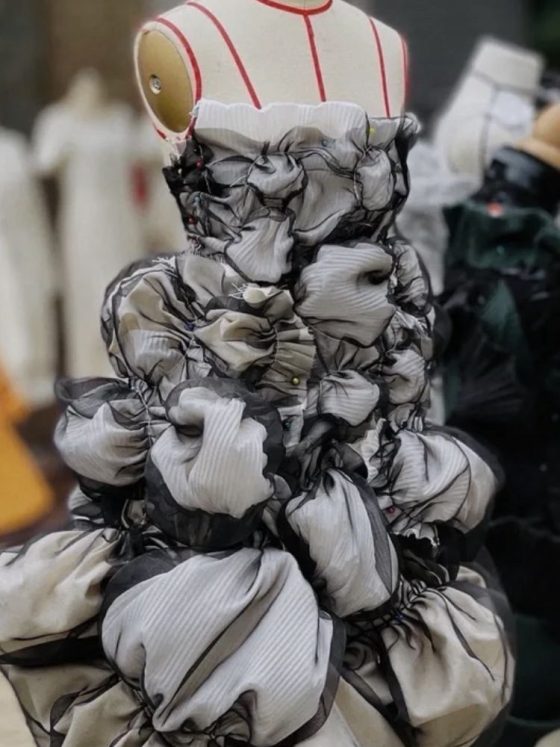
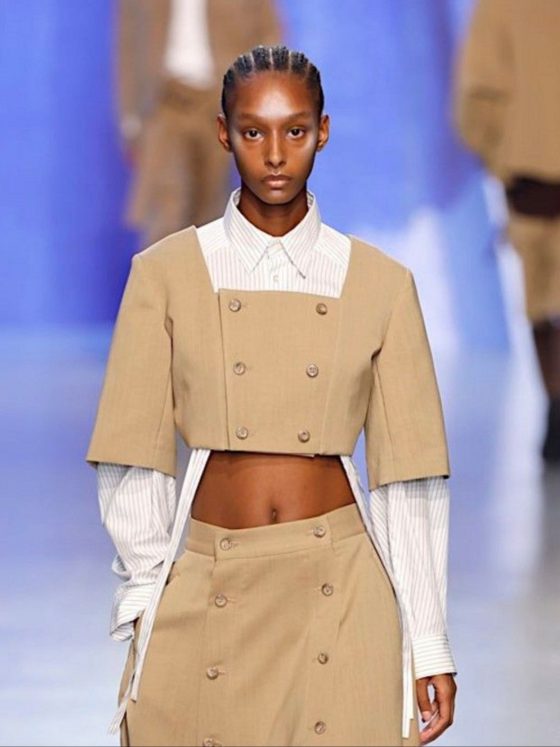
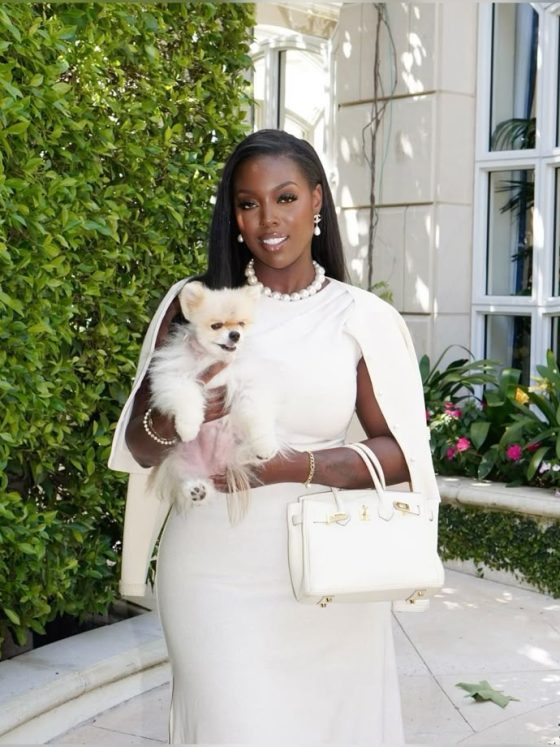
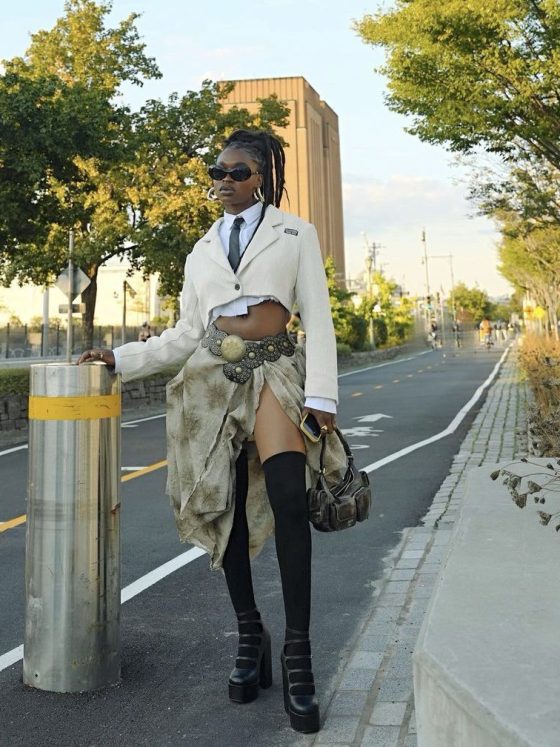
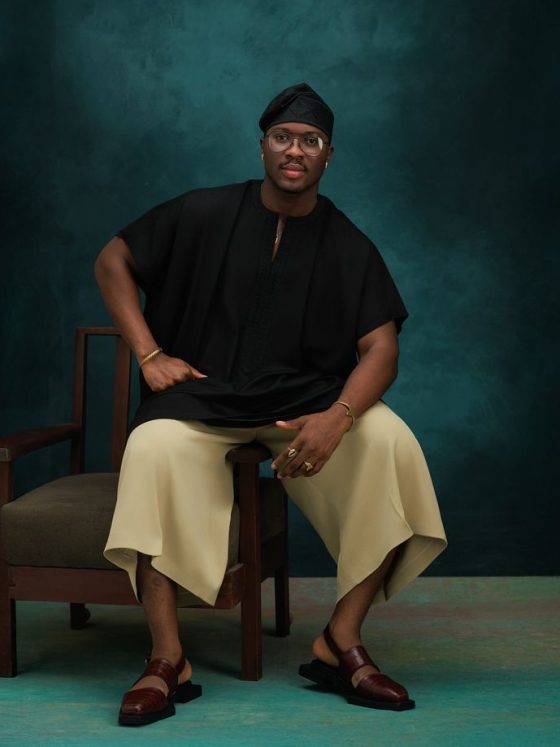
In 2026, specific fashion items carry influence beyond surface aesthetics because they intersect with historical practices, culturally grounded production, and shifts in global fashion markets. In an industry that has historically centred on European and American houses, a growing number of African designers are reshaping how clothing is produced, communicated, and validated across global platforms. Their work reframes conventional expectations of fashion and creates pieces recognised internationally for design quality, technical ingenuity, and cultural specificity.
The following analysis focuses on seven pieces that are currently relevant, items that appear consistently in fashion weeks, industry forecasts, and designer portfolios. It explains why they matter historically, commercially, and culturally. Four of these items are significant across the global industry, and three represent African design contributions that have moved into global visibility by 2026.
Discover 2026’s most influential fashion pieces, including African designers, exploring heritage, craftsmanship, and global design relevance.
Key Fashion Pieces Shaping 2026
1. Structured Power Blazer
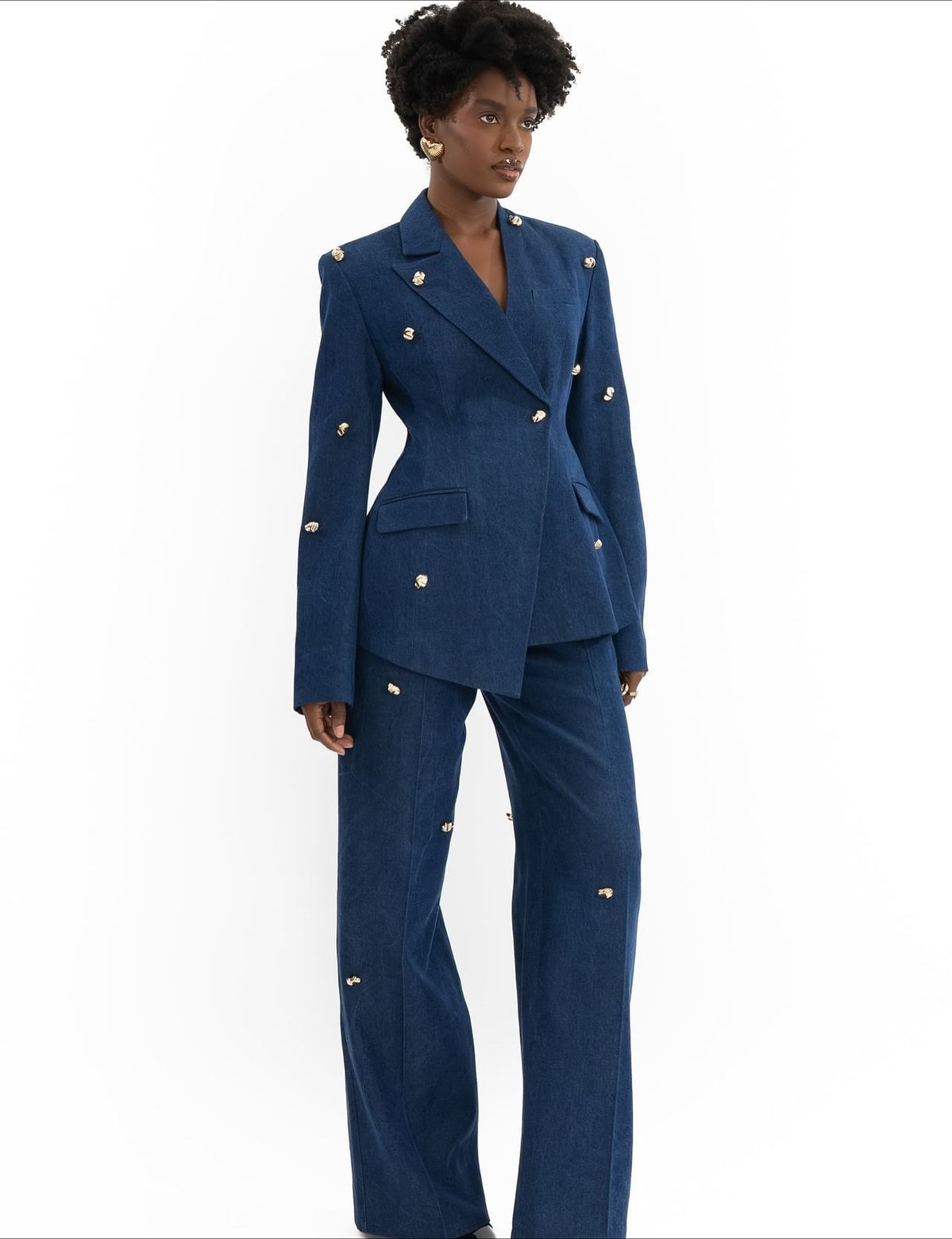
The tailored blazer in 2026 reflects long-standing sartorial hierarchies rooted in Western tailoring traditions. Historically emerging from male military and corporate dress codes in the 19th and 20th centuries, structured tailoring became synonymous with professionalism and hierarchical authority. Today’s power blazer updates that lineage with emphasis on construction precision and silhouette strength.
European houses and global designers have showcased amplified shoulders, engineered lapels, and reinforced tailoring that signal deliberate design choices rather than casual wear. This piece appears in menswear and womenswear collections, serving as a benchmark for cross‑season commercial viability because it appeals to markets that still associate sharp tailoring with seriousness in professional and social contexts.
From an industry perspective, the continued prominence of the structured blazer underlines a persistent market for well‑executed tailoring in an era otherwise dominated by casualisation. Its prevalence at major fashion weeks indicates that manufacturers and retailers see structured tailoring as a durable commercial item with relevance in multiple markets.
2. Statement Mini Bag
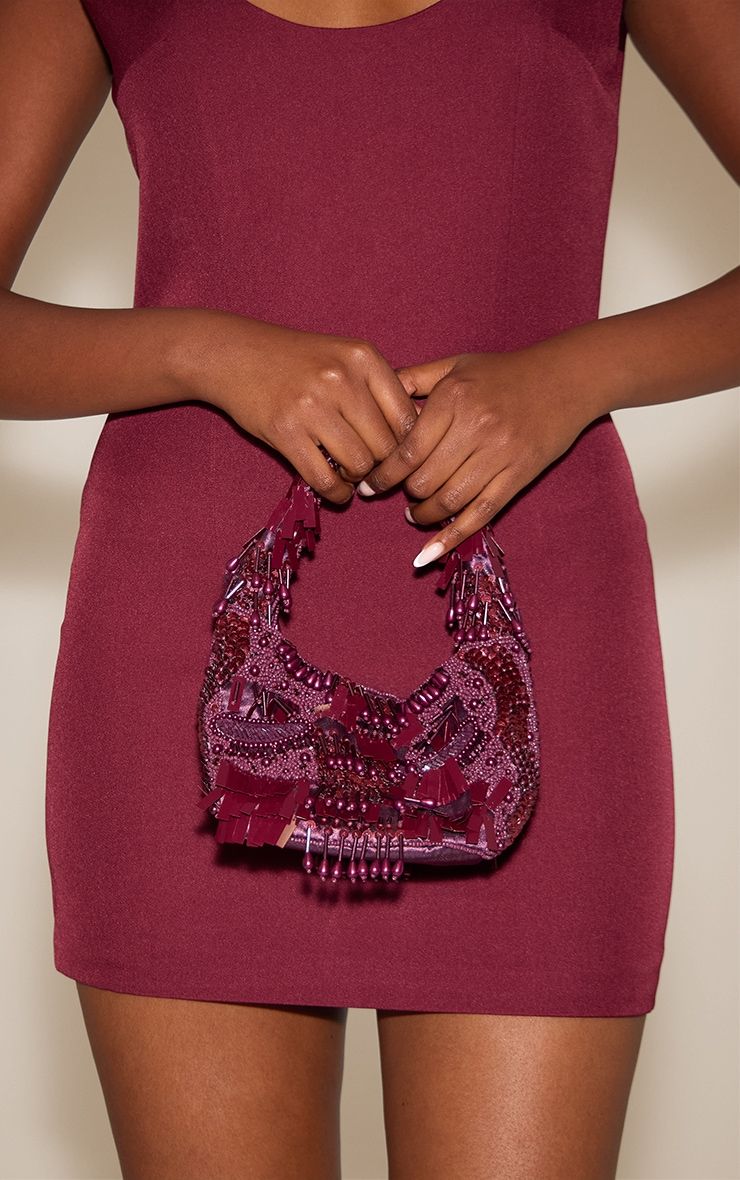
The mini bag is among the most visible accessories heading into and throughout 2026. Industry reports indicate a notable surge in demand for nonfunctional, sculptural bags, chosen for their stylistic impact rather than their practicality. Accessory trends from the global fashion week emphasise bags with distinctive silhouettes, bold hardware, or experimental forms that deviate from conventional carryall designs.
Historically, handbags evolved from purely functional carriers in the 19th century to markers of status by the mid‑20th century. In 2026, mini bags have become part of this evolution because they prioritise design vocabulary over traditional use value. This shift aligns with a consumer segment that favours curation and symbolic meaning in luxury accessories, and runway appearances and celebrity styling often influence it.
Their persistence across seasons suggests that fashion buyers and houses are investing in accessory design innovation as a distinct axis of industry growth, separate from ready‑to‑wear categories.
3. Silk Scarf as Identity Frame
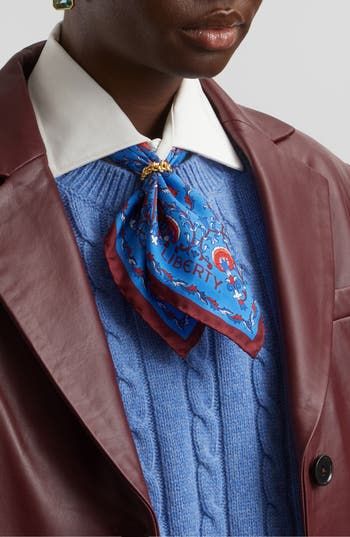
Silk scarves have remained a staple of fashion for decades, but in 2026, they appeared across multiple contexts, as seen in runway and editorial coverage. This reflects a deliberate repositioning of a classical accessory as a frame for personal or cultural identity rather than a simple stylistic add‑on.
The long history of silk as a trade commodity means that it is already associated with cross-cultural exchange. In the current climate, designers and stylists use scarves in context, signalling heritage, craftsmanship, or individual narratives. Their varied placement on the body also reflects fashion’s interest in modular accessorising, where pieces can serve multiple interpretive functions in a wardrobe.
4. Utility Cargo Trousers (Reimagined)
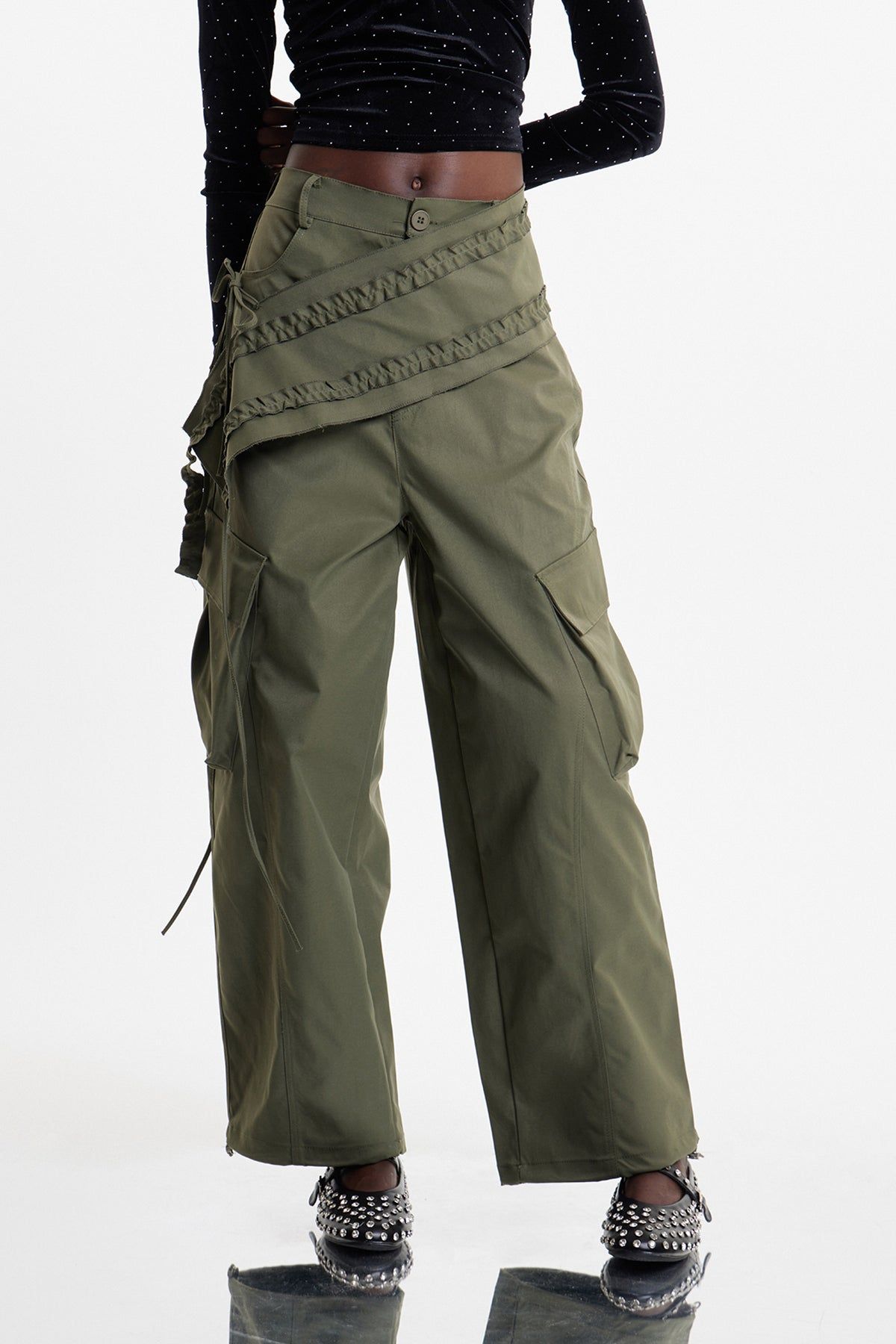
Cargo trousers date back to the 20th-century military wear and were popularised in urban fashion across later decades. In 2026, utility cargo pants were redesigned with better tailoring, different proportions, and higher-quality materials, moving away from their original purpose.
This evolution responds to two market forces simultaneously: (1) a global appetite for comfort blended with refined design and (2) a consumer shift away from strictly formal codes toward hybrid silhouettes. The continued presence of these trousers in commercial collections suggests they function as a bridge between utilitarian heritage and contemporary design sensibilities.
INTERESTING READS:
- Paris Men’s Fashion Week 2026: Power Shifts and Strategic Visions
- Paris Fashion Week 2026: Structure, Power, and the Re-Engineering of Menswear
African Contributions to 2026’s Fashion Landscape
By 2025, African fashion is no longer mentioned in global trend reporting, and by 2026, designers from the continent are making measurable impacts on international fashion weeks, industry discourse, and consumer demand. Several African designers figure prominently in discussions about fashion’s evolution because their work integrates local craft systems with global design languages.
5. Sculptural Handwoven Jacket
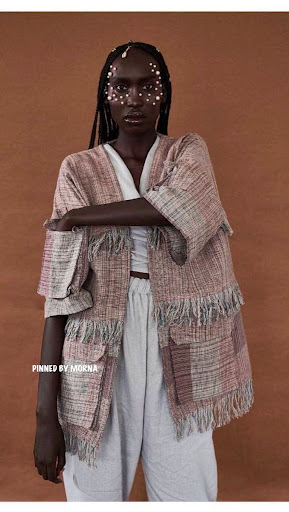
African handwoven textiles, particularly those used by designers like Kenneth Ize, are featured in global fashion dialogues through their incorporation into modern tailoring. Ize’s use of aso‑oke (a traditional Yoruba textile) is a documented example of how heritage fabric can inform contemporary garments that stand alongside Western luxury pieces.
Aso‑oke weaving has existed for centuries in West Nigeria, initially serving ceremonial and status functions. Ize’s adaptation of these textiles into structured jackets and ensembles involves collaborations with local artisans and recontextualising indigenous craftsmanship for international audiences. Celebrities have worn his work at major shows, integrating it into wider fashion supply chains.
The result is a piece that functions on dual axes: it supports local craft economies while participating in a global category of tailored outerwear traditionally dominated by European houses.
6. Conceptual Streetwear Set Using Adire Techniques
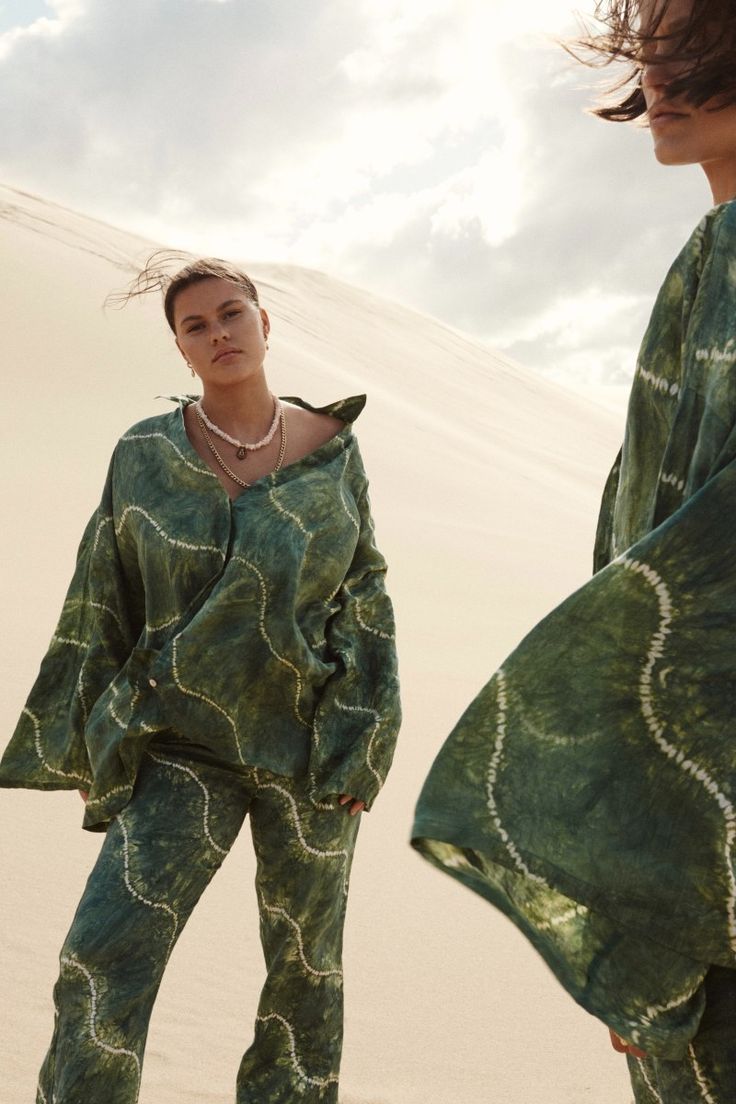
Adire, a resist‑dyed textile associated with southwestern Nigeria, appears in fashion reports and runway coverage as part of modern streetwear systems. Contemporary designers such as Orange Culture have used elements like adire patterns and progressive tailoring to create streetwear sets that are both locally grounded and globally marketable.
Orange Culture’s work has been recognised beyond Nigeria through placements in international media, fashion events, and celebrity wardrobes. This signals the simultaneous expansion of African design influence into casual and high‑fashion segments.
Structurally, these sets blend traditional textile techniques with contemporary silhouettes, yielding items that move from local markets to international retail and editorial platforms. The commercial and cultural implications are significant, as they demonstrate a production model that leverages local expertise for global relevance.
7. Architectural Leather Accessory
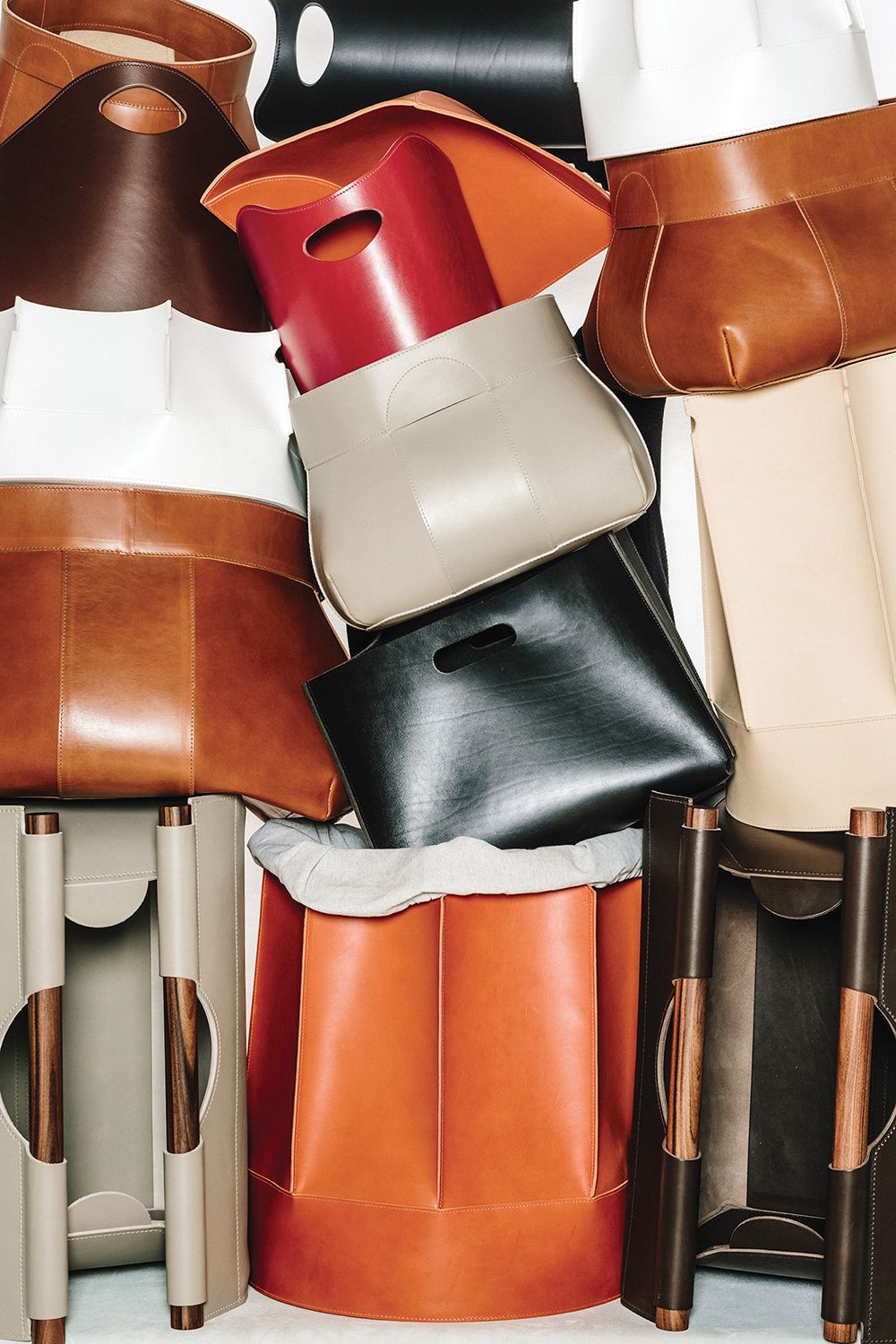
Leather accessories produced by African brands like Zashadu are gaining industry attention for their minimalist design language and focus on craftsmanship. Fashion reporting on emerging global brands has featured these items, which often use locally sourced materials and refined techniques.
Leather goods have historically been central to luxury fashion, but African designers’ entry into this space highlights a regional industry’s capacity that extends beyond textile‑based design into structured accessories. This contributes to diversification in global accessory design markets and reflects shifting consumer interest toward pieces that combine material quality with a distinct design perspective.
What These Pieces Reveal About the Industry in 2026
Collectively, these fashion items showcase three systematic changes in the structure of design and consumption in 2026:
1. Craft Integration with International Markets
African designers are no longer confined to regional or cultural niches; their work competes in global fashion ecosystems through placements at major fashion weeks, international publications, and celebrity endorsements.
2. Functional Redefinition of Traditional Items
Items like cargo trousers and tailored blazers show how functional design legacies can be adapted for contemporary markets, merging durability with aesthetic innovation.
3. Accessory Innovation Beyond Utility
Accessories such as mini bags and architectural leather pieces demonstrate that design innovation in fashion often occurs outside of apparel, especially when articulation of form becomes a priority in stylistic markets.
Conclusion
By 2026, specific fashion items will be consistently chosen by designers, stylists, and consumers because they reflect enduring demands for craftsmanship, structural design, and cultural articulation. African designers contribute meaningfully to this landscape, not through superficial cultural markers, but through distinct design languages that intersect with global fashion systems. Their presence in major fashion dialogues, collaborations, and retail circuits confirms that fashion markets are increasingly attentive to design innovation, irrespective of geographic origin.
These seven pieces signify quantifiable changes in the production, communication, and valuation of clothing in 2026. Understanding them requires analysing production histories, design logics, and market responses, not just surface style descriptions. As the industry continues to evolve, these items serve as reference points for how fashion practices can integrate local expertise with international platforms, expanding the ways clothing is understood and consumed worldwide.
See the looks shaping the season — browse Trends with OmirenStyles.
FAQs
- What are the top African fashion pieces trending globally in 2026?
The top African fashion pieces in 2026 include sculptural handwoven jackets by Kenneth Ize, conceptual Adire streetwear by Orange Culture, and minimalist leather accessories by Zashadu. These pieces combine heritage techniques with global design trends, making them influential in fashion markets worldwide.
- How are African designers influencing global fashion trends in 2026?
African designers are redefining global fashion by incorporating traditional textiles, artisanal craftsmanship, and modern silhouettes in internationally recognised pieces, including tailored jackets, streetwear sets, and luxury accessories. Their work appears in runway shows, editorials, and luxury markets.
- Why is the structured power blazer essential in 2026 fashion?
The structured power jacket blends historic tailoring traditions with modern silhouettes, symbolising authority and intentionality. It remains prominent in professional settings and fashion editorials, making it a core piece in both menswear and womenswear globally.
- What makes mini bags and leather accessories significant in 2026?
Mini bags and architectural leather accessories are valued for their design precision rather than functionality. They serve as fashion statements, representing minimalism, craftsmanship, and curated style. African brands like Zashadu have elevated local leather craftsmanship to global relevance.
- How does heritage influence contemporary African fashion pieces in 2026?
Heritage informs both materials and techniques in African fashion. Designers like Kenneth Ize and Orange Culture transform traditional weaving and textile methods into modern garments, maintaining cultural integrity while appealing to international markets.