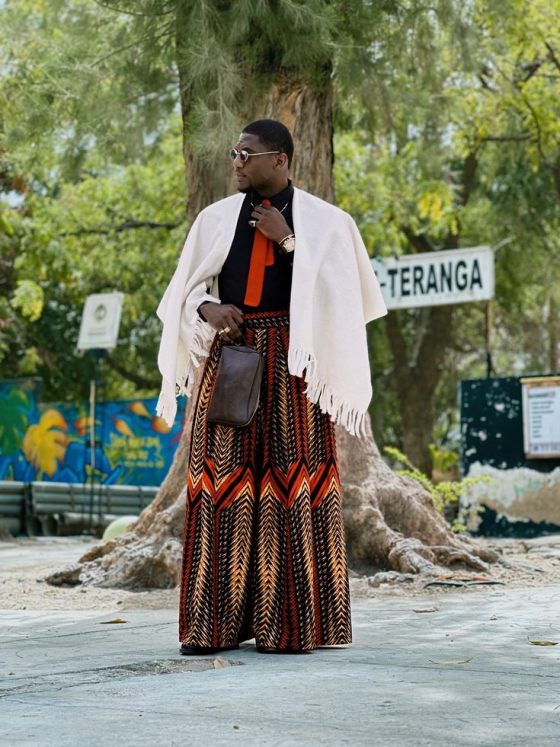
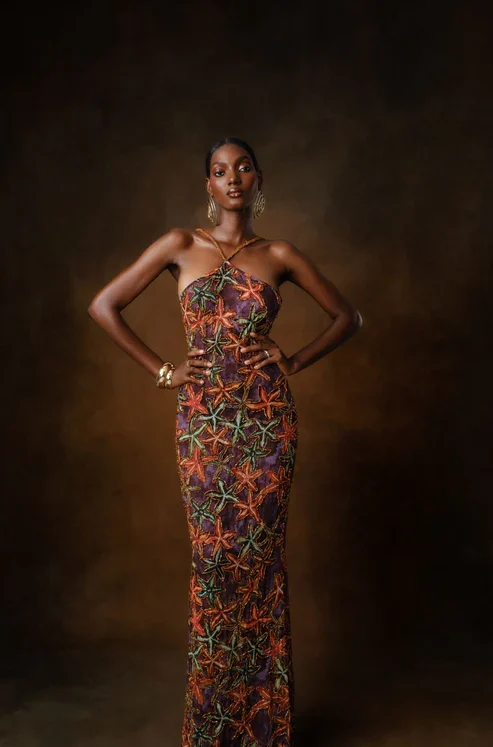
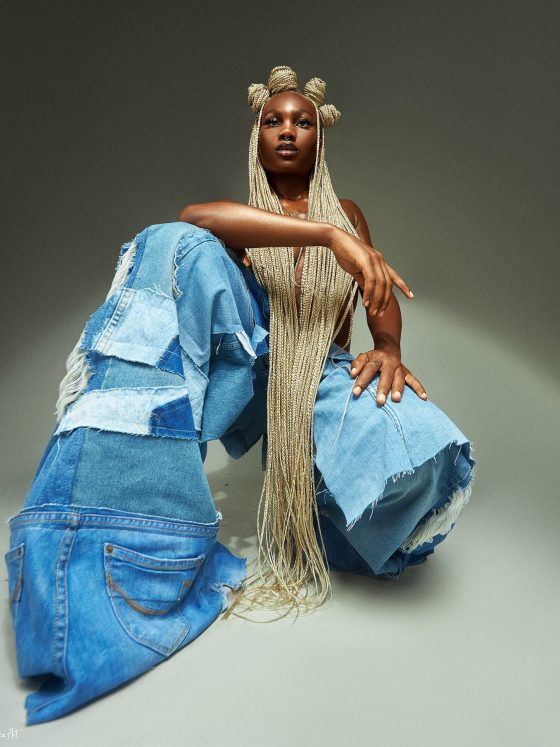
IAMISIGO’s Spring/Summer 2026 release marks a moment when African design is asserting intellectual authorship rather than describing itself only through heritage language. The label, working between Lagos, Nairobi, and Accra, has built a reputation for turning material construction into cultural inquiry. With Dual Mandate, creative director Bubu Ogisi shifts from referencing identity to actively contesting it.
Instead of treating the runway as a spectacle, IAMISIGO positions collections as arguments. Each debut expands the brand’s long-running thesis: textiles are political texts, and wearing them is a form of participation.
IAMISIGO’s SS26 Dual Mandate demonstrates how African fashion draws on materials, history, and cultural authorship to reshape design thinking in a global industry.
The Political Reversal Behind
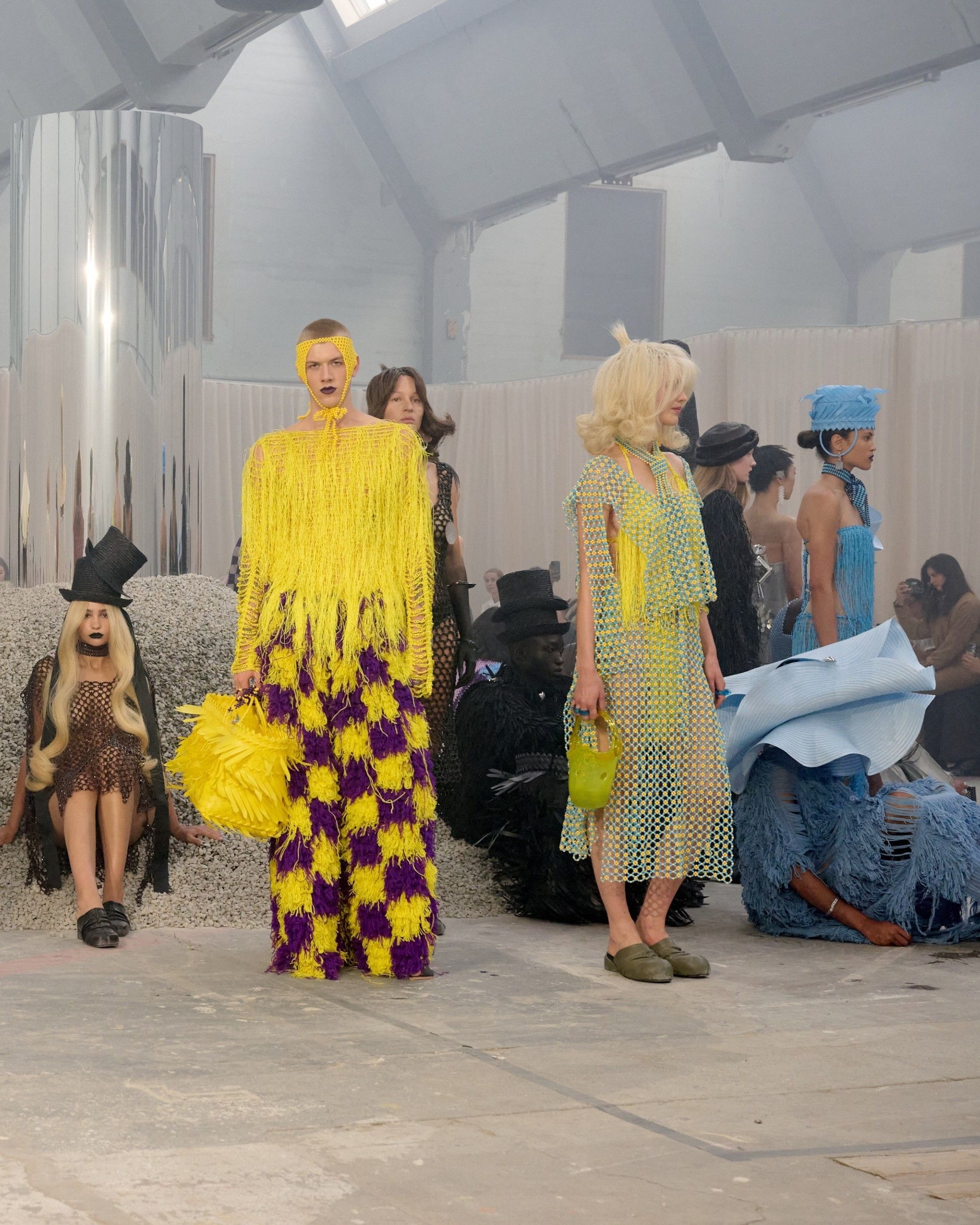
Dual Mandate
The 2026 collection takes its name from British colonial administrator Lord Lugard, whose “dual mandate” framed Africa as a space for resource exploitation while “civilising” its inhabitants. IAMISIGO repurposes the term and redirects its energy.
In the brand’s interpretation:
- Presence references the lived experience and visibility of African bodies on global stages.
- Prayer signals resilience, contemplation, and collective grounding.
This inversion is not symbolic. It shows up materially. Ogisi stretches the colonial archive into a design medium, creating clothing that carries the weight of history without reproducing its confines.
Where Materials Become Infrastructure
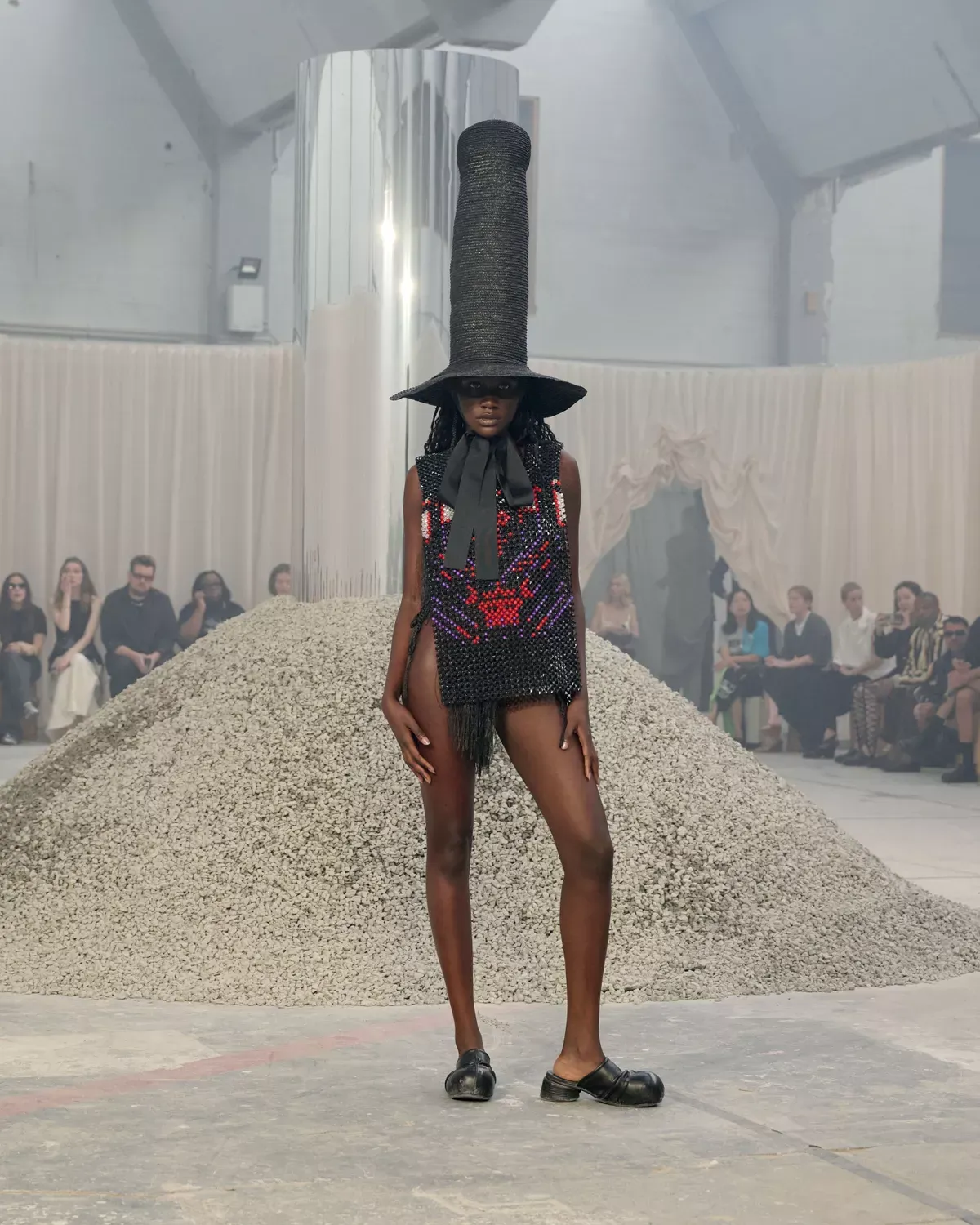
IAMISIGO’s signature comes from construction rather than surface. In Dual Mandate, familiar raw materials are rechallenged:
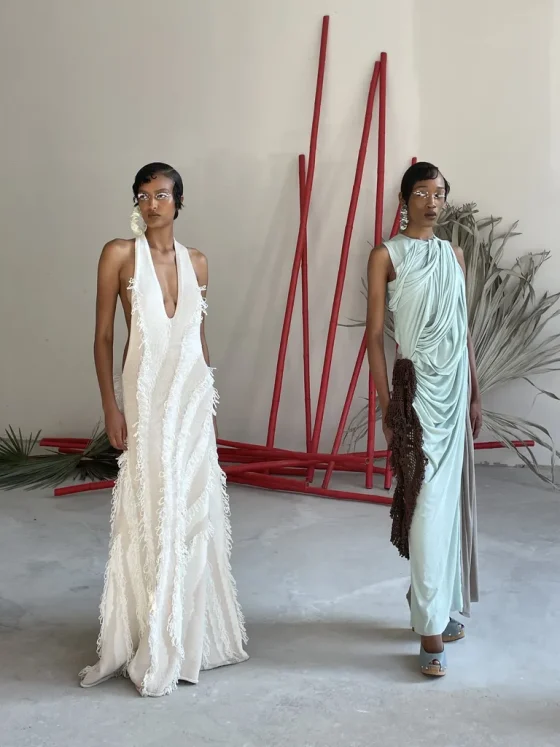
- Raffia is engineered into structural dresses without armatures, relying solely on the tension of braiding.
- Barkcloth coats feature embedded glass fragments, an insertion of fragility that remains functional rather than decorative.
- Glass handbags double as water-filled vessels, questioning the boundary between accessory, tool, and ritual object.
These decisions reinforce the brand’s direction: textiles and objects are not illustrations of culture; they are performances of it.
Because materials are sourced, manipulated, and assembled across West and East African production networks, the final garments accumulate geographical meaning. A Lagos-woven raffia form finished in Nairobi becomes evidence of a network rather than a single aesthetic origin.
Grounding African Fashion in Global Circulation
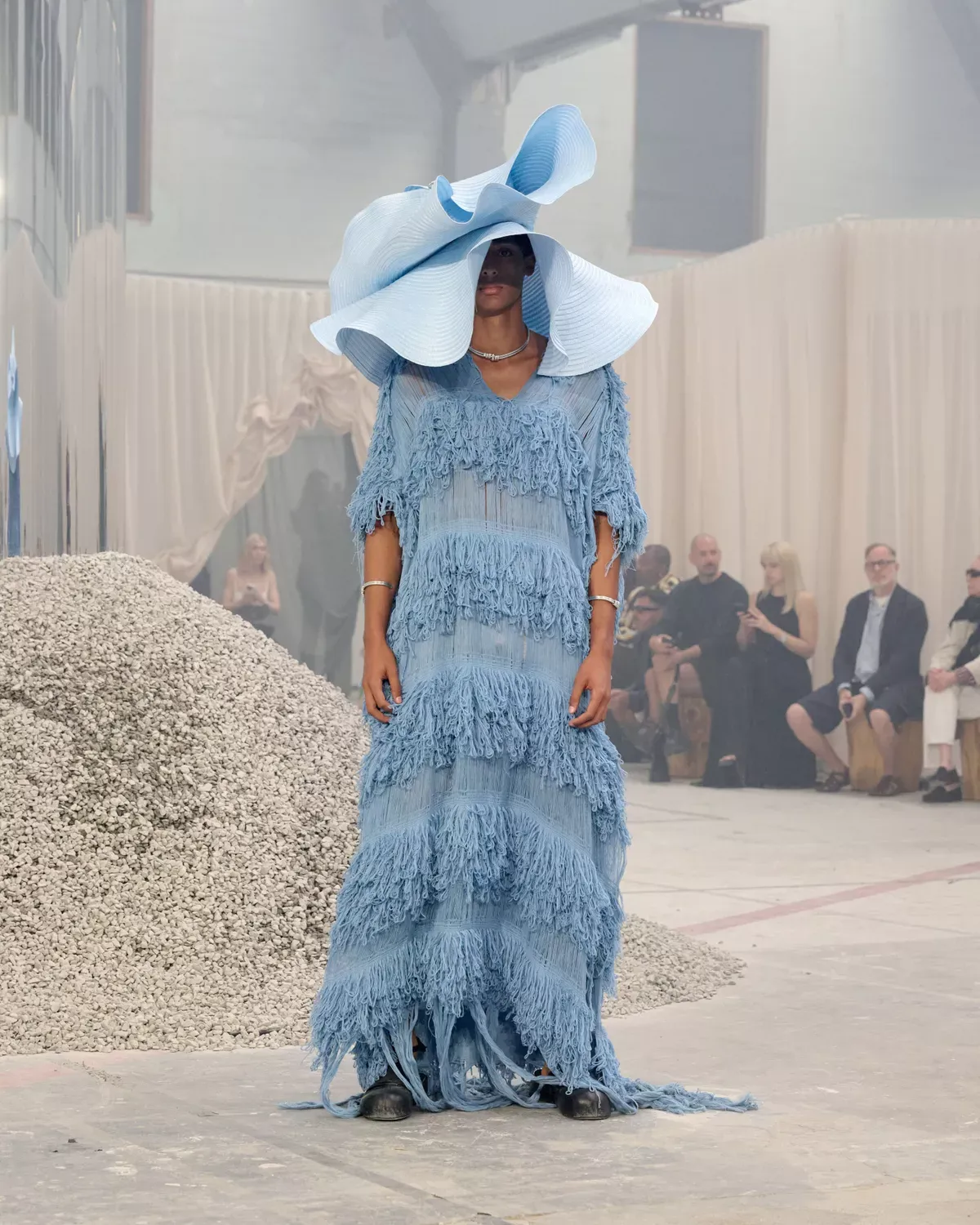
Dual Mandate debuted at Copenhagen Fashion Week, continuing IAMISIGO’s pattern of placing African narratives in global decision-making arenas rather than limiting them to regional recognition. The collection is stocked on Industrie Africa, and select concept-driven boutiques are essential.
IAMISIGO operates outside the traditional wholesale calendar. Instead of scaling through volumes, Ogisi uses a distribution model that prioritises storytelling, controlled production, and material integrity.
The result is not a resistance to scale but a redefinition of what scale should serve. Limited commercial runs preserve the integrity of craftsmanship and enable pieces to travel as cultural artefacts rather than as trending commodities.
READ ALSO:
- IAMISIGO: Preserving Indigenous Textiles and Growing Global Recognition
- MaXhosa Africa: South Africa’s Luxury Knitwear Brand with Global Appeal
How IAMISIGO’s Collections Have Built a Consistent Logic
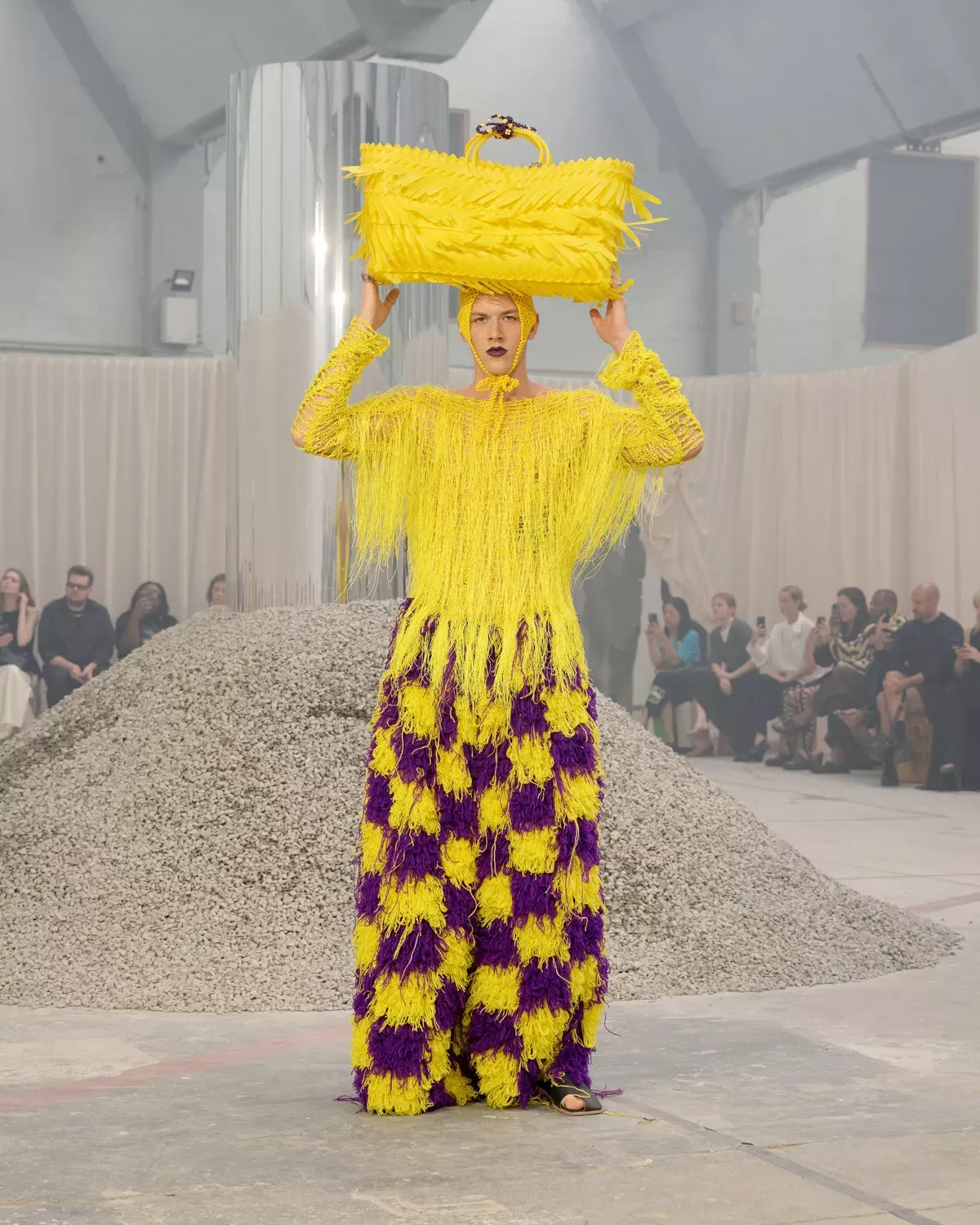
To understand the significance of the dual mandate, it helps to see it as part of a continuum rather than a pivot. Ogisi’s last several collections demonstrate coherent intellectual progression:
2021–2022: Body as Portal
IAMISIGO explored skin, bone, and silhouette.
Garments used stripped textiles, transparent knits, and frayed hems to suggest permeable clothes that behave like second bodies rather than coverings.
2023–2024: Hair, Ritual, and Spiritual Architecture
Collections integrated braided fibres and woven hair extensions.
These pieces framed hair as an archive embodiment of lineage, memory, and inherited labour rather than as a motif.
2025: “Weaving the Invisibles”
The brand moved deeper into performance frameworks, staging installations where garments and models interacted with sound and movement.
Clothing was no longer an outcome; it was part of a system.
2026: “Dual Mandate”
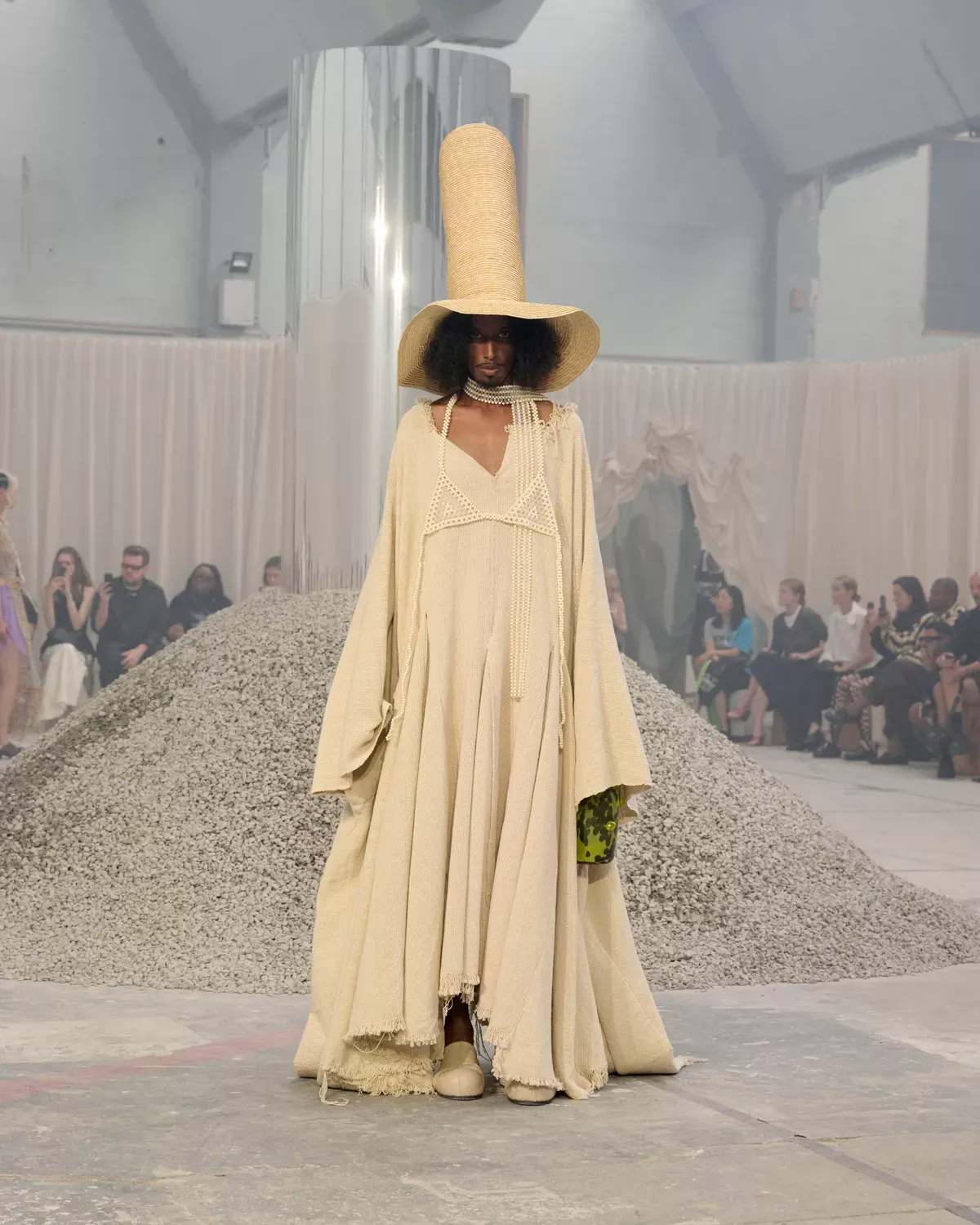
The new collection completes the shift: IAMISIGO goes from referencing intangible cultural elements to reassigning meaning to historical and political language.
Across these seasons, the method repeats:
- Identify a systemic narrative: body, labour, spirituality, and power.
- Materialise it with raw fibre.
- Collapse the line between the object and performance.
This steadiness positions IAMISIGO as one of the few African brands whose work forms an academic trajectory rather than a seasonal rotation.
Why IAMISIGO Matters in 2026
IAMISIGO’s contribution is neither trend-based nor market reactive. The brand models a path where African fashion is:
- not “inspired” by culture but authored by it
- not decorative but discursive
- not peripheral but structurally relevant
In a decade where fashion is saturated with slogans about sustainability, identity, and community, Ogisi’s practice demonstrates how these ideas can be realised materially rather than rhetorically.
Dual Mandate confirms that African designers do not need metaphors assigned to them; they control the narrative, the material, and the frameworks through which their work is interpreted.
Conclusion
IAMISIGO’s SS26 collection does more than expand a wardrobe. It reframes how clothing can carry history without memorialising it. By treating garments as arguments, Ogisi positions African fashion not as an emerging category but as an intellectual force shaping contemporary design discourse. From early experimentation with exposed threads to the political precision of Dual Mandate, the brand’s trajectory reflects a growing coherence, depth, and authority, all within its own terms.
FAQs
- What makes IAMISIGO’s SS26 “Dual Mandate” collection different from traditional fashion collections?
This is due to the collection’s transformation of a colonial-era concept into a contemporary design philosophy, which employs material construction to critique history rather than merely embellish it.
- How does IAMISIGO source and work with raw African materials for its SS26 collection?
The brand uses regional networks across Lagos, Accra, and Nairobi, where raffia, barkcloth, and textile fibres are hand-processed, shaped, and engineered into sculptural garments.
- Where can shoppers buy pieces from IAMISIGO’s Spring/Summer 2026 Dual Mandate launch?
Select items are stocked on Industrie Africa and niche concept boutiques that support limited-run artisanal production rather than mass retail channels.
- How has IAMISIGO’s approach to fashion evolved across earlier collections, leading up to SS26?
Previous collections focused on body, hair, spirituality, and movement; SS26 advances logic by materialising political narratives directly into construction and form.
- Why is IAMISIGO considered a leading African designer in global fashion conversations?
IAMISIGO treats garments as systems of meaning, placing African authorship, process, and cultural authority at the core of design, rather than just as aesthetic influence.