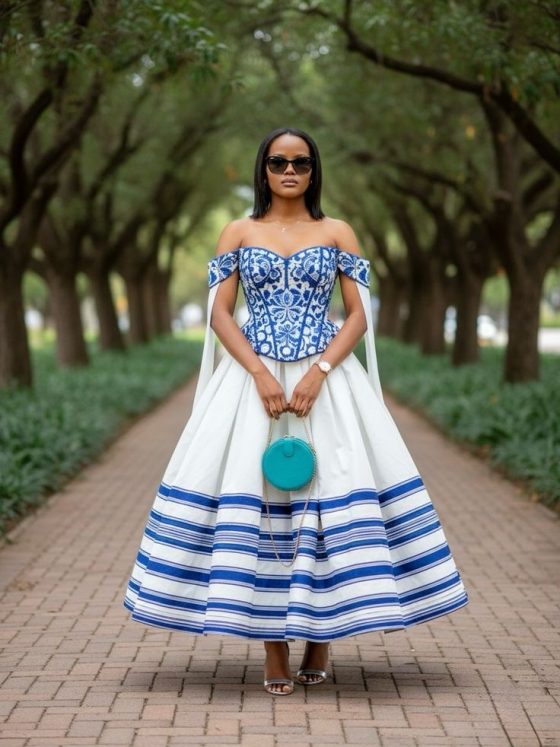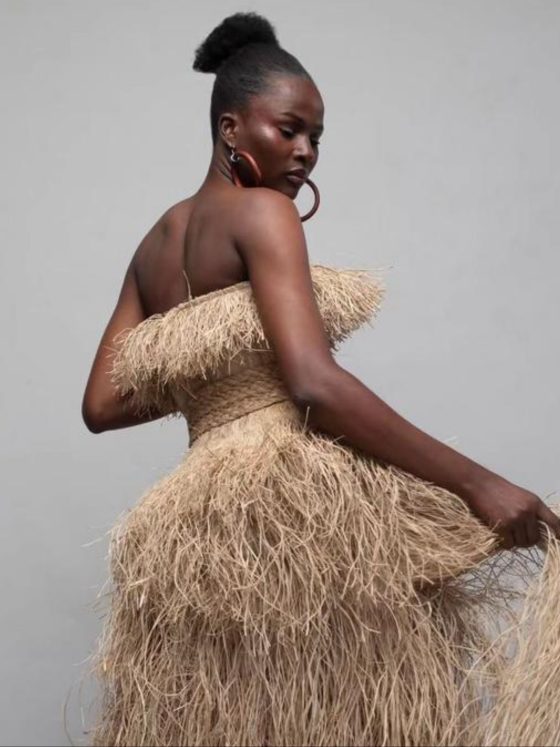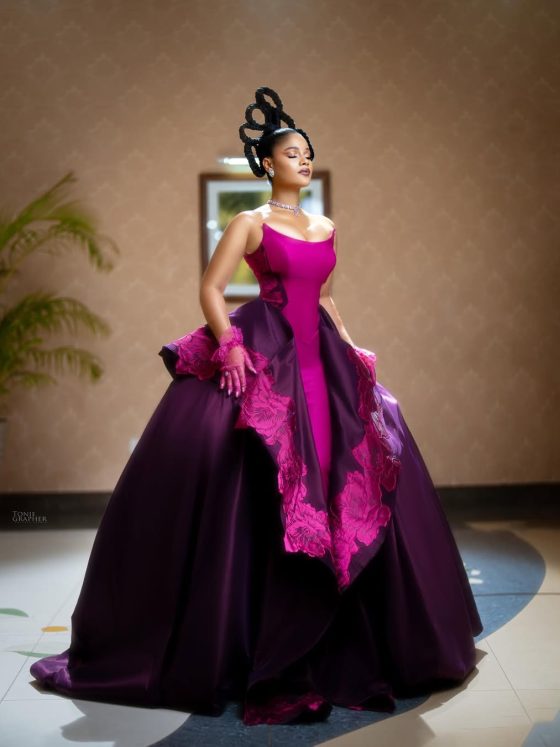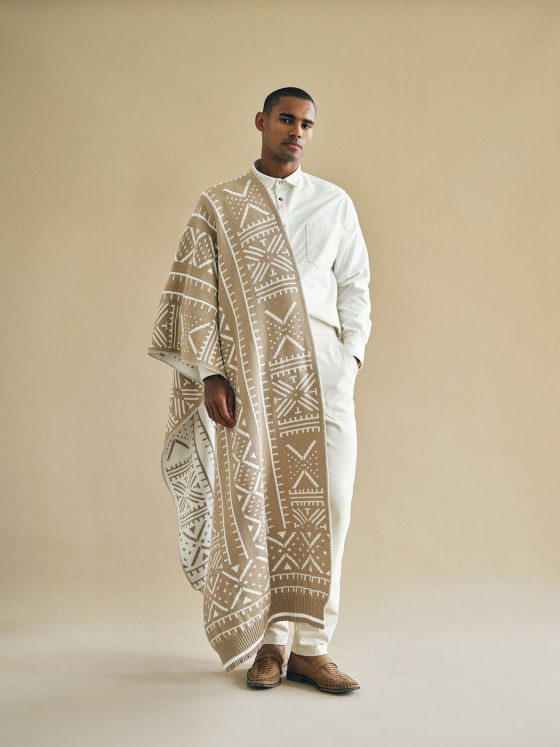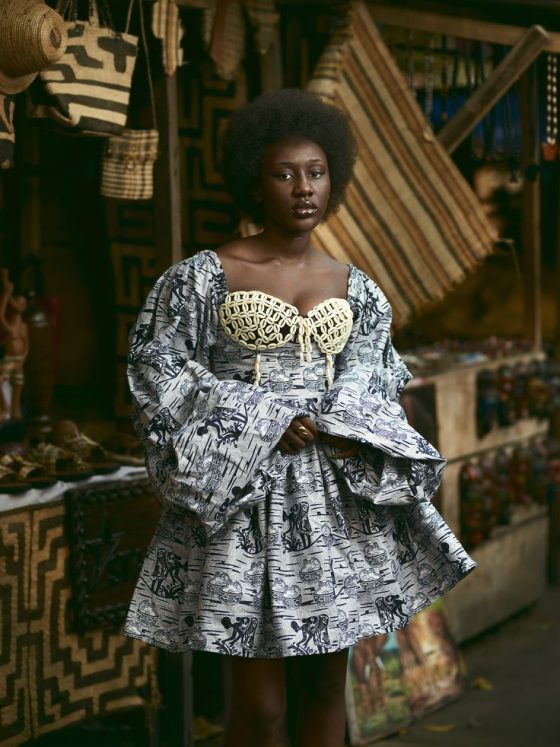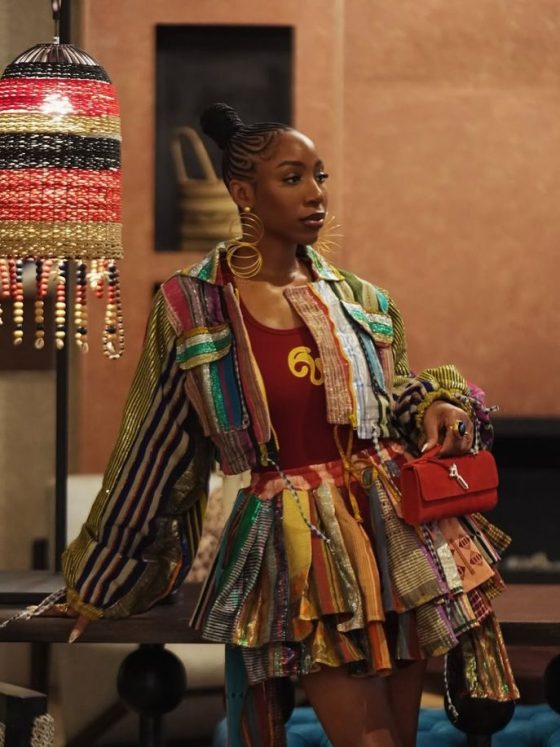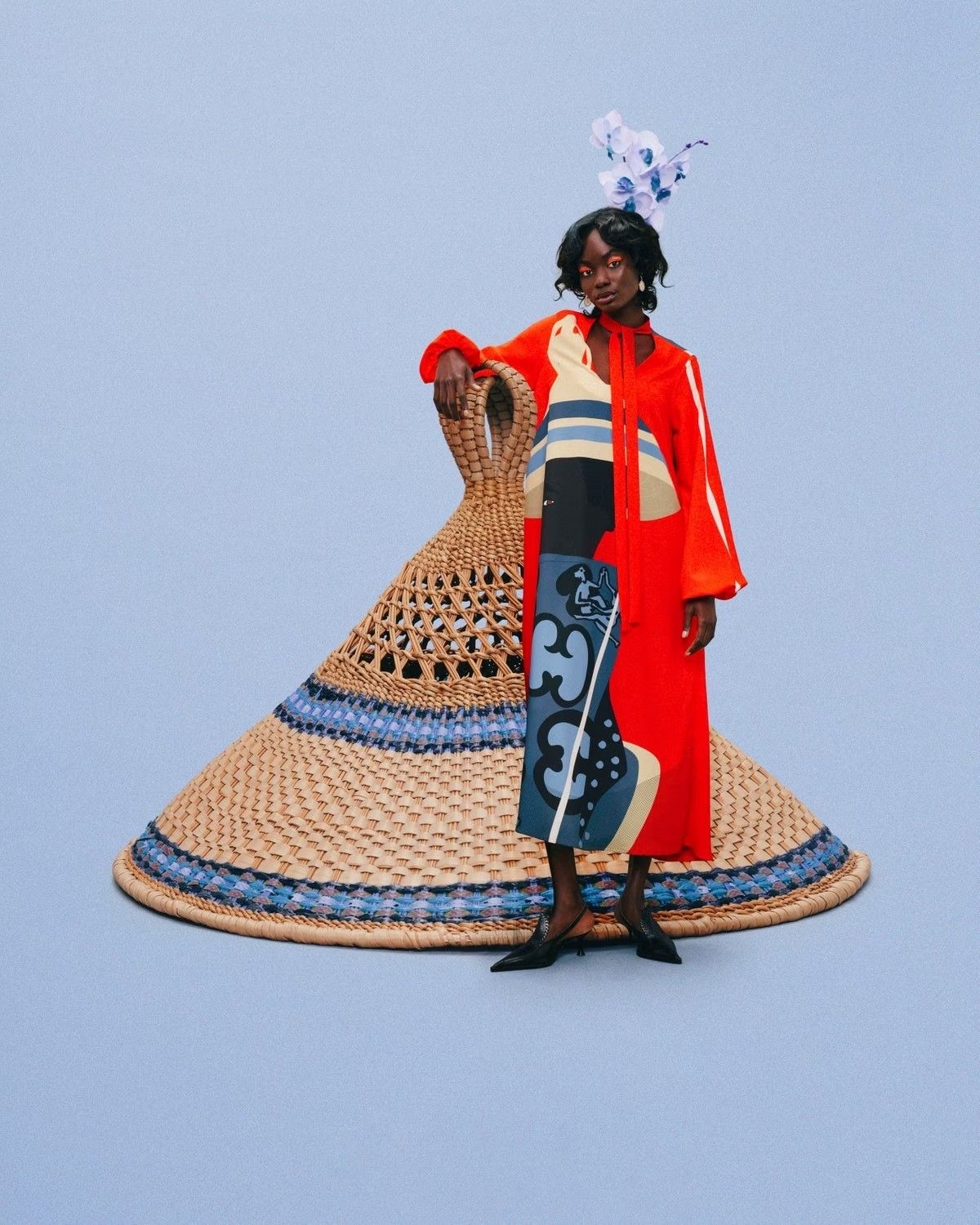
In Harare, fashion has learnt how to speak quietly. The clothes do not compete for attention. They hold it. Lines are clean. Colour is considered. Fabric carries meaning without needing decoration. What emerges is not a rejection of African fashion’s expressive history but a refinement of it.
This is Afro-minimalism, not as an aesthetic borrowed from elsewhere, but as a language shaped by context, restraint, and cultural confidence.
Harare’s fashion scene is not driven by spectacle. It is driven by discipline.
Harare’s Afro-minimalist fashion movement blends restraint, sustainability, and cultural intelligence, redefining African luxury on a global scale.
Where Elegance Becomes a Choice
Zimbabwe’s capital does not operate on fashion excess. Designers here work with intention, often shaped by material availability, economic reality, and a long tradition of making do without waste. These conditions have not limited creativity. They have sharpened it.
Silhouettes are edited down to the essentials. Cuts are precise. The focus is on longevity rather than immediacy. Clothing is designed to live beyond a season, beyond an event, beyond the moment it is first seen.
This approach has produced a fashion culture that values judgment over volume. In Harare, elegance is not an afterthought. It is a decision.
Afro-Minimalism as Cultural Intelligence
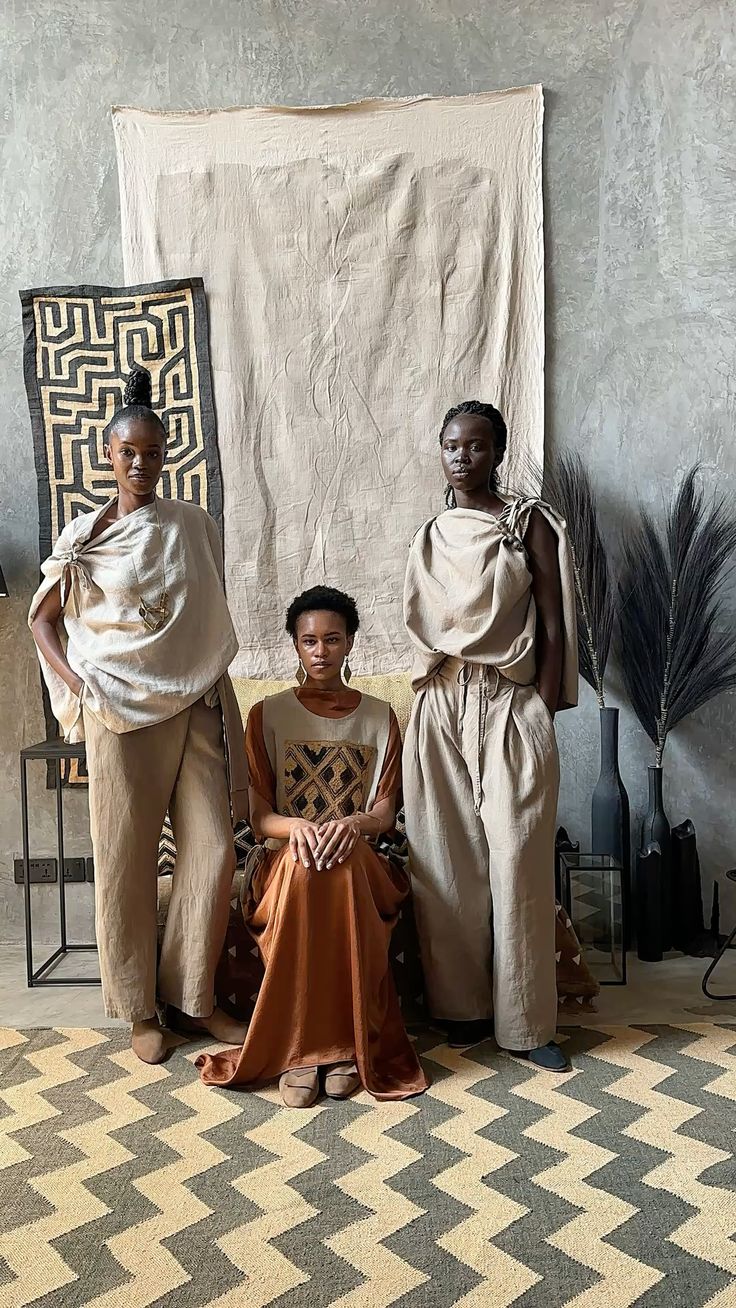
Afro-minimalism, as it appears in Harare, is not about removing African identity from fashion. It is about knowing when not to perform it.
Traditional references are woven into fabric choices, construction methods, and proportions, but they are not announced. Heritage is present but not displayed. Culture is embedded, not explained.
This restraint is intentional. It reflects a deeper confidence: the understanding that African fashion no longer needs to prove its legitimacy through excess symbolism. The work is self-sufficient.
Sustainability Without Performance
In Harare, sustainability is not a branding strategy. It is a working reality.
Designers rely on ethically sourced materials, small-batch production, and local craftsmanship not because it is fashionable, but because it is practical. Waste is avoided. Resources are respected. Garments are made to last.
This results in clothing that feels grounded and honest. Sustainability here is not an aesthetic. It is infrastructure.
That difference matters. It allows the clothes to remain focused on form, quality, and wearability, rather than messaging.
Haus of Stone and the Power of Precision
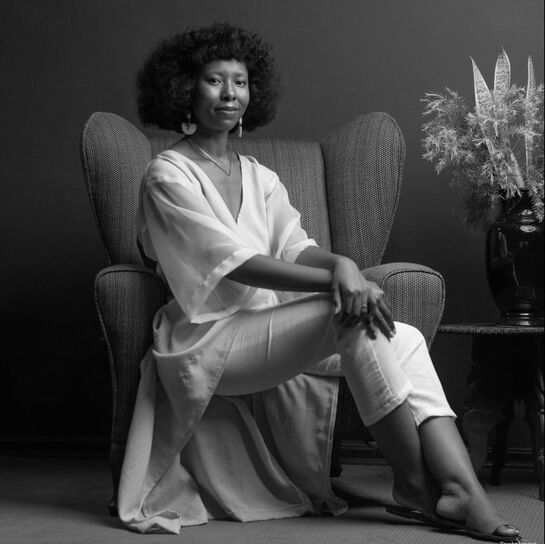
Among the labels shaping this movement is Haus of Stone, founded by Danayi Madondo. The brand has become synonymous with Harare’s refined fashion language, offering clean tailoring, controlled silhouettes, and thoughtful use of African textiles.
Haus of Stone’s international recognition, including features in Vogue and Glamour, is not accidental. The work speaks fluently to a global audience precisely because it does not over-explain itself.
The designs do not chase trends. They reflect a clear perspective: that African fashion can be modern, luxurious, and restrained without losing its cultural grounding.
Importantly, Haus of Stone is not an exception. It is a signal.
Why Harare’s Timing Feels Right
Global fashion is currently rediscovering the value of editing. After years of maximalism, attention has shifted toward garments that feel intentional, wearable, and quietly confident.
Harare’s been practising this language for years.
The city’s designers understand that luxury is not created through accumulation. It is created through choice: what to include, what to remove, and when to stop.
This alignment has brought Harare into more explicit global focus. It serves not as a fad to follow, but rather as a viewpoint from which to gain knowledge.
A Different Kind of Fashion Capital
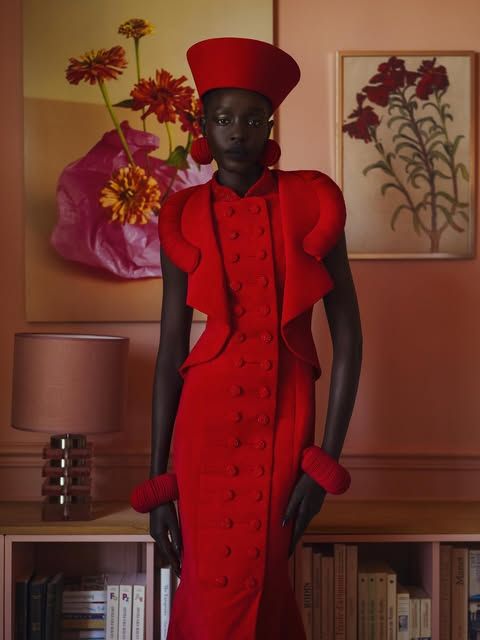
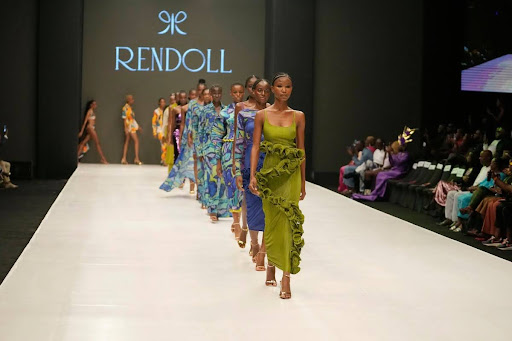
Harare does not resemble traditional fashion capitals. There is no constant runway calendar driving visibility. Harare does not rely on hype cycles. Instead, fashion circulates through ateliers, private clients, and carefully built reputations.
This slower ecosystem allows designers to develop with clarity rather than urgency. Collections evolve. Ideas mature. Quality remains central.
It is a model that challenges how fashion success is measured, prioritising depth over noise.
Cultural Heritage, Reimagined
Zimbabwe’s cultural heritage is rich with craft, textile knowledge, and symbolic form. Harare’s fashion scene stands out for its selective use of these elements.
Motifs are abstracted. Textures are refined. References are subtle. The result is fashion that feels contemporary without feeling disconnected from its roots.
This balance is difficult to achieve. It requires restraint, confidence, and a refusal to perform culture for validation.
Conscious Luxury Without Apology
What emerges from Harare is a vision of luxury that feels resolved. Clothing is designed for people who understand fashion, not for those seeking instruction. The garments do not ask to be interpreted. They ask to be worn.
This is conscious luxury without apology, not loud, not performative, and not dependent on external approval.
This represents African fashion maturely expressing itself.
READ ALSO:
- Swahili Futurism: How Dar es Salaam Is Rewriting Fashion’s Relationship With Time
- How Fashion Stylists Shape Narrative & Visual Culture
Why Harare Matters Now
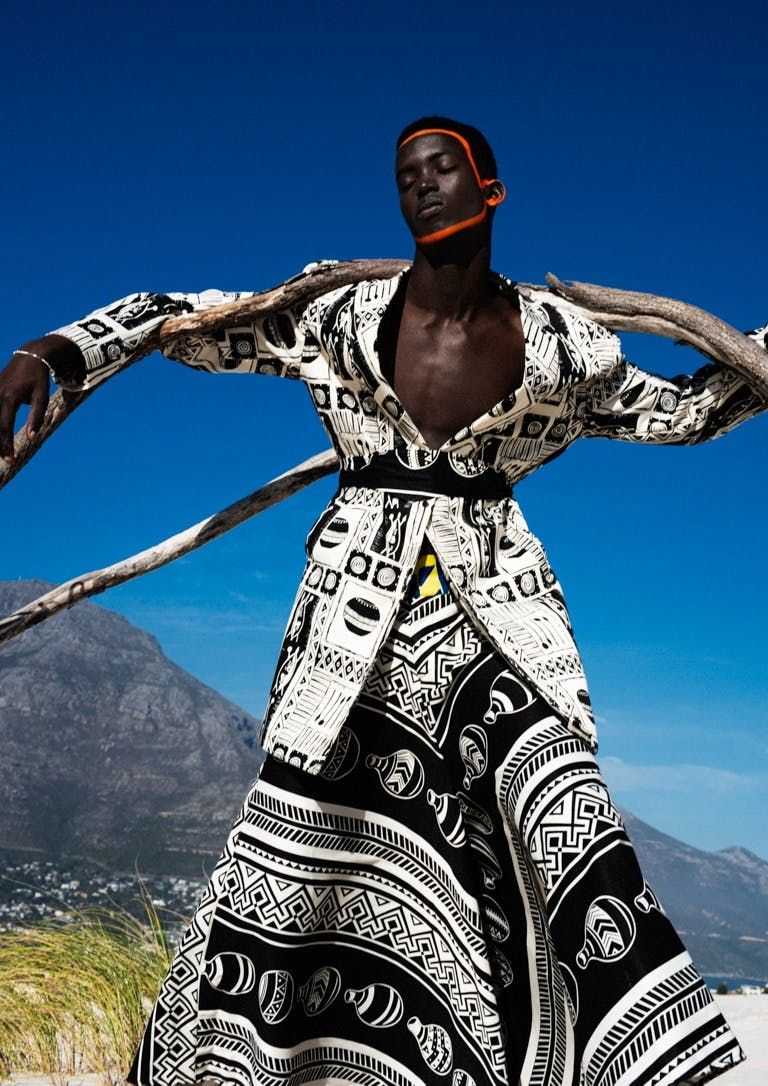
The Afro-minimalist movement in Harare is significant as it broadens the global understanding of African fashion. It introduces a quieter narrative, one built on discipline, sustainability, and refined design thinking.
This is not a departure from African fashion identity. It is an evolution of it.
And it signals something important: that African fashion’s future is not only vibrant and expressive but also precise, edited, and deeply intentional.
Stay ahead of the style conversation—explore Cover Stories on OmirenStyles
Frequently Asked Questions
- What is Afro-minimalism in fashion?
Afro-minimalism blends African cultural references with clean silhouettes, restraint, and modern tailoring.
- Why is Harare significant in African fashion right now?
Harare’s designers prioritise sustainability, precision, and long-term wearability, aligning with global shifts toward refined luxury.
- Who is behind Haus of Stone?
Zimbabwean designer Danayi Madondo founded Haus of Stone.
- Has Harare fashion gained international recognition?
Yes. International publications such as Vogue and Glamour have featured labels like Haus of Stone.
- How does sustainability show up in Harare’s fashion scene?
This is achieved through ethical sourcing, small-scale production, durability, and respect for local craftsmanship.