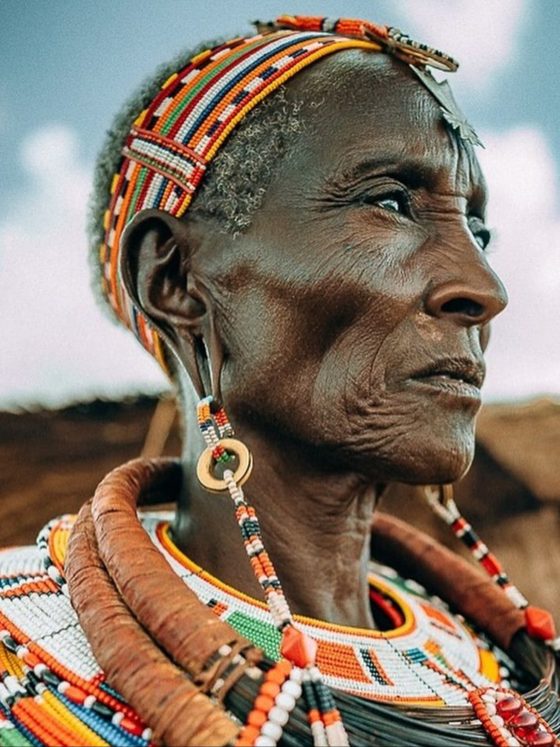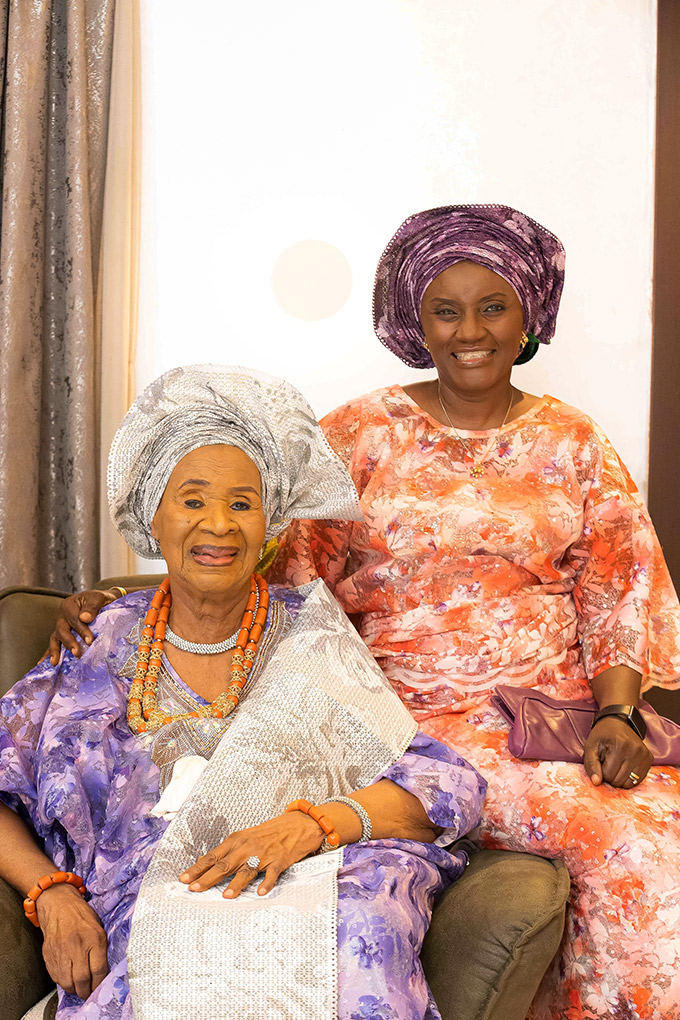
A grandmother’s headwrap is never just cloth. Across African communities, it represents dignity, identity, and continuity. When we reflect on how the grandmother’s headwrap wove a legacy, we are looking beyond fashion to something deeper, a quiet inheritance passed down through daily rituals.
The way she folds it, the care she takes to adjust it, and the occasions she chooses to wear certain colours aren’t random acts. They are lessons. In many homes, children learn history, patience, and pride not through lectures but by watching their grandmother prepare her headwrap each morning.
In this article, we’ll explore the meaning behind these headwraps and why these simple daily rituals carry stories that connect family, culture, and memory.
Learn how the grandmother’s headwrap wove a legacy, teaching patience, cultural pride, and family traditions across generations in African communities.
Understanding How The Grandmother’s Headwrap Wove A Legacy
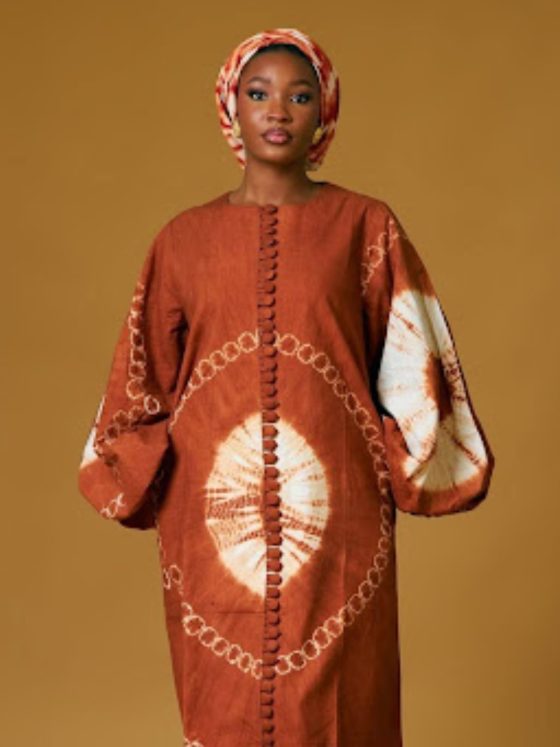
In Nigeria, a headwrap is commonly called a ‘gele’. In Ghana, it is known as a duku. Though the names and styles differ, the meaning remains similar: respect, maturity, and cultural belonging.
Understanding how the grandmother’s headwrap weaves a legacy requires close attention to detail.
A tall, structured wrap might signal celebration at weddings.
Softer, simpler folds may be worn for church, prayers, or family gatherings.
Specific fabrics may reflect ethnic identity or family tradition.
Historically, headwraps also carried silent strength. African women often faced restrictions or discouragement during colonial periods, yet women continued to wear their wraps proudly. In doing so, they protected cultural identity in subtle but powerful ways.
When a grandmother ties her headwrap today, she is continuing that quiet resistance and resilience. The legacy lives not in dramatic speeches, but in repeated, faithful practice.
How The Grandmother’s Headwrap Carries Family And Cultural Legacy
-
It Signals Identity
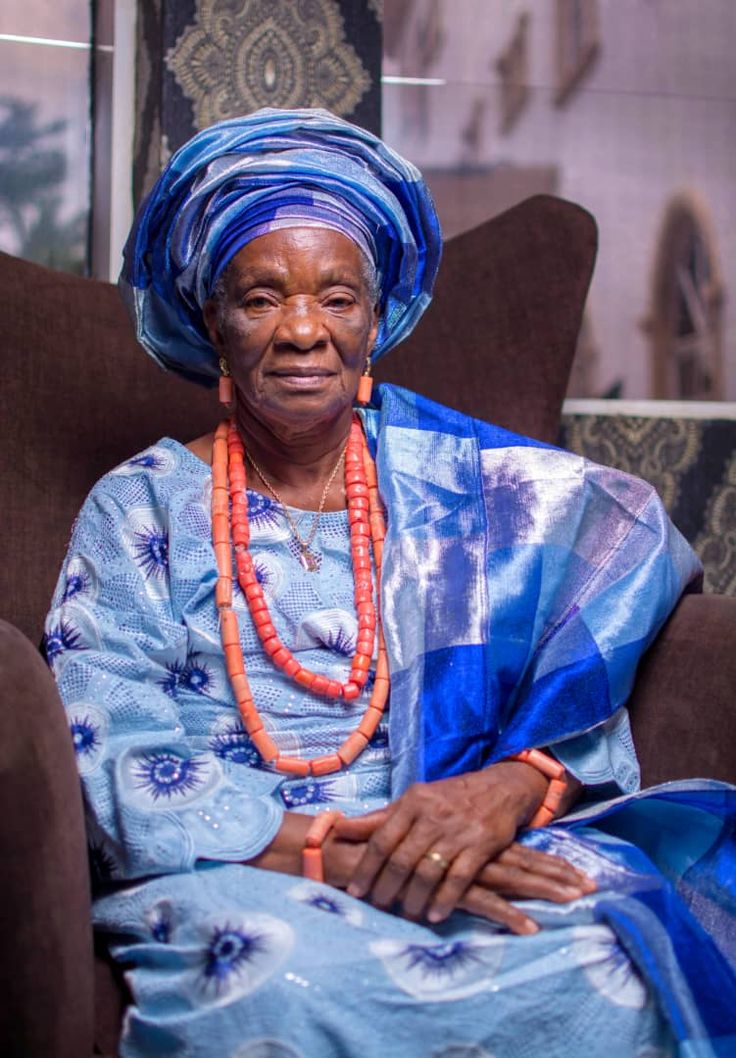
The style of a headwrap can reflect marital status, age, or community role. By observing this, children begin to understand social identity and cultural codes. This is one clear example of how the grandmother’s headwrap left a legacy of awareness and belonging.
-
It Preserves Ancestral Memory
Some fabrics are chosen because “this is what my mother wore” or “this was your great-grandmother’s style.” Stories are told as the wrap is tied. In that moment, history becomes personal.
-
It Marks Milestones
Weddings, funerals, naming ceremonies, and festivals each have appropriate styles. Children learn respect for occasions and traditions simply by noticing the difference.
-
It Represents Resilience
Even during hardship, a grandmother may dress neatly and wrap her head with pride. This silent discipline teaches perseverance and dignity without a single word spoken.
-
It Teaches Through Observation
Children learn patience by watching the folding, adjusting, and re-tying. They see that beauty and meaning require care. Through repetition, these lessons sink in deeply.
How Children Carry Forward The Lessons Of The Grandmother’s Headwrap
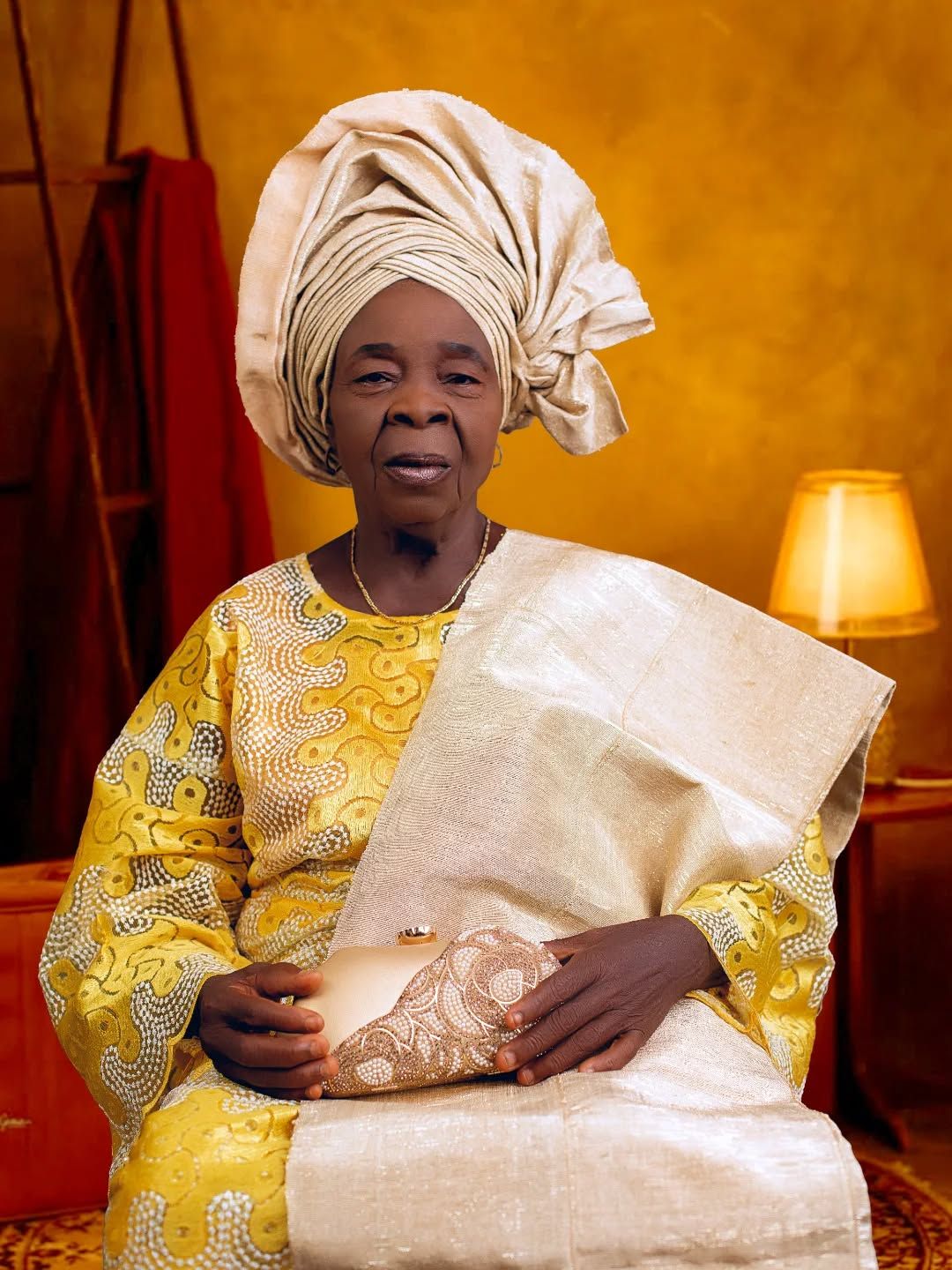
Honestly, legacy only survives when it is carried forward. Children who grow up watching their grandmother’s ritual begin to internalise its meaning. At first, they are curious observers. Later, they become participants.
When a young girl attempts to tie her first wrap, she may struggle with the folds. She may undo it several times. But in that process, she is doing more than styling fabric. She is stepping into continuity.
This is another powerful example of how the grandmother’s headwrap wove a legacy:
- Skills are transferred through practice.
- Cultural meaning is explained during shared moments.
- Confidence grows as children master the technique.
Over time, what was once “Grandma’s style” becomes part of their identity. The legacy shifts from observation to ownership.
ALSO READ:
- How Silhouettes Speak: A History Of Power In Black Women’s Fashion
- How The Dinner Table Sets The Stage For Revolution
- Art as Social Memory in a Rapid World: Preserving Culture and Identity
- When Creativity Resists Erasure: How Culture Lives On Through Art
Why Are Headwraps Important In African Traditions?
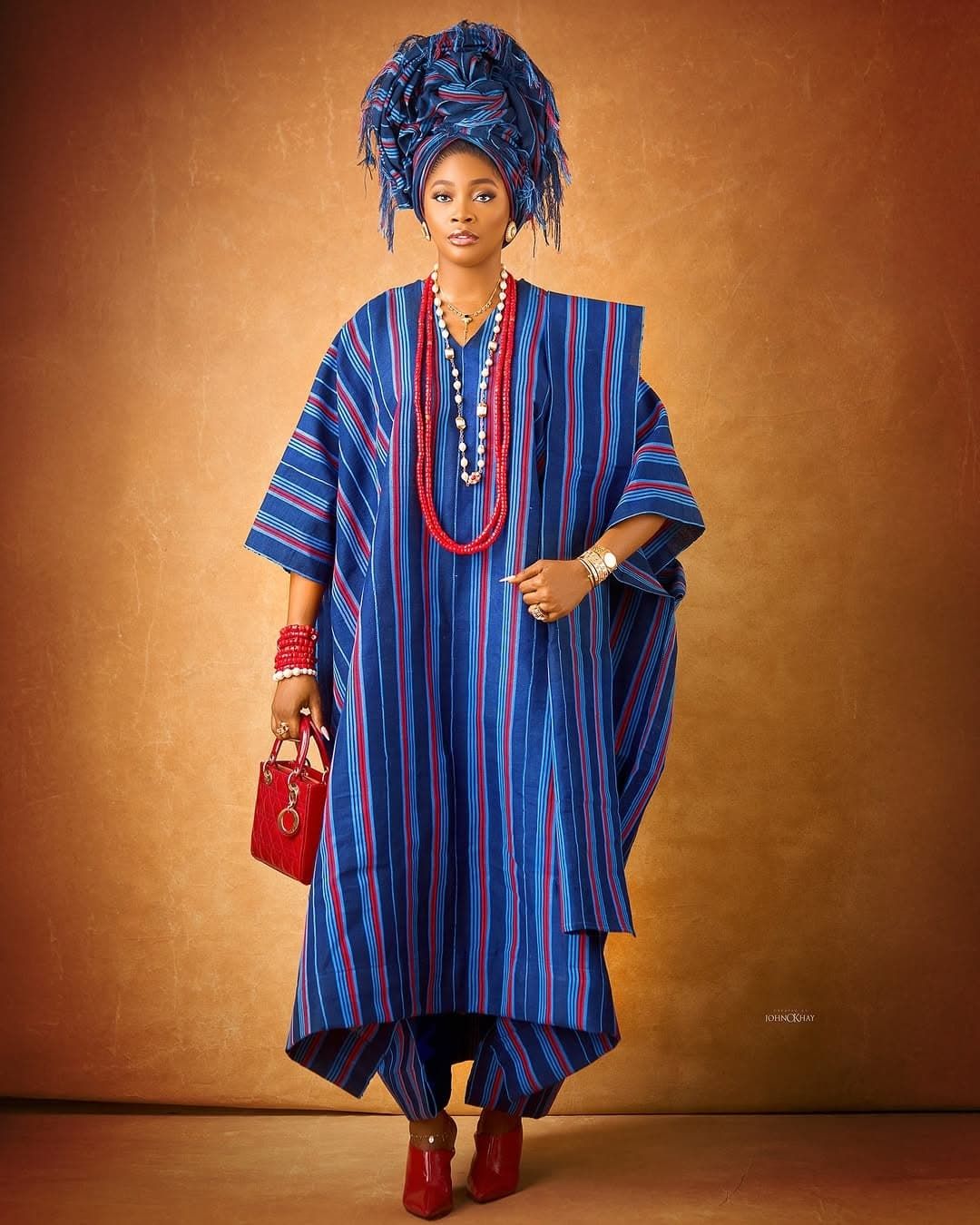
Headwraps are important because they carry meaning beyond fashion. When we look closely at how the grandmother’s headwrap wove a legacy, we see that it teaches values, preserves culture, and strengthens family identity in practical, everyday ways.
Here’s why headwraps matter:
-
They Teach Cultural Understanding
By watching their grandmothers choose specific colours and styles for different occasions, children learn that clothing can communicate respect, celebration, or solemnity. Headwraps become a visual language that passes cultural knowledge from one generation to the next.
-
They Build Patience and Attention to Detail
Tying a headwrap is not rushed. It involves folding, adjusting, and sometimes starting again. As children practice, they learn that meaningful traditions require care and focus.
-
They Preserve Stories and Ancestral Memory
Each fold can carry a story. Certain fabrics or styles may be linked to family history or community traditions. Through these shared moments, children feel connected to ancestors and understand their place in a larger story.
-
They Strengthen Family Identity
Watching their grandmother wrap her head daily reinforces a sense of belonging. It shows children who they are and where they come from. The gesture is a powerful example of how the grandmother’s headwrap wove a legacy of identity and pride.
-
They Encourage Cultural Pride
When children grow up understanding the meaning behind the headwrap, they are more likely to value and continue the tradition. What begins as observation becomes ownership.
Conclusion
Watching a grandmother tie her headwrap shows that legacy isn’t always spoken. The choices she makes, the folds, colours, and styles, teach children about identity, resilience, and cultural pride.
Through these moments, we can truly appreciate how the grandmother’s headwrap wove a legacy, linking family, tradition, and history in ways that live on every time the cloth is folded and tied again.
See life through a creative lens — explore Culture & Arts on OmirenStyles
Frequently Asked Questions
-
Why Do Grandmothers Wear Headwraps Differently for Different Occasions?
The style, colour, and folds of a headwrap often reflect the occasion: bright, tall wraps for celebrations and muted ones for quiet events. It’s a visual language that communicates identity, respect, and mood without words.
-
Can Children Learn To Tie A Headwrap On Their Own?
Absolutely. By watching grandmothers and practising themselves, children develop patience and attention to detail. Over time, they also start to understand the cultural meanings behind different styles.
-
How Did Headwraps Carry Cultural Significance During Colonial Times?
Even when African women faced restrictions on clothing or cultural expression, headwraps remained a quiet form of resistance. Wearing them preserved identity, pride, and ancestral connection, lessons that grandmothers still pass on today.
-
Are Headwrap Traditions the Same Across Africa?
No, styles and names vary. In Nigeria, it’s called a gele; in Ghana, a duku. Each region has unique folding techniques and patterns, but the core idea of passing culture, identity, and family lessons through the wrap remains consistent.
-
Why Is The Headwrap Considered A Legacy?
The headwrap holds significance beyond mere fashion. Every fold, colour, and knot carries history, family memories, and cultural values. As children learn and practice tying it themselves, these lessons continue across generations.