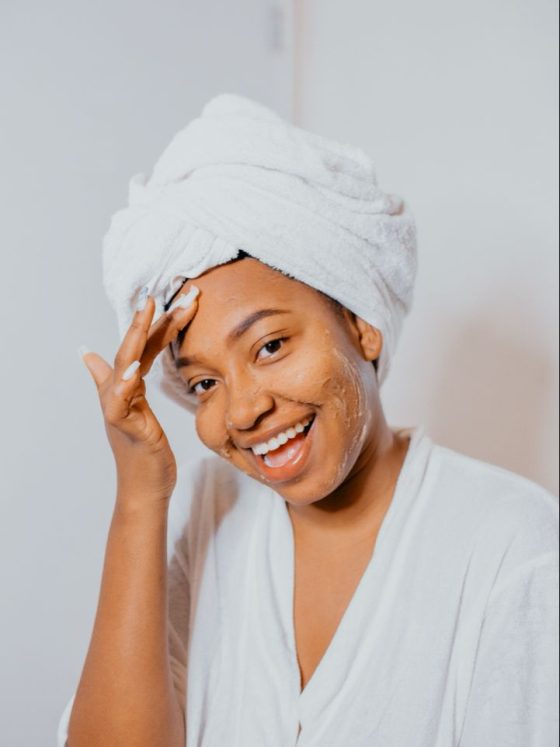
Teeth have long been a canvas of identity, artistry, and social symbolism. Across continents and centuries, societies have shaped perceptions of beauty through dental aesthetics, whether through whitening, blackening, filing, or ornamentation. Today, the pursuit of a radiant smile transcends mere hygiene; it intersects with fashion, lifestyle innovation, and global cultural narratives. This exploration traces the evolution of teeth whitening and dental beauty traditions, highlighting their African roots, international influences, and modern luxury interpretations.
Explore the evolution of teeth whitening and dental beauty, from African rituals to modern luxury practices, blending culture, artistry, and innovation.
Cultural Craftsmanship and Heritage Practices
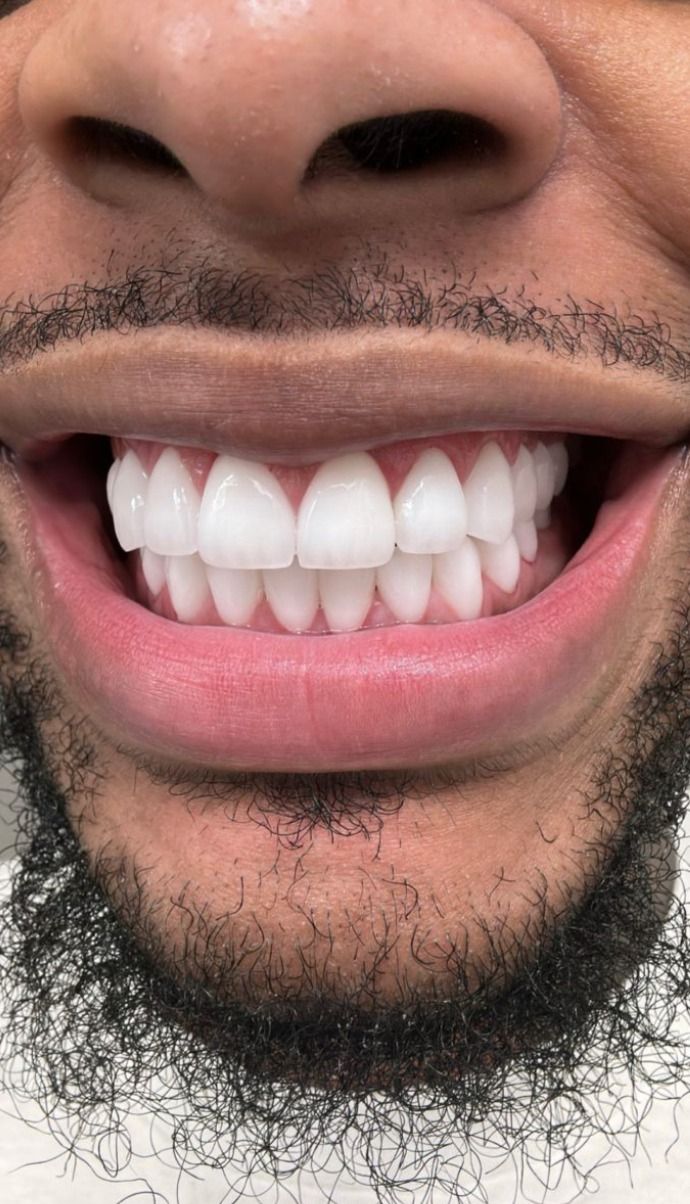
In many African societies, dental aesthetics were not merely decorative; they carried profound social, spiritual, and symbolic significance. Among the Yoruba, for instance, well-maintained white teeth have long signified wealth, refinement, and social stature. Elsewhere on the continent, intricate filing patterns and ornamental inlays elevated dental aesthetics into an art form, blending craftsmanship with personal and communal identity.
In addition to Africa, cultures like Japan used ohaguro, or blackening teeth, as a sign of maturity, marital status, and social alignment. Indigenous communities in the Pacific and South America employed tooth reshaping and inlays as both markers of status and spiritual protection. These practices underscore a universal understanding: teeth are both personal and cultural canvases, reflecting values, aesthetics, and craftsmanship.
In addition to cultural and social meanings, teeth have held religious and spiritual significance in some communities. Among Muslims, there exists a traditional belief linked to pilgrimage: some believe that visiting Mecca (Hajj or Umrah) can bring blessings, and this extends symbolically to dental adornment, including the aspiration for gold teeth.
Gold Teeth as a Symbol: In this context, gold is not merely an aesthetic choice; it represents prosperity, spiritual favour, and divine blessing. Some communities interpret obtaining gold teeth after pilgrimage as a form of sacred adornment, blending faith, social status, and personal beauty.
READ ALSO:
- From Ancestral Beauty to Modern Self-Image: The Psychology …
- The Modern Power of Afro-Caribbean Ancestral Healing
Modern Luxury and Global Influence
In contemporary contexts, teeth whitening has transitioned from ritualistic and natural methods to scientifically formulated luxury experiences. High-end dental aesthetics now merges advanced chemistry with personalised care, offering safe and sophisticated solutions through professional treatments, at-home kits, and cosmetic dentistry. Global trends in luxury, fashion, and lifestyle inform modern approaches, reflecting a convergence of functionality, elegance, and aspirational living.
Sustainability, Ethical Luxury, and Innovation

Innovative oral care practices are increasingly embracing sustainability. Products rooted in plant-based ingredients, natural abrasives, and ethically sourced compounds highlight the ethical dimension of modern dental beauty. This aligns with the broader luxury landscape where consumers value craftsmanship, transparency, and cross-cultural integrity.
Cross-Cultural Narratives and Diaspora Influence
Diaspora communities have had a significant influence on contemporary perceptions of dental beauty. African aesthetics, traditional rituals, and heritage practices continue to inform modern cosmetic preferences globally. The cross-pollination of ideas, from West African oral care methods to European bleaching techniques, demonstrates how cultural narratives evolve into sophisticated lifestyle choices that influence global fashion and wellness trends.
Lifestyle, Artistry, and Professional Perspective

Aesthetic dentistry today sits at the intersection of lifestyle innovation, artistry, and professional science. The choice to whiten or ornament teeth is no longer merely cosmetic; it conveys individuality, cultural literacy, and a global awareness of beauty standards. Each smile becomes a personal statement, carefully curated with intention, sustainability, and artistry in mind.
Conclusion
Teeth whitening and dental beauty traditions embody far more than cosmetic appeal. They are a nexus of cultural craftsmanship, heritage, global artistry, and modern luxury innovation. From African rituals and diaspora influence to contemporary ethical practices, dental aesthetics tell stories of identity, status, and cultural pride. Understanding these practices deepens appreciation for the artistry and global significance of the smile, a timeless, universally resonant symbol of beauty and human expression.
5 FAQs
- How did teeth whitening originate historically?
Early civilisations used abrasive powders, herbs, and natural chemicals. Egyptians, Romans, and Chinese communities pioneered techniques that combined hygiene and aesthetic appeal.
- Why did some cultures prefer blackened teeth?
In Japan, Southeast Asia, and parts of the Pacific, blackened teeth symbolised maturity, marital status, and protection from decay, reflecting cultural aesthetics distinct from Western norms.
- What modern techniques ensure safe teeth whitening?
Professional treatments, custom trays, and controlled bleaching agents, like hydrogen peroxide or carbamide peroxide, offer predictable results while minimising sensitivity.
- How do African dental traditions influence contemporary global trends?
African filing patterns, inlays, and oral care rituals inform luxury dental practices, ethical beauty products, and global lifestyle narratives that value heritage, artistry, and sustainability.
- Can dental beauty be sustainable and ethical?
Yes. Plant-based whitening agents, ethically sourced materials, and products that prioritise enamel preservation merge luxury with responsibility, reflecting modern consumer values.