Fashion is structurally fragile. Independent brands fail at a high rate because visibility often comes before operational depth, and creative momentum is mistaken for commercial resilience. Yet, a small group of fashion founders have built brands that remain relevant across decades, economic disruptions, and changing cultural cycles.
This evaluation draws from the observable trajectories of founders whose brands demonstrate longevity, pricing continuity, and institutional relevance. The goal is not admiration, but pattern extraction, which consistently appears where durability exists.
Discover five patterns that help fashion founders build durable brands, with insights into operational systems, brand consistency, and long-term success.
1. Durable Founders Built Operational Credibility Before Cultural Visibility
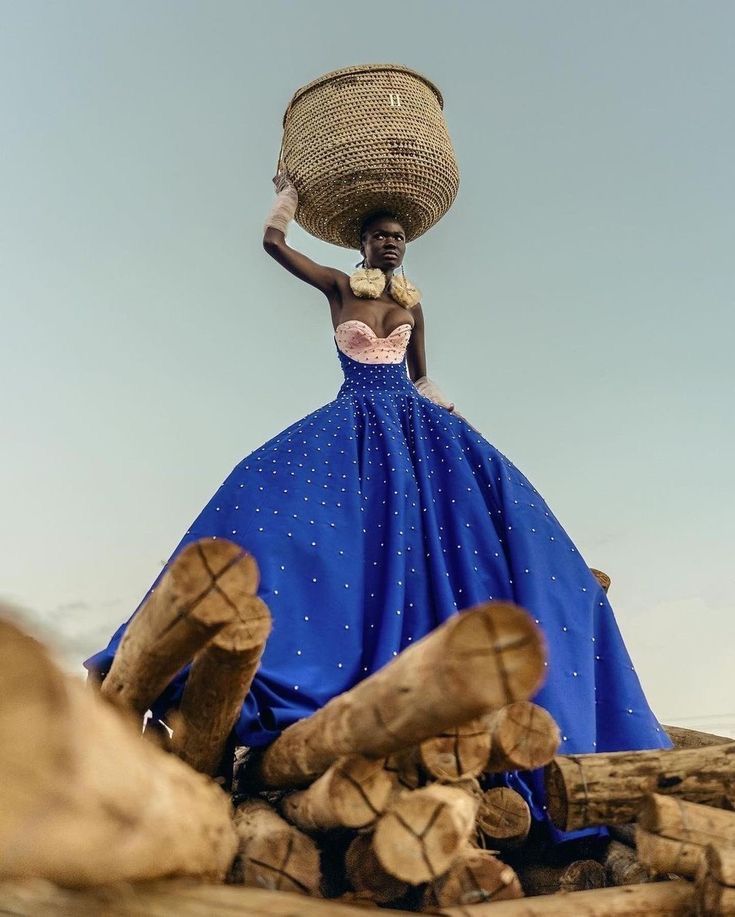
A clear pattern among long-lasting fashion brands is that business credibility preceded mass attention.
Deola Sagoe operated for years within private couture and elite client circles before her brand entered global fashion platforms. Her early focus was not runway dominance but internal craftsmanship standards, client retention, and controlled production. By the time international institutions engaged her work, the business infrastructure already existed to support it.
Similarly, Imane Ayissi spent decades refining couture-level construction and cultural methodology before being admitted into the Paris Haute Couture calendar. His visibility came after sustained technical and conceptual proof, not before.
From an analytical standpoint, this sequencing reduced the risk of failure. Brands that built operational depth first were able to absorb attention without collapsing under demand volatility.
2. They Maintained a Narrow, Defensible Design Language Over Time
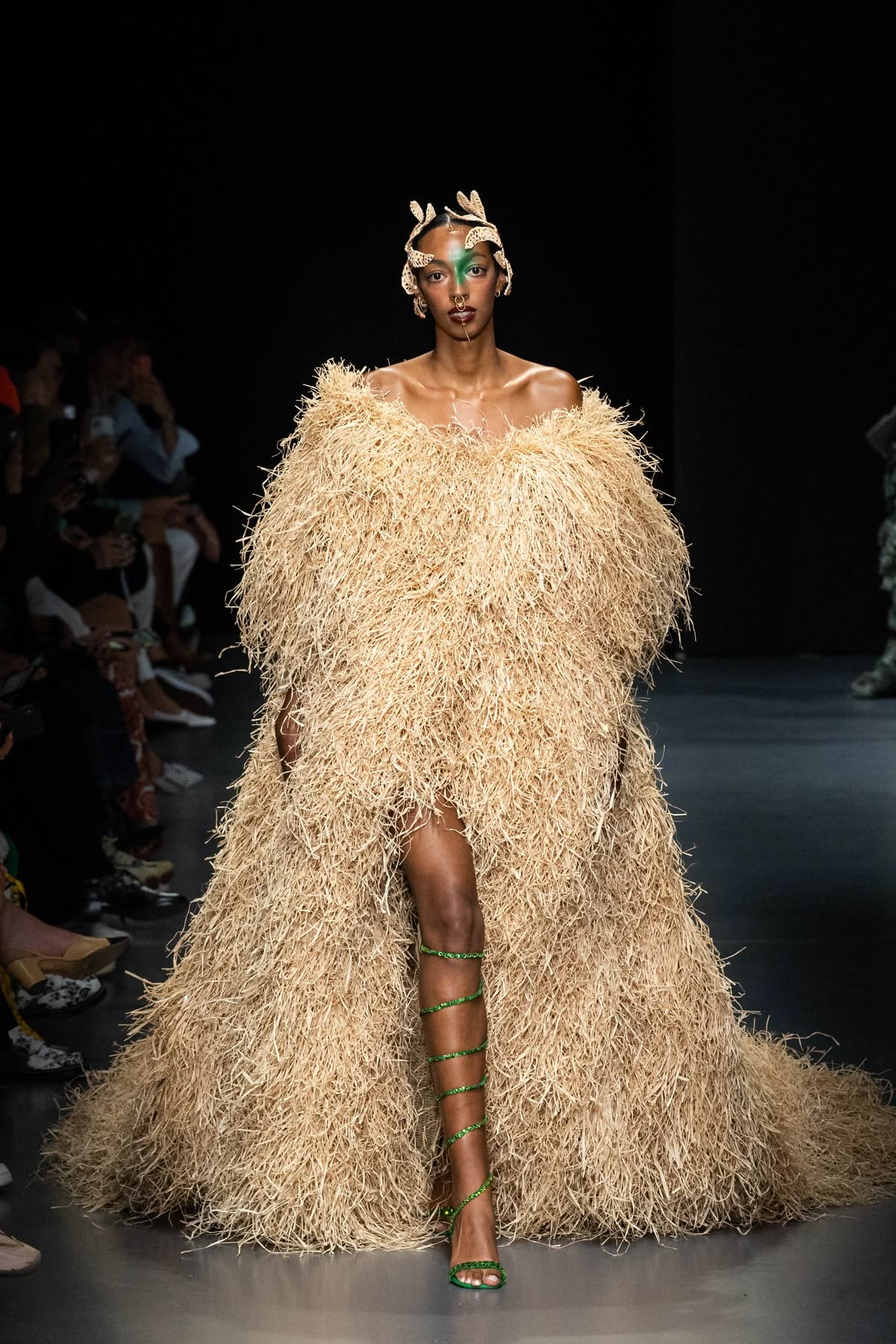
Durable founders show unusually high discipline in what they refuse to change.
Lisa Folawiyo’s brand has maintained a consistent product philosophy for over a decade: hand-embellished textiles, controlled silhouettes, and a clear luxury pricing tier. While collections evolve, the core language remains intact. This stability has enabled consistent export positioning and long-term retail relationships.
Ozwald Boateng followed a similar path in menswear. His tailoring language, colour philosophy, and construction standards have remained recognisable for decades, even as he navigates different markets and ownership structures. This consistency allowed the brand to retain relevance beyond trend cycles.
Data from long-running luxury houses supports this pattern: brands with stable codes retain customer trust and pricing power longer than those that frequently reposition.
3. They were built to global standards without relinquishing brand authority.
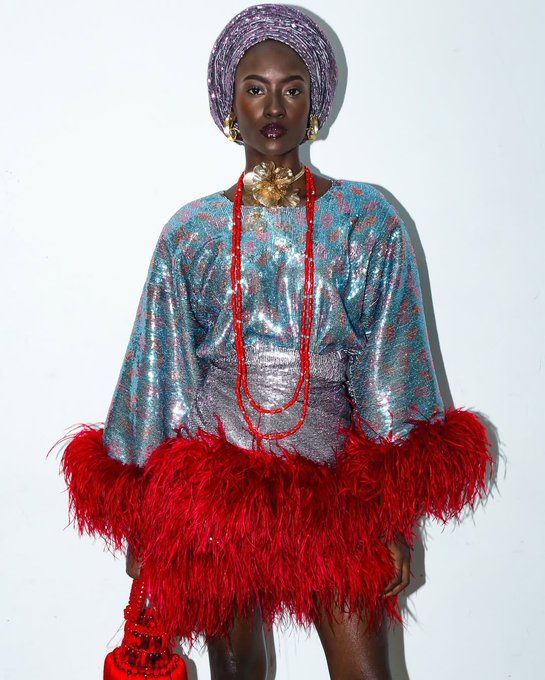
Another repeated pattern is international readiness paired with internal control.
Thebe Magugu’s brand illustrates this clearly. While globally stocked and institutionally recognised, core decisions around narrative, collaboration, and production scale remain tightly managed. Growth has been deliberate, not reactive to demand spikes or media attention.
Christie Brown, under Aisha Ayensu, followed a similar approach by aligning with international quality and retail expectations while retaining firm control over brand storytelling and distribution. This prevented dependency on external gatekeepers and protected pricing integrity.
Brands that surrendered authority too early often lost coherence or became structurally dependent. Durable founders avoided this by keeping decision-making close, even when operating globally.
READ ALSO:
4. They monetised their brand beyond just fashion shows and seasonal attention.
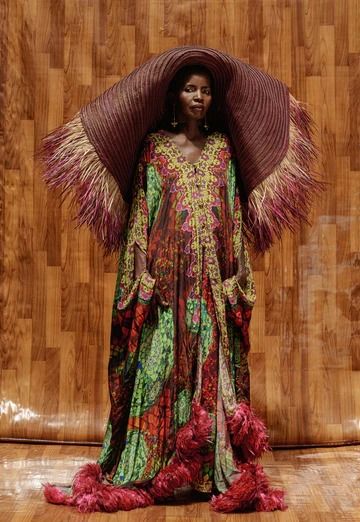
Runway visibility was never the business model for founders who lasted.
Deola Sagoe diversified early through private couture, cultural commissions, and institutional work. These revenue streams insulated the brand from the financial instability of seasonal fashion cycles.
MaXhosa, founded by Laduma Ngxokolo, expanded beyond runway presentations into structured retail, controlled collaborations, and intellectual property protection. This created repeatable revenue channels not tied to constant visibility.
From a business analysis perspective, brands with diversified income survived downturns more effectively than those reliant on shows, press cycles, or wholesale alone.
5. They Separated Founder Identity From Brand Continuity
A less visible but critical pattern is emotional distance.
Ozwald Boateng’s career demonstrates this trait clearly. Despite public setbacks, ownership changes, and shifts in market positioning, the brand identity persisted beyond any single phase of personal visibility. This separation allowed for recalibration rather than collapse.
Founders who tied brand survival to constant personal relevance often exited prematurely due to burnout or loss of momentum. Durable founders treated the brand as an entity designed to outlive individual phases of creative energy.
From a structural standpoint, this separation improves long-term decision-making and reduces shutdown risk.
Conclusion
Talent alone does not sustain durable fashion brands. Sequencing, restraint, authority, and structural discipline sustain them. The founders here built systems that could survive silence, not just success.
The patterns are observable, repeatable, and grounded in real business behaviour. Fashion longevity, as this evaluation shows, is less about momentum and more about control.
FAQs
- What makes a fashion brand durable and long-lasting?
Durable fashion brands succeed through structured systems, consistent design language, and diversified revenue beyond seasonal trends.
- Which business strategies do successful fashion founders follow?
Founders of lasting brands focus on operational depth, global-quality standards, selective visibility, and separating personal identity from brand survival.
- How do fashion founders maintain brand consistency over time?
By locking in apparent, creative, and pricing language early, founders reduce audience confusion and retain customer trust over the years.
- Why is controlling brand authority important for fashion longevity?
Brands that maintain decision-making internally protect pricing integrity, creative coherence, and long-term relevance despite market shifts.
- How do fashion founders diversify income beyond runway shows?
Successful founders monetise through private couture, collaborations, institutional commissions, and structured retail to avoid relying on trends.