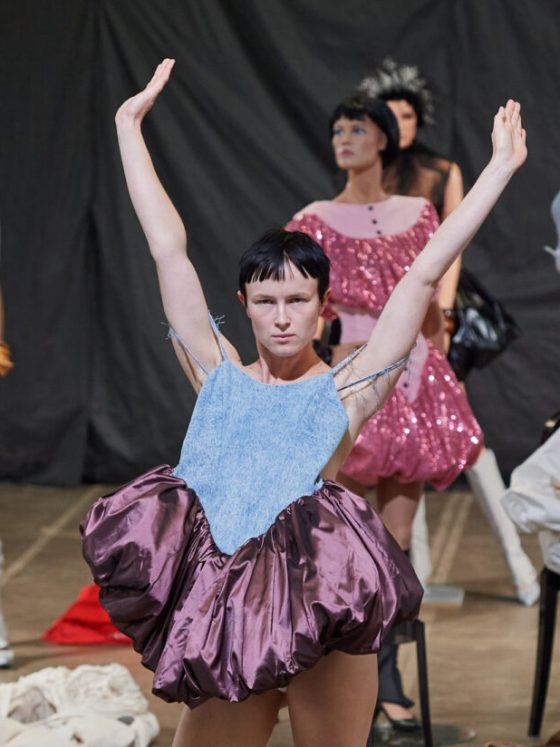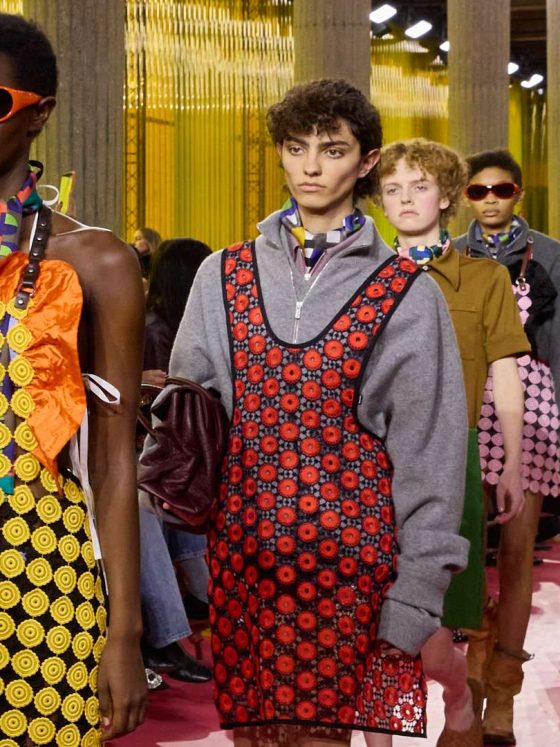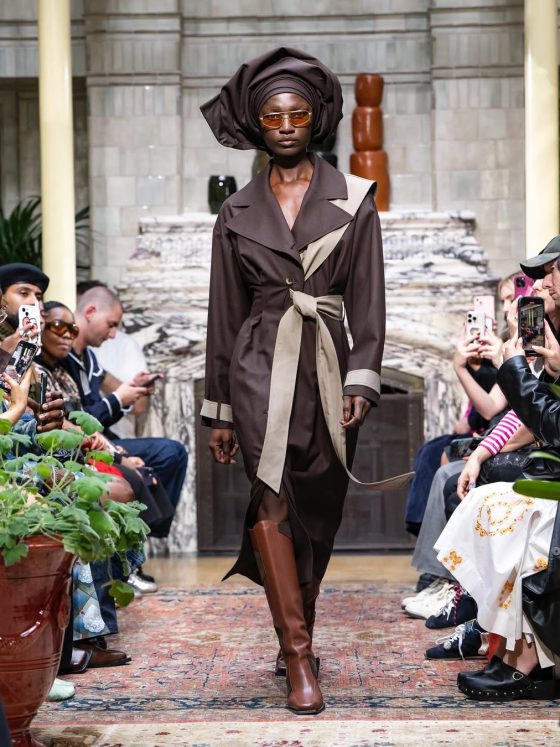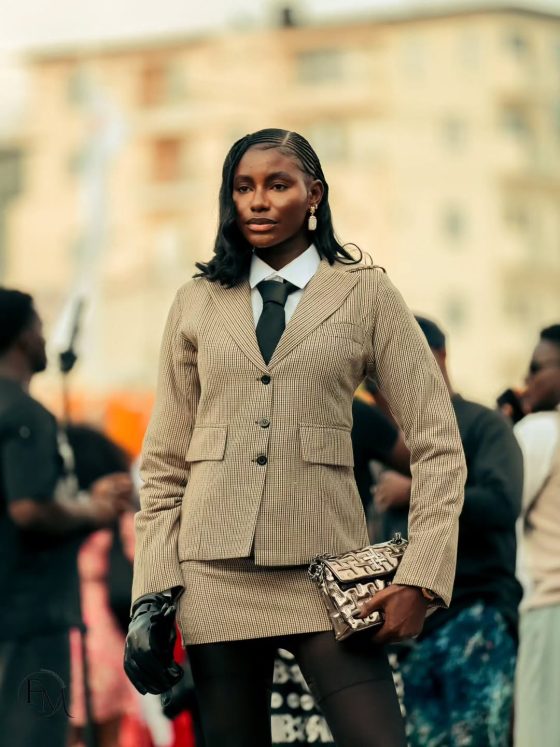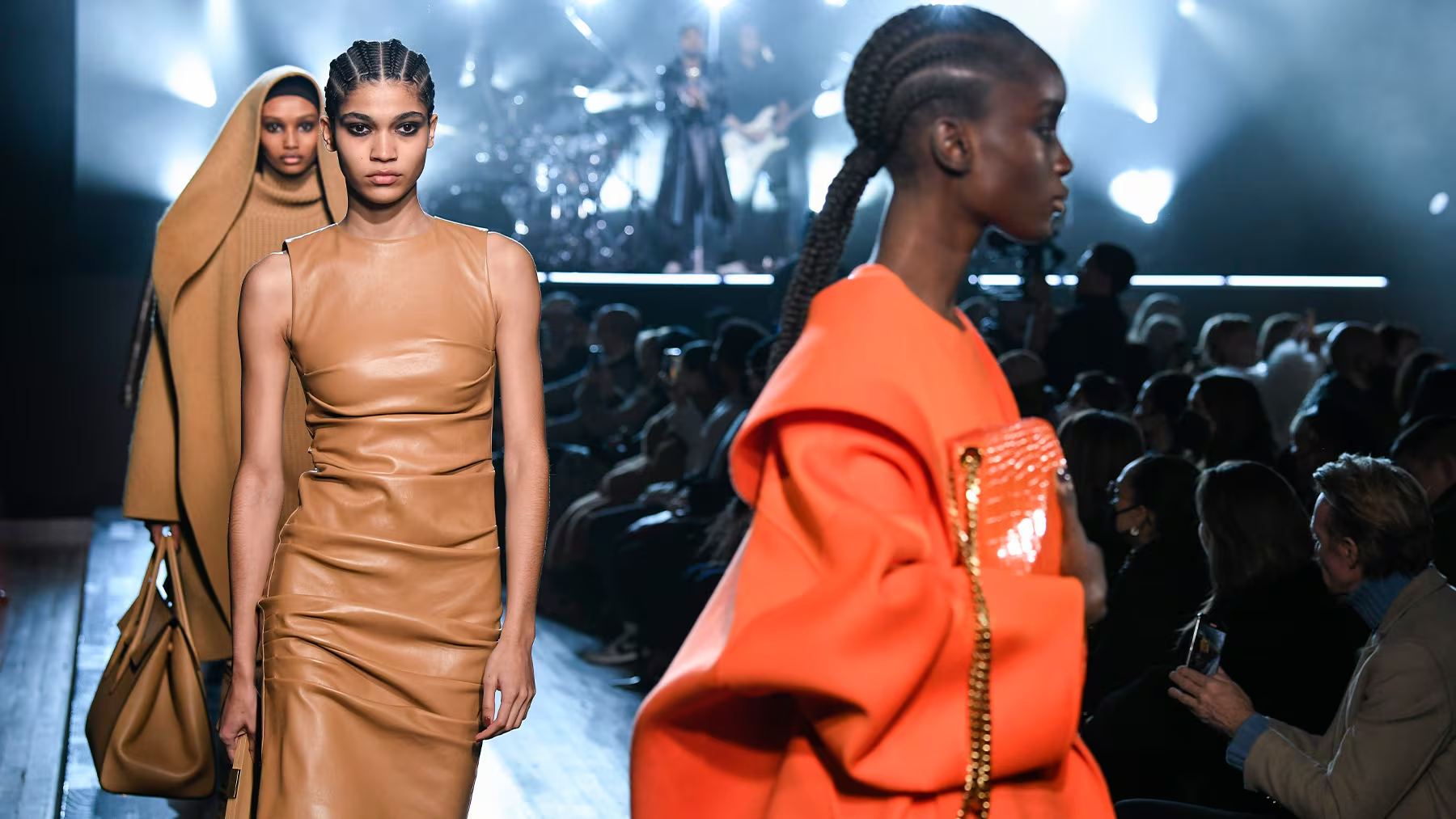
For decades, global fashion influence was centred in New York, London, Milan, and Paris. These cities determined which collections mattered, which trends were seen, and which designers were considered relevant.
Now, a quieter but powerful shift is taking place. Emerging fashion weeks are redefining global fashion by giving designers platforms to connect culture, creativity, and commerce. These events are no longer just showcases. They shape how influence travels, who sets value, and which voices gain authority.
In this article, we explore why these fashion weeks are critical, how they empower African designers and diaspora creatives, and how they are changing the rules of global fashion.
Learn how emerging fashion weeks are redefining global fashion influence by giving African designers and diaspora creatives a platform.
Legacy Capitals Still Dominate, but Influence Is Spreading
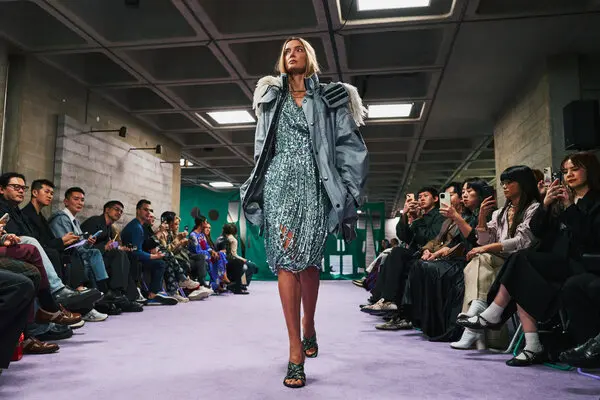
The traditional fashion calendar still draws global attention. Press, buyers, and insiders focus on New York, London, Milan, and Paris.
Yet emerging fashion weeks are redefining global fashion by showing that influence does not only come from these legacy capitals. Cities across Africa, the Caribbean, and other regions are creating their own pathways.
Designers work more closely with production networks, local markets, and audiences who understand the cultural meaning behind each design. For instance, designers in Lagos, Nairobi, and Abidjan are presenting collections shaped by climate, urban culture, and local textile traditions.
Diaspora buyers in London, New York, and Toronto are responding because the designs reflect their lived experience and cultural identity.
By connecting craft, commerce, and community, these emerging fashion weeks are proving that relevance and authority can emerge wherever culture, creativity, and markets intersect.
Emerging Fashion Weeks Are Laboratories Redefining Design Thinking
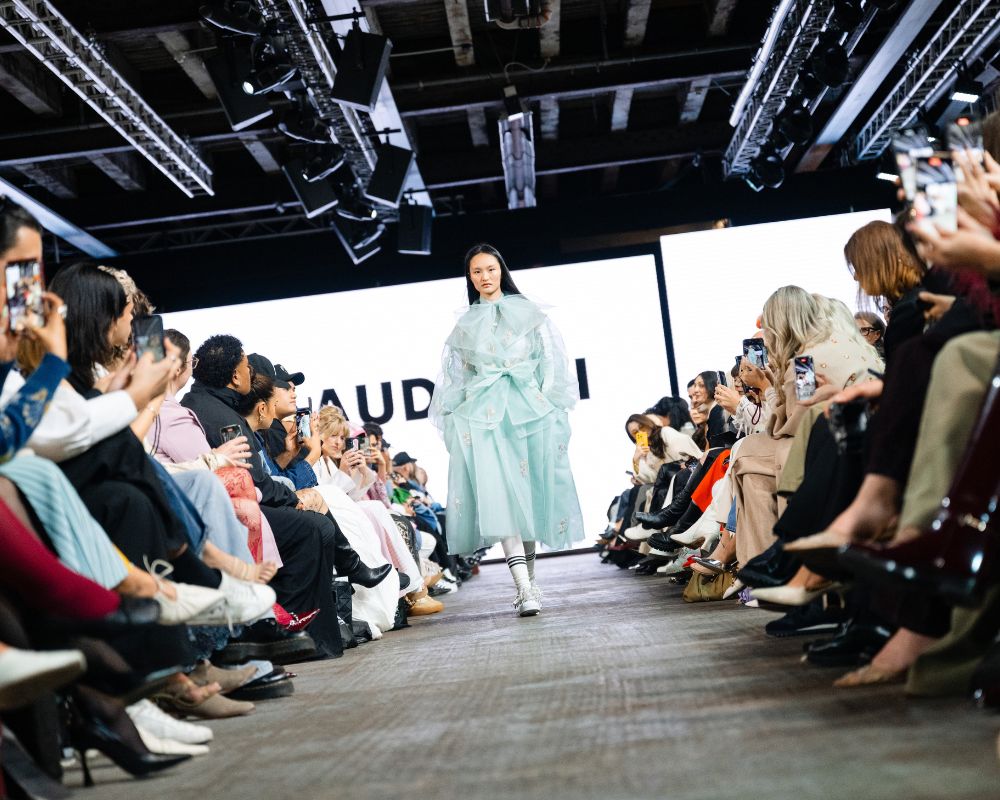
Emerging fashion weeks are no longer just supplementary showcases; they are proving grounds where culture, craft, and market intelligence intersect.
In Lagos, designers combine Adire indigo-dyed cloth with streetwear silhouettes, testing how heritage textiles adapt to modern urban contexts.
In Cape Town and Nairobi, beadwork, sisal, and handwoven fibres are misinterpreted through minimalism, demonstrating that regional materials can carry global relevance without losing cultural specificity.
These weeks operate as active laboratories because designers are constantly testing their work under real-world conditions.
Presentation formats are also experimented with, from street staging to digital access, and materials are adapted for sustainability and functionality.
Through these practices, emerging fashion weeks are quietly redefining influence. Now relevance comes from navigating culture, production realities, and audience interpretation.
Designers Are Using Emerging Fashion Weeks to Build Business
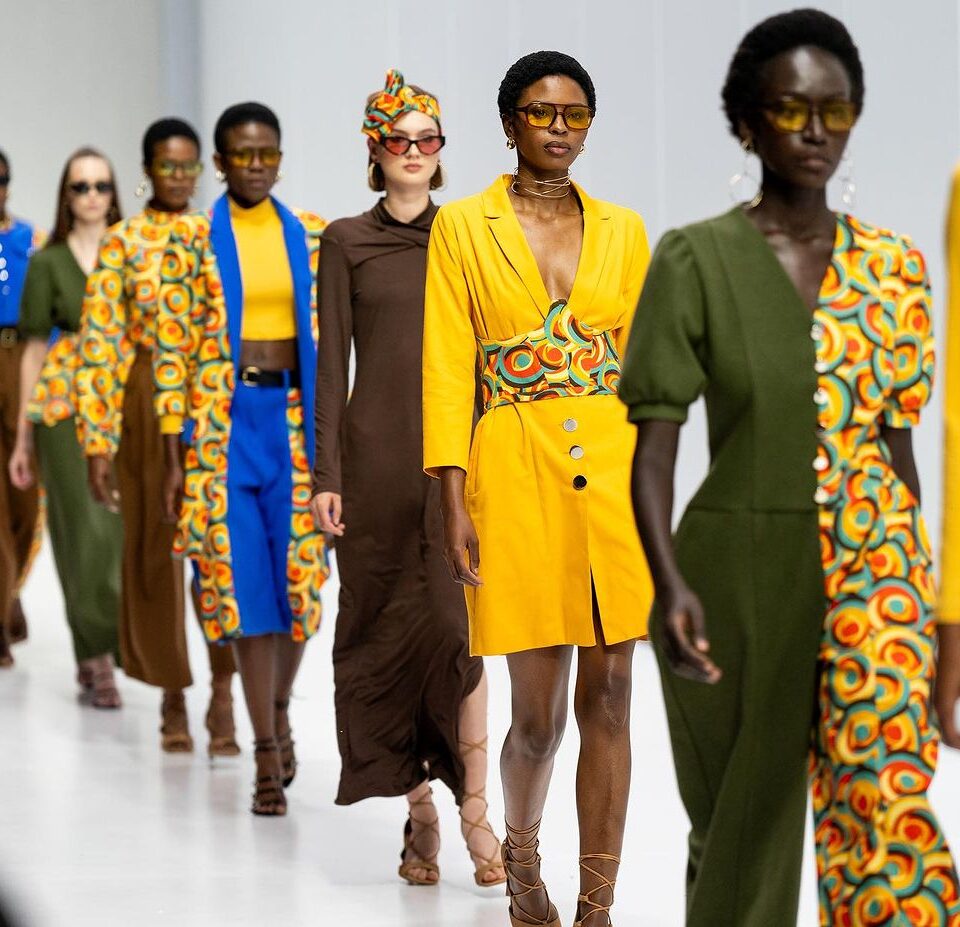
Emerging fashion weeks are changing how the fashion business works. They create spaces where designers, buyers, and investors connect in meaningful ways.
Local Production Shapes Collections
Designers work with regional textile economies and tailoring networks, producing garments that reflect where they are made and worn. This strengthens local craftsmanship while reducing dependence on distant supply chains.
Cultural Context Guides Buyers
Retailers now look for designs that speak to specific urban cultures. Clothing is chosen based on familiarity, practicality, and wearability rather than abstract global trends.
Diaspora Buyers Influence Global Distribution
Purchases from diaspora markets help determine which collections reach international retail spaces. Recognition is no longer dependent solely on legacy capital.
Early Feedback Improves Design
Showroom previews, pop-up events, and local activations allow designers to test pricing, sizing, and product appeal. This real-time feedback shapes future collections in ways traditional fashion weeks cannot.
Fashion Weeks Connect the Industry
Investors, stylists, media, and manufacturers attend these events, turning runways into strategic spaces for opportunity. Emerging fashion weeks are not just showcases; they are hubs for shaping commerce and influence.
ALSO READ:
- How African Fashion Weeks Are Reframing Global Conversations
- Paris Fashion Week 2026: Dates Revealed and Collections to Watch
- Lagos Fashion Week 2025, Day Two & Beyond: Growth, Grit & Creative Momentum
- From Lagos to Paris: Nigerian Designers Rewrite the Rules of Global Fashion Week
Luxury Is Now Defined by Culture, Not Just Labels
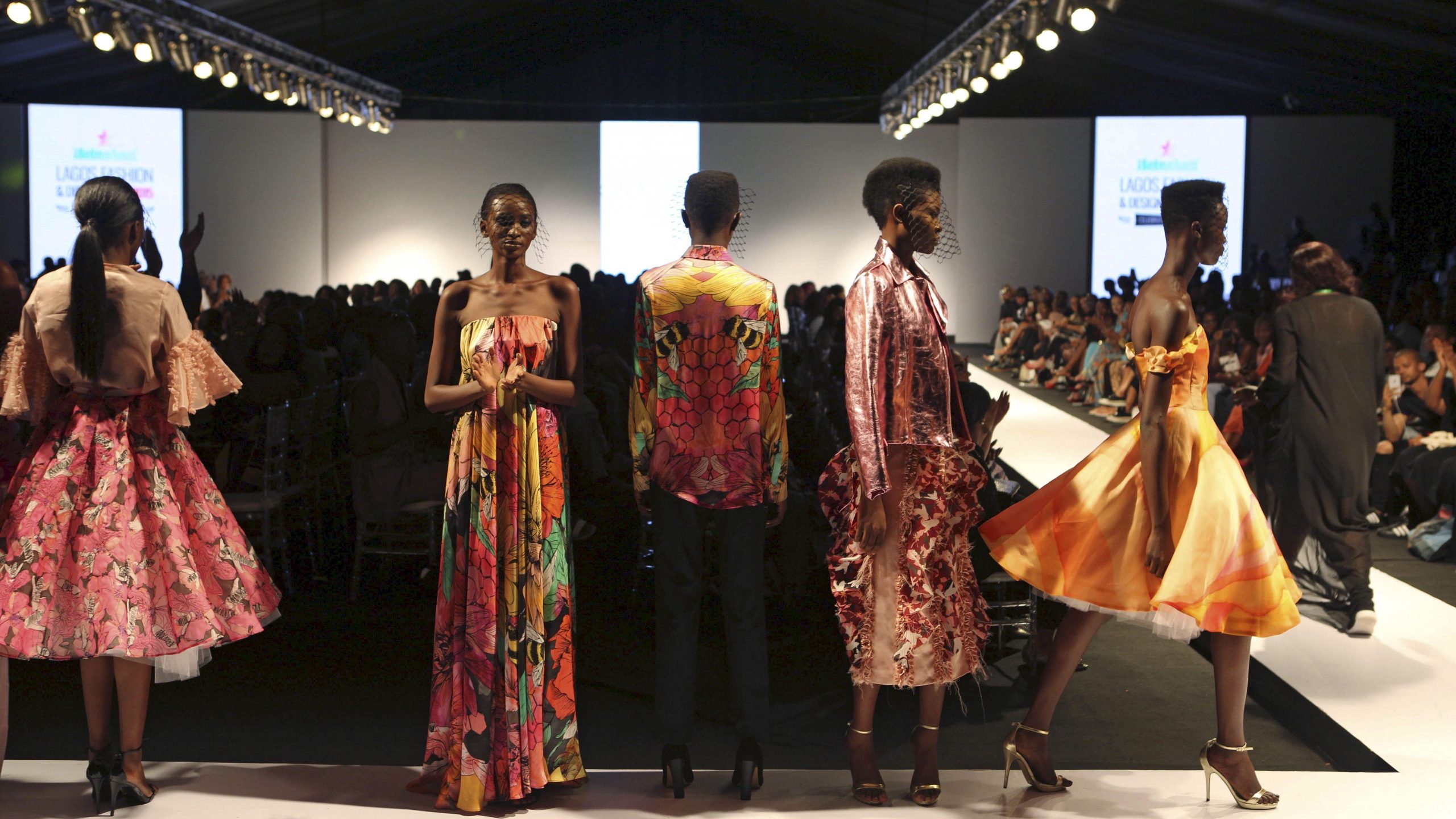
Luxury is no longer measured by price or logos alone. These weeks show that craft, heritage, and story determine influence.
Designers are using flexible business models. Such as direct-to-consumer sales, limited editions, heritage collaborations, and sustainable practices. This is to ensure creative independence while supporting artisans.
By combining local craft, diaspora engagement, and global visibility, emerging fashion weeks are redefining global fashion. It also shows that influence is measured by culture, narrative, and community, not just by history or status.
Conclusion
The global fashion landscape is shifting. Influence is no longer fixed in legacy capitals. It flows through culture, production, and audience engagement.
Emerging fashion weeks are redefining global fashion by giving African designers and diaspora creatives platforms to assert vision, shape markets, and build lasting authority.
By grounding their work in heritage and testing it in real-world conditions, designers are shaping how fashion responds to culture and context.
They are also connecting with culturally literate audiences, creating a new standard for influence.
Frequently Asked Questions
-
Which Cities Host The Most Influential Emerging Fashion Weeks?
Beyond the legacy capitals, cities like Lagos, Dakar, Abidjan, and Tbilisi are gaining recognition for their fashion weeks, combining local culture with global attention.
-
How Do Emerging Fashion Weeks Support African Designers?
They provide platforms to test collections, connect directly with regional buyers and diaspora communities, and gain credibility without relying solely on Paris or Milan for validation.
-
What Makes Emerging Fashion Weeks Different From Traditional Ones?
These weeks focus on local production realities, climate-appropriate designs, and audience engagement, allowing designers to innovate while responding to cultural and commercial contexts.
-
Can Attending Emerging Fashion Weeks Influence Buying And Trend Decisions?
Yes. Buyers, stylists, and media increasingly use these events to discover talent, understand regional market trends, and decide which collections will resonate internationally.