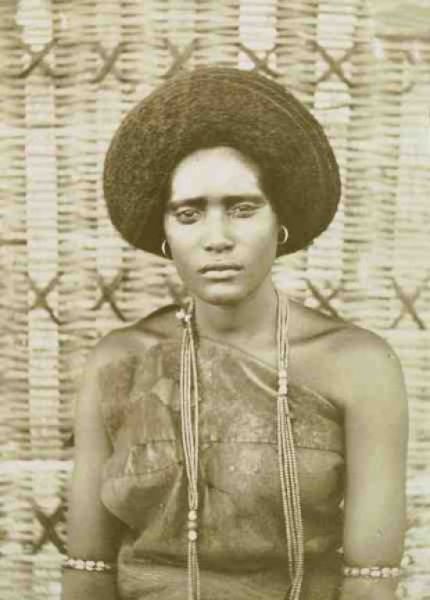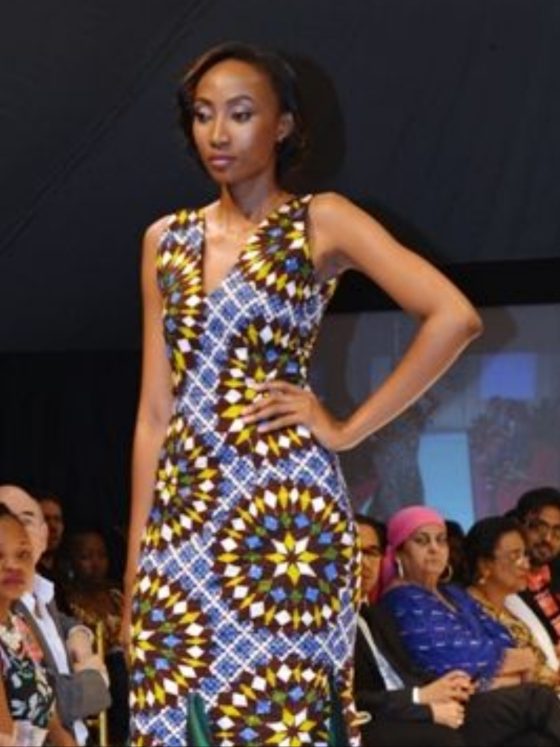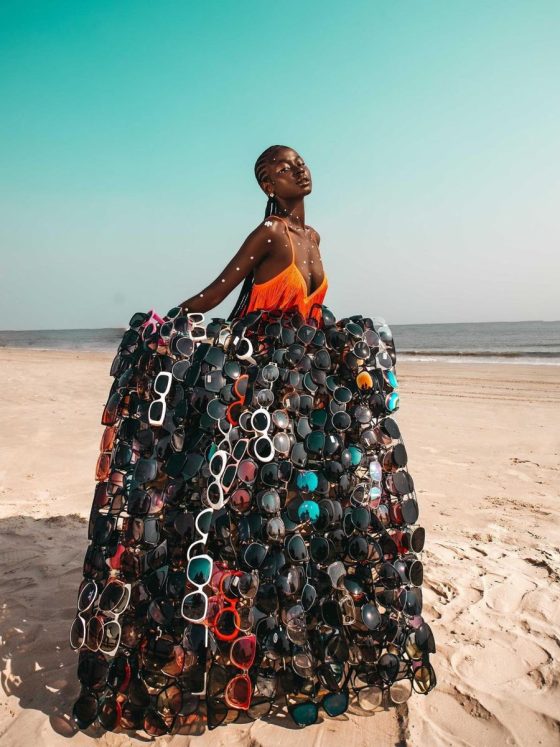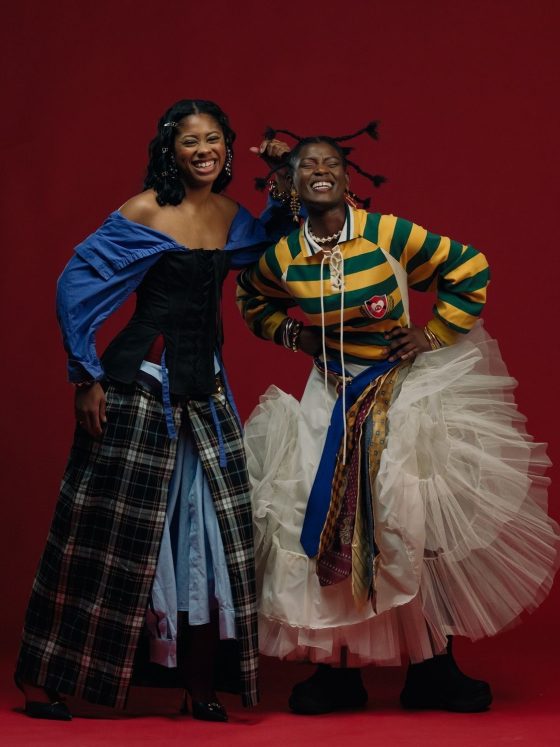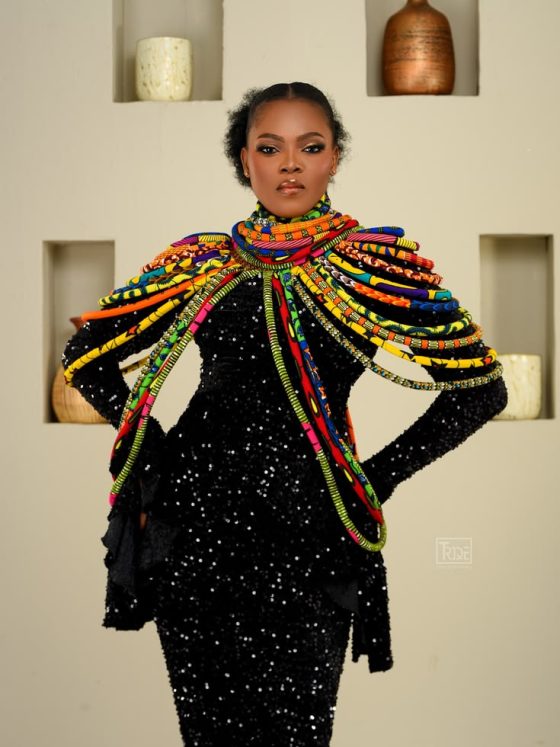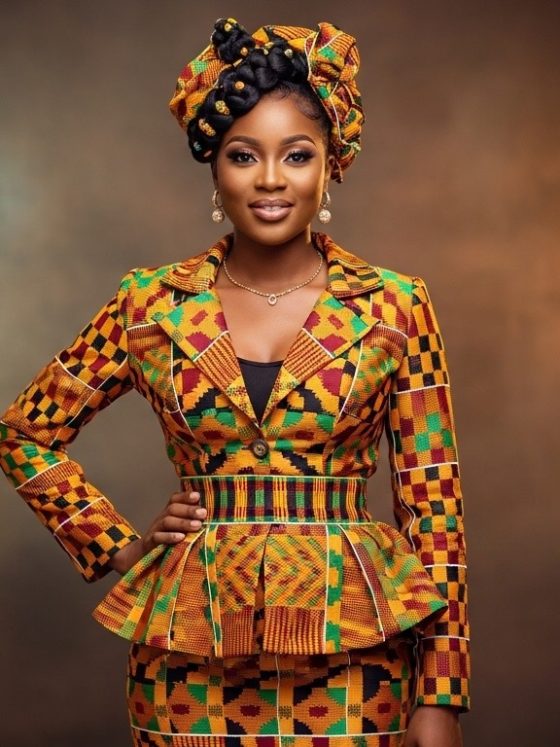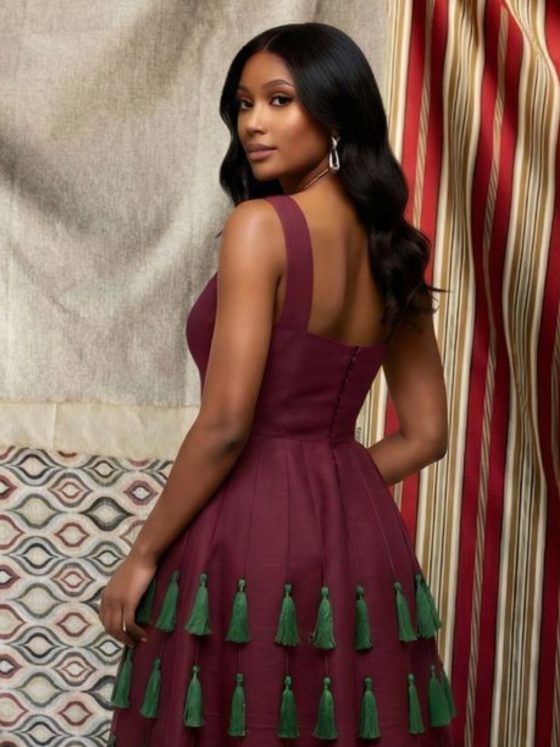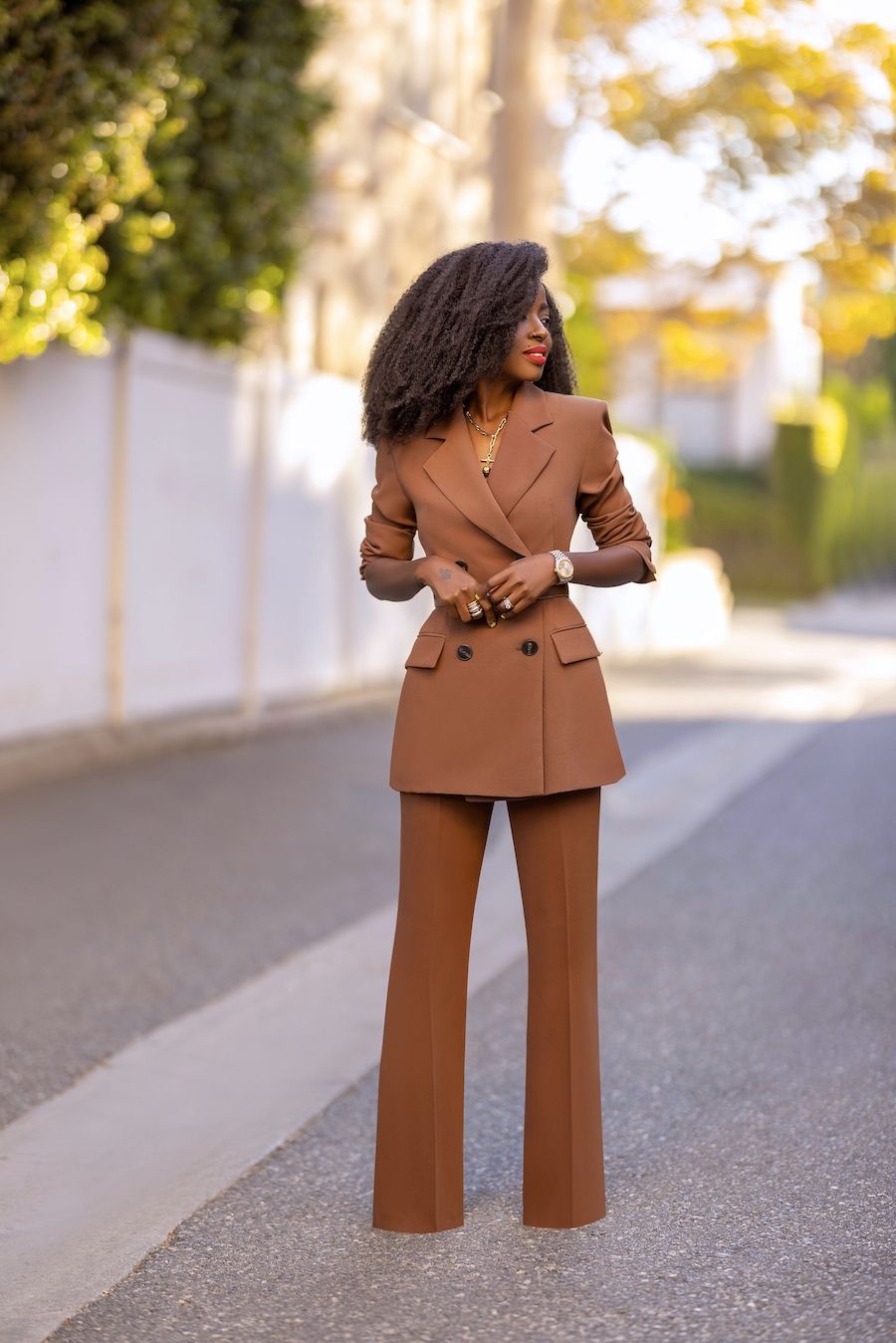
The sovereign presence of East African textiles is redrawing the global fashion map in 2026. The unique, emotional tales of Kitenge, Kikoi, and the coastal Kanga are finally coming out of the shadows of history into the light of upscale, independent design, even if the world has long admired the continent’s vivid aesthetics. Heritage is now a tactile archive of coastal knowledge and structural authority rather than merely a print in this revolutionary change.
This movement is being spearheaded by brands like Katush and Ami Doshi Shah, who are turning these inclusive textiles into eye-catching silhouettes across city skylines. Wearing a simple, hand-woven Kikoi wrap or a bulky, wax-resistant Kitenge blazer is like living in a healthy, inner haven of artistry. Making sure your voice is heard within the strands of a culture that appreciates the enduring glow of the group as much as the individual requires patience and intentionality.
The hidden voice of the coast, the linear luxury of the Kikoi and the rhythmic proverbs of the Kanga are examined in this editorial. We ground our global connectivity in a sustainable, soulful method that honours the maker and the soil by elevating these underappreciated textiles. This is the new luxury: a powerful, radiant look that demonstrates that the peaceful, deep roots of the East African coast are the source of true power.
Explore the coastal textile archive of 2026. Discover the high-end, structural power of Kitenge, the minimalist luxury of Kikoi, and the soulful, overlooked wisdom of the Kanga. Learn how brands like Katush are transforming these East African fabrics into a visionary silhouette of global authority and sustainable, independent style.
Tailoring a Sovereign Presence
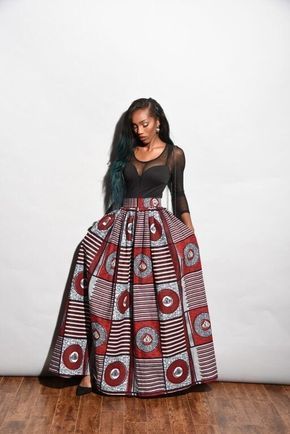
The Kitenge is now the mainstay of upscale, independent tailoring in 2026, having gone far beyond its beginnings as a traditional wrap. The Kitenge is a heavyweight, wax-resistant fabric that provides a natural structural authority in contrast to lighter cotton fabrics. Companies like Katush are using this density to produce high-waisted pants and sharp, architectural blazers that keep their distinctive silhouette in any metropolitan cityscape. This is a tactile archive of strength, not merely a print.
Selecting a Kitenge item is a calculated decision to wear clothing that stands out. An internal refuge of confidence is created by the fabric’s resistance to wilting under the strain of a hectic day. The Kitenge offers a sovereign presence for the inclusive woman navigating a sun-drenched gallery or a business boardroom. Its striking geometric designs are more than just ornamental; they are a powerful, dazzling language of African creativity that demands recognition and appreciation worldwide.
A patient, sustainable craft is the foundation of this innovative approach to East African tailoring. Designers are ensuring that the Kitenge’s timeless beauty is preserved for future generations by placing it at the centre of contemporary luxury. Wearing a structured Kitenge coat allows you to embed your global connectivity in a fabric that is both as grounded as coastal soil and as forward-thinking as fashion’s future.
Linear Luxury of the Swahili Coast

The Kikoi has evolved from a modest seaside wrap to the pinnacle of minimalist elegance in 2026. The Kikoi is characterised by its vivid, linear borders and distinctive hand-knotted fringe. It is traditionally hand-woven by artisans along the Swahili coast. This inclusive textile is being reimagined by brands like Katush and Ami Doshi Shah as a breathable, soulful layer that provides a sovereign presence in the heat of a metropolitan skyline bathed in sunlight.
The Kikoi is a visionary option for the contemporary lady who values comfort as much as authority, thanks to its delicate cotton weave, which creates a healthy, interior haven for the skin. This cloth isn’t very ornate or loud. Its simplicity, a deliberate intention to let the accuracy of the stripes and the quality of the weaving convey a tale of global connectivity, is what makes it so powerful. The Kikoi adds a long-lasting radiance of beach calm to a high-stakes professional wardrobe, whether it is worn as a light summer blazer or a structured sarong.
Selecting a hand-woven Kikoi is a stand-alone example of sustainable luxury. It draws on a contemporary, inclusive aesthetic while paying tribute to a centuries-old custom. This linear luxury serves as a powerful reminder that genuine power frequently communicates in a calm, collected manner. Wearing the Kikoi guarantees that your voice will be heard in a garment as durable as its history and as light as a seaside breeze.
ALSO READ:
Soulful Proverbs of the Coastal Cloth
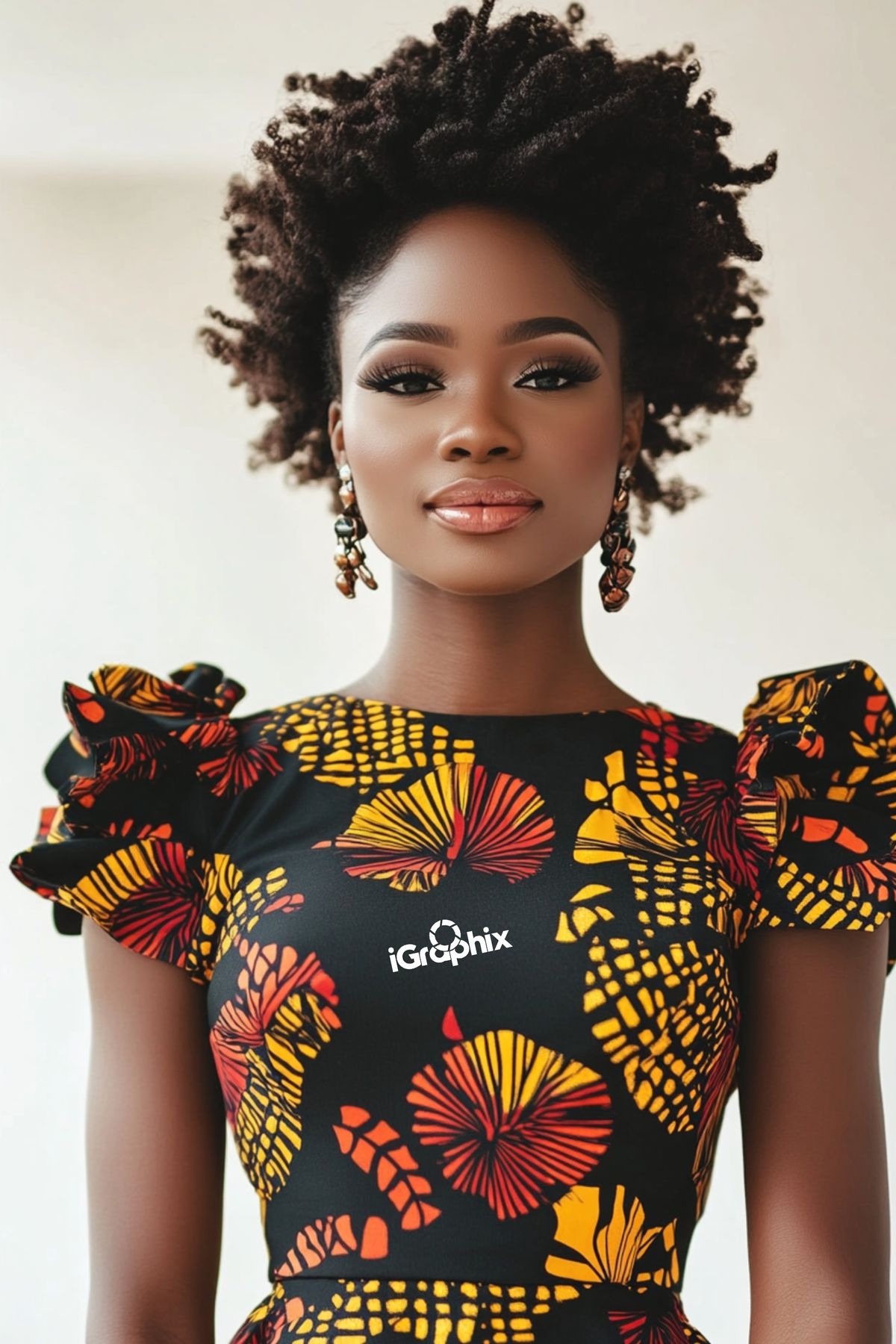
The Kanga remains the most significant yet underappreciated item in the coastal textile archive as of 2026. The Kanga is a clever communication tool that conveys a hidden voice through the mji, the printed proverb or message located along its border, despite being frequently written off as a straightforward domestic wrap. These days, independent coastal artisans and brands like Katush are elevating this inclusive fabric by incorporating its poetic wisdom and rhythmic patterns into upscale, imaginative styles that exude a sovereign presence.
Wearing the Kanga is a calculated way to make sure your voice is heard even before you speak. It is a patient kind of expression. A structured wrap or silk blouse with Kanga influences is a healthy, interior haven of cultural intelligence for the Omiren woman. It makes a strong, independent argument that fashion may be both literary and artistic. The proverb anchors your global authority in a heartfelt, grounded history that the fast-paced metropolitan skyline often forgets, whether it speaks of patience, strength, or community.
This innovative approach to the coastal cloth is a long-term dedication to the enduring brilliance of the Swahili oral tradition. You are safeguarding a tactile archive of feminine wisdom by placing the Kanga at the core of a contemporary, opulent wardrobe. It is a brilliant, inclusive way to travel the world, demonstrating that the quiet, deep roots of the East African coast are the source of great power. The Kanga is no longer disregarded in 2026; it is the soulful, strategic pulse of a wardrobe based on worldwide connectedness.
Conclusion
In 2026, the sovereign presence of East African textiles is a worldwide, innovative force rather than an isolated secret. The Omiren woman creates a healthy internal refuge of heritage and style by incorporating the soulful wisdom of the Kanga, the minimalist luxury of the Kikoi, and the structural authority of the Kitenge into her modern wardrobe. These are more than just textiles; they are a tactile archive of the Swahili coast, giving each silhouette a deliberate, meticulous aim.
Adopting these inclusive narratives from companies such as Katush and Ami Doshi Shah is a stand-alone example of sustainable luxury. Wearing clothing that honours the land and the craftsman guarantees that your voice is heard in every urban skyline. This is the new luxury: a long-lasting, dazzling light that grounds your worldwide connectivity in the past. As we proceed, we take the soulful, rhythmic energy of the East African coast with us, demonstrating that genuine strength lies in the calm, deep roots of the textiles that the world has now stopped ignoring.
Frequently Asked Questions (FAQs):
- What makes Kitenge a high-end choice for tailoring?
In 2026, the structural kitenge is prized for its heavyweight, wax-resistant finish. Unlike lighter cottons, it holds a crisp, architectural shape, allowing brands like Katush to create authoritative blazers and trousers that maintain a radiant, sovereign presence in any urban skyline.
- How does the Kikoi differ from other coastal wraps?
The minimalist Kikoi is a hand-woven, inclusive textile from the Swahili coast, defined by its linear borders and signature hand-knotted fringe. It offers a healthy, internal sanctuary of breathable cotton, making it a visionary, independent choice for high-end summer luxury.
- What is the hidden voice of the Kanga?
Every Kanga carries a mji, a printed Swahili proverb or message along its border. This soulful, coastal cloth ensures your voice is heard through literal wisdom, anchoring your global authority in a tactile archive of feminine intellect and community history.
- Are these textiles sustainable?
Yes. By supporting brands like Ami Doshi Shah and Katush, you are investing in a patient, sustainable craft that respects the soil and the artisan. These fabrics represent a forceful, independent alternative to fast fashion, ensuring an enduring glow for both your wardrobe and the environment.
- How should I style these East African cloths in 2026?
The strategic intent is to pair these heritage pieces with minimalist, high-end staples. A structural Kitenge jacket over a silk slip dress, or a Kikoi wrap paired with a tailored linen shirt, creates a radiant, inclusive silhouette of global connectivity.