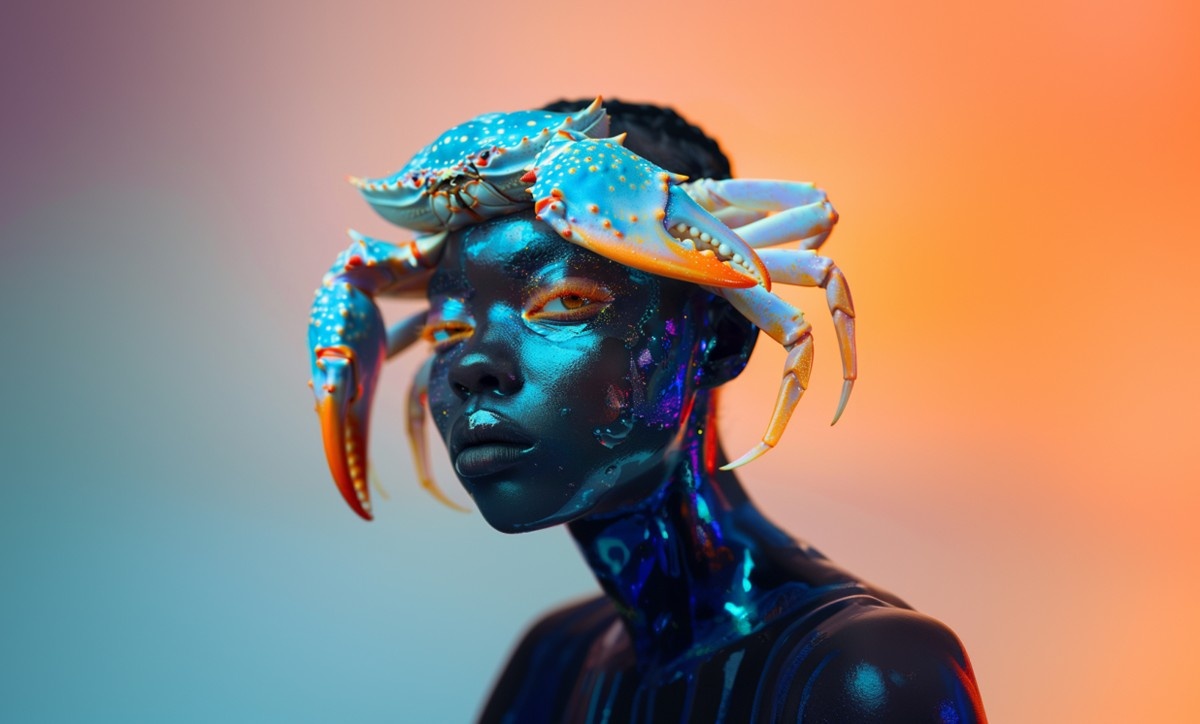
Right now, African digital artists are shaking up the creative world in a big way. They’re not just keeping up with new tech; they’re using it to break through old barriers and push past the Western grip on visual culture. You’ll find them everywhere, from NFT marketplaces to animation studios, experimenting with AI or building wild, immersive installations. Their art brings together deep-rooted traditions and the latest digital tools, creating new visual styles that feel fresh and global yet unmistakably African.
This isn’t just about jumping on the tech bandwagon. African digital artists are changing the very definition of digital creativity. They show that real innovation happens when heritage isn’t a cage but a launchpad for bold ideas. Their work proves something important: the future belongs to artists who can blend real cultural roots with sharp tech skills and know how to turn creative vision into an innovative business.
Discover how digital artists are shaping the future of creativity through technology, new media, and innovative approaches to modern artistic expression.
What Makes the NFT Revolution Different for African Digital Artists?
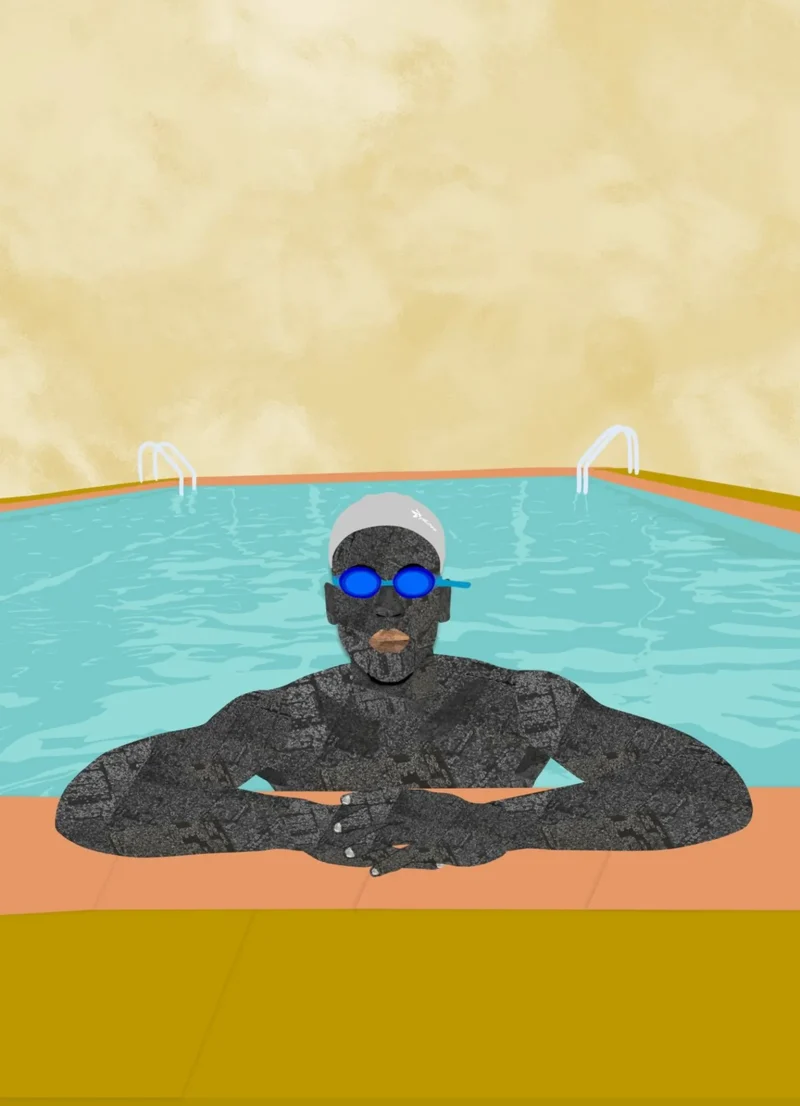
With NFTs, something unusual is happening: Africa is joining the game on almost equal footing with the West. If you’ve got the internet and some curiosity, you can jump in. That’s a big deal. It means African digital artists aren’t waiting for old gatekeepers to let them in, because for once, those doors don’t really matter.
Take Osinachi, one of Nigeria’s top digital artists. In 2017, he started creating art on the blockchain. He explained it: traditional art circles didn’t take digital artists like him seriously, at least not until NFTs took off. Now, Osinachi’s pieces, like “Becoming Sochukwuma”, have sold for $80,000 on SuperRare, and in 2021, he became the first African NFT artist to show work at Christie’s in London. That kind of success wakes people up. Suddenly, a whole new wave of African artists started diving into crypto art.
Look at some of the numbers: In March, Osinachi pulled in $75,000 from crypto art in just ten days. Meanwhile, Eliud Kipchoge, the Kenyan who holds the world marathon record, sold video NFT highlights of his career for $50,000. When artists can reach buyers anywhere, price tags like that become possible.
Building Digital Infrastructure
Behind the scenes, people like Charles Mbata (a collector and curator) and Chuma Anagbado (an artist and entrepreneur) are connecting artists, fans, and cultural leaders to build a real crypto art community in Nigeria. Projects like the Nigeria NFT Community, the virtual reality show “3rd Dimension”, and the upcoming “Metanoia” exhibition in New York, Nairobi, and Lagos, these aren’t just events. They’re proof that African digital artists know building a future takes teamwork, not just solo stars.
Then there’s Kure NFT, a marketplace built for African creators. They focus on art that tells local stories and makes it easy for newcomers to get involved. Minted Africa does more of the same but goes wider, supporting everything from music to fashion alongside visual art. Both platforms show one thing clearly: African artists aren’t waiting for Western platforms to catch up. They’re building their own spaces and making their own rules.
Beyond NFTs: Animation and illustration
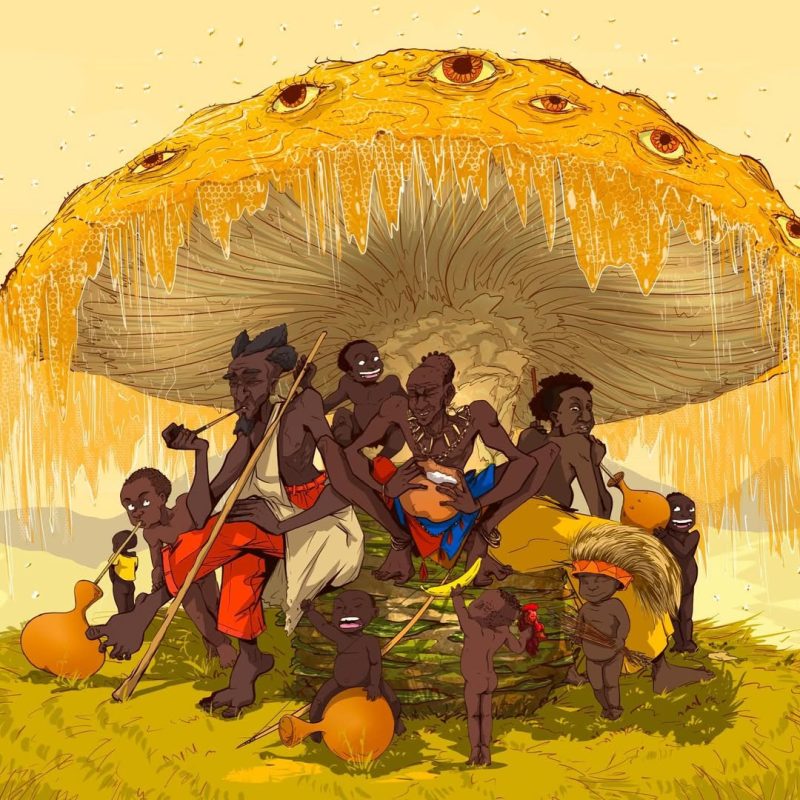
Rwandan illustrator and animator Mikah Xhart is shaking things up in African digital art. He blends traditional Rwandan culture with modern design and a splash of speculative imagination. You’ll spot his vibrant textures and lively animations right away, whether he’s sketching futuristic Rwandan warriors, painting Afrofuturist cityscapes, or capturing the warmth of childhood. Mikah doesn’t just make art; he tells stories that feel personal, but they hit home for just about anyone.
Then there’s Osborne Macharia, a big name from Kenya. He’s a visual artist and photographer with a style that jumps between fantasy and Afrofuturism. Joe Baraka, or Joe Impressions, works with sharp lines and bold colours in digital art, using tools like Adobe Illustrator and Photoshop. He recently celebrated Okoth Okombo, the man who brought sign language to Kenya, in a Google Doodle. For these artists, illustration isn’t just about making a living. Illustration serves as a means of preserving and revitalising culture.
READ ALSO:
- 10 African Museums & Collectors Leading the Art Market Shift
- RAI Lagos: The Alternative Art Space Shaping Global Creative Exchange
- Sunday Jack Akpan: The Nigerian Cement Sculptor Captivating the Centre Pompidou
How Are African Digital Artists Using AI?
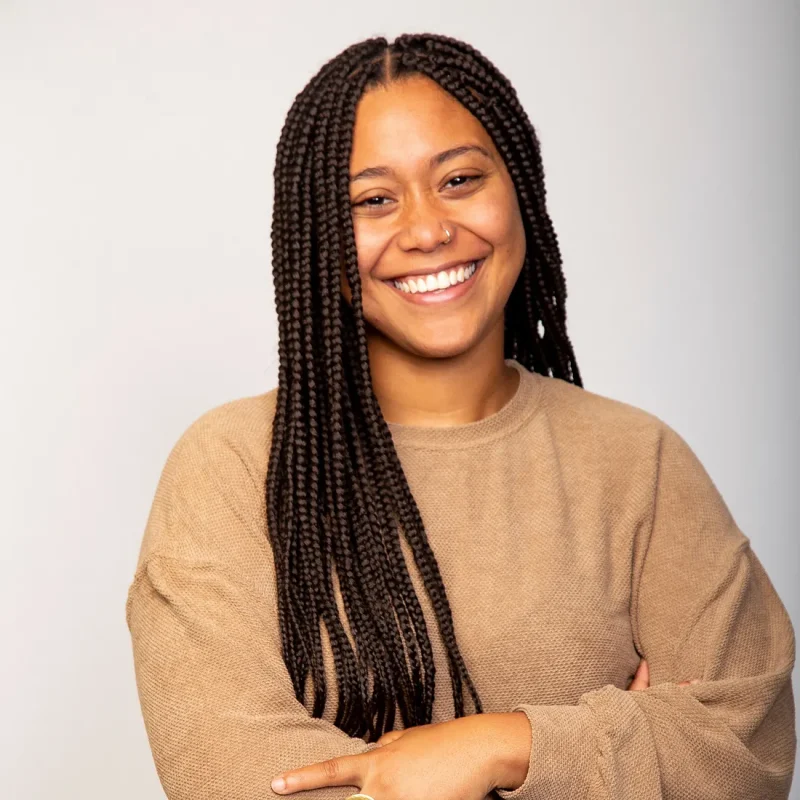
Linda Dounia, based in Dakar, wears many hats: designer, curator, and artist. Her digital work addresses questions of power, blending analogue image-making with AI models trained on her acrylic painting techniques. She describes her process as an honest back-and-forth between her and the machine: “I feed the models with my work, and it learns how I paint; then it generates outputs of its learning process, which I then curate and stitch together into a story through animation techniques.”
You might have caught Dounia’s work at Art Dubai 2024 or Art Basel Miami Beach 2021, where she teamed up with blockchain company Tezos. Her approach sums up how African digital artists treat AI not as a crutch but as a creative partner that amplifies their unique voices. These artists aren’t handing over control. They’re setting the tone for the conversation around AI ethics in art, showing how humans and machines can work together without losing what makes the art human in the first place.
Challenges Facing African Digital Artists
Minting an NFT isn’t cheap. Depending on gas fees and the platform, it can run from a few quid to several hundred dollars. Just setting up your account usually costs $60–70. In places like Nigeria or Kenya, where the minimum wage hovers around $100–$130 a month, that’s a big hurdle for many artists.
The Nigerian government banned cryptocurrency in February 2021, so artists must tread carefully to avoid having their bank accounts frozen. Even with these headaches, African digital artists keep pushing forward. They find workarounds, like peer-to-peer transactions or tapping into international banks. Still, more than a dozen African countries, including Algeria, Egypt, Morocco, and Tunisia, have completely banned crypto. That makes it tough for digital art scenes to really take off there.
Why Do African Digital Artists Emphasise Cultural Heritage?
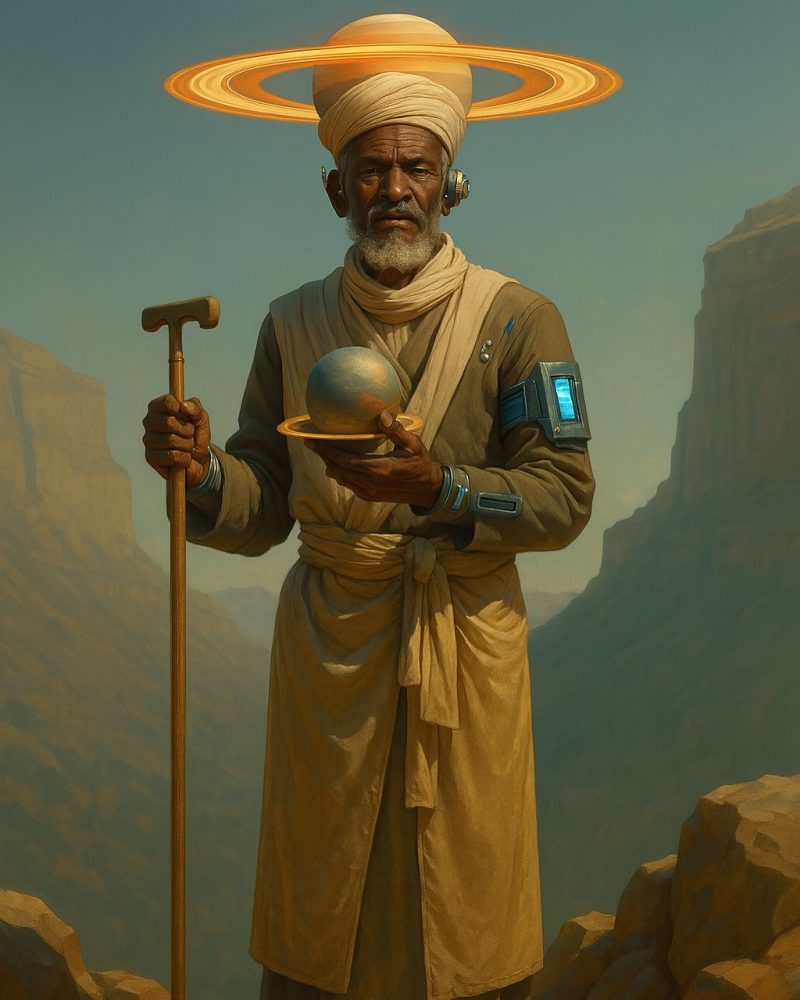
Fanuel Leul’s art stands out. He takes classic African elements, face painting, head crowns, traditional patterns, beads, masks, drums, and calabashes – and combines them with futuristic tech. His Afrofuturist pieces focus on joy and peace, aiming to break the tired stereotypes about Africa. In works like “Beautiful Heirlooms,” he captures the spirit of preserving memories through storytelling.
Ahmed Partey, drawing from West African symbols, decorations, masks, figures, and patterns, has become one of Ghana’s most influential digital artists. His art tries to restore the spiritual energy of African symbols in a modern world. These artists know that tech without roots ends up bland, blending into the global crowd. By grounding their work in heritage, African digital artists make pieces that are instantly recognisable as African, but they’re not stuck in the past; they’re technically sharp, too.
The Future African Digital Artists Are Building
Since 2009, the African Digital Art Network, founded by Jepchumba, has been a home for digital creatives from Africa and its diaspora. For over 15 years, they’ve spotlighted bold ideas and clever design, always pushing digital boundaries. This network isn’t just about showcasing work; it gives artists a place to grow, learn, and track how this movement continues to change.
Take Afroscope, for example. He says his biggest wins haven’t just come from his own work but from the people he’s met and brought into space. He introduced his friend Linda Dounia to NFTs and helped her join the Foundation platform. That sense of collaboration sets African digital artists apart. They know if one person rises, the whole community grows. Mentoring, sharing skills, and creating spaces for others are the things that make their movement last, even as technology shifts.
Frequently Asked Questions
What tools do African digital artists use?
They use a range of tools: Adobe Illustrator and Photoshop for drawing, Blender and Cinema 4D for 3D art, AI models like Stable Diffusion for generative work, and blockchain platforms like SuperRare and OpenSea for NFTs. Animation software helps with motion graphics. Many artists combine digital tools with traditional techniques, creating their own unique style.
How do African digital artists make money?
They sell NFTs on blockchain marketplaces, take commissions from brands such as Google or Nike, licence their work to magazines, sell prints, teach workshops, curate exhibitions, and sometimes run communities with membership fees. Most artists blend a few of these to keep their practice going, especially with the tough economy.
What challenges do African digital artists face?
There are plenty: minting NFTs can cost more than a local monthly wage, and over a dozen African countries ban crypto. The Internet and equipment are expensive. Local collectors are rare, and gas fees can eat up profits. Some artists even find their bank accounts frozen after crypto transactions. Big global platforms often don’t support African payment methods or legal systems, which just adds to the struggle.
Why are African digital artists important?
They challenge the idea that only the West shapes digital culture. These artists use new media to keep African stories and traditions alive, create jobs in tech-driven industries, and prove that fresh ideas come from everywhere. By building their own networks, they make sure Africa isn’t just watching from the sidelines but is a real player in the digital creative world.
How can people support African digital artists?
Buy their NFTs or prints. Commission art directly. Follow and share their work online. Show up to their exhibitions, whether in person or virtual. Connect them to opportunities beyond Africa, donate to groups like the Nigerian NFT Community, and help spread their voices in creative circles worldwide. Every bit helps the movement grow.