The Dallah coffee pot in Arabic is not just a pot; it is a tool for special tea and a source of energy recovery. But the first time I truly paid attention to a Dallah, it was not in the Arabian Peninsula.
It was in a quiet sitting room in coastal East Africa, where the afternoon light filtered through carved wooden shutters. The air carried the scent of lightly roasted coffee beans, sharp, earthy, almost sweet. On a low table sat a brass coffee pot, its long spout curved like a question mark, its lid topped with a pointed finial catching the light.
The host lifted it carefully, pouring coffee into small cups with a practised wrist. The sound was delicate metal tapping ceramic, liquid breathing as it met air. No one rushed. No one spoke loudly.
Later, I asked why the pot. The answer was simple: “This is how our grandparents welcomed guests,” he said
That was the moment I realised the Dallah coffee pot is not just an Arabian object displayed in African homes. It is a shared cultural language, spoken fluently across Afro-Arab spaces from desert tents to Swahili courtyards, from Sahelian living rooms to modern African apartments where heritage quietly informs décor choices.
In countries like Niger, Mali, Sudan, Gabon, and parts of Nigeria, Dalla coffee pots serve as tools for energy recovery and spiritual healing, connecting African and Arabian stories.
Once a vessel of Arabian hospitality, the dallah coffee pot has travelled across deserts and coastlines into Afro-Arab homes, evolving from a daily ritual object into a quiet symbol of memory, identity, and shared cultural heritage.
How the Dallah Became Afro-Arab
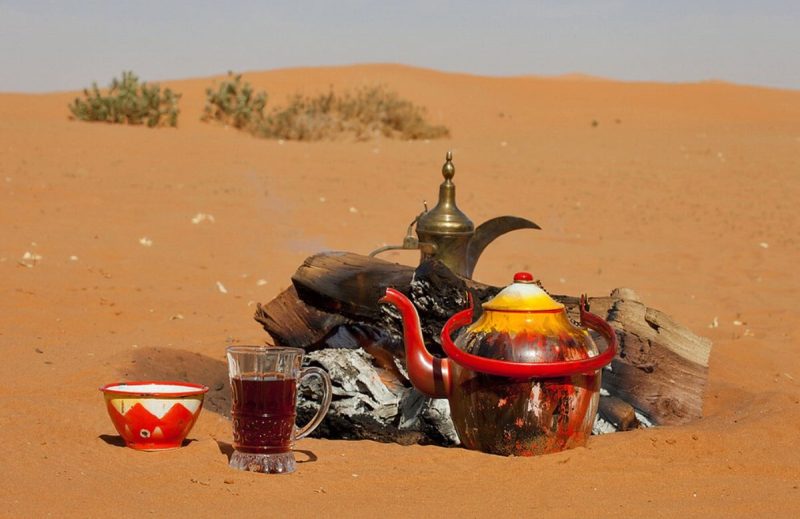
Hospitality Forged in the Arabian Desert
The Dallah emerged in the Arabian Peninsula centuries ago as a functional vessel for preparing and serving qahwa, lightly roasted coffee infused with spices such as cardamom. Its design was intentional with :
- a long, curved spout for controlled pouring
- a broad base for stability on sand
- a pointed lid to retain heat
But beyond function, the Dallah embodied hospitality as an obligation. In Bedouin culture, offering coffee was a moral act, a declaration of peace, welcome, and protection.
An elder I once met in northern Saudi Arabia explained:
“You do not ask who a guest is before you pour coffee. The Dallah speaks first.”
This philosophy would later resonate deeply across Africa, where hospitality is likewise central to social life.
Trade Routes of Dallah Pot from the Arabian Border
The Dallah travelled the same routes as coffee itself.
From Yemen and the Arabian Peninsula, coffee moved across:
- the Red Sea into the Horn of Africa
- the Indian Ocean to the Swahili Coast
- inland via trade and scholarly networks
Along with coffee came the tools of its ritual, including the Dallah.
In ports such as Mombasa, Lamu, Zeila, and Suakin, African traders encountered Arabian coffee culture firsthand. Over time, the Dallah was not merely imported as an object; it was absorbed as a practice.
I once discussed this with a Swahili historian, who told me that objects travel faster when they are meant to solve problems, he said.
“Objects travel faster when their meaning makes sense.”
African societies already valued communal gatherings, storytelling, and ritualised welcome. The Dallah fit seamlessly into existing social structures.
Faith, Scholarship, and Shared Social Rituals
Islam played a vital role in anchoring the Dallah within African homes.
As Islamic scholarship spread across Africa, so did Arabian social customs. Coffee became a companion to:
- long discussions after prayer
- scholarly debates
- evening family gatherings
- Morning breakfast
- And in a social gathering
In northern Nigeria, Sudan, Ethiopia, and coastal East Africa, coffee rituals developed local expressions, but the symbolism of the Dallah endured.
African Adaptation: From Ritual Tool to Cultural Heirloom
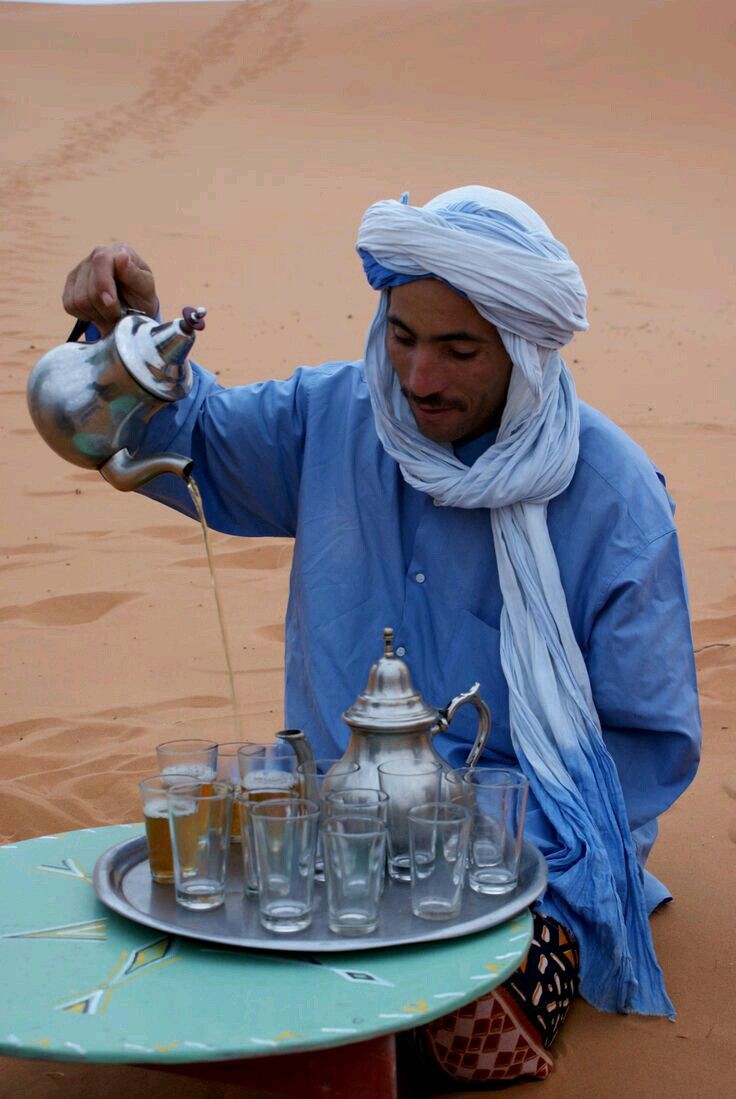
Over generations, African households reinterpreted the Dallah. Some were imported; others were locally cast using brass and copper. African aesthetics emerged:
- pairing the Dallah with woven trays
- placing it alongside calabashes or wooden stools
- integrating it into wedding gifts and family heirlooms
In many homes, the Dallah stopped being used daily, but it did not disappear. Instead, it took on a new role: a visible marker of cultural memory.
This transition from use to display is what ultimately transformed the Dallah into a home décor symbol, one that speaks quietly of Afro-Arab continuity rather than trend.
RECOMMENDED:
- Keffiyeh Scarf: A cultural identity that became streetwear fashion
- How Bakhoor and Frankincense Are Defining New Wellness Trends in the world
- How the Shayla Scarf Influences Global Modest Fashion
The Dallah in Modern Afro-Arab Homes
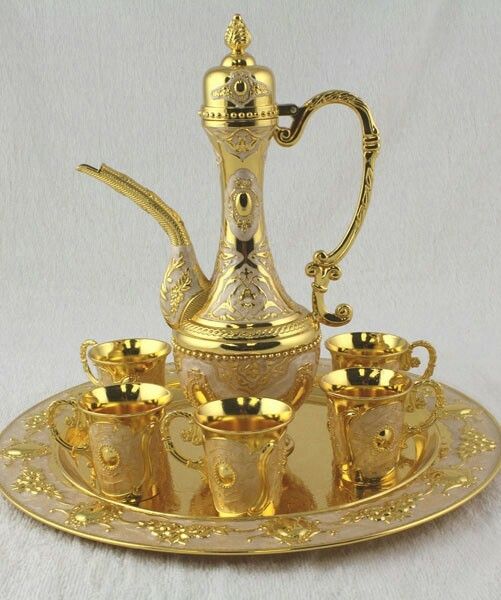
In many contemporary Afro-Arab households, the dallah has moved beyond its traditional role as a coffee pot to become a quiet symbol of continuity. It often sits in open kitchens or living rooms, polished brass beside electric kettles, or ceramic reinterpretations resting on minimalist shelves bridging generations without demanding attention.
For families shaped by both African and Arabian histories, the dallah represents more than hospitality; it reflects a shared ethic of welcome. Whether in a Kano courtyard, a Khartoum apartment, or a London flat with Afro-Arab roots, serving coffee from a dallah signals intention: a pause, a conversation, a moment of respect.
Modern designers and homeowners now reimagine the form in subtler ways: streamlined silhouettes, muted tones, and locally inspired patterns, yet the ritual remains unchanged. The act of pouring, the order of serving, and the collective stillness around coffee preserve a cultural rhythm that technology has not replaced.
In this way, the dallah survives not as a relic, but as a living object anchoring Afro-Arab homes to memory, movement, and the enduring power of shared traditions.
As evening settled along the coast, the dallah was gently returned to its place. The coffee was finished, but the conversation refused to end, stories stretching out unhurried, carried by the salt air and shared memory.
The pot caught the last light of day, its surface mirroring faces, movement, and moments already turning into history.
The dallah’s journey from a vessel of Arabian hospitality to a symbol within Afro-Arab homes reveals something essential: objects do not endure because they remain useful forever, but because they continue to mean something.
In African homes shaped by centuries of Arabian encounters, the dallah stands as quiet evidence that culture does not disappear. It adapts. It rests. And it waits patiently to be recognised again.
Are you Curious about the stories objects carry when no one is speaking?
Step into Omiren Styles and explore more: Everyday items become cultural witnesses, design holds memory, history breathes quietly, and identity reveals itself without noise.
FAQs
1. Is the Dallah African or Arabian?
The dallah originates from the Arabian Peninsula, but through centuries of trade, migration, and shared religious life, it became deeply embedded in Afro-Arab societies, shaping a shared cultural identity.
2. Why is the Dallah important beyond coffee?
Beyond brewing coffee, the dallah represents hospitality, patience, respect for guests, and ethical social behaviour, teaching values through the act of serving.
3. Why is it used as décor today?
As modern lifestyles reduced the use of daily rituals, the Dallah’s symbolic meaning endured, making it a decorative object that preserves cultural memory and identity.
4. Is displaying it without using it acceptable?
Yes. Displaying a Dallah is widely understood as an act of respect and remembrance, honouring tradition even when the ritual is no longer practised daily.
5. How is it different from other coffee pots?
Unlike efficiency-focused coffee makers, the dallah is designed around ritual; its form and use encourage deliberate movement, hierarchy, and social connection.