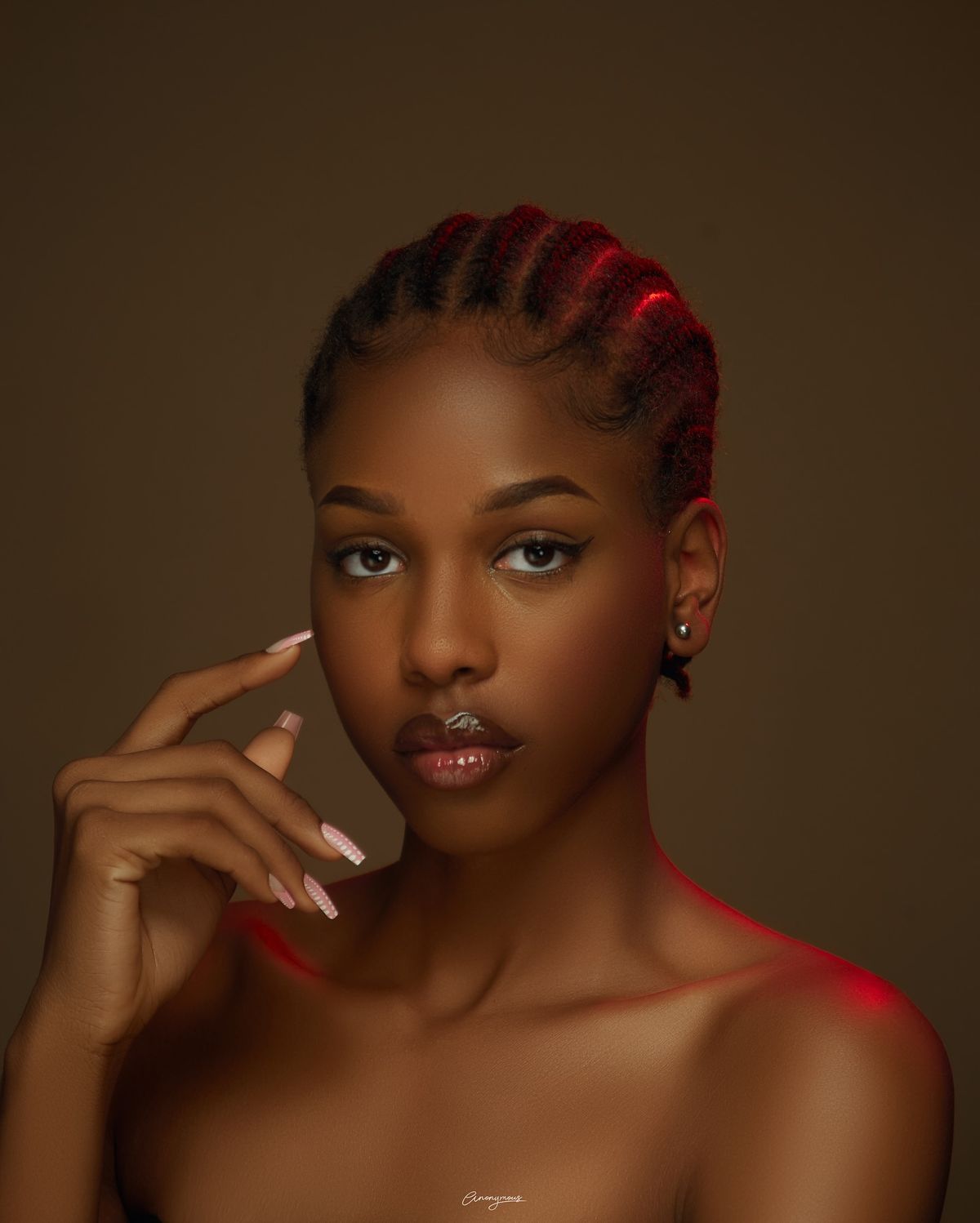
Fashion and beauty have never existed in isolation. Long before global runways and beauty counters, style was a language. It spoke of origin, status, ritual, and belonging. Today, in an industry shaped by rapid consumption and visual sameness, cultural context has re-emerged as a powerful differentiator. It is no longer enough to create what looks pleasing. The most compelling brands create what means something.
Cultural context provides depth to fashion and beauty. It anchors design in history while allowing it to evolve. For African and diaspora-led brands in particular, culture is not a trend to borrow from. It is lived experience, inherited knowledge, and a living archive. When used with intention, it becomes a strategic advantage that elevates products from commodities to cultural statements.
From Cultural Heritage to Global Luxury: How Fashion and Duty Brands Build Meaning, Identity and Advantage Through Cultural Context and Craftsmanship.
Culture As Brand Intelligence
Cultural context functions as brand intelligence. It informs how consumers see themselves and how they wish to be seen. Identity profoundly influences purchasing decisions in fashion and beauty. A silhouette, fabric, shade range, or campaign image can signal pride, resistance, aspiration, or belonging.
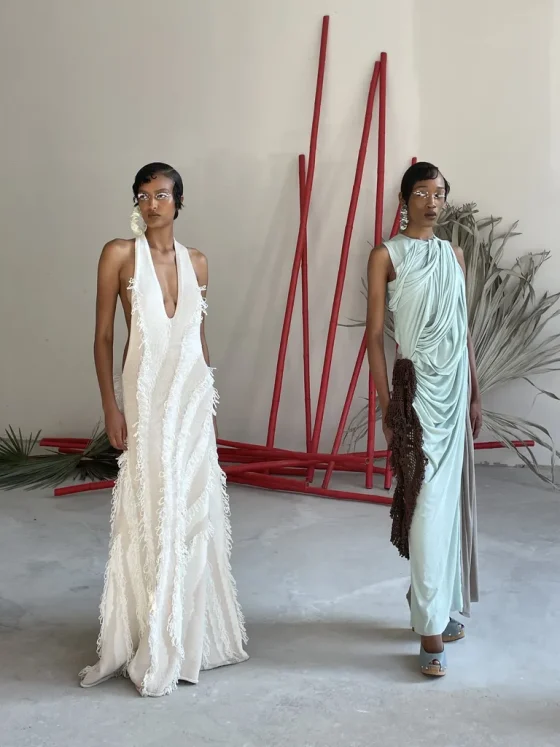
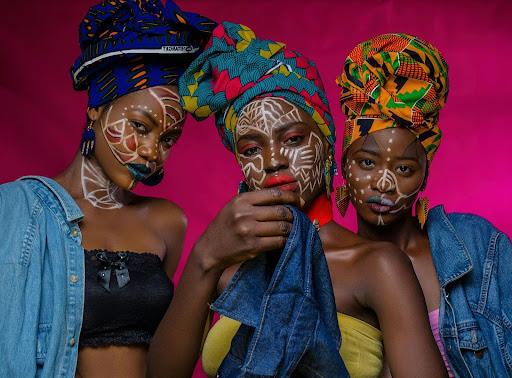
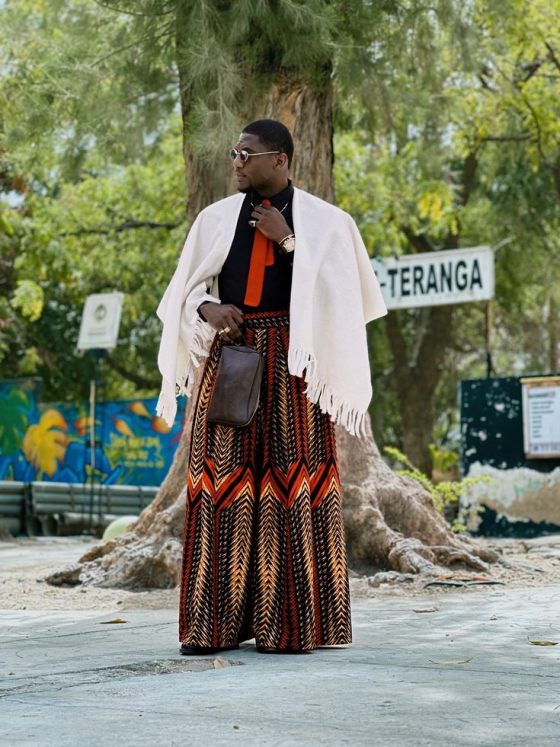
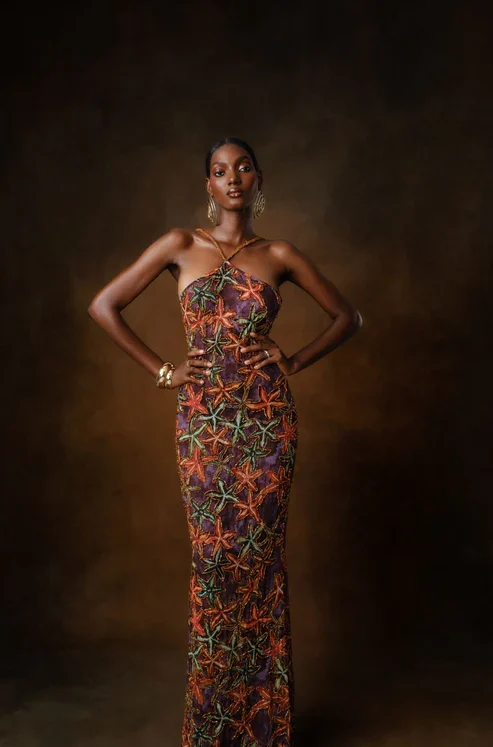
Brands that understand this do not design in abstraction. They create with cultural awareness. This awareness shapes everything from colour choices to storytelling, from product formulation to visual language. In African-inspired luxury fashion, for example, design is often influenced by ceremonial dress, traditional craftsmanship, and regional symbolism but reinterpreted for contemporary lifestyles. The result is familiarity without nostalgia and innovation without erasure.
Craftsmanship As Cultural Capital

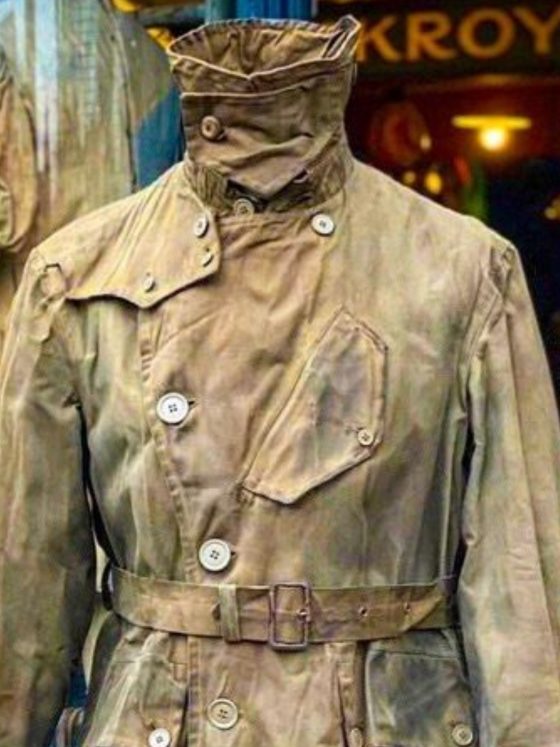
Cultural craftsmanship is one of the strongest expressions of competitive advantage. Handwoven textiles, indigenous dyeing techniques, beadwork, and artisanal beauty rituals carry generational knowledge. When brands invest in preserving and evolving these practices, they create value that cannot be replicated at scale.
In the global luxury market, craftsmanship signals quality, rarity, and intention. African fashion and beauty brands that emphasise skilled artisanship position themselves within modern luxury while maintaining cultural integrity. This approach also reframes luxury away from excess and toward meaning. It tells a story of hands, heritage, and human skill rather than mass production.
Modern Luxury Rooted In Place
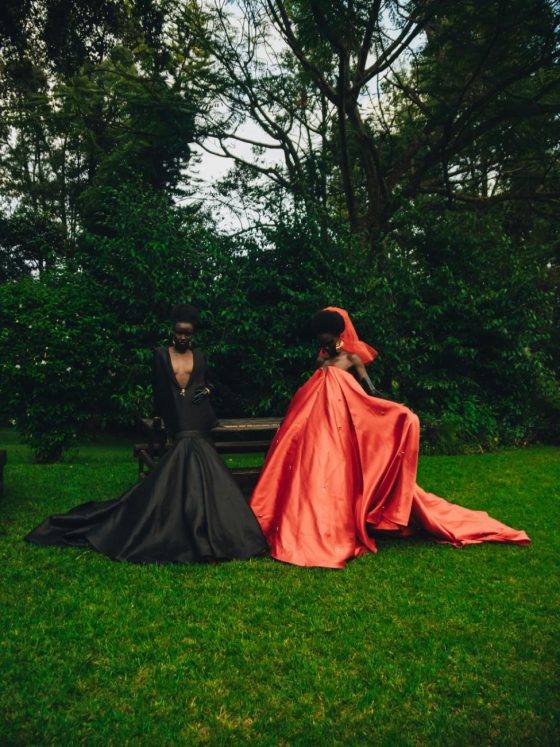
Modern luxury is shifting. Brands reflecting values, not just aesthetics, are increasingly attracting consumers. Cultural context allows brands to build a sense of place while remaining globally relevant. This balance is essential.
African and diaspora brands often exist at the intersection of multiple worlds. They draw from local traditions while engaging global audiences. This cross-cultural fluency creates designs that feel expansive rather than niche. A garment inspired by Yoruba ceremonial structure or a beauty product informed by West African botanicals can resonate internationally when presented through refined design and straightforward narrative.
Luxury, in this sense, becomes intentional. It is not about exclusivity for its own sake but about thoughtful creation.
Read Also:
- African Cosmetic Chemists: Redefining Luxury Beauty – Omiren Styles
Cross-Cultural Narratives And Diaspora Influence
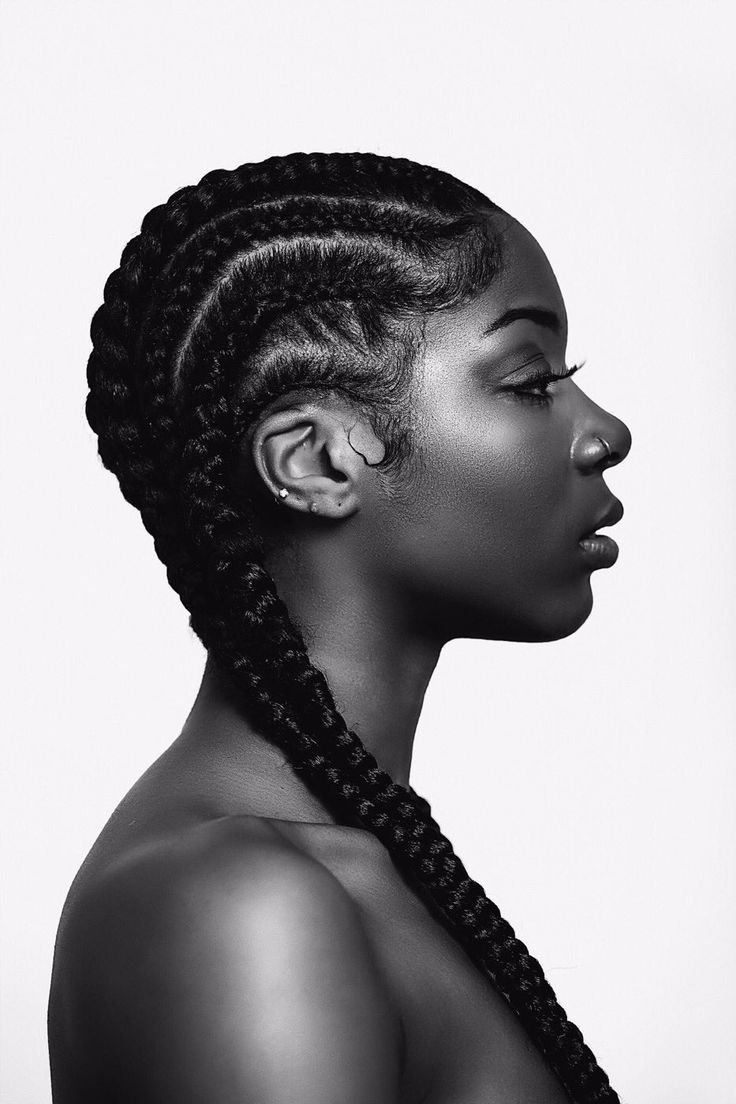
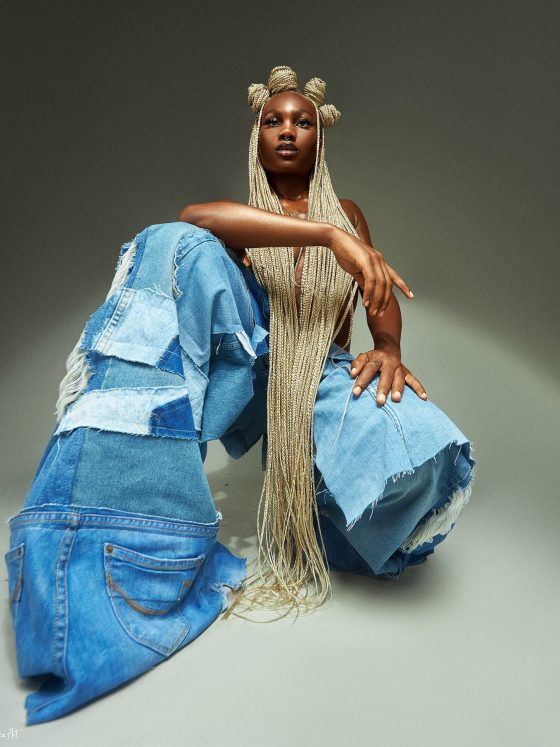
Diaspora influence plays a critical role in shaping contemporary fashion and beauty. Designers and creatives who move between cultures bring layered perspectives. Their work reflects migration, memory, and modern identity.
These cross-cultural narratives add richness to brand storytelling. They allow fashion and beauty to speak to shared experiences across borders. The global African consumer, whether on the continent or in the diaspora, often seeks representation that feels authentic and expansive. Brands that understand this build loyalty not through trends, but through recognition.
Cultural Context And Competitive Advantage

Cultural context creates differentiation that cannot be copied. It informs product development, brand voice, and consumer connection. It builds emotional resonance and intellectual depth. In a crowded global market, this depth is what allows brands to stand apart.
When fashion and beauty brands lead with cultural understanding, they move beyond aesthetics into authorship. They do not simply participate in the industry. They shape it.
Conclusion
Cultural context is not decorative. It is foundational. In fashion and beauty, it transforms products into narratives and brands into cultural contributors. For African and diaspora-led brands, cultural context offers more than inspiration. It offers authority.
As the global industry continues to evolve, the brands that will endure are those that design with memory, intention, and vision. They are the ones who comprehend their origins and their future goals. Culture, when treated with respect and clarity, is not a limitation. It is a lasting advantage.
FAQs
- Why Is Cultural Context Important In Fashion And Beauty?
It shapes identity, meaning, and emotional connection, influencing how consumers relate to brands beyond visual appeal.
- How Does Cultural Craftsmanship Create Competitive Advantage?
It offers authenticity, rarity, and human value that mass production cannot replicate.
- Can Culturally Rooted Brands Compete Globally?
Yes. Refined and thoughtfully presented cultural elements resonate across markets.
- What Role Does The African Diaspora Play In Modern Fashion?
Diaspora creatives bridge cultures, creating layered narratives that reflect global African identity.
- How Does Sustainability Connect To Cultural Luxury?
Many cultural practices emphasise ethical production and longevity, aligning naturally with modern sustainability values.