Whether dominant trends replace them or history reshapes them, cultures can quietly fade across generations.
When this happens, communities risk losing not just traditions but the stories, values, and practices that shape their identity.
Even amid change, traditions endure in daily life through music, fashion, stories, language, and art. This is what happens when creativity resists erasure.
In this article, you’ll learn how creative expression protects cultural identity and why it succeeds where historical preservation often struggles.
Learn how traditions endure change as communities use creativity to protect heritage, identity, and cultural memory, and how creativity resists erasure.
Why Do Cultures And Identities Fade Over Time?
Cultures don’t disappear overnight. Instead, they change gradually, and traditions, languages, and rituals are practised less as younger generations adopt new ways of living.
At the same time, global influences accelerate this shift. Music, fashion, language, and social habits evolve with new trends, often making older cultural expressions less visible or understood.
In addition, historical events such as migration, social change, and colonial influence have reshaped communities. As a result, some art forms, knowledge, and languages were replaced or discouraged over time.
However, culture does not disappear completely. Creativity allows traditions to survive in new forms. It is in this process that we see when creativity resists erasure, carrying cultural identity forward in ways formal preservation often cannot.
How Creativity Resists Erasure Through Everyday Expression
Even as traditions shift or disappear, creativity finds ways to survive. From street art and music to storytelling, fashion, and craft, communities use creative expression to carry culture forward.
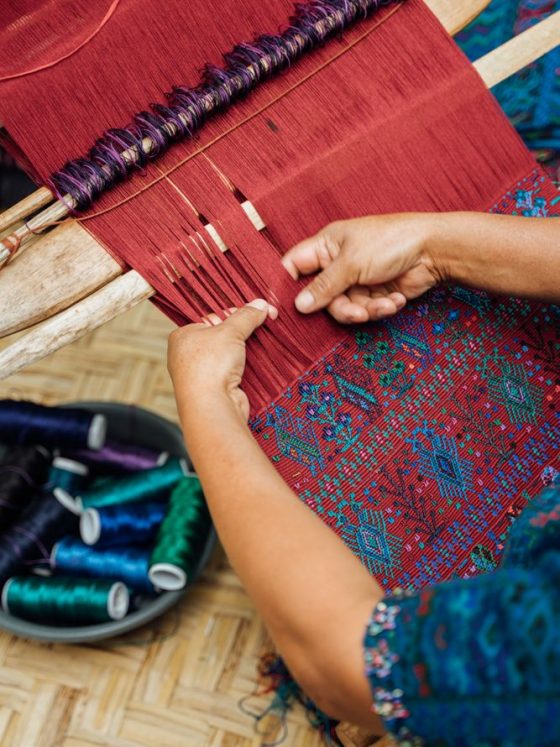
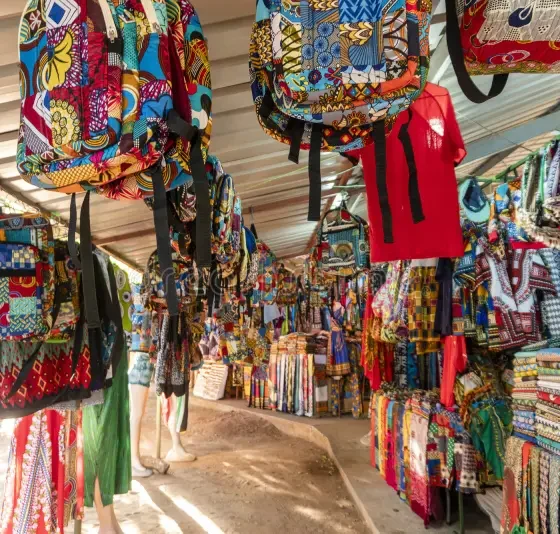
These practices are not always formal or institutional; they happen in homes, markets, gatherings, and online spaces, quietly preserving the essence of heritage.
When creativity resists erasure, it does more than preserve memories; it allows traditions to evolve and remain relevant.
A song passed down with a modern twist, a clothing style inspired by cultural patterns, or a story reinterpreted for today’s audiences all demonstrate how heritage can persist in ways that are both adaptive and meaningful.
Creativity, in this sense, becomes a living archive. It holds fragments of the past while opening space for innovation, ensuring that culture continues to be experienced, remembered, and reshaped for future generations.
How Can Culture Be Preserved Through Music, Style, And Storytelling?
Creativity carries the heartbeat of culture, keeping traditions alive even as societies change. Through everyday expression, communities weave heritage into forms that are both modern and meaningful.
Here are some ways music, style, and storytelling serve as living vessels of culture:
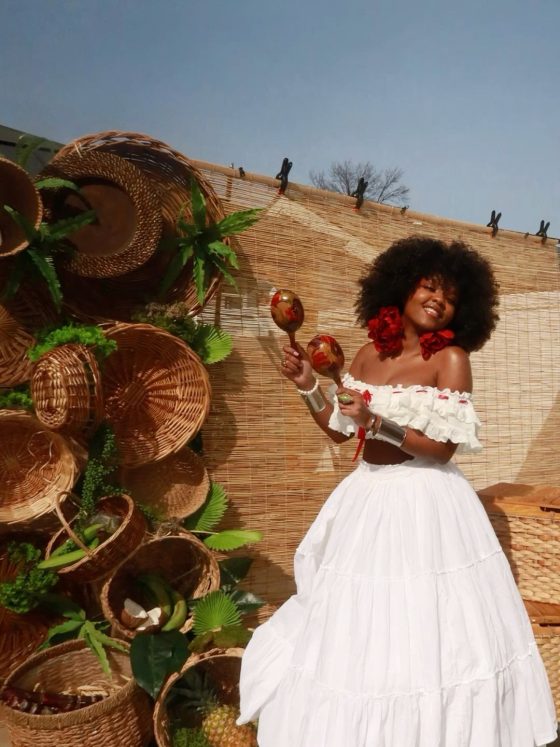
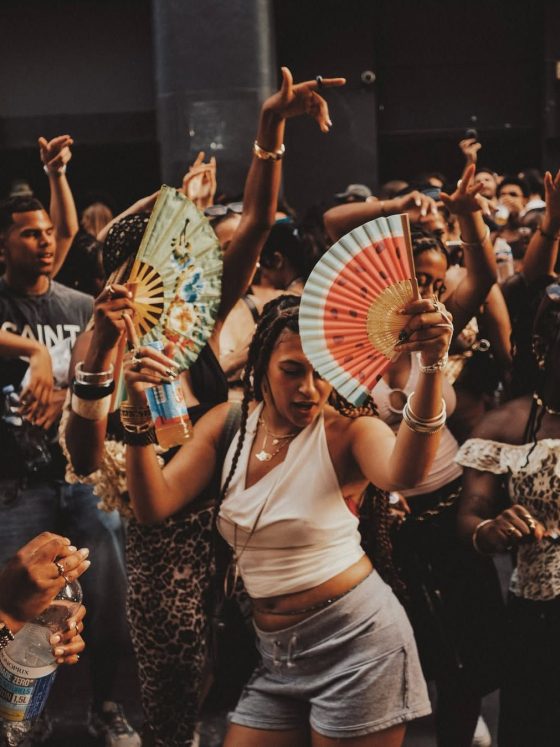
- Music: Traditional rhythms and melodies are reimagined, blending ancestral instruments with contemporary sounds to carry stories across generations.
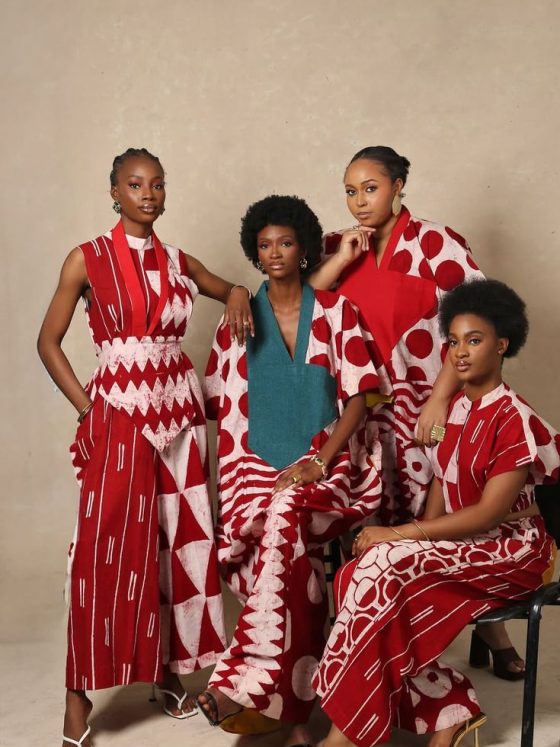
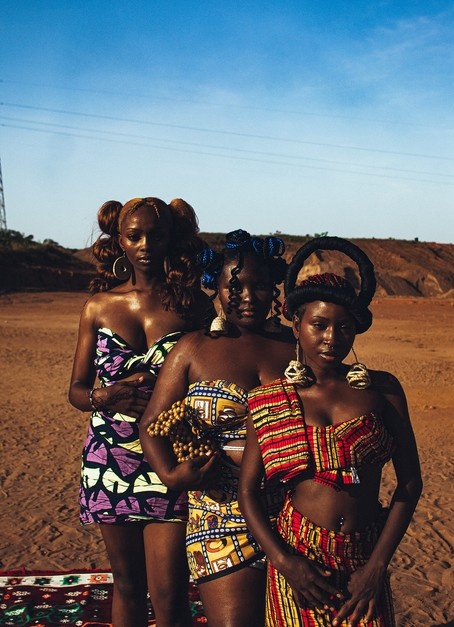
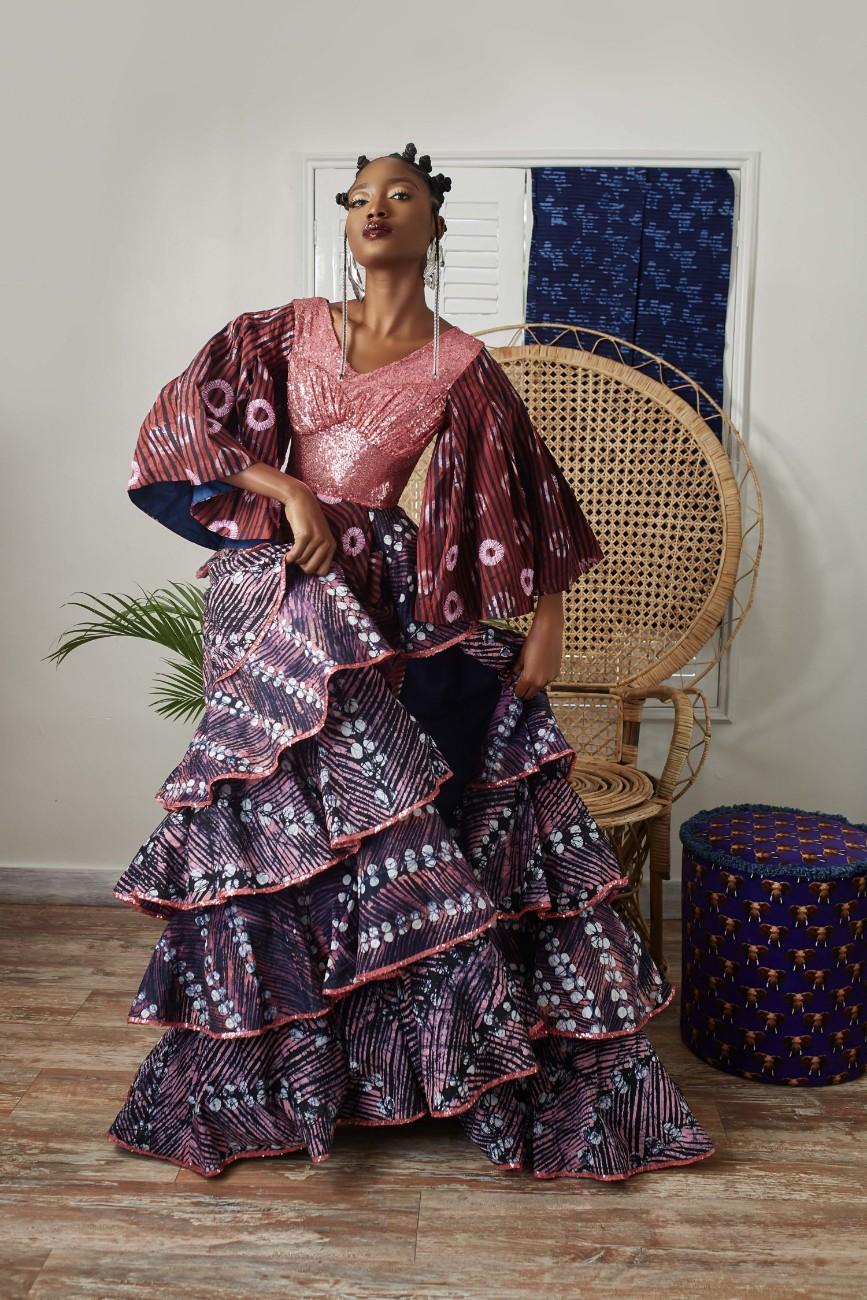
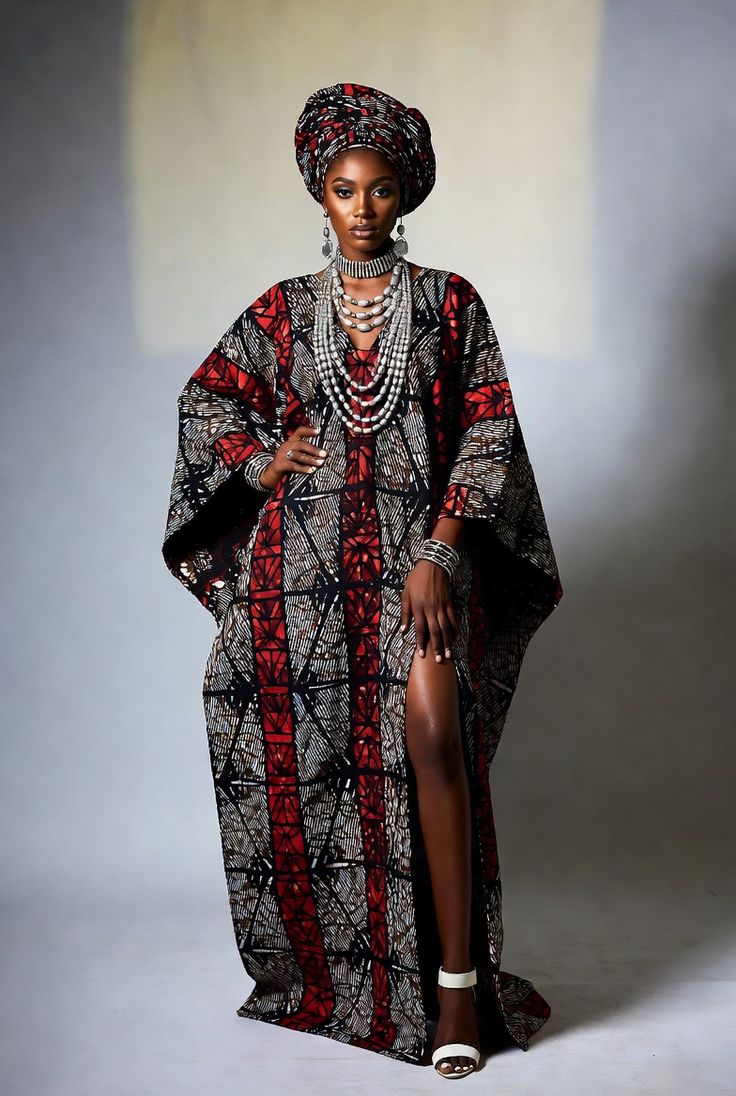
- Fashion: Clothes and patterns often reinterpret old techniques, symbols, and values to fit modern identity and self-expression.
- Storytelling: Oral narratives, written works, and visual media pass knowledge, morals, and history, connecting past and present seamlessly.
Together, these creative practices play a key role in cultural preservation, helping communities maintain identity even as traditions evolve.
How Modern Platforms Amplify Cultural Creativity

In today’s world, creative expressions no longer remain confined to local communities. Social media, digital streaming, and online marketplaces now give music, fashion, storytelling, and visual art a global stage.
This has allowed traditions and cultural memory to reach audiences far beyond their origin. Currently, Nigerian contemporary musicians are bringing traditional sounds into modern Afrobeats. As a result, younger audiences are reconnecting with cultural storytelling.
Local fashion designers are also reworking indigenous textiles for global fashion shows, demonstrating how heritage can remain visible while adapting to modern tastes.
This is a clear example of how creativity resists erasure. Modern platforms do more than share culture; they magnify its resilience, helping heritage, traditional practices, and community knowledge survive and evolve.
Global exposure encourages reinterpretation, collaboration, and innovation, ensuring that cultural memory continues to adapt without losing its roots.
READ ALSO:
- Why Culture Is the Foundation of Style in African and Global Fashion
- How Black Humour Shapes Culture: Laughter as Survival & Social Power
- Fashion as Statecraft: The Power of Black Cultural Diplomacy
- Opera Was Never White: Black Singers and the Truth About Classical Music
How Can You Carry Heritage Forward Across Generations

Cultural heritage survives when each generation finds ways to connect with it. Families, communities, and creators all play a role, adapting traditions so they remain meaningful in contemporary life.
Children learn songs, stories, and rituals from parents and elders, while young designers, musicians, and writers reinterpret patterns, sounds, and narratives to reflect the present.
This is a clear example of how creativity resists erasure. Communities preserve and evolve heritage, traditions, and cultural memory by combining respect for the past with innovation.
Whether through music that fuses ancestral rhythms with modern beats, fashion that revives traditional symbols, or storytelling that reimagines history for new audiences, creativity becomes the bridge that carries identity forward.
Conclusion
Across time and space, culture endures because people refuse to let it fade. Creative practices become living vessels, carrying heritage, traditions, and cultural memory forward.
Families, communities, and creators all play a part in adapting customs so they remain meaningful for new generations.
These efforts show us what happens when creativity refuses to be erased, showing that identity can change without losing its roots.
In an era where globalisation and digital cultures constantly reshape identities, understanding how creativity resists erasure has become more critical than ever.
Frequently Asked Questions
1. How Can A Traditional Song Or Dance Survive In Today’s World?
Many communities pass down songs and dances through schools, family gatherings, or festivals. Some artists mix traditional rhythms with modern styles, keeping the music alive while connecting it with younger generations.
2. Can Fashion Really Carry Cultural Heritage?
Yes. Designers often use traditional patterns, fabrics, or symbols in modern clothing. This allows people to wear their culture proudly, keeping stories and meanings alive in everyday life.
3. Can Traditions Survive If They Are Constantly Changing?
Yes. Traditions don’t have to remain the same to survive. When communities reinterpret practices to fit contemporary life, they stay meaningful while preserving the essence of cultural memory.
4. What Can Young People Do To Keep Traditions Alive?
Learning from family and community, creating art inspired by heritage, or sharing culture online thoughtfully can all help. The key is to adapt without losing the essence of the tradition.