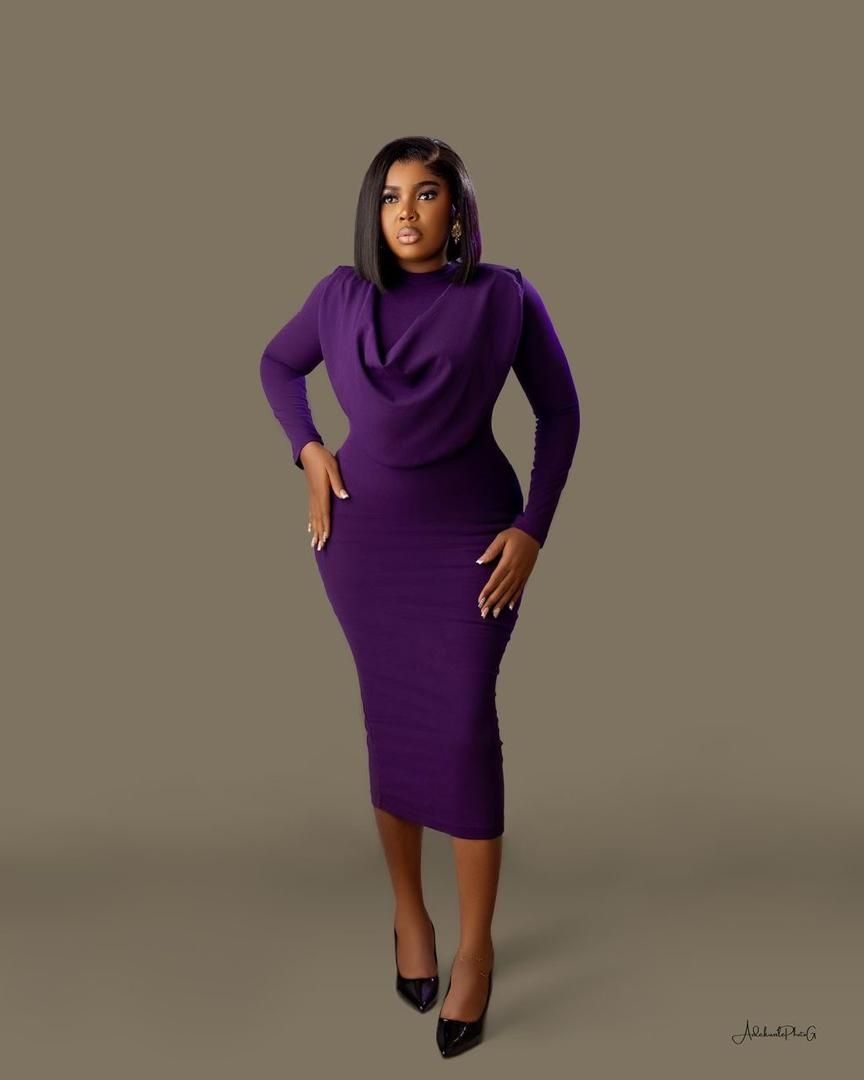
When people think of royalty, there’s always one colour that immediately comes to mind: That’s purple. It appears in royal robes, ceremonial garments, and symbols of authority across history. But this didn’t just happen overnight.
The story of how purple became a symbol of royalty dates back thousands of years. It reveals how scarcity, wealth, and authority transformed ordinary fabric into a symbol of power. This history shows how something simple can gain meaning strong enough to define a social class.
In this article, we’ll look at how the colour purple claimed its royalty and why it still carries that royal weight today.
Learn how the colour purple claimed its royal status and became the shade worn only by emperors, kings, and the wealthiest nobles.
How The Colour Purple Claimed Its Royalty: The History Of Tyrian Purple
Tyrian purple is a dye from the city of Tyre, a busy trading town on the Mediterranean. Unlike most dyes made from plants, it came from tiny sea snails. Workers had to collect a large number of sea snails to produce a small amount of dye, and this process was slow and messy.
The dye produced a deep, rich purple that lasted a long time and didn’t fade in the sun. Because it was so hard to make, real purple was very rare, and only the richest people could get it.
That’s why purple eventually became more than just a colour.
Why Purple Was So Expensive In The Ancient World
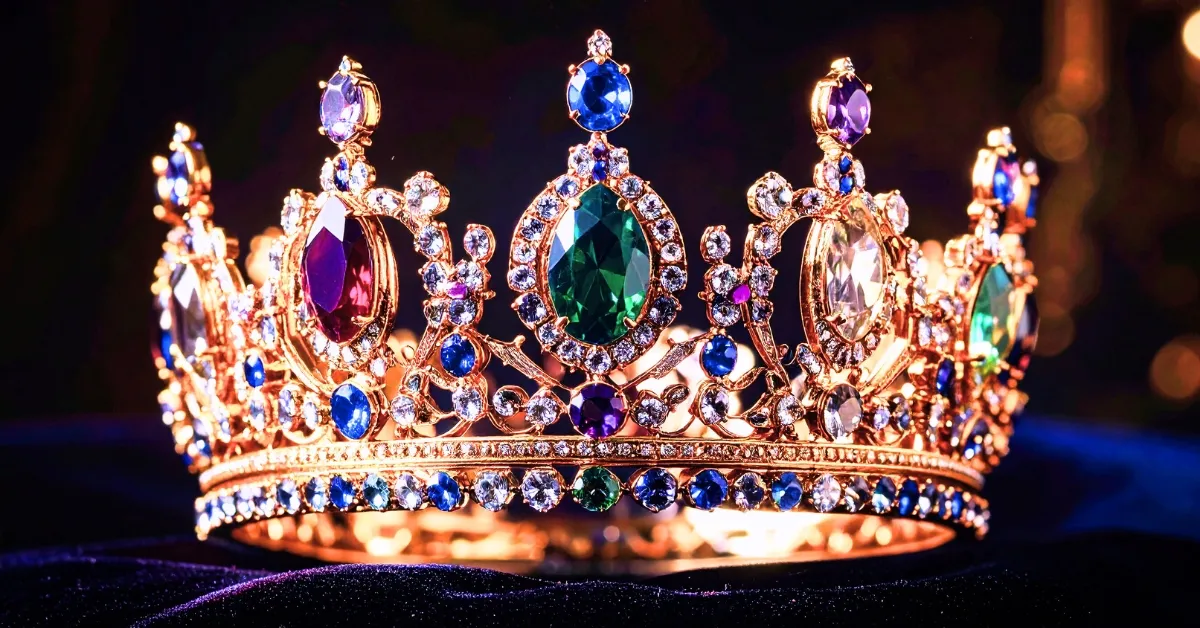
Purple was expensive not just because it was difficult to produce, but because demand quickly grew among the powerful. As kings, emperors, and elites began wearing them, the colour became a marker of status. The more it symbolised authority, the more valuable it became.
In some ancient societies, laws were even passed to control who could wear purple. This restriction increased its exclusivity and drove its price even higher. Purple was no longer just a dye. It became a controlled luxury reserved for the highest ranks of society.
ALSO READ:
- Art as Social Memory in a Rapid World: Preserving Culture and Identity
- When Creativity Resists Erasure: How Culture Lives On Through Art
- Fashion as Statecraft: The Power of Black Cultural Diplomacy
- Why Culture Is the Foundation of Style in African and Global Fashion
What Does Purple Symbolise Today?
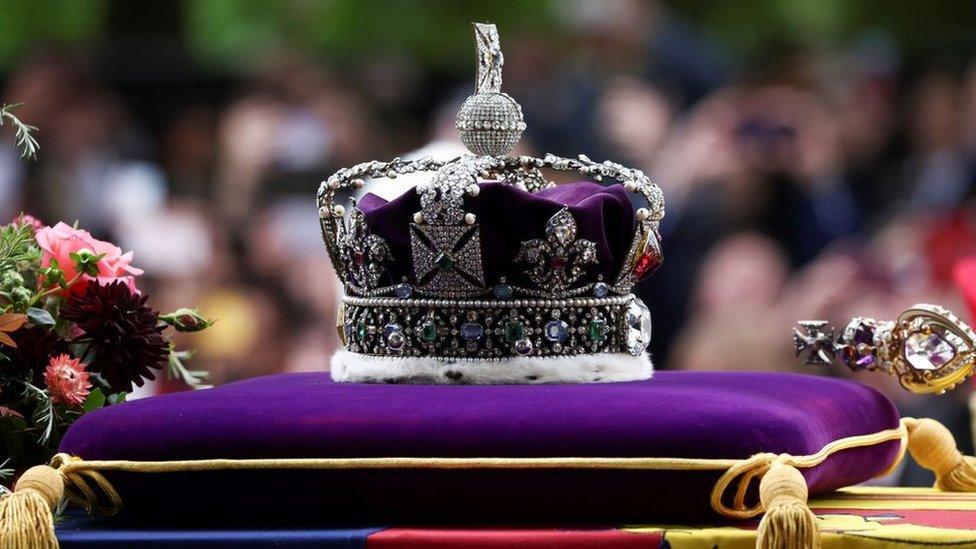
Although purple is now widely available, its meaning has not lost its strength. The colour remains closely linked to wealth, authority, and exclusivity. Here are some more things that the colour symbolises:
-
Purple Represents Power And Prestige
Even today, it is associated with leadership, influence, and wealth. Wearing or displaying purple can signal authority or high social status.
-
Purple Carries Cultural Meanings
In many cultures, purple stands for wisdom, dignity, or respect. It is often chosen for ceremonies or events that honour people or mark significant occasions.
-
Purple Honours Tradition
Graduation robes, ceremonial uniforms, and awards use purple to reference its royal past, connecting modern achievements to centuries of historical significance.
-
Purple Enhances Design And Branding
Companies use it in logos, packaging, and advertising to suggest luxury, creativity, or exclusivity. Its royal connotations make products feel special or high-end.
-
Purple Inspires Creative Expression
Artists, fashion designers, and interior decorators use purple to highlight something important, create contrast, or make a bold statement, keeping its regal reputation alive in everyday life.
These examples show how the colour purple, once associated with royalty, still resonates today, centuries after Tyrian purple was first made.
Conclusion
Purple isn’t just a colour you see; it has a story behind it. From a rare dye worn only by kings and emperors to a modern symbol of creativity, authority, and prestige, purple has earned its place in history.
This story is exactly how the colour purple claimed its royal status and why it still carries weight and meaning today.
Next time you see purple, in a graduation robe, a brand logo, or a piece of art, remember: it’s more than just a colour. It’s centuries of history, power, and influence rolled into one striking shade.
Frequently Asked Questions
-
Why Is Purple Considered The Colour Of Royalty?
Purple was extremely rare and expensive in ancient times. Only kings, emperors, and the richest nobles could afford it, so it naturally became a symbol of power and prestige.
-
What Made Tyrian Purple So Special?
Tyrian purple came from tiny sea snails. The process of making even a small amount was long, messy, and difficult, which made the dye very valuable.
- Did Laws Really Restrict Who Could Wear Purple?
Yes! In ancient Rome and Byzantium, certain shades of purple were reserved for emperors and royal families. Wearing it without permission could get you in serious trouble.
-
Does Purple Still Carry Royal Meaning Today?
Absolutely. While anyone can wear purple now, it still represents luxury, power, and influence in fashion, branding, and ceremonial occasions.