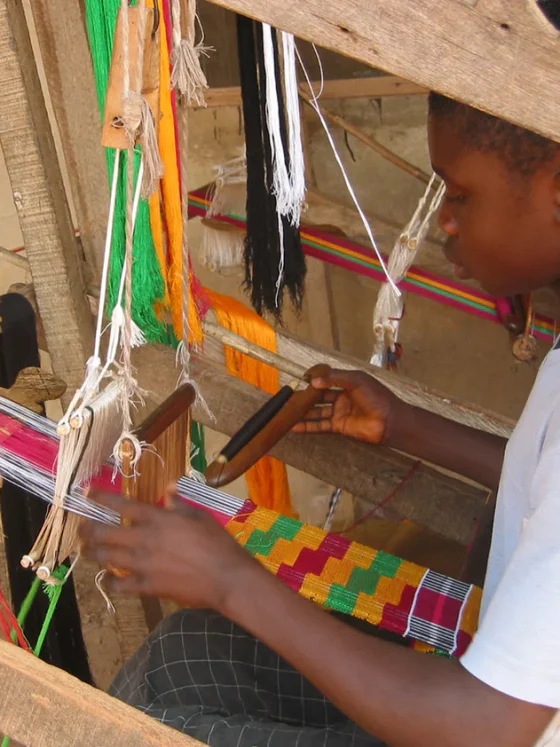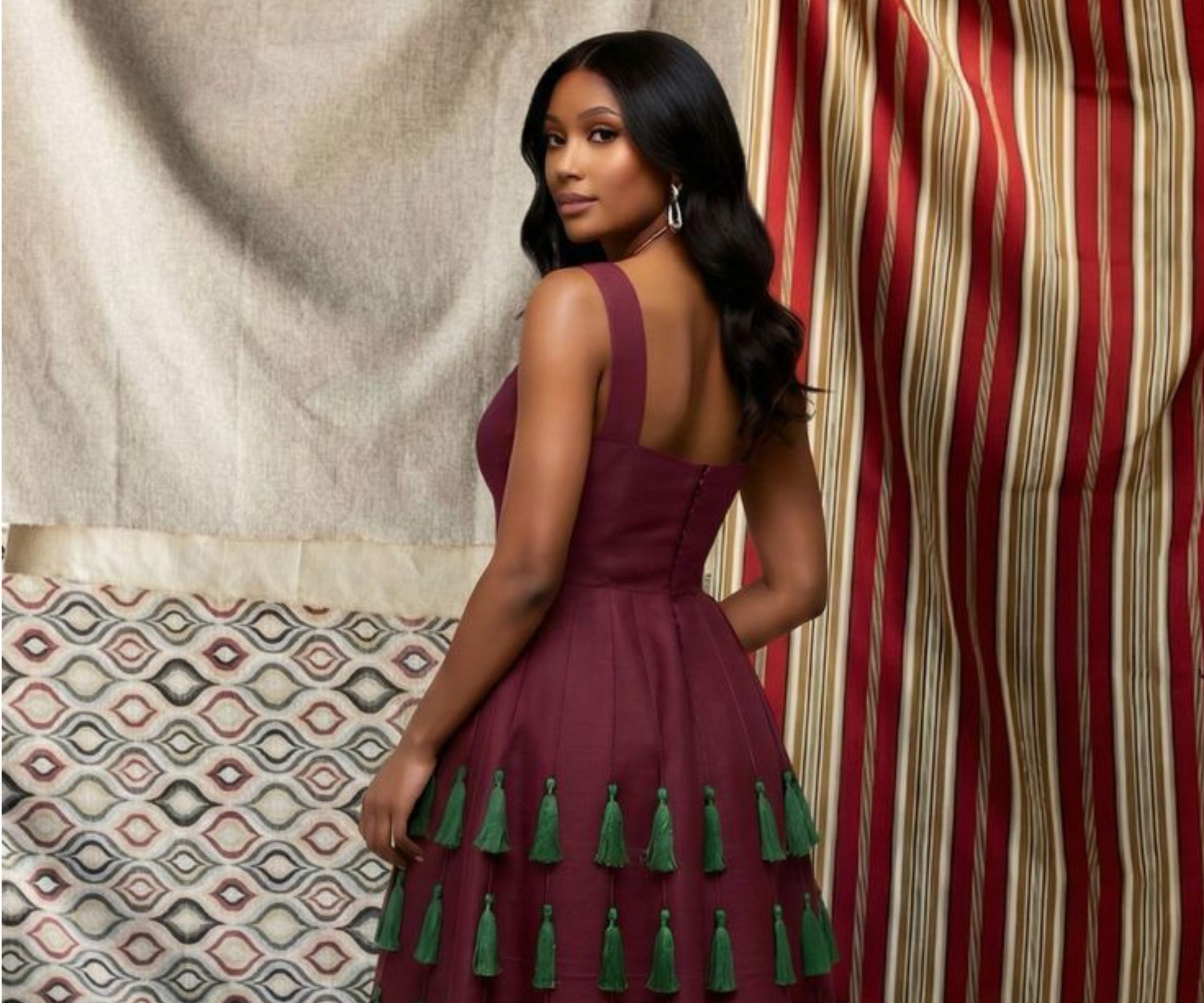
Long before fashion markets, there were ceremonies. Before seasonal drops and trend forecasts, there were rites of passage, ancestral invocations, harvest festivals, coronations, naming ceremonies, funerals, and initiations. Clothing did not begin as an ornament. It began as instruction.
Across Africa, the Caribbean, and Black Latin America, ceremonial dress established the codes that continue to shape our everyday choices. Colour signified status and spiritual alignment. Fabric weight is communicated on occasion. Head wraps indicated marital stage or lineage. Even posture was embedded in cloth architecture.
What we now call “personal style” often carries ceremonial memory, even when the wearer does not consciously name it.
To understand contemporary dressing, we must begin where clothing was sacred.
How African, Caribbean, and Black diasporic ceremonies shaped everyday dressing codes, from colour symbolism to silhouette and fabric choice.
The Architecture of Aso-Ebi and Collective Identity
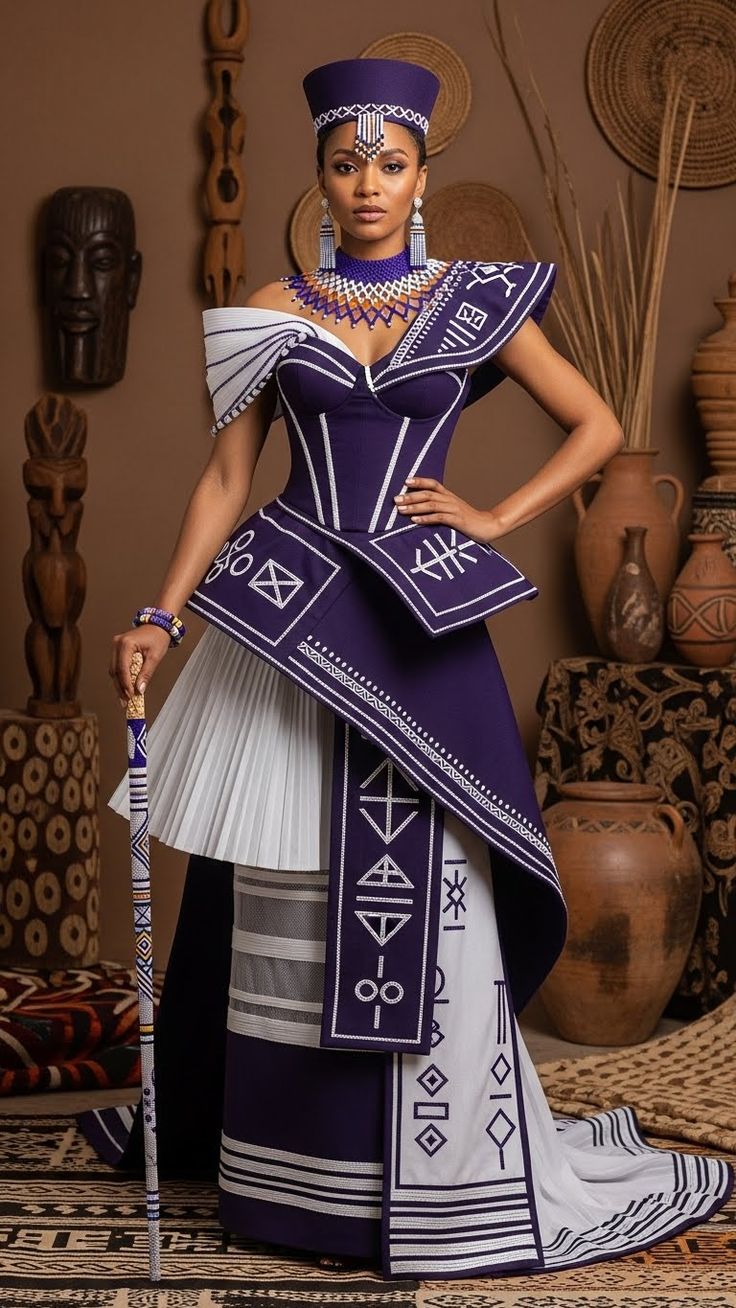
In Nigerian social life, particularly among the Yoruba, Aso-Ebi is frequently discussed as a party fashion. In reality, it is ceremonial architecture. Aso-Ebi assigns fabric as a communal identity for weddings, funerals, birthdays, and chieftaincy installations. The cloth is not chosen for aesthetic appeal alone; it marks belonging.
The concept teaches a fundamental lesson: dressing can be relational, not individual.
When guests wear the same lace, silk, or Ankara at an owambe, the silhouette variations express individuality, but the fabric asserts unity. The ceremony prioritises cohesion over ego. Even the gele, carefully structured and tied with deliberation, extends height and presence appropriate for ritual space.
Today’s global fascination with coordinated bridal parties or monochrome event dressing echoes this principle. The everyday desire to “match” for group photographs or corporate events traces back to a ceremonial logic, in which visual harmony signified collective intention.
White as Spiritual Technology in Afro-Caribbean Traditions
In Afro-Brazilian Candomblé and Cuban Santería traditions, initiates often wear white for extended periods following spiritual rites. The colour is not aesthetic minimalism. It is spiritual technology.
White signifies purification, alignment, and openness to ancestral energy. Fabric choice becomes discipline. Cleanliness is ritual. The garment is not an accessory to faith; it is part of its enactment.
Even outside explicitly religious contexts, the association between white clothing and solemnity, renewal, or elevated occasion persists globally. Brides wear white to signal transition. In many African and Caribbean contexts, graduates choose white dresses to mark achievement. The symbolic coding did not originate in bridal magazines. It is a ceremonial inheritance.
When contemporary designers present all-white collections and describe them as “clean” or “pure”, they unknowingly reference a much older archive of meaning rooted in spiritual practice.
Headwraps, Crowns, and the Politics of Height
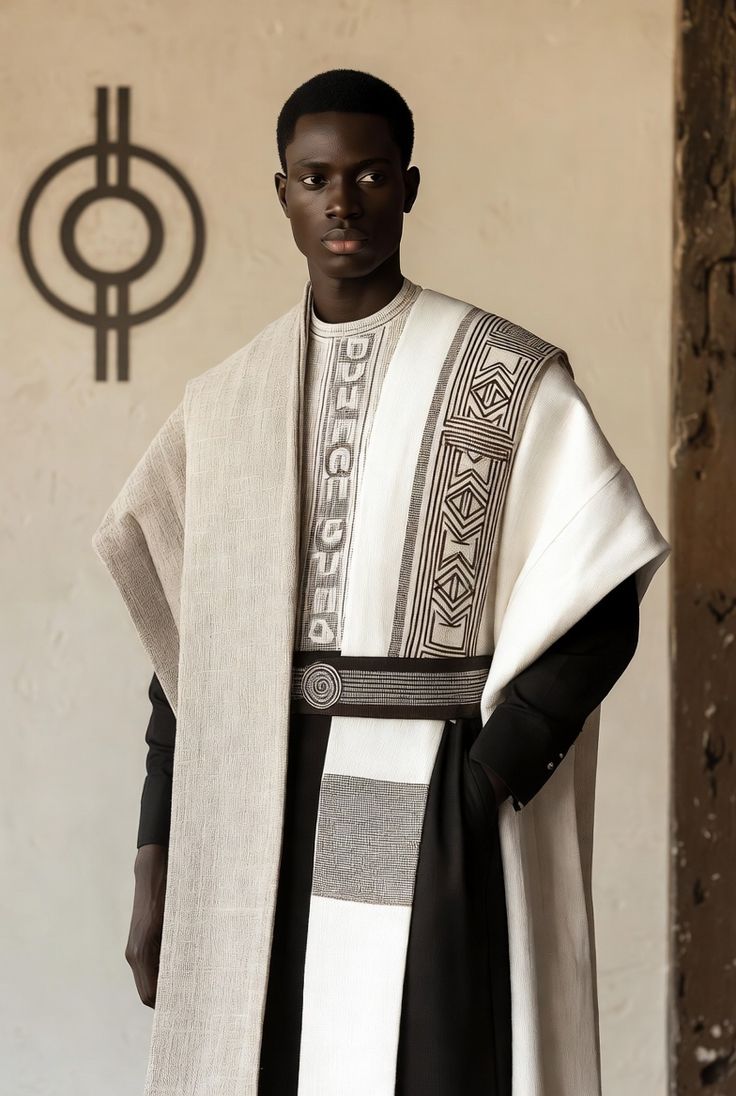
Across West Africa and the Caribbean, headwrapping is often treated in modern fashion discourse as styling flair. Historically, it functioned as a status marker and ceremonial crown.
The Yoruba gele, Ghanaian duku, and Caribbean tignon all carry layered histories. In some colonial contexts, headwraps were legally mandated to mark Black women as socially inferior. Yet those same women transformed the fabric into elaborate sculptures of pride. The constraint was converted into elevation.
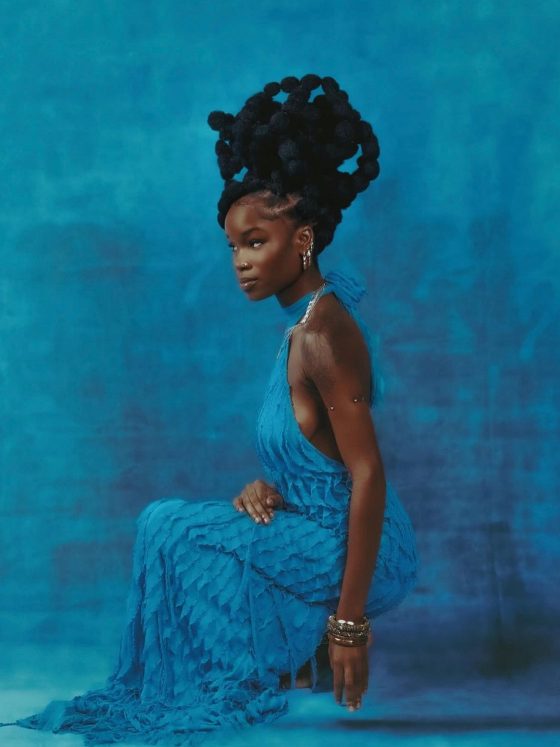
The lesson is structural: ceremony teaches proportion. By adding height to the body, the headwrap alters posture and presence. It demands composure. It recalibrates how space is occupied.
Today’s fascination with sculptural millinery and exaggerated hair volume echoes this ceremonial understanding that verticality communicates authority.
Funeral Black and the Discipline of Mourning
In many West African cultures, funerals prescribe specific colour codes, often black, red, or deep indigo, depending on age and circumstance of death. The discipline of mourning is visual. Attire reflects collective grief and respect for lineage.
Black clothing in global fashion is frequently framed as timeless chic. Its endurance owes something to ceremonial solemnity. Black absorbs attention. It removes distraction. It signals seriousness.
When professionals choose black for job interviews or formal negotiations, they may believe they are selecting a neutral tone. In reality, they are drawing on an inherited language where dark colour commands respect and focus.
The ceremony teaches that clothing can modulate the emotional atmosphere. It structures how communities process transition.
READ MORE:
- The Invisible Thread: How African Oral Tradition Shapes Fashion and Heritage Textiles
- When Dressing Becomes Declaration: Clothing as Cultural Identity
Why Ceremony Endures in Everyday Style
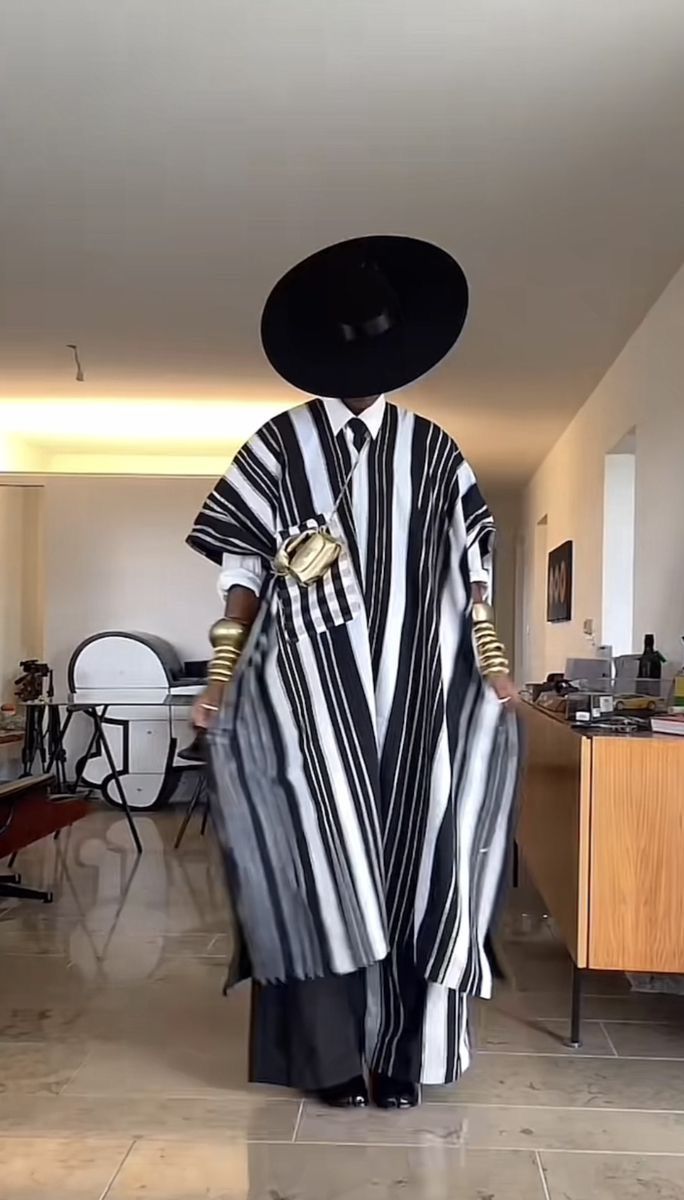
Ceremonial dress establishes three enduring principles that shape modern fashion:
First, clothing encodes meaning. Fabric, colour, and silhouette communicate affiliation, status, and intention. Even in secular contexts, people dress to signal readiness, ambition, or belonging.
Second, clothing regulates behaviour. Structured garments influence posture and movement. A tightly wrapped gele, a floor-length agbada, or a layered carnival costume requires discipline. The body adapts to the garment, and in doing so, adopts its rhythm.
Third, clothing binds the community. Matching textiles, coordinated palettes, and event-specific dress codes create temporary collectives. This logic now appears in corporate uniforms, graduation gowns, and sports fandom attire. Ceremony is the blueprint.
The everyday wardrobe is therefore not random. It is a diluted ritual.
The Contemporary Implication
Global fashion often treats ceremonial references as aesthetic inspiration without acknowledging their philosophical foundation. Beading appears on couture gowns detached from initiation rites. Structured headpieces circulate without mention of their role in status performance. White minimalist collections are framed as modern purity rather than ancestral continuity.
If Omiren’s mandate is cultural authority, then our coverage must restore context. Ceremony is not decorative heritage. It is instructional history.
To reclaim that narrative is to remind readers that dressing well is not only about taste. It is about alignment, memory, and intention.
Conclusion
Before there were trend reports, there were rites. Before there was personal branding, there was communal symbolism. The ceremony taught us how to use fabric to mark transformation, declare belonging, and occupy space with dignity.
Our everyday choices, whether selecting black for gravity, white for renewal, or coordinated attire for celebration, echo sacred origins. We may no longer gather at shrines or ancestral compounds for every life transition, but we still dress as if the moment matters.
Because somewhere in our collective memory, it does.
FAQs
- How does African ceremonial dress influence modern fashion?
African ceremonial dress established colour symbolism, fabric hierarchy, and structured silhouettes that continue to shape contemporary styling choices globally.
- What is the cultural significance of wearing white in Afro-Caribbean traditions?
In traditions such as Candomblé and Santería, white signifies spiritual purification and alignment, influencing modern associations between white clothing and renewal.
- Why are headwraps important in African and Caribbean ceremonies?
Headwraps function historically as status markers, protective garments, and symbolic crowns, shaping modern interpretations of authority and elegance.
- How did funeral attire influence everyday fashion norms?
Ceremonial mourning colours, especially black, established visual codes for seriousness and respect that persist in professional and formal dress.
- What does Aso-Ebi teach about collective dressing culture?
Aso-Ebi demonstrates how shared fabric can create unity while allowing individual expression, influencing modern coordinated event dressing.