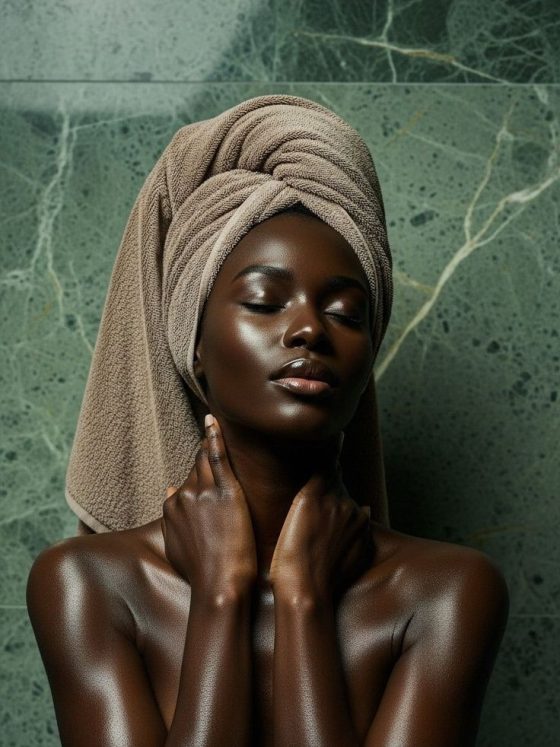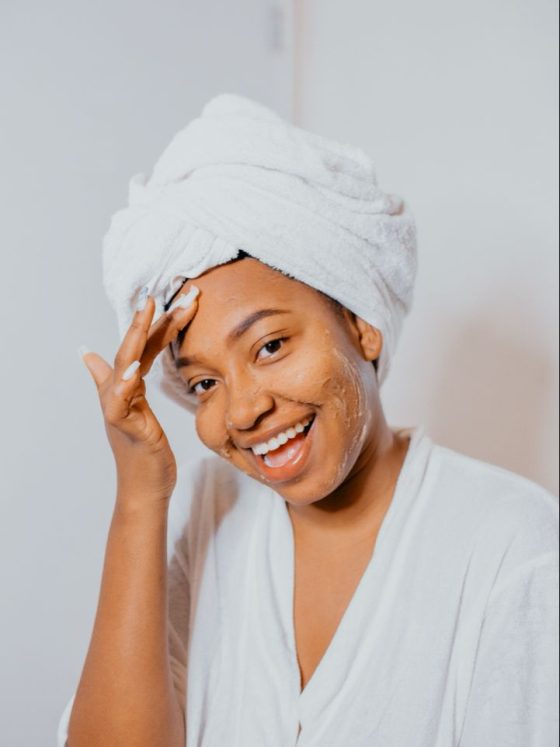
What would happen if you stopped using everything on your face tomorrow?
No cleanser. No serum. No foundation. No edge control. No perfume announcing your presence before you speak.
The beauty fast is being framed online as a minimalist reset. A quiet rebellion against ten-step routines and crowded bathroom shelves. But trends never exist in isolation. They emerge from pressure. From fatigue. From economics. From politics. From identity.
To understand beauty fast, we have to ask better questions. Why now? Who benefits? Who feels free. Who feels exposed.
Because when someone says they are done with products, they are rarely just talking about products.
Inside the Beauty Fast: What happens when you stop using everything, and why it matters for identity, culture, power and modern African womanhood.
What Actually Happens to the Skin
From a dermatological perspective, stopping all products forces the skin to return to its baseline state. The skin is a self-regulating organ. It produces oil. It sheds cells. It protects itself.
In the short term, different skin types respond differently:
- Oily skin may appear shinier as sebum regulation stabilises
- Dry skin may feel tight without moisturising support
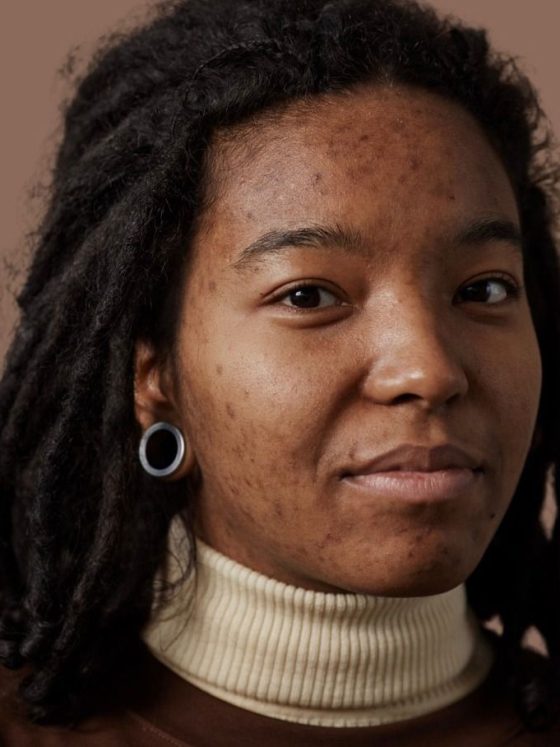
- Acne-prone skin may experience breakouts without cleansing
- Hyperpigmentation may worsen without sunscreen protection
There is limited clinical evidence that a total beauty fast “repairs” skin. In fact, abruptly stopping sunscreen in high UV environments like Lagos, Accra, Nairobi or Johannesburg increases the long-term risk of damage. The science is clear on protection.
So biologically, a beauty fast is not magic. It is an adjustment.
But culturally, it is something else entirely.
Why the Beauty Fast Exists
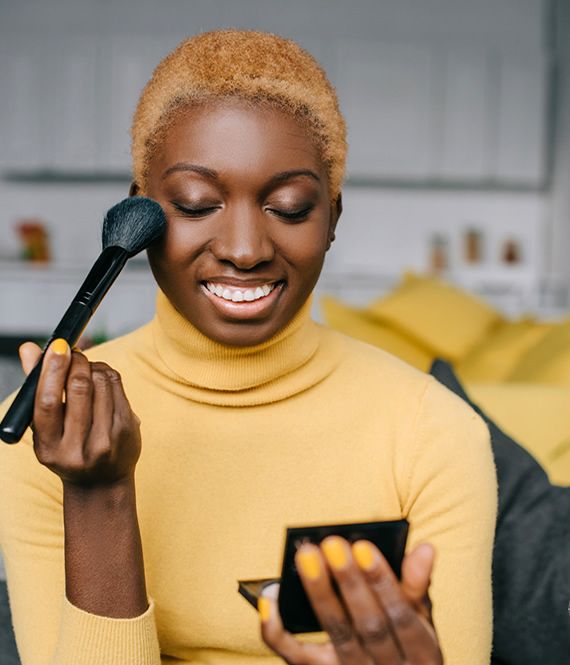
The modern beauty economy thrives on dissatisfaction. New acids. New activities. New launches every quarter. The message is subtle but relentless: you are one product away from acceptable.
In many African cities, this pressure is layered. Imported standards still influence shade ranges, skin tone hierarchies and texture politics. The legacy of colonial beauty hierarchies still lingers in marketing language and aspirational imagery.
The beauty fast emerges as fatigue. Economic fatigue in an era of rising living costs. Psychological fatigue from a comparison culture. Political fatigue from aesthetics tied to worth.
When a woman says she is stepping back, she may be reclaiming time. Or money. Or mental clarity.
The fast becomes less about absence and more about agency.
African Beauty Was Never About Excess
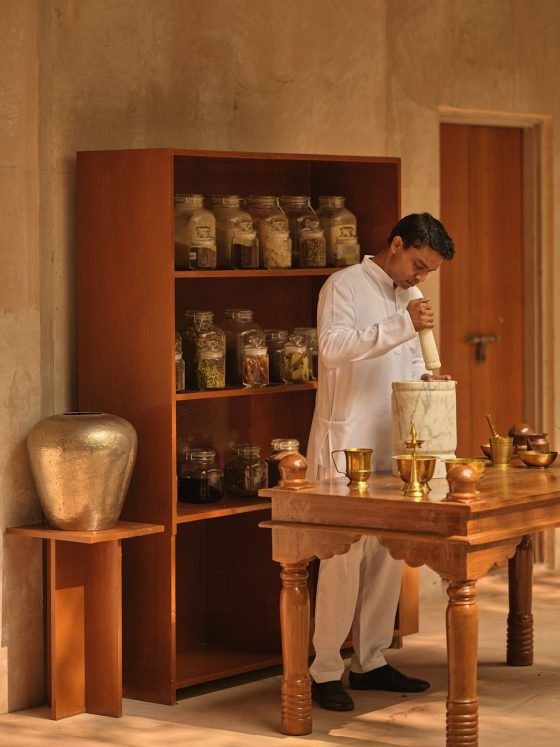
Long before minimalist trends circulated globally, many African communities practiced intentional beauty. Shea butter in West Africa. Otjize among Himba women in Namibia. Black soap traditions passed through generations. These were not consumer cycles. They were ecological knowledge systems.
The difference matters.
Indigenous beauty practices were about protection, climate adaptation, community ritual and identity. They were technologies of survival and belonging. Not trend experiments.
Modern beauty fasting can echo this restraint, but it must not erase context. Using fewer products is not automatically enlightened. The wisdom lies in knowing why you use what you use.
Luxury, through an African lens, has historically meant durability, ritual and meaning. Not abundance. A single well-sourced oil can be luxury. A grandmother’s recipe can be luxury. Time spent braiding hair in a community can be a luxury.
This reframes the conversation.
Hair, Politics and the Right to Show Up
For Black women globally, stopping beauty practices is not always neutral.
Hair carries political weight. From natural hair movements in Nigeria and the United States to corporate policies that still police texture and style, beauty choices affect livelihood and perception. Choosing to stop straightening or relaxers is not only aesthetic. It is structural.
A beauty fast can feel liberating in spaces where appearance does not determine opportunity. But in many professional environments, grooming standards remain coded.
This is why the story must go beyond trend reporting. The question is not simply what happens to the skin. It is what happens in the room when you walk in differently.
Does your income shift? Does your confidence shift? Does your treatment shift?
Beauty is social currency. Pausing it can expose that reality.
READ ALSO:
Sustainability Without Buzzwords
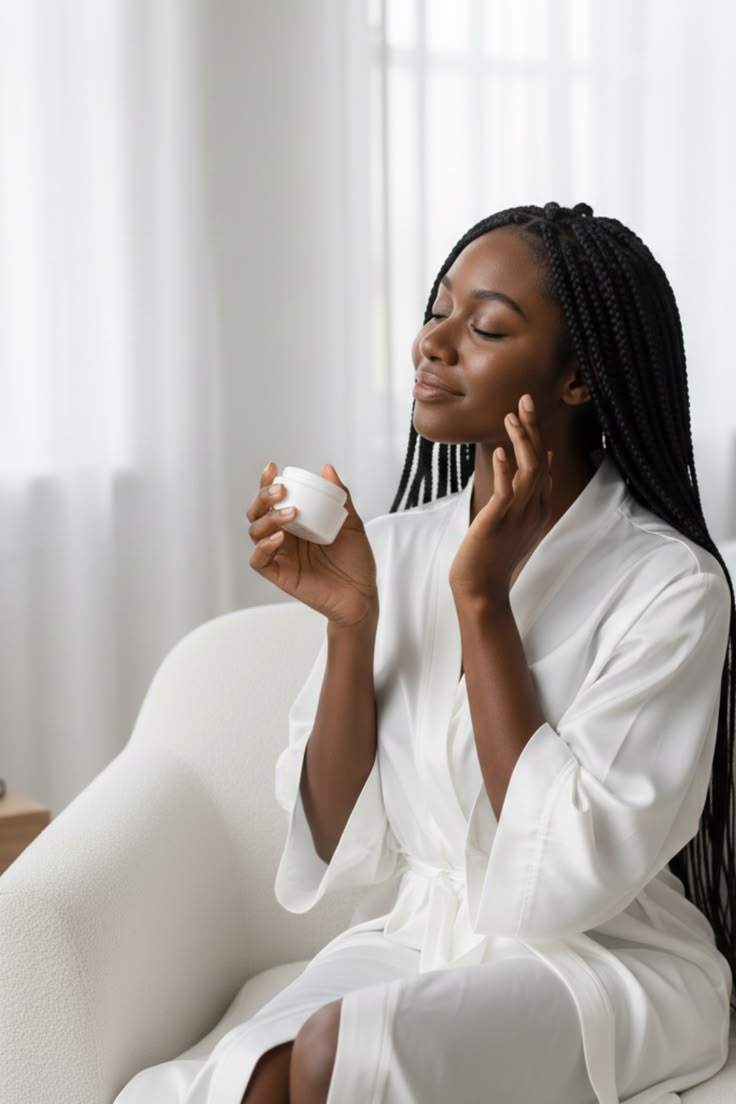
There is also an environmental layer. The global cosmetics industry produces significant packaging waste and chemical runoff. Reducing consumption can lessen impact.
But sustainability in African contexts has long been tied to land stewardship and resource cycles, not marketing vocabulary. Local ingredients, refill culture in open markets, and multi-use products passed between generations. These are systems, not slogans.
A beauty fast intersects with this ethic when it becomes conscious consumption rather than aesthetic minimalism.
Fewer products. Better sourcing. Local production. Economic circulation within communities.
That is structural change.
The Women’s Question
For women navigating ambition, work and identity, beauty routines can be both armour and burden.
Some experience the fast as freedom from performance. Others miss the ritual. There is power in choosing how you present yourself, whether maximalist or bare-faced.
Wholeness is not about rejecting beauty. It is about removing coercion from it.
If you continue using products, let it be intentional. If you pause, let it be informed.
The authority lies in choice.
Conclusion
The beauty fast is not a miracle reset. Your skin will adjust. Some concerns may worsen. Others may calm down. Science supports protection and gentle care, not total neglect.
But the deeper story is cultural.
The beauty fast exists because many people are tired of being told they are incomplete. It exists in economies where spending is scrutinised. It exists in societies where appearance still shapes opportunity.
Stopping everything is rarely about nothing. It is about control.
And control, especially for women navigating layered histories and expectations, is power.
FAQs
- Is a beauty fast good for all skin types?
No. Oily, dry and acne-prone skin respond differently. Sunscreen and gentle cleansing remain important for long-term skin health.
- Can stopping products improve acne?
If acne is caused by irritation from overuse of strong actives, simplifying may help. If acne is hormonal or bacterial, stopping treatment may worsen it.
- Is sunscreen necessary during a beauty fast?
Yes. In high UV regions, daily sunscreen protects against hyperpigmentation and long-term damage.
- Is beauty fasting linked to sustainability?
It can reduce consumption, but true sustainability involves sourcing, packaging and local economic impact, not just fewer steps.
- Does stopping beauty routines affect confidence?
For some, it increases self-trust. For others, grooming rituals provide confidence. The impact depends on personal and social context.