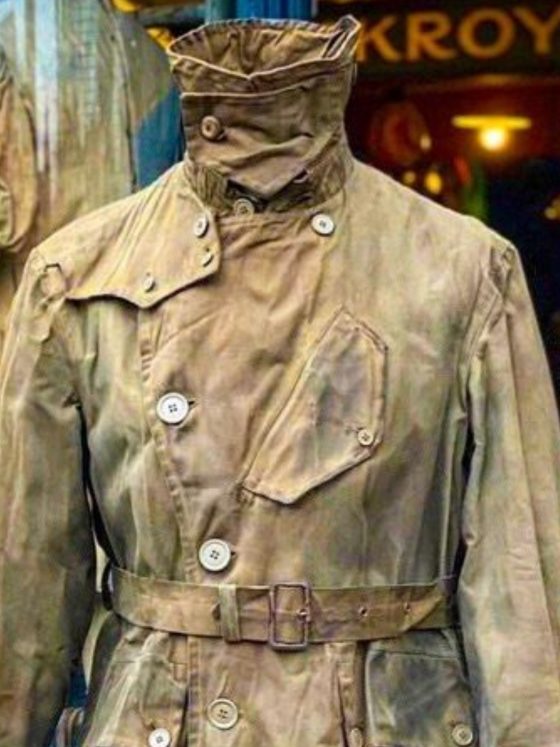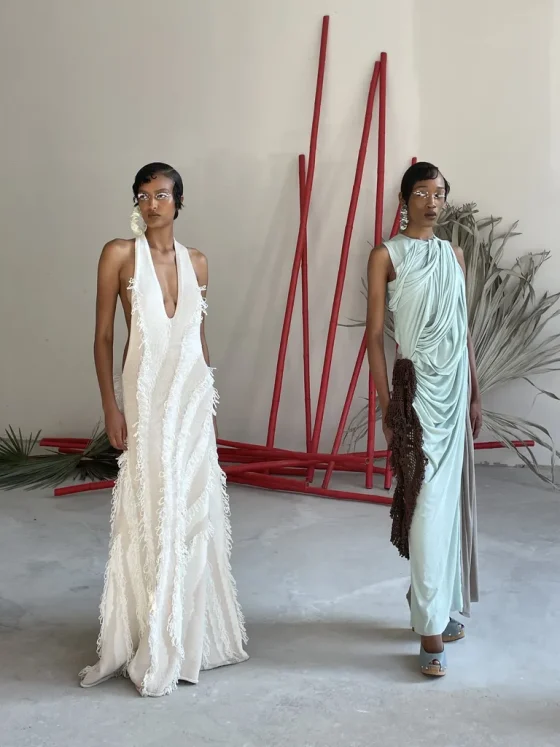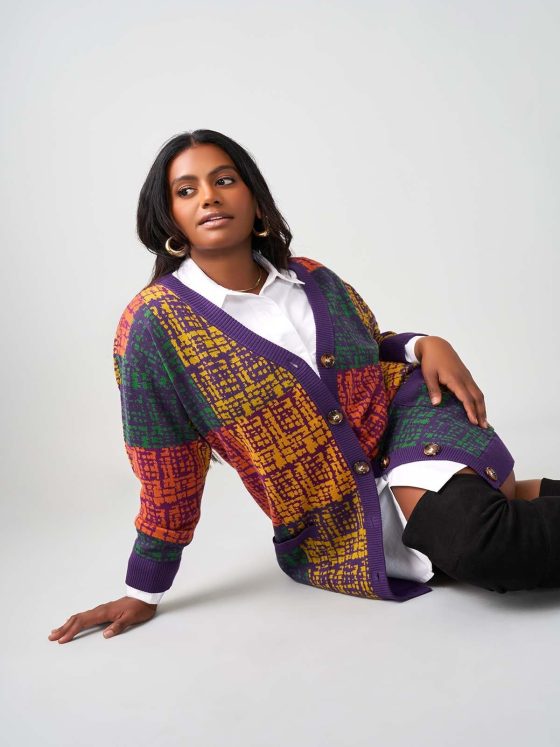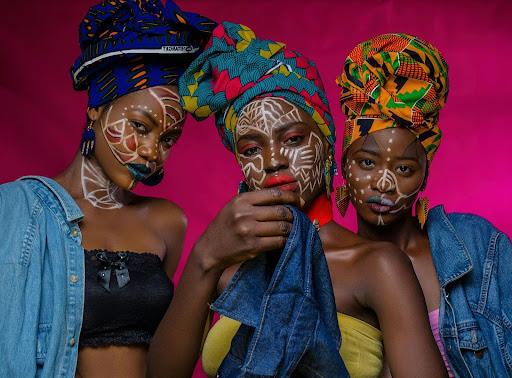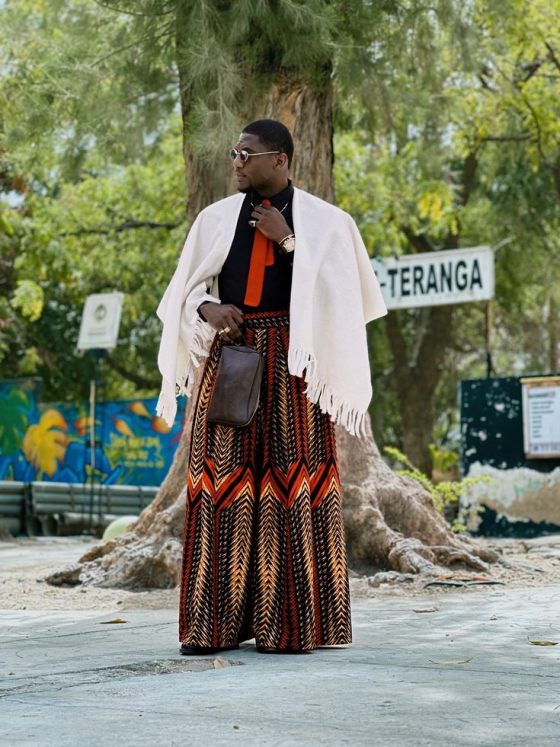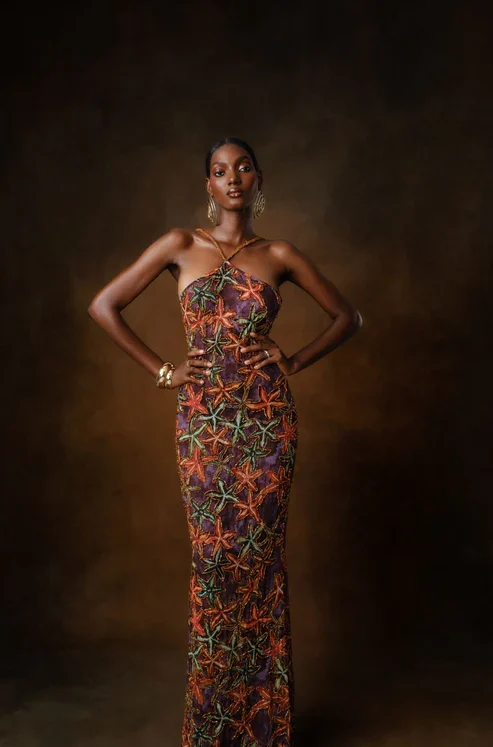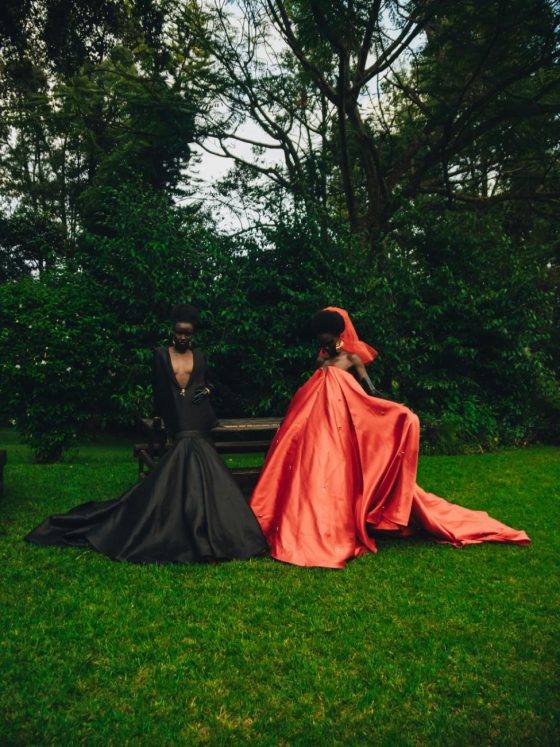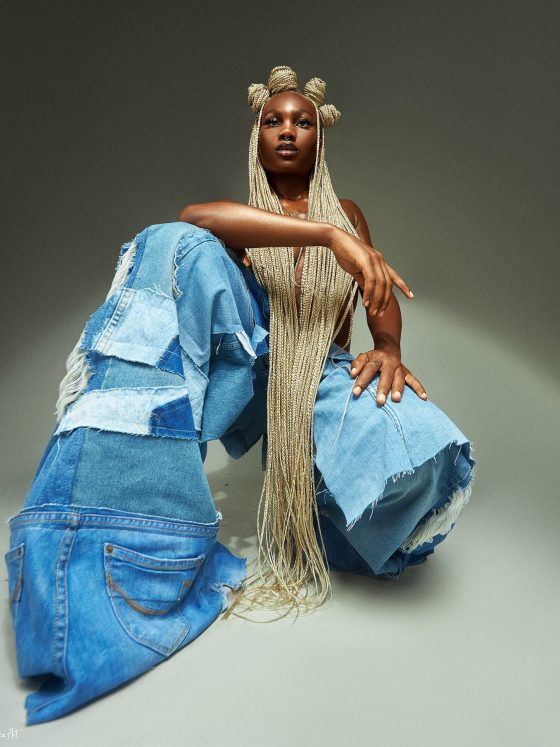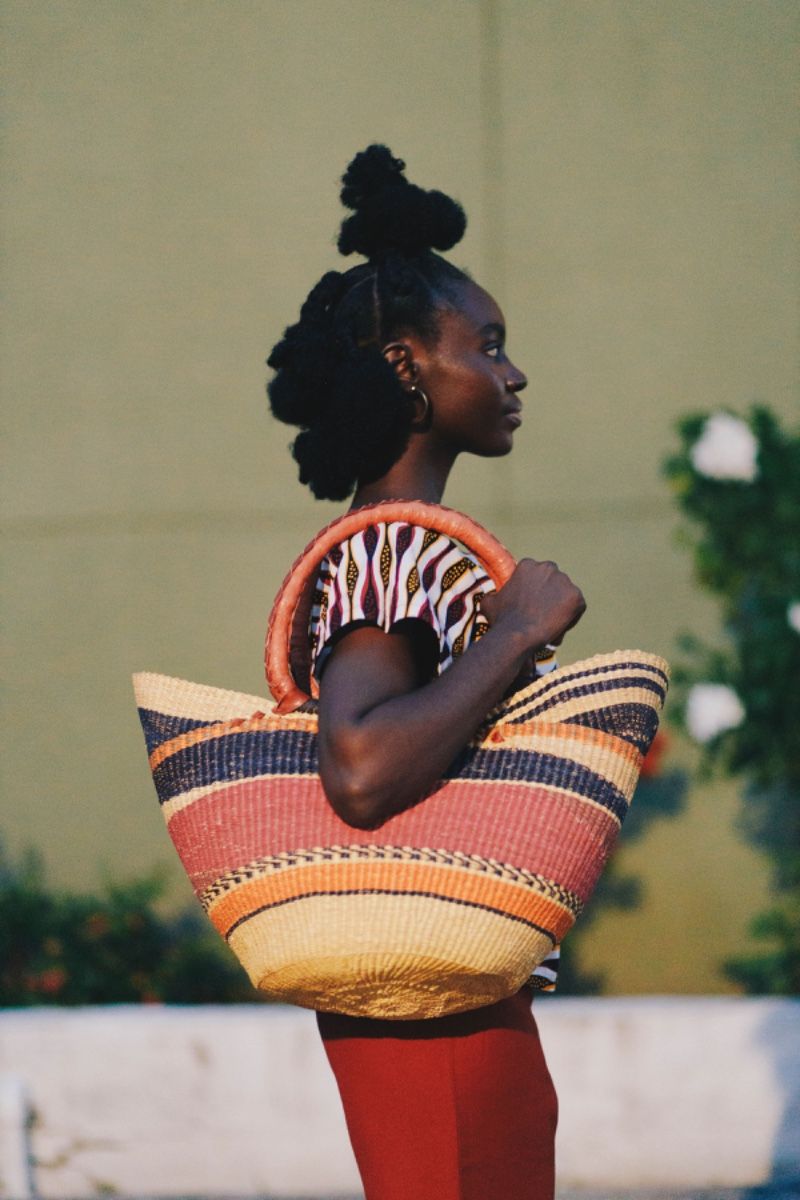
Having style meant always showing off something new. The digital world made me feel like I had to keep up and add more just to stay relevant. But my perspective has changed. I’ve noticed that the most stylish people I know are the ones who say “no” the most. They don’t chase every trend online. Instead, they move with quiet purpose. From my experience, I’ve learnt that style isn’t about how much you collect. It’s about how much of yourself you find in the few, perfect pieces you choose to keep.
As I go through 2026, I stop searching for the “next big thing” and start looking for the “right thing.” This change has made a big difference for me. Now, every item I own has to earn its place in my home. I ask myself whether something has a real story or was made with real skill. When the answer is yes, that item becomes more than just a product. It becomes a statement of my values.
I’ve realised that being intentional is a kind of sustainability that starts in your mind, long before you fill your closet. For me, this means choosing African creators who make things last. Whether it’s a hand-dyed fabric or a jacket made by a local expert, these choices help me feel more in control. For me, intentional style embodies the confidence to express yourself authentically, devoid of unnecessary embellishments.
Master the art of intentionality with a focus on African excellence. We are moving away from the noise to explore how “slow” style is the ultimate authoritative move. From the upcycled mastery of NKWO to the hand-dyed heritage of Studio 189, learn why choosing pieces with a purpose is the most sustainable and inclusive way to dress in 2026.
The Soul of the Reimagined
Lately, I’ve noticed that as I become more intentional, I care less about brand names and more about who made each piece. I haven’t visited the busy streets of Lagos or the workshops of Dakar recently, but I see the work coming from there, and it stands out. There’s a sense of purpose in it. I’ve come to see that intentional style means finding those rare pieces that seem made to carry a story.
I’ve been following a brand called NKWO from afar. They’re based in Nigeria, and I admire what they’re doing. Rather than making new fabric, they upcycle, turning what already exists into something new and beautiful. For me, such recycling is true sustainability. It’s a conscious choice to respect the earth while creating stylish pieces. When I look at their work, I don’t just see clothing. I see skill and proof that you can look confident without harming the planet.
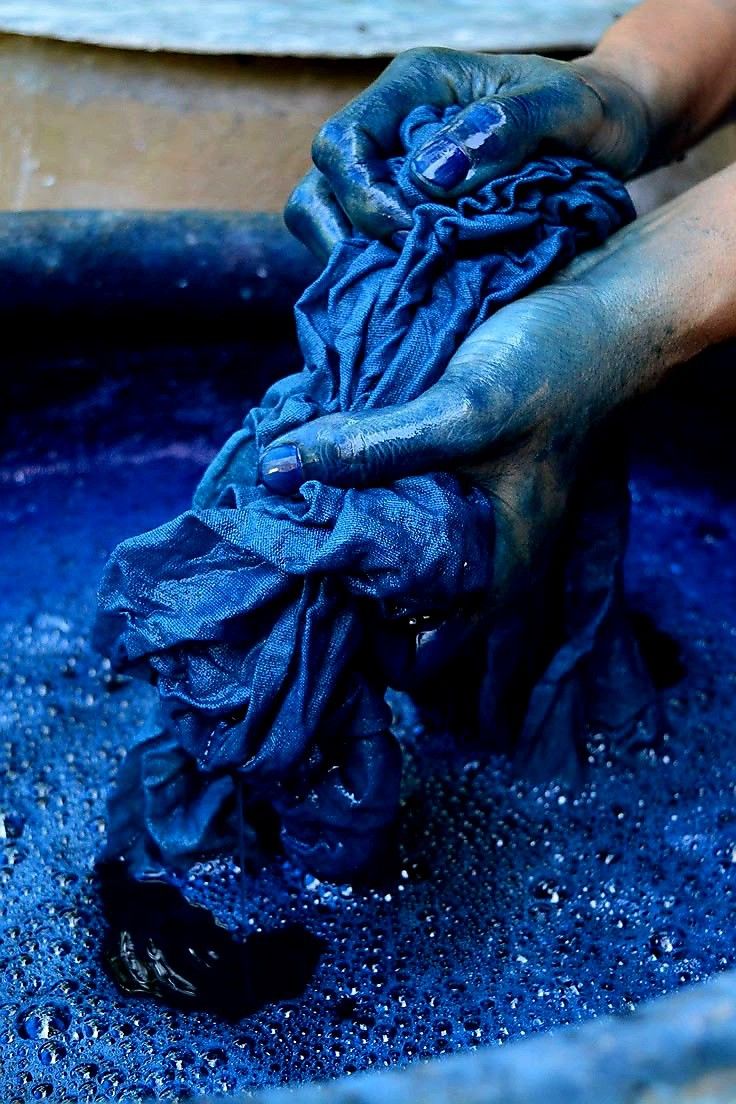
Another brand I admire is Studio 189, co-founded by Abrima Erwiah. They work closely with artisans in Ghana and believe in taking their time. I appreciate that they don’t rush. Their use of plant-based dyes and hand-batiking is a clear stand against fast fashion. It reminds me that genuine inclusivity means recognising and respecting the people who make our clothes. When I pick a piece that’s been hand-dyed over weeks, I’m choosing to value time over speed.
I have learnt that being intentional means I no longer have a closet full of clothes I don’t wear. Now, I have a small collection of pieces I genuinely respect. This is what cultural legitimacy really means. It’s about believing that our African ways of making aren’t just traditions; they’re the future of fashion for everyone.
The Weight of the Chosen Object
As I’ve simplified my life, I’ve started to notice the things I choose to carry. I used to buy bags or jewellery just because they were on sale or trending. Now, I look for items that feel alive with meaning. I’ve learnt that thoughtful accessories aren’t just extra details. It shows what I value. It proves I care more about skill and craft than mass production.
I’ve been following AAKS for a while, and I’m always impressed by how carefully their designs are made. Akosua Afriyie-Kumi started the brand in Ghana, and their raffia bags are all handcrafted, not something made quickly in a factory. You can see the time and effort in every strand. For me, this is what true sustainability looks like. It’s a choice to keep a traditional craft alive. When I look at one of these bags, I don’t just see a summer accessory. I see a piece of culture woven into a modern design.
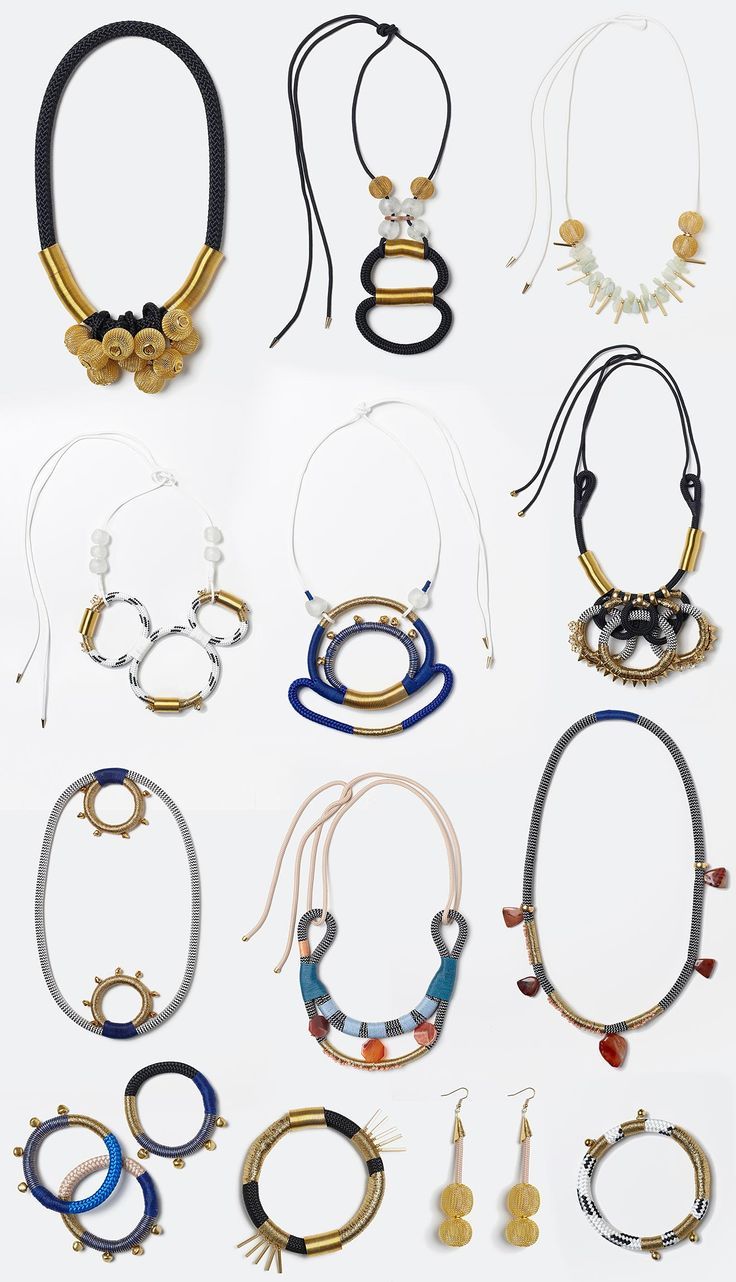
I’m also inspired by how Pichulik, a South African brand, makes jewellery. They use repurposed materials and braided ropes to create pieces that feel special, almost like talismans. I haven’t met their team in Cape Town, but their work shows a fundamental understanding of African history. They show that you don’t need precious stones to make something powerful. All you need is respect for your materials and a strong sense of identity.
Choosing these pieces has taught me that my style isn’t just something I wear to impress others. It’s a thoughtful reflection of my own path. Being intentional with my accessories has changed how I carry myself. I feel more graceful because I know each item was chosen with care and respect for the people who made it.
ALSO READ:
The Pulse of the Ground We Walk On
Not long ago, I realised my favourite things aren’t the ones I spent months planning to buy, but the ones that just felt right the moment I saw them. There’s a special connection when you find something that doesn’t try to be luxury; it simply is. Now, I think a thoughtful accessory isn’t about showing off status. It’s more about carrying a piece of your own story with you.
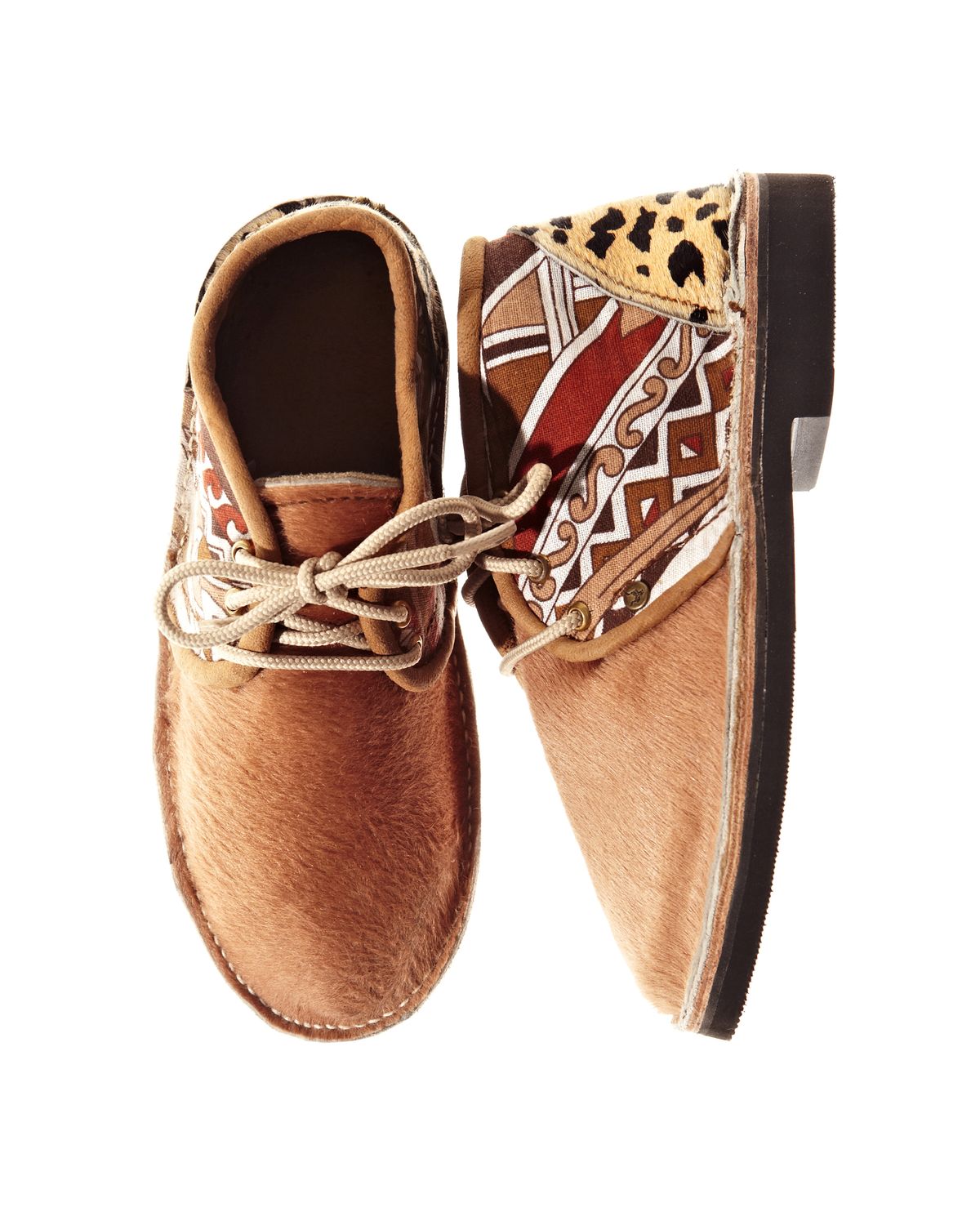
Brother Vellies is an excellent example. They set the standard for quality. Their work is open and honest, and you can tell every shoe and bag is made with care across the continent. They use traditional vegetable-tanned leathers and hand-carved woods to create boots and sandals that look like art. To me, that’s true sustainability: choosing something that feels human and unique. It’s the skill of a master artisan combined with a modern, stylish look. Seeing their work always inspires me to move with more purpose.
Maxhosa Africa also stands out to me. When I saw their latest knitwear, I thought, “This is the level we should all aim for.” Based in South Africa, Laduma Ngxokolo creates pieces that feel confident and deeply connected to our roots. They aren’t just making sweaters; they’re giving Xhosa beadwork patterns the recognition they deserve, making them feel both natural and global. That’s the kind of inclusivity I love: designs that show our traditional patterns belong in the world’s top fashion spaces. Their website is up, their collections are new, and it’s clear they’re leading the way in 2026.
Conclusion
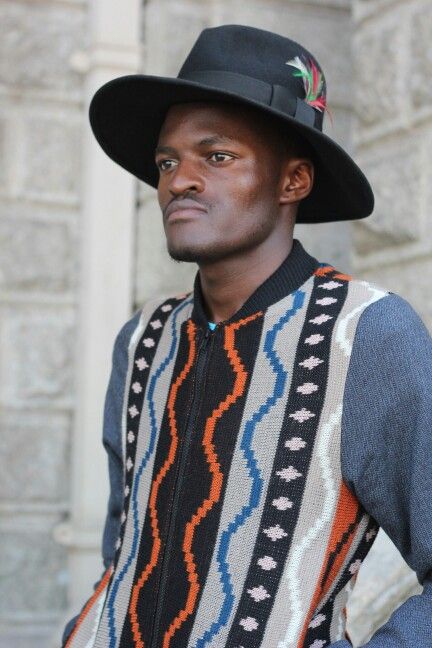
I’ve come to see that intentional style isn’t something you arrive at at once. It’s something you develop over time. It starts when you stop comparing yourself to others and focus on what truly makes you feel confident. Supporting brands like Orange Culture or Maxhosa Africa in 2026 is more than a fashion statement. It’s a way to support sustainability and inclusivity in a world that often overlooks the people who make our clothes.
I’ve learnt that living with “less but better” isn’t about limiting yourself. It’s really about having more freedom. It means walking into a room and knowing your clothes are more than just fabric; they tell stories of skill and African excellence. When we make choices with intention, we become curators of our culture instead of just consumers.
This journey has shown me that the most powerful thing you can wear is your truth. It’s about having the courage to say that what we create here is not just enough; it’s more than enough. It sets the standard.
Style is the ultimate form of self-respect. To join us in choosing a more intentional and sustainable future, step into the world of Omiren Styles.
Frequently Asked Questions (FAQs):
- How do I start building an intentional wardrobe without spending a lot?
A: Being intentional means making thoughtful choices, not replacing everything at once. Begin by looking through your closet to find what you truly wear and love. Rather than buying several fast-fashion pieces, try saving up for one quality item from a brand like Orange Culture. Select adaptable basics that you can combine to create a functional wardrobe.
- How can I tell if an African brand is truly sustainable?
A: Look for brands that are open about their process. The most genuine brands share information about who makes their products, where their materials come from, and how they handle waste. See whether they use natural fibres, such as organic cotton or mohair, or upcycling methods, such as NKWO. If a brand can tell you precisely who made its fabric, it is likely authentic.
- Is intentional style only for people who prefer a minimalist look?
A: Not at all. In 2026, “refined maximalism” is a big trend. Being intentional is about choosing items based on their purpose and longevity, not just their colours. You can have a bold, patterned wardrobe from Maxhosa Africa and still be intentional, since these pieces are made to last and have strong cultural meaning.
- Why is supporting African “slow fashion” better for the environment?
A: Many African-led brands work on a small scale or make items to order, which helps cut down on overproduction and waste. By using plant-based dyes and traditional hand-weaving, brands like Studio 189 avoid polluting water with chemicals and help protect the environment while honouring cultural traditions.
- How does intentional style support inclusivity?
A: Many intentional brands put people first in their designs. They often offer a wider range of sizes and gender-neutral styles that fit different body types. When you choose these brands, you help create a fashion world that respects both the wearer and the maker, making style welcoming for everyone.