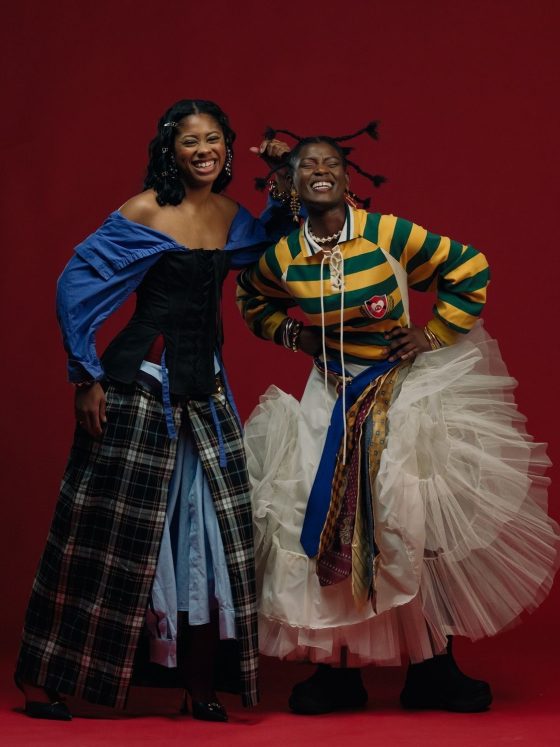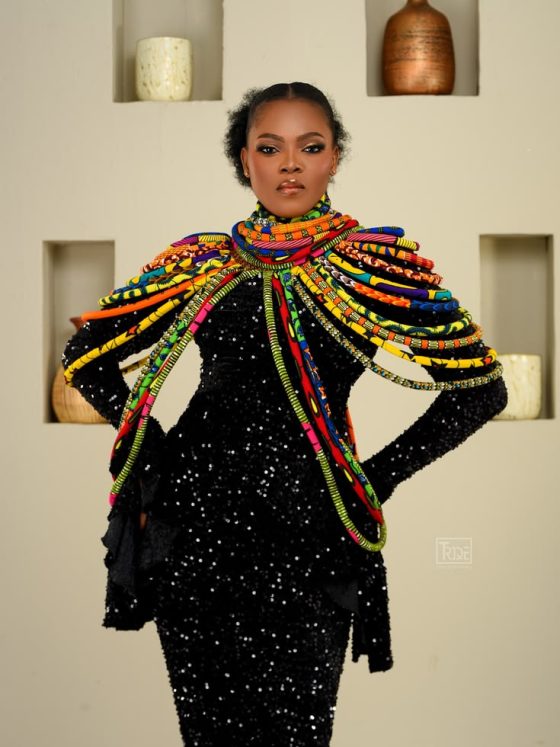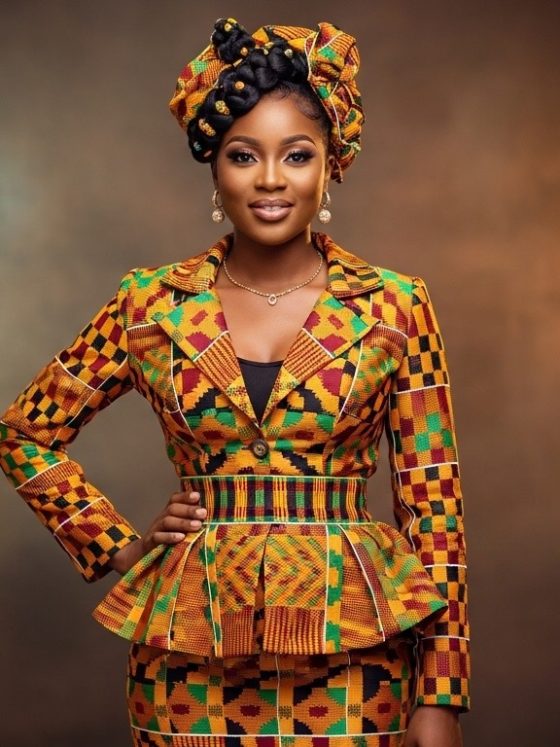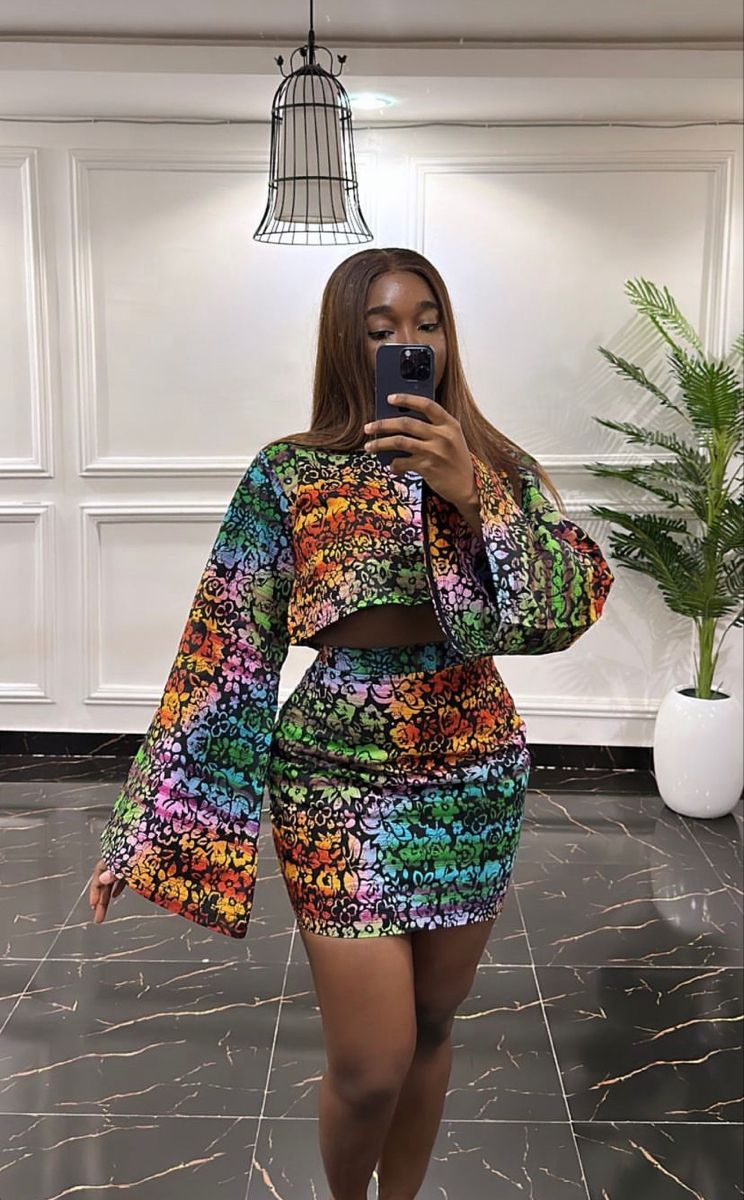
The Nupe are not a people who arrived at craft late. Bida, their cultural heartland in Niger State, was designated a UNESCO Creative City of Crafts and Folk Art in 2021, in recognition of a civilisation that has produced brasswork, glass beads, embroidered textiles, and dyed cloth at the highest level of skill for over a millennium. Approximately 4.5 million Nupe people live across Niger, Kwara, Kogi, and Abuja, making them the dominant ethnic group in Nigeria’s North Central region. Ankara styles for Nupe women, then, are not worn by a community that does not know what fabric means. They are worn by a community that has been making, dyeing, weaving, and wearing cloth with intentionality since long before Ankara existed.
This is the context in which these five styles should be read. Ankara did not arrive in Nupe life as a revelation. It arrived as another material in the hands of a people who already understood what cloth could do and who adopted it the way they have absorbed every external influence across their history: selectively, skilfully, and entirely on their own terms.
From the Aso Ebi wrapper set to the embroidered Ankara kaftan, discover the top 5 Ankara styles for Nupe women in 2026: history, the Ede Kpasa textile tradition, Bida craftwork culture, and a full ceremony guide.
The Craft Capital and Its Textile Inheritance
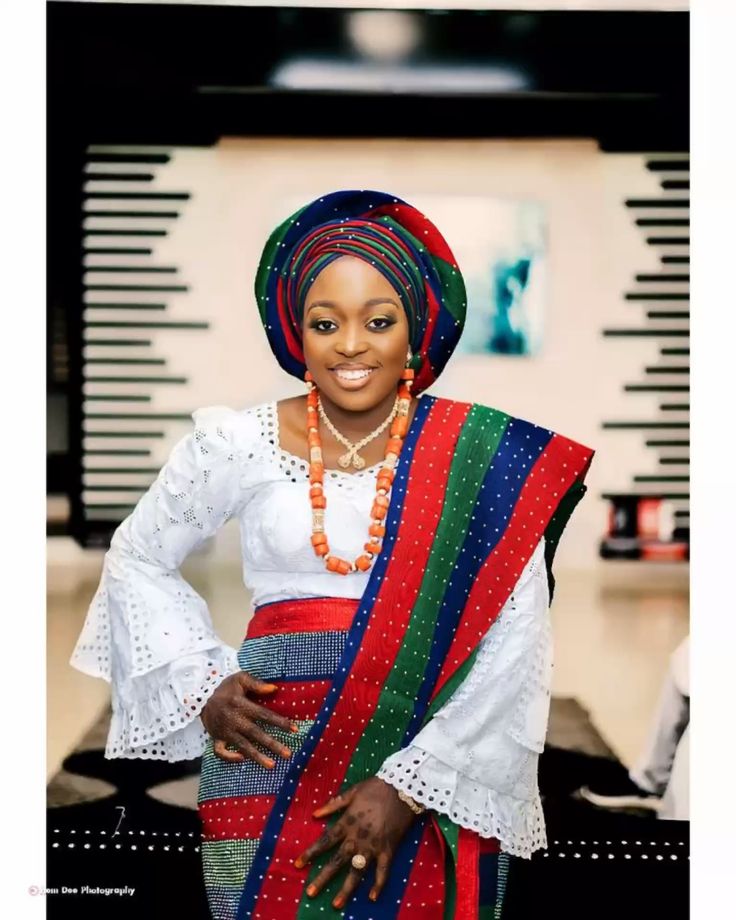
Bida sits at the confluence of the Niger and Kaduna rivers in Niger State and has been a centre of craft production since at least the 15th century, when Tsoede, the legendary founder of the Nupe Kingdom, united the surrounding clans under a single throne. The city’s guild-organised craft tradition encompasses brass casting using the lost-wax method, glass bead-making by the hereditary Masaga artisans, leatherwork, woodcarving, and, crucially, textile weaving and fabric dyeing. As Adire African Textiles documents, Nupe women in Bida were weaving marriage cloths known as duna and elaborate red wrapper cloths from within the passageways of their compounds long before imported fabric entered the picture. That weaving tradition has declined since the mid-20th century, but it has not disappeared, and its legacy continues to shape how Nupe women engage with cloth today.
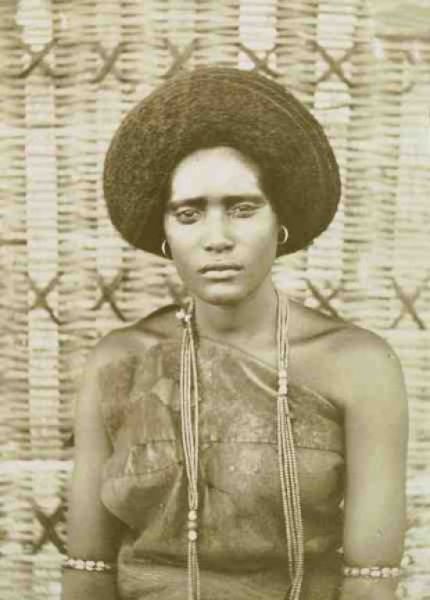
The indigenous Nupe textile most central to women’s ceremonial dress is the Ede Kpasa, a wrapper cloth worn in triple layers at traditional weddings. The outer layer is the Giwa, the second forms the primary wrapper, and the third, placed on the shoulder, is the Kabido. The Ede Kpasa carries the three colours of the Nupe flag: red for warrior heritage, green for agriculture, and blue for the River Niger. It is the cloth of marriage, of mothers’ gifts to daughters, and of community identity made visible. According to Britannica, the Nupe are noted throughout Nigeria for their fine cloth, glass beads, leatherwork, and brass trays. Cloth is not peripheral to Nupe identity. It is one of its primary expressions.
Within this inheritance, Ankara occupies a considered position. It did not displace the Ede Kpasa or Bida’s traditional dyed cotton cloths. It arrived alongside them, adopted for its versatility and the creative freedom its printed patterns offer for everyday and semi-formal settings. In 2021, UNESCO formally recognised Bida as a Creative City, acknowledging a craft culture that continues to produce at the highest level across brasswork, glassmaking, embroidery, textile weaving, woodcarving, pottery, and mat weaving simultaneously. The women who wear Ankara in Nupe communities are the daughters and granddaughters of that tradition. The fabric may be printed in a factory. What they do with it is not.
Ankara did not arrive in Nupe life as a revelation. It arrived as another material in the hands of a people who already knew what cloth could do.
1. Ankara Wrapper and Blouse

The wrapper and blouse are foundational to the Ankara style in Nigerian women’s dress. Among Nupe women, it carries particular resonance because the triple-wrapper tradition of the Ede Kpasa had already established the logic of layered cloth as a social statement long before Ankara arrived. At weddings, naming ceremonies, and community gatherings across Niger State, the Aso Ebi wrapper and blouse in coordinated Ankara is how Nupe women collectively mark their belonging to a celebration. One fabric, shared between the invited community, tailored by each woman into a silhouette that expresses her own taste while visually declaring her relationship to the occasion.
The blouse is typically fitted with a modest neckline appropriate to the predominantly Muslim community, and often finished with embroidery at the collar or sleeves that echoes the riga embroidery tradition for which Bida is renowned. The wrapper is tied at the waist in the style common among North Central Nigerian women, falling to mid-calf or ankle length. The embroidery at the collar is the detail that does the most work in Nupe Aso Ebi styling. It is a direct line from Bida’s craft guild inheritance to the contemporary fashion piece. For more on how fabric communicates identity across Nigerian cultures, read Clothing as Declaration.
2. The Embroidered Ankara Kaftan
The kaftan is the dominant silhouette of formal dress across Nigeria’s North Central and Northern regions. Among Nupe women, it is the style that most directly honours the Bida embroidery tradition. A floor-length Ankara kaftan with hand embroidery at the neckline, chest, and cuffs is the Nupe woman’s formal garment for mosque gatherings, Sallah celebrations, and significant family events. The embroidery tradition in Bida, known as riga, is among the most respected in Nigeria. Nomad4Now’s comprehensive guide to Bida crafts documents embroidered caps and gowns as one of the city’s defining craft categories, alongside brasswork and glassmaking. When a Nupe woman commissions an embroidered Ankara kaftan from a Bida tailor, she is placing her fabric within a craft lineage that predates her grandmother’s grandmother.
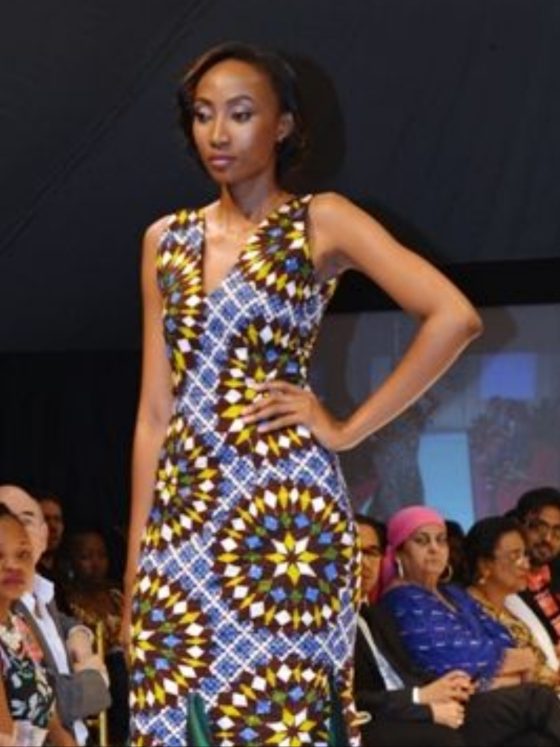
The Ankara kaftan works in the Nupe context because the fabric’s bold wax-print patterns carry the visual energy that Nupe craft aesthetics have always valued: geometric, saturated, and bold without apology. The embroidery does not compete with the Ankara print. It frames it. The neckline embroidery in gold or silver thread against a deep blue or forest green Ankara ground is one of the most striking combinations in North Central Nigerian women’s fashion, distinctly Nupe in its layering of craft traditions. In 2026, Nupe women in Bida, Minna, Abuja, and across the diaspora are commissioning Ankara kaftans with increasingly elaborate embroidery, the craft detail reclaiming space in a garment that has sometimes been worn without it.
3. The Ankara Skirt Suit
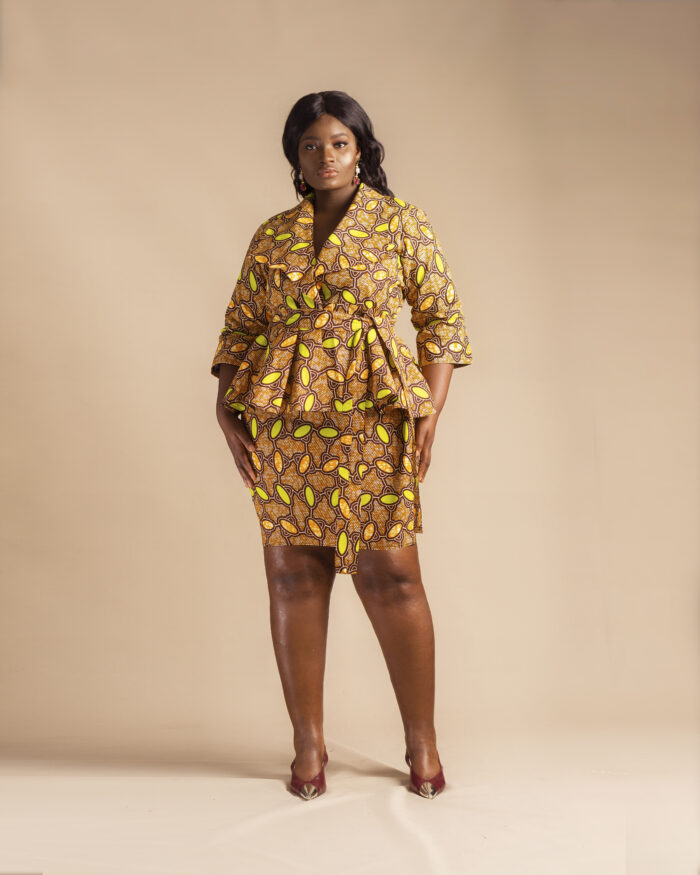
The tailored Ankara skirt suit, a structured, fitted jacket and matching A-line or pencil skirt cut from the same wax-print cloth, is the style that carries Nupe women’s fashion into professional and formal public settings with the full authority of cultural identity intact. It is the garment worn to government offices, university graduations, professional events, and any occasion where a Nupe woman needs her cultural presence to be legible without being ceremonial. The suit silhouette communicates professional competence. The Ankara fabric communicates cultural pride. Together, they constitute a declaration that the two are not in conflict.
Among Nupe women in Abuja, Lagos, and the wider diaspora, the Ankara skirt suit has become the signature style for Heritage Day dressing, professional networking events, and cultural celebrations held in formal institutional settings. The tailoring is typically commissioned from specialist Ankara tailors in Bida, Minna, or Abuja’s Wuse and Garki markets. As we explored in Culture as Currency, the most powerful fashion statement available to an African woman in a formal setting is not the one that conforms to the setting’s existing aesthetic. It is the one that brings her full cultural identity into the room and requires the room to meet it.
4. The Ankara Boubou
The flowing boubou silhouette, common across Nigeria’s Northern and North Central regions through Hausa and Fulani influence, has been absorbed into Nupe women’s dress as the Ankara boubou: a wide, floor-length robe in Ankara wax print worn over a matching wrapper, with a coordinated headscarf tied or folded at the crown. It is generous, it commands space, and it communicates a woman who has invested in the occasion. The Ankara boubou is the style most associated with Sallah dressing among Nupe women, worn to Eid celebrations with the full headscarf arrangement and Nupe glass bead jewellery.
Those distinctive marbled bangles and necklaces produced by the Masaga artisans of Bida have been documented since the German ethnologist Leo Frobenius first recorded the technique in 1911, as the Smithsonian Institution’s collections confirm. The glass beads against the Ankara print create a combination that is specifically Nupe in its material references: the printed cloth from the global supply chain paired with handmade glass from a guild that has operated in the same quarter of Bida for two centuries. It is a meeting of the world and the home ground, worn on one body, for one occasion.
5. The Contemporary Ankara Co-ord
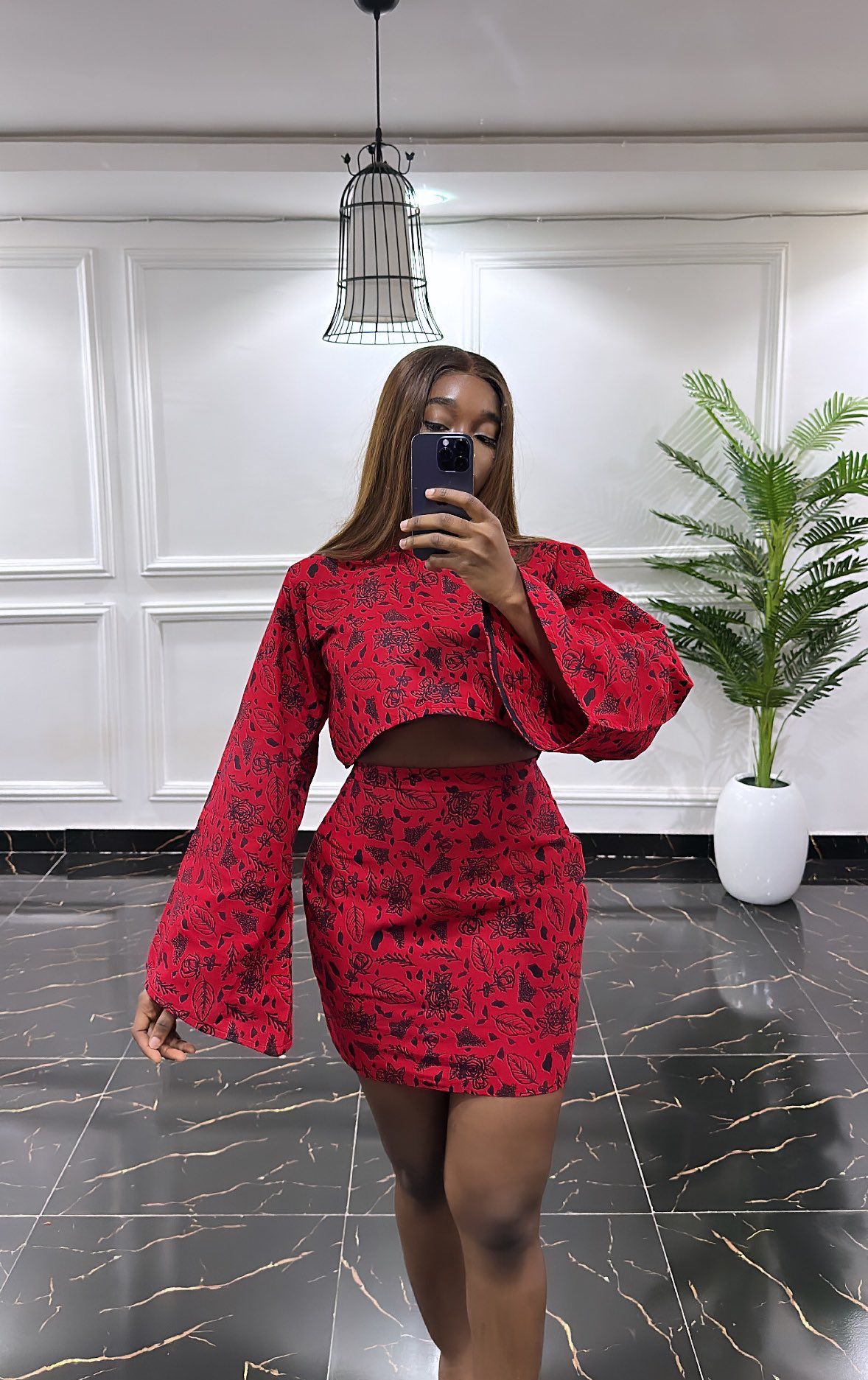
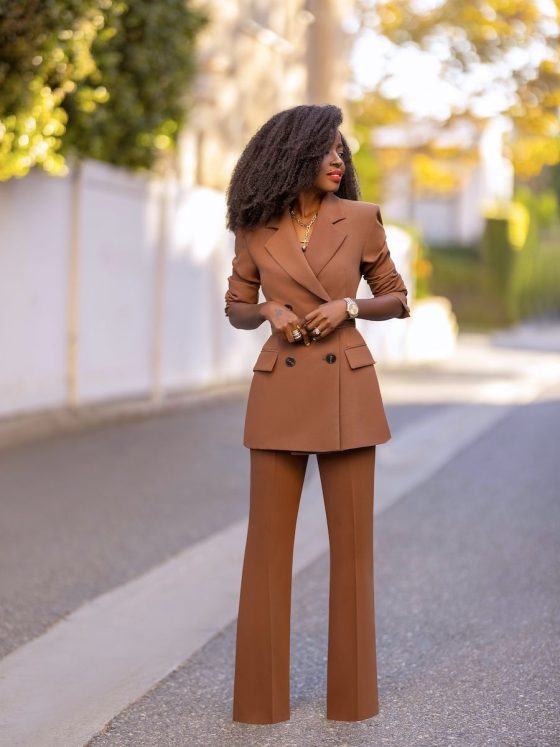
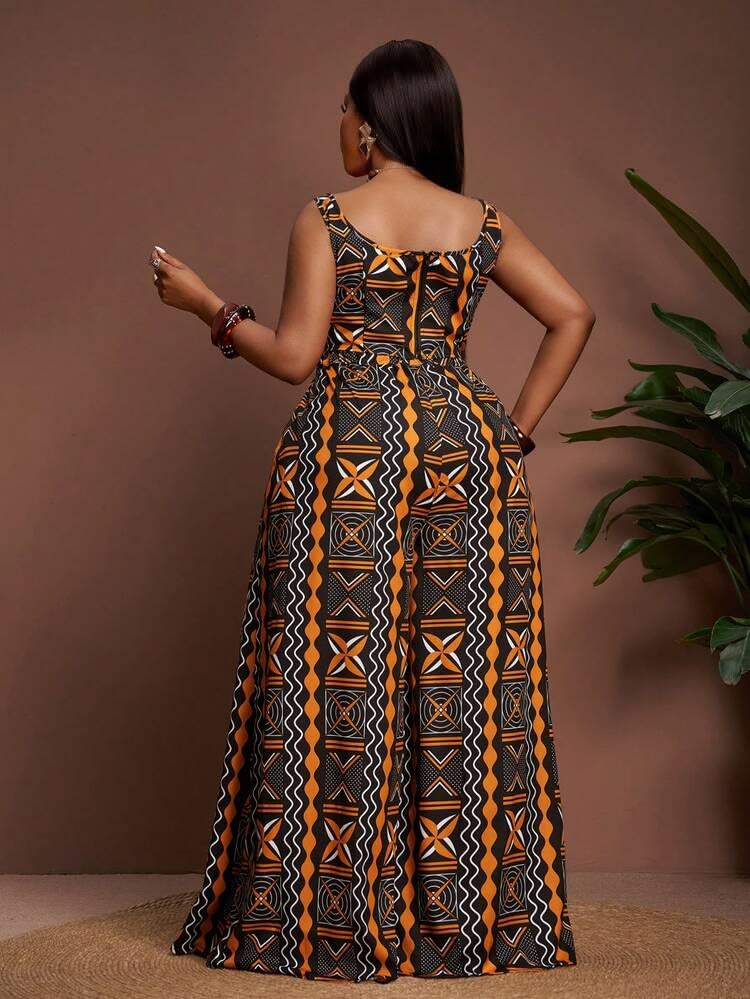
The two-piece Ankara co-ord, a tailored top and matching wide-leg trousers or midi skirt cut to contemporary proportions, is the style through which younger Nupe women are carrying the fabric into the settings their grandmothers did not occupy: fashion events, creative industry gatherings, and the new professional spaces of Abuja and Lagos, where cultural identity and contemporary ambition share the same room. Several Nigerian designers are producing Ankara co-ords with specific reference to North Central Nigerian aesthetics, the bold geometric prints of Nupe craft culture translated into fashion-forward silhouettes that read as contemporary without abandoning their cultural ground.
A cropped structured top and wide palazzo trousers in a deep red and green Ankara print, the colours of the Nupe flag embedded in the pattern choice, is a complete cultural statement in a contemporary silhouette. For Nupe women in the diaspora, the co-ord is the style that travels most easily, requiring no explanation in rooms where the kaftan or boubou might prompt questions the wearer does not always want to answer. The Ewe Kente co-ord explored in our article on Top 5 Ewe Kente Styles for Ewe Women in 2026 operates on the same principle: a contemporary silhouette does not dilute the fabric’s cultural authority. It extends the spaces in which that authority can be exercised.
When the Cloth Speaks: Ankara Across Nupe Ceremonies
Ankara moves through Nupe ceremonial life alongside the Ede Kpasa and traditional attire, occupying the everyday and semi-formal registers of occasions that the indigenous textiles might previously have covered in full. Understanding where Ankara sits within the Nupe ceremony clarifies what it is being asked to do at each moment.
The Traditional Wedding
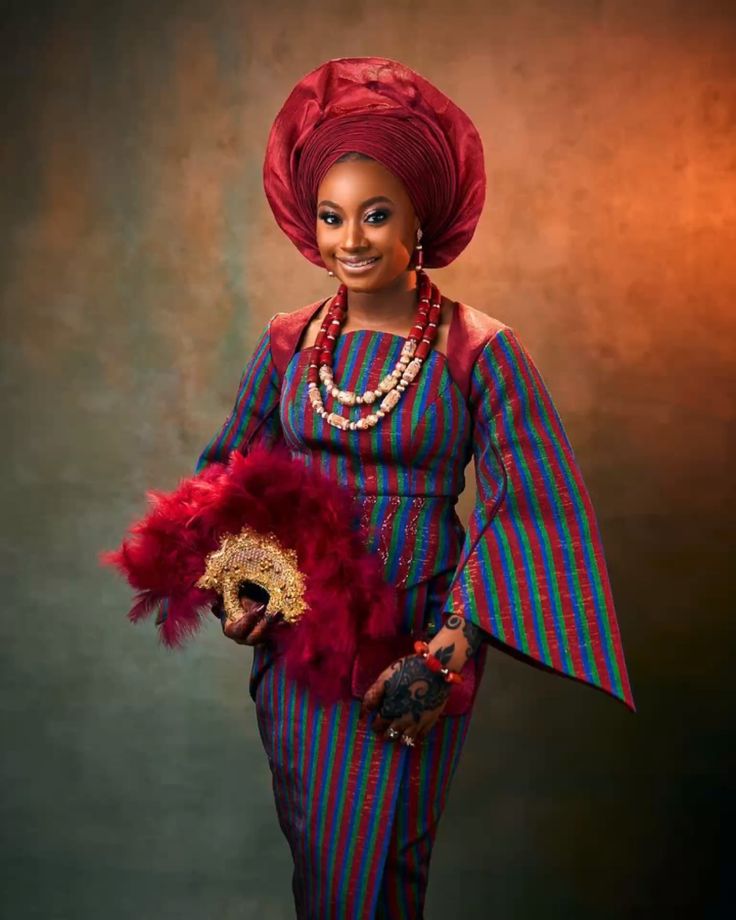
The Nupe traditional wedding is one of the most elaborate ceremonial occasions in North Central Nigeria. It begins with the Yawo Rufadan, the bridal bath performed by older women before dawn, a cleansing rite that marks the end of spinsterhood and is performed only once in a woman’s lifetime. The bride wears the full Ede Kpasa in the triple-wrapper tradition, the cloth her mother has gifted her: Giwa over the primary wrapper and Kabido on the shoulder, all in red, green, and blue. The attending women arrive in Aso Ebi Ankara, the coordinated wrapper-and-blouse that marks their belonging to the celebration. The traditional and the contemporary sit in the same room, each doing its own work. Eucarl Wears provides the most comprehensive documentation of Nupe traditional marriage attire currently available online, including the full Ede Kpasa wrapper hierarchy.
Sallah: Eid al-Fitr and Eid al-Adha
As a predominantly Muslim community, with approximately 80% of Nupe people observing Islam, the Sallah celebrations of Eid al-Fitr and Eid al-Adha are the most important occasions in the Nupe dressing calendar. New outfits are essential. The embroidered Ankara kaftan and the Ankara boubou are both prominent at Sallah, worn with full headscarf arrangements and glass bead jewellery. The Bida Emirate Durbar, held during Eid celebrations, features an elaborate Royal Cavalry Procession that dates back over 200 years. The women watching and participating in the surrounding festivities are dressed at their finest, the collective display of Ankara and traditional attire a demonstration of a community fully inhabiting its own ceremonial culture.
The Naming Ceremony
The naming ceremony brings together family and community shortly after a child’s birth. It is as much about the relationships among the assembled women as it is about the child being named. Aso Ebi Ankara is the dominant dress at naming ceremonies across Niger State’s Nupe communities, the coordinated wrapper and blouse ensuring that the social bonds between the women present are made visually legible. The mother of the child receives new attire as a gift from family members, the quality of the fabric marking the community’s investment in her and in the new life she has brought into the world.
Nupe Day Cultural Festival
Nupe Day is an annual cultural festival dedicated to promoting unity, historical awareness, and cultural revival. Held across Niger State and in Nupe diaspora communities, it is the occasion where the full range of Nupe dress culture is displayed simultaneously: Ede Kpasa wrappers alongside Ankara co-ords, embroidered kaftans alongside traditional bead jewellery, and younger women in contemporary Ankara silhouettes standing alongside elders in the full regalia of Nupe heritage. It is the occasion where the conversation between the traditional and the contemporary is most openly conducted, and where the Ankara styles worn by Nupe women are most clearly understood as extensions of a living culture rather than departures from it.
The Patigi Regatta
The Patigi Regatta, held annually on the River Niger in Patigi, Kwara State, is one of the most distinctive cultural festivals in the Nupe calendar. A canoe racing and fishing competition celebrating the Nupe’s deep historical connection to the Niger, it draws participants from across Niger, Kwara, and Kogi states. Women attending dress in their finest Ankara and traditional attire, the riverside setting and the celebratory atmosphere create one of the most visually vibrant occasions in North Central Nigerian cultural life.
Funerals and Mourning
Nupe mourning dress follows Islamic convention: white and muted tones replace the full ceremony palette. Ankara appears at funeral gatherings in its quieter configurations, women arriving in sober wrapper-and-blouse combinations that convey respect without abandoning the cultural language of their dress entirely. The gathering of women in appropriate attire at a Nupe funeral is a collective act of community support, the dressing itself a form of condolence.
In Nupe life, the fabric you choose tells the community what you know. What you know about the occasion, the people present, and who you are within the gathering.
ALSO READ:
- Top 5 Ewe Kente Styles for Ewe Women in 2026
- Clothing as Declaration: What African Women Wear When They Mean Business
- Culture as Currency: Why Traditional Fabric Is the Most Valuable Thing in Your Wardrobe
The Omiren Argument
Ankara is the most widely worn fabric in Nigeria. Across all 36 states, 250-plus ethnic groups, and every register of occasion from market day to state ceremony, Ankara is present. It is democratic in its availability and radical in its versatility. But its ubiquity means it is also the fabric most at risk of being worn without thought, chosen for colour rather than meaning, print rather than provenance.
Nupe women wearing Ankara in 2026 are not choosing a generic fabric. They are choosing a canvas and bringing to it the full weight of a craft culture that UNESCO has formally recognised as one of the world’s significant creative inheritances. The embroidery on the kaftan collar is Bida Riga. The glass bead bangles at the wrist are Masaga glass. The wrapper tied in triple layers echoes the Ede Kpasa tradition. Ankara is the surface. Everything else is the civilisation.
Dress accordingly.
Browse the full African Style collection at Omiren Styles.
Frequently Asked Questions
1. What is the traditional dress of Nupe women?
The primary traditional dress of Nupe women is the Ede Kpasa, a wrapper cloth worn in triple layers at ceremonies. The three layers are the Giwa (outer wrapper), the primary wrapper, and the Kabido (shoulder cloth), in the three colours of the Nupe flag: red, green, and blue. Full documentation of the Ede Kpasa and related traditional wrappers, including the Eko Kpara and Ede Nnadzwa Ebwa, is available at Eucarl Wears.
2. Why do Nupe women wear Ankara rather than their indigenous textiles?
Ankara is worn alongside, not instead of, indigenous Nupe textile traditions. It occupies the everyday and semi-formal registers of Nupe dress, valued for its availability and creative range. The indigenous Ede Kpasa remains the cloth of the most significant traditional ceremonies. Ankara is the cloth of daily life and community celebration, adopted by a community that has always absorbed external materials into its own creative tradition.
3. What makes Bida significant in Nigerian craft history?
Bida was designated a UNESCO Creative City of Crafts and Folk Art in 2021 in recognition of its guild-organised traditions spanning brass casting, glass bead making, textile weaving, embroidery, wood carving, pottery, and mat weaving. The Masaga glass bead-making tradition has been documented since 1911 and produces the distinctive marbled bangles worn by Nupe women. The city is home to one of the most concentrated and diverse craft traditions in West Africa.
4. What is Aso Ebi, and how does it work at Nupe celebrations?
Aso Ebi means “family cloth” and refers to the practice of distributing a chosen fabric to guests, who then have it tailored into individual outfits. The visual coordination at weddings and naming ceremonies creates a collective declaration of belonging. Among Nupe communities, Aso Ebi in Ankara is the dominant practice at weddings and naming ceremonies, with the wrapper-and-blouse combination being the most common style. The practice reinforces community bonds while allowing each woman’s individual tailoring choices to express her aesthetic within the shared visual framework.