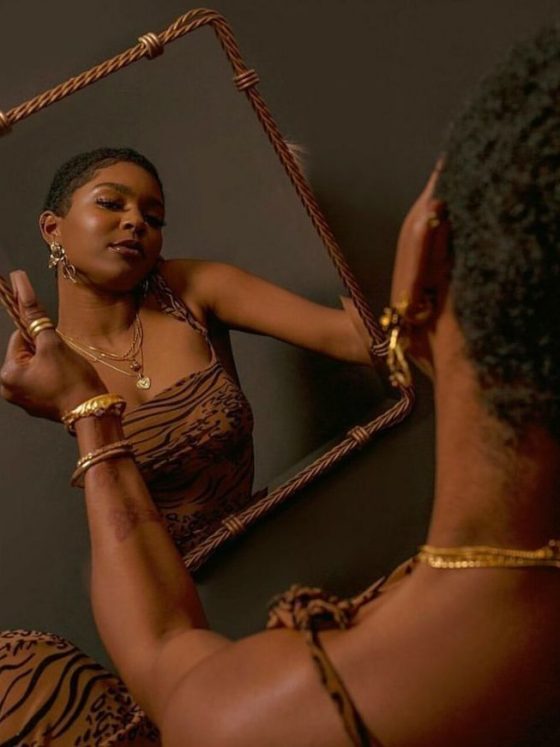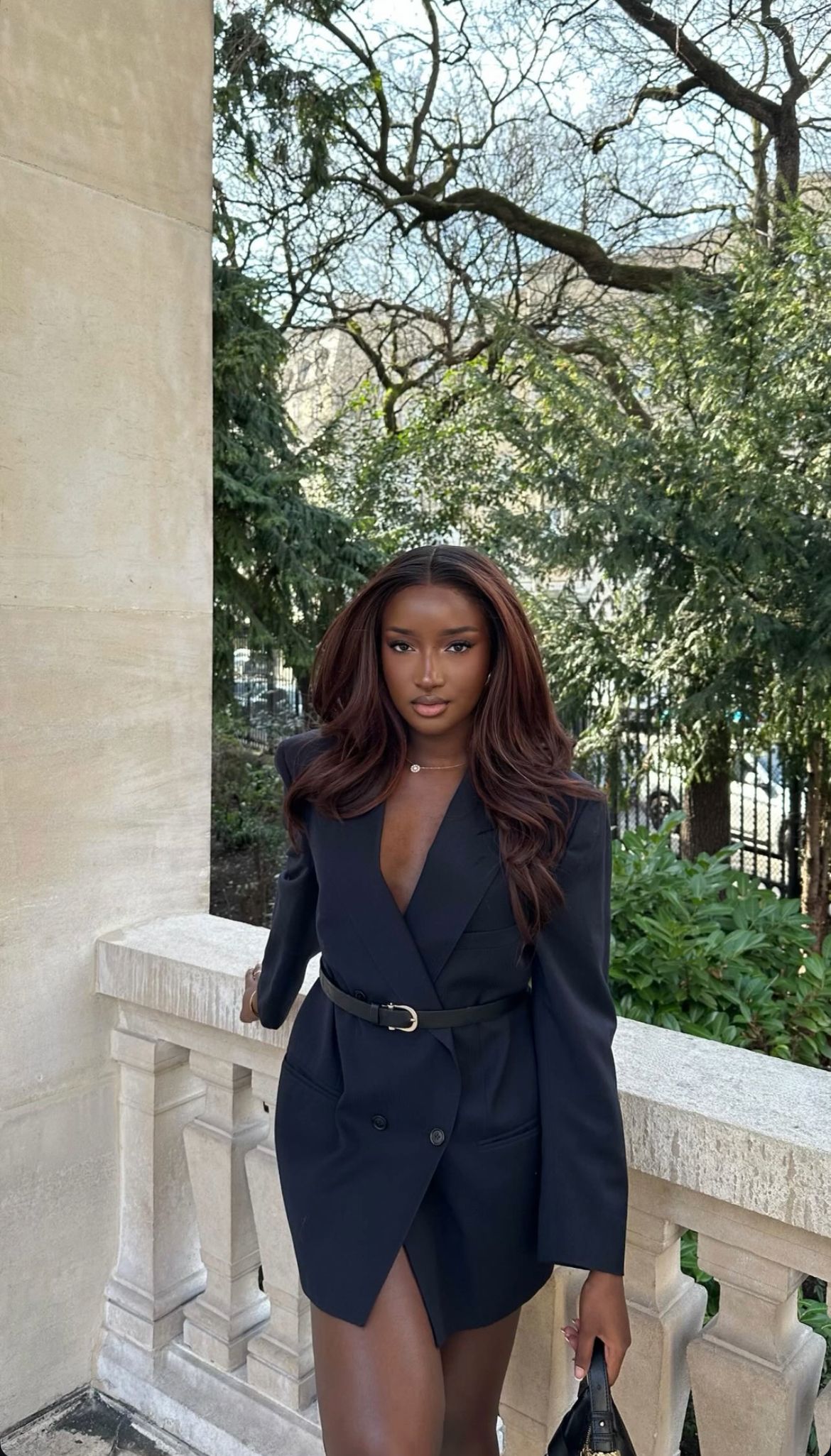
I remember my grandmother standing before a cracked mirror, adjusting her wrapper with deliberate care. Beauty, in that moment, was not performance. It was an alignment. She was preparing herself to meet the world as she wished to be seen. Long before algorithms, filters, and global fashion weeks, beauty served a deeper purpose: identity, belonging, and continuity.
The psychology of beauty is not merely about attraction or appearance. It is about meaning. It is about how we learn to perceive ourselves and how value is assigned to bodies, faces, adornment, and expression. Across cultures, beauty has always been a language, one that tells stories of power, survival, and aspiration.
In today’s world, where images travel faster than thought, self-image has become both fragile and fiercely contested. To understand its impact, we must look beyond trends and return to the psychological foundations that shape how beauty is perceived, internalised, and lived.
From ancestral symbols of beauty to digital self-perception, the psychology of beauty shapes identity, culture, confidence and value across generations worldwide.
Beauty as Cognitive and Cultural Architecture

Psychologically, beauty operates at the intersection of biology and culture. The brain responds to balance, rhythm, and harmony because these patterns signal safety and coherence. Yet what feels beautiful is refined by culture. Scarification, coral beads, flowing boubous, minimalist tailoring, or sculptural silhouettes all carry symbolic codes.
In many African societies, beauty was never detached from function or ethics. Appearance reflected discipline, community standing, craftsmanship, and respect for lineage. Adornment was intentional. Materials mattered. Meaning mattered.
Modern psychology now recognises this: self-image strengthens when appearance is tied to purpose and identity rather than comparison. When beauty reflects who you are, not who you are trying to outpace, it stabilises the self.
Self-Image and the Mirror of Society
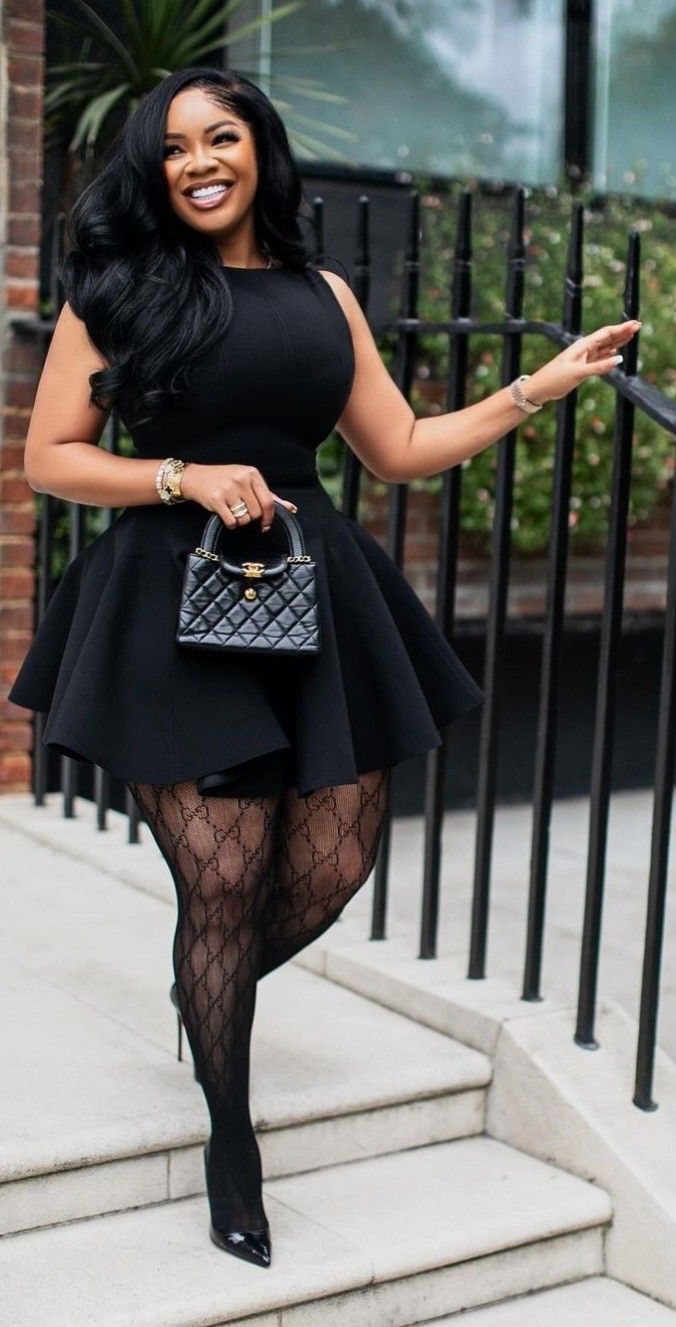
Self-image forms through repetition. What we are praised for. What is made visible, mocked, or erased? Over time, these signals become internal narratives.
Colonial history disrupted indigenous aesthetics by attaching status to foreign standards. Lighter skin, straighter hair, and narrower features became symbols of access. This was not accidental. It was psychological restructuring at scale.
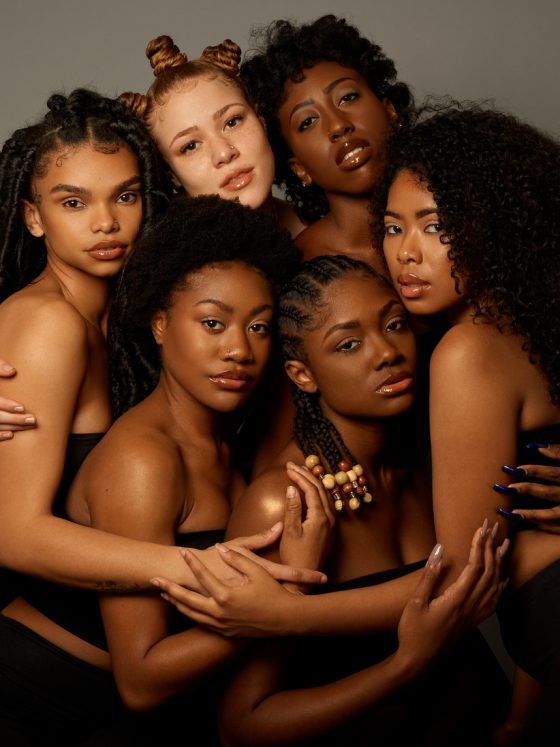
Today’s global luxury industry is slowly reckoning with this history. African designers, diaspora creatives, and cultural custodians are reasserting visual sovereignty, redefining elegance through craftsmanship, texture, and story. When individuals see themselves represented with dignity, their self-image shifts from apology to authority.
Fashion, Craft, and Psychological Ownership
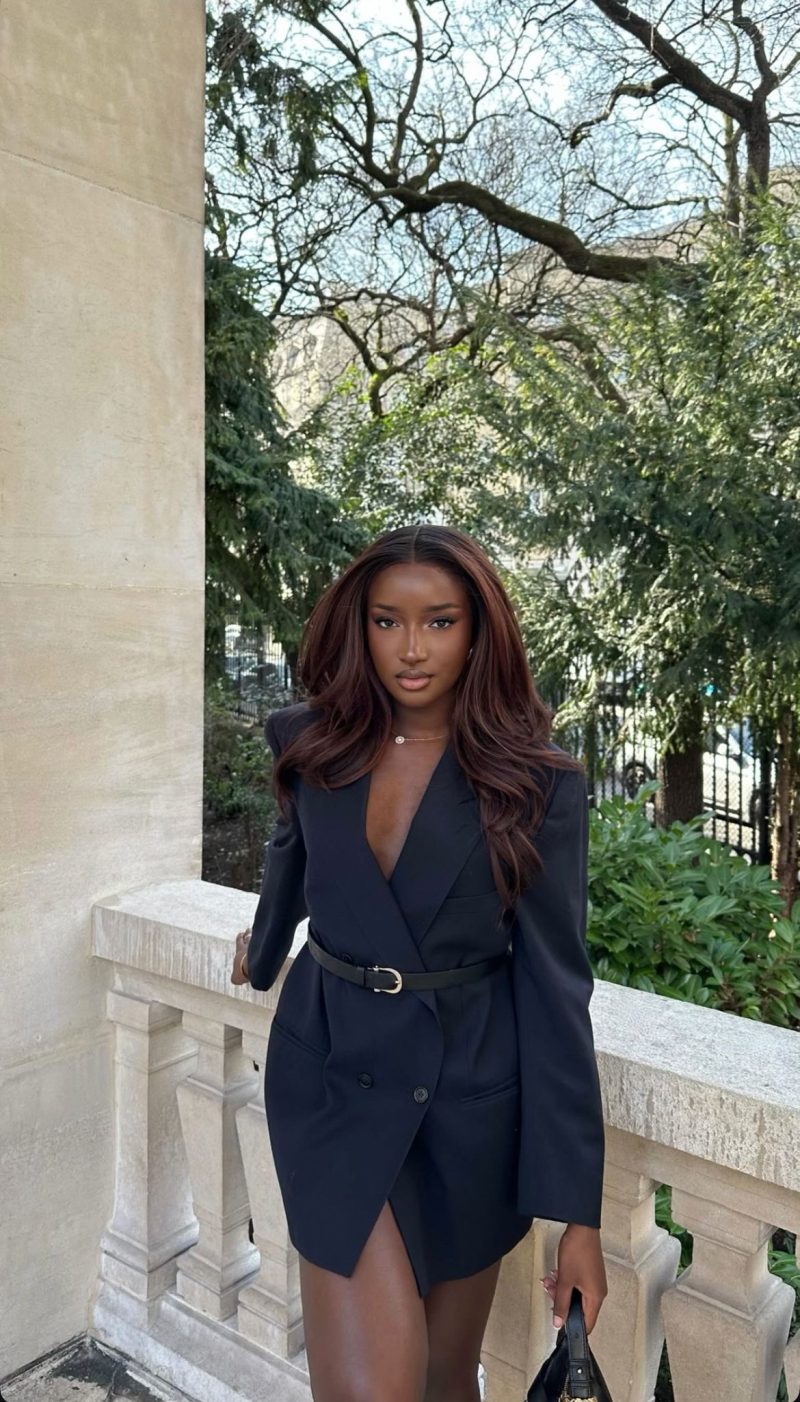
Clothing is one of the most intimate tools of self-concept. What we wear sits on our skin and speaks before we do. Studies show that garments linked to cultural or personal meaning increase confidence and decision-making capacity. This is known as enclothed cognition.
African luxury fashion excels here. Handwoven fabrics, beadwork, and leathercraft are not decorative choices. They are archives. Wearing them creates psychological ownership of history while positioning the wearer firmly in the present.
This fusion of heritage and innovation allows modern self-image to be rooted, not reactive. Luxury becomes less about excess and more about intentionality.
Read Also:
The Digital Age and Fragmented Self-Perception
Social platforms have changed how beauty is negotiated. Comparison no longer happens within villages or cities but across continents and curated realities. This produces visual overstimulation and constant self-surveillance.
The psychological risk is not exposure but disconnection. When beauty becomes performative rather than expressive, self-image fragments. However, digital spaces also offer reclamation. Diaspora communities are telling stories that were once silenced. African creatives are setting global standards rather than following them.
The future belongs to those who use visibility with discipline, who treat aesthetics as narrative, not noise.
Sustainability, Ethics, and the New Self-Image

An emerging psychological shift links beauty with responsibility. Consumers increasingly associate self-worth with alignment, how their choices impact people, land, and labour.
Sustainable and ethical luxury restores dignity to beauty. It reduces cognitive dissonance and deepens pride in ownership. Knowing who made a garment, how materials were sourced, and what traditions were honoured contributes to a more coherent self-image.
Conclusion
Beauty has never been superficial. It has always shaped how humans understand themselves and each other. What is new is the scale and speed at which images define value.
The psychology of beauty and self-image teaches us this: confidence does not emerge from perfection but from coherence. From knowing where you stand, what you carry, and why it matters.
As African aesthetics continue to influence global culture, from fashion to art to lifestyle innovation, the opportunity is not just visibility but authorship. To tell our stories with precision. To dress, create, and live with intention.
Beauty, at its highest form, is memory made visible and future made tangible.
FAQs
- How does culture shape self-image more than biology
Biology provides perception patterns, but culture assigns meaning, value, and status, influencing long-term self-worth
- Why is representation important in beauty psychology
Representation validates identity, reducing internal conflict and strengthening psychological confidence
- Can fashion truly affect mental well-being?
Yes, clothing tied to identity and purpose improves confidence, decision-making and emotional regulation
- How does sustainability influence modern self-image
Ethical choices reduce internal dissonance and build pride, alignment, and consistency in self-perception
- What role does heritage play in global beauty standards today
Heritage offers depth, craftsmanship and narrative complexity, increasingly shaping global luxury and aesthetic authority.