Fashion has always been a language. It tells stories about who we are, the cultures we belong to, and the moods we carry. But in 2026, fashion is learning a new language, one spoken by algorithms and powered by artificial intelligence. Today, AI doesn’t just recommend clothing; it understands our personal tastes, anticipates our needs, and even helps co-create styles we might never have imagined.
This is not science fiction. Global brands are experimenting with AI-generated visuals, while African designers are using AI to explore cultural innovation. Technology is reshaping fashion at every level. The real question is not whether AI will change the fashion; it already has. The question is: what does it mean for creativity, identity, and the way we express ourselves through style?
Discover how AI is shaping fashion in 2026, including personalized style and African designers redefining creativity and identity through technology.
AI in Fashion: Global and African Examples
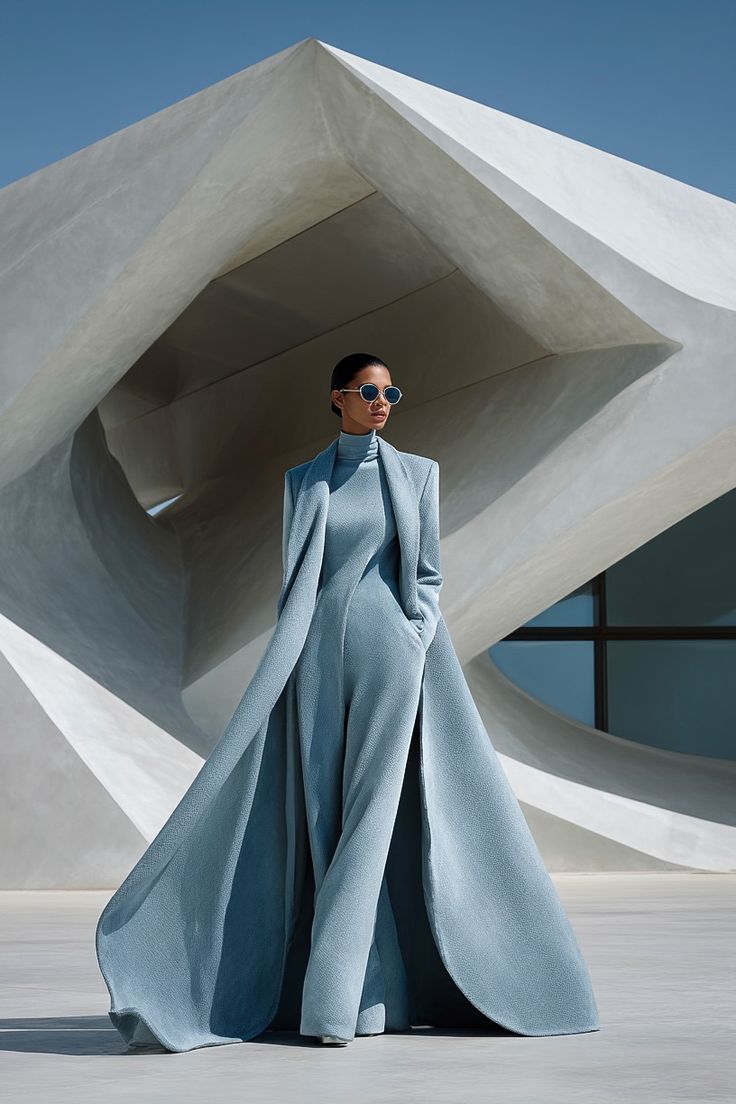
Across the world, brands are embracing AI in ways that go beyond efficiency.
- Global brands like Zara now generate fashion imagery using AI to visualise new collections faster, blending real models with AI-enhanced creativity. H&M, Mango, and Zalando are also integrating AI for catalogue production and digital campaigns, making personalised fashion experiences possible at scale.
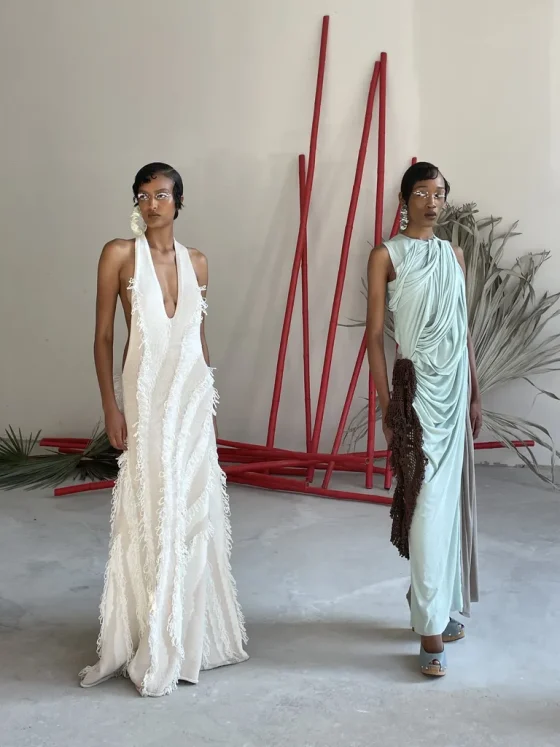
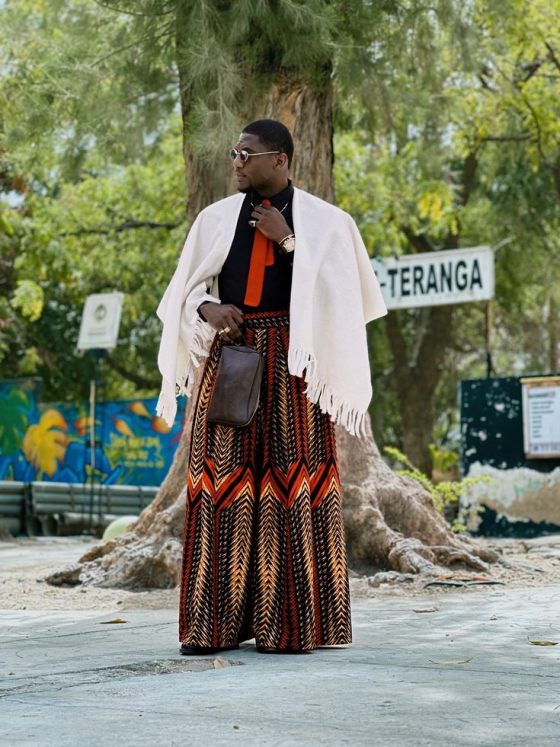
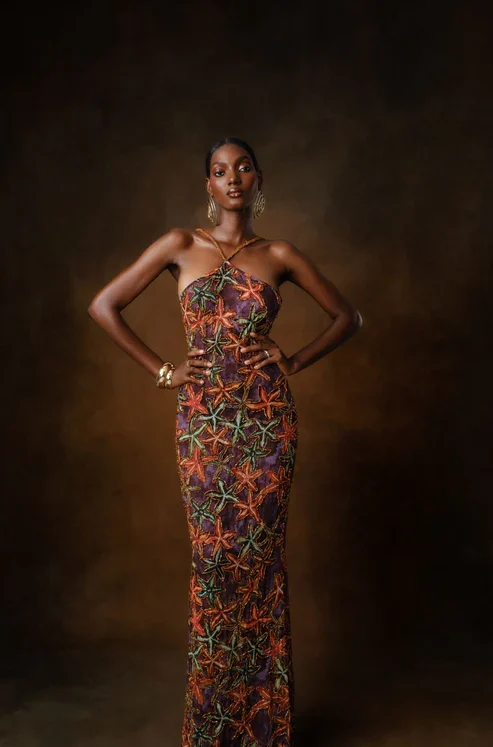
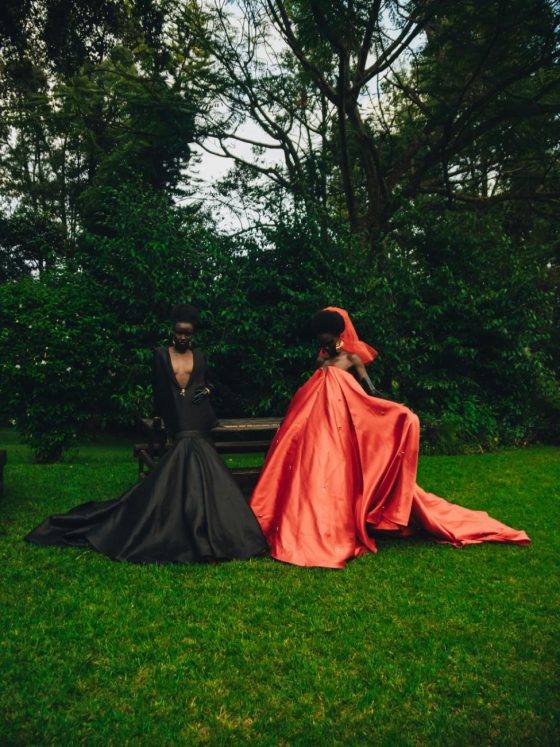
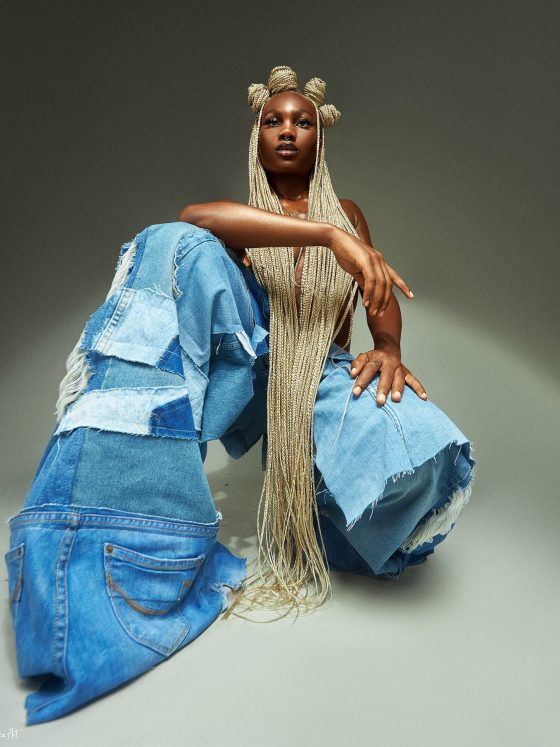
- African fashion innovators are also stepping into this new frontier. Nigerian brand I.N. Official, for example, partnered with Meta AI to create the “Transcendence” collection at Africa Fashion Week London in 2025. AI helped the designer generate colour palettes, silhouette ideas, and mood boards that fused traditional African attire with global styles, creating a collection that was both contemporary and culturally rooted. This demonstrates that AI can amplify African creativity without erasing cultural identity.
Personalised Fashion: The Consumer Perspective
AI is not only shaping what designers create but also how consumers interact with fashion. Virtual wardrobe assistants and AI styling apps, such as Style DNA and Daydream, analyse users’ body types, past purchases, and style preferences to suggest outfits tailored specifically for them.
Even on a smaller scale, African fashion entrepreneurs are experimenting with AI to enhance online shopping. In Kenya, developers have created tools that transform product photos into on-model images, allowing small brands to present professional-looking catalogues without expensive photoshoots. These tools democratise access to high-quality visuals, letting African brands compete on a global stage.
Why AI in Fashion Matters
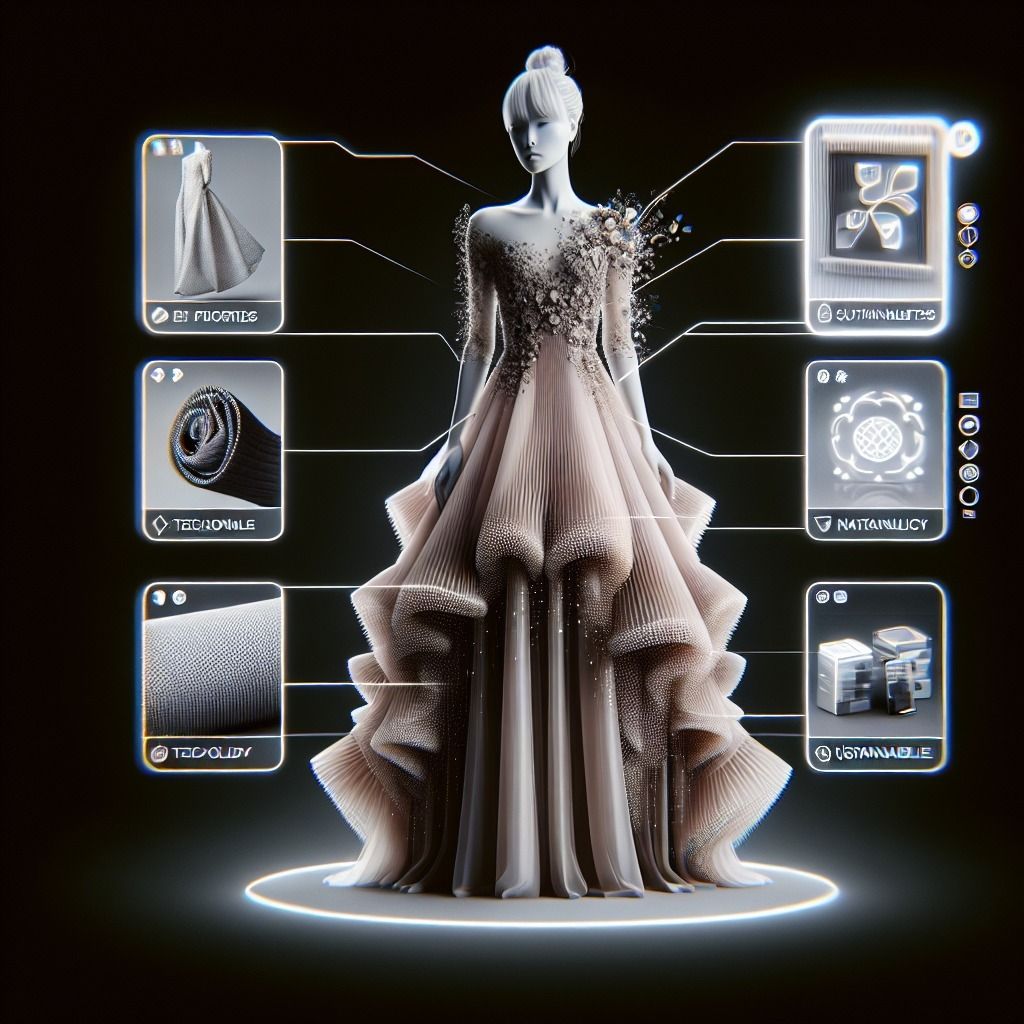
The rise of AI in fashion is more than a technical trend; it’s a cultural shift.
- Fashion as Dialogue: AI transforms fashion from a top-down communication from designers to consumers into an interactive conversation. It allows individuals to explore their identities in collaboration with technology.
- Creativity Amplified: AI does not replace human creativity. Collections like “Transcendence” show that AI can enhance imagination, blending heritage and modernity in ways humans alone might not envision.
- Personal Expression: AI personalisation means that style becomes a reflection of individual identity. Clothes are no longer just outfits; they become stories shaped by culture, preference, and now, algorithmic insight.
Challenges and Considerations
As with any transformative technology, there are challenges:
- Authenticity: Some global AI-generated campaigns have faced backlash for replacing human models with digital simulations, raising questions about emotional resonance and artistic integrity.
- Labour and Creativity: While AI can assist designers, there is ongoing debate about the impact on traditional fashion roles, from sketch artists to photographers.
For fashion to evolve responsibly, brands must balance AI innovation with transparency and respect for human artistry.
The Future of Fashion with AI
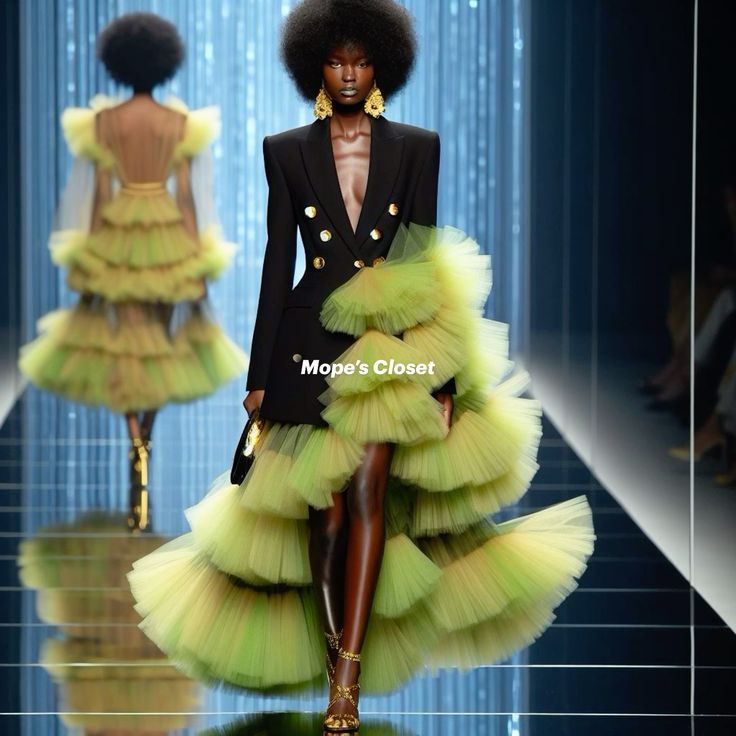
AI is steering fashion into a future where personal expression and technology are inseparable. The garments we wear may soon reflect a synthesis of cultural heritage, personal taste, and AI-guided insight. African designers are already showing how local identity can coexist with global innovation, proving that technology does not have to dilute culture; it can amplify it.
In this future, fashion is not just clothing. It is storytelling, identity-building, and co-creation with tools that understand us in ways we never imagined.
Where bold style begins — explore Fashion with OmirenStyles.
FAQs
- What is AI personalisation in fashion?
AI personalisation in fashion refers to tools and platforms that analyse a person’s style, body type, and preferences to suggest clothing and accessories tailored specifically to them. Examples include virtual styling apps and AI-powered wardrobe assistants.
- Which African fashion brands are using AI?
Nigerian brand I.N. Official is a notable example, using Meta AI to create collections that fuse traditional African elements with modern design. Other emerging African designers are experimenting with AI to enhance online shopping experiences and digital catalogues.
- How are global brands implementing AI in fashion?
Global brands like Zara, H&M, and Mango are using AI to generate fashion imagery, streamline catalogue production, and create personalised recommendations for consumers. AI is also being used for digital fashion campaigns and virtual try-ons.
- Does AI replace human creativity in fashion?
No. AI in fashion is primarily a tool that amplifies human creativity. Designers use AI to explore ideas, generate new combinations, and visualise concepts, but the creative vision remains human-led.
- What does AI-driven fashion mean for the future?
AI-driven fashion represents a shift toward interactive, personalised style. It allows fashion to reflect individual identity, cultural heritage, and technological innovation, creating a future where clothes tell stories shaped by both humans and AI.