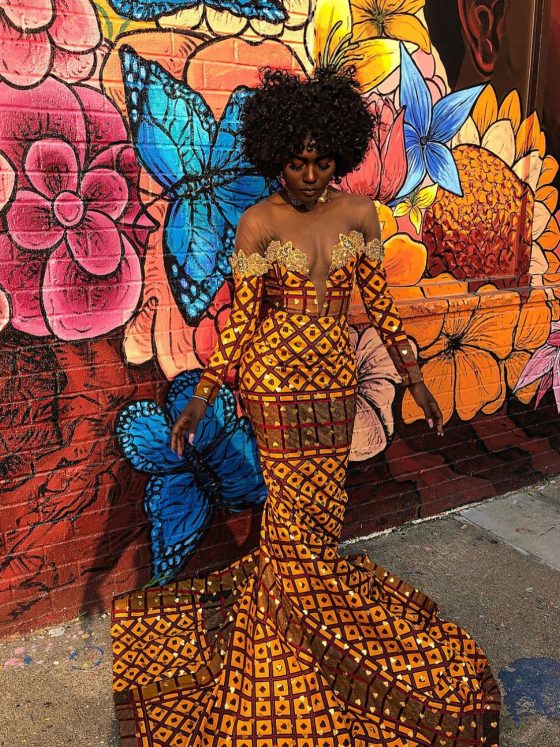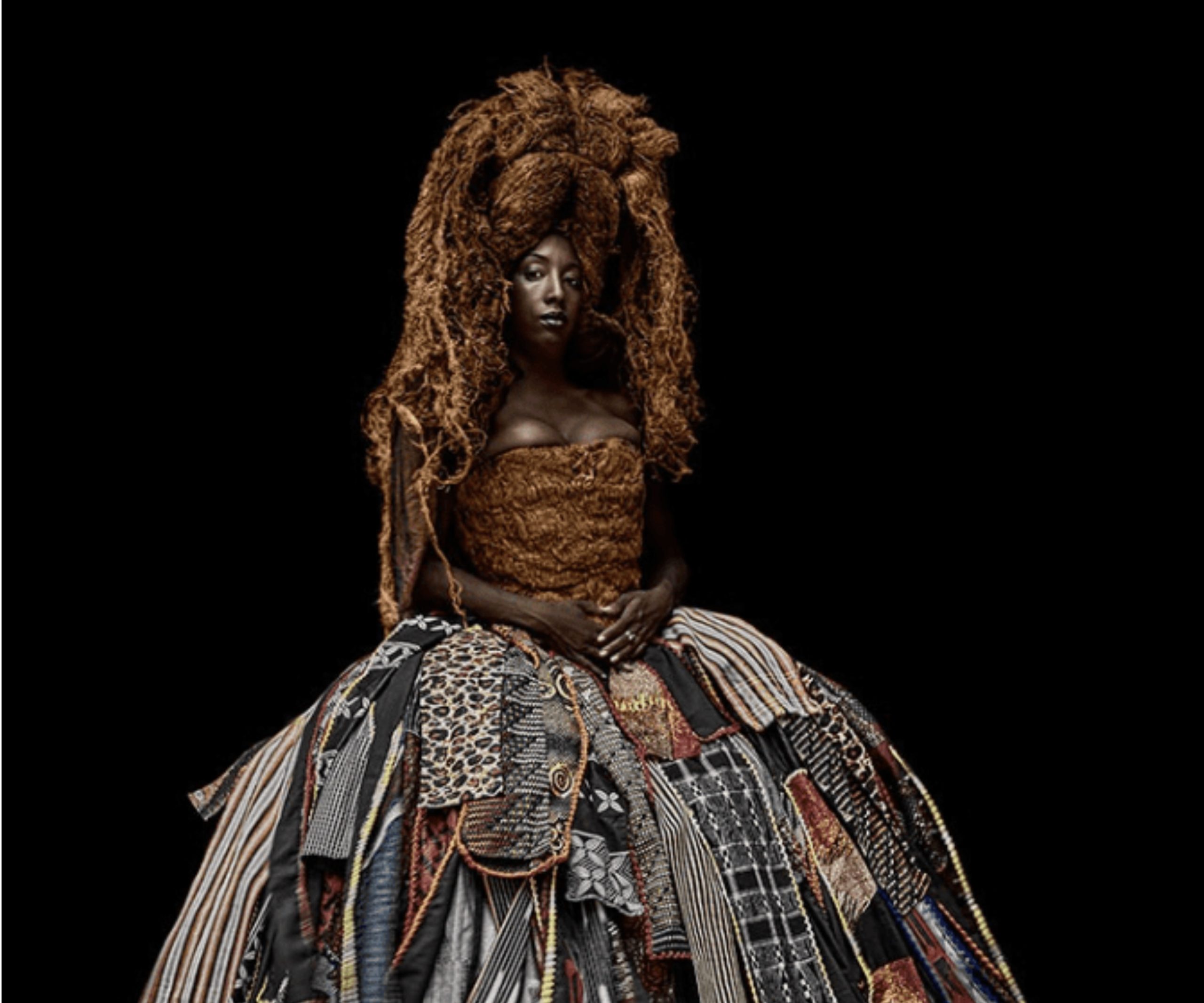
For decades, fashion’s imagination of the future had a consistent visual grammar: metallic fabrics, minimal shapes, white interiors, and technology as the only ancestry. The future, as global fashion rendered it, arrived without memory. It certainly arrived without African memory.
Such an event was not an oversight. It was a structural choice, made repeatedly across runway seasons, editorial shoots, and brand campaigns, to position the future as a destination that African culture arrived at by adoption rather than by authorship. The implicit argument was that heritage and futurity were incompatible. To move forward, you left the ancestral home behind.
Afrofuturism is the direct refusal of that argument. It holds that African history, cosmology, and cultural intelligence are not the past that fashion must transcend. They are the most sophisticated design frameworks available for imagining what comes next. The lens is not nostalgic. It is corrective.
Afrofuturism does not bring African culture into the future. It demonstrates that the future has always been African and that fashion becomes honest only when it acknowledges this.
Afrofuturism Puts African Stories First
The Intellectual History the Fashion Industry Did Not Invent
The term ‘Afrofuturism’ was coined by cultural critic Mark Dery in 1993, in an essay that asked why so few African American writers were producing science fiction and what it meant that the genre imagining humanity’s future was systematically absent from Black authorship. The observation was not merely literary. It was political: the right to imagine the future is a form of power, and that power had been withheld.
But the practice predates the term by decades. Sun Ra began building his Afrofuturist cosmology in the 1950s, designing costumes and staging performances that drew simultaneously from ancient Egyptian iconography and speculative space mythology, insisting that African civilisation’s past and humanity’s future occupied the same imaginative space. Octavia Butler built it into fiction through novels that placed Black women at the centre of speculative futures. Janelle Monáe made it wearable, constructing a visual identity that moved between tuxedos, androids, and African print references in a single performance.
Fashion arrived late to a conversation that music, literature, and visual art had been developing for sixty years. Understanding Afrofuturism as fashion’s most necessary lens requires understanding that the lens already existed. In 2026, fashion is choosing to look through it.
Futures Can Feel African, Not Borrowed
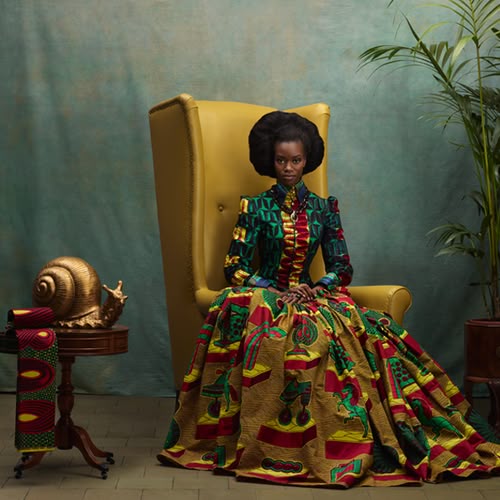
Afrofuturism shows that the future of fashion need not ignore culture. African history and identity exist fully in contemporary design.
Key ways this appears in fashion:
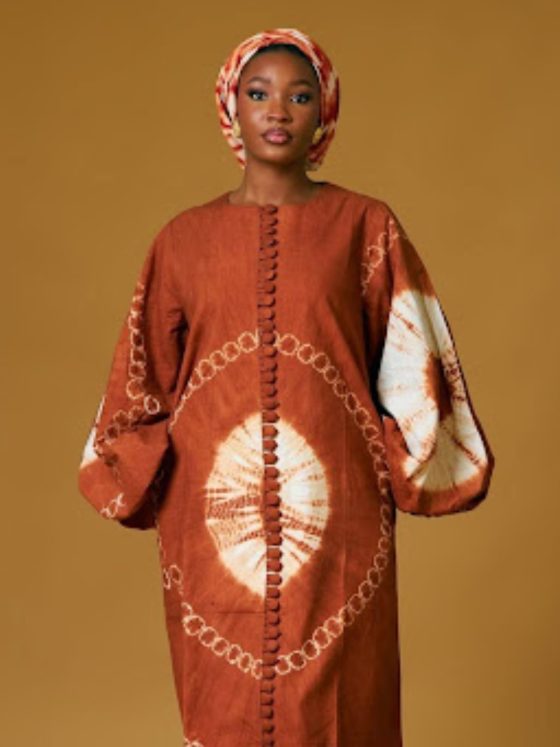
- Heritage and Modernity Together: African patterns, textiles, and symbols appear with contemporary shapes. The past guides the future.
- African Design Lead: Colours, motifs, and patterns from Africa are central, not decorative.
- Challenging Western Standards: Futuristic fashion need not be metallic or minimal. Futures can feel African, human, and alive.
- Ownership of Stories: African designers guide the vision of what fashion can become.
Afrofuturism Protects and Amplifies African Cultural Memory
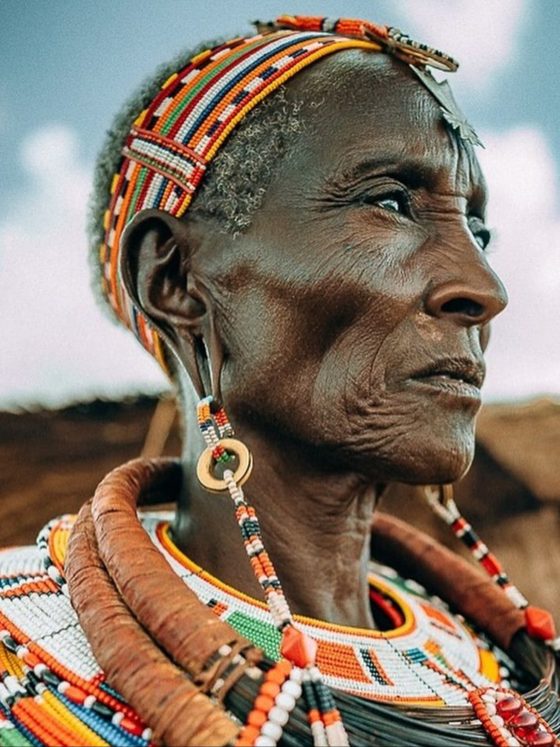
Afrofuturism also functions as cultural preservation and amplification. Clothing becomes a vessel to carry knowledge, stories, and symbols across generations.
When a wearer dons an Afrofuturist garment, they are not only making a fashion statement. They are participating in the ongoing transmission of African cultural memory.
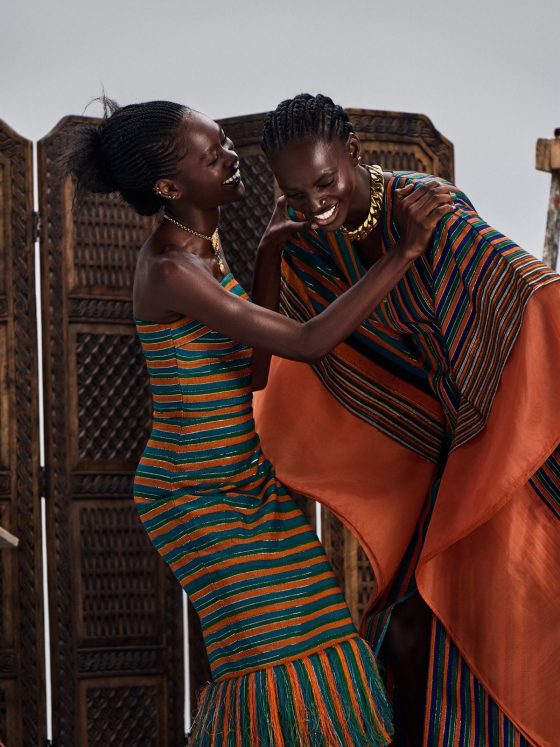
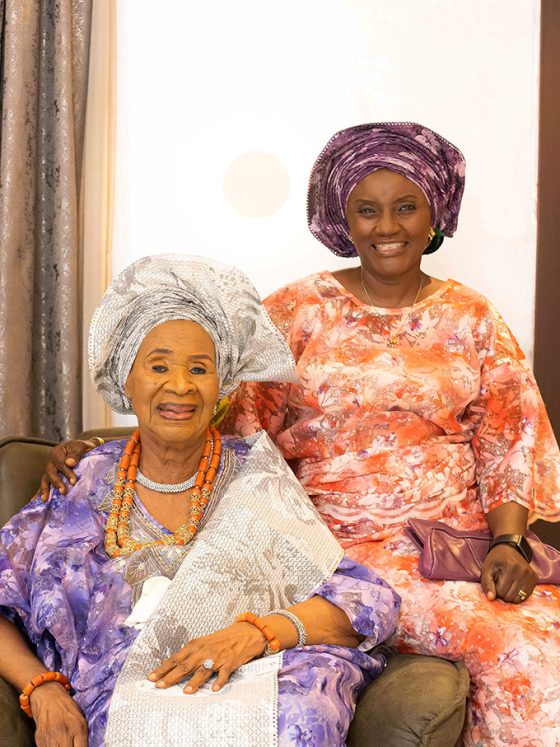
For example, Ankara prints or Kente patterns, once associated with ceremonies or social hierarchy, now appear in everyday wear, editorial fashion, and international collections. Each piece communicates continuity, identity, and authorship. Afrofuturism positions these garments as carriers of cultural intelligence, not just visual aesthetics.
Clothing Becomes Cultural Armour
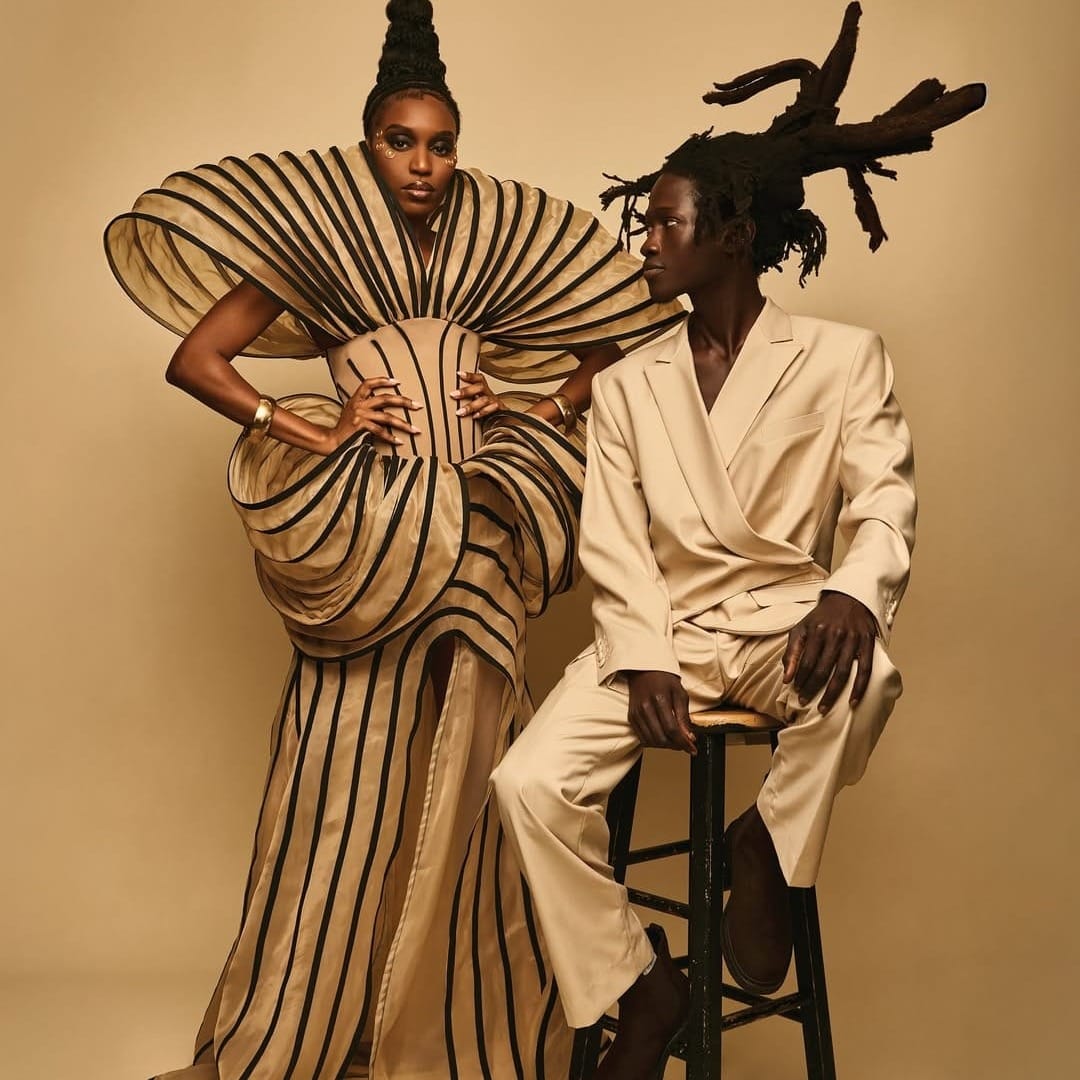
Clothing is never neutral. Afrofuturism transforms garments into tools for identity, authorship, and cultural presence.
We carry heritage textiles, symbols, and culturally grounded design elements into modern settings without stripping them of their meaning. This is not about looking futuristic for the sake of spectacle. It is about wearing culture in a forward-facing way.
A structured gown or contemporary outfit with symbolic patterns communicates ancestry and intention simultaneously. Afrofuturism acts as cultural armour, allowing wearers to assert presence and identity in a world that often overlooks African cultural authority.
In this way, fashion moves beyond surface aesthetics into culturally grounded self-expression, which is central to understanding why Afrofuturism is fashion’s most necessary lens.
ALSO READ:
- African Print as Modern Armour: Identity, Belonging, and Cultural Authority
- How The Colour Purple Claimed Its Royalty
- Art as Social Memory in a Rapid World: Preserving Culture and Identity
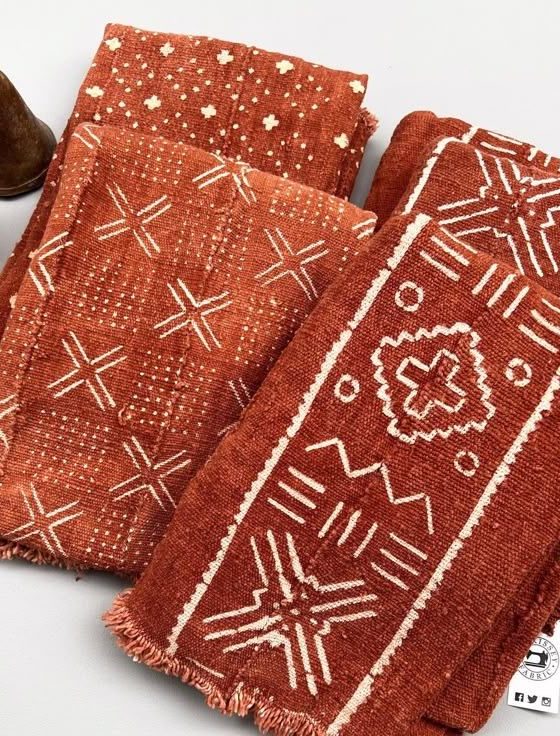
- Mud Cloth as Fine Art: The Cultural Authority of Bogolanfini
From Runways to Everyday Dress
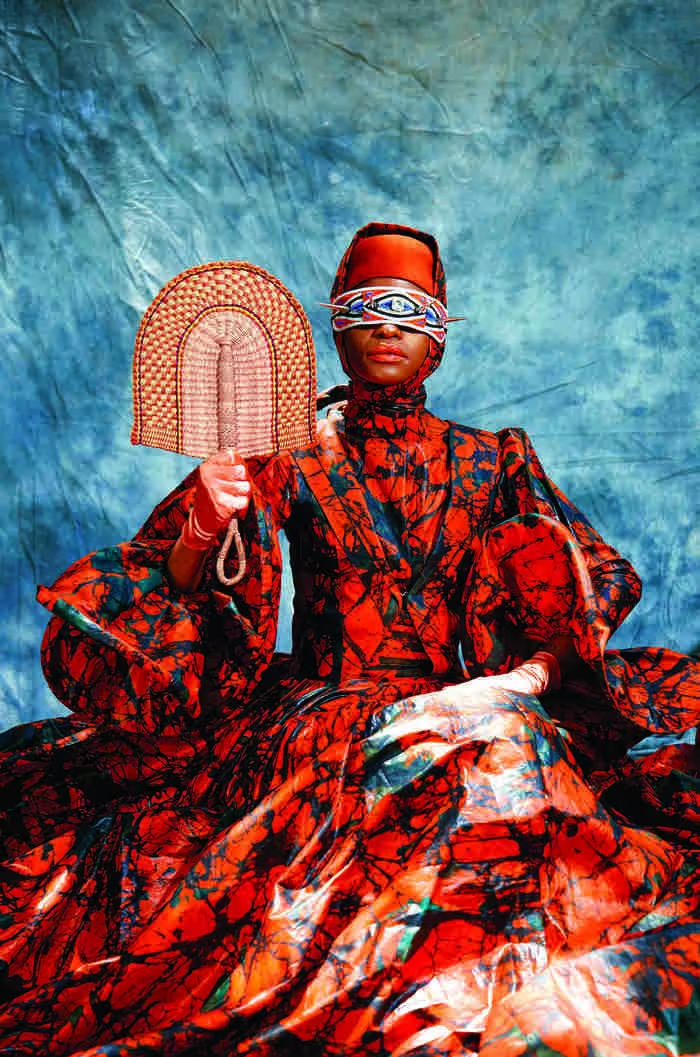
Afrofuturism is no longer confined to editorial spreads or runway shows. What was once reserved for ceremonial or conceptual dress now appears in everyday fashion. Heritage textiles, symbolic patterns, and structured silhouettes are increasingly integrated into daily style.
Designers and wearers combine fabrics such as Adire, Kente, and Bogolanfini with modern cuts, making culture a constant presence rather than an occasional inspiration.
The global fashion language is shifting: origin, meaning, and authorship are becoming central to the styling process. This evolution shows why Afrofuturism is fashion’s most necessary lens, influencing how the future of dress is imagined, worn, and understood.
Conclusion
Afrofuturism makes fashion forward-looking, meaningful, and African-centred. Clothing carries heritage, identity, and authorship into the future rather than borrowing aesthetics.
By placing African stories at the centre, it reshapes how style understands innovation and relevance. Afrofuturism serves as a crucial lens for fashion, transforming it into a tool for intentional expression, cultural authority, and self-definition.
Frequently Asked Questions
-
What Is Afrofuturism?
Afrofuturism is a way of imagining the future through African culture, history, and heritage. It blends tradition, symbols, and storytelling with forward-looking ideas.
-
How Does Afrofuturism Relate To Fashion?
In fashion, Afrofuturism is about wearing culture in a forward-facing way. It mixes African textiles, patterns, and symbols with modern design, creating garments that tell a story.
-
Why Is Afrofuturism Considered A Lens, Not A Trend?
It is more than a style or seasonal look. Afrofuturism shapes how we see and imagine the future, centring African narratives and cultural authorship rather than following popular trends.
-
Can Anyone Wear Afrofuturist Fashion?
Yes, but it works best when worn with respect for the culture and an understanding of its meaning. It’s about more than aesthetics; it carries heritage and story.
-
Why Is Afrofuturism Important Today?
It challenges how fashion has historically ignored African perspectives and ensures that culture, history, and identity are part of the conversation about the future.