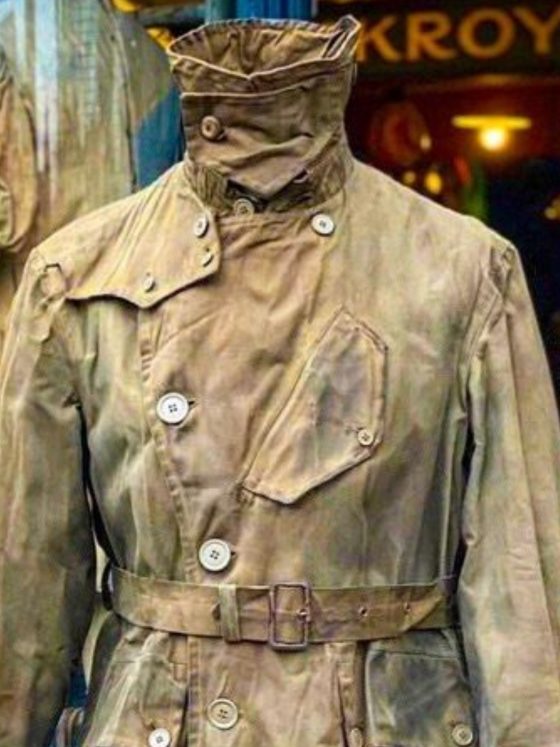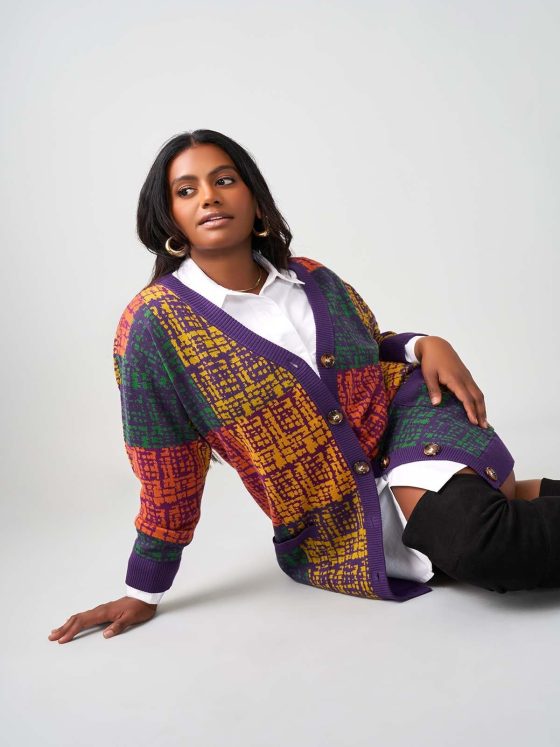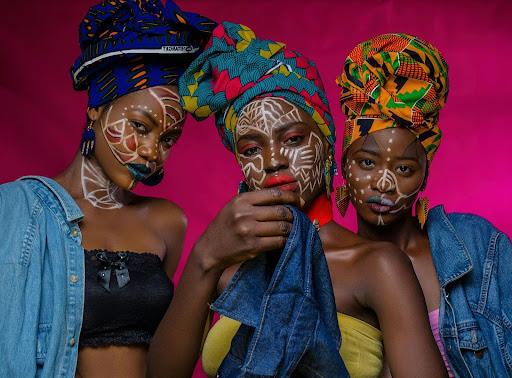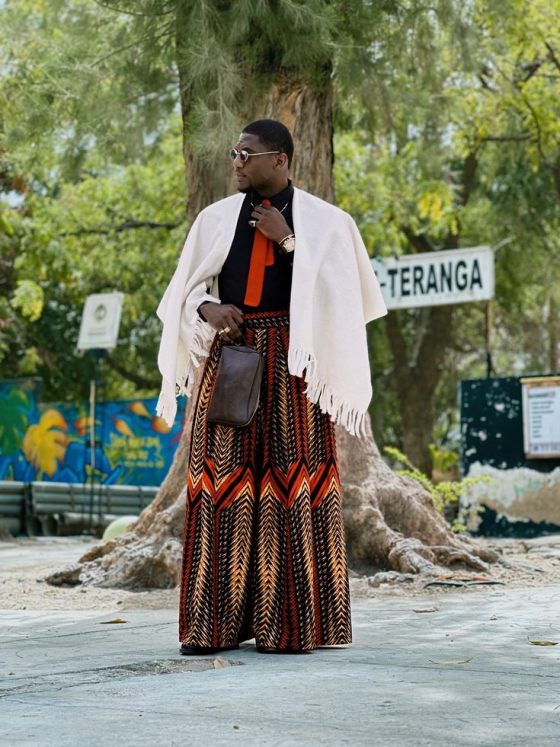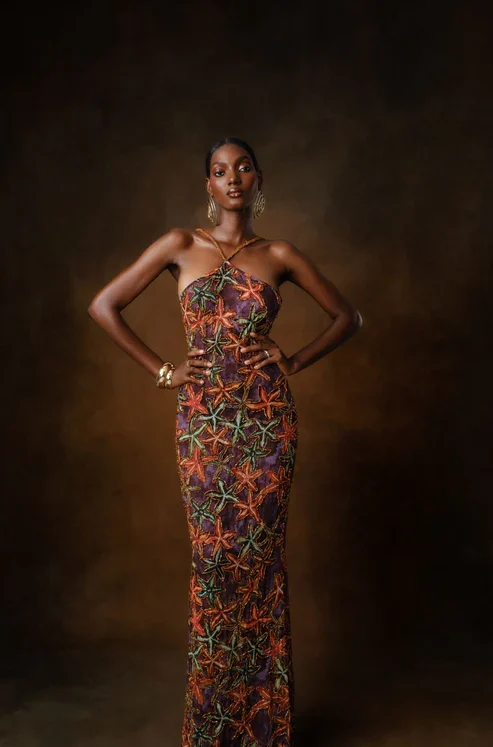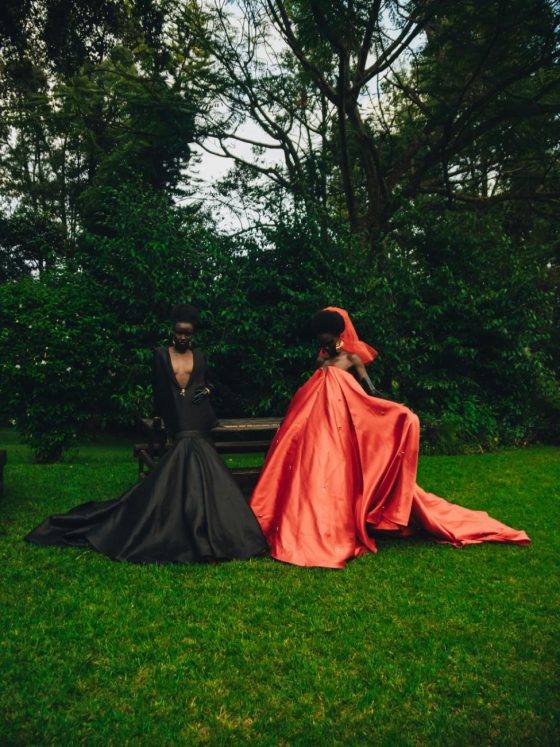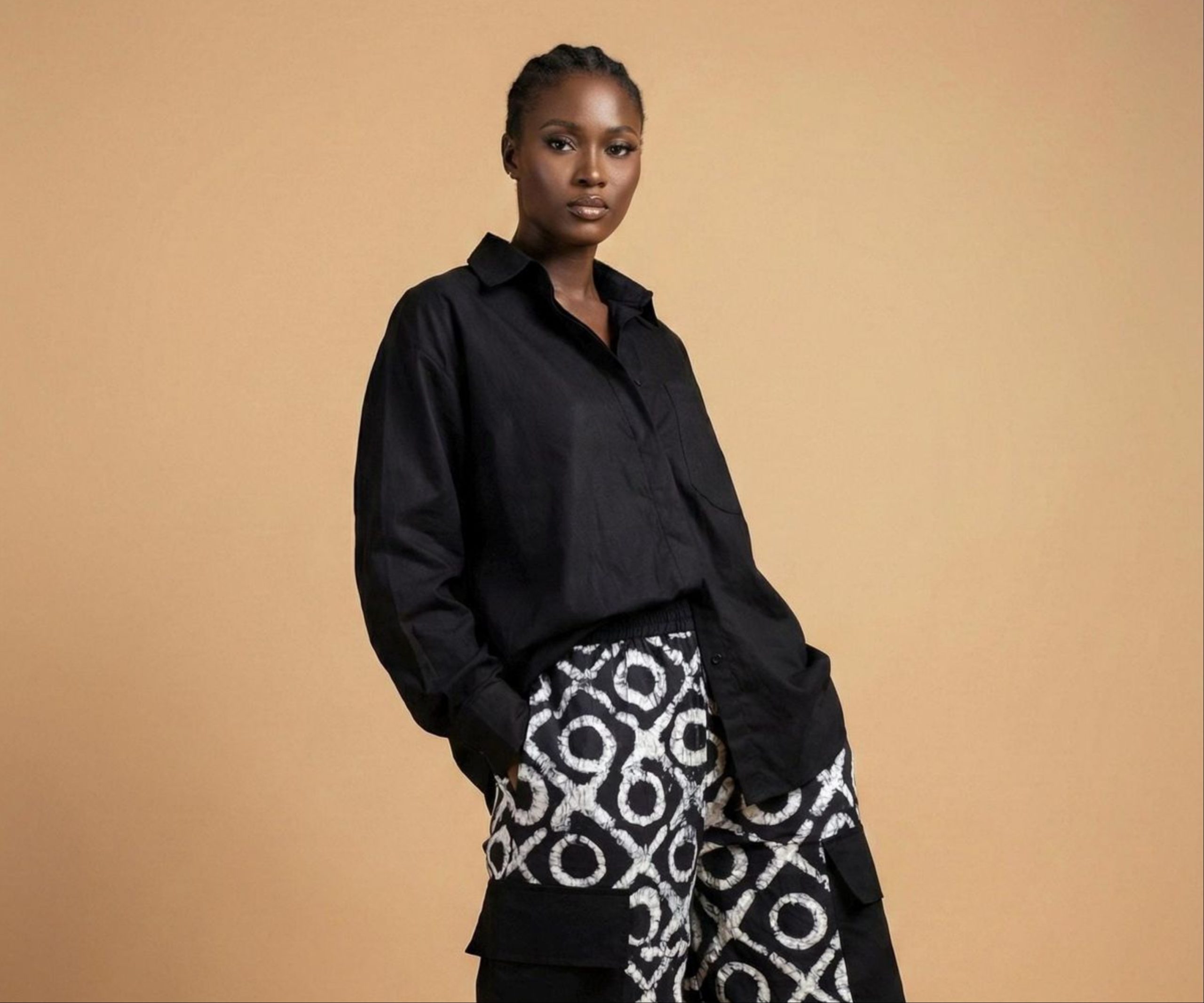
For decades, the global fashion system treated African textiles as aesthetic reference points, motifs to be borrowed, palettes to be reinterpreted, and textures to be softened for international taste. Indigo was “bohemian”. Stripes were “tribal”. The mud-dyed clothing was “rustic.”
But what happens when the world finally understands that these fabrics were never trends, they were texts?
Across West Africa, textiles have long functioned as archives, status markers, spiritual shields, and political language. Today, as luxury reorients itself toward craft, provenance, and narrative depth, sacred cloth traditions are no longer peripheral. They are central.
The problem is not rediscovery. It is delayed recognition.
From the indigo pits of Yorubaland to the royal looms of Ghana and the mud banks of Mali, Adire, Kente, Aso-Oke, and Bogolan have always encoded power. Fashion is simply catching up.
A deep dive into Adire, Kente, Aso-Oke, and Bogolan, the sacred African textiles redefining global luxury through heritage and craft.
Adire: Indigo as Resistance
Adire is often described simply as indigo-dyed cloth. That description is insufficient.
Originating among the Yoruba women of southwestern Nigeria, Adire is a resist-dye tradition built on intricate pattern-making techniques such as stitching, tying, and starch-resist painting. Historically, these patterns signified social commentary, lineage, morality, and even satire. The clothes were not neutral. It spoke.
In the early twentieth century, as imported textiles flooded local markets, Adire became both an economic strategy and a quiet resistance. Women-controlled production networks sustained entire communities. Indigo was not aesthetic nostalgia. It was an agency.
Today, contemporary designers reinterpret Adire in sharply tailored silhouettes, structured jackets, and minimalist gowns. The fabric’s depth, that almost cosmic blue, aligns seamlessly with modern luxury’s obsession with authenticity. Yet the power of Adire lies not just in its colour but also in its authorship. It is a textile historically led by women, rooted in intellectual and economic autonomy.
Luxury now celebrates slow craft. Adire has always been slow.
Kente: Weaving Power
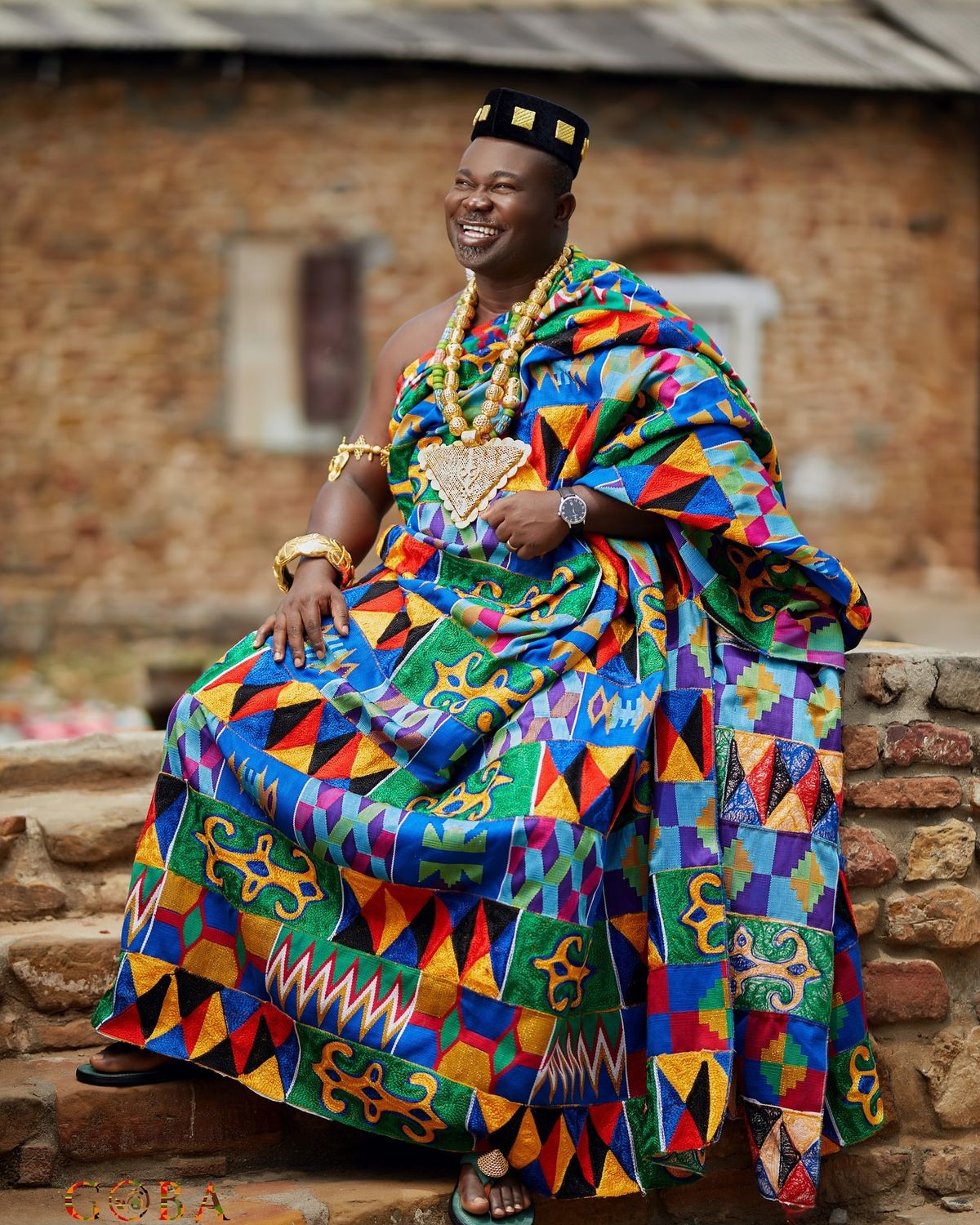
Few textiles have travelled as widely as Kente. Once reserved exclusively for Ashanti royalty, Kente cloth from Ghana was woven in narrow strips and assembled into monumental garments. Each pattern and colour combination held meaning: gold for wealth, green for renewal, black for maturity and spiritual strength.
Kente was never everyday wear. It was a ceremony. It was statecraft. It was authority made visible.
In the diaspora, Kente evolved into a symbol of African pride and intellectual achievement, worn at graduations, political events, and cultural milestones. Beyond symbolism lies technique: the mathematics of the loom, the discipline of strip-weaving, and the precision required to align pattern with narrative.
As global fashion increasingly prizes textile storytelling, Kente’s logic feels strikingly contemporary. Graphic. Structured. Intentional. Designers now incorporate Kente panels into eveningwear, tailored suiting, and sculptural dresses, not as embellishment, but as an architectural framework.
The cloth does not decorate the body. It announces it.
Aso-Oke: The Architecture of Ceremony
In the town of Iseyin, looms continue to produce Aso-Oke, a thick, handwoven prestige fabric traditionally worn for weddings, coronations, and rites of passage.
If Adire flows, Aso-Oke stands.
Its structure is deliberate: densely woven, textural, and often metallic-threaded. Historically, it symbolised wealth and lineage within Yoruba society. Brides were wrapped in it. Kings were crowned in it. Families archived memories in it.
Modern interpretations of Aso-Oke reveal its architectural potential. Designers reshape it into sculptural gowns, cropped jackets, and corseted bodices. Its rigidity allows form to hold. Its shimmer catches light like couture silk.
At a time when minimalism feels fatigued, Aso-Oke offers something bolder, ceremony as design philosophy.
The resurgence of grand weddings and multi-look bridal wardrobes across African cities has intensified its relevance. Tradition does not restrict innovation. It funds it. Techniques developed for ceremonial garments now migrate onto red carpets and global stages.
Bogolan: Earth as Archive
Bogolan, often called mud cloth, originates in Mali and carries perhaps the most visibly elemental aesthetic of the four textiles. Made by fermenting mud and painting symbolic motifs onto handwoven cotton, Bogolan’s earthy palette belies its complexity.
In Bambara culture, Bogolan has been worn by hunters, healers, and women at pivotal life transitions. The symbols are protective. Communicative. Metaphysical.
To call it mudcloth without context is to miss its philosophy, earth-marking fibre, and land-marking identity.
In contemporary fashion, Bogolan’s graphic geometry resonates with the global appetite for raw textures and sustainable narratives. Designers integrate it into sharply cut coats, structured skirts, and modern separates. Its power remains spiritual as much as aesthetic.
It reminds the wearer that cloth is not detached from land.
READ ALSO:
- Ade Bakare and Adire: When Yoruba Indigo Cloth Meets Global Couture
- Awa Meité and Bogolanfini: Mud Cloth as a Living Archive of West African Memory
From “Ethnic” to Intellectual Property
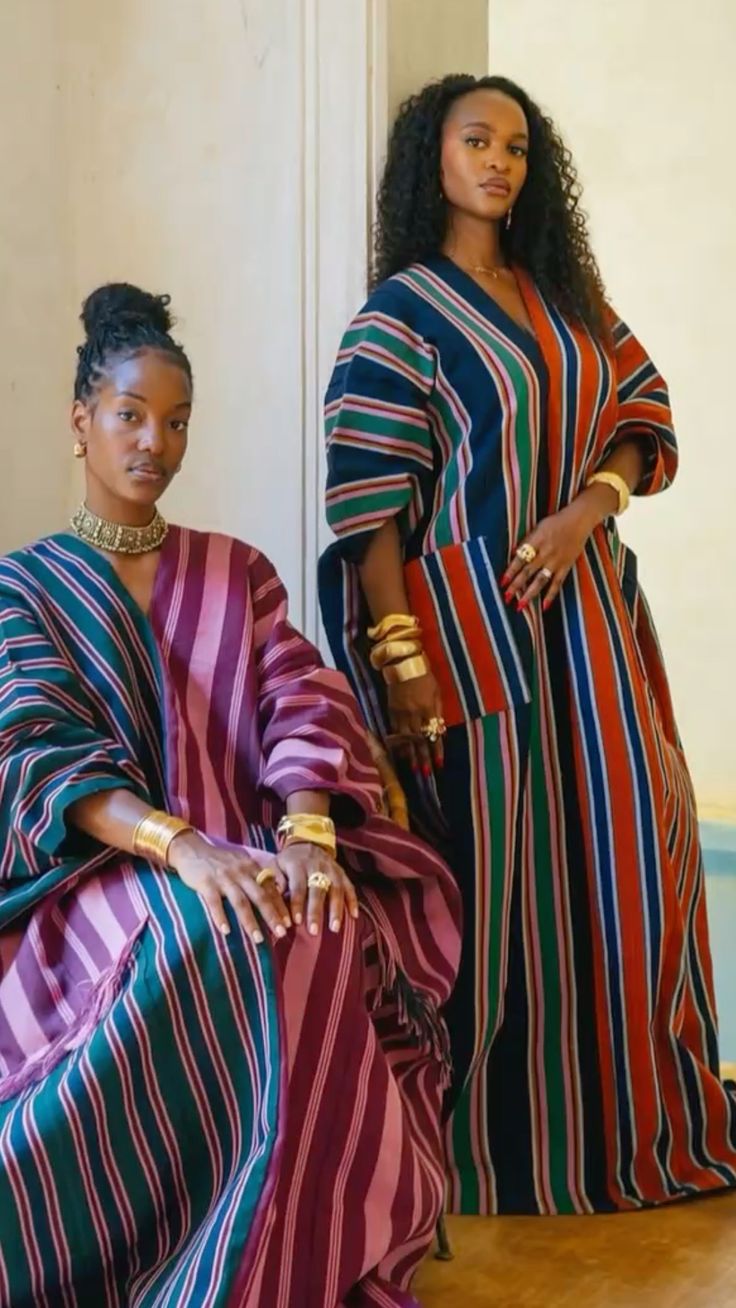
For much of the twentieth century, Western fashion houses sampled African textile aesthetics without attribution. Patterns appeared on runways stripped of context and rebranded as exotic inspiration.
What is shifting now is not simply appreciation. It is authorship.
Designers across Africa are reclaiming these textiles not as heritage props, but as contemporary luxury foundations. They collaborate directly with weavers, document the process, and foreground geography. Provenance is no longer optional. It is premium.
The global fashion system’s pivot toward sustainability and craft has opened space for a deeper reckoning. True innovation often begins in communities long dismissed as peripheral.
These textiles were never primitive. They were precise.
The Luxury of Memory
In a hyper-digital era, the appeal of sacred textiles lies in their resistance to the pace of life. Each strip woven on a loom, each indigo vat stirred, each mud motif painted by hand, represents time embedded in fibre.
Luxury once equated itself with exclusivity through price. Increasingly, it signals exclusivity through labour and storytelling depth.
Adire carries the memory of women-led economies.
Kente carries the memory of kings.
Aso-Oke carries the memory of the ceremony.
Bogolan carries the memory of land.
When incorporated into contemporary fashion, these textiles do not become modern. They reveal that they always were.
A Continental Reframing
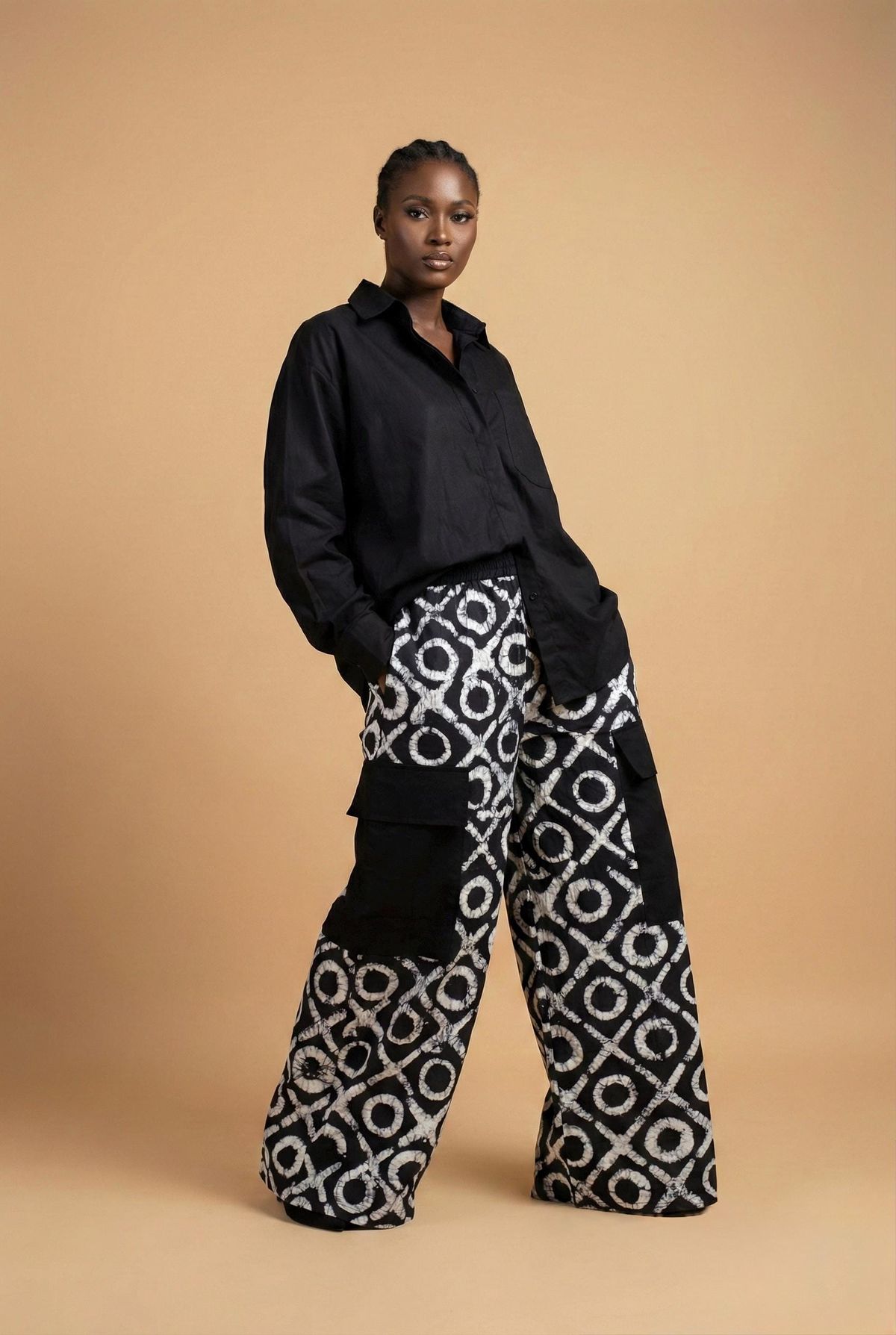
Across Africa’s fashion capitals, from Lagos to Accra to Bamako, a new generation of designers understands that the future of global luxury may depend on cultural specificity rather than homogenisation.
The world is no longer satisfied with surface-level inspiration. It wants origin stories. It wants integrity. It wants depth.
Sacred textiles provide all three.
The most radical change is that fashion is finally learning to credit these fabrics.
In the end, cloth is never just cloth.
It is language.
It is lineage.
It is the law.
And the world is finally reading.
Refresh your wardrobe inspiration — browse Fashion on OmirenStyles.
FAQs
- What are sacred African textiles?
They are heritage fabrics such as Adire, Kente, Aso-Oke, and Bogolan, which carry cultural, spiritual, and historical meaning.
- Where does Kente cloth originate?
Kente originates from Ghana and was historically reserved for royalty.
- What makes Adire unique?
Adire uses indigo resist-dye techniques and was traditionally produced by Yoruba women.
- What is Aso-Oke used for?
Aso-Oke is worn for major ceremonies such as weddings and coronations.
- Why is Bogolan called mud cloth?
This is because its patterns are painted on handwoven cotton using fermented mud.