All over Africa, you’ll find hundreds of monarchs, some ruling over tiny kingdoms, some presiding over vast communities, holding court, performing ancient rituals, and carrying on traditions that reach back thousands of years. They’re not just relics from the past; they’re living reminders of a time before borders and colonial rule, when African governance looked very different. Sure, African royals don’t get the media spotlight like Europe’s queens and princes, but their work as cultural ambassadors matters just as much, maybe even more, especially when you think about how colonialism tried so hard to wipe out local ways of life.
Groups like the African Views Organisation see this, which is why they’re building alliances amongst Africa’s traditional kingdoms through the African Royal Kingdoms (ARK) project. These days, African royals walk a tightrope: they protect old customs, but they also have to deal with the realities of modern life, acting as a bridge between the past and the present, making sure their culture isn’t just a memory.
African royals are redefining cultural diplomacy by preserving heritage, shaping identity, and projecting tradition into a modern global landscape.
The Historical Legacy of African Royals
If you look back to the fifteenth and sixteenth centuries, you’ll find African royals already acting as diplomats. Ethiopia and the Congo sent envoys and princes to Portugal and Italy. These weren’t just polite visits; these men built relationships with European leaders, taught them about Africa, learned new languages, and figured out how to navigate foreign courts. In August 1514, five envoys from Congo, including D. Henrique, who would become the first sub-Saharan African bishop, signed their names in Lisbon. These early exchanges set the stage for what African royals still do today: represent their people abroad, negotiate alliances, and make sure their voices reach the world stage.
What Roles Do African Royals Play Today?
These days, most African royals don’t hold political power. Only Morocco, Lesotho, and Eswatini still have sovereign monarchies. The rest? They’re heads of tribes or traditional communities. But don’t let the titles fool you, their influence is real. They settle disputes, preserve rituals, and act as moral leaders. Their power isn’t always official, but people listen.
African monarchs step into the world as representatives of their people, not just their governments. Their work goes beyond politics, they use their platforms for cultural diplomacy, charity, and international cooperation. State visits can get pretty grand: think of African rulers being welcomed at Buckingham Palace, with all the ceremony and respect that comes with it. These moments show just how seriously the world takes its role.
Take King Letsie III of Lesotho. In 2018, he stood up for the African Leaders for Nutrition initiative, aiming to end childhood hunger in Africa by 2025. People across the continent praised him for his dedication, and he showed how African royals can use their traditional authority to tackle modern problems. Their titles might be ancient, but their impact is very much alive.
How Do African Royals Preserve Cultural Heritage?

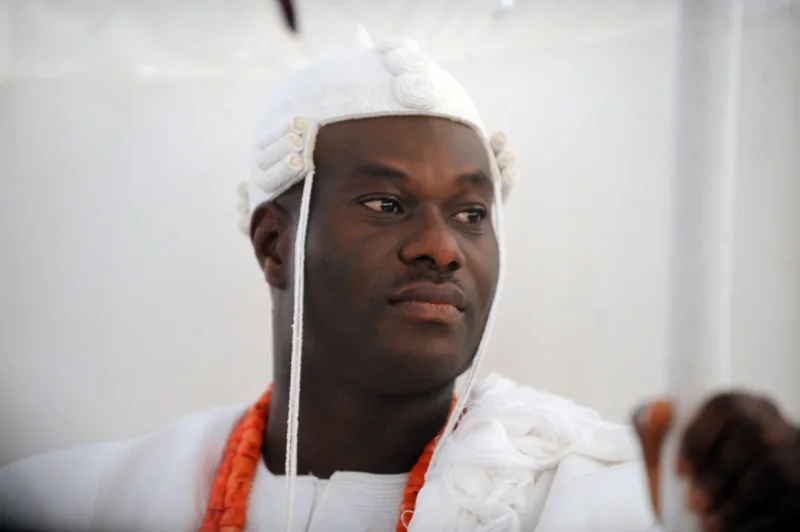
When you look at African royalty, the first thing that jumps out isn’t just the wealth or the ceremony, it’s the regalia. Every crown, bead, or carved staff means something. These aren’t just fancy decorations; they carry stories, mark status, and connect today’s leaders to a line stretching back centuries. Take the green beaded hat of a Nigerian king, for example. It’s more than just headwear. It ties him to a whole history of rulers who came before, carrying their legacy forward.
But it’s not just about what they wear. African royals are like living museums. They keep traditions alive through rituals, the language they speak, the art they support, and the stories they remember and repeat. When power changes hands, or when kingdoms grow, it’s the connection to royal ancestors, sometimes shown off in dramatic sculptures or masks, that keeps everything rooted and gives new leaders legitimacy.
Their role goes deeper than symbolism. These rulers settle land disputes with old-school customary law, look after sacred places, throw festivals, and make sure kids learn their ancestors’ ways. As cities grow and Western culture spreads, African royals keep traditions from vanishing completely. They’re anchors in a fast-changing world.
Why Does the World Need African Royals as Ambassadors?
The African Royal Kingdoms group exists for a reason. It brings together kings, queens, queen mothers, and chiefs from all across Africa and the diaspora. They look at the tough stuff facing African people everywhere, sustainability, identity, the need to protect culture, and work together to make sure those voices aren’t lost or ignored.
African royals see the world differently from politicians do. Presidents come and go, but royal families stick around for generations. That kind of long-term perspective matters, especially when you’re dealing with big, slow-moving problems like cultural loss or environmental damage. Where governments struggle, royals can step in, not just because of their title, but because people trust them in ways they often don’t trust politicians. Their authority isn’t about votes; it’s about family, tradition, and respect earned over time. They can rally people for public health, peace talks, or local projects when official channels hit a wall.
The Challenges Facing African Royals
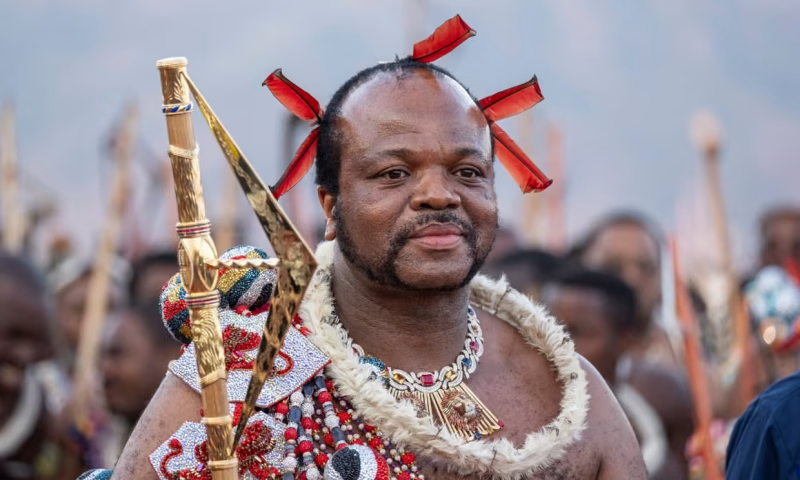
It’s not all smooth sailing. Not every royal knows how to handle the pressures of modern life. King Mswati III of Eswatini stands out as Africa’s last absolute monarch, and his decisions, like his law banning intimacy for women under 18 to fight AIDS, show how tradition can sometimes clash with today’s realities, sometimes with awkward or even harmful results.
Colonial history makes things trickier. The British and other colonisers shook up royal systems, propping up some rulers, sidelining others, and leaving behind a mess of rivalries and suspicions. Even now, some African governments see royals as old-fashioned or even as threats to democracy.
Money is another big hurdle. Unlike European monarchs with state support, most African royals rely on their own resources or what their communities can spare. That makes it hard to keep up palaces, fund ceremonies, or help people in need, the basics of royal duty.
Still, despite everything, African royals keep finding ways to hold onto what matters and pass it on, even as the world around them keeps changing.
READ ALSO
- How African Mythology Shapes Modern Pop Culture
- Sejiro Avoseh: Lagos Artist Blending Heritage with Global Modernity
- Chief Robinson Olafisoye’s Beaded Spiritual Art: Modern Craft, Deep Roots in Yoruba Culture
The Future of African Royals
When you look at Africa’s royal courts, you see this constant push and pull, old traditions meeting the fast pace of modern life. Royals across the continent know they have to adapt or risk fading into the background. Younger royals go off to study in the West, but they still come home for traditional training. They post on social media, but you’ll also find them leading ancient rituals. Some partner up with NGOs, yet they’re still the ones upholding customary law.
A few royals are thinking bigger, too. They’re building lasting institutions so their role as cultural ambassadors doesn’t just hinge on a single person’s charisma. Take the African Kingdoms Federation, for example. Since the Queen of Sheba took charge in 2000, they’ve made some serious moves, like launching the Imperial Queendom of Sheba in June 2021. Now it operates with a level of autonomy and helps drive development across African Union nations.
The royals who really thrive are the ones who show how old wisdom can tackle today’s problems. Think of environmental care that’s rooted in ancestral ways of managing the land. Or sorting out conflicts using traditional mediation. Or weaving social ties through shared cultural identity. When royals prove that tradition isn’t just baggage, but a toolkit for solving real issues, they lock in their place for the next generation.
Frequently Asked Questions
1. How many African royals are there today?
Hundreds, easily. Only three monarchies, Morocco, Lesotho, and Eswatini, still hold full sovereignty. Most African royals oversee ethnic communities, keeping traditions alive and helping settle disputes according to local customs. Their power depends a lot on national laws and local situations.
2. What kind of power do African royals have?
It’s a mixed bag. Some, like the King of Morocco, have serious political clout. Most others are more about moral authority and cultural influence. They step in to resolve land disputes, keep the peace, preserve heritage, and rally their people for development projects.
3. How do they support their communities?
Royals play a big part in keeping culture alive, organising festivals, preserving languages, and using customary law to mediate conflicts. They also sponsor education, connect communities to government resources, and put their status to work attracting attention and support.
4. Why don’t we hear much about African royals?
Western media barely covers them, and honestly, that’s part of a bigger trend of overlooking African culture. Many royals focus on their own communities instead of chasing global headlines. Language gaps, weak PR networks, and the lingering effects of colonialism (which sidelined traditional leaders) also keep them under the radar outside Africa.
5. Can African royals help with modern challenges?
Definitely. They have the trust of their people and a long-term view that politicians sometimes lack. Royals can rally communities for public health drives, protect the environment, mediate conflicts, and teach cultural values. Their impact depends on how willing they are to blend tradition with today’s realities, but when they do, they get results.