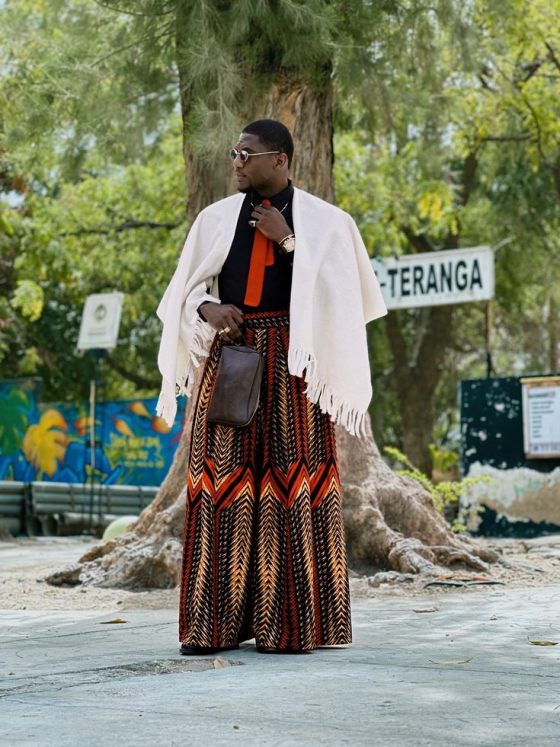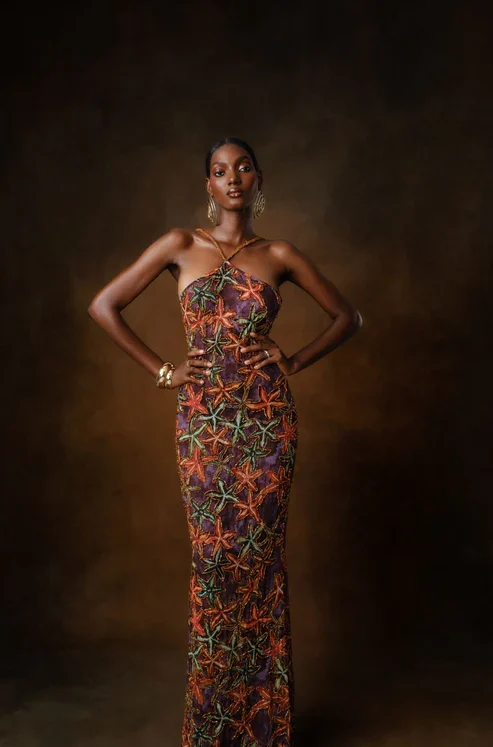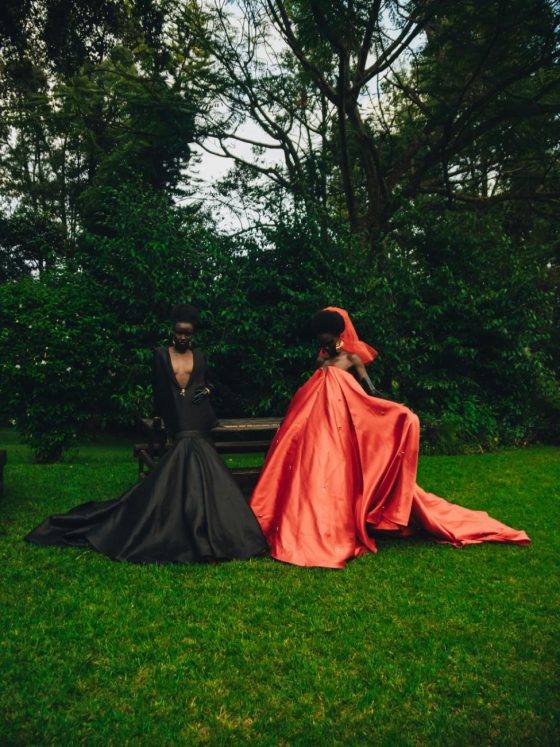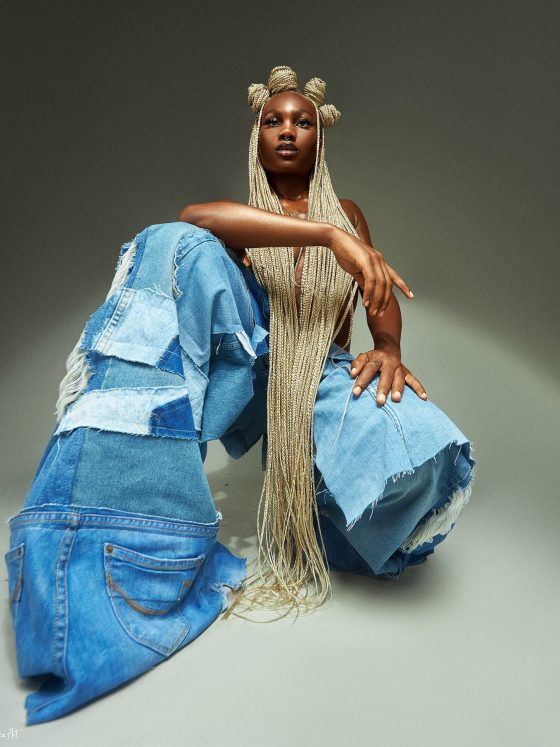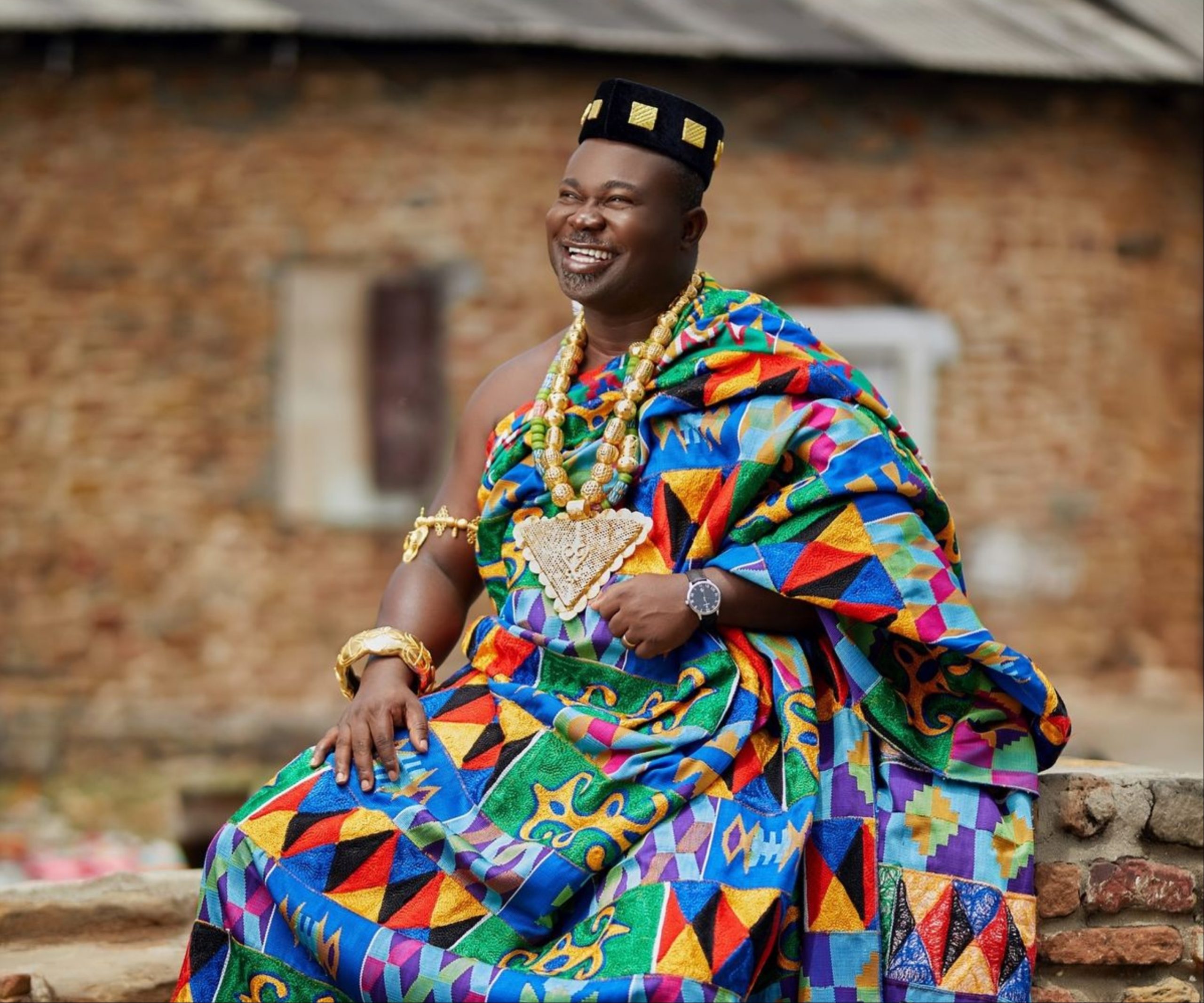
Africa’s rich heritage of royalty has always been associated with wealth, grandeur, and complex creativity, influencing a variety of fields, including contemporary fashion. From the magnificent gowns of ancient African kings and queens to modern runway trends, the regal aura of African royalty has left an indelible influence on world design.
African royalty set the original standard for opulence. Explore how Kente, Aso-Oke, and the Royal Silhouette drive cultural assertion and redefine global luxury design today.
The Legacy of African Royalty
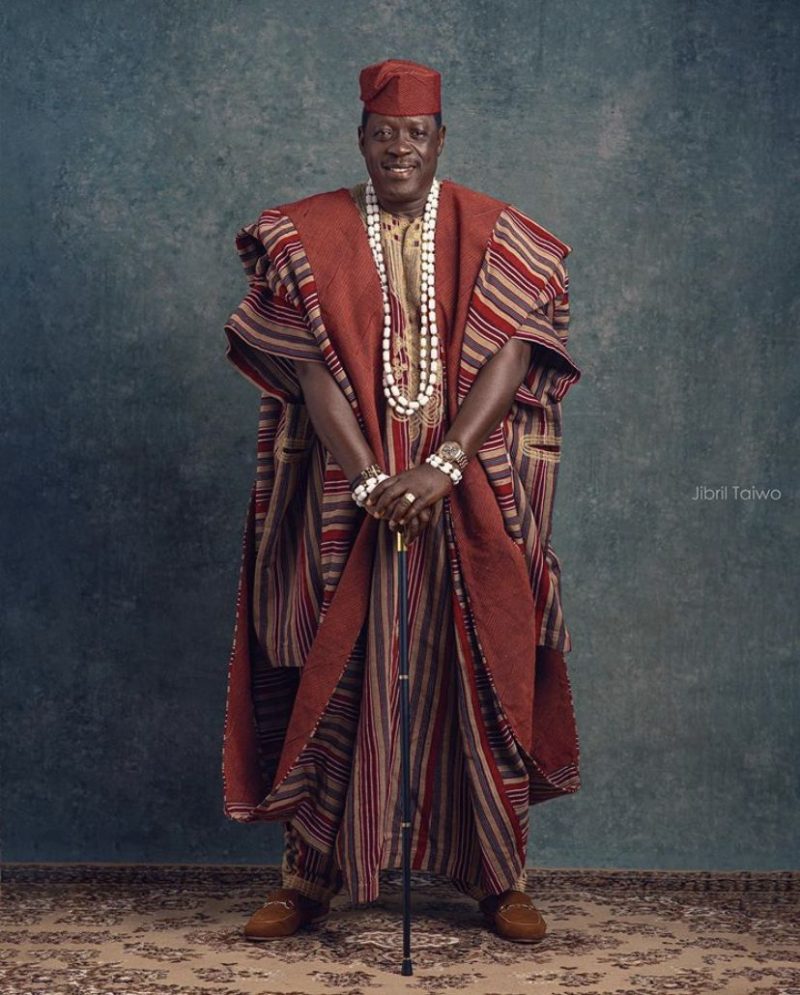
Throughout history, African countries such as Ancient Egypt, the Kingdom of Benin, and the Zulu Kingdom have left not just tales of conquest and rule but also gorgeous clothes and accessories. African aristocracy were frequently dressed in the finest materials, including silk, velvet, and intricately woven textiles such as Kente and Aso-Oke. This clothing represented authority, riches, and cultural pride.
The royal African dress also featured elaborate headpieces, gold jewellery, and colourful patterns that expressed a variety of cultural meanings, ranging from prestige and rank to protection and spiritual force.
African Royalty’s Influence on Modern Fashion
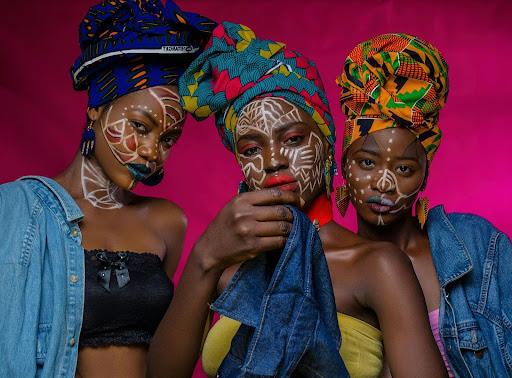
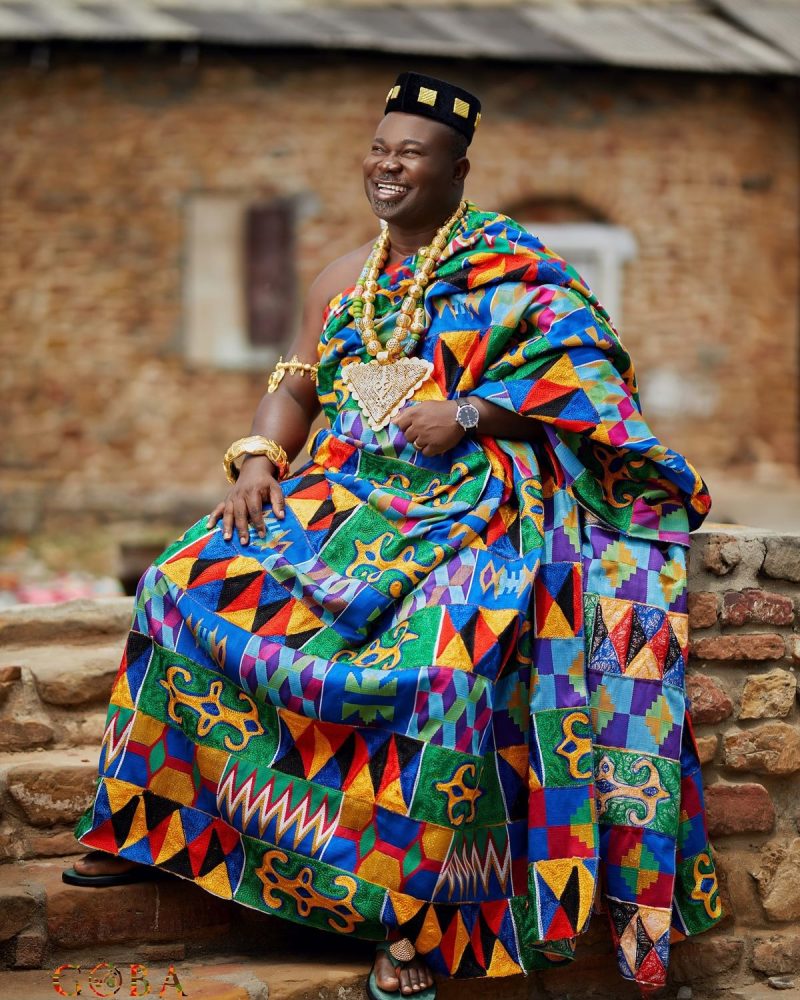
The timeless elegance and cultural symbolism of the African monarchy have made their way into modern fashion. Textiles, patterns, and aesthetics from Africa’s royal history inspire designers worldwide. Kente cloth, used by Ghana’s Ashanti and Ewe kings, has become a global fashion statement, appearing in everything from high-end fashion collections to streetwear.
Current runways feature bold designs, brilliant hues, and exquisite embroidery inspired by African regal traditions. International designers such as Stella McCartney, Olivier Rousteing, and even Dior have incorporated African royal-inspired elements into their collections, highlighting the global appeal of African aesthetics.
Reinterpreting Royalty in Fashion
Modern African designers are at the forefront of this movement, reimagining the elegance and symbolism of the African monarchy in their designs. Designers such as Loza Maléombho, Laduma Ngxokolo, and Lisa Folawiyo update traditional African royal attire, whether intricate beadwork, regal fabrics, or dramatic silhouettes, for contemporary audiences. These pieces pay tribute to Africa’s royal heritage while making a strong fashion statement.
African royalty’s impact has also prepared the way for the Afrofuturism movement, which combines cultural traditions with future aspirations. Designers and artists use this blend to express African identity in a bold, imaginative style that is both nostalgic and forward-looking.
ALSO READ:
- Trax Apparel Africa: Reviving African Fashion with a Modern Twist
- Chief Robinson Olafisoye’s Beaded Spiritual Art: Modern Craft, Deep Roots in Yoruba Culture
- Emir of Katsina’s Palace: Explore a Legacy of Royalty
Global Runway Trends and Cultural Appreciation
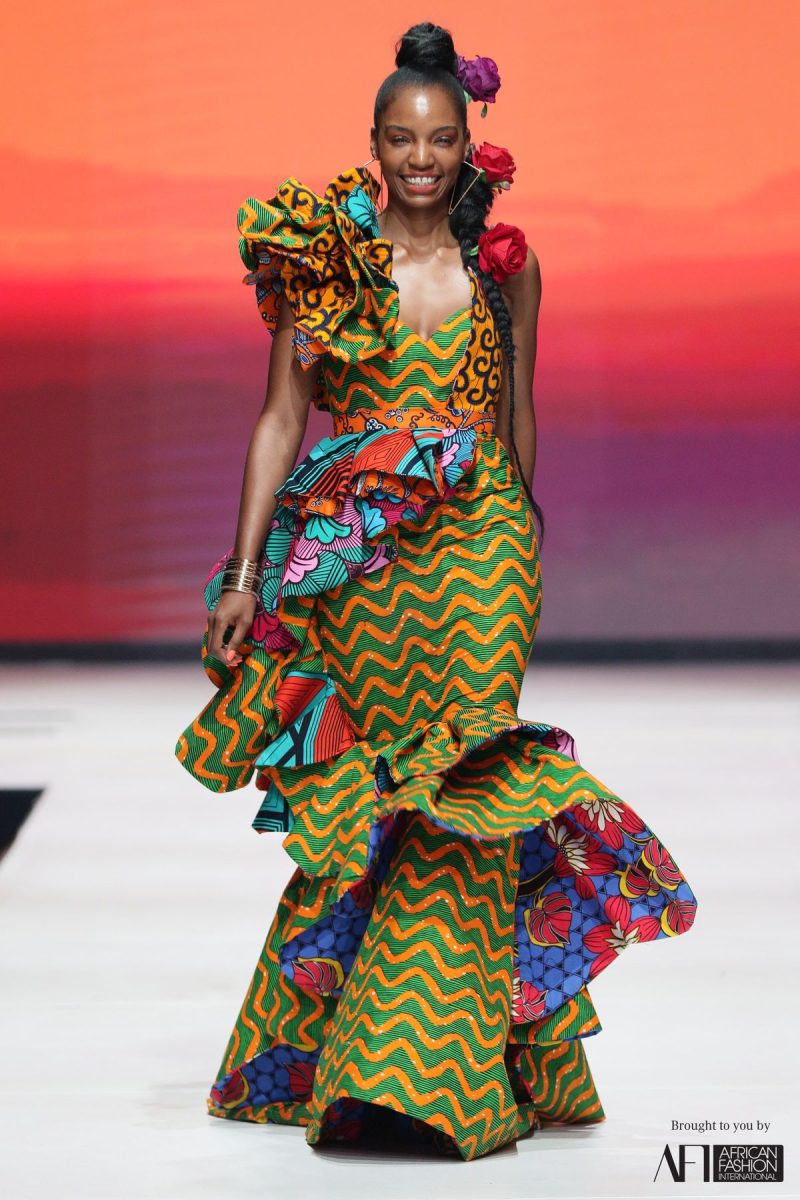
African royalty’s impact extends beyond just African designers. International fashion businesses are progressively adopting African-inspired designs, incorporating them into worldwide fashion presentations. However, it is critical to discern between cultural appreciation and appropriation. Genuine appreciation entails acknowledging and appreciating the origins of African designs and ensuring that the richness of these traditions is preserved.
African models such as Alek Wek, Adut Akech, and Imaan Hammam have also contributed significantly to expressing African royalty’s fashion influence on global platforms, exhibiting both grace and power.
Conclusion
African royalty has a major impact on modern fashion, spanning decades and continents. From the regal dress of ancient African empires to today’s high-fashion runways, African royalty continues to influence contemporary fashion. As more designers recognise and cherish this tradition, African royalty will remain a cornerstone of global style, reminding us of Africa’s unprecedented contribution to the fashion industry.
Uncover the historical context and contemporary application of African Royal Fashion and how the Royal Silhouette is fundamentally redefining the investment thesis for global luxury design exclusively on Omiren Styles
Frequently Asked Questions (FAQs)
- What is the fundamental difference between the historic and modern use of fabrics like Kente and Aso-Oke?
A: Historically, fabrics like Ghanaian Kente and Nigerian Aso-Oke were reserved for royalty and high-ranking officials; their patterns and colours communicated status and spiritual energy. The modern difference is one of accessibility, but the core design principle, Regal Provenance, remains. Designers use these materials to imbue contemporary wearers with a sense of power, wealth, and undeniable cultural assertiveness.
- How did African royalty establish a “royal silhouette” that continues to influence modern fashion?
A: African royalty established distinct silhouettes through garments like the voluminous kaftan (bubu/boubou) and the structured agbada. These designs were architected for maximum presence, authority, and ceremonial movement. Modern designers reinterpret this “architecture of authority” with dramatic drapery, bold volume, and intricate embellishments (such as beadwork and gold) to create contemporary haute couture that commands attention on the global stage.
- What role does adornment (jewellery, beadwork) play in translating royal style to modern luxury?
A: Royal adornment historically functioned as a visual language to communicate lineage, wealth, and spiritual protection. Modern designers and brands are re-appropriating elements such as intricate, symbolic beadwork and gold accents not as mere decoration but as crucial signifiers of identity and high status, positioning the contemporary consumer as an inheritor of this regal aesthetic.
- How is the work of contemporary African designers reinterpreting this royal legacy?
A: Designers such as Loza Maléombho and Laduma Ngxokolo are at the forefront, taking traditional elements, from the structure of a royal robe to specific patterned motifs, and modernising them for a global audience. Their work honours the luxury and symbolism of the past while making a clear statement about plural modernity, proving that culture-rooted African design is the most dynamic form of contemporary luxury.
- What is the distinction between cultural appreciation and appropriation regarding African royal aesthetics?
A: Cultural appreciation involves acknowledging, respecting, and honouring the origins of African royal designs (fabrics, patterns, and symbols), often through partnerships that ensure fair compensation and recognition for the creators and traditions. Appropriation occurs when cultural elements are borrowed without understanding, respect, or acknowledgement, often reducing complex symbols to mere commercialised trends.