Long before formal archives existed, societies built sophisticated systems for preserving what mattered. In many African communities, that system was oral. History was performed. Genealogies were recited. Laws were embedded in proverbs. Identity was spoken into continuity by griots, elders, and praise singers whose entire function was to hold the community’s memory in active, living form.
Fashion has always operated within the same framework, and the parallel is not metaphorical. It is structural.
Clothing is a medium of transmission. It stores information. It signals belonging. It defines hierarchy. It announces transitions from one life stage to the next. Its language is visual, but its architecture mirrors speech: both depend on repetition, both require a community of interpreters to hold their meaning, and both endure precisely because that community agrees on what they signify. Strip the community away, and the garment becomes decoration. Strip it away from the oral tradition, and the proverb becomes noise. The knowledge system in both cases is not in the object or the utterance alone. It is in the relationship between the speaker and the people who know how to listen.
In societies that built their archives from breath and cloth rather than stone and ink, nothing was accidental. Every word chosen for a praise recitation and every thread chosen for a ceremonial garment carried the full weight of what the community needed to remember.
1. Garments as Living Archives
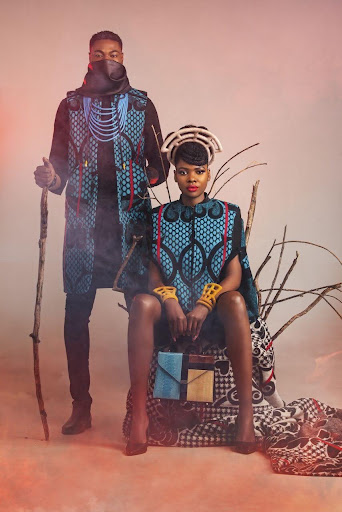
An archive is not only a building filled with documents. It is any system that preserves memory across time, and the most durable archives in human history have often been the ones that moved: carried in the body, transmitted through practice, and readable to anyone with the cultural literacy the community had maintained across generations.
Along the Swahili coast of East Africa, the Kanga cloth serves this function with a literalness unmatched by any other textile tradition on the continent. Produced in brightly coloured cotton with a distinctive border, Kanga is printed with a Swahili proverb—a methali—woven directly into its edge. The garment does not represent a saying. It is the saying made wearable. A woman selects her Kanga for the proverb it carries and wears it as a directed message: to a neighbour, a mother-in-law, a community gathering, or simply to herself. The cloth speaks. The recipient reads it. The exchange is as precise as any spoken communication and carries the same cultural weight as a proverb delivered in public by an elder.
This is what it means for a garment to function as a living archive. The Kanga does not merely store cultural memory, as a museum object stores an artefact behind glass. It activates it. It moves through daily life, through markets and ceremonies and domestic spaces, transmitting meaning in real time to the community that holds the literacy to receive it. UNESCO’s documentation of East African Kanga traditions explicitly recognises this transmission function: the cloth is inseparable from the social practices that keep its meaning alive.
The garment, like the oral tradition it mirrors, becomes a mobile archive. It is worn, reworn, gifted, and inherited. It absorbs new meaning without losing its original grammar. A Kanga worn at a grandmother’s funeral carries the proverb her family chose for her departure; when the grandchild wears it decades later, the cloth holds both the original message and the accumulated weight of the wearing. The archive deepens with every generation that reads it.
This is the intelligence that the fashion industry’s language of heritage tries to invoke but consistently fails to honour. Heritage is not a visual reference applied to a garment from the outside. It is a transmission system that only functions when the community that created it retains authorship over how it is read.
2. Colour as Vocabulary
In oral storytelling, tone shapes interpretation. A proverb delivered with humour differs from one delivered with a warning. In fashion, colour has a similar function.
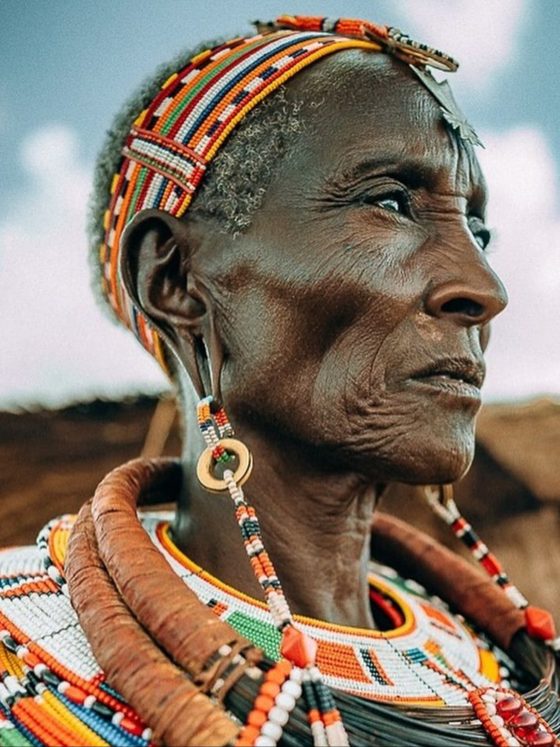
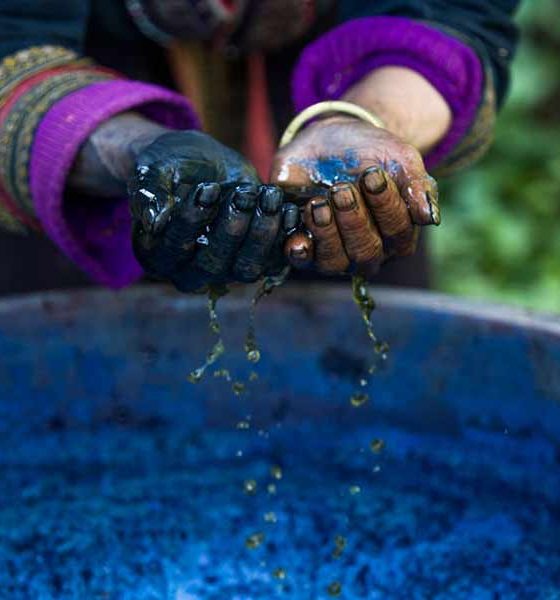
In many African cultures, colour is rarely arbitrary. White can signal spirituality or transition. Indigo often conveys depth, endurance, and a history of trade. Red may indicate vitality or status depending on context. The wearer does not need to explain these associations. The community already understands them.
This shared vocabulary transforms clothing into silent speech. The body becomes a sentence structured in hue and fabric.
3. Repetition, Rhythm, and Pattern

Oral tradition relies on rhythm. Repetition aids memory. Phrases recur so that knowledge can be retained accurately across generations.
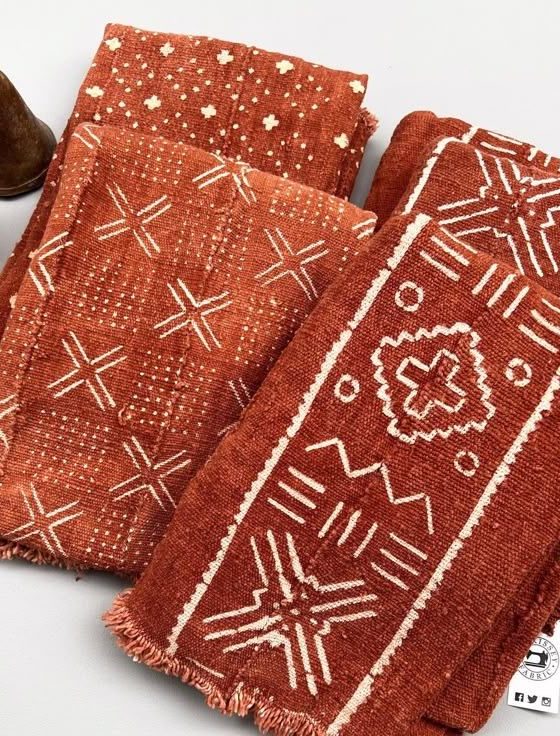
Textile design follows the same principle. Repeated motifs in woven or printed cloth are not purely decorative. They stabilise meaning. A recurring geometric symbol can signal fertility, royalty, or communal strength. The pattern’s rhythm mirrors the cadence of the spoken narrative.
Just as a storyteller may alter emphasis while preserving structure, designers may reinterpret motifs while maintaining recognisable roots.
4. Ceremony as Performance
Oral tradition is often performed publicly during rituals, festivals, and rites of passage. These moments reaffirm collective memory.
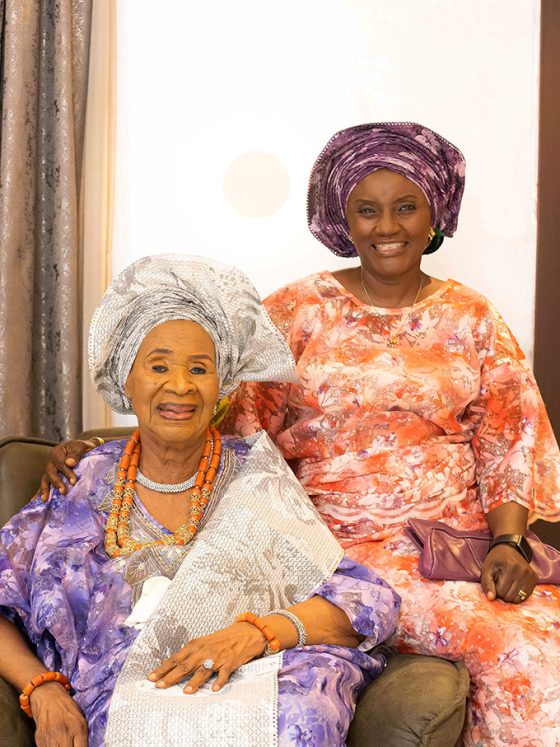
Fashion functions identically within ceremonial contexts. Coronations, weddings, and initiation rites require specific garments. The clothing does not merely adorn the event. It completes it. Without the appropriate textile or silhouette, the ritual feels incomplete because the visual language is disrupted.
The ceremony becomes a stage where fabric and voice collaborate.
5. Authority and Legitimacy
In oral societies, authority is frequently established through mastery of language. The one who can recite lineage accurately holds social power.
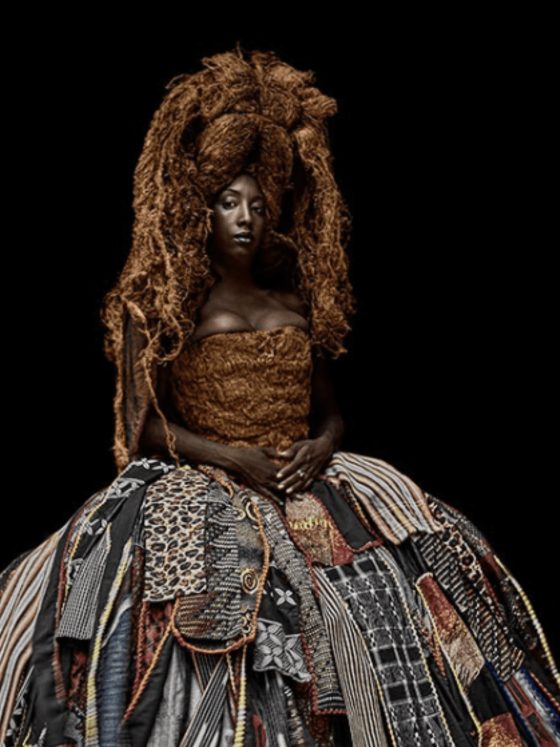
In fashion, authority has historically been signalled through access to particular textiles, techniques, or embellishments. Complex embroidery, rare dyes, or labour-intensive weaving methods often indicated rank. The garment validated the wearer’s social position without requiring proclamation.
Clothing, in this sense, becomes evidence.
6. Adaptation Without Erasure
One misconception about oral tradition is that it is static. In reality, it evolves. Stories shift slightly with each retelling, yet their core meaning remains intact.
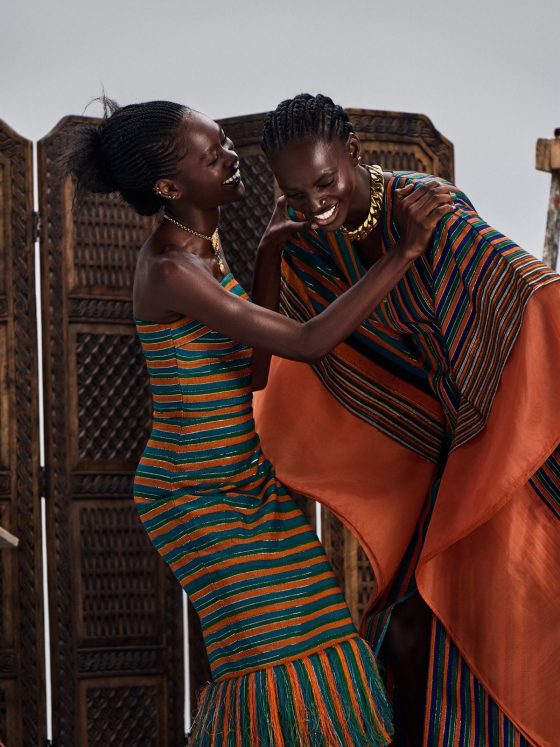
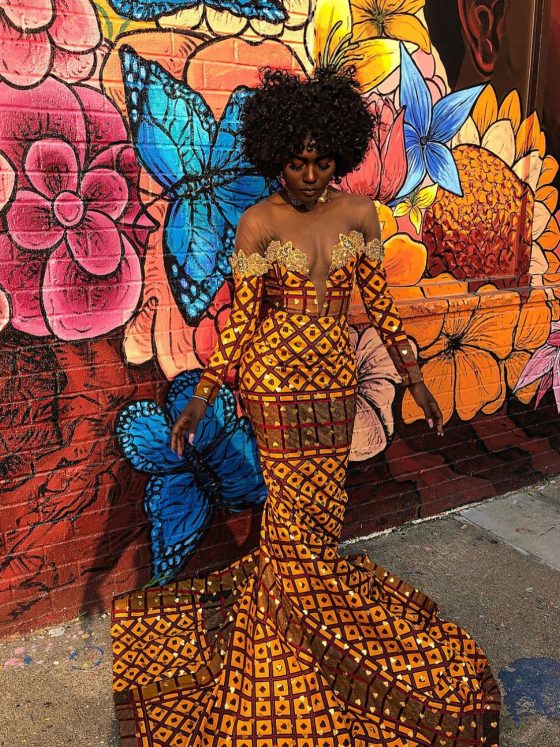
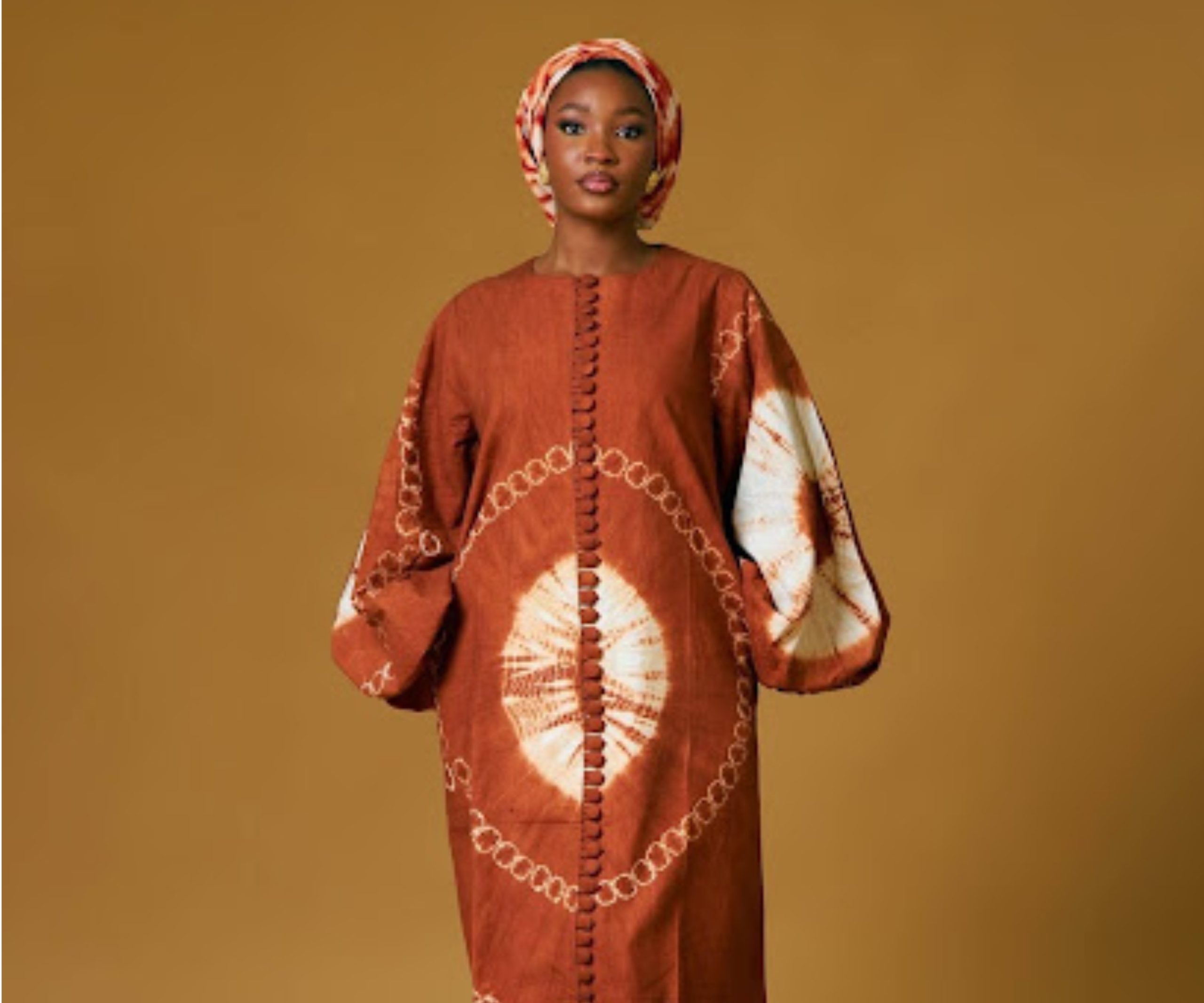
Fashion mirrors this adaptability. Contemporary African designers reinterpret traditional fabrics in structured blazers, evening gowns, and experimental silhouettes. The form modernises, but the textile retains its narrative origin. The past is not discarded. It is reframed.
This continuity explains why heritage textiles appear confidently on global runways. They are not relics. They are active languages.
READ ALSO:
- What the Most Influential Fashion Pieces of 2026 Communicate Today
- Simplify, Then Elevate: The Quiet Power of Digital Minimalism in Fashion
7. Colonial Disruption and Cultural Persistence
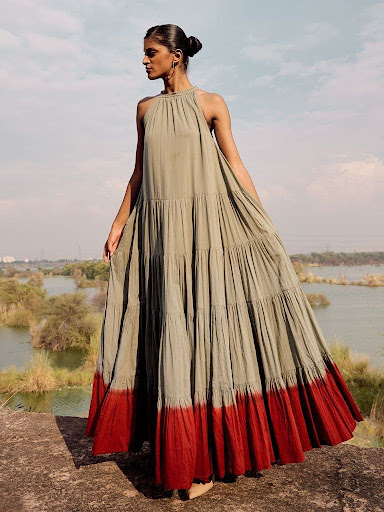
Colonial systems privileged written archives and Western dress codes, often dismissing oral knowledge and indigenous attire as informal or inferior. However, neither disappeared.
Communities continued to transmit stories verbally. Families continued to weave, dye, and embroider according to inherited methods. The survival of these systems demonstrates resilience. It also reveals that cultural legitimacy does not depend on external validation.
The thread remained intact even when the narrative surrounding it shifted.
8. The Economics of Memory
In 2026, there is renewed global interest in heritage textiles. This interest is not purely aesthetic. It reflects a broader demand for authenticity and traceability.
Consumers increasingly seek garments with origin stories. They want to know who wove the fabric and where it was dyed. This desire mirrors the function of oral tradition, where context and lineage enhance value. A story attached to cloth elevates it beyond a commodity.
Memory, therefore, becomes economic capital.
9. Digital Acceleration Versus Cultural Depth
Fashion now moves at algorithmic speed. Trends rise and collapse within weeks. Yet oral tradition teaches endurance. Knowledge that survives centuries does so because it is rooted in communal significance rather than novelty.
African fashion that draws from heritage textiles often resists disposability. Its meaning cannot be reduced to a microtrend because it is anchored in intergenerational memory.
In an era defined by speed, depth becomes distinction.
10. The Body as Narrative Space
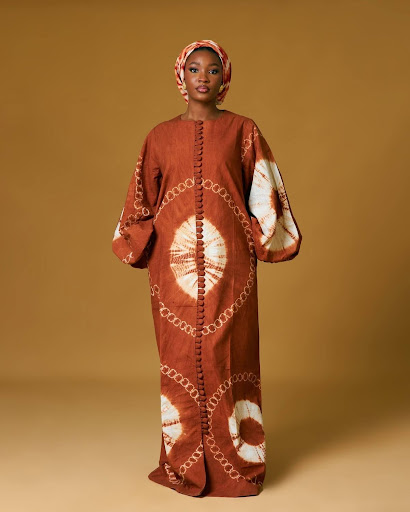
Ultimately, both oral tradition and fashion depend on the body. The storyteller performs with voice and gesture. The garment moves with posture and presence.
When an individual wears culturally significant clothing, they become a living narrator. Their appearance communicates origin, belief, and affiliation before speech begins. The body becomes a page. The textile becomes text.
This is the invisible thread. It is not merely cotton or silk. It is continuity.
As fashion systems become increasingly globalised, understanding this connection is essential. Clothing has never been neutral. It has always carried memory, even when detached from its context. Recognising fashion as parallel to oral tradition restores its depth and repositions African design not as inspiration but as intellectual heritage expressed through fabric.
FAQs
- How does oral tradition influence African fashion design?
Oral tradition preserves symbols, meanings, and social codes that are often embedded in textiles, colours, and garment construction.
- Why are African heritage textiles considered cultural archives?
They encode lineage, ceremony, and craftsmanship methods, functioning as visual records within communities that historically prioritised oral knowledge.
- How do modern designers balance tradition and innovation in Africa?
They reinterpret ancestral fabrics and techniques within contemporary silhouettes while retaining symbolic integrity.
- What role does colour symbolism play in African clothing?
Colours frequently communicate spiritual, social, or ceremonial meaning understood collectively within specific cultures.
- Why is cultural storytelling important in 2026 fashion trends?
As digital trends accelerate, consumers increasingly value garments with history and narrative depth, making cultural storytelling central to brand identity.