For a long time, the global fashion industry viewed Africa solely as a source of raw materials. The international fashion industry sourced high-quality skins from Nigeria and Ethiopia, transformed them into luxury products, and resold them worldwide under foreign labels.
Today, the story is shifting. African designers are reclaiming the whole process. By tanning the leather and stitching the finished products locally, they ensure that the profit and recognition remain on the continent. This transformation is turning “Made in Africa” into a global symbol of premium quality and master craftsmanship.
African leather is transitioning from raw exports to becoming a staple in world-class luxury brands. Explore how designers in Nigeria and Ethiopia are using traditional skills to craft high-end bags and shoes that compete on the global stage.
From Raw Material to Global Luxury

Africa produces some of the world’s best leather, particularly “Red Goat” skins from Northern Nigeria and high-altitude sheepskin from Ethiopia. For ages, these materials were the secret ingredient in European luxury homes.
Local artisans are now preserving the best materials for themselves rather than simply sending these skins overseas. They ensure the leather reaches the highest standards by conducting the “finishing” job locally, which includes cleaning, dyeing, and softening. This allows them to develop items that are as delicate and polished as those seen in Paris or Milan. It is no longer enough to provide the materials simply; it is necessary to demonstrate that African workshops can produce a flawless final product.
The Power of Local Brands
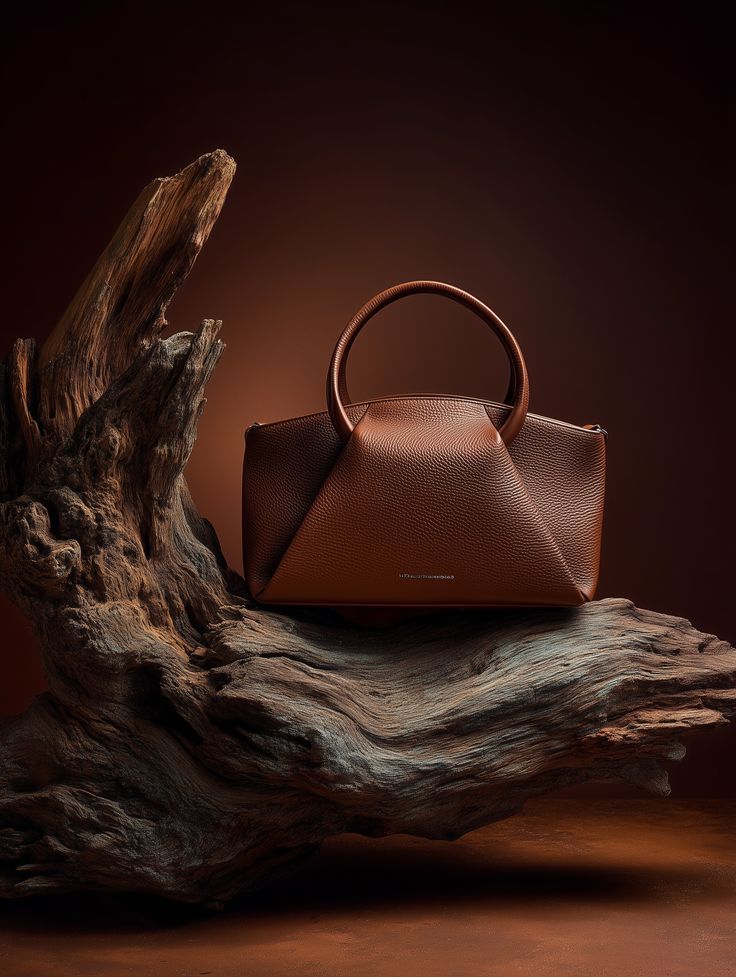
The success of companies such as Zashadu in Nigeria and ZAAF in Ethiopia demonstrates what occurs when local creativity meets local material. These designers aren’t simply designing bags; they’re creating a new industry.
When a bag is created locally, it generates a “value chain.” This ensures that the person raising the animal, tanning the hide, and sewing the bag are all appropriately compensated. It also provides for complete transparency in how things are manufactured. Customers today want to know where their leather originated from, and African luxury brands can show them every stage of the process. These brands’ transparency appeals to foreign shoppers who value ethics and quality.
ALSO READ:
- Quiet Luxury in Africa: How Aso-Oke, Adire & Craftsmanship Are Shaping 2025 Style
- Top Nigerian Luxury Fashion Brands in 2025: Designers Shaping the Global Stage
- Eco-Luxury: Designers Bringing Style to Sustainable Fashion
Traditional Skills and Modern Design
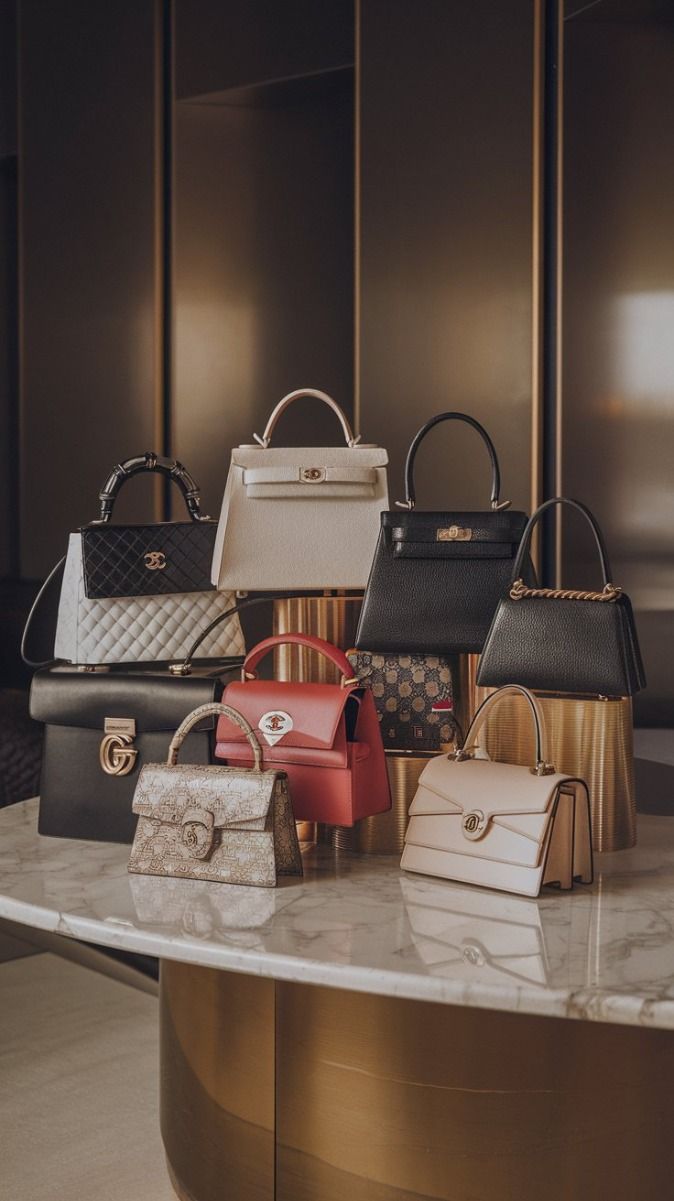
What distinguishes African leather items is their combination of the ancient and the new. Many workshops continue to use traditional processes, such as treating leather with tree bark and herbs rather than harsh factory chemicals. This is often referred to as “vegetable tanning”.
This old-world method has a significant advantage in the current world because it is far more environmentally friendly. These long, precise methods result in leather that lasts a lifetime and acquires a lovely appearance over time. African designers offer something unique by combining traditional, eco-friendly techniques with modern, fashionable designs. They demonstrate that the most sustainable method of producing luxury is to examine how it was done before the advent of large factories.
Conclusion
The transition from exporting raw skins to producing finished luxury goods is a significant win for the region. It demonstrates that African designers are more than just suppliers; they are leaders in the fashion industry. They are developing a new type of luxury that is both attractive and responsible by emphasising quality, fair labour, and natural processes. Buying African leather not only contributes to fashion but also fosters a system that values and compensates all labourers involved.
Africa no longer only exports raw materials; it now houses some of the most interesting high-end brands. Discover the designers who craft polished luxury goods and learn more about Omiren Styles.
Frequently Asked Questions:
1. Why is African leather considered of such high quality?
The leather is exceptional because of the specific animals found in regions such as Northern Nigeria and the Ethiopian Highlands. For example, the “Red Goat” from Sokoto produces leather that is naturally strong yet very flexible. Because these animals often roam freely in natural environments, their skins are durable and have a unique texture that is highly prized by luxury designers worldwide.
2. How is the industry changing for African leather workers?
In the past, Africa mainly exported raw, unfinished skins. This meant that the real money and the “luxury” label went to factories in Europe. Now, the industry is shifting toward finished goods. Designers are setting up modern workshops locally, hiring local people to perform high-skilled work in dyeing, cutting, and stitching. The company keeps the profit and the recognition within the local community.
3. Is African leather fashion better for the environment?
Yes, often it is. Many African artisans still practice vegetable tanning, a traditional way of treating leather with natural ingredients such as tree bark and plant extracts rather than the harsh, toxic chemicals used in mass-production factories. Additionally, because most African luxury brands produce items in small batches or by hand, they create far less waste than the global “fast fashion” industry.
4. Which countries are currently the leaders in this leather movement?
Nigeria and Ethiopia are the two major hubs. Nigeria, specifically the city of Kano, has been a leather hub for centuries and is famous for its traditional tanning pits. Ethiopia is known for its high-quality sheepskin and has seen a significant boom in local brands producing high-end shoes and bags for the international market.