Long before gyms, wellness apps, or supplements, African communities had their own ways of staying healthy. These practices focused not just on treating illness but on living well every day.
In many African cultures, healing cared for the body, mind, and spirit. People relied on plants, movement, music, and community support to stay balanced, with elders passing this knowledge down through generations.
Today, many modern wellness trends, like herbal teas, natural skincare, meditation, and group healing spaces, reflect these long-standing traditions.
This article explores how African healing practices shaped modern wellness and why they still matter today.
Learn how African healing traditions shaped modern wellness with herbs, rituals, and holistic practices that nurture body, mind, and spirit.
How Healing Worked in Ancient African Communities
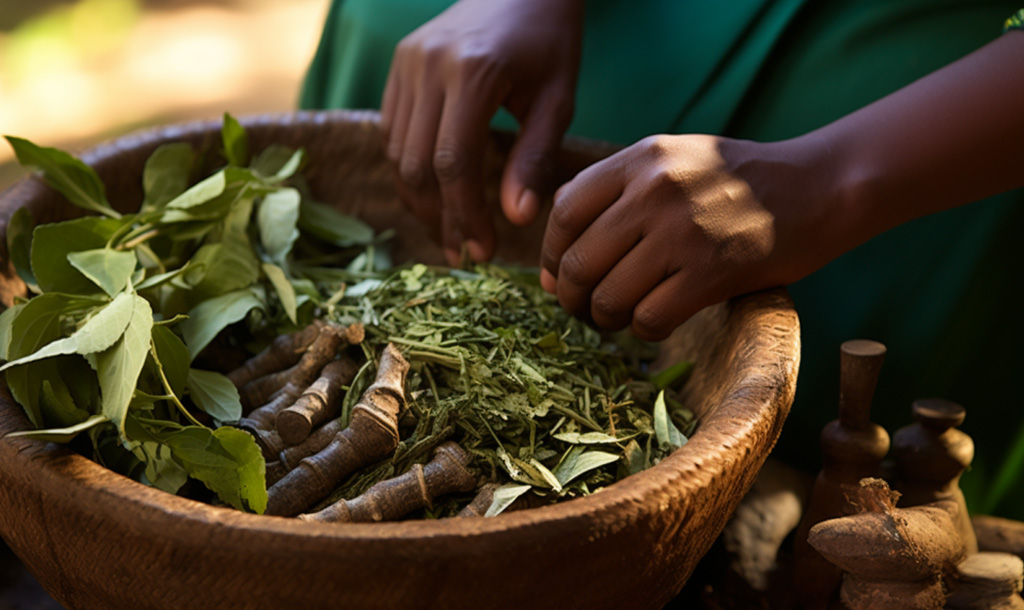
In ancient African communities, healing was not something reserved for sickness. It was part of daily life. Staying well meant keeping the body, mind, and spirit in balance.
Healing was also communal. Elders and healers guided the process, but families and neighbours played an active role.
When someone was unwell, physically or emotionally, the community stepped in. Survival depended on connection, shared responsibility, and care for one another.
These practices reflected how people understood nature and life. Plants, water, music, movement, and storytelling were used to restore balance.
This matters today because modern wellness is slowly returning to the same idea. Health is not only about treatment.
It is about how we live, how we connect, and how we make sense of our lives. Long before wellness became an industry, African healing placed people at the centre.
Medicinal Plants Used In African Healing Practices
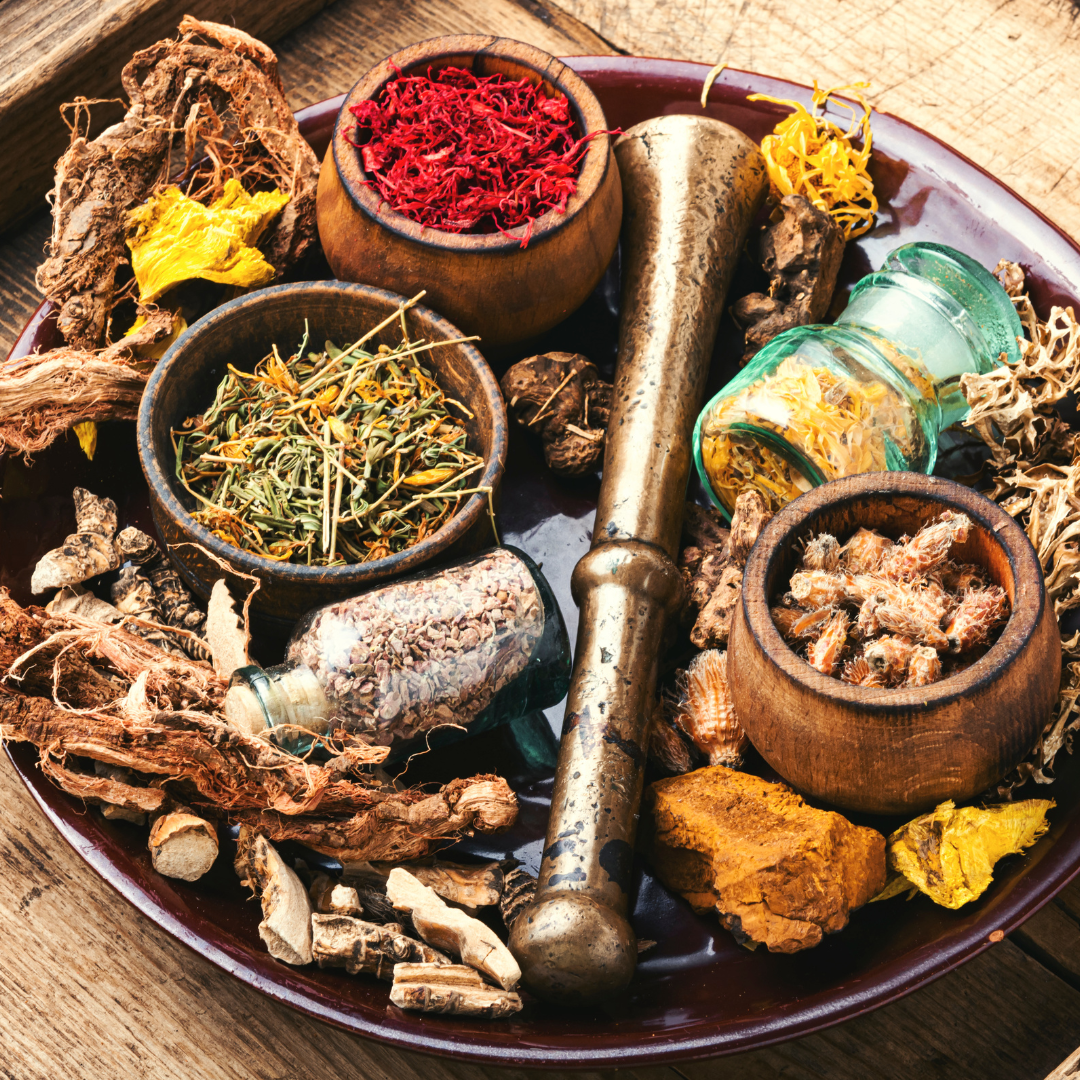
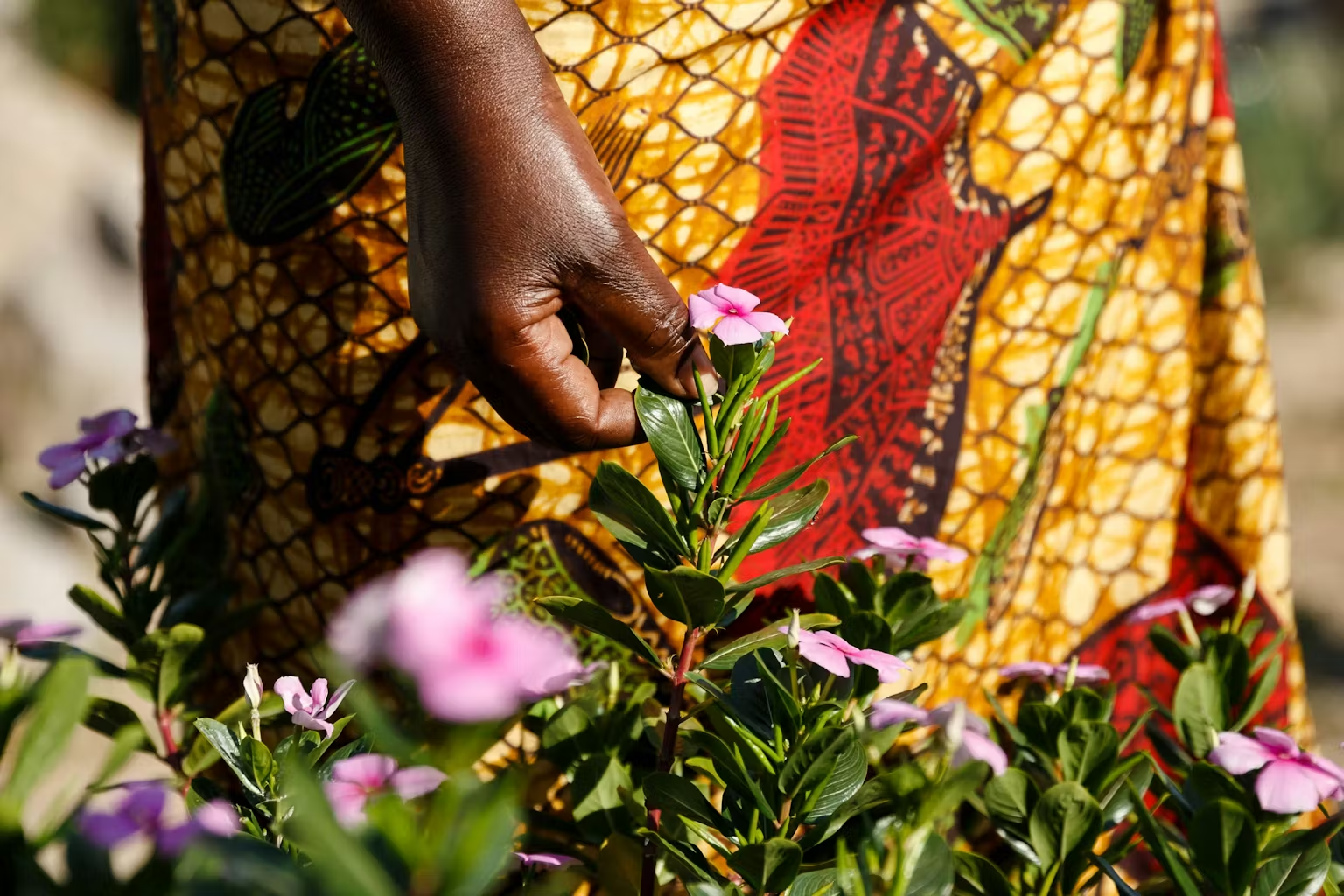
In African communities, plants were more than remedies; they were part of daily life. People learned over generations which leaves, roots, and fruits could strengthen the body, calm the mind, and protect the spirit. These plants were woven into cooking, ceremonies, and daily care.
Here are some of the most powerful, with their stories and uses:
1. Moringa: The Miracle Tree
Generations of families relied on its leaves to boost energy and strengthen the immune system. It was a daily source of vitality, keeping bodies strong for work, travel, and play.
2. Hibiscus
Bright red hibiscus flowers were brewed into tea and enjoyed during gatherings or ceremonies. It helped lower blood pressure and calm the body, showing that wellness could be shared as much as practised individually.
3. Shea Butter
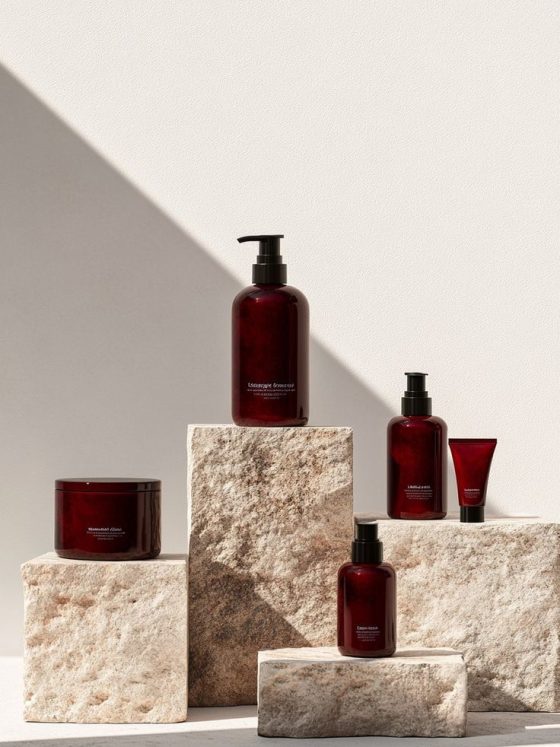
Extracted from nuts, shea butter protects the skin from the sun and wind. It was part of daily bathing rituals, ceremonial care, and even massage, blending physical protection with cultural expression.
4. Baobab
Its fruit and seeds were rich in nutrients, supporting digestion and overall vitality. Communities used it in food and drinks, connecting nourishment with the natural rhythms of the land.
5. Marula Oil
Beyond moisturising skin, marula oil had ceremonial uses. It symbolised care and respect, showing that wellness in African traditions was as much about relationships as it was about the body.
6. African Black Soap
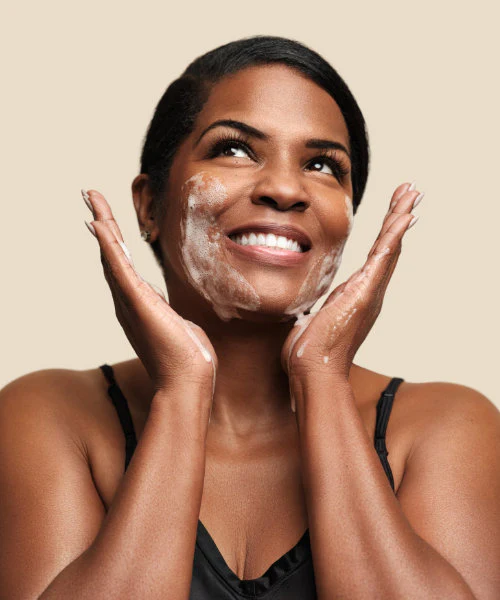
Made from local plant ashes and oils, black soap cleansed, soothed irritations, and carried generations of practical knowledge. Its use reflected a deep understanding of how nature could maintain health daily.
These plants remind us that wellness was never a product; it was a practice rooted in observation, culture, and community.
Modern wellness may borrow the ingredients, but African healing traditions show that health always starts with living in balance with nature and each other.
The Role Of Dance, Ritual, And Movement in Wellness
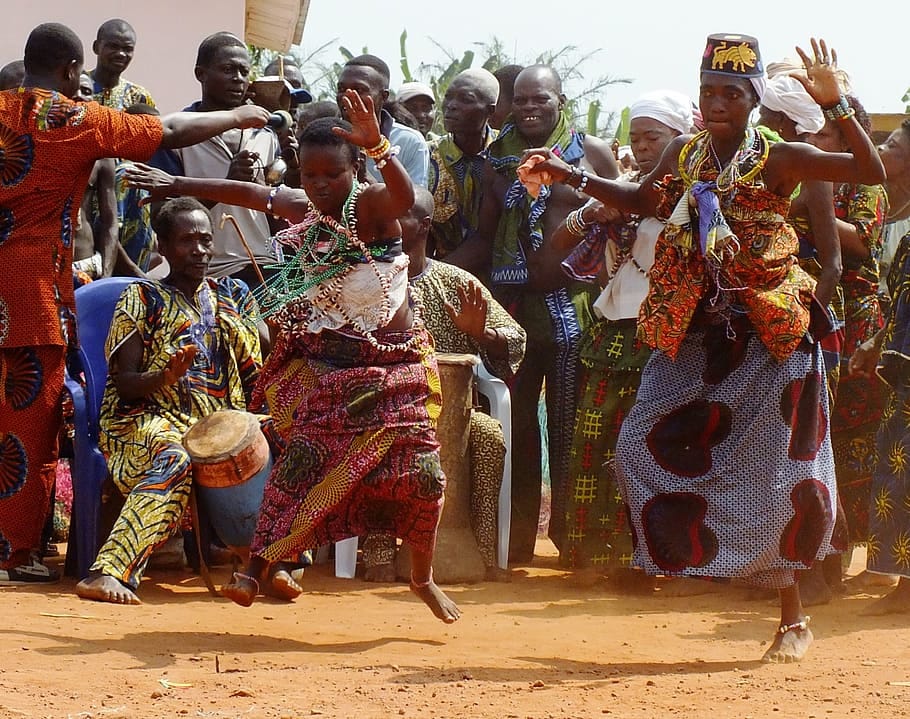
In African communities, movement and ritual were as essential to wellness as food and water. Healing involves the body, mind, spirit, and the bonds between people.
Dance, drumming, and ceremonies helped communities release tension, process grief, and celebrate life. Wellness was a shared experience, woven into daily life and seasonal rituals.
Drumming and rhythmic movement were more than art; they guided the body, coordinated the community, and regulated emotions.
Dance allowed people to sweat out stress, mourn collectively, or honour their ancestors, nurturing their mental, emotional, and physical health at once.
Rituals often included storytelling, herbal baths, and reflection, teaching resilience, respect, and connection to nature. These practices demonstrated the interdependence of an individual’s health with the well-being of their community and the environment.
Modern wellness borrows these ideas from yoga, meditation, and group movement practices. African traditions remind us that proper health has always been about rhythm, connection, and harmony, not just physical strength.
African Healing Traditions And Modern Science
Many plants and practices used for centuries in African communities are now validated by science. Moringa boosts nutrition, hibiscus supports heart health, and shea butter protects skin, all benefits long observed by traditional healers.
This overlap shows that wellness isn’t just about modern trends. African knowledge was built on careful observation and trial, refined over generations. Communities didn’t guess; they tested and adapted practices based on real results.
Today, science confirms what these traditions always knew: nature provides tools for wellbeing, and ancestral wisdom often anticipated discoveries now celebrated in modern wellness.
RECOMMENDED:
- Healing Foods: Ancestral Wisdom for Modern Wellness
- The Modern Woman’s Guide to African Superfoods
- The Modern Power of Afro-Caribbean Ancestral Healing
- Glow From Within: Simple Wellness Rituals for Everyday Beauty
How To Apply African Wellness Practices Today
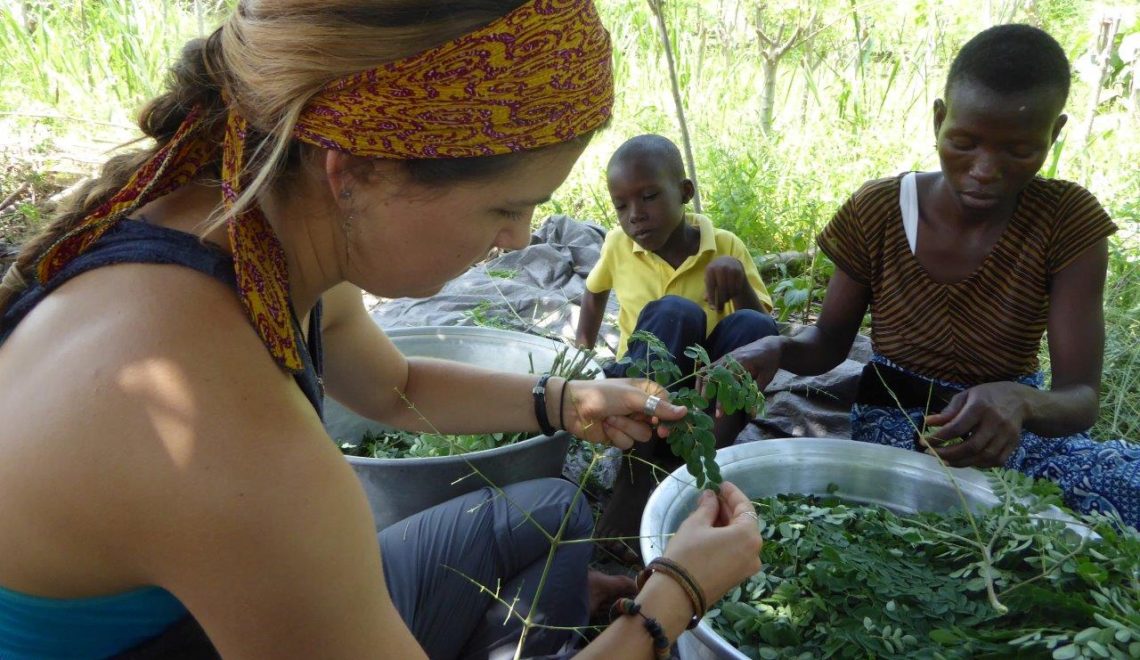
African healing traditions weren’t just about remedies; they were about habits, connection, and living in balance with nature. Many of these practices can still be incorporated into modern life, offering simple ways to strengthen the body, calm the mind, and nurture the spirit.
Here are some practical ways to bring African wellness into daily routines:
1. Drink Herbal Teas
Hibiscus, baobab, and moringa teas have been used for centuries to boost energy, support immunity, and cool the body. Sharing these drinks with friends or family also strengthens social bonds.
2. Use Natural Oils And Butters
Shea butter, marula oil, and other plant-based products nourish the skin and hair while connecting daily self-care to ancestral practices.
3. Move With Purpose
Traditional dances, drumming, or even rhythmic movement at home can reduce stress, energise the body, and foster emotional release.
4. Incorporate Mindfulness And Rituals
Simple rituals like reflection, storytelling, or herbal baths help cultivate calm, resilience, and awareness of one’s connection to community and nature.
5. Practice Communal Care
Wellness isn’t only personal. Share meals, remedies, or time with others to strengthen relationships, support collective health, and build resilience together.
These practices show that wellness doesn’t have to be complicated or expensive. By observing nature, honouring tradition, and fostering connection, anyone can integrate African healing wisdom into everyday life.
Conclusion
African healing traditions remind us that wellness has always been more than medicine; it is a way of living. From the plants people used to the dances, rituals, and communal care, these practices connected body, mind, and spirit long before modern wellness trends.
Today, we can honour this wisdom by observing nature, caring for ourselves and others, and carrying these traditions into daily life. Proper health, as African communities have always known, grows from balance, connection, and respect for ourselves, each other, and the world around us.
Frequently Asked Questions
1. What Are African Healing Traditions?
They are cultural practices passed down through generations that promote health by combining plants, movement, rituals, community support, and spiritual care.
2. Which African Plants Are Most Commonly Used?
Moringa, hibiscus, shea butter (skin care), baobab, marula oil (moisturises), and African black soap (cleanses and heals).
3. How Did Rituals And Dance Support Wellness?
They helped regulate emotions, release stress, mark life events, and strengthen social bonds, supporting mental, emotional, and spiritual health.
4. Why Is Community Important In African Wellness?
Health was relational. Families and elders cared for one another, showing that personal well-being is tied to the community’s well-being.