African animation studios are shaking up the global industry in ways nobody can ignore. Look at Disney, Netflix, and audiences around the world; they all want stories that go beyond the usual Western lens, and African creators are delivering just that. Whether it’s an award-winning film coming out of Cape Town or a wild, futuristic vision from Lagos, these studios show they’ve got both the skills and the heart to play on the world stage. They’re not just making cartoons. They’re redefining what animation can mean, acting as cultural ambassadors, pushing education forward, and fuelling local economies with thousands of new jobs. Africa’s now a key player, and that’s no accident. Years of building infrastructure, running training programmes, and sheer determination have led us to this moment. These studios aren’t just keeping up with their Western counterparts; they’re often leading the way in creativity, innovation, and rich storytelling.
Discover 10 African animation studios that are revolutionising global entertainment with innovative storytelling, cutting-edge technology, and culturally rich narratives.
So, What Sets African Animation Studios Apart?
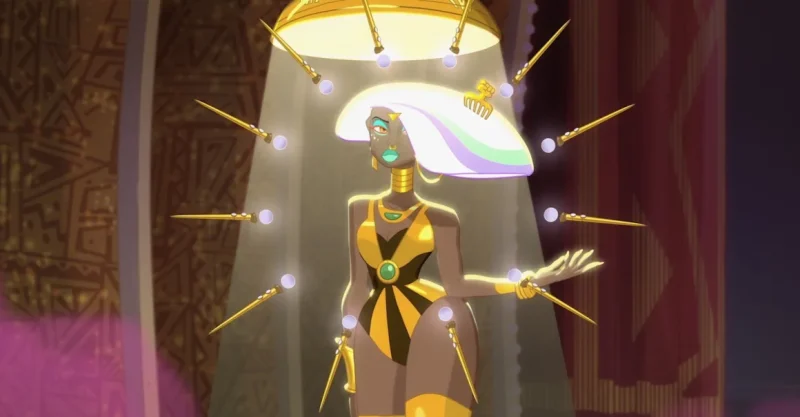
Start with Triggerfish Animation Studios. In 2021, they picked up the Mifa Animation Industry Award at Annecy, a massive nod to the role they’ve played in putting African animation on the map. By 2023, they’d hit a new level with “Kizazi Moto: Generation Fire, which scored five Annie Award nominations and took home Best TV/Media, Limited Series. Triggerfish runs studios in both South Africa and Ireland, and its team spans Africa, Europe, and the Americas. They’ve built a network that lets them nurture local talent while working seamlessly with partners around the world.
1. Triggerfish Animation Studios – Africa’s Animation Powerhouse
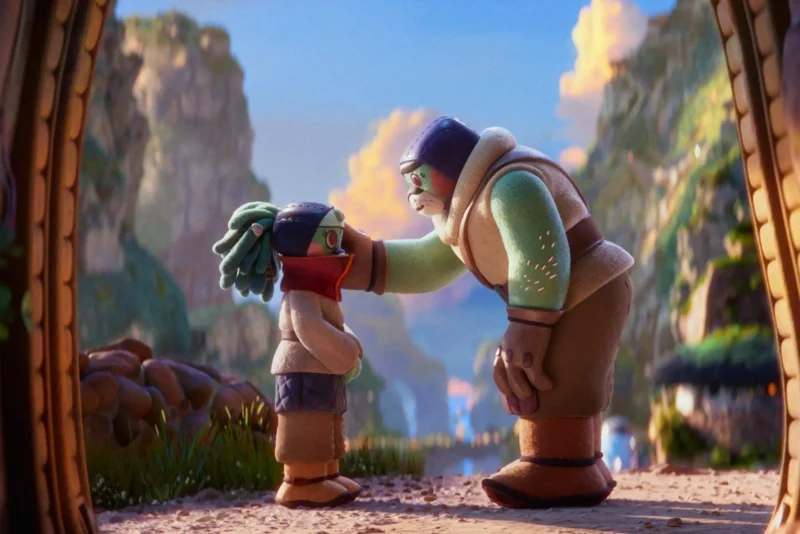
Triggerfish aren’t just big, they’re everywhere. They contributed an episode to “Star Wars: Visions,” led the ten-part “Kizazi Moto” series, and brought “Supa Team 4” to life. “Kizazi Moto: Generation Fire,” now streaming on Disney+, picked up seven nominations at the Kidscreen, Prix Jeunesse International, and Annie Awards. Their work for giants like Disney, BBC, Netflix, Lucasfilm, Hasbro, and Sony Pictures Animation has earned them Emmys, Annies, and a stack of other international prizes. Triggerfish went truly pan-African in 2015, launching a continent-wide talent search with backing from Disney. They got nearly 1,400 entries from across Africa. And when it came time to make “Kizazi Moto,” they hired more than 1,300 people from almost every continent, proving African studios can handle massive global productions without breaking a sweat.
2. Kugali Media – Nigeria’s Disney partner
Kugali Media, a Nigerian studio, teamed up with Walt Disney Animation Studios to create “Iwájú”, a six-part series that dropped on Disney+ in February 2024. It’s Disney’s first original long-form animated series, and it’s a game-changer for African animation. Kugali’s founders, Tolu Olowofoyeku, Olufikayo Adeola, and Hamid Ibrahim, started in 2017 with one goal: get African stories out there. Disney provided them with the freedom to remain authentic, allowing their vision to flourish. In 2019, the Kugali founders expressed their desire to challenge Disney’s dominance in Africa, citing their frustration with outsiders narrating African stories. That fire caught Disney’s attention, setting the stage for this groundbreaking partnership. Kugali didn’t wait around for permission; they built their own following with graphic novels before Disney ever reached out.
3. Basement Animation – Nigeria’s kids’ Content Specialists
Basement Animation, also from Nigeria, focuses on kids. They create shorts like “Ananse Stories” and “The Legend of Moremi,” keeping West African folklore alive in a way today’s kids can connect with. By blending traditional tales with modern animation, they show you don’t have to water down your culture for a digital audience. Basement Animation proves African studios can pass on ancestral knowledge to the next generation, using formats kids actually want to watch. Their portfolio isn’t just about folklore; they’re producing explainer videos, educational content, and shows like “Ajaka,” all with a mission to advance African animation.
4. Creatures Animation Studio – Uganda’s award-winning innovator
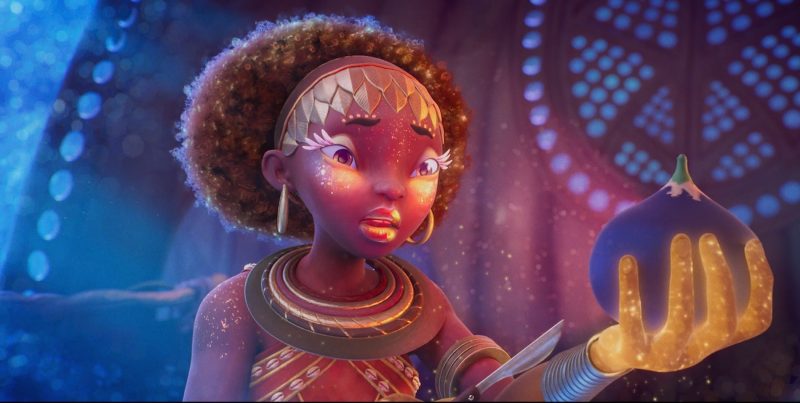
Raymond Malinga‘s work on Kizazi Moto put Creatures Animation Studio and Uganda on the map. With Malinga at the helm, the studio churns out films that are unmistakably Ugandan yet still resonate with audiences everywhere. They’re living proof that top-tier animation doesn’t just come out of South Africa or Nigeria. Studios like Creatures showcase what Africa has to offer, with each country adding its own flavour to the mix.
READ ALSO
- Modern Minimalist Signature Fashion: Accessories That Whisper, Not Shout
- Quiet Luxury Fragrance Makers Redefining Modern Scents
- From Ancestral Beauty to Modern Self-Image: The Psychology Explained
5. Spoof Animation – Nigeria’s 2D Masters
Spoof Animation leads the pack in Nigeria for 2D. These folks handle everything from ads to shorts to those explainer videos you can’t stop watching. What’s cool is that, even with big corporate gigs, Spoof sticks to its artistic guns. Their style stands out with smooth animation, bold colours, and a vibe that always feels true to where they come from. They prove you can make commercial hits without watering down your culture.
6. AnimaxFYB Studios – Ghana’s Global Competitor
AnimaxFYB Studios isn’t just doing well; they’re winning awards and reaching audiences everywhere. Their standout project, Agorkoli, brings Ghanaian history to life in a way that grabs you and doesn’t let go. They’re a reminder that West Africa isn’t just about Nigeria; Ghana’s got serious talent too. AnimaxFYB’s global success shows that African animation can go toe-to-toe with anyone, anywhere.
7. Fatboy Animations – Kenya’s Commercial Powerhouse
Fatboy Animations knows how to make things pop, especially with commercials and viral characters like “Kapinto.” They’ve nailed the art of creating content that clicks with local viewers and catches the eye of big brands. By juggling commercial gigs with their own creative projects, Fatboy keeps the lights on and builds something lasting. It’s an honest look at how African studios hustle, paying the bills with client work whilst chasing their own creative dreams.
8. Guez Show – Rwanda’s Emerging Force
Guez Show is helping put Rwanda’s animation scene on the radar. Even though Rwanda hasn’t always been front and centre in the creative world, studios like Guez Show are changing that. With a bit of help from the government and a lot of drive, they’re growing despite having limited resources. Guez Show demonstrates that when individuals dedicate themselves to creating something, exceptional animation can emerge in unexpected places.
9. Alula Animation Company – Zimbabwe’s Storytelling Pioneer
Alula Animation Company is pushing African stories from Zimbabwe around the world. Animators like Pious Nyenyewa and Tafadzwa Hove have even pitched in on projects like Kizazi Moto, showing that Zimbabwean talent is part of the bigger, Pan-African picture. Alula’s not waiting for perfect conditions; they’re slowly growing their audience and keeping the storytelling spirit alive, even as the country’s creative infrastructure catches up.
10. Ubongo – Tanzania’s Educational Revolution
Ubongo has really taken off across Africa, drawing 11 million viewers each week across nine countries. Kids between 7 and 14 tune into Ubongo Kids for fun, animated stories and songs that sneak in STEM and life lessons. For younger ones, Akili and Me helps 3- to 6-year-olds pick up numbers, English, art, and social-emotional skills. The impact is real: Tanzanian kids who watch Akili and Me score higher than non-viewers: 24% better at counting, 12% better at number recognition, 10% better at shapes, 13% better at English, and 8% stronger in fine motor skills. Ubongo picked up the MIP SDG Award for its work in promoting inclusive, high-quality education. And among African animation studios, Ubongo stands out. It’s a non-profit, but it operates at a considerable scale, proving that you can pursue a social mission and still deliver top-notch animation.
How Are These Studios Building Infrastructure?
The Triggerfish Foundation isn’t going it alone. They team up with organisations such as GIZ, Disney, Netflix, and the Goethe Institut to train and mentor up-and-coming African animators. Through the Triggerfish Academy, anyone can jump into free masterclasses with seasoned pros from Africa’s animation industry. This hands-on, mentorship style sets African studios apart. They know the industry only grows when everyone levels up, not just a lucky few. By investing in the next wave of talent, these studios are building creative communities that last rather than just hoping for one-off success stories.
Why Do Global Partners Choose African Animation Studios?
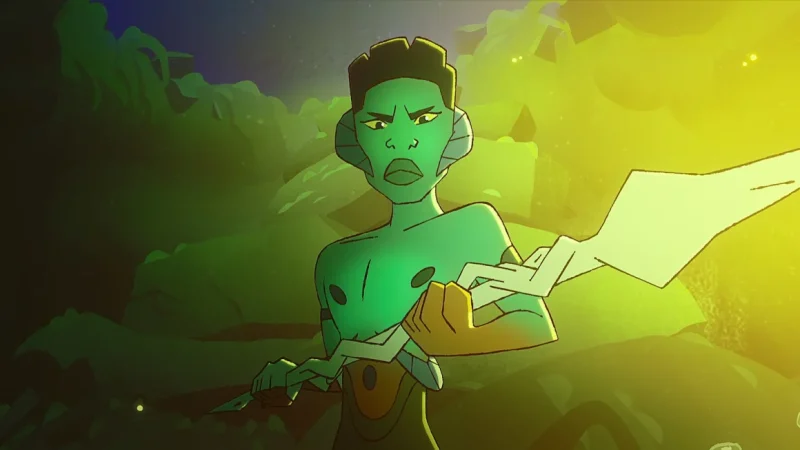
Look at Disney and Kizazi Moto, the studio lets African creators run wild with their own ideas, trusting them to bring something new to the table. Disney clearly wanted something different, and they got it. Global partners see the value: African animation studios bring fresh perspectives, deep cultural knowledge, and stories you just don’t get anywhere else. These studios offer more than just technical skills; they’re bringing creative vision, cultural consulting, and a direct line to over a billion African viewers.
Frequently Asked Questions
What are the leading African animation studios?
What are some of the biggest names in the African animation industry? Triggerfish Animation Studios in South Africa (Emmy and Annie Award winners), Kugali Media in Nigeria (they co-created Iwájú with Disney), and Ubongo in Tanzania, which reaches over 11 million kids weekly with educational shows in nine countries.
How do African animation studios compete globally?
They punch above their weight by meeting international technical standards, offering stories and visuals rooted in African cultures, keeping costs down without cutting corners, partnering with giants like Disney+ and Netflix, and building pan-African networks that connect talent from across the continent.
What challenges do African animation studios face?
Money is tight compared to Western studios. Equipment and software aren’t cheap, either. Power outages can mess with production schedules. The local market isn’t huge, so studios often need international sales. There’s also the risk of losing talented folks to other countries, and getting shows into global distribution channels is tough without big partners.
Why are African animation studios important?
They create jobs for thousands. They keep African cultures alive through modern storytelling They fill gaps in education with fun, engaging content They challenge the old dominance of Western media and prove that African creativity can compete on the world stage and make a real business out of it.
How can people support African animation studios?
Watch their shows on streaming platforms. Share their work online. Buy their merch. If you’re a business, commission their services—fund training programmes. Introduce them to international partners. And push for more African content on the platforms you use. Every bit helps grow the industry.