The flash hits silk before it hits skin.
On a red carpet in Abidjan, a gown moves with deliberate weight, with satin structured enough to hold its shape and light enough to ripple as its wearer pauses for photographers. The embroidery is not loud, but it is unmistakably hand-worked. Across the continent, in ateliers tucked behind courtyards and above quiet streets, similar scenes are unfolding—pins glint under studio lights, patterned paper curls on wooden tables. The seam is adjusted by millimetres.
While global fashion debates the lifespan of minimalism and the fatigue of quiet luxury, Africa is experiencing something far more decisive: a couture resurgence rooted in craft, ceremony, and authorship.
This is not an imitation of Paris. It is not nostalgia. It is infrastructure.
High glamour has returned, and it is being built stitch by stitch in cities long overlooked by the global fashion conversation.
Africa’s couture revival is unfolding in Abidjan, Dakar, Kigali and Marrakech, where ateliers, weddings and red carpets redefine high glamour.
Abidjan: Precision and Polish
In Abidjan, couture has taken on a refined clarity. The city’s red carpets, from film premieres to high-profile weddings, function as live showrooms for meticulous construction. Corsetry is internal, not theatrical. Trains extend with architectural confidence rather than costume excess.
Francophone West Africa has always understood elegance as discipline. Here, glamour is polished. Beading is dense but controlled. Necklines are sculpted. Eveningwear glows rather than shouts.
Bridal couture, in particular, has become an innovation laboratory. Multi-look wardrobes, like ceremony gowns, reception transformations, and after-party silhouettes, allow designers to experiment with structure, fabric manipulation, and embellishment scale. What begins as a wedding commission often evolves into a runway technique.
The atelier culture here is serious. Fittings are quiet. Adjustments are exacting. Couture is not spectacle first; it is proportion first.
Dakar: Ceremony Reimagined
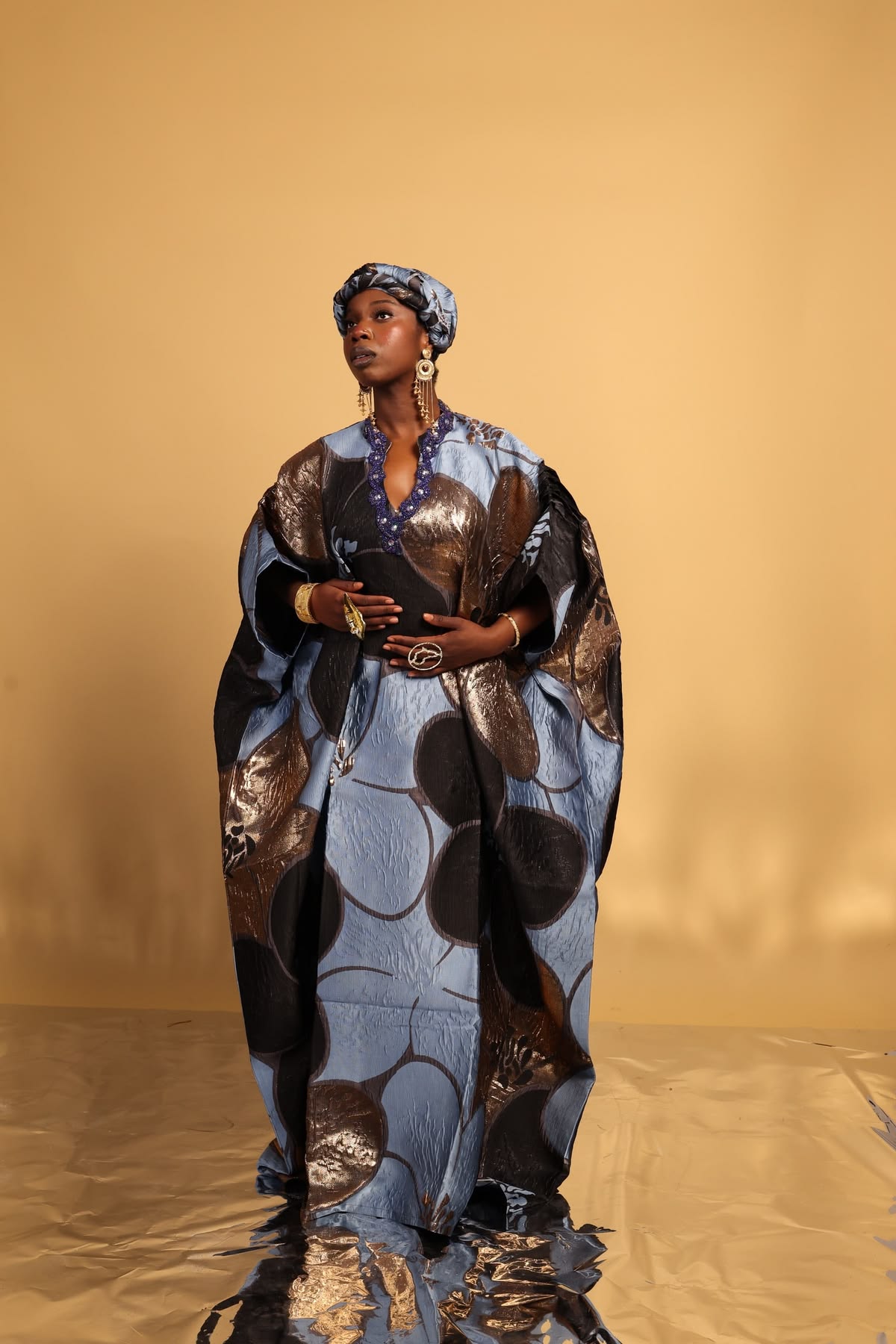
Further west, in Dakar, glamour moves differently.
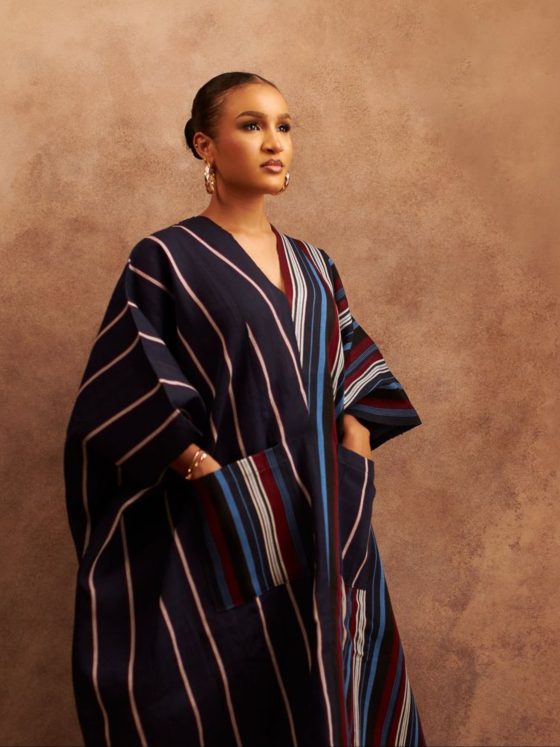
The boubou, traditionally expensive, is being re-engineered into sculptural eveningwear. Volume is sharpened. Sleeves are controlled. Fabric is layered to create dimension without overwhelming the body—metallic thread glints against handwoven cotton. Silk overlays soften geometric tailoring.
Dakar’s couture energy is deeply ceremonial. Fashion here understands ritual. Weddings, naming ceremonies, and religious celebrations create steady demand for garments that convey status and dignity.
Yet the trend is not purely traditional dressing. Designers are refining silhouettes for global visibility, narrowing shoulders slightly, redefining waistlines, and introducing modern colour palettes. The result is couture that feels anchored in heritage but fully contemporary.
Kigali: Architectural Restraint
In Kigali, couture is subtle rather than overt.
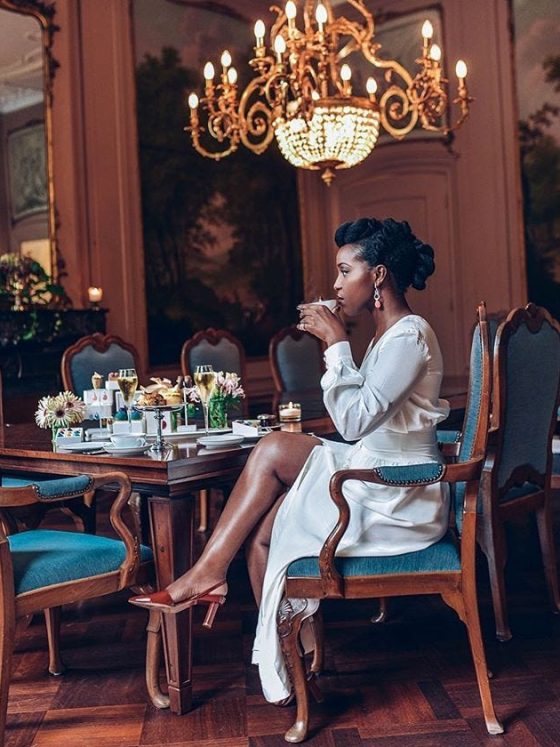
The city’s emerging ateliers favour clean lines and disciplined construction. Handwoven fabrics are elevated by shape rather than heavy ornamentation. A structured bodice is crafted from off-white silk. The gown is long-sleeved and features subtle volume at the cuff. The drape appears effortless, yet it is technically rigorous.
The result is glamour stripped to its architecture.
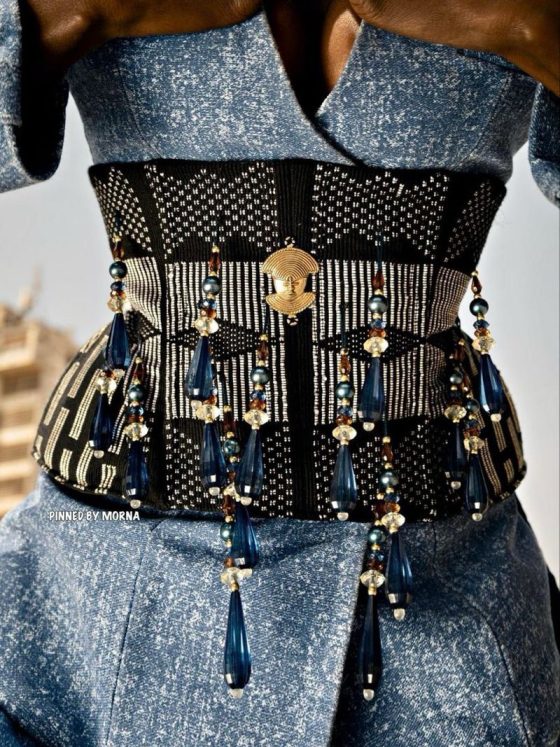
There is less overt shine, but no less labour. Embroidery is sparse and strategic. Texture carries weight. Fabric choice becomes central, heavy enough to hold form, and fluid enough to move with the body.
Kigali’s couture moment reflects a broader East African aesthetic: controlled, thoughtful, and quietly confident. It resists excess without abandoning grandeur.
Marrakech: Timeless Opulence, Renewed Authority
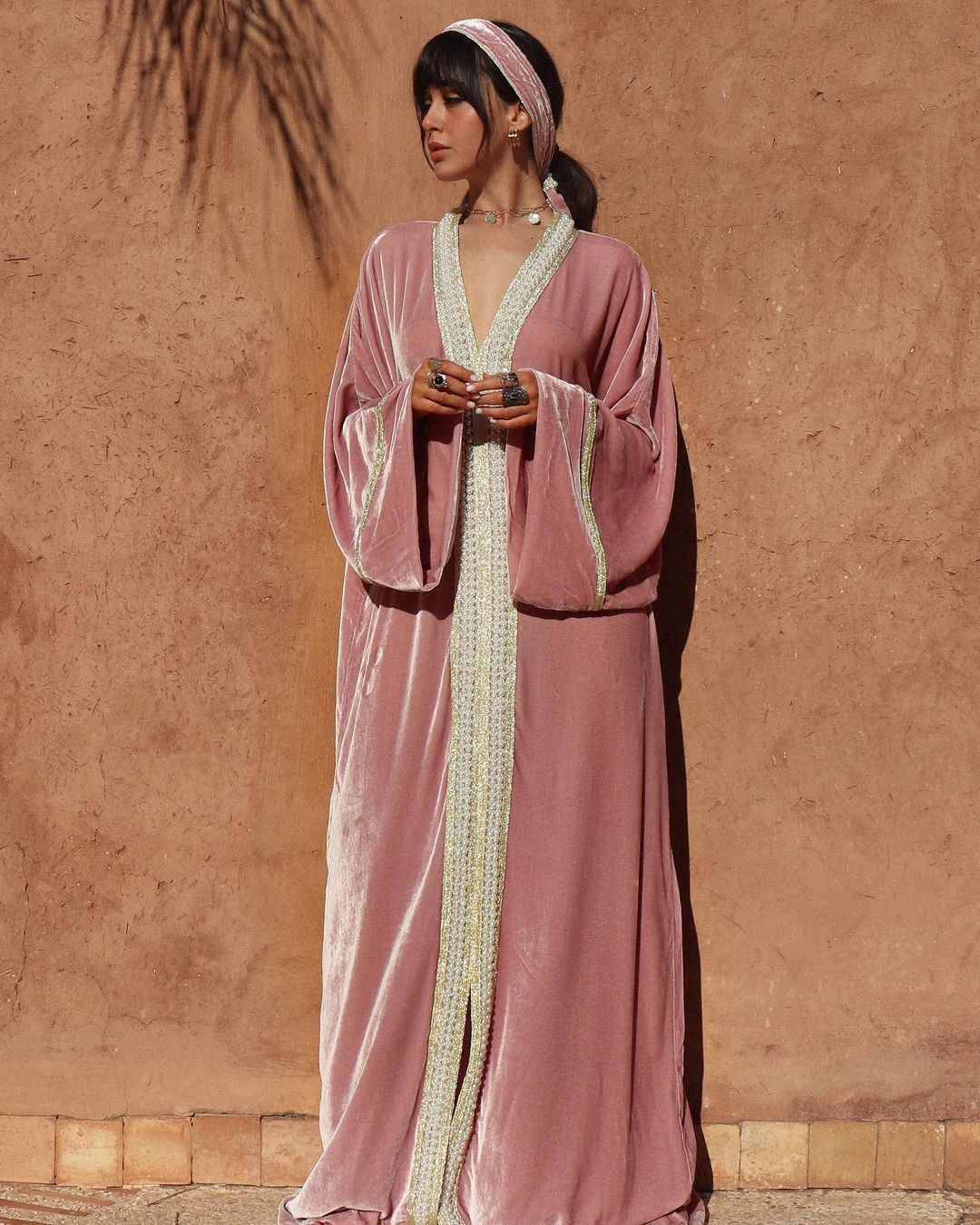
Couture has never been absent in Marrakech. But it is evolving.
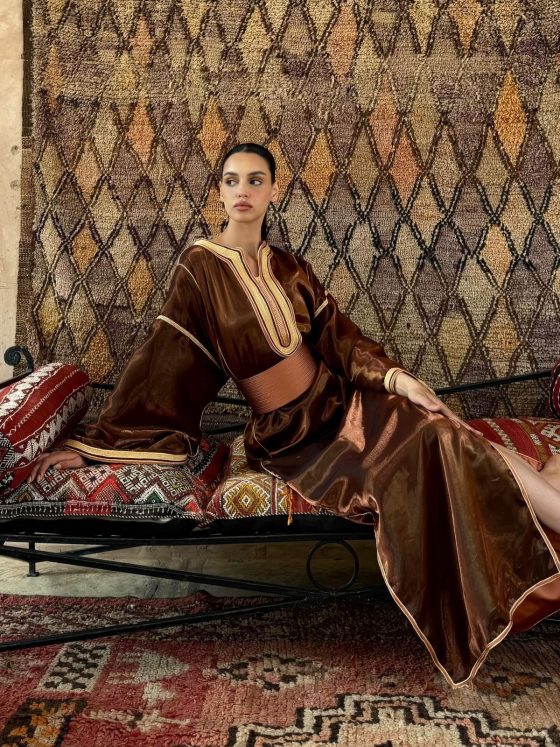
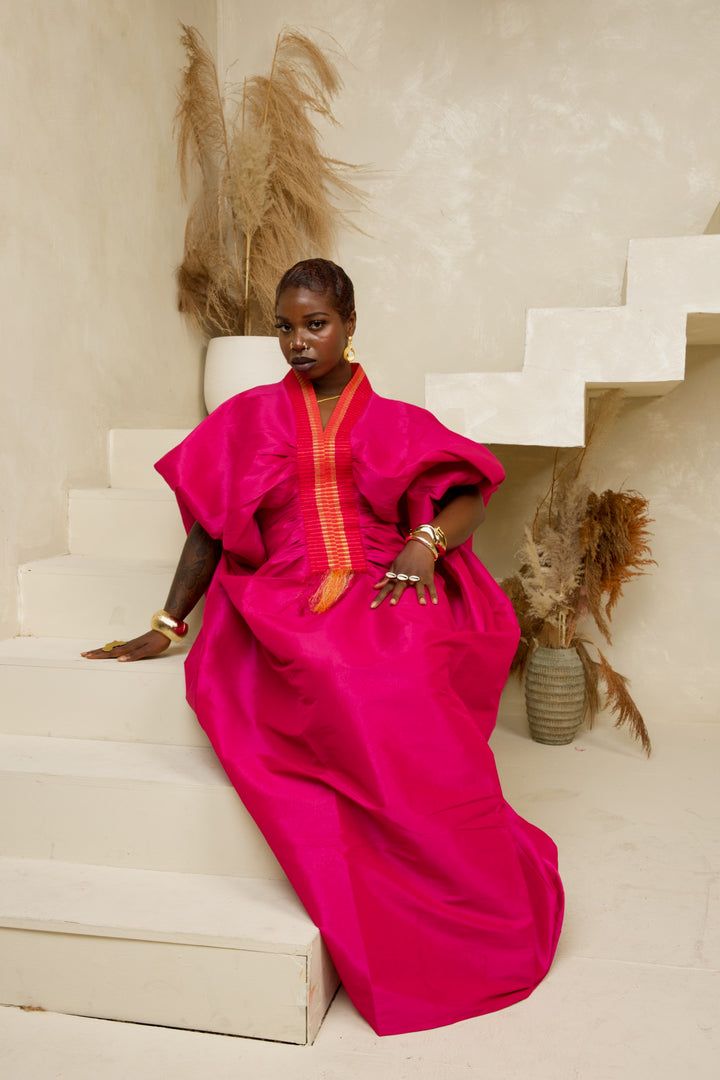
The kaftan, long associated with ceremony, is undergoing precise recalibration. Shoulders are subtly structured. Embroidery is repositioned for graphic impact. Silk and velvet are layered with architectural awareness.
What distinguishes this moment is clarity. The opulence remains, metallic thread, crystal embellishment, saturated jewel tones, but the execution feels sharper, more globally assertive.
Marrakech’s ateliers are refining scale. The volume is sculpted. Trains are deliberate. The garments are photographed with cinematic depth.
This glamour is aware of its own power.
The Atelier as Sacred Space
Across these cities, one constant binds the resurgence: the atelier.
Unlike mass production systems, couture here is relational. Designers know their clients personally. Measurements are taken slowly. Fittings stretch over weeks. Adjustments are collaborative.
Artisans hand-apply beadwork. Seams are finished with care. Hours accumulate invisibly.
In an era defined by speed, this return to labour-intensive crafts feels radical.
Luxury, increasingly, is defined by visible effort.
READ ALSO:
- Caftan Reimagined: How Morocco Turned a Ceremonial Garment into Everyday Luxury
- Why Culture Is the Foundation of Style in African and Global Fashion
Weddings, Red Carpets, and the Public Stage
If ateliers are the foundation, public ceremonies are the amplifier.
Weddings across West and North Africa have become couture laboratories. Film premieres and music award shows offer continental visibility. Celebrities are increasingly commissioning custom pieces from local designers rather than defaulting to European houses.
This shift signals confidence.
Red carpets are no longer borrowed spaces; they are platforms for authorship. When a sculptural gown from Dakar or a structured kaftan from Marrakech appears under flash photography, it carries not just aesthetic value but an economic signal.
The ecosystem is strengthening from within.
Why This Moment Matters
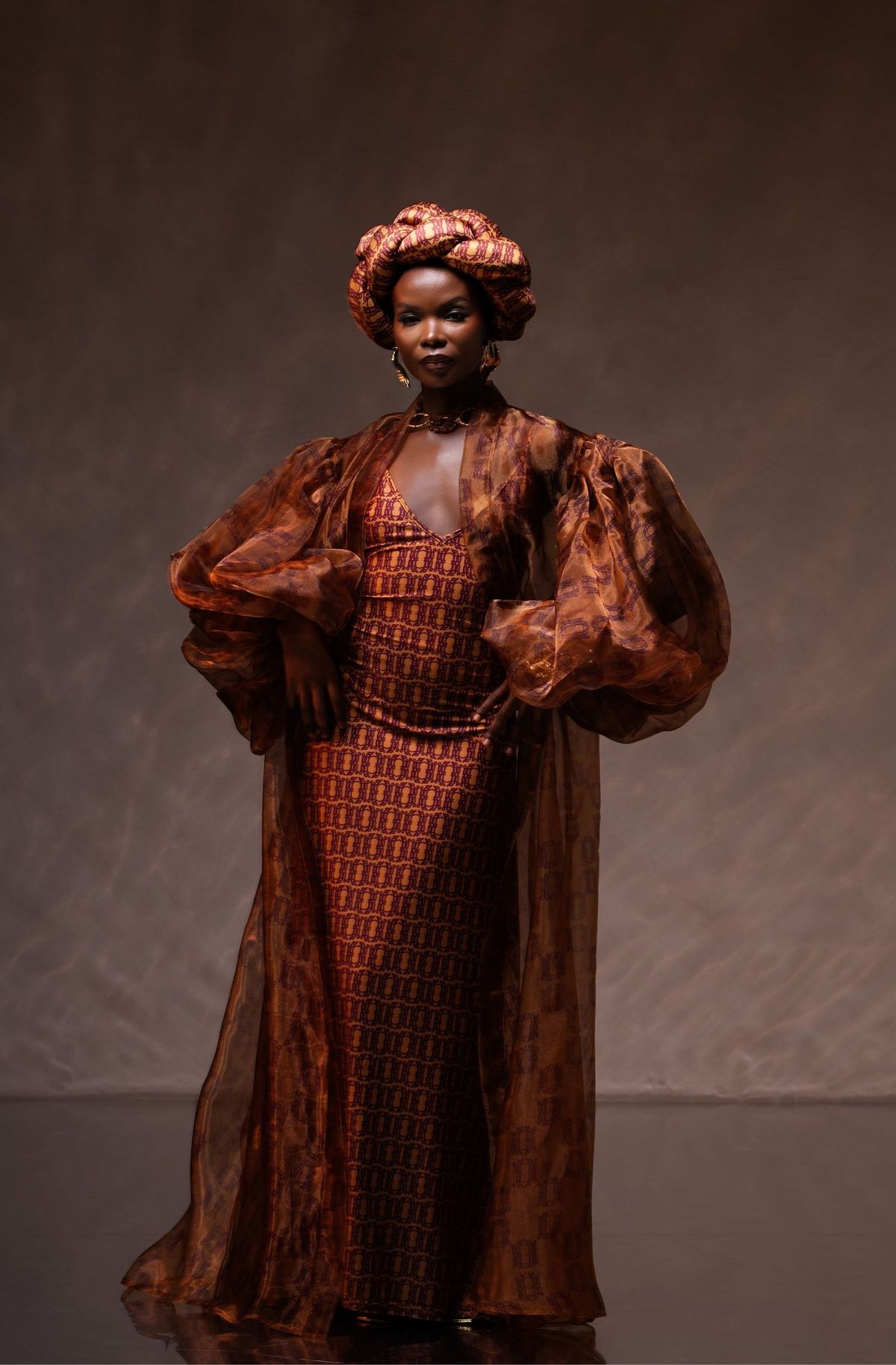
The global fashion conversation often frames couture as exclusive to historic European capitals. But Africa’s new couture capitals are not aspiring to replicate that legacy. They are expanding the definition.
Here, couture is inseparable from ceremony. It is embedded in social life, weddings, religious celebrations, premieres, and galas. It is commissioned with purpose.
Glamour is not trend-driven. It is event-driven.
And perhaps that is why it feels durable.
The Slow Walk Forward
In a Dakar workshop, a sleeve is being re-hemmed. In Kigali, a silk bodice is pinned once more before final stitching, in Abidjan, a bride steps into her second gown of the evening. In Marrakech, a kaftan glides across a tiled courtyard.
High glamour has not returned as spectacle alone.
It has returned as discipline.
Africa’s couture moment is not loud; it is precise. It is not nostalgic — it is infrastructural. It does not seek validation; it demonstrates capacity.
The flash may capture the final look.
But the power lies in the work before it.
And across these new couture capitals, that work is only just accelerating.
Indulge in elevated living — explore Luxury Living on OmirenStyles
FAQs
- What is driving Africa’s couture resurgence?
There is a renewed emphasis on handicrafts, ateliers, and ceremony-driven fashion in cities such as Abidjan and Dakar.
- Which cities are emerging as couture capitals?
Kigali, Addis Ababa, and Marrakech are gaining recognition for structured, heritage-rooted couture.
- How is African couture different from European haute couture?
It is ceremony-led, textile-rooted, and built within community ateliers rather than runway systems.
- Why are weddings important to this movement?
Weddings fund experimentation, from multi-look wardrobes to advanced embroidery and dramatic trains.
- Is African couture gaining global visibility?
Yes. More celebrities are choosing custom continental designers for red carpets and international events.