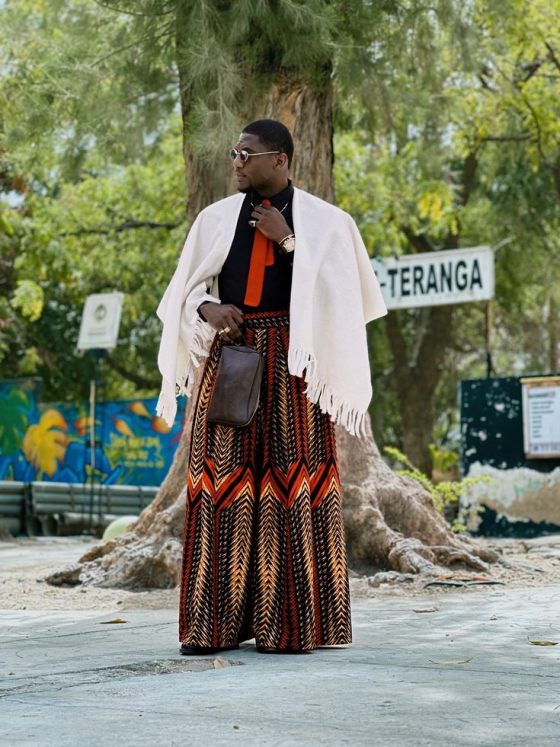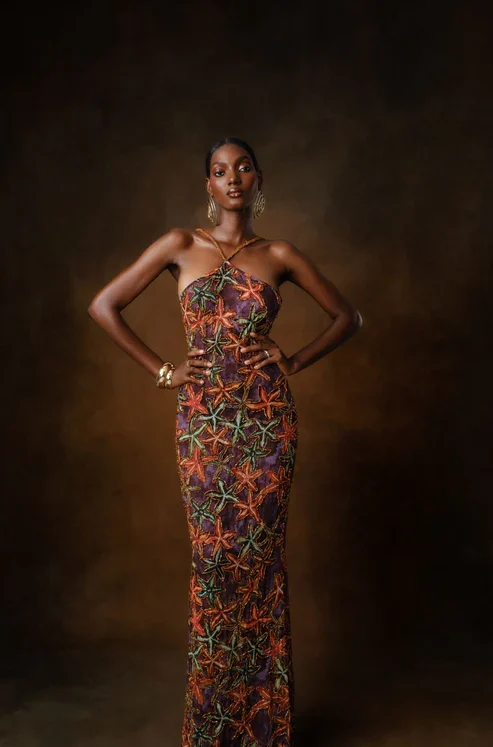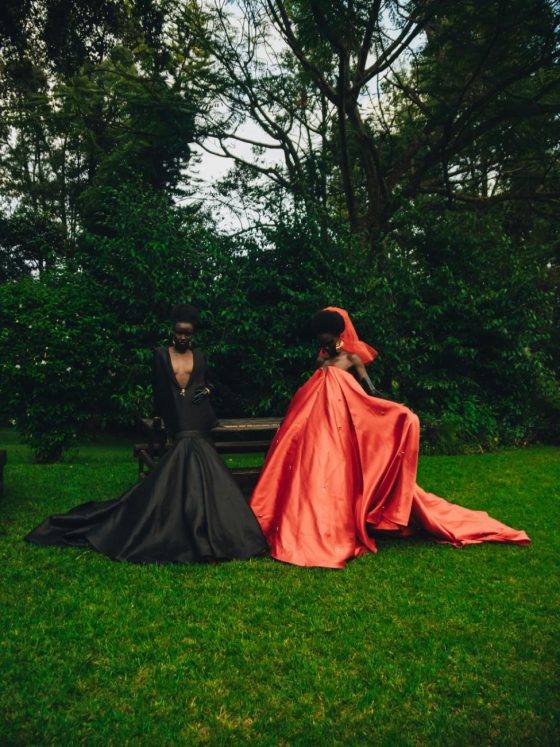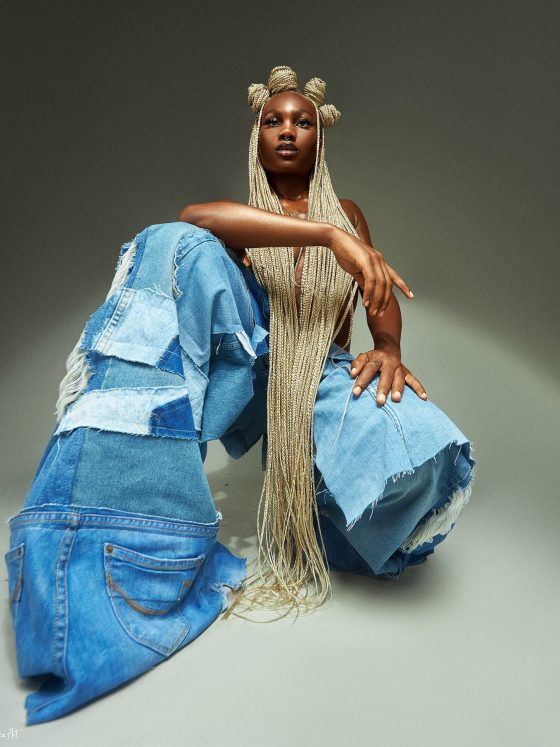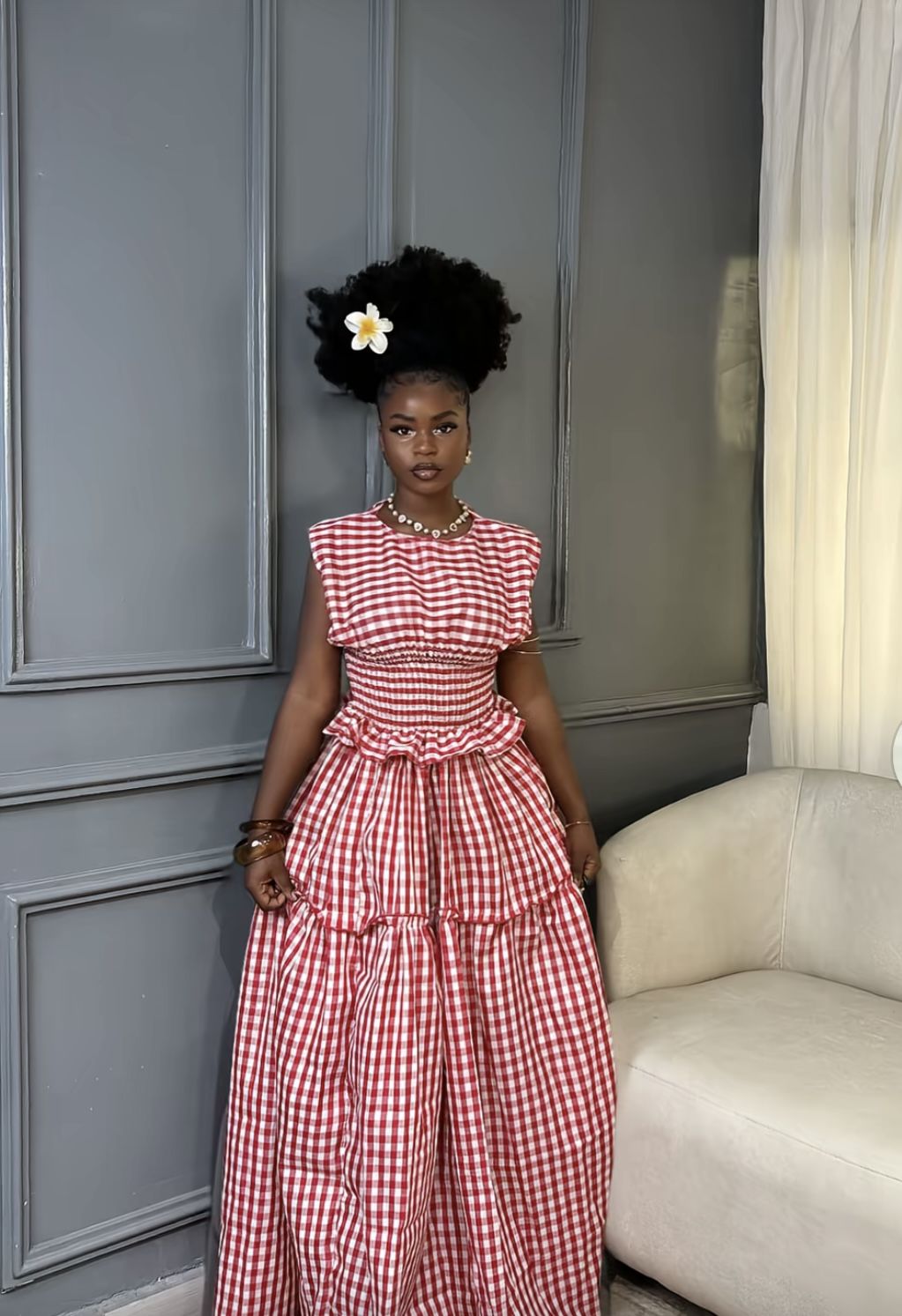
Fashion has always mirrored how societies live, but recently, it has begun to mirror how societies heal. Across global runways and local ateliers, a quiet shift is underway. Clothing is no longer designed only to impress the eye but also to support the body, calm the mind, and reflect shared values. The result is the aesthetics of wellness. It is subtle, deliberate and deeply cultural.
In contemporary fashion, wellness is not presented as a trend or slogan. It is expressed through fabric choice, silhouette restraint, production ethics and storytelling. From African designers drawing on ancestral craftsmanship to global luxury houses redefining comfort, the language of wellness has become an aesthetic code. One that signals an intention to balance and respect both the wearer and the maker.
This exploration examines how wellness aesthetics operate within contemporary fashion and why they represent one of the most meaningful evolutions in modern luxury.
From cultural craftsmanship to ethical luxury, this study explores how wellness aesthetics shape contemporary fashion’s identity, materials, and global design culture.
Wellness as an Aesthetic Language
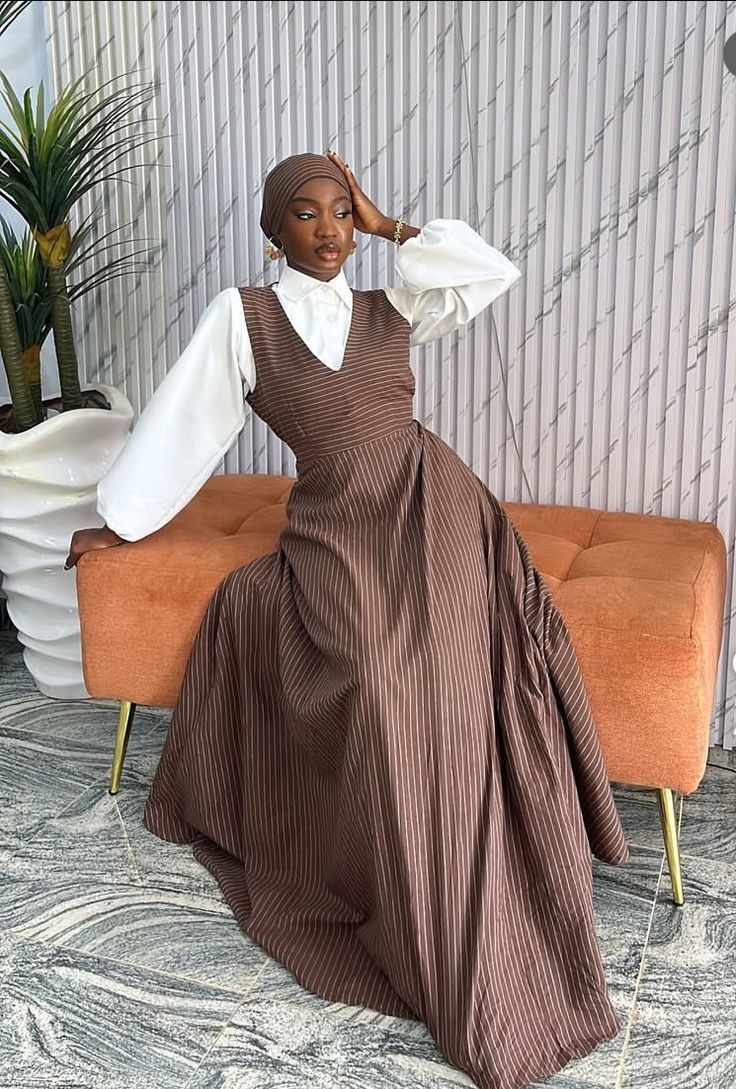
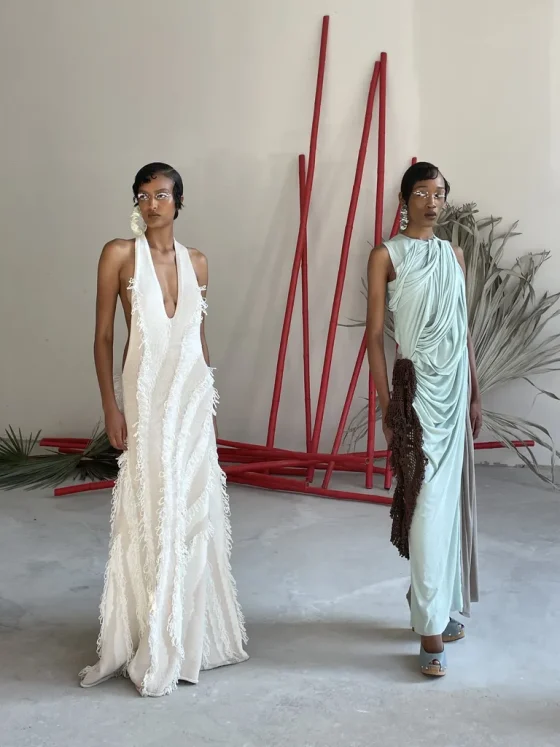
Wellness in fashion is often misunderstood as softness or simplicity. In reality, it is an aesthetic discipline. It prioritises ease while maintaining structure and meaning without excess. Clean lines, breathable shapes, and thoughtful proportions create garments that feel composed rather than restrictive.
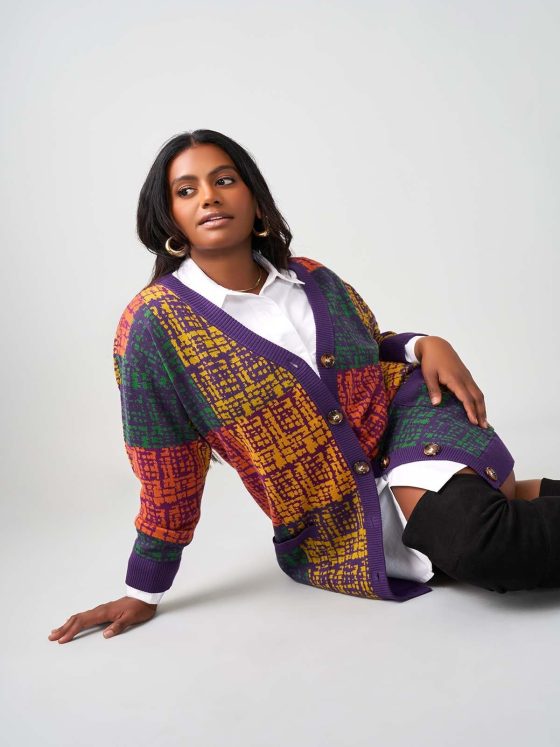
This approach reflects a broader cultural recalibration. As lifestyles become more demanding, fashion responds with designs that support movement, clarity and longevity. The aesthetic result is understated yet powerful. Clothing becomes an extension of a well-lived life rather than a performance.
Cultural Craftsmanship and Embodied Knowledge
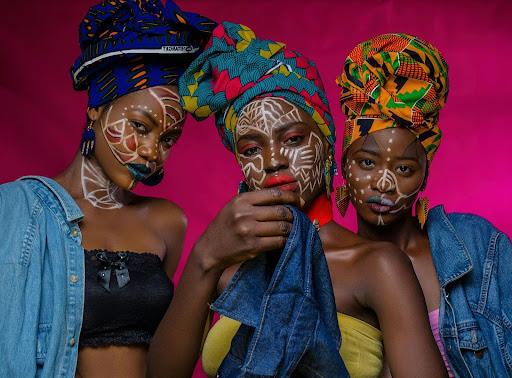
Across Africa and its diaspora, wellness has long been embedded in dress traditions. Hand-woven fabrics, natural dyes and relaxed silhouettes were never accidental. These practices were responses to climate, ritual, and communal living. Contemporary designers are reinterpreting these practices not as nostalgia but as living knowledge.
By integrating traditional weaving techniques, artisanal embroidery and locally sourced materials, designers create garments that carry cultural memories while meeting modern expectations. The aesthetic of wellness here is rooted in respect for process and human touch. It speaks quietly yet confidently of continuity and care.
Modern Luxury Redefined
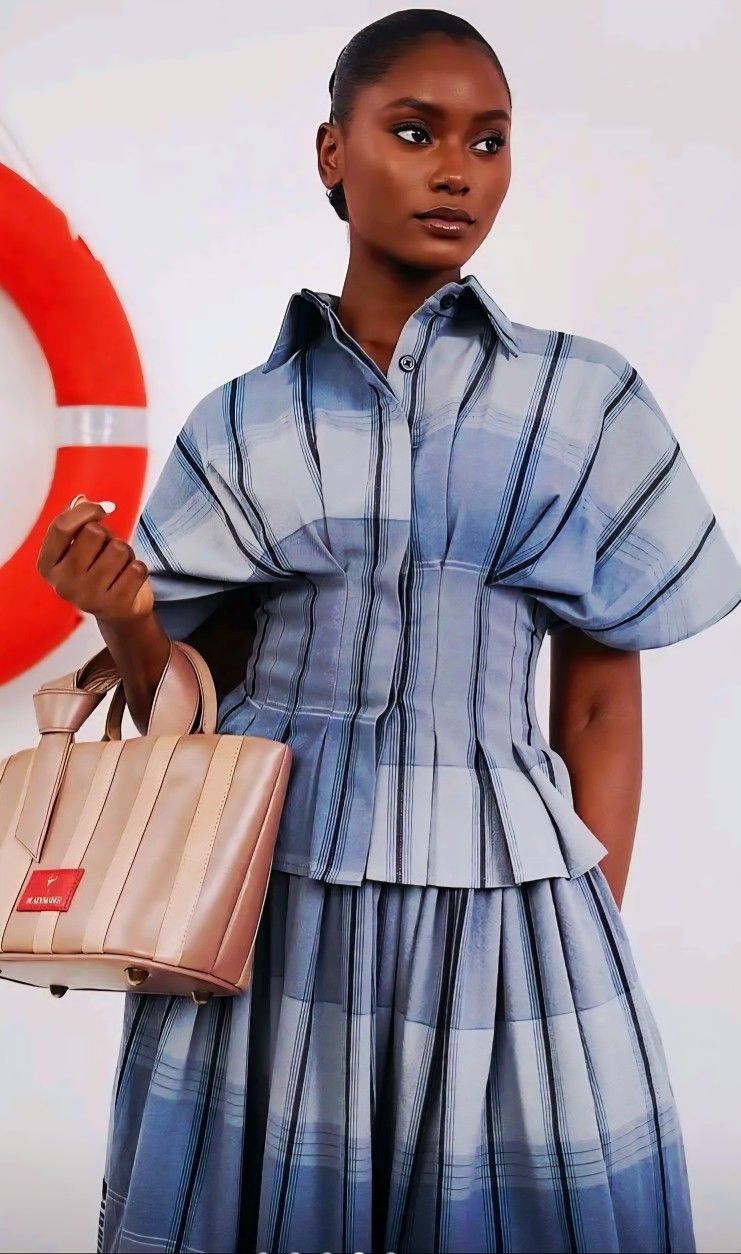
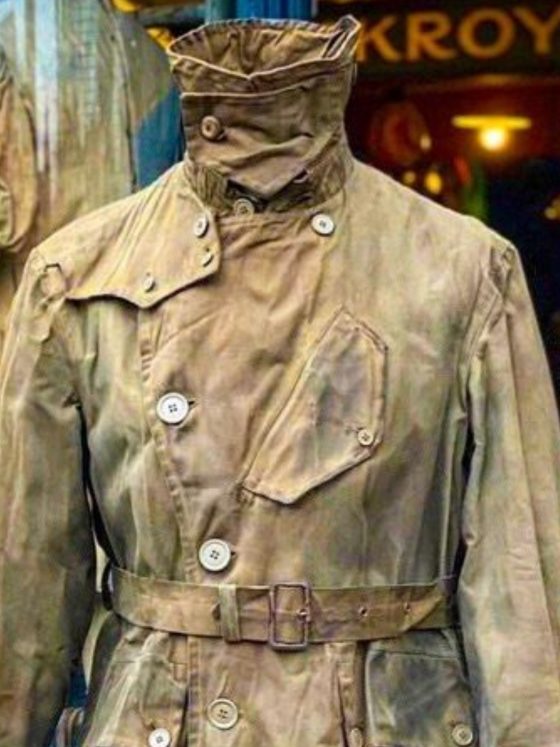
Luxury today is increasingly measured by how a garment feels and how it was made. Wellness aesthetics have redefined modern luxury as comfort, precision and ethical consideration. Cashmere that breathes, tailoring that allows movement, and designs that adapt to daily life now sit at the centre of high fashion.
This shift challenges the older notion of luxury as excess. Instead, it positions refinement as restraint and value as intentionality. In this context, wellness becomes a marker for discernment. The wearer is not chasing trends but choosing alignment.
Read Also:
Global Influence and Cross-Cultural Dialogue
Wellness aesthetics thrive on cultural exchange. Japanese minimalism, Scandinavian functionality and African textile traditions now converse within the same collections. This cross-cultural dialogue creates garments that feel global yet grounded.
Diaspora designers play a critical role here, translating heritage into contemporary forms. Their work bridges continents and experiences, producing fashion that resonates across borders while remaining deeply personal. Wellness becomes a shared language expressed through diverse visual dialects.
Sustainability as Visual Ethics
Sustainability is not only a moral stance but an aesthetic one. Natural fibres, muted palettes, and durable constructions communicate longevity and responsibility. Wellness fashion often looks calm because it is designed to endure.
Ethical production further reinforces this aesthetic. When supply chains are transparent and artisans visible, the garment gains narrative depth. The wearer participates in a story of care rather than consumption. This transforms fashion into a lifestyle choice rather than a seasonal impulse.
Lifestyle Innovation and the Future of Wear
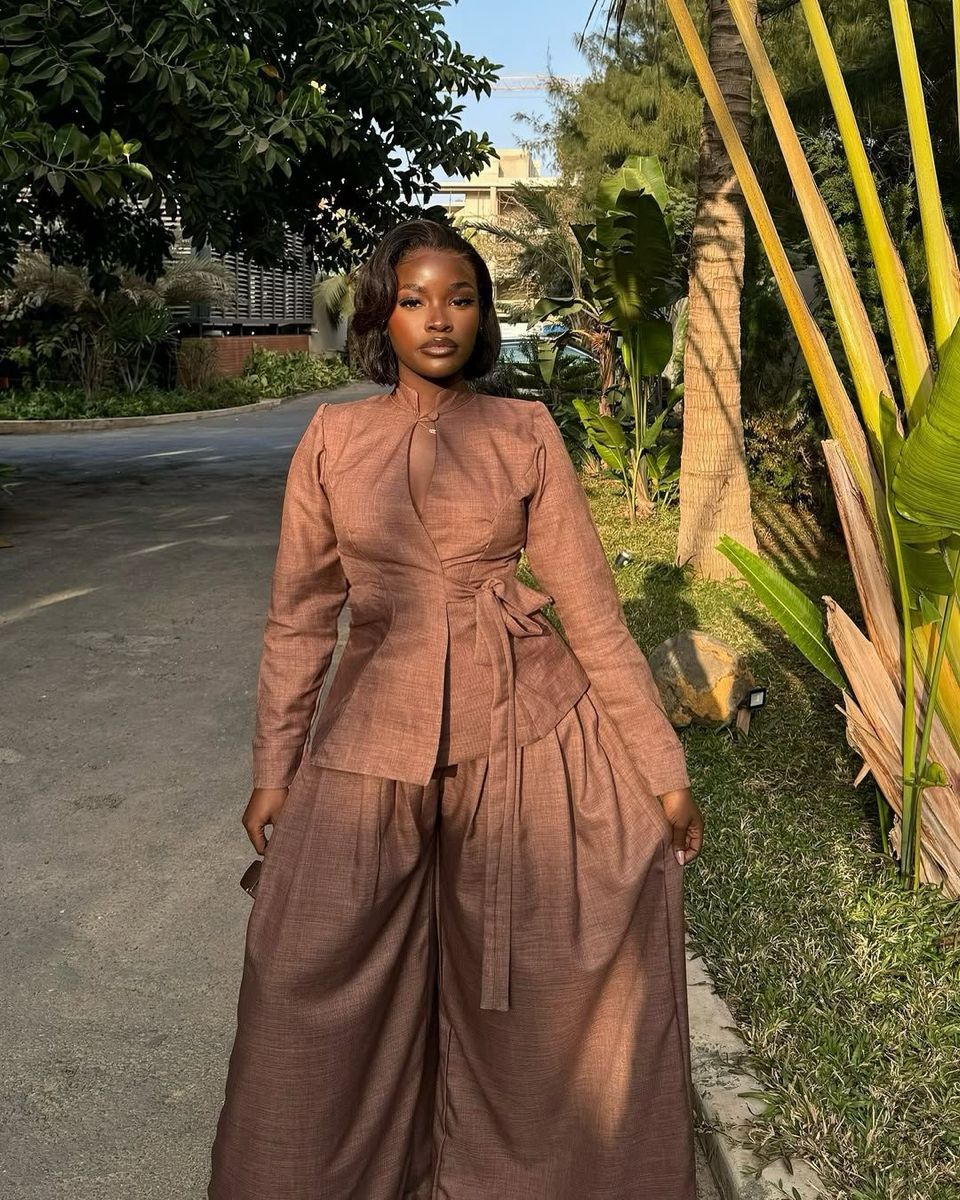
Wellness aesthetics continue to evolve alongside technology and changing lifestyles. Smart textiles, temperature-responsive fabrics and adaptive designs are entering mainstream fashion without overt futurism. The innovation is discreet, serving the body rather than drawing attention to itself.
This future is not about spectacle but integration. Fashion becomes a supportive environment, one that responds to the wearer’s needs while maintaining elegance. The aesthetic is calm, intentional and forward-thinking.
Conclusion
Contemporary fashion’s wellness aesthetic symbolises a significant shift in the design, value, and experience of clothing. It’s a movement shaped by cultural craftsmanship, modern luxury, sustainability, and global dialogue. It is more than a style; it is a philosophy that places human experience at the centre of design.
As fashion continues to evolve, wellness aesthetics offer a blueprint for relevance and responsibility. They remind us that the most lasting garments are those that respect the body, honour cultures, and move thoughtfully through the world.
FAQs
- What does ‘wellness aesthetics’ mean in fashion?
It refers to design choices that support physical comfort, emotional balance and ethical values while maintaining visual refinement.
- Is wellness fashion the same as minimalist fashion?
No, while they may overlap, wellness fashion focuses on well-being, purpose and material integrity, not just visual simplicity.
- How does African fashion contribute to wellness aesthetics?
African fashion contributes to wellness aesthetics through cultural craftsmanship, natural materials, climate-responsive design, and storytelling rooted in communal knowledge.
- Can wellness aesthetics exist in luxury fashion?
Yes, modern luxury increasingly prioritises comfort, sustainability, and intentional design, which aligns closely with wellness principles.
- Why is wellness critical to the future of fashion?
This is due to its focus on addressing changing lifestyles, environmental responsibility, and the desire for clothing that supports, rather than overwhelms, daily life.