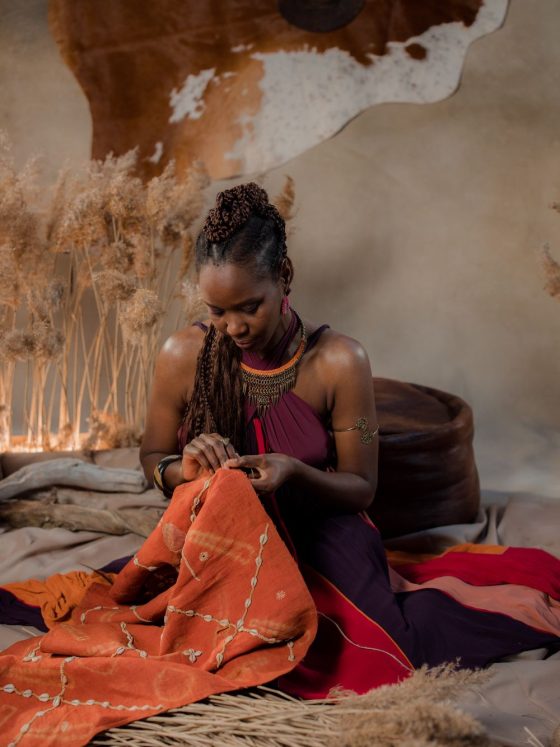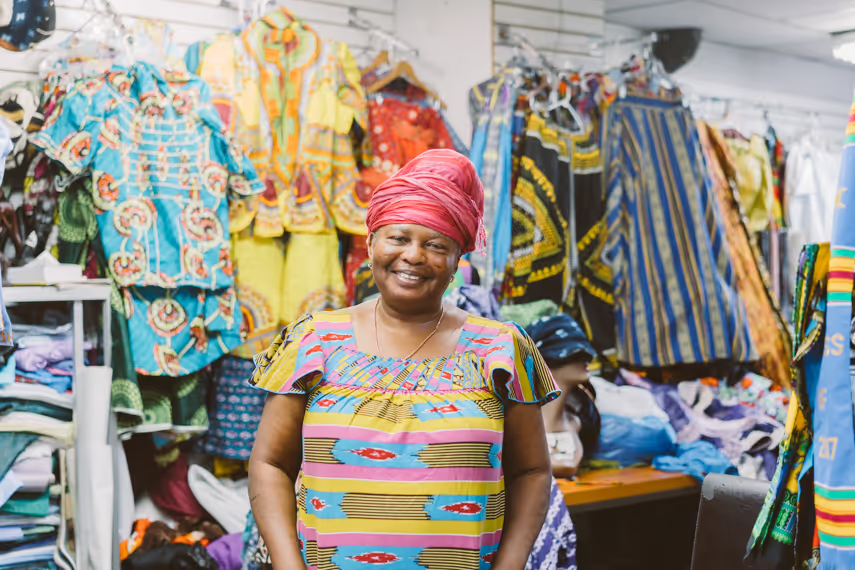
The fabric arrives folded in brown paper, tied with a single length of twine. It was handed over at the back of a Lagos market stall by a woman who, without being asked, knew which bolt was the correct weight for a burial. She did not explain the difference between aso-oke for a wedding and aso-oke for a funeral. She did not have to. Her customer knew. The transaction took less than four minutes. That is what culturally intelligent shopping looks like.
Most people shopping for African fashion today do not have those four minutes. They have an algorithm. And the algorithm was not built for this.
Omiren Styles publishes this guide because the problem is not access to African fashion. African fashion is everywhere. It is in Accra’s markets and Lagos’s ateliers. It is in the fabric halls of Dakar and the craft cooperatives of Addis Ababa. It is on the rails of diaspora boutiques in London, Atlanta, and Toronto. The problem is that most people have not been taught how to find it, read it, or buy it with the cultural intelligence it deserves.
This guide corrects that.
African fashion is not emerging. It is foundational. This guide teaches you how to shop with cultural intelligence, from fabric markets to designer discovery.
Why African Fashion Is Not Hard to Find
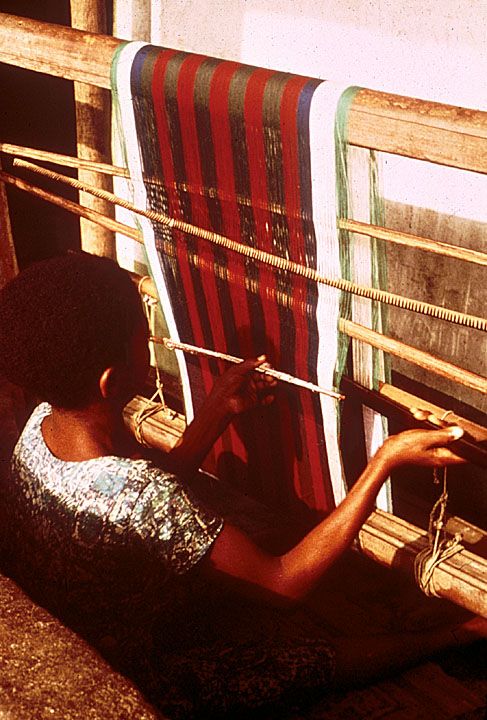
The idea that African fashion is difficult to access is a distribution myth, not a supply reality. Africa produces some of the world’s most technically complex textiles. The Ewe people of Ghana and Togo weave kente on narrow-band looms using techniques whose structural logic has not changed for centuries. Adire cloth, the indigo-resist textile of the Yoruba, is produced by master craftswomen in Abeokuta who work dye vats handed down through families. The Kuba Kingdom of the Democratic Republic of Congo has been producing raffia cut-pile velvet of extraordinary precision for hundreds of years.
None of this is rare. What is rare is the infrastructure that would make it visible at the point of sale to a global consumer trained to look only at platforms built for European and North American fashion.
This is the first thing the culturally literate shopper understands: African fashion has not been hiding. The search strategy has been wrong.
“African fashion has not been hiding. The search strategy has been wrong.”
How to Read African Fashion Before You Buy It
Shopping for African fashion intelligently begins before money changes hands. It begins with the ability to read what you are looking at.
Provenance: Know Where the Fabric Was Made
Provenance is the single most important question in African fashion shopping. The fabric you see labelled “African print” in a European high street store was likely printed in China or the Netherlands. Dutch and British manufacturers industrialised the wax-print fabric associated with West African dress in the nineteenth century and have been producing it at scale outside Africa ever since. This is not a reason to avoid wax-print. It is a reason to understand what you are buying.
Genuine Ghanaian kente is handwoven, most often by Asante or Ewe weavers. It carries a visual signature in its construction: the narrow strips sewn together along their lengths, the slight irregularities of hand-weaving, the weight and texture that no mass-produced fabric replicates. Aso-oke, worn by the Yoruba people of Nigeria, is similarly produced on narrow horizontal looms and should feel dense and structured. If the fabric is light, uniform, and cheap, it is not aso-oke.
Ask: Where was this woven or printed? Who made it? If the seller cannot answer, treat that as information.
Authenticity Markers: What Legitimate African Textiles Look Like
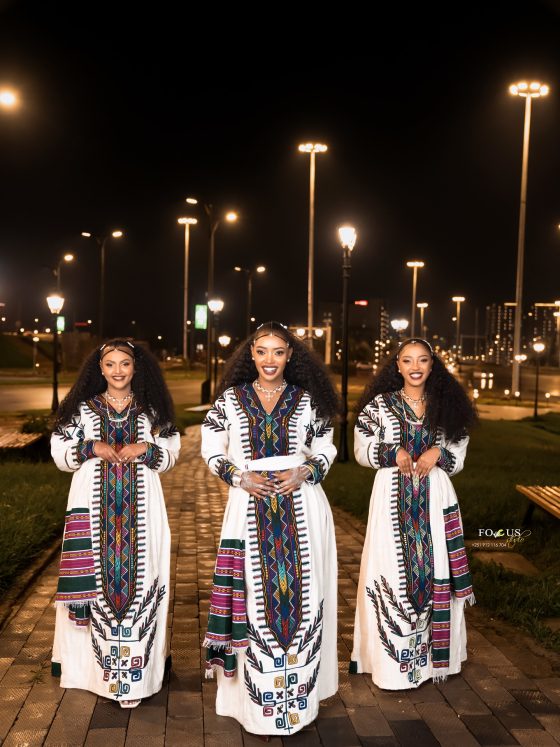
Every major African textile tradition carries physical markers of authenticity. Kente cloth produced by Asante weavers in Kumasi is available directly from the National Cultural Centre in Ghana. Ethiopian gabi and netela are hand-woven on traditional warp-weighted looms and carry the texture irregularities of that process.
The UNESCO Intangible Cultural Heritage Lists include multiple African textile traditions, among them the art of Kente cloth weaving of the Asante and Ewe communities. That recognition carries a practical implication for buyers: traditions on that list have documented provenance standards that sellers of authentic goods can reference.
Learning to see these markers takes time. The fastest way to accelerate that education is to handle genuine examples first, then compare. Omiren recommends visiting the fabric markets of Accra, Lagos, or Marrakech before purchasing African textiles online. Physical education is irreplaceable.
The Counterfeit Problem: Why Knowing the Difference Matters
The global market for counterfeit African cultural goods is not trivial. Kente cloth produced outside Ghana and sold without attribution to Asante or Ewe weavers deprives those weavers of income and strips the textile of its cultural context. The buyer receives an object. They do not receive what they think they are receiving.
This is not a peripheral concern. The African Development Bank estimates that the creative and cultural industries across Africa generate approximately 4.2 billion USD annually, a figure the Bank projects could increase significantly with stronger intellectual property frameworks and improved market access. Shopping with provenance awareness is a form of direct participation in that economy.
Where to Actually Buy African Fashion
The geography of African fashion retail is more varied and more accessible than most buyers realise. The channels below represent the primary markets, each with its own logic.
The Great Fabric Markets of Africa
For anyone with the opportunity to travel, the fabric markets of African cities remain the most direct and richest access point to the continent’s textile traditions. Balogun Market in Lagos is one of the largest fabric markets in West Africa, with traders specialising in aso-oke, lace, ankara, and imported fabrics used across Nigerian ceremonies. Makola Market in Accra carries the full range of Ghanaian textile production, alongside the wax prints that dominate West African commercial fashion. Kariakoo in Dar es Salaam is the gateway to East African textile retail, with weavers and traders of kitenge, khanga, and kikoi.
Medina Market in Dakar, Morocco’s Fez Medina, and the Merkato in Addis Ababa each represent distinct textile traditions. A single visit to any of these markets produces a cultural education that no online platform can replicate.
African Designer Platforms and Stockists
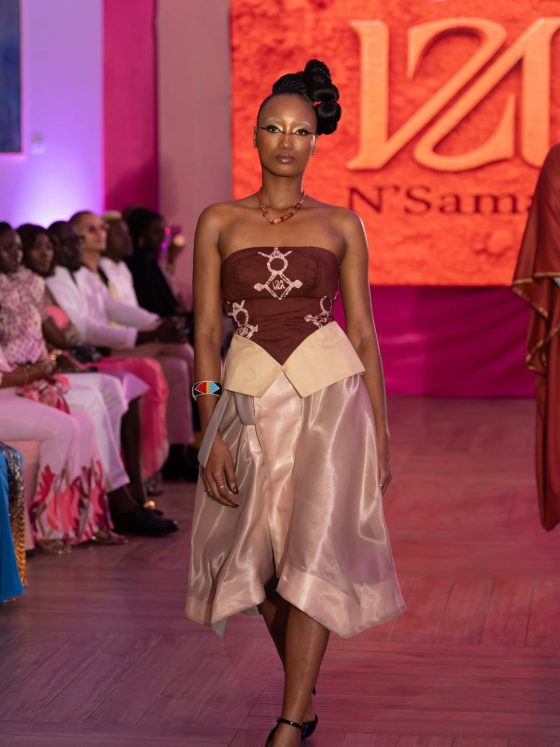
The direct-to-consumer African fashion market has matured substantially over the past decade. Platforms that aggregate African designer work and ship internationally now offer credible access to fashion that previously required travel or personal connections. Designers like Kenneth Ize, Tongoro, Adama Paris, and Thebe Magugu now operate international e-commerce with the logistical infrastructure to support global buyers. Ozwald Boateng, Lisa Folawiyo, and Imane Aygi maintain stockist relationships with high-end retailers in Europe and North America.
When purchasing from a designer’s own platform, the cultural and economic transaction is clean: the value goes directly to the house and the artisans it employs. When purchasing from a large multi-brand retailer, check whether the platform clearly indicates the designer and country of origin.
Diaspora Boutiques and the Question of Curation
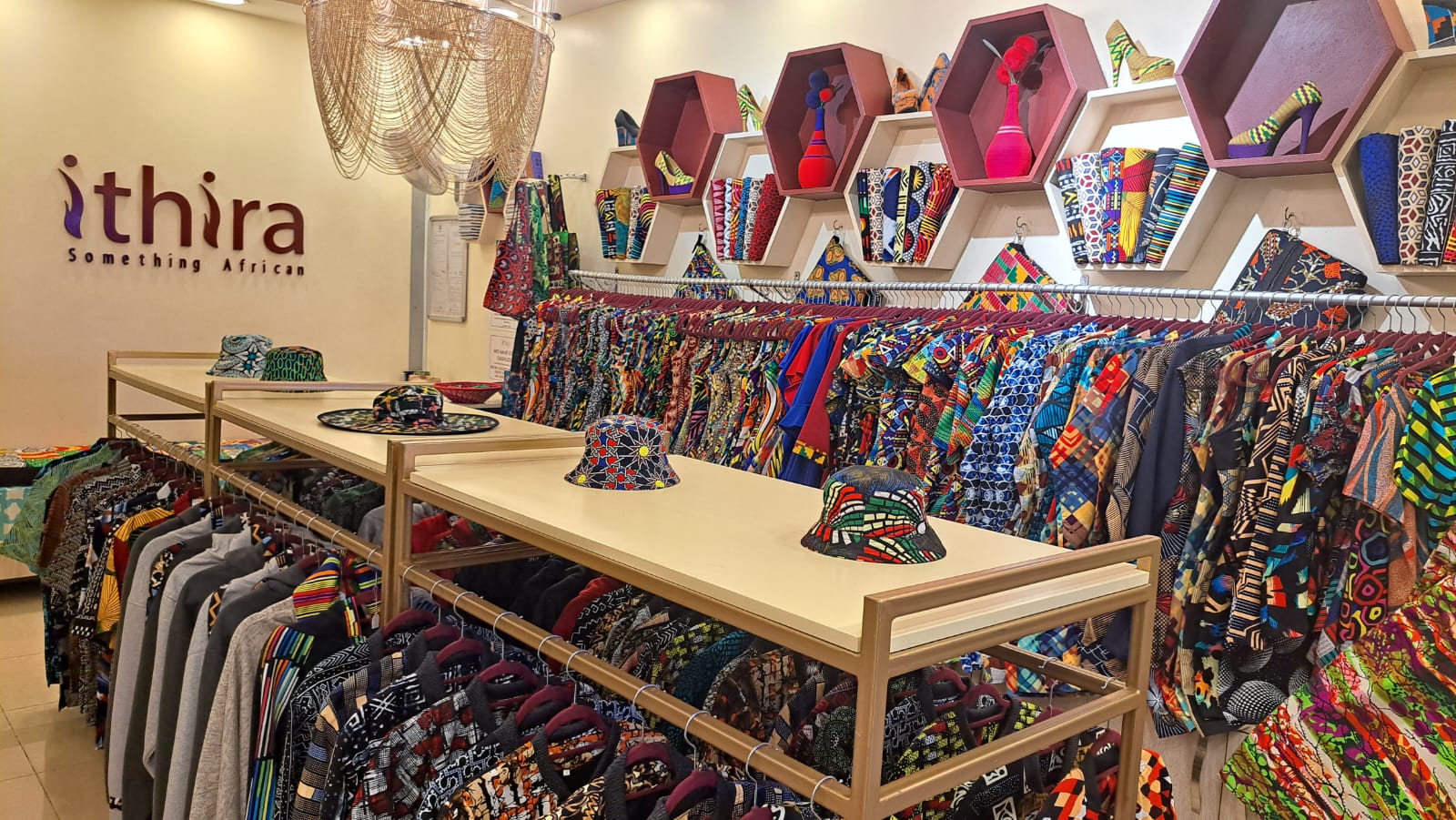
Diaspora communities across the UK, the United States, Canada, France, and Brazil have built retail infrastructure that brings African fashion to consumers who cannot access African markets directly. These boutiques range from market-stall operations focused on everyday Ankara and accessories to curated concept stores that carry contemporary African design.
The quality of these retail environments varies. The best diaspora boutiques operate with the editorial clarity of a gallery: they can tell you the designer, the country of origin, the textile tradition, and the cultural context of what they sell. Shops that cannot provide this information are distributing African fashion without the knowledge that gives it meaning.
The Online Marketplace Problem
African fashion on major global platforms exists in a structural contradiction. The designers are present. The search infrastructure is not built for them.
Search terms like “African dress” or “African print” on Amazon, ASOS, or Shein return results dominated by mass-produced garments made outside Africa that use design motifs from African visual cultures without attribution, credit, or payment to the communities those motifs belong to. The algorithm rewards price and volume. It does not reward provenance or cultural accuracy.
This means that the culturally literate buyer must search differently. Search by designer name. Search by specific textile tradition. Search by country of origin. Use editorial platforms like Omiren Styles to identify designers first, then go directly to their own commerce channels. This is not a workaround. It is the correct methodology for buying African fashion with integrity.
“Search by designer name. Search by textile tradition. Go directly to the source. This is not a workaround. It is the correct method.”
Also Read
- What the World Lost When Hand-Weaving Gave Way to Mass Production
- Leather Does Not Age. It Remembers: African Craft Heritage and Luxury Identity
- Kenneth Ize: The Man Who Made Aso-Oke a Global Conversation
- How a New Wave of Designer Brands Are Building Legacy, Not Just Products
- The Ndebele Aesthetic: Pattern, Identity, and the Global Brands That Have Borrowed Without Credit
- Shea Butter Reimagined: How African Beauty Brands Are Competing With European Luxury Houses
How to Build a Wardrobe Around African Fashion
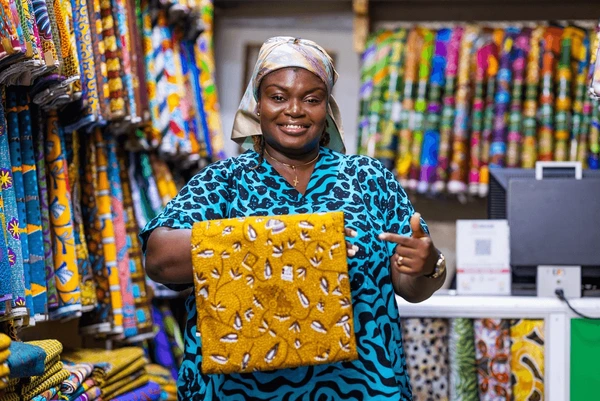
A wardrobe built around African cultural garments is not a costume wardrobe. It is a wardrobe of precision. Each piece carries a specific cultural logic: the occasion for which it is appropriate, the community it signals membership in, and the textile tradition it represents. Understanding that logic is what separates a culturally literate wardrobe from a collection of aesthetically interesting objects.
Begin With the Fabric, Not the Garment
The most enduring approach to building an African fashion wardrobe is to begin with knowledge of fabric rather than with the acquisition of finished garments. A buyer who understands the difference between aso-oke grades, who can identify kente by its strip construction and colour grammar, who knows the weight appropriate for a kaftan versus a wrap dress, has a foundation that will serve them across every shopping context. That knowledge also protects against counterfeits and overpricing.
Invest in One Signature Piece Per Tradition
The most powerful African fashion wardrobes are built on what might be called anchor objects: single pieces of high quality that demonstrate genuine knowledge of the tradition they represent. A single length of handwoven kente, properly stored, lasts for decades. A correctly sourced agbada from a Yoruba master tailor signals cultural literacy in a way that ten mass-produced ankara pieces do not. Invest in fewer, more correct things.
The Ceremony Calendar as Shopping Guide
African fashion is inseparable from the occasion. The greatest driver of purchase decisions in African fashion retail across the continent and diaspora is ceremony: weddings, naming ceremonies, funerals, graduations, chieftaincy installations, and religious observances. Understanding the dress codes of the ceremonies you attend is the most practical guide to what to buy. Aso-ebi culture in Nigeria creates a collective fabric-purchasing practice for specific events. The cultural rules of colour, fabric type, and garment construction for each ceremony are specific and can be learned
African Fashion Shopping for the Diaspora
For members of the African diaspora living outside the continent, the challenge of shopping for African fashion is shaped by distance, by the absence of the informal knowledge networks that operate within African communities at home, and by the distortions of the global retail market described above.
The most effective solution is community knowledge, not platform search. Diaspora associations, cultural organisations, and church and mosque communities often maintain informal networks of trusted vendors who source directly from the continent. These networks predate the Internet. They remain more reliable than any platform for culturally specific purchasing.
Where community networks are not available, the combination of editorial platforms, direct designer websites, and verified diaspora boutiques offers a credible alternative. The key is to develop a shortlist of trusted sources and return to them consistently rather than searching the open market each time.
Frequently Asked Questions
1. How do I know if the African fabric I am buying online is authentic?
Ask for provenance information: country of origin, name of the weaving community or mill, and the specific textile tradition. Authentic hand-woven textiles will have slight irregularities in width and colour consistency that machine production cannot replicate. If the seller cannot provide provenance information, search for the designer’s official website and purchase directly.
2. Is it appropriate for non-Africans to shop and wear African fashion?
Wearing African fashion without cultural context is different from wearing it with knowledge and respect. The most meaningful approach for any buyer outside a specific cultural tradition is to understand what the garment signifies, purchase from the communities that produce it, and wear it in appropriate contexts. Omiren Styles does not frame this as a restriction. We frame it as an invitation to learn.
3. What is the difference between African print and African fabric?
“African print” commonly refers to wax-print fabric, the brightly coloured cotton textile associated with West African dress but industrially manufactured in the Netherlands, China, and elsewhere. “African fabric” is a broader category that includes genuine hand-woven textiles produced on the continent: kente, aso-oke, kuba cloth, adire, kikoi, gabi, and many others. The distinction matters because it determines where the purchase’s value goes and whether the textile has genuine cultural provenance.
4. Where can I find African designers who ship internationally?
The most reliable starting point is editorial coverage by platforms with genuine cultural authority. Omiren Styles profiles African designers with specific attention to their craft, cultural grounding, and commercial accessibility. Designers, including Kenneth Ize, Tongoro, Thebe Magugu, and Lisa Folawiyo, operate international e-commerce. Many independent designers are discoverable through African fashion week coverage and direct social media presence.
5. How do I build an African fashion wardrobe on a budget?
Begin with fabric rather than finished garments. A length of quality ankara, kanga, or kitenge purchased directly from a market or fabric trader is significantly less expensive than a finished designer garment and provides more creative flexibility. Local tailors in African communities, both on the continent and in the diaspora, can tailor garments to your specifications at accessible prices. Investing in fabric knowledge reduces the risk of making incorrect purchases and increases the value of every purchase.
6. What is aso-ebi, and how does it affect shopping?
Aso-ebi is a Yoruba practice of collective fabric purchasing for shared occasions, most commonly weddings and ceremonies. Members of a family or social group purchase the same fabric and have garments made to their individual specifications, creating a visual unity at the event. Aso-ebi decisions are typically communicated by the hosts several weeks in advance, with specific fabric and colour requirements. Shopping for aso-ebi means locating the specified fabric from trusted Lagos traders, either in person or through trusted purchasing agents.
Deepen Your Shopping Knowledge
Omiren Styles publishes designer profiles, fabric guides, cultural style analysis, and market intelligence across all 54 African nations, the Caribbean, and the global diaspora. Subscribe to our editorial newsletter for the African fashion intelligence that no algorithm will surface for you.