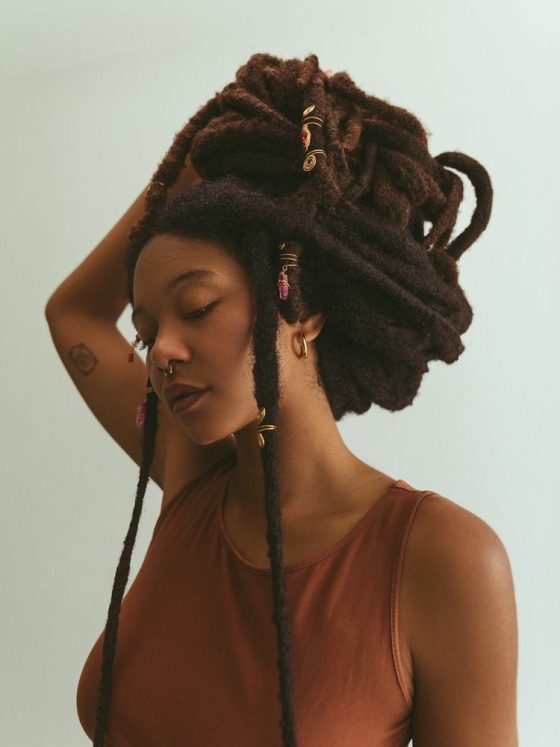
We are paying more attention to the visible stitching in our hair and clothing in the global context of 2026, where the pursuit of authenticity defines our luxury. African braiding customs have long been an architectural achievement of cultural preservation, more than just a style choice. Braiding has been a silent revolution for ages throughout the diaspora and the continent. These styles, which encoded a wearer’s position, tribe, and, most importantly, their route to liberation, were the original archives, ranging from the intricate Shuku of the Yoruba to the geometric maps used by the captives.
These customs continue to be a powerful, inclusive story of resiliency as we traverse the metropolitan skyline today. A system of strategic intent that turned the human scalp into a site of resistance must be understood to comprehend the history of the braid. As we embrace a more transparent and soulful connection to our ancestry in 2026, we realise that these patterns are more than simply fads; they represent the timeless blueprints of an identity that resisted erasure. This is the epitome of the “Know-Me” experience: a hairstyle with the intelligence of a survival plan and the weight of a map.
We are engaging in a circular stewardship of the self by respecting these methods. We are realising that the history we carry within our outlines is just as much a part of true luxury as what we put on our bodies. We discover a bright, worldwide connectivity that connects the ancestral loom to the contemporary mirror as we investigate how these braids functioned as social ledgers and hidden coordinates. The braid is the ultimate representation of an architectural presence that is profoundly, soulfully free in 2026.
The braid was never just a hairstyle. Discover how African braiding traditions encoded escape routes, social rank, and cultural survival and why they remain one of the most powerful acts of identity in 2026.
The Geometry of Survival: Maps and Seeds

The history of braiding is a master class in strategic intent and covert communication. During the Trans-Atlantic slave trade, braids became a mechanical necessity for survival rather than a mere ornament. In Colombia and throughout the Caribbean, enslaved women developed a sophisticated system of map braids. Using the direction of cornrows and the thickness of plaits, they marked landmarks like “the big tree”, signalled escape routes, and encoded hidden messages that captors could never decode. This was the first global connectivity, a network of information carried in plain sight, demonstrating that the most resilient archive is the one we carry with us.
These patterns had a function and were structural. Before an escape, seeds, grains, and even tiny pieces of gold were frequently hidden within the braids’ folds. This method ensured there were resources available to start and sustain a new life once freedom was attained.
As of 2026, we acknowledge this as a basic yet effective kind of circular stewardship. The hair served as a conduit for the future in addition to being a symbol of identity. In the face of complete relocation, women maintained their economic agency and agricultural legacy by continuing to use these methods.
This historical portion serves as a reminder that the visible stitch of a braid demonstrates human creativity. Every hair junction served as a ledger, whether it was the tight, low cornrows of a revolutionary map or the Shuku style, which denoted a high social status. We are witnessing a beautiful homage to a generation of architects who used their inventiveness to preserve their culture, as these styles are represented in upscale journalistic archives. Not only do we wear these looks in 2026, but we also live within a history of resistance that remains as soulful and architectural as the city skyline.
ALSO READ:
- Afro-Hair Renaissance: The Rise of Afro Hair Culture and the Natural Hair Movement
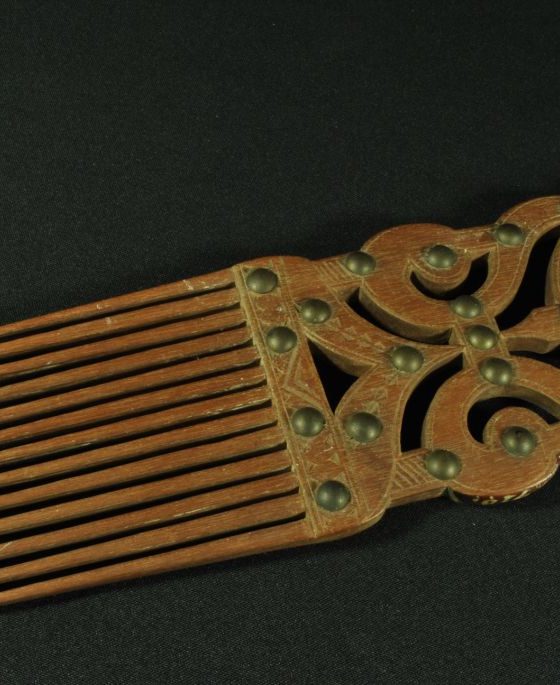
- How the Comb Became a Symbol of Liberation in Black Hair History
Status, Kinship, and the “Shuku”
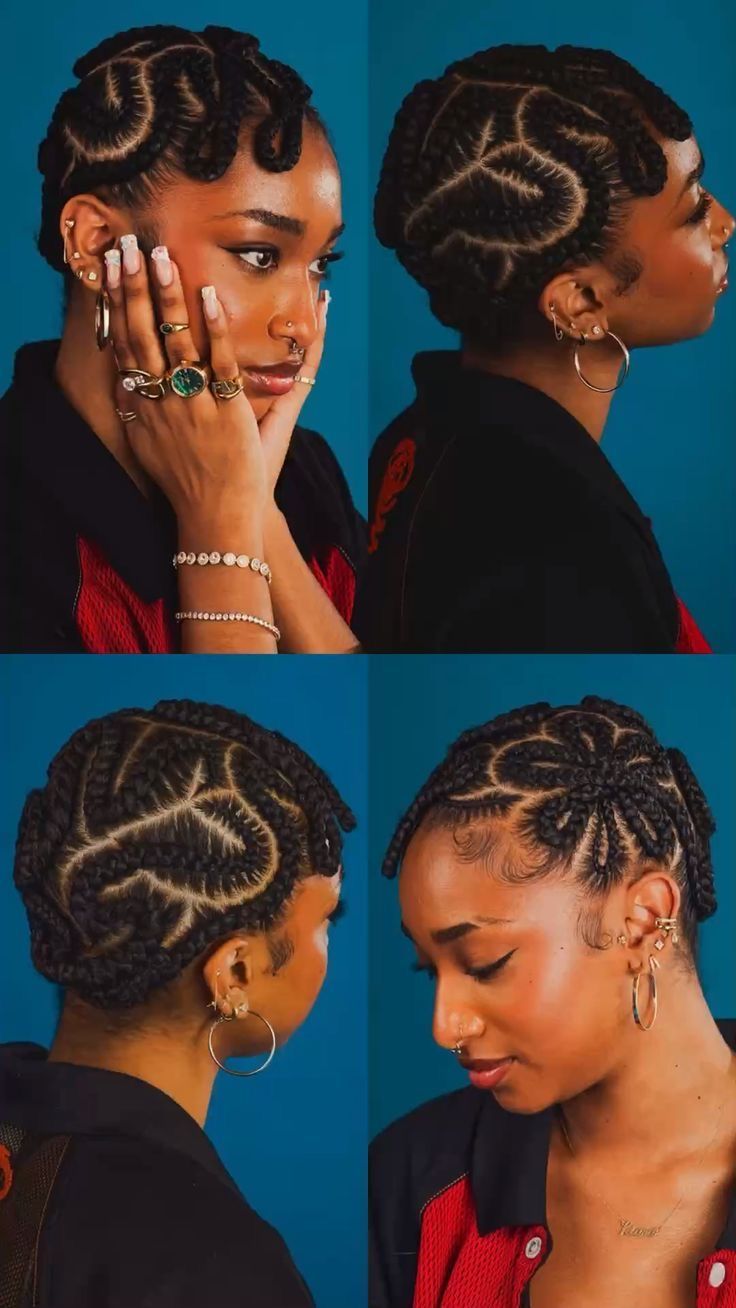
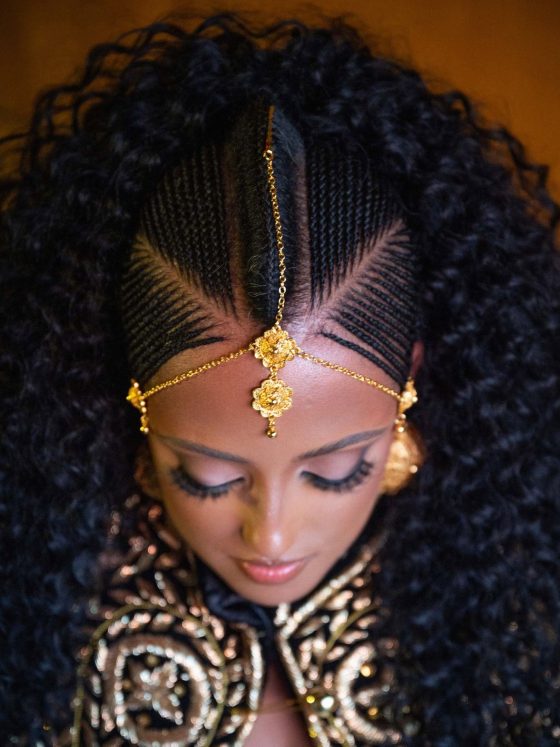
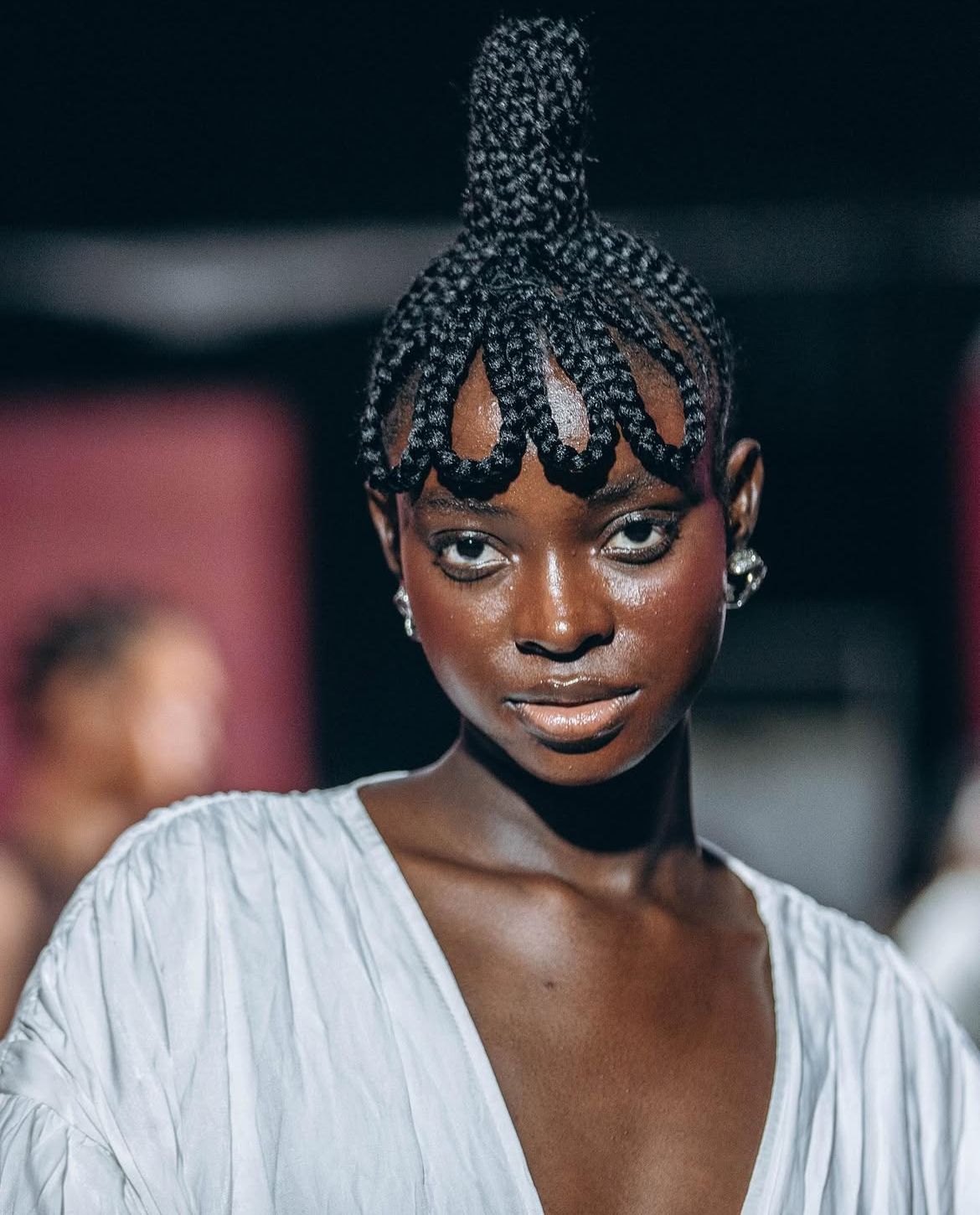
Across the African continent, braiding served as a complex social ledger in addition to the maps of resistance. In 2026, we consider these patterns a form of nonverbal global authority. For example, the Shuku, a finely collected crown, was not just aesthetically pleasing in Yoruba culture. They were architectural markers that indicated a woman’s ancestry, marital status, and social standing. This strategic intent ensured that a person’s identity and ethnicity were soulfully and plainly expressed through the visible stitch in their hair, even in a crowd.
This complex family network provided a safe, internal haven for the preservation of culture. These styles served as the transportable archives that preserved ties to home when communities were uprooted. Wearing a particular pattern was like carrying a family tree on one’s head, serving as a reminder of a well-organised, welcoming community that respected each person’s place in the group. High-end fashion is still influenced by this history today, as the “Know-Me” experience in contemporary editorial beauty is modelled on the geometric accuracy of these antiquated trends.
We are practising a kind of circular stewardship in 2026 by taking back these stories. Braids are becoming recognised as the enduring patterns of African social structure rather than just as trends. By honouring the craftspeople who have maintained these ledgers for centuries, this change guarantees that the braid’s rhythmic language will continue to serve as a powerful link between traditional knowledge and the contemporary urban skyline. Wearing a Shuku now is a means to take part in a luminous conversation about global connectivity, demonstrating that being rooted in your own past is the most contemporary approach to leadership.
The Braiding Chair as a Healthy, Internal Sanctuary
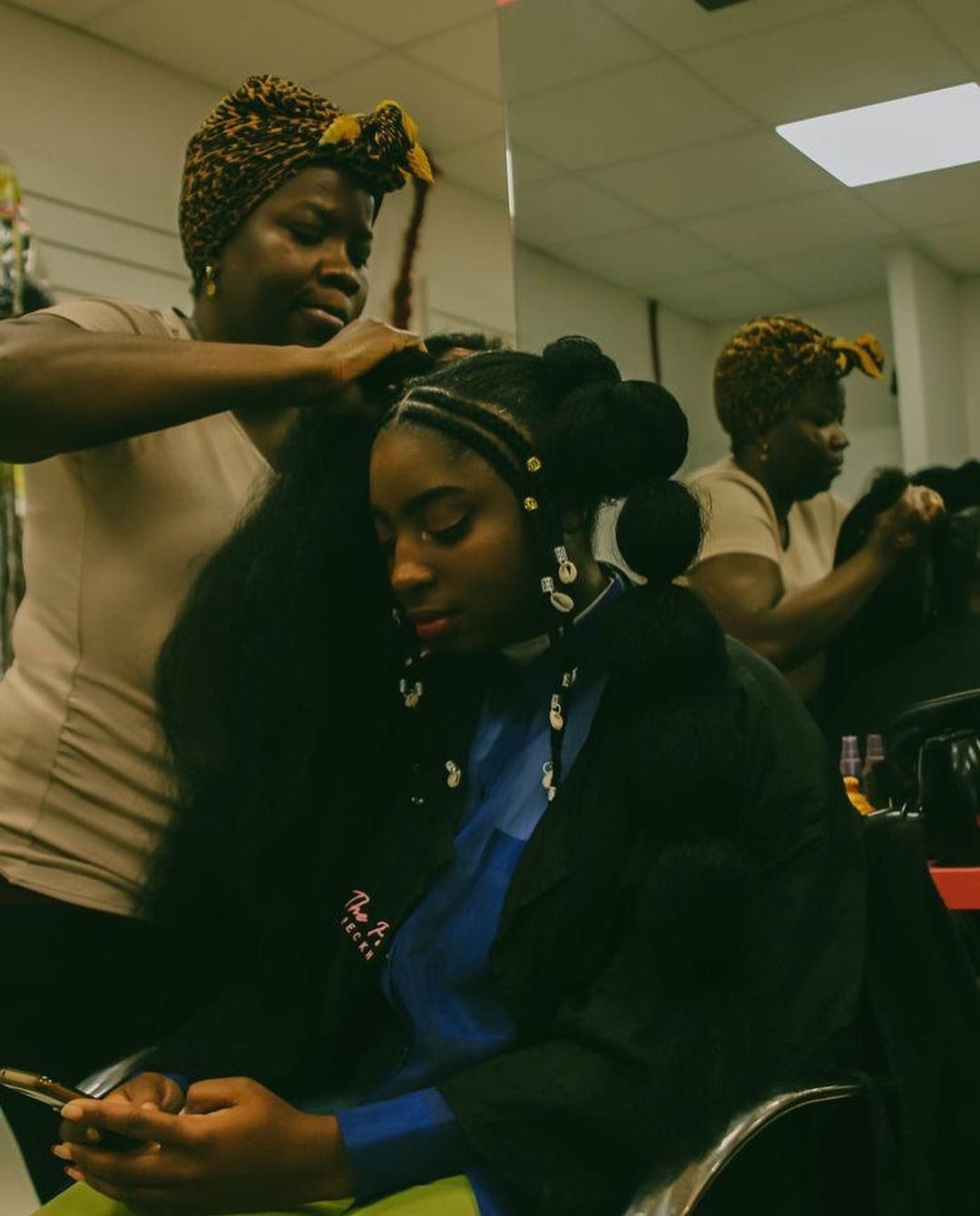
In 2026, braiding has regained its importance as a means of transmitting oral history and fostering collective reconciliation. Stories are passed down through the tips of the fingers in the braiding chair, which is more than just a seat in a salon. It is a healthy, internal sanctuary. This is where our culture’s visible stitch gets strengthened. The chair becomes a site of global connectivity as the stylist’s hands work in a careful, rhythmic cadence, connecting the contemporary lady to the generations of women who sat in similar circles in the peaceful corners of the diaspora or under the shade of trees.
The trust economy developed between stylist and client is highlighted in this part of the braiding tradition. The architecture of the hair is built with a brilliant, heartfelt intent in this place of vulnerability and unity. The hours spent braiding provide a unique moment of slow-burn intimacy in a day of digital noise.
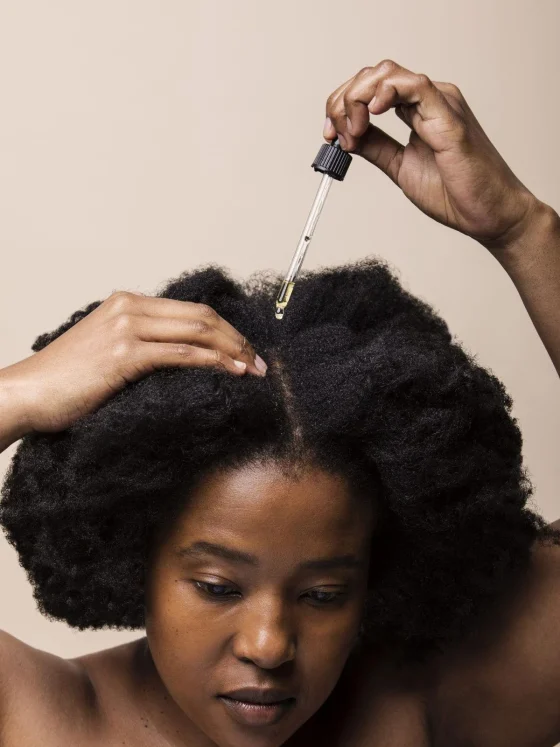
This contemporary approach is consistent with the principles of circular stewardship by emphasising the integrity of the natural fibre and scalp health. We are learning to treat our crowns like the priceless, long-lasting relics they are.
In the end, this refuge guarantees the archive’s continued existence. To ensure that the legacy of resistance and identity is never lost to time, it is here that the significance of a particular parting or the history of a certain tactic is conveyed.
The woman who emerges from the braiding chair against the metropolitan skyline of 2026 carries a heightened sense of global authority alongside her new appearance. Her hair is a work of architectural art that boldly anchors her in the present while paying tribute to the past. It is her armour, her history, and her compass.
The Omiren Argument
Omiren Styles does not cover African beauty as a trend report. It covers it as a territory. And the position here is foundational: beauty, when it is truly African, has never been decorative in isolation. It has always been strategic. The braid is not an accessory. It is an archive, a compass, a declaration, a document. To separate African hairstyling from African politics, kinship, and intellectual production is to misread the entire tradition. The scalp is a site. The plait is a language. The geometry of a Shuku crown carries as much cultural authority as any garment produced in any atelier on any continent.
This is the Omiren position: fashion and beauty are the outermost layer of an interior intelligence. What we choose to wear on our bodies and our crowns is never arbitrary. At its most honest, it is always a statement of who we are, where we come from, and what we refuse to forget. African braiding is not a reference point for global fashion. It is a source. The women who encoded escape routes into cornrows, who braided seeds into their hair before fleeing, who wore their family trees on their heads were not practising a beauty ritual. They were practising architecture. They were practising survival. They were, in the fullest sense, practising fashion as identity. That is the story Omiren Styles exists to tell.
Conclusion
African braiding’s legacy serves as a clear example of cultural survival’s strength as we approach 2026. These customs have evolved into an architectural language of pride, identity, and global authority that transcends the mirror. We can discern a tale of circular stewardship, where the wisdom of the past is skillfully woven into the brilliant present, by following the route from the map braids of the resistance to the high-end editorial crowns of today. These patterns serve as a reminder that true luxury is a spiritual, enduring link to a past that refused to be silenced rather than a fad.
Every plait is ultimately a bridge. It links the contemporary lady to a tradition of architects who used their hair to guide their lives and protect their neighbourhood. Wearing these looks in 2026 is an act of strategic intent, a means of transporting a living archive along the corridors of the metropolitan skyline. We come to understand that the most potent thing we can wear is our own history, as the stylist’s hands continue to reinforce these old geometries rhythmically. The braid’s visible stitch serves as a reminder that our identities are complex, lovely, and incredibly free even when the outside world changes.
Frequently Asked Questions (FAQs):
1. How were braids used as maps during the slave trade?
Enslaved people used the geometric patterns of cornrows to encode escape routes. The direction and thickness of the braids could signal specific landmarks, such as rivers or mountains, indicate safe paths to freedom, and warn of dangers along the way, all in plain sight of those who held them captive.
2. Why were seeds and grains hidden inside braids?
Before attempting escape, women would braid seeds and grains directly into their hair to ensure they had something to plant once they reached safety. It was a quiet act of forward thinking, carrying the means to feed and sustain a new community inside the body itself.
3. What is the Shuku, and what did it communicate?
Shuku is a traditional Yoruba braiding style in which the hair is gathered and raised into a central crown. Historically, the variations in how it was worn carried meaning: a woman’s marital status, her family lineage, her rank within the community. It was a social record worn on the head rather than written on paper.
4. Why is the braiding chair described as a sanctuary?
Because it has always been more than a seat in a salon. The hours spent braiding create a rare, unhurried space where stories are shared, techniques are passed down, and cultural memory is kept alive through conversation and touch. In a world that moves fast, the braiding chair slows everything down and holds it.