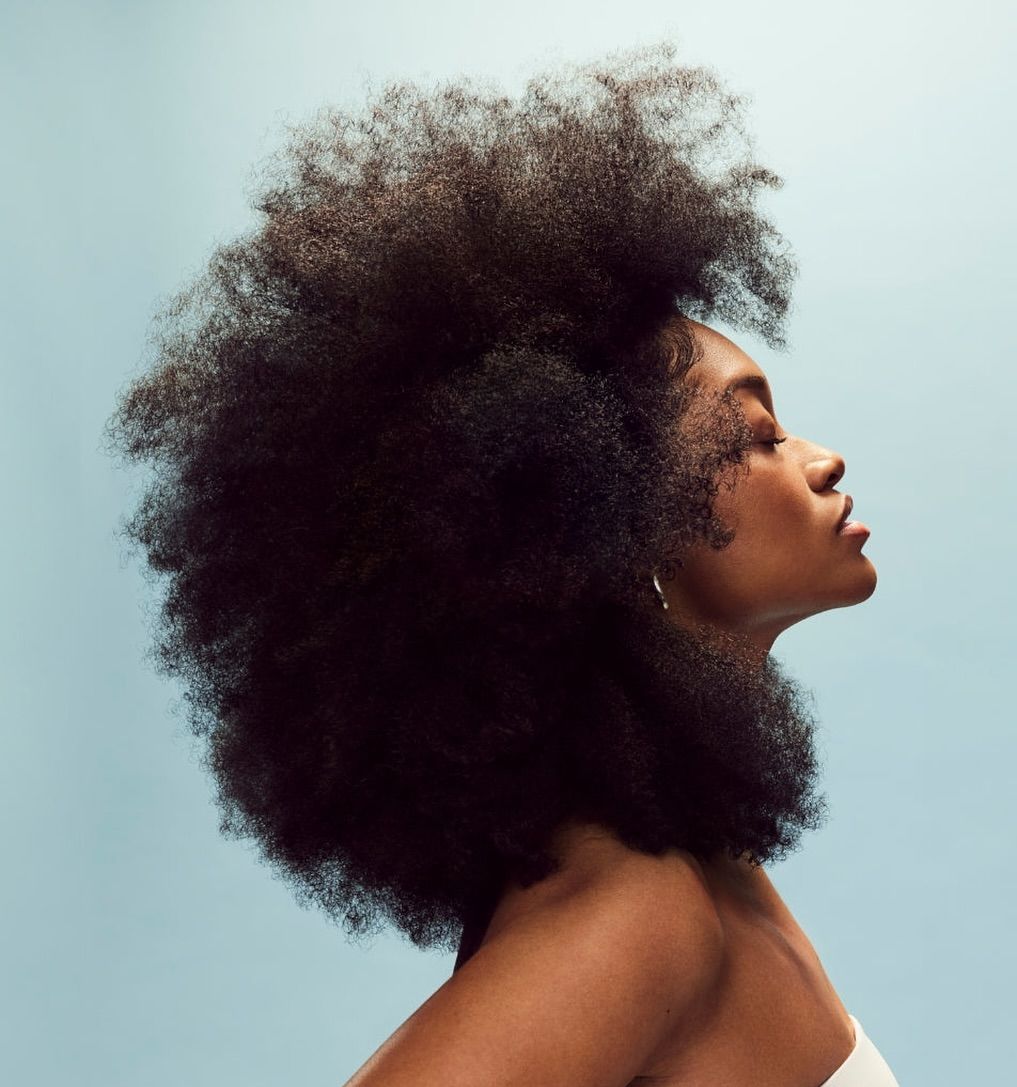
In the language of heritage, few things carry as much meaning as hair. Across African societies and throughout the diaspora, hair has long served as a canvas of identity, spirituality, beauty, and resistance. Today, that legacy is experiencing a powerful cultural revival. From editorial campaigns and museum exhibitions to social media movements and runway styling, Afro-textured hair is being reclaimed and celebrated in ways that feel both deeply ancestral and unmistakably modern.
This moment has come to be known as the Afro-Hair Renaissance. It is not simply about style. It is about history returning to the forefront of beauty culture. It is about communities rediscovering knowledge that once lived in braiding circles, family rituals, and traditional grooming practices. And it is about redefining beauty standards in an industry that is finally beginning to recognise the depth and artistry of Afro-textured hair.
At the centre of this cultural shift are artists, hairstylists, activists, and everyday women who have transformed natural hair from a misunderstood feature into a global statement of pride.
The Afro-Hair Renaissance celebrates natural hair as heritage, identity, and resistance, reclaiming braids, afros, and ancestral beauty traditions worldwide.
Hair as Cultural Heritage
Long before hair became a modern beauty debate, it was already a sophisticated cultural language.
Across many African societies, hairstyles communicated information about the wearer. Braiding patterns could signal age, marital status, lineage, or social standing. The process of braiding itself often served as a communal ritual, where stories were shared and traditions were passed down from generation to generation.
In regions across West and Central Africa, elaborate cornrows and sculptural braids were created with remarkable precision. Some designs mirrored landscapes or spiritual symbols, while others carried names tied to historical events or local proverbs.
Hair was therefore never merely decorative. It was a form of cultural communication.
When millions of Africans were displaced during the transatlantic slave trade, this knowledge travelled with them. Enslaved communities across the Caribbean and the Americas preserved braiding techniques as acts of cultural survival. Even under oppressive conditions, hair rituals continued to connect people to their heritage.
The hairstyles seen today on runways, in editorials, and in everyday life are part of that enduring lineage.
The Politics of Natural Hair
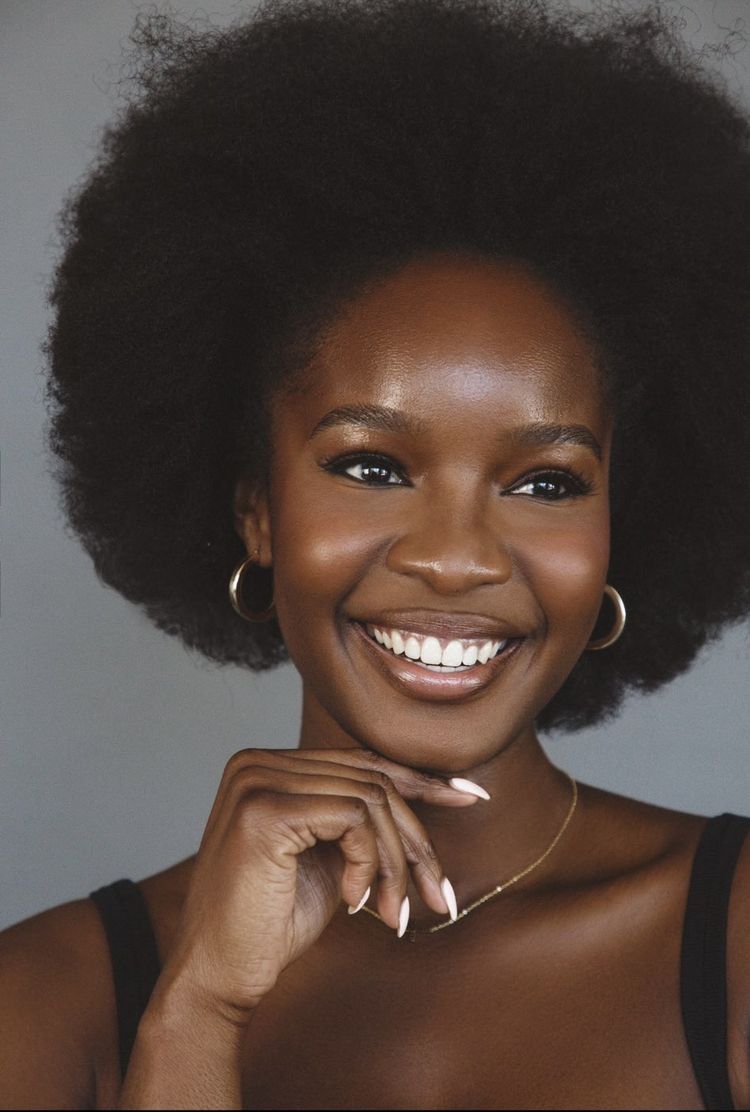
Despite its deep cultural roots, Afro-textured hair spent decades facing discrimination and misunderstanding.
Throughout the twentieth century, beauty standards in many parts of the world favoured straight hair and Eurocentric aesthetics. As a result, many people with natural curls, coils, or kinks felt pressured to chemically straighten or conceal their hair to fit into professional and social spaces.
Schools, workplaces, and even media institutions often label natural hairstyles as “unprofessional” or “unruly.” The message was clear: authenticity needed to be altered to be accepted.
The natural hair movement emerged as a response to that pressure.
Beginning in the late twentieth century and gaining momentum in the digital age, activists and cultural leaders began advocating for the normalisation of natural hair. Social media allowed women to share styling techniques, hair journeys, and personal stories about reclaiming their natural texture.
What began as an online conversation evolved into a global cultural shift. Today, afros, locs, braids, and bantu knots are not only accepted but increasingly celebrated as expressions of individuality and heritage.
The Visual Power of “Don’t Touch My Hair”
Few artistic projects capture the emotional depth of this movement as powerfully as Anne-Sophie Benoit’s photographic series “Don’t Touch My Hair.”
The project presents striking portraits of women wearing natural hairstyles, each image radiating confidence and dignity. Benoit’s goal was to challenge stereotypes while celebrating the beauty and complexity of Afro-textured hair.
The title itself references a phrase many women have had to say in response to intrusive curiosity about their hair. By transforming that phrase into an artistic statement, the project reframes a moment of discomfort into an assertion of autonomy.
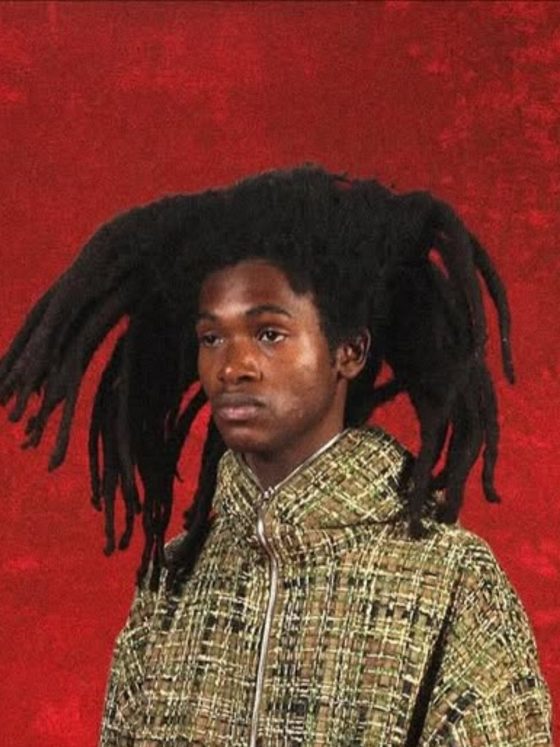
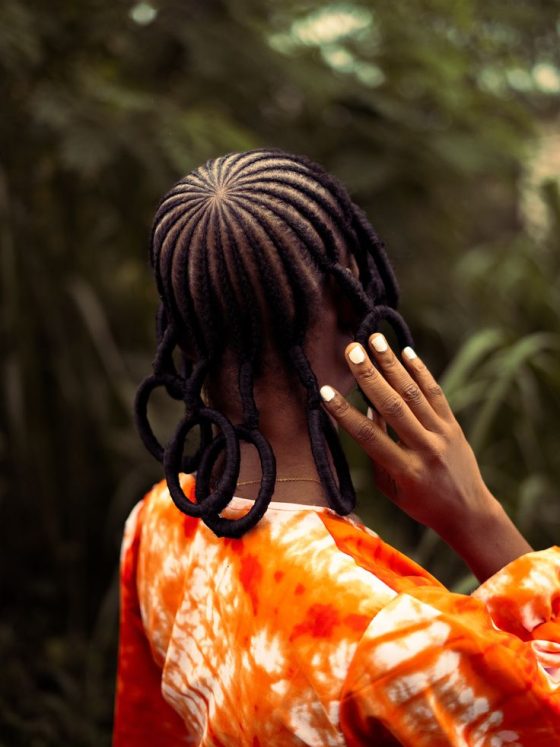
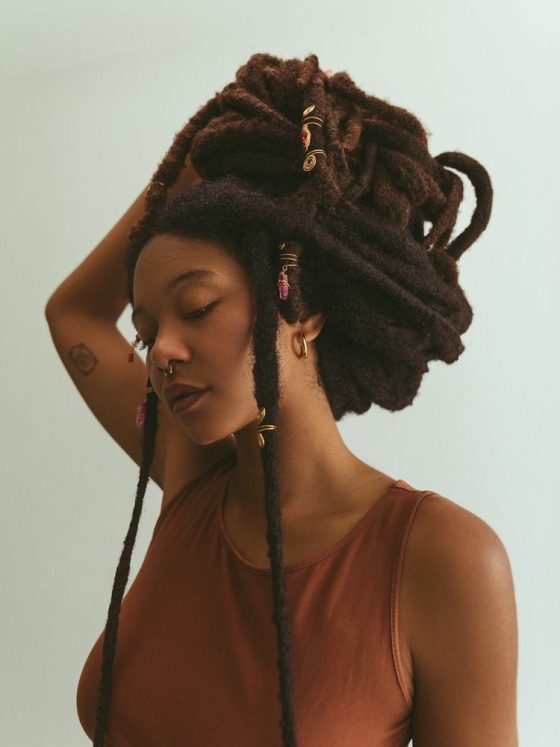
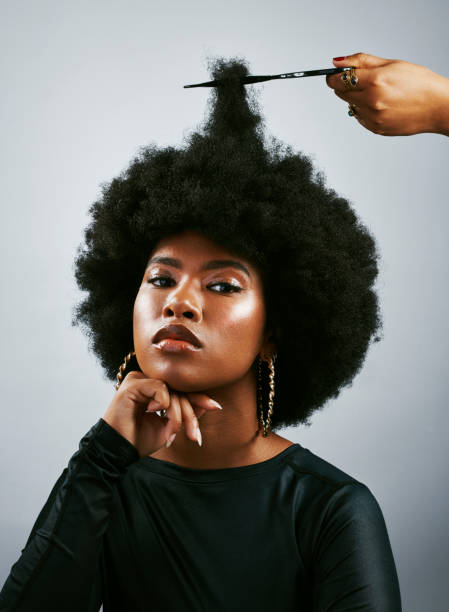
Benoit’s portraits highlight the sculptural beauty of natural hair. Large afros become halos of texture. Braids cascade like woven architecture. Locs fall with quiet elegance.
Each image communicates a powerful message: natural hair is not a novelty. It is a heritage.
The project has resonated globally because it speaks to a shared experience across the diaspora. It reminds viewers that hair can carry memory, pride, and resistance all at once.
The Artistry of Braiding
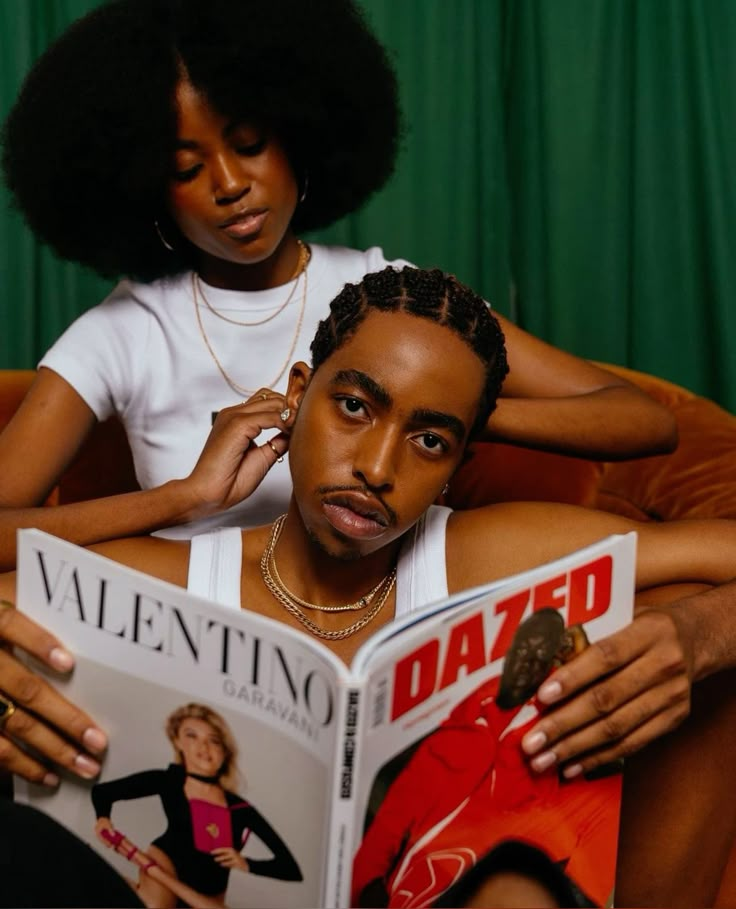
Braiding remains one of the most celebrated expressions of Afro-hair culture.
Far from being simple hairstyles, braids require extraordinary skill and creativity. Professional braiders often spend years perfecting techniques that allow them to create intricate geometric patterns across the scalp.
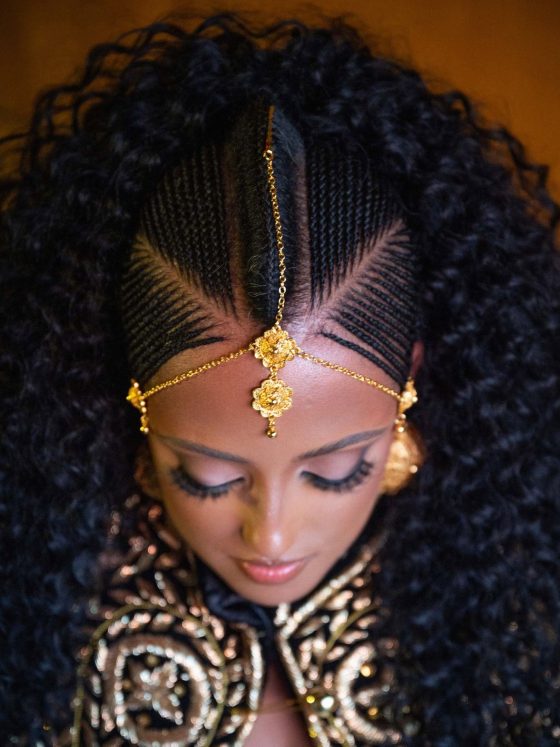
Styles such as cornrows, box braids, and Fulani braids showcase the architectural beauty of hair design. Lines intersect, curves spiral, and sections weave together to form patterns that resemble living sculpture.
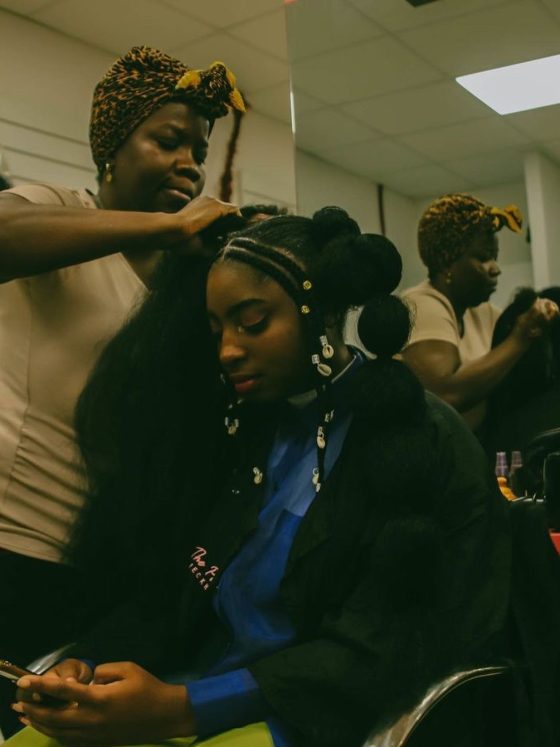
But the artistry extends beyond the visual result. The process itself is deeply communal. In many households and salons, braiding sessions can last several hours. During that time, conversations flow, advice is shared, and relationships deepen.
These moments echo the communal braiding traditions that have existed across African societies for centuries.
Today, modern hairstylists are pushing these traditions even further. Editorial stylists experiment with scale, combining traditional braids with contemporary fashion aesthetics. The result is a fusion of heritage and innovation that continues to evolve.
Hair on the Global Fashion Stage
The fashion industry has increasingly embraced Afro-textured hair as an artistic medium.
Runway stylists now feature sculptural afros, braided crowns, and elaborate loc arrangements, highlighting the versatility of natural hair. Editorial shoots frequently celebrate textured hair in its most expressive forms.
This shift reflects a broader cultural awakening within fashion. Designers and editors are recognising that beauty traditions from the African diaspora hold immense creative potential.
Hair has become an integral part of storytelling in fashion imagery. A model wearing intricate braids may evoke ancestral craftsmanship. A dramatic afro may symbolise bold self-expression.
These visual narratives help reshape global perceptions of beauty, reminding audiences that diversity is not merely a trend. It is a source of creative richness.
READ ALSO:
- Ritual Before Routine: The African Hair Traditions Shaping Modern Beauty
- The Politics of Natural Hair in Professional Space
- The Rise of Natural Hair Care: Culture, Craft, and Modern Luxury
The Cultural Knowledge Within Each Strand
The Afro-Hair Renaissance is also about rediscovering knowledge that once lived quietly within families and communities.
Many traditional hair care methods rely on natural ingredients and rituals passed through generations. Oils, butters, and herbal treatments were historically used to nourish textured hair and maintain its strength.
Equally important was the understanding that hair care was tied to well-being. Grooming rituals often included moments of relaxation, storytelling, and emotional connection.
In the modern beauty landscape, these practices are gaining renewed appreciation. People are increasingly interested in sustainable and culturally rooted approaches to hair care.
This renewed curiosity helps preserve traditions that might otherwise have been forgotten.
Hair as Identity and Empowerment
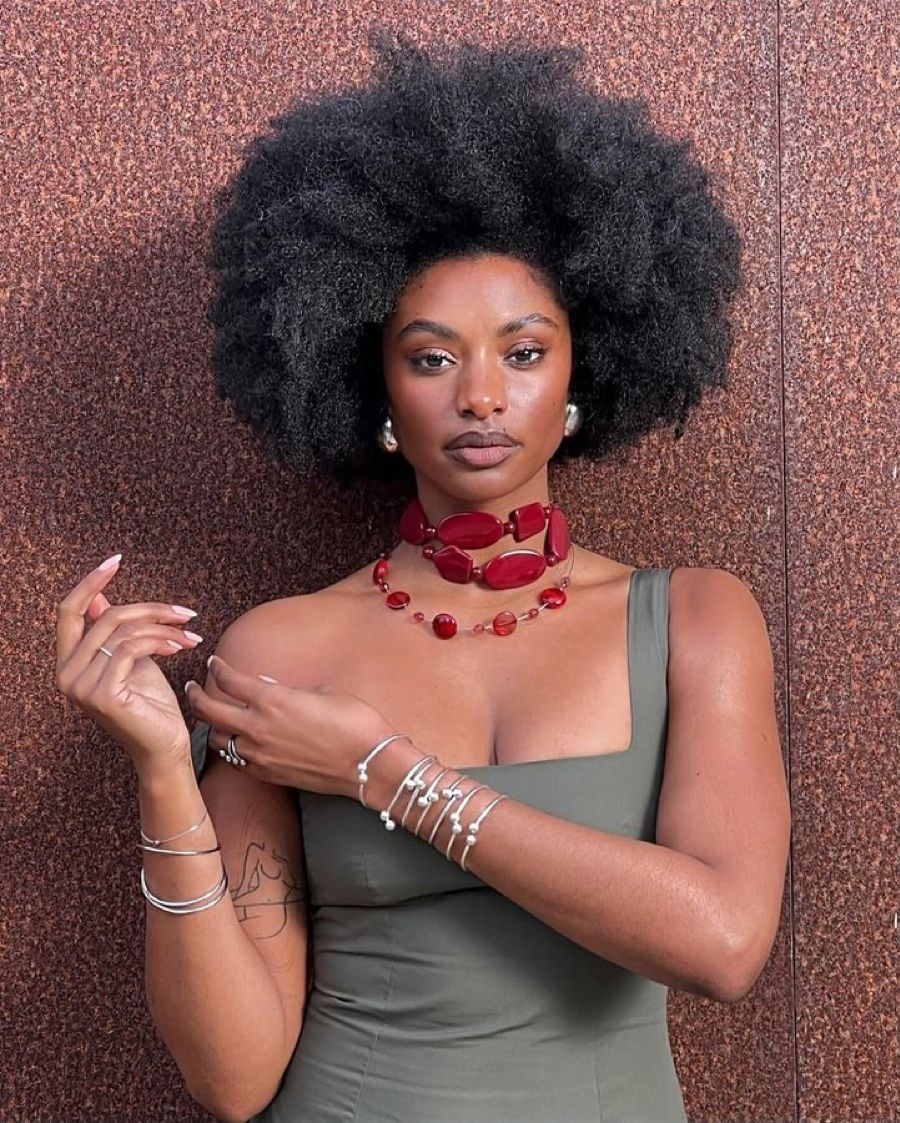
For many people today, wearing natural hair represents more than a style choice.
It is a declaration of authenticity.
Choosing to embrace natural texture often involves a journey of rediscovery. Individuals learn about their hair’s unique patterns and needs. They explore traditional styles and experiment with new expressions of beauty.
This process can be deeply empowering. It reconnects people with cultural histories that were sometimes overlooked or suppressed.
Hair becomes a way of saying: this is who I am, and my heritage is something to celebrate.
The Afro-Hair Renaissance demonstrates that a single standard does not define beauty. Instead, it thrives in diversity and individuality.
A Movement Still Unfolding
The global celebration of Afro-textured hair continues to grow.
Artists, photographers, hairstylists, and cultural advocates are pushing the conversation forward. Each braid, afro, and twist contributes to a larger narrative about identity and belonging.
The Afro-Hair Renaissance is not simply a passing trend. It is part of a broader cultural shift toward honouring heritage and embracing authenticity.
In every strand of hair lies a story that stretches across continents and generations.
And today, those stories are finally being told with the pride they deserve.
FAQs
- What is the Afro-Hair Renaissance?
It refers to the global cultural movement that celebrates natural Afro-textured hair and reclaims traditional hairstyles.
- Why is natural hair considered political?
Wearing natural hair challenges long-standing beauty standards that historically favoured straight hair.
- What are some traditional African hairstyles?
Cornrows, Fulani braids, bantu knots, twists, and locs are among the most well-known styles.
- What does the phrase “Don’t Touch My Hair” represent?
It highlights personal boundaries and challenges the intrusive curiosity often directed at Afro-textured hair.
- Why is braiding culturally significant?
Braiding has historically served as a cultural language that communicates identity, heritage, and community bonds.