Where contemporary fashion asks how to reduce damage within a mass-production model, many African and diasporic clothing cultures were built on systems that prevented excess in the first place. That distinction is not cosmetic. It is structural, and it matters because the fashion industry’s current sustainability conversation consistently frames the problem as a failure of recent decades rather than a failure of the industrial model itself.
In global fashion capitals, sustainability arrives as reform: capsule collections labelled consciously, limited runs branded responsibly, marketing departments leading with statistics about recycled polyester percentages. The language is new. The logic is corrective. It assumes that the default model is mass production and that the task is to manage its damage more carefully.
Across Africa, the Caribbean, and Latin America, that assumption does not hold. Clothing systems in these regions evolved around durability, repair, climate responsiveness, and communal ownership, not as alternatives to a wasteful default but as the organising principles of production itself. The slow-made garment was not a luxury variation on the fast-made one. It was the only kind available, and the culture built around it treated preservation as the natural expectation rather than the exceptional choice.
The industry is attempting to learn, under pressure and at high cost, what these traditions understood as foundational.
Sustainability was never embedded in the marketing. It was embedded in the mechanics of craft. The loom regulated supply. The repair tradition regulated disposal. The inheritance system regulated overconsumption. Each principle preceded the problem it now addresses by centuries.
Handwoven Cloth and the Regulation of Volume
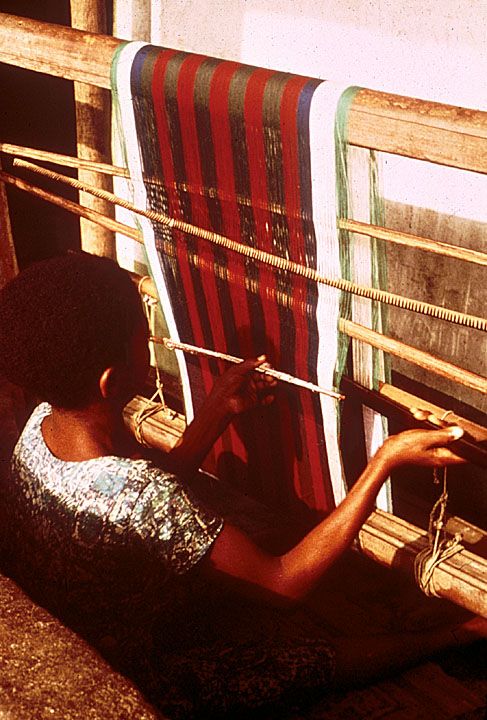
In the highlands of Guatemala, Maya weaving traditions produce the huipil — the hand-woven blouse worn by indigenous women across the country — using backstrap looms that have remained structurally unchanged since the pre-Columbian period. A single huipil requires between three months and a year to complete, depending on the complexity of its pattern and the weaver’s other responsibilities. That production time is not a limitation to be engineered around. It is the mechanism through which the garment acquires its cultural weight: a piece that took a year to make is not disposed of after one season. It is worn, repaired, adapted, and inherited because the community understands the labour embedded in it and treats that labour as a reason for preservation rather than replacement.
UNESCO recognised Maya textile traditions of Guatemala as Intangible Cultural Heritage in 2012, acknowledging what the women who produce these textiles have maintained across generations: the backstrap loom is not simply a production tool. It is a knowledge system, a social structure, and a supply-regulation mechanism simultaneously. When the time required to make a garment is measured in months rather than minutes, the entire relationship between production and consumption shifts. Scarcity is not manufactured as a marketing strategy. It is inherent to the process.
The same principle operates across West and East African handwoven cloth traditions. In Burkina Faso, Faso Dan Fani is woven in narrow strips on horizontal looms, each strip requiring sustained, skilled attention before the lengths are sewn together into a finished cloth. The production pace is set by the capacity of individual weavers working within specific craft communities, not by factory output targets. In Abidjan, as the city’s designers have demonstrated, the fabric-first approach to garment-making, choosing cloth before sketching silhouettes, naturally produces clothing built for durability rather than seasonal disposal. The construction is prioritised over the image. The garment earns authority through the way it is made, not through how it is marketed.
When production speed is slow by design, overconsumption becomes structurally difficult to achieve. The garment’s lifespan is not a sustainability commitment made by the brand. It is a consequence of the time it took to make. Stored between ceremonies, repaired when necessary, and passed between generations as a material record of occasions lived through, these are not nostalgic practices. They are the logical outcomes of a system in which the cost of making a garment is understood by everyone who wears it.
The Caribbean Practice of Repair as Continuity
Across Caribbean households in the twentieth century, home sewing and tailoring were economic necessities shaped by colonial trade inequalities and import costs. Garments were altered, let out, taken in, and redesigned rather than discarded.
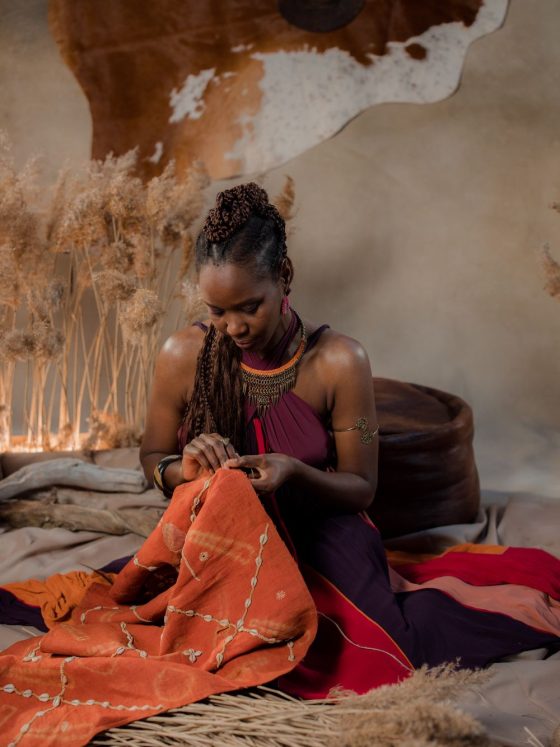
This culture of repair did more than extend lifespan. It preserved skill within communities. Seamstresses were not peripheral figures; they were infrastructure.
Today, luxury brands market visible mending as an avant-garde form of sustainability. Yet in Caribbean domestic spaces, repair was never aestheticised. It was practical intelligence. The garment’s value increased with maintenance, not novelty.
To repair clothing is to resist the culture of disposability. Caribbean communities practised this resistance long before global fashion named it.
Brazilian Baiana Dress and Ritual Preservation
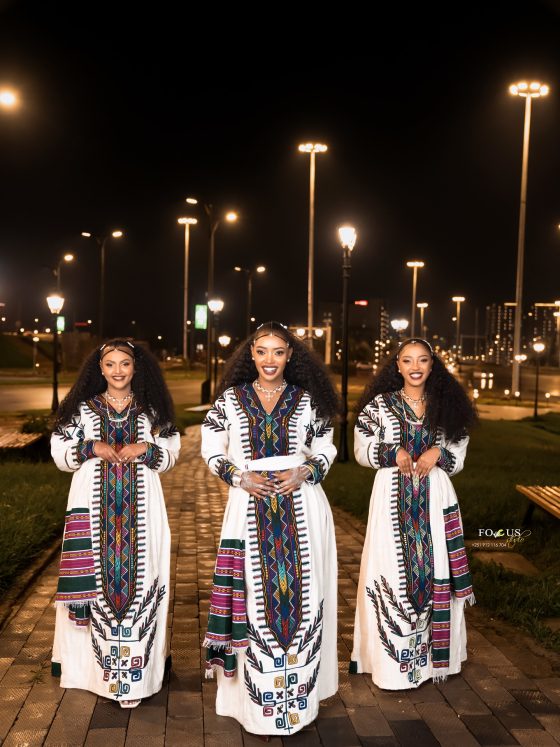
In Salvador, Bahia, the traditional attire of Baianas reflects Afro-Brazilian religious and cultural heritage. These garments are not treated as seasonal commodities. They are maintained, washed with care, and worn repeatedly in ritual and public celebration.
The expectation is continuity.
When garments are tied to spiritual identity, they resist the obsolescence of trends. They cannot be replaced annually because their meaning is cumulative. Fabric absorbs memory through repetition.
This is a sustainability model grounded in reverence. The garment survives because it matters.
The Economics of Second-Hand Markets in West Africa

In markets such as Kantamanto in Accra or Yaba in Lagos, second-hand clothing circulates at scale. While global discourse often frames these markets as endpoints for Western waste, they also function as complex local economies of sorting, tailoring, and resale.
Garments are not simply redistributed. They are resized, redesigned, and recontextualised. Tailors modify imported pieces to fit local tastes and body types. Value is extended through skill.
This system reveals both injustice and ingenuity. It exposes the imbalance of global overproduction while demonstrating African capacity to rework excess into usable form. Sustainability here is reactive rather than ideal, but it still reflects an ethic of maximising lifespan.
ALSO READ:
- The Invisible Thread: How African Oral Tradition Shapes Fashion and Heritage Textiles
- When Dressing Becomes Declaration: Clothing as Cultural Identity
Why Marketing Sustainability Feels Hollow
The global industry often isolates sustainability to materials or packaging while leaving production velocity intact. If forty collections are released annually, biodegradable buttons cannot resolve systemic excess.
African and diasporic clothing systems suggest a different foundation. They prioritise durability, community skill, emotional attachment, and ceremonial continuity. They assume garments will live long lives because they are integrated into the social structure.
Sustainability, in this sense, is not about appearing responsible. It is about designing systems where waste is culturally unacceptable.
The Responsibility of Contemporary African Designers
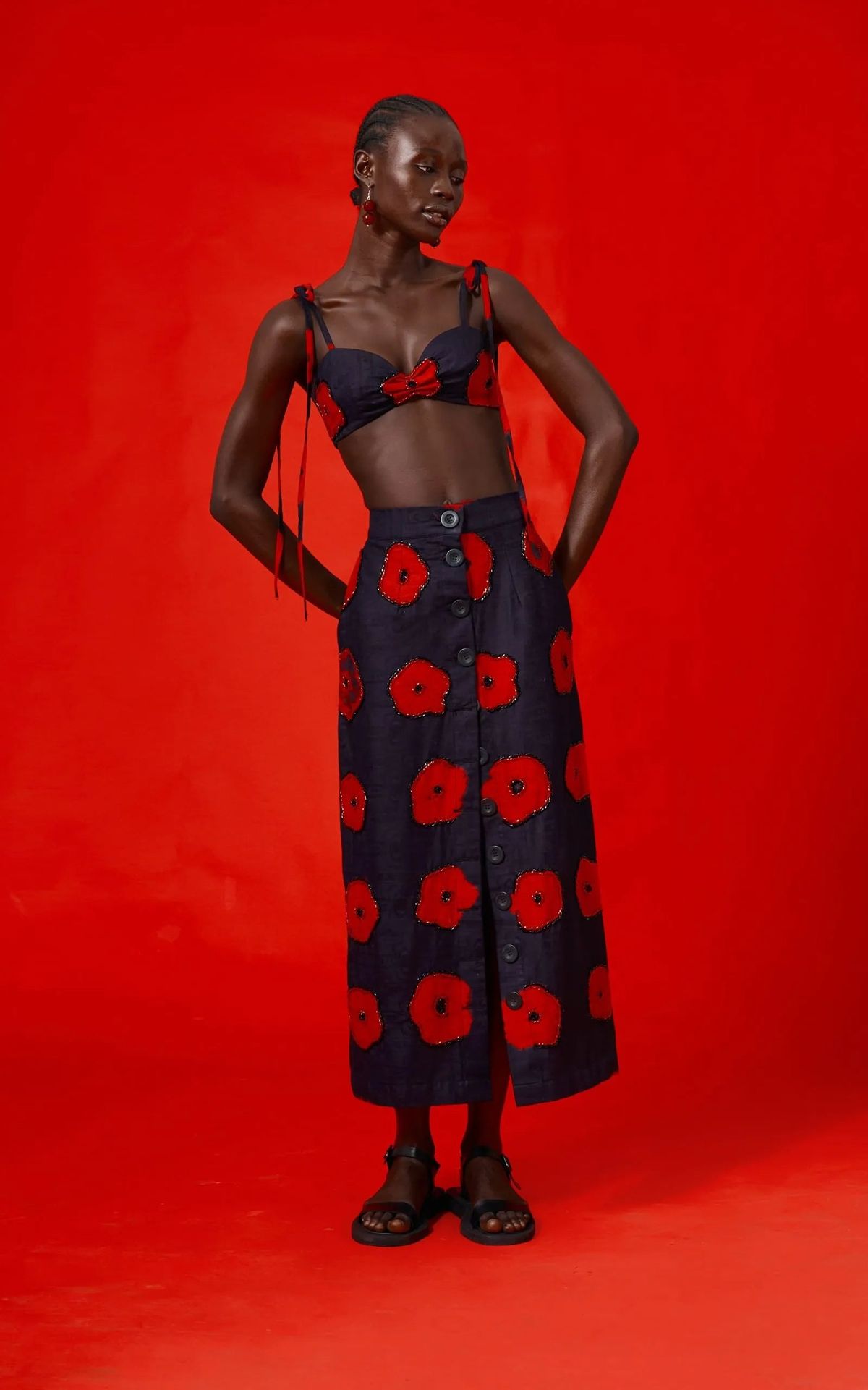
For modern African designers entering global markets, the challenge is not to adopt Western sustainability language uncritically. It is to articulate the continent’s existing frameworks with clarity and authority.
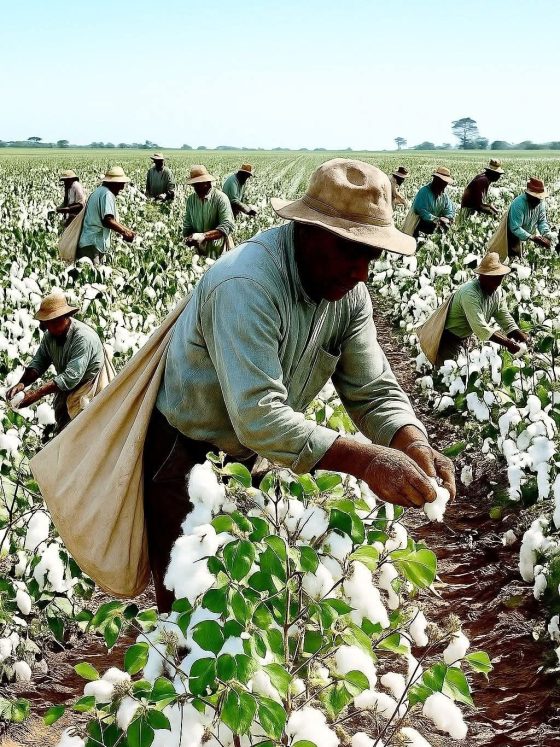
This includes foregrounding local fibre economies, protecting artisan labour, intentionally regulating output, and resisting pressure to produce at unsustainable volumes to satisfy international demand.
True sustainability must be defined from within African economic and cultural realities, not retrofitted from Paris or New York.
Conclusion
Sustainable fashion did not begin with marketing departments. It began in communities where cloth was scarce, sacred, or laborious to produce. It grew in households where repair was a skill, not a trend. It endured in ceremonies where garments carried memory across generations.
If the industry truly wants sustainability, it must move beyond buzzwords and examine the systems Africa and its diasporas have long practised.
Sustainability is not a new frontier.
It is a memory worth restoring.
FAQs
- What does true sustainable fashion look like in African cultures?
It prioritises durability, repairability, community craftsmanship, and long-term garment use over high-volume seasonal production.
- How do Caribbean clothing traditions reflect sustainability?
Through home sewing, tailoring, and garment alteration practices that extend clothing lifespan and preserve skills within communities.
- Why are second-hand markets in West Africa important to sustainability discussions?
They demonstrate complex reuse systems that extend garment life while highlighting global production imbalances.
- How does ceremonial dress contribute to sustainable fashion practices?
Ceremonial garments are preserved and reused over generations, embedding longevity into cultural expectations.
- Why is sustainability often misrepresented in global fashion marketing?
Because brands focus on materials or packaging without addressing overproduction and systemic consumption patterns.