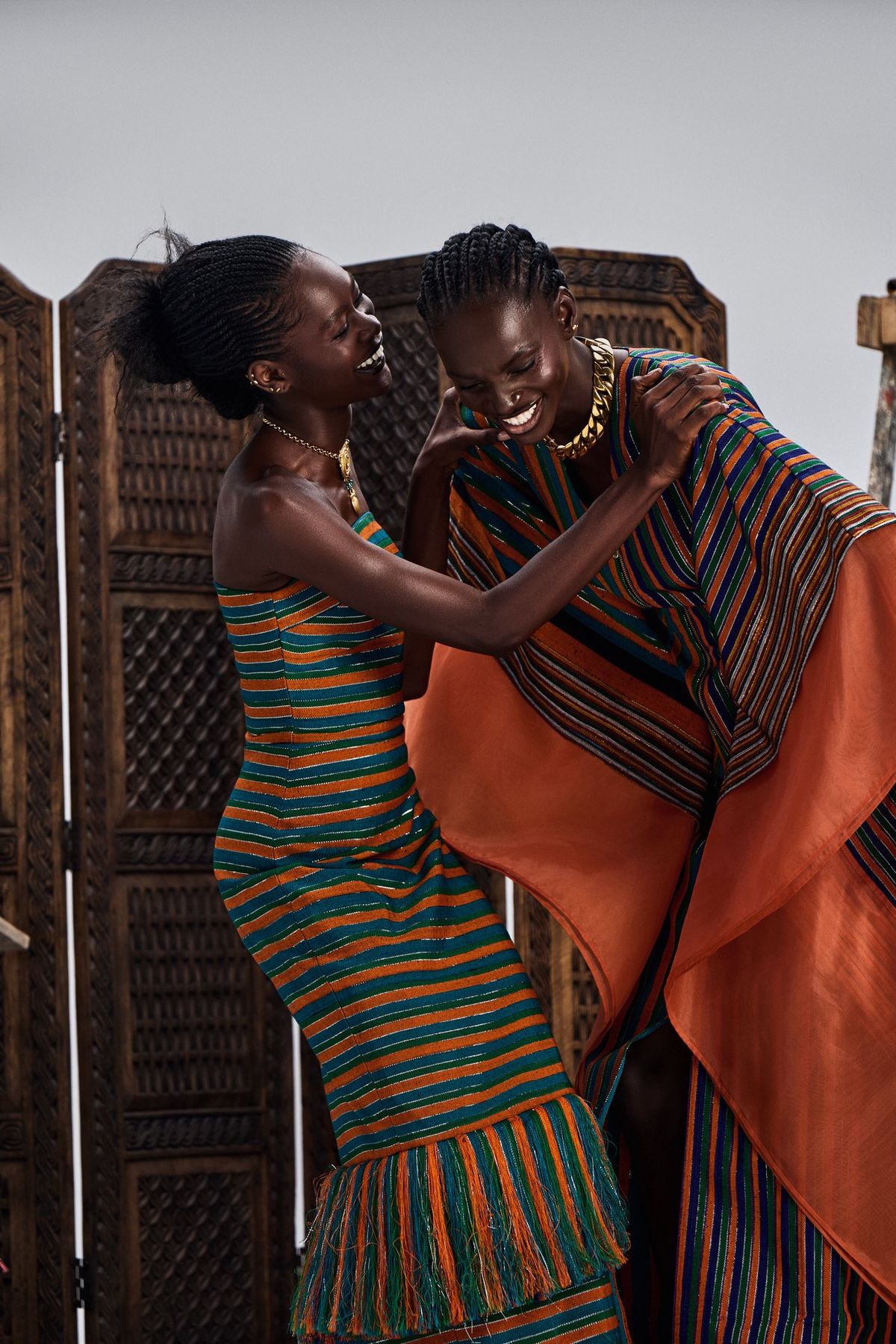
It was a Saturday morning in Lagos, and the street outside was already in conversation.
Not through words. Through cloth.
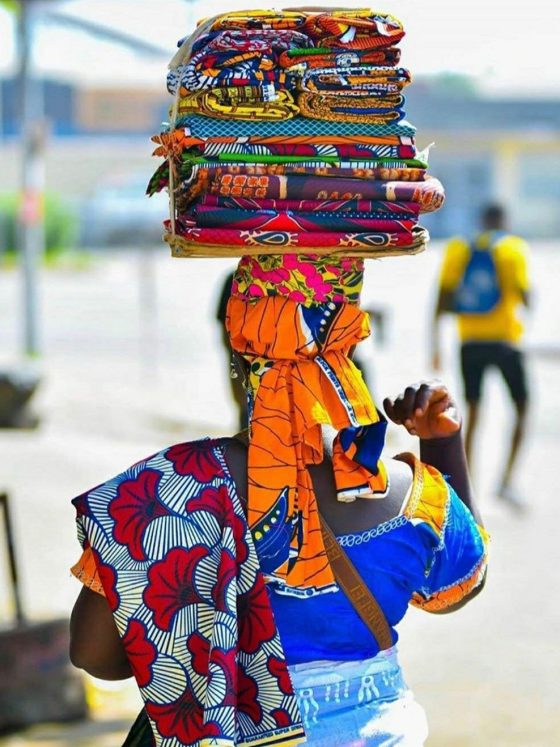
A woman passed in deep burgundy and gold. Aso-Oke, her gele tied with the particular firmness that says this occasion matters. Behind her, a younger woman in an Ankara dress, also in the same family colour scheme, announced her belonging without a single spoken introduction. Further down, an elder, dressed in a plain white agbada, exuded an authority that no embellishment could match. Three people. Three garments. It is a comprehensive social narrative, easily understood by those who grew up with it.
Clothing has never been neutral. Long before fashion became an industry, it functioned as language. Fabric signalled lineage. Colour indicated status. Silhouette marked the transition from one life stage to the next. To dress was to declare. And that declaration was not a private act. It was a public one, made in full awareness that the people around you could read every word.
Modern fashion discourse treats identity dressing as a contemporary phenomenon, as though garments only recently became political. That framing ignores centuries of cultural intelligence embedded in dress across Africa, the Caribbean, and Latin America, where clothing has consistently carried social, spiritual, and communal weight that the fashion industry is only now beginning to acknowledge on its own terms.
When dressing becomes a declaration, it is not a trend. It is continuity.
Clothing has always been the most democratic archive available. Every community that could not afford stone monuments or printing presses built its history into fabric instead. The garments survived. The history is still readable.
Fabric as Archive
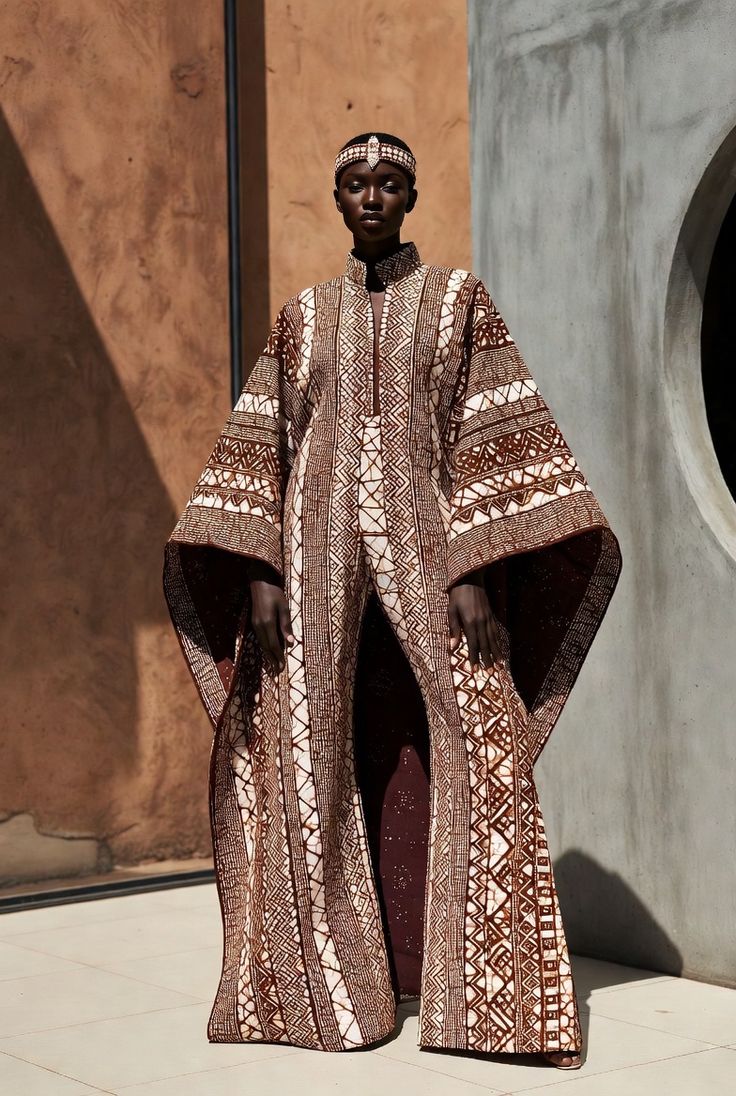
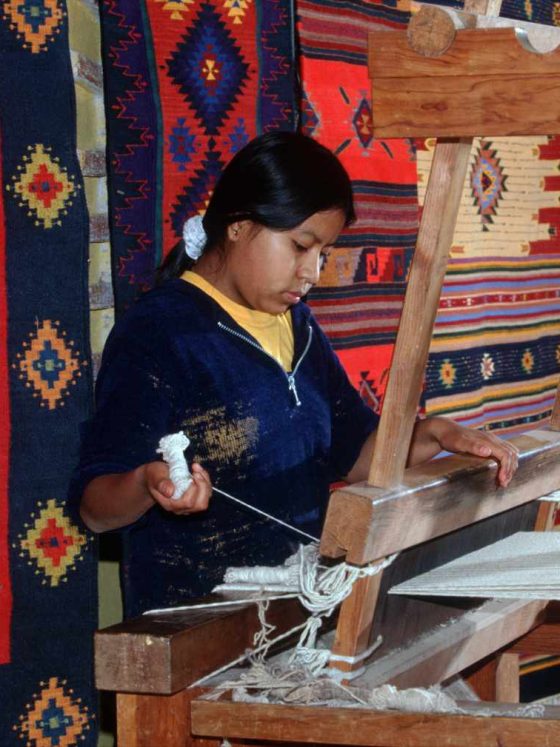
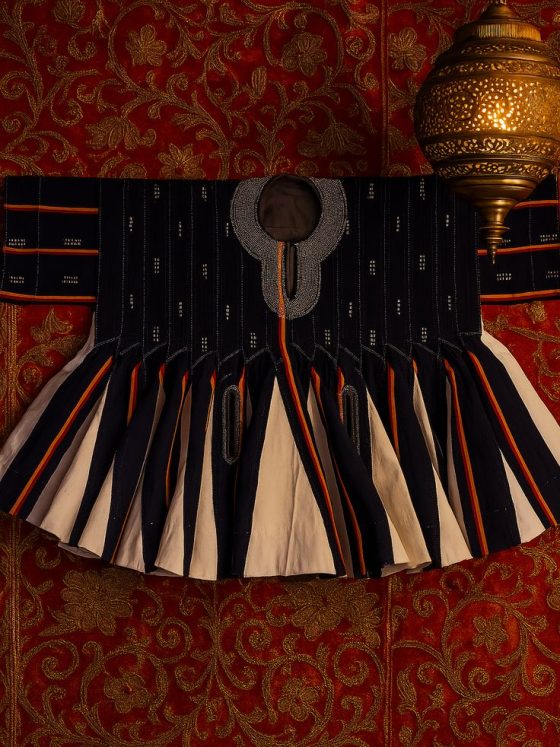
Across West Africa, Aso-Oke is not simply woven cloth. It is memory structured into threads. Worn at weddings, naming ceremonies, and coronations, it marks moments that define lineage. Its weight is both literal and symbolic.
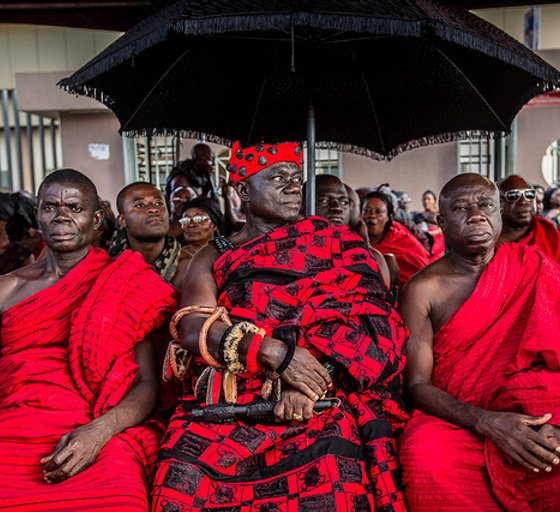
In Ghana, Kente communicates through patterns and colour. Historically reserved for royalty, it encoded proverbs, authority, and moral philosophy. The cloth did not decorate power. It articulated it.
Among the Maasai of East Africa, beadwork carries layered meaning. Colour combinations signal age, marital status, and community roles. Ornament becomes biography.
These traditions demonstrate that African dress has always functioned as text. To read it requires cultural literacy.
Colonial Disruption and Resistance
Colonial rule attempted to regulate dress across the continent, often framing indigenous garments as backward while positioning European tailoring as modern. Mission schools enforced uniformity—administrative systems privileged Western silhouettes.
Clothing became a site of negotiation.
In Nigeria, resistance movements incorporated traditional dress into public gatherings to assert cultural continuity. In Ghana, post-independence leadership elevated indigenous textiles as symbols of sovereignty. The decision to wear local fabric in political spaces was not aesthetic. It was strategic.
Dress carried ideological weight because it made identity visible.
Diaspora and the Politics of Visibility
Within the African diaspora, clothing continues to function as a declaration. In cities such as London, Atlanta, and Toronto, second-generation Africans navigate layered identities through dress. A head wrap paired with contemporary tailoring is not a contradiction. It is a negotiation.
The global popularity of Ankara prints in streetwear and high fashion further complicates ownership. When heritage textiles move across borders, questions of credit, authorship, and economic participation follow. Who benefits when culture becomes an aesthetic commodity?
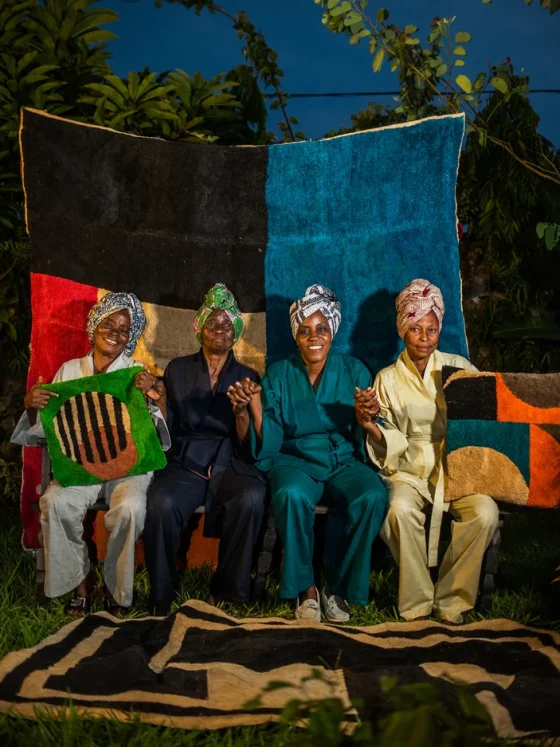
For Omiren, the answer begins with recognition. Traditional dress is not a raw material for extraction. It is a heritage with living custodians.
Contemporary Designers as Cultural Translators
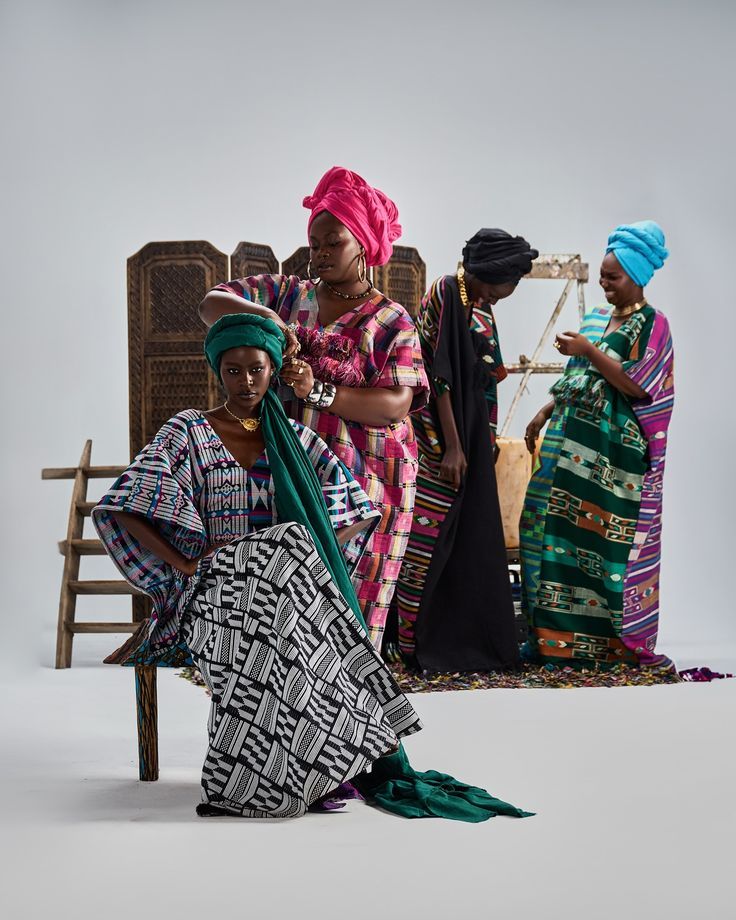
Today’s African designers operate within global markets while drawing from local histories. Their work demonstrates that identity dressing is not static folklore. It evolves.
Structured blazers made from traditional fabrics place heritage within contemporary silhouettes. Draped gowns reinterpret ceremonial forms for modern contexts. Streetwear brands incorporate indigenous symbols without diluting their meaning.
A dress is not a costume. It is a translation.
The most compelling collections do not flatten culture into a pattern. They interrogate it. They ask what it means to carry ancestry into global fashion systems without surrendering authorship.
READ MORE:
- Imperfection as Intention: Why “Undone” Dressing Defines 2026 High Fashion
- Monochrome Dressing: How to Master the Most Sophisticated Style in 2026
Clothing as Personal Sovereignty
Beyond the runway and ceremony, everyday dressing remains a declaration. The decision to wear natural hair in corporate environments. Choosing to prioritise local designers is also a significant decision. The individual refuses to compromise cultural markers for the sake of comfort.
These are not small acts. They are daily affirmations of self-definition.
For the Omiren woman, clothing is not surface decoration. It is articulation. She moves between boardrooms and celebrations without fragmenting her identity. Her wardrobe accommodates ambition and ancestry in equal measure.
The Weight and Freedom of Visibility
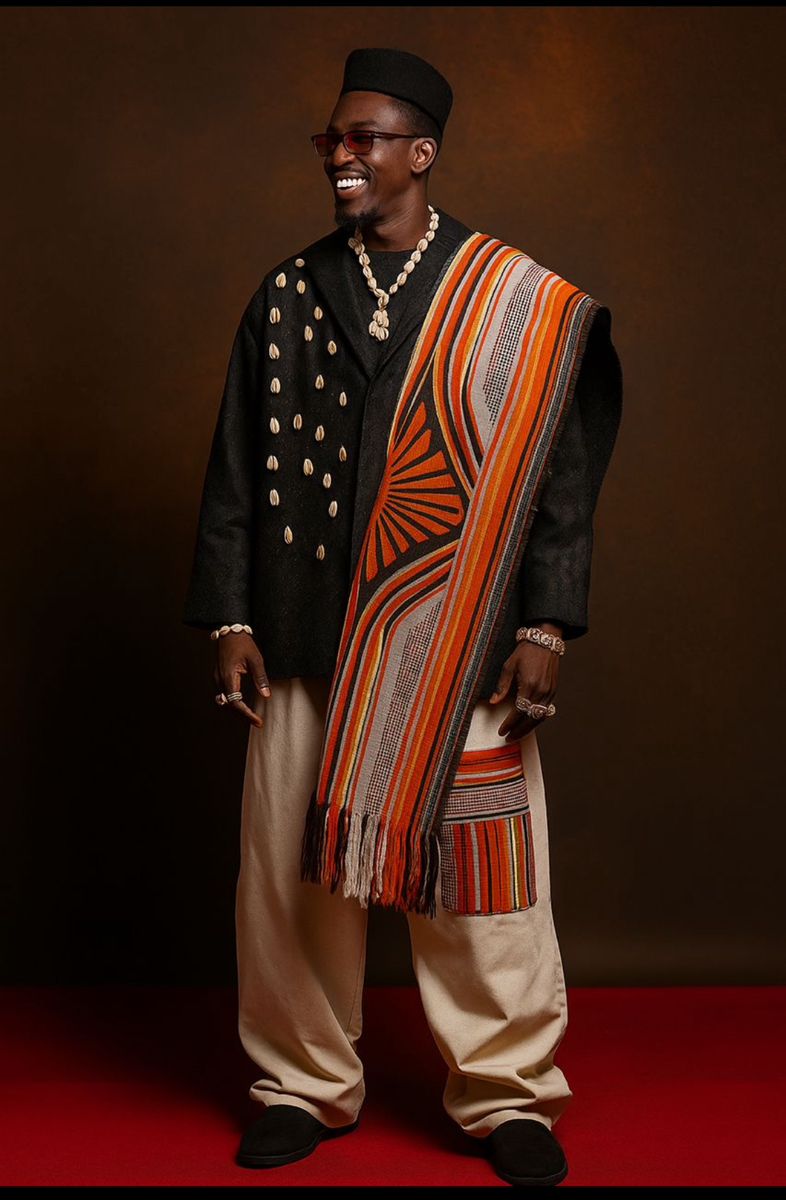
To dress visibly is to accept scrutiny. Cultural markers invite interpretation, admiration, and sometimes misunderstanding. Yet visibility also offers agency. When identity is worn with clarity, it resists erasure.
Fashion may cycle through trends, but the relationship between dress and identity remains constant. What shifts the power structure surrounding it?
In 2026, as global conversations around representation intensify, African designers and wearers are not newly discovering the political nature of clothing. They are continuing a legacy.
Conclusion
Clothing has always carried the weight of cultural identity. It encodes lineage, signals belonging, and negotiates power. Across African histories, dress has functioned as an archive, a site of resistance, a celebration, and an aspiration.
When dressing becomes a declaration, it is not performance. It is present.
The future of fashion will continue to evolve technologically and commercially. Yet its deepest function remains unchanged. To wear is to speak.
And African fashion has always been fluent.
FAQs
- Why is clothing considered a cultural declaration?
Garments historically signalled status, community, belief systems, and political alignment across societies.
- How have African textiles carried identity?
Textiles such as Aso-Oke and Kente encode history, social roles, and philosophical meaning in their patterns and colours.
- Is identity dressing a modern trend?
No. While contemporary discourse highlights it, cultural identity has always been embedded in clothing traditions.
- How does the diaspora express identity through dress?
The diaspora expresses identity through dress by blending heritage garments or symbols with contemporary silhouettes, thereby negotiating multiple cultural affiliations.
- Can fashion remain global while preserving cultural ownership?
Yes, but it requires crediting origin, protecting craft economies, and centring the voices of cultural custodians.