Menu
  • Fashion
  • Beauty
  • Lifestyle
  • News
  • Women
  • Men
  • Africa
  • Shopping
  • Events
  • Fashion
    • Trends
    • African Fashion Designers
    • Afro-Latin American Designers
    • Caribbean Designers
    • Street Style
    • Sustainable Fashion
    • Diaspora Connects
  • Beauty
    • Skincare
    • Makeup
    • Hair & Hairstyle
    • Fragrance
    • Beauty Secrets
  • Lifestyle
    • Culture & Arts
    • Travel & Destination
    • Celebrity Style
    • Luxury Living
    • Home & Decor
  • News
    • Cover Stories
    • Designer Spotlight
    • Fashion Weeks
    • Style Icons
    • Rising Stars
    • Opinion & Commentary
  • Women
    • Women’s Style
    • Health & Wellness
    • Workwear & Professional Looks
    • Evening Glam
    • Streetwear for Women
    • Accessories & Bags
  • African Style
    • Designers & Brands
    • Street Fashion in Africa
    • Traditional to Modern Styles
    • Cultural Inspirations
  • Shopping
    • Fashion finds
    • Beauty Picks
    • Gift Guides
    • Shop the Look
  • Events
    • Fashion Week Coverage
    • Red Carpet & Galas
    • Weddings
    • Industry Events
    • Omiren Styles Special Features
  • Men
    • Men’s Style
    • Grooming Traditions
    • Menswear Designers
    • Traditional & Heritage
    • The Modern African Man
  • Diaspora
    • Designers
    • Culture
  • Industry
    • Insights
    • Investment
    • Partnerships
    • Retail
    • Strategy
Subscribe
OMIREN STYLES OMIREN STYLES

Fashion · Culture · Identity

OMIREN STYLES OMIREN STYLES OMIREN STYLES OMIREN STYLES
  • Fashion
  • Beauty
  • Lifestyle
  • News
  • Women
  • Men
  • Africa
  • Shopping
  • Events
  • Luxury Living

The Lagos Silhouette: Why Volume Is the New Status Symbol

  • Ayomidoyin Olufemi
  • February 18, 2026
The Lagos Silhouette: Why Volume Is the New Status Symbol
IYAYILLC/Pinterest.
Total
0
Shares
0
0
0

In Lagos, subtlety rarely commands a room.

The city moves loudly, with traffic, colour, ambition, music, and light. It is not a place that rewards visual hesitation. And increasingly, its fashion reflects that rhythm.

Silhouettes are expanding.

Agbadas are cut wider. Sleeves fall longer. Trousers puddle intentionally. Boubous glide across marble floors in private lounges and wedding halls. Even contemporary tailoring shows generosity, pleats, drapes, and exaggerated shoulders.

In Lagos, volume is not excessive.

It is an authority.

Exploring how expansive agbadas and dramatic silhouettes in Lagos signal a new status symbol rooted in culture and scale.

Scale as Social Language

Across history, scale has communicated status.

Royal robes were large. Court garments required space. Structured uniforms expanded the body to amplify presence. Volume alters perception; it enlarges silhouette, slows movement, and commands visual attention.

In Lagos, that language feels intuitive.

The structured agbada, once confined to traditional ceremonies, has reentered elite social life as a contemporary statement of power. Cut in silk, aso-oke, or handwoven cotton, it transforms the body into architecture.

The wearer does not chase attention.

He occupies it.

The Agbada Reimagined

The modern Lagos agbada is not shapeless. It is engineered.

Designers are experimenting with:

  • Sharper embroidery placement
  • Monochrome palettes (ivory, charcoal, deep wine)
  • Heavier fabric that holds structure
  • Layered under-tunics for depth

The effect is sculptural. Masculine without rigidity. Cultural without nostalgia.

Worn by entrepreneurs, politicians, and creatives alike, the agbada becomes both a heritage garment and a high-fashion uniform.

Volume here is strategic.

Women and Expansive Elegance
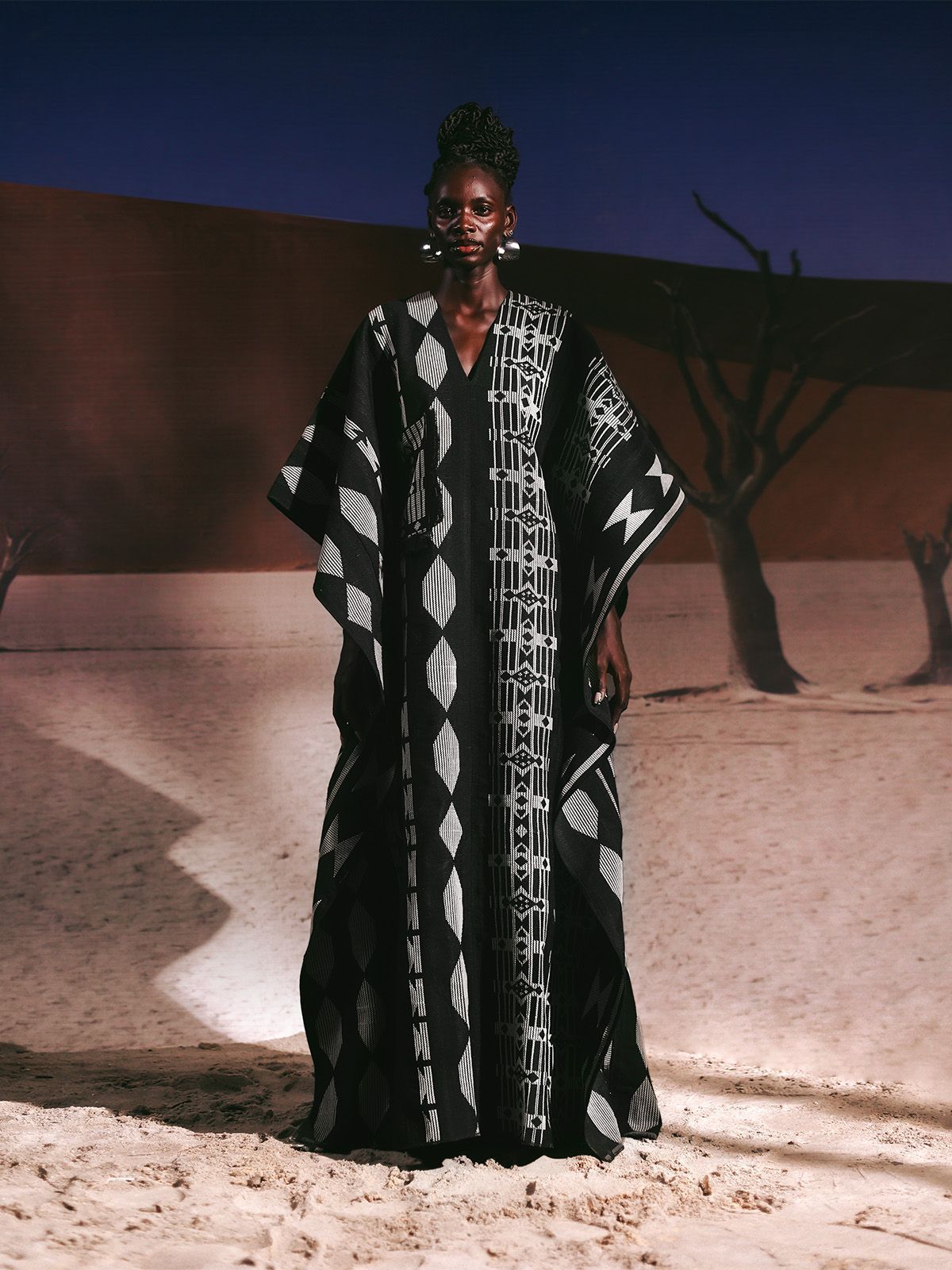
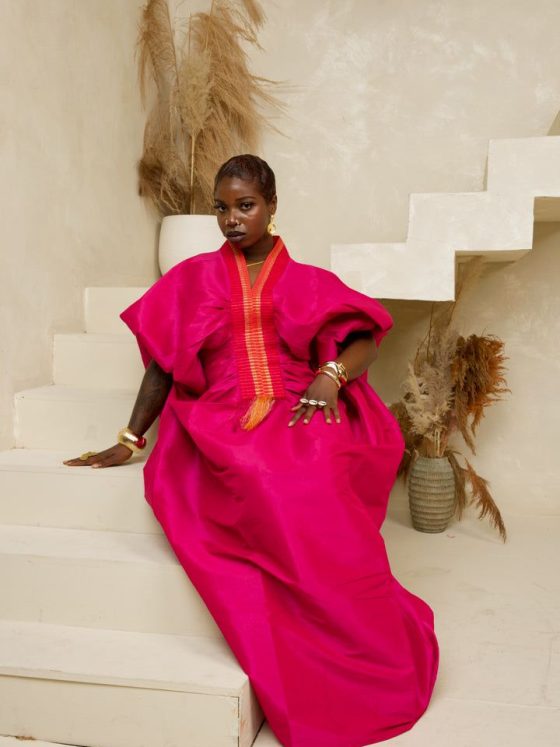
Women and Expansive Elegance
Photo: Industrie Africa.

The Lagos silhouette is not limited to menswear.

Women are embracing wide-sleeved kaftans, dramatic gele headwraps, flared skirts, and layered fabrics that create movement. Structured iro and buba sets are being modernised with bolder proportions and refined tailoring.

Volume creates drama without relying on exposure. It signals wealth through fabric quantity and construction complexity rather than skin.

In a digital era where miniskirts dominate global feeds, Lagos fashion chooses presence instead.

Against the Era of Tight Minimalism

For years, global fashion centred on sleek minimalism — slim tailoring, muted tones, body-conscious silhouettes — favoured restraint and understatement.

Lagos resists that compression.

Volume allows air, movement, and theatricality. It also reflects the climate with loose garments that breathe in tropical heat. Beyond practicality, they also express cultural memory.

In Yoruba dress traditions, the abundance of fabric has long symbolised prosperity. More cloth historically indicated a higher status. That logic persists.

Abundance is visual.

The Economics of Fabric

Volume is not accidental.

Generous cuts require more material, more tailoring skill, and more financial investment. A wide agbada in premium aso-oke requires resources across weaving and finishing.

In that sense, volume becomes a subtle economic signal.

But unlike logo-driven luxury, the signal is cultural rather than corporate. It references local craftsmanship rather than imported branding.

The message is clear: wealth can be articulated through tradition.

Movement as Performance
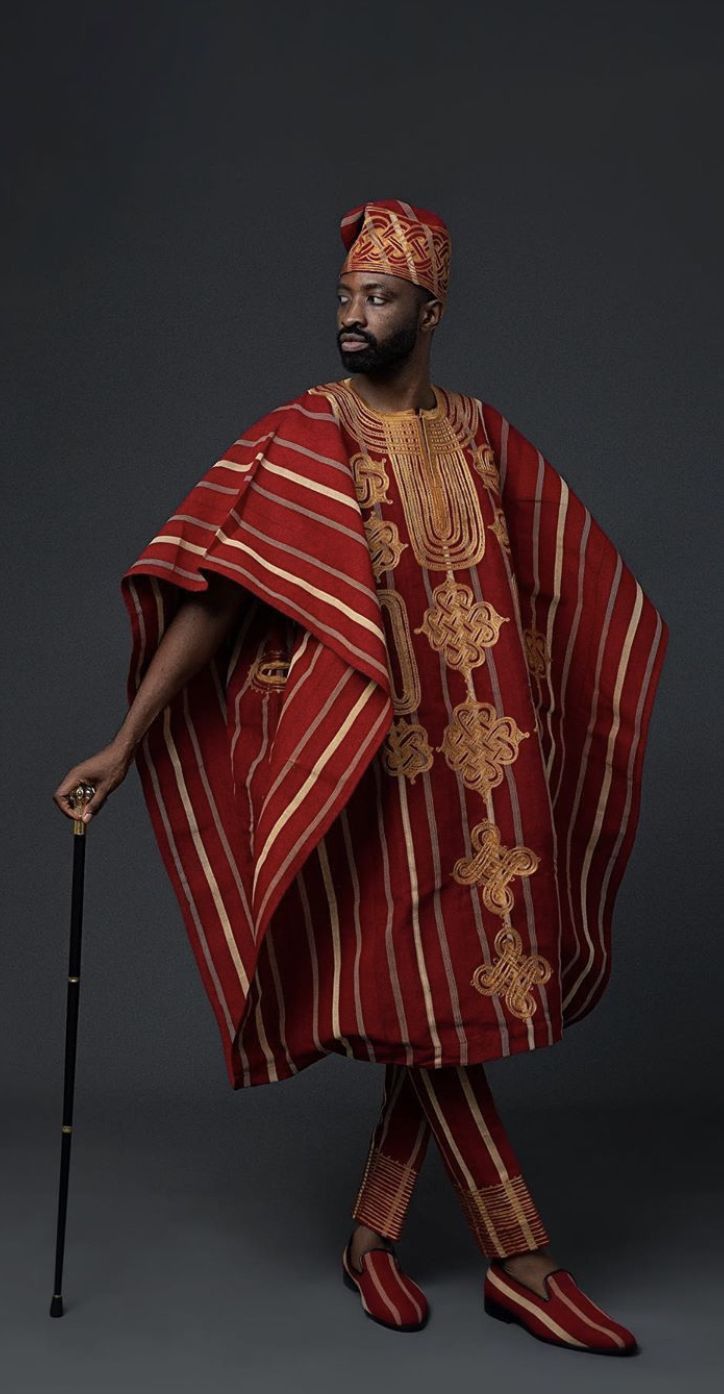
The Lagos Silhouette: Why Volume Is the New Status Symbol
Photo: Kelechi/Pinterest.

There is also choreography embedded in the Lagos silhouette.

Wide garments move differently. Sleeves ripple. Fabric sways when greeting, when dancing, when entering a hall. The body becomes a stage.

In wedding culture, especially, entrances matter. Processions matter. The celebration is theatrical.

Volume amplifies gesture.

It slows the pace slightly, forces posture, and demands spatial awareness.

Power is partly about how you move through space.

A City That Rewards Presence

Lagos is competitive. Creative industries are saturated with talent. Visibility matters.

Fashion becomes a tool.

A structured, expansive silhouette ensures recognition. It photographs powerfully. It occupies physical and digital space with equal confidence.

Where minimalism whispers, Lagos volume declares.

RECOMMENDED:

  • Caftan Reimagined: How Morocco Turned a Ceremonial Garment into Everyday Luxury  
  • How Ohimai Atafo is Shaping Modern African Menswear  

The Future of the Lagos Silhouette

The evolution is ongoing.

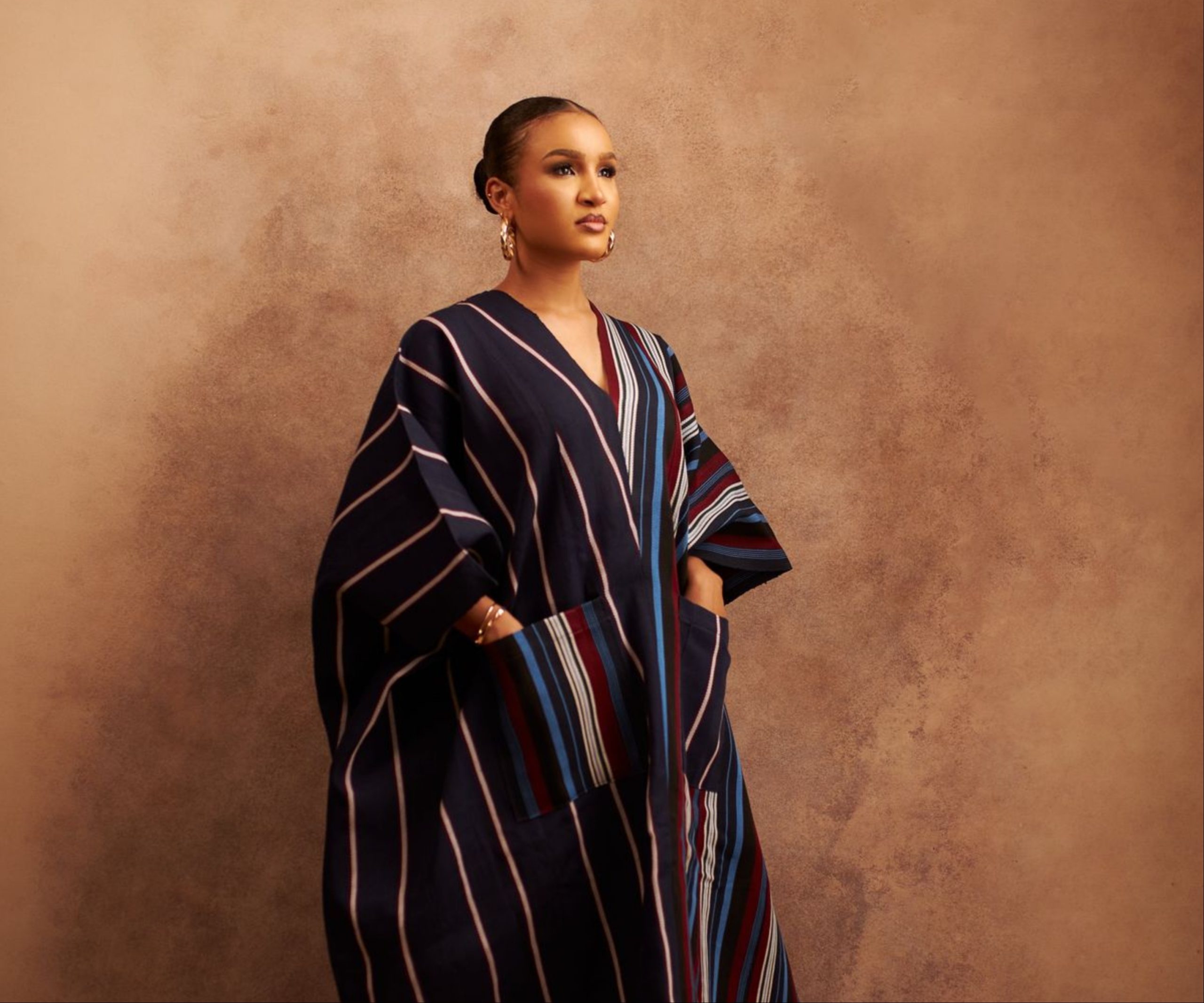
Younger designers are blending traditional volume with contemporary cuts — pairing wide trousers with cropped jackets, layering agbadas over tailored suits, experimenting with sheer overlays.

The silhouette expands but refines.

Volume no longer means heaviness. It means intention.

Beyond Trend
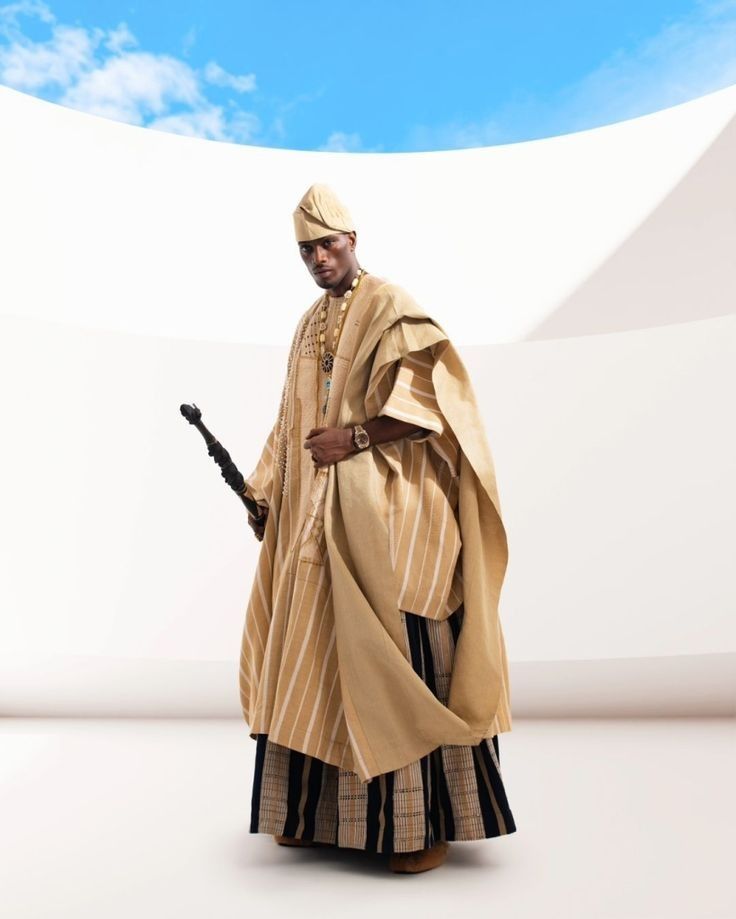
The Future of the Lagos Silhouette
Photo: Fashion Cloneit.

Is this simply a fashion cycle?

Perhaps partially. But in Lagos, scale runs deeper. It reflects cultural values — celebration, hierarchy, craftsmanship, and community.

Volume is not rebellion against minimalism.

It is an affirmation of identity.

In a global fashion system that often equates quietness with sophistication, Lagos proposes another equation:

Presence equals power.

And power, in this city, is never small.

FAQs

  • Why is volume important in Lagos fashion?

Volume signals status, prosperity, and presence, reflecting long-standing cultural traditions around fabric and scale.

  • What is modern agbada?

A refined version of the traditional Yoruba robe, often tailored with structured embroidery and contemporary fabrics.

  • Is this trend limited to menswear?

No. Women in Lagos are also embracing wide sleeves, layered fabrics, and expansive silhouettes.

  • Does volume replace minimalism?

Not entirely, but it offers a culturally rooted alternative to the global slim-fit, minimalist aesthetic.

  • Is Lagos influencing global fashion?

Increasingly, yes. Lagos designers and silhouettes are gaining international visibility through fashion weeks and celebrity styling.

Post Views: 183
Total
0
Shares
Share 0
Tweet 0
Pin it 0
Related Topics
  • African Luxury Fashion
  • Contemporary Style Aesthetics
  • Nigerian Fashion Culture
Avatar photo
Ayomidoyin Olufemi

ayomidoyinolufemi@gmail.com

You May Also Like
The Legacy of the Modern Timepiece: Precision and Presence
View Post
  • Luxury Living
  • Men's Style

The Legacy of the Modern Timepiece: Precision and Presence

  • Faith Olabode
  • April 13, 2026
The Architecture of African Luxury Living: Style, Culture, and the New Definition of Opulence
View Post
  • Luxury Living

The Architecture of African Luxury Living: Style, Culture, and the New Definition of Opulence

  • Heritage Oni
  • March 26, 2026
The Return of High Glamour: Inside Africa’s New Couture Capitals
View Post
  • Luxury Living

The Return of High Glamour: Inside Africa’s New Couture Capitals

  • Ayomidoyin Olufemi
  • February 19, 2026
The Emotional Weight of Time
View Post
  • Luxury Living

How Japanese Denim Culture Teaches Us the Value of Patina

  • Ayomidoyin Olufemi
  • February 17, 2026
Gold, Coral, and Cowrie: The Power Codes of African Ornament
View Post
  • Luxury Living

Gold, Coral, and Cowrie: The Power Codes of African Ornament

  • Ayomidoyin Olufemi
  • February 16, 2026
View Post
  • Luxury Living

Caftan Reimagined: How Morocco Turned a Ceremonial Garment into Everyday Luxury

  • Ayomidoyin Olufemi
  • February 10, 2026
African Horology: How Caveman Watches Is Rewriting Luxury Time
View Post
  • Luxury Living

African Horology: How Caveman Watches Is Rewriting Luxury Time

  • Ayomidoyin Olufemi
  • February 5, 2026
Living Well Without Performing Wealth: A New Language of Luxury
View Post
  • Luxury Living

Living Well Without Performing Wealth: A New Language of Luxury

  • Philip Sifon
  • February 4, 2026

Leave a Reply Cancel reply

Your email address will not be published. Required fields are marked *

The Omiren Argument

African fashion and culture are not emerging. They are foundational. We document, interpret, and argue for the full cultural weight of African and diaspora dress. With precision. Without apology.

Omiren Styles Fashion · Culture · Identity

All 54 African Nations
Caribbean · Afro-Latin America
The Global Diaspora

Platform

  • About Omiren Styles
  • Our Vision
  • Our Mission
  • Editorial Pillars
  • Editorial Policy
  • The Omiren Collective
  • Campus Style Initiative
  • Sustainable Style
  • Social Impact & Advocacy
  • Investor Relations

Contribute

  • Write for Omiren Styles
  • Submit Creative Work
  • Join the Omiren Collective
  • Campus Initiative
Contact
contact@omirenstyles.com
Our Reach

Africa — All 54 Nations
Caribbean
Afro-Latin America
Global Diaspora

African fashion intelligence, in your inbox.

Editorial features, designer profiles, cultural commentary. No noise.

© 2026 Omiren Styles — Rex Clarke Global Ventures Limited. All rights reserved.
  • Privacy Policy
  • Editorial Policy
  • Terms of Use
  • Accessibility
Africa · Caribbean · Diaspora
The Omiren Argument

African fashion and culture are not emerging. They are foundational. We document, interpret, and argue for the full cultural weight of African and diaspora dress. With precision. Without apology.

Omiren Styles Fashion · Culture · Identity
  • About Omiren Styles
  • Our Vision
  • Our Mission
  • Editorial Pillars
  • Editorial Policy
  • The Omiren Collective
  • Campus Style Initiative
  • Sustainable Style
  • Social Impact & Advocacy
  • Investor Relations
  • Write for Omiren Styles
  • Submit Creative Work
  • Join the Omiren Collective
  • Campus Initiative
Contact contact@omirenstyles.com

All 54 African Nations · Caribbean
Afro-Latin America · Global Diaspora

African fashion intelligence, in your inbox.

Editorial features, designer profiles, cultural commentary. No noise.

© 2026 Omiren Styles
Rex Clarke Global Ventures Limited.
All rights reserved.

  • Privacy Policy
  • Editorial Policy
  • Terms of Use
  • Accessibility
Africa · Caribbean · Diaspora

Input your search keywords and press Enter.