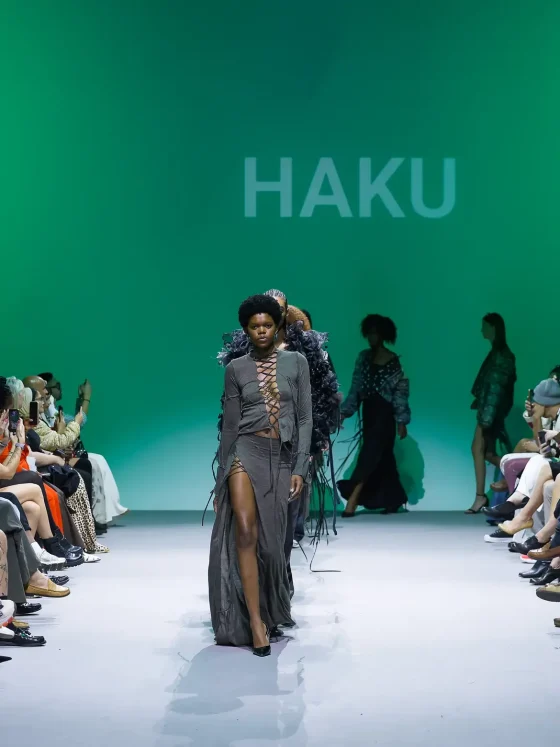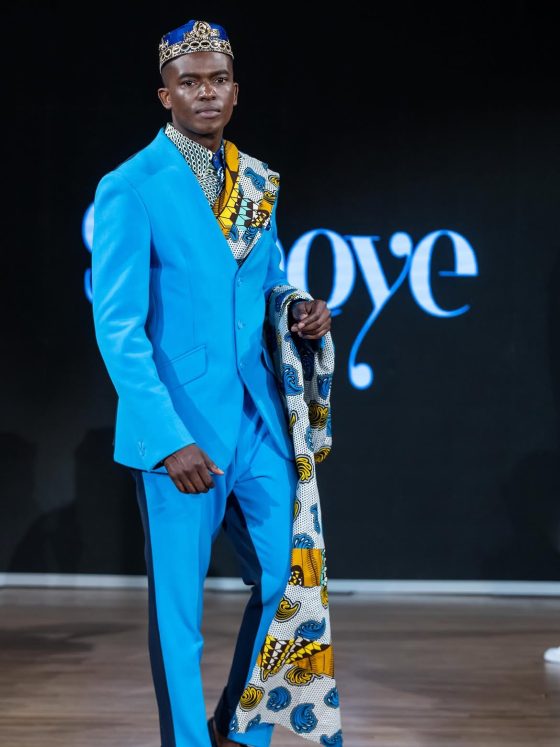
Imagine holding a gown in your hands and realising that every inch of it once lived inside a tiny cocoon, spun by a silkworm munching on mulberry leaves. That single strand of silk travelled for weeks through careful farming, delicate reeling, twisting, weaving, and dyeing before it became the luxurious fabric draping a model on the runway. It’s a story you can literally touch, bridging quiet farms, bustling ateliers and the fashion capitals of the world. Following this strand of rare silk isn’t just about textiles; it’s about people, craft, culture, and the choices that make something both beautiful and meaningful.
Discover how a rare silk strand travels from silkworm cocoon to luxury atelier, shaping culture, craftsmanship, and the global fashion story.
Origins: The Birth of a Single Strand
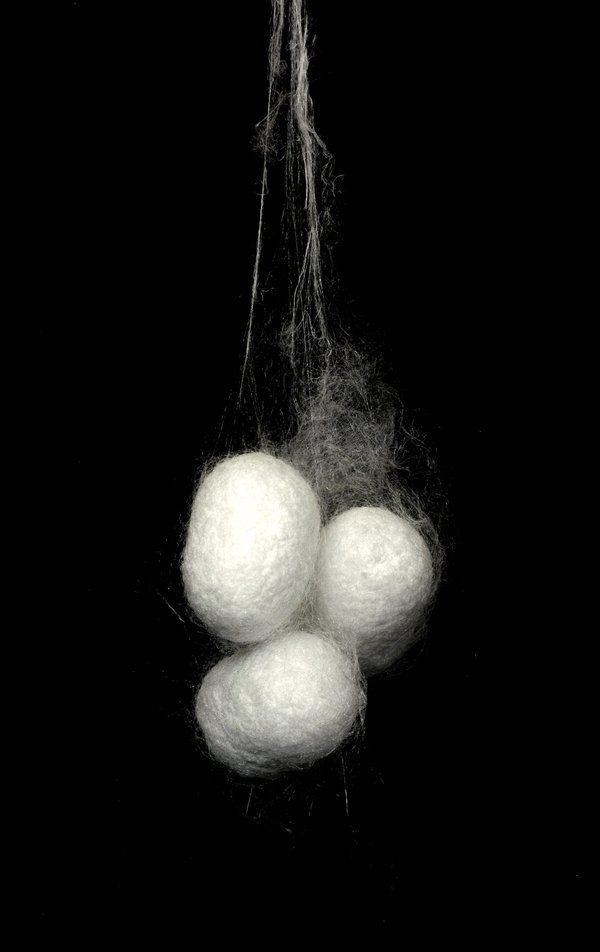
Silk begins as a secretion from the Bombyx mori silkworm, a tiny insect that spins a cocoon from a continuous filament. A single cocoon can contain hundreds to over a thousand metres of silk, a delicate yet remarkably strong fibre. Beyond the standard mulberry silk, rare varieties such as wild Tussar, Muga, and lotus silk offer unique textures, colours, and cultural significance. These silks are not only luxurious materials but also historical artefacts, dating back to the Silk Road and Asia’s craft traditions. The cocoon embodies nature’s patience and the meticulous timing required for harvest.
Sericulture: Crafting the Cocoon
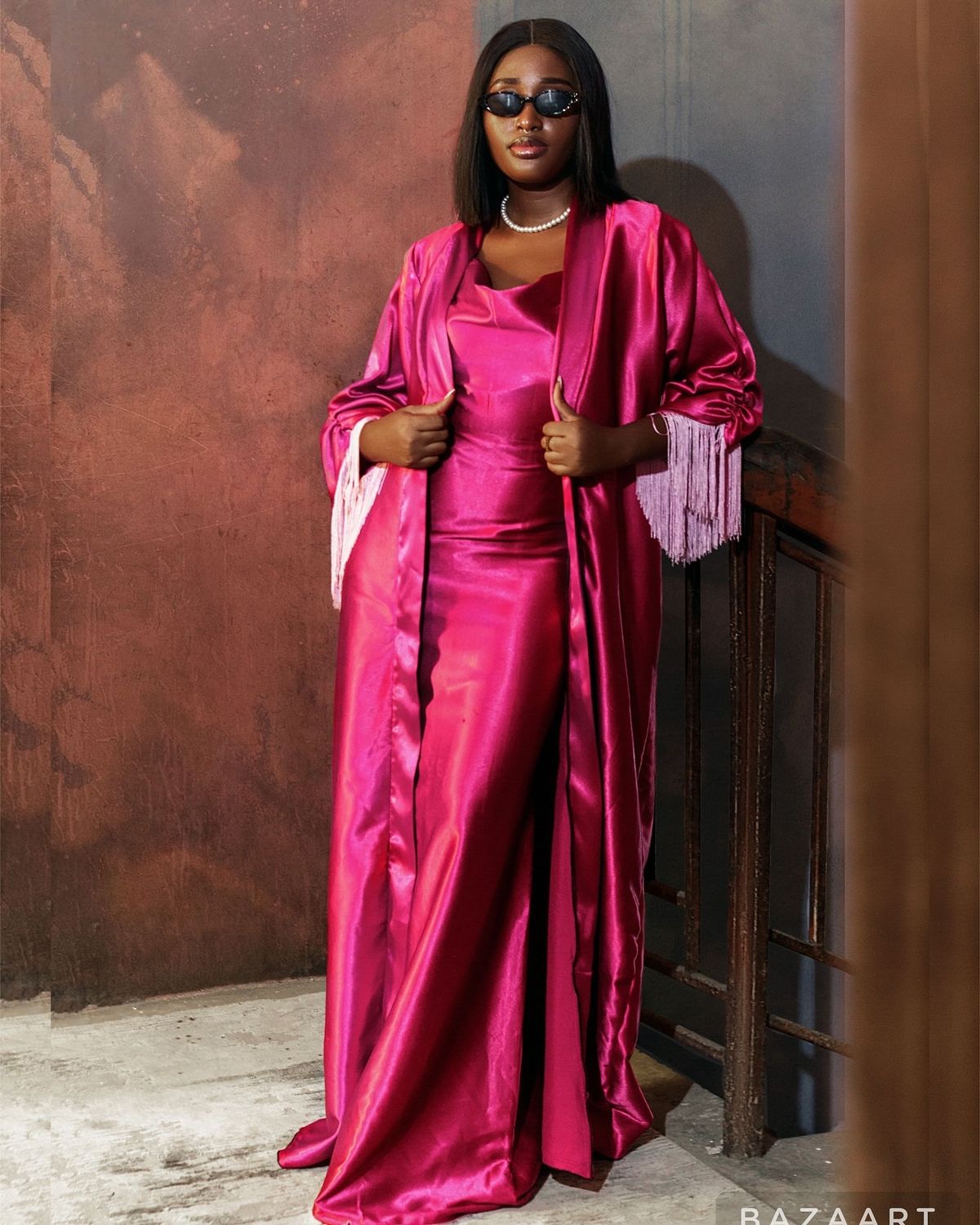
Sericulture—the cultivation of silkworms- is a practice that combines agricultural knowledge with generational expertise. Farmers nurture silkworm larvae on mulberry leaves, observing the rhythms of life that dictate feeding, growth, and cocoon formation. In areas with wild silk, the larvae feed on forest foliage, introducing natural variations in colour and texture that artisans prize. Time is critical: harvesting before the moth emerges preserves the cocoon’s continuous filament, which is a necessity for the smooth, long fibres sought by ateliers.
Once harvested, the cocoon is softened with hot water to loosen the sericin gum that holds the fibres together. The end of the filament is located and meticulously wound into fine threads by deft hands. This labour-intensive process determines the silk’s final quality—its strength, smoothness, and lustre. Some strands are combined to create threads of varying thickness, suitable for weaving fine fabrics or textured, artisanal weaves. Subsequent degumming, spinning, and twisting prepare the fibre for the next phase: the atelier.
Weaving and Atelier Transformation
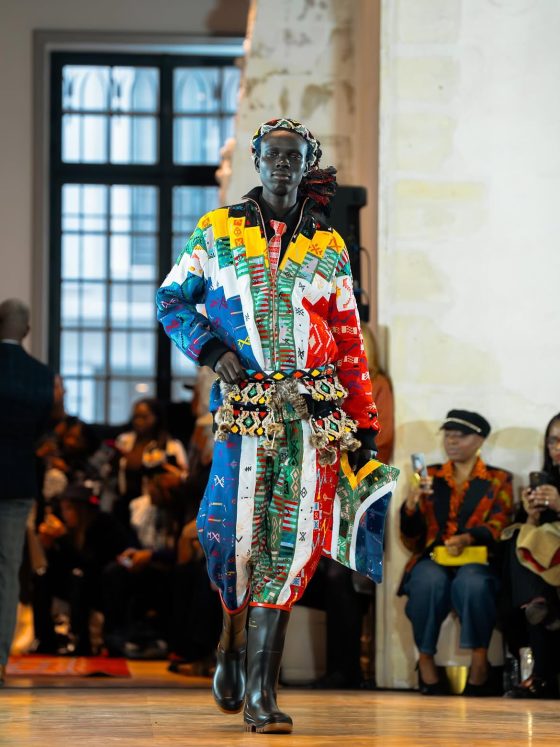
At the atelier, silk takes on its expressive life. Skilled weavers transform threads into textiles with intricate patterns, textures, and finishes. Designers apply dyes that highlight silk’s natural sheen, while finishing processes enhance drape and softness. Each piece of fabric becomes a canvas, reflecting both aesthetic choice and cultural meaning. In haute couture, silk is not just a material; it is a medium for storytelling, identity, and social commentary.
Read Also:
Ethics, Traceability, and Sustainability
Modern fashion increasingly tracks Silk’s journey, emphasising transparency and ethical practices. Ahimsa, or peace silk, harvested after the moth emerges, reflects a growing global demand for humane production. Blockchain, QR codes, and traceability programs allow brands and consumers to follow the fibre from farm to final garment. Rare silks carry stories of sustainability, artisanal labour, and ecological awareness, turning garments into conscious statements.
Conclusion
A single strand of rare silk carries the weight of centuries of culture, craft, and conscience. From mulberry leaf to couture runway, it is a conduit between nature and human expression, between local knowledge and global culture. In tracing this journey, we see that silk is not merely a commodity but a chronicle of innovation, ethics, aesthetics, and identity. Each thread embodies meaning, reminding us that luxury is measured not by price but by the depth of its story.
Nourish your skin, elevate your glow — explore Skincare on OmirenStyles.
5 FAQs
- Why is silk considered rare and valuable?
Producing continuous, long filaments requires precise cultivation, careful harvesting, and meticulous processing. Wild and speciality silks add further rarity through their texture, colour, and labour-intensive production.
- What is Ahimsa silk?
Ahimsa silk, or peace silk, is harvested after the moth has emerged, focusing on animal welfare. It produces shorter fibres while aligning with ethical and sustainable practices.
- How is silk traced from farm to atelier?
Through modern traceability systems, including QR codes, blockchain records, and batch tracking, consumers and brands can follow a silk strand’s full journey.
- How does weaving impact the silk’s cultural value?
Weaving transforms raw fibres into patterned, textured fabrics that reflect local traditions, design philosophy, and societal expression. It converts silk from a material into a storytelling medium.
- Why does silk matter in a cultural and social context?
Silk embodies centuries of human ingenuity, regional craft knowledge, and aesthetic innovation. Its journey reveals intersections of history, ecology, ethics, and fashion, offering insight into global culture.