
Most revolutions don’t begin in public. They begin in private conversations, often around the dinner table, where people feel safe enough to speak honestly about their experiences and frustrations.
This procedure is how the dinner table sets the stage for revolution. These everyday discussions help people question unfair systems, share perspectives, and slowly build shared beliefs.
Keep reading to learn how these conversations shape opinions, build understanding, and quietly prepare the ground for bigger social change.
Learn how the dinner table sets the stage for revolution and how everyday conversations at home shape ideas, influence communities, and spark social change.
The Cultural Power of the African Dinner Table
In many African communities, meals are more than just food. Families gather around the table to share stories, advice, and life lessons.
This is why the dinner table sets the stage for revolution. Ordinary discussions at home can plant ideas about fairness, justice, and change. Elders guide these talks, teaching children about respect, responsibility, and how to question what is unfair.
Over time, these conversations shape how people think about their communities and the world around them.
By keeping dialogue open at the dinner table, families pass on knowledge and values that can grow into larger social ideas. The African dinner table is not just a place for meals; it is a classroom, a council, and a space where seeds of change quietly take root.
How the Dinner Table Sets the Stage for Revolution
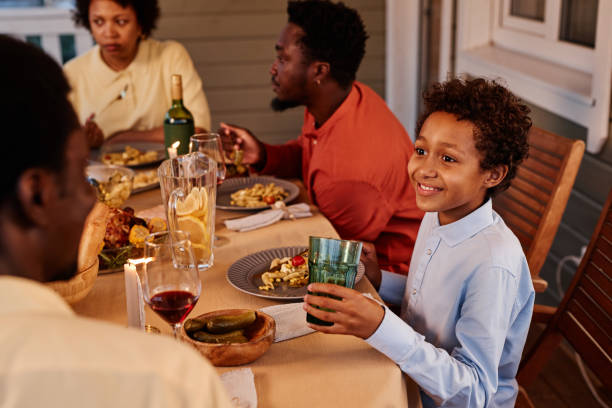
The real power of the dinner table comes from the ideas formed in private conversations. When people talk honestly at home about daily struggles, community problems, or what feels unfair, these discussions help shape opinions and open minds.
This phenomenon is a clear example of how the dinner table sets the stage for revolution because people begin to question systems they once accepted without thinking.
Trust also plays a big role. People are more willing to share and consider new perspectives in familiar, safe spaces. Over time, these ideas ripple outward, influencing friends, neighbours, and eventually the wider community.
In South Africa, in the mid-20th century, ordinary people in townships, yards, and small community gatherings discussed the daily effects of apartheid and organised themselves into civic committees long before mass protests and demonstrations began.
This pattern of private debate and shared frustration helped lay the groundwork for the larger anti‑apartheid movement decades later.
READ ALSO:
- How The Colour Purple Claimed Its Royalty
- Art as Social Memory in a Rapid World: Preserving Culture and Identity
- When Creativity Resists Erasure: How Culture Lives On Through Art
- Opera Was Never White: Black Singers and the Truth About Classical Music
How Ideas From Dinner Table Conversations Spread Into Broader Change
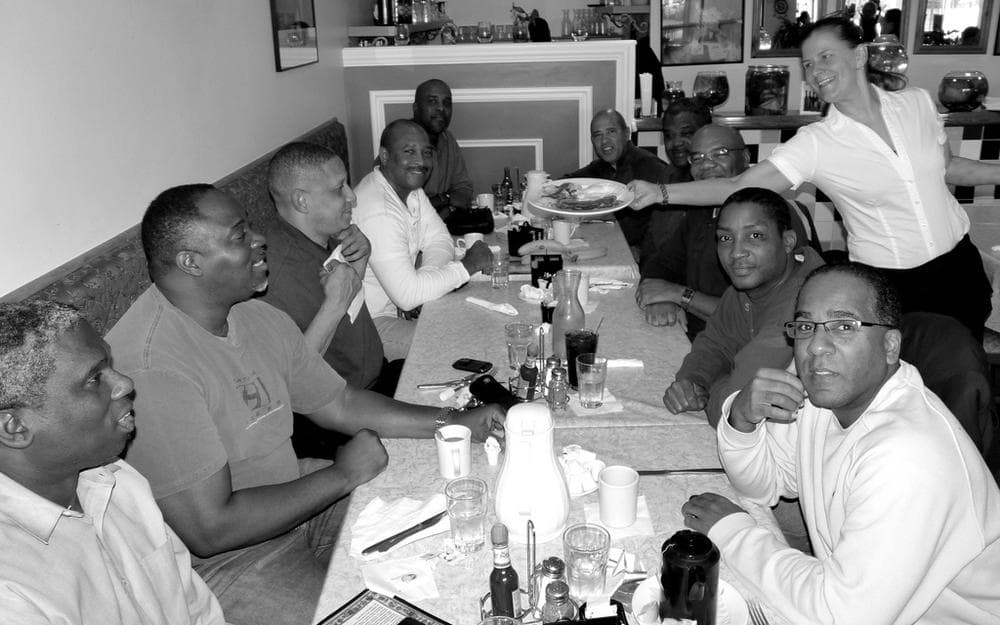
Ideas formed at the dinner table rarely stay there. When people leave these conversations, they carry that thought into their daily lives and share it with friends, coworkers, and neighbours.
As more people share the same concerns, individual thoughts become collective beliefs. This shared understanding makes people more willing to organise, speak out, and take action.
In this way, the dinner table becomes the starting point. It shapes how people perceive problems and prepares them, mentally and emotionally, for larger social change.
Conclusion
The dinner table may seem ordinary, but it quietly shapes the way communities think and act. Beyond meals, it is a place where ideas are tested, trust is built, and perspectives are shared.
Understanding how the dinner table sets the stage for revolution reminds us that change often begins in everyday spaces.
Revolutions are not made only in marches or speeches; they are prepared in living rooms, kitchens, and at family gatherings, one conversation at a time.
Celebrate creativity and cultural expression — discover Culture & Arts with OmirenStyles.
Frequently Asked Questions
1. What Does It Mean When Someone Says The Dinner Table Sets The Stage For Revolution?
It doesn’t mean a revolution literally starts at a physical table. It means that important ideas and shared understanding often begin in private conversations. When people talk honestly about problems, fairness, and life around the dinner table, those discussions can influence how they think and act together over time.
2. Why Is The Dinner Table A Good Place For Meaningful Conversations?
People feel relaxed and safe at home with family or close friends. This makes it easier to talk openly about frustrations, hopes, and questions. Because of this comfort, people listen more, share more, and start to see when others have similar concerns. This shared understanding helps ideas take shape.
3. Can Simple Conversations Really Lead To Big Social Change?
Yes. Big changes usually begin with small shifts in thinking. When people realise others see the same problems they do, those private conversations help build a shared view of what needs to change. Once enough people begin to think the same way, they are more likely to act together publicly.
4. Are There Real Examples Where Private Discussions Led To Social Movements?
Yes. In many parts of Africa during colonial times, families, neighbours, and community groups discussed unfair laws and taxes at home long before large protests began. These discussions helped people identify shared frustrations and organise collective actions that eventually grew into bigger movements.
5. Does This Concept Only Apply To Political Revolutions?
No. The idea applies to many kinds of change, not just political. It can apply to social movements, community improvements, cultural shifts, or any situation where shared ideas and cooperation lead people to take action together.