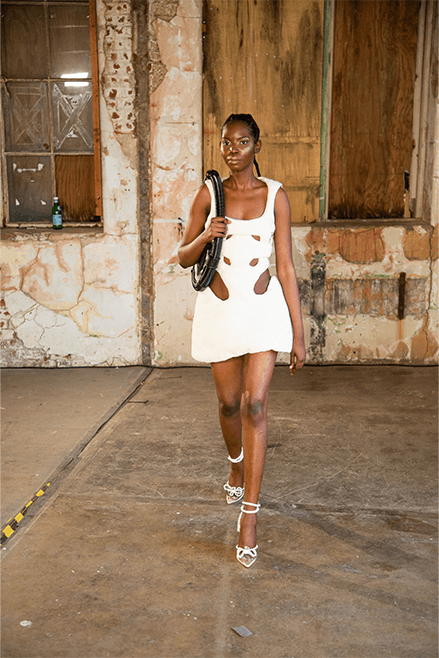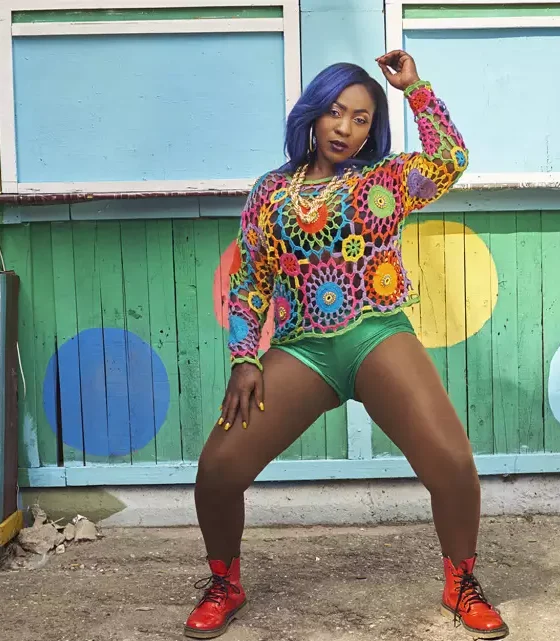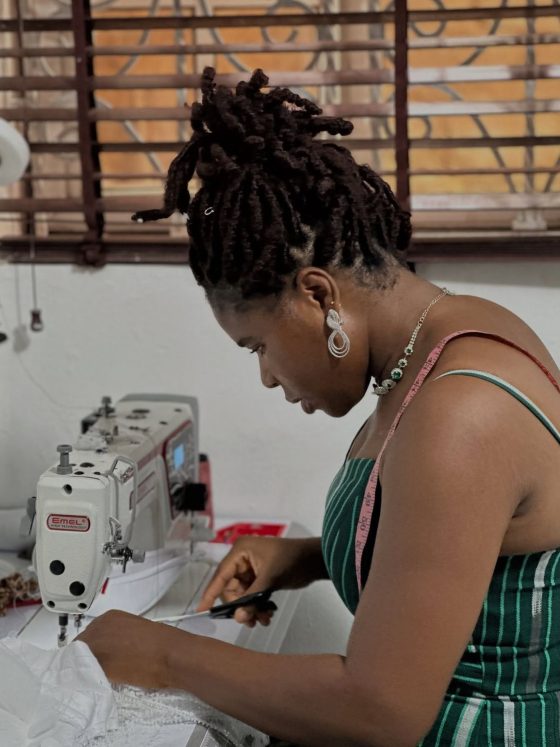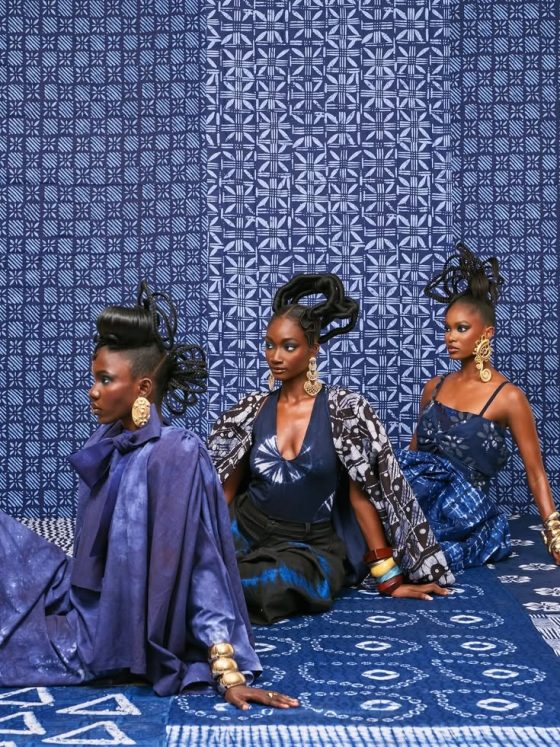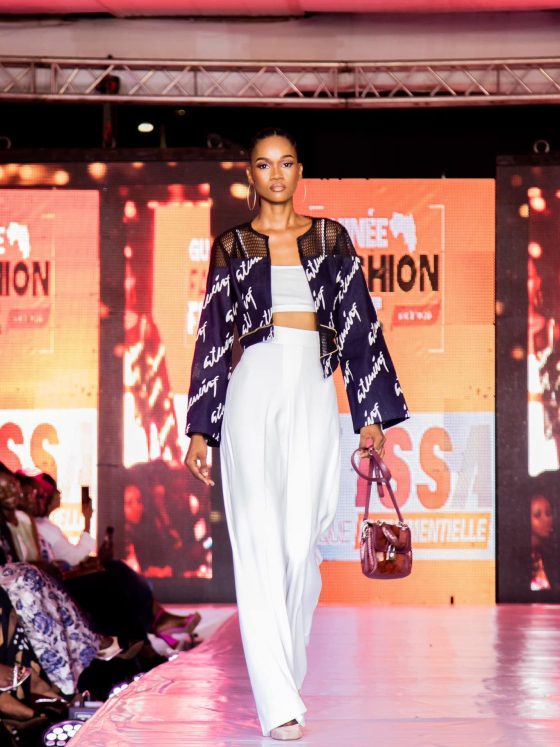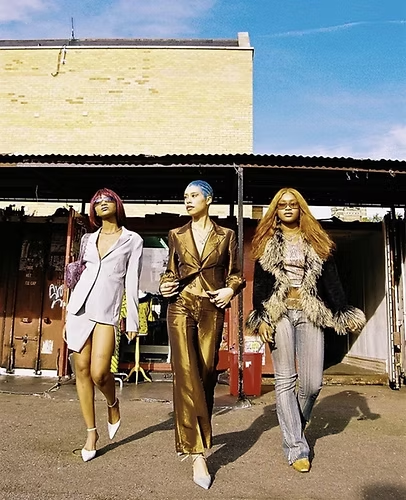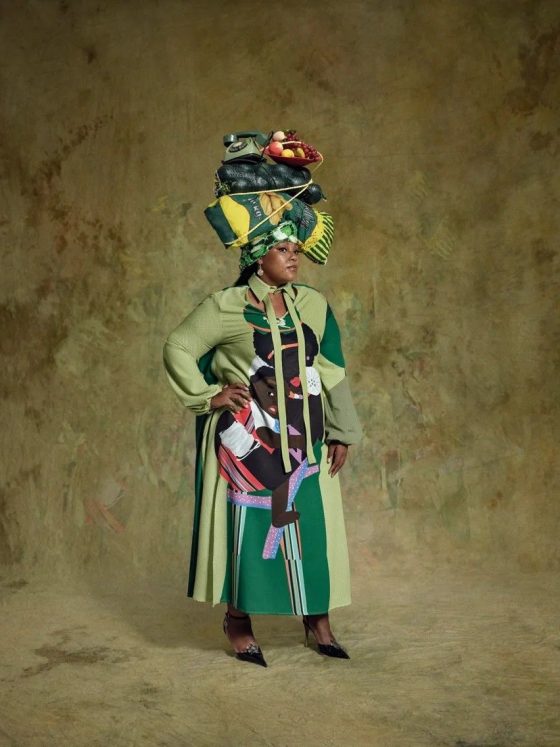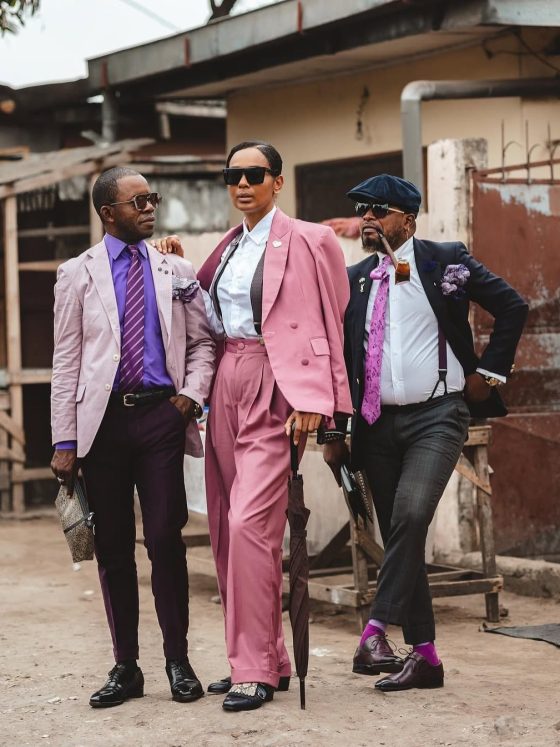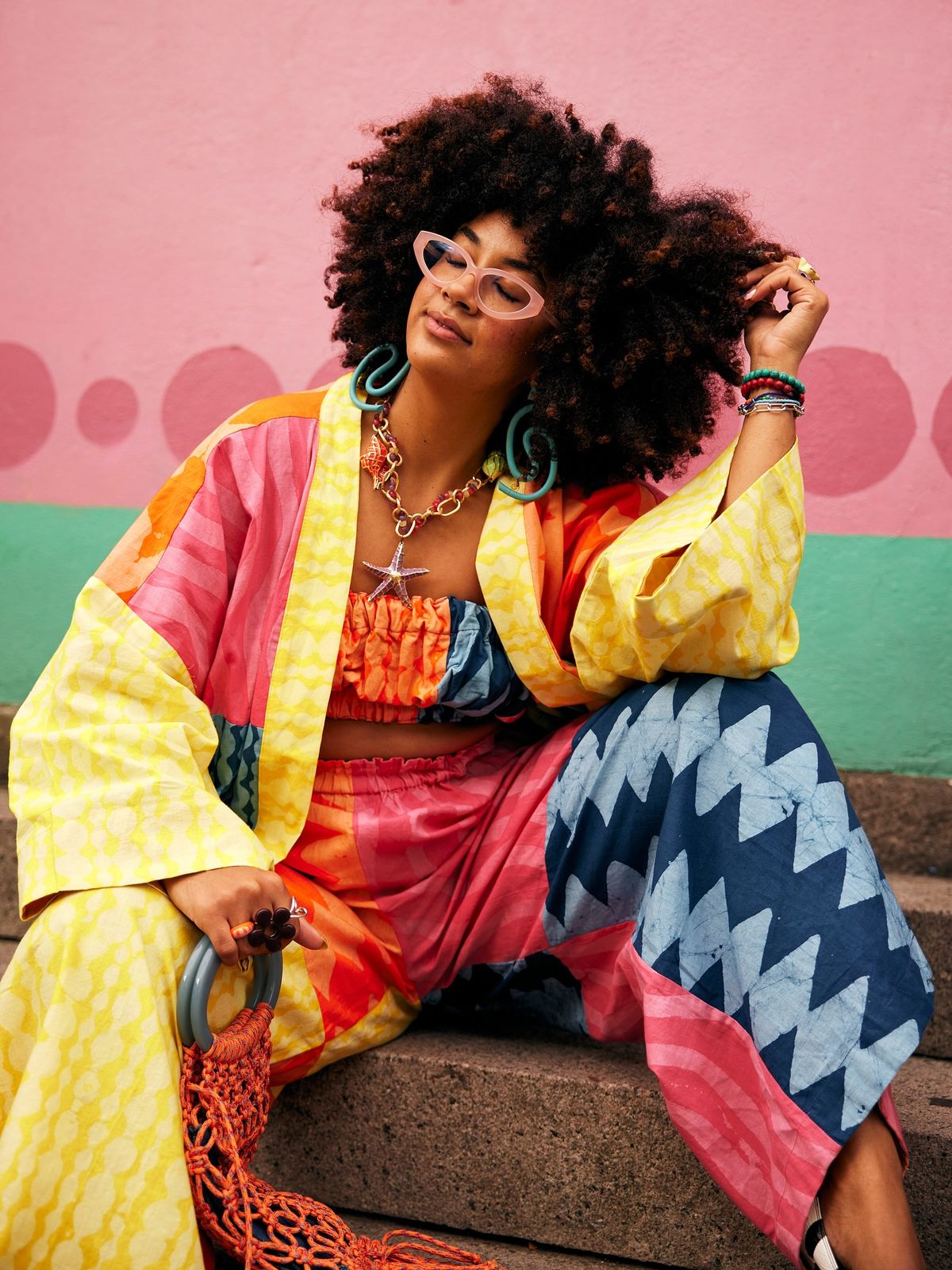
Colour has always lived at the intersection of feeling and meaning. Long before fashion weeks and Instagram feeds, humans used colour in ritual, expression, and community identity. In recent years, a quiet shift in how people dress has been gaining momentum worldwide. It is not about fleeting trends or seasonal palettes. It is about dopamine dressing, a cultural moment where people intentionally choose colour and a playful style to shape emotional experiences. Rather than selling clothing, this article examines why this movement exists, who it serves, and what it reveals about our collective need to feel alive, connected, and seen.
From mood psychology to cultural expression, this explores how dopamine dressing resurfaced and why colour matters in how we live and present ourselves.
What Dopamine Dressing Really Means
At its core, dopamine dressing is not a prescription for happiness. It is a framework for understanding how clothing can influence internal states and social interaction. The phrase itself draws on neuroscience: dopamine is a neurotransmitter associated with reward, but its influence in fashion lies less in chemistry and more in psychology and culture.
From expressive yellows to bold magentas and unexpected clashing prints, the idea is simple: wearing what resonates emotionally can shape how you feel and how others perceive you. For decades, we have known that people behave differently when wearing work attire than when wearing casual attire. Dopamine dressing extends this idea to happiness, identity, and self-worth. It treats clothing as a medium for personal narrative rather than merely as a surface aesthetic.
Why This Moment Emerged
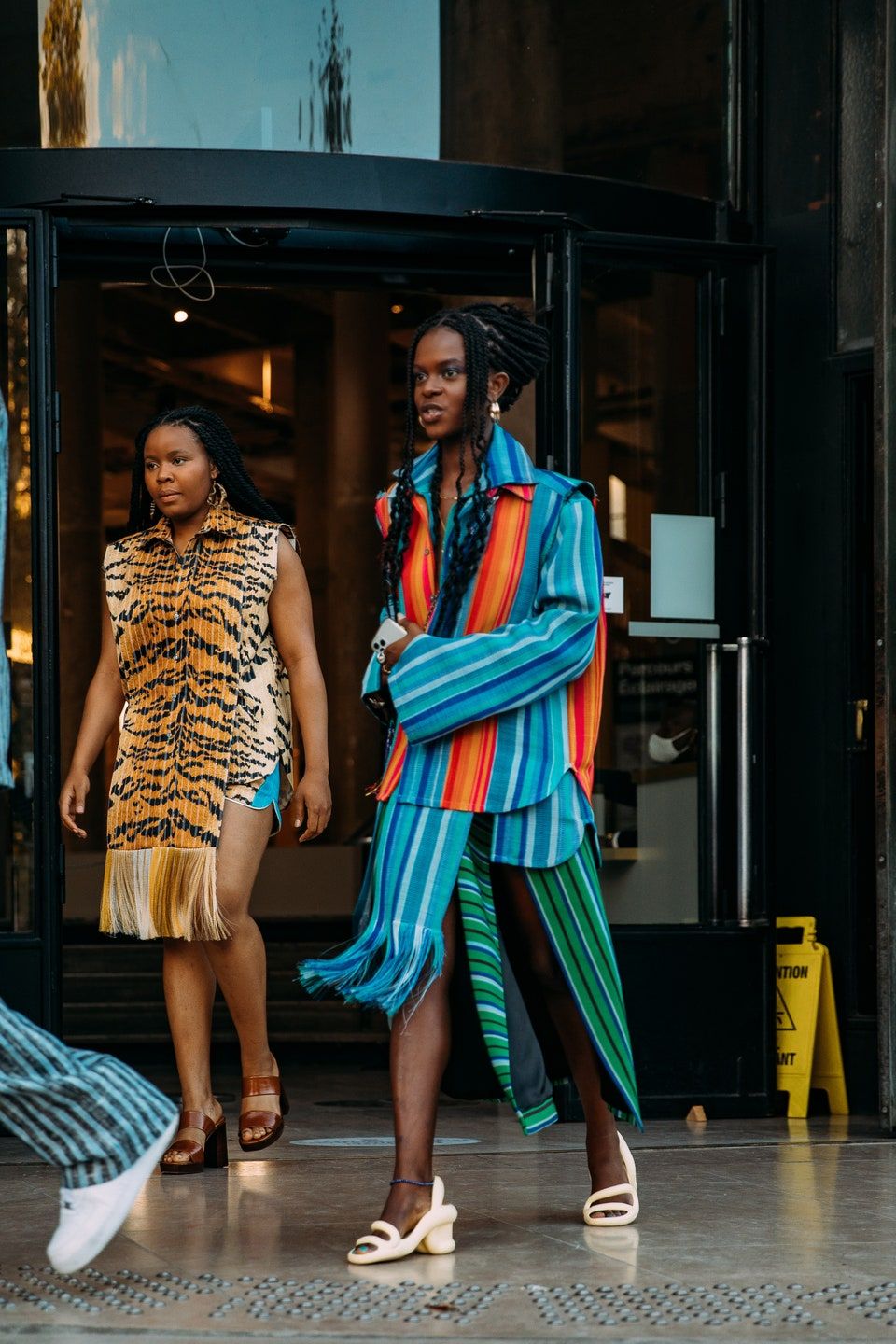
To understand the rise of dopamine dressing, we must examine the cultural forces that rendered it meaningful.
1. The Emotional Aftermath of Isolation
The Covid-19 pandemic rewired many people’s relationship to daily life. With routines disrupted and social experiences confined, clothing lost its usual social function. But when people returned to public life, they brought new priorities: comfort, emotion, and real connection. Colour became a means of expressing what had been muted: optimism, resilience, and defiance in the face of despair.
This rebirth of colour was not simply about looking good; it was about feeling good again in public and private spaces. In cities and towns from Lagos to London and Rio to Tokyo, people began pairing bright hues and joyful prints not because they were trending but because they felt restorative.
2. Social Media: A Tool for Memory and Expression
Platforms like TikTok and Instagram did not invent dopamine dressing, but they did accelerate its visibility. Every day, people began documenting outfits that made them feel confident or playful. What distinguished this from typical fashion content was its emotional framing. Hashtags such as #moodboostingoutfit became less about fashion and more about feeling something.
Unlike traditional fashion coverage, which is often curated by buyers and editors, dopamine dressing narratives are lived and shared. They belong to individuals who are using clothing to narrate their stories.
3. Rejection of Minimalist Neutrality
For a long period, minimalist and neutral palettes dominated mainstream fashion. These colours were associated with a timeless style and professional polish. But they also carried cultural weight: understatement as a virtue and muted tones as a marker of emotional equilibrium.
Dopamine dressing is a response to that era, not an erasure, but a reclamation of colour. It says that clothes can be joyful, loud, expressive and yet still intelligent. People are not rejecting simplicity. They are expanding the language of self-presentation to include bold emotional registers.
Who It Serves
Dopamine dressing resonates across age groups and cultures because it speaks to universal needs:
- It serves individuals who are rebuilding their confidence after experiencing isolation or transition.
- Creatives and workers who incorporate visual expression into their identities are drawn to dopamine dressing.
- People from historically underrepresented communities view colour as their heritage and a source of resistance.
- Anyone navigating stress and seeking agency in how they present themselves to the world falls into this category.
In Africa and the African diaspora, colour has long been a vehicle of memory and meaning, from textiles to ceremonial attire. In this context, dopamine dressing does not feel borrowed; it feels ancestral and lived. When someone in Accra pairs vibrant Kente with contemporary streetwear, or someone in Lagos juxtaposes neon with tailored silhouettes, they are not merely dressing up; they are interweaving emotional identity with cultural memory.
Read Also:
The Broader Cultural Meaning
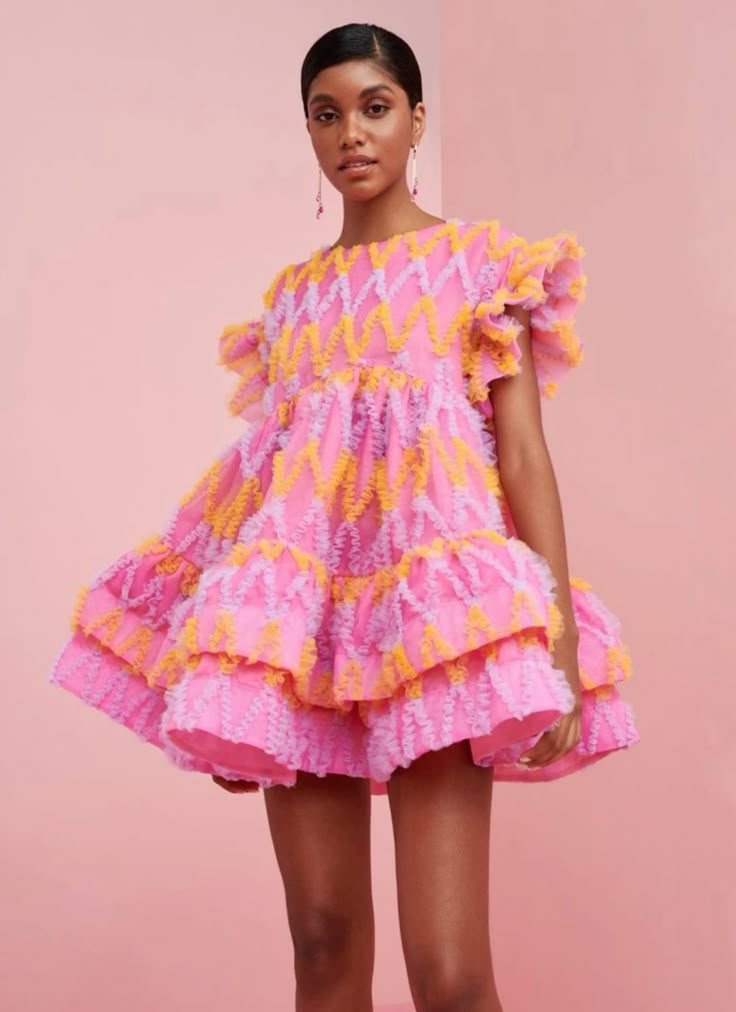
Why does dopamine dressing matter beyond individual wardrobes? Because it signals a shift in how society thinks about fashion, emotion, and public presence.
1. Fashion as Emotional Tool
Traditional fashion discourse often treats clothing as a commodity or status indicator. Dopamine dressing reframes clothing as an emotional tool, a medium through which individuals can navigate their inner worlds.
This is especially important in work and community environments where emotional labour is real. Choosing a colour that signals confidence or calmness is not superficial. It is a strategy for emotional survival.
2. Fashion and Wellness Intersect
Wellness culture has expanded beyond meditation apps and smoothie bowls into how we move and present ourselves. Clothing becomes part of self-care. It is not just about being comfortable; it is about being aligned with how you want to feel.
3. Identity and Representation
In global cultures that have traditionally used colours and textiles to signify lineage, status, and belonging, dopamine dressing connects this legacy to contemporary life. It allows individuals to carry history forward while articulating a personal narrative.
How People Practically Engage It
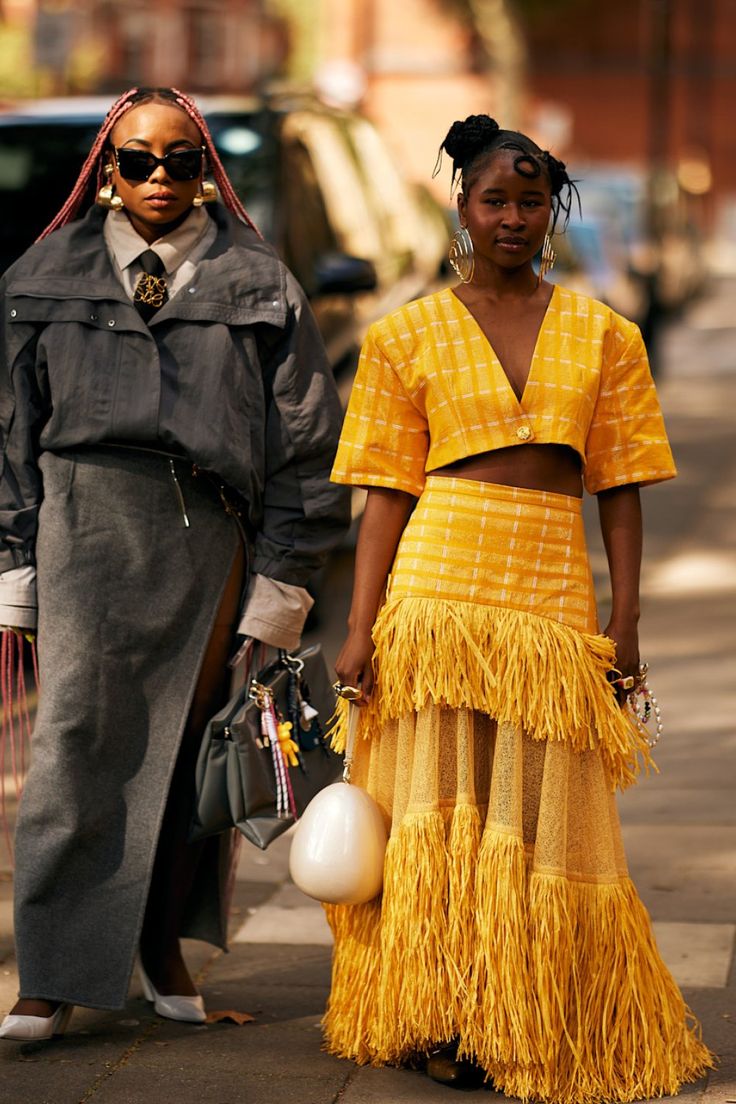
Dopamine dressing is not prescriptive. People engage with it differently:
- Some choose one statement piece, a blazer, an accessory, or a scarf that carries emotional resonance.
- Others build entire wardrobes around palettes that reflect inner states or memories.
- In professional spaces, people experiment with colour accents rather than full palettes.
In every case, choice is intentional. Clothing becomes a conversation between self and world.
Conclusion
The slow rise of dopamine dressing is not a fashion fad. It is a cultural shift toward recognising clothing as a form of emotional language. It exists because people worldwide seek agency over how they feel and how they are perceived. It serves individuals who are reclaiming colour after disconnection, forging identity through community memory, and navigating emotional life with intention. And it matters because it reframes fashion as a human-centred practice, one that honours history, emotion and expression.
Nourish your skin, elevate your glow — explore Skincare on OmirenStyles.
5 FAQs
- What is dopamine dressing?
Dopamine dressing is the intentional use of colour and expressive fashion to influence mood and emotional experience.
- Did dopamine dressing start because of social media?
Social media amplified the concept, but it grew from broader cultural needs for expression and emotional agency.
- Does wearing colour really change mood?
Colour can influence perception and emotional response; its effect varies by individual and context.
- Is dopamine dressing just bright colours?
Not exactly. It concerns how clothing emotionally resonates with the wearer, including colour, texture, form, and meaning.
- How can someone start with dopamine dressing?
Begin with small intentional choices that make you feel confident or joyful and build a personal vocabulary of pieces that reflect who you are.