In a world grappling with overproduction, environmental degradation, and cultural homogenisation, fashion’s future increasingly depends on sustainability, which is rooted in history rather than novelty. Ethiopian fashion, with its millennia-old textile traditions, offers a compelling model in which ecological responsibility, artisanal craftsmanship, and cultural integrity converge. At its heart lies the handwoven textile tradition, from shema cloth to tibeb borders, embodying a slow-fashion ethos long before the phrase existed. This article explores how Ethiopian fashion is redefining sustainability, not as an add-on, but as a foundational principle woven through every thread of its textile heritage.
Explore how Ethiopian fashion exemplifies sustainable style through handwoven textiles, artisan communities, cultural preservation, ethical practices, and heritage-inspired design, thereby shaping global fashion.
A Tradition Woven Through Time
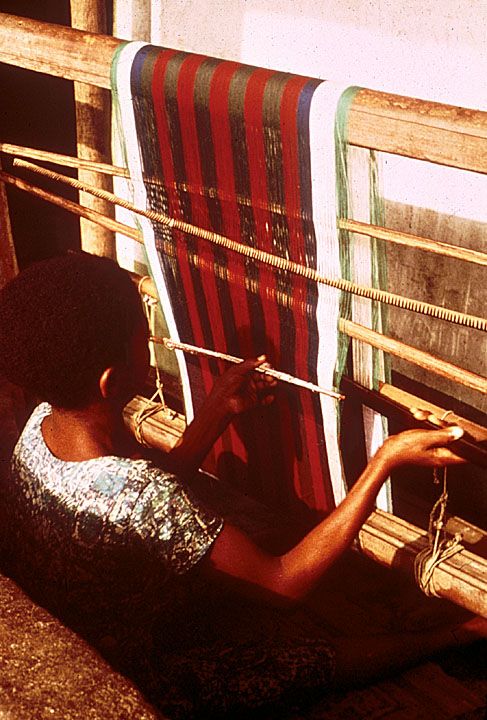
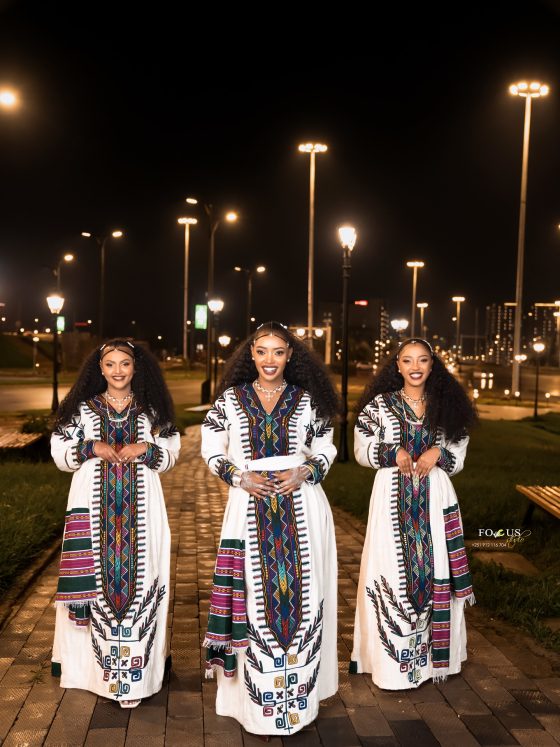
Ethiopia’s textile history stretches back centuries, shaped by geography, religion, and community life. In the highlands, cotton cultivation, hand spinning, and loom weaving were not commercial activities but essential cultural practices. Both women and men learn to weave as part of communal knowledge transmission, a system that differs significantly from factory production lines. The result is shema cloth, a lightweight cotton fabric woven on a narrow loom, which is used to make garments such as the Habesha kemis, netela, and other traditional attire.
Ethiopian handweaving demands patience; each metre requires hours of skilful labour. The resulting clothing is sustainable, produced with minimal energy, using renewable materials, and employing careful craftsmanship.
Sustainable Materials: Cotton, Climate, and Choice
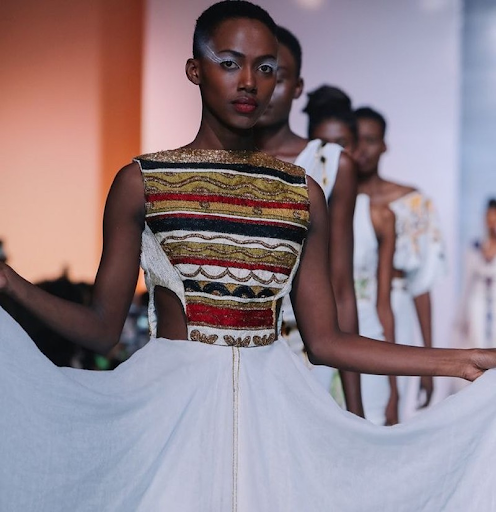
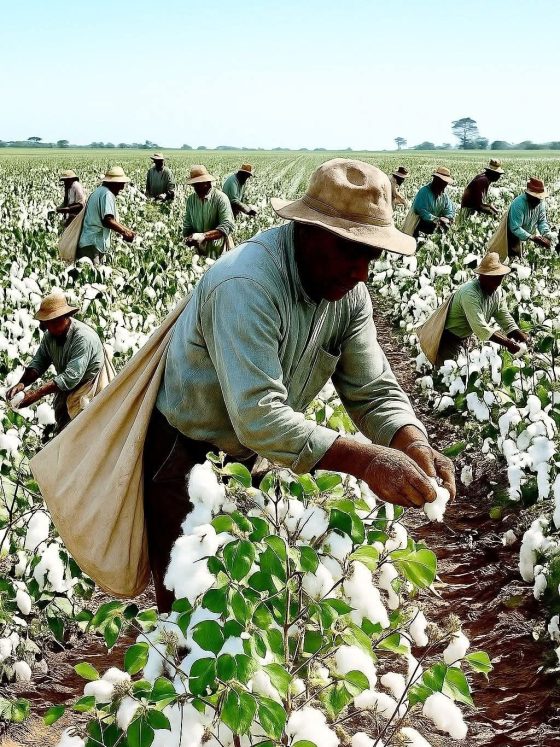
Ethiopian textiles are primarily cotton, grown, woven, and worn locally. Natural fibres are biodegradable and breathable, making them ideal for Ethiopia’s diverse climates. This contrasts sharply with fast fashion’s reliance on synthetic fibres, which contribute to microplastic pollution and environmental strain.
Local cotton production strengthens environmental stewardship by reducing transportation emissions and supporting community livelihoods. Key takeaway: Direct use of local resources links material selection to sustainability.
Craftsmanship Over Commodity
Ethiopia’s sustainable fashion relies on artisans. Unlike industrial systems that extract value, weaving communities treat textile creation as shared knowledge. Weavers work from home, cooperatives, or family networks, thereby keeping economic benefits local, supporting livelihoods, preserving skills, and countering exploitative manufacturing practices.
Training and mentorship are vital for weaving’s future. Key takeaway: Intergenerational skill transfer sustains both craft and culture.
Embroidery as Environmental Design
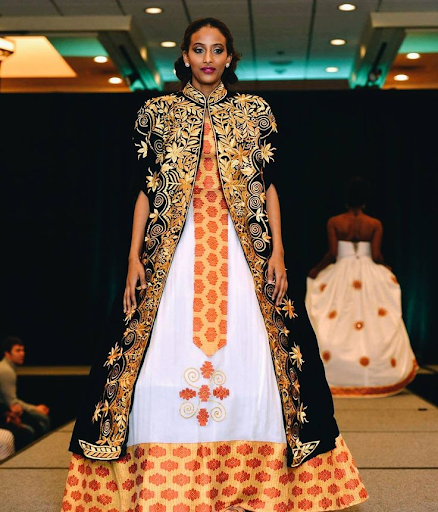
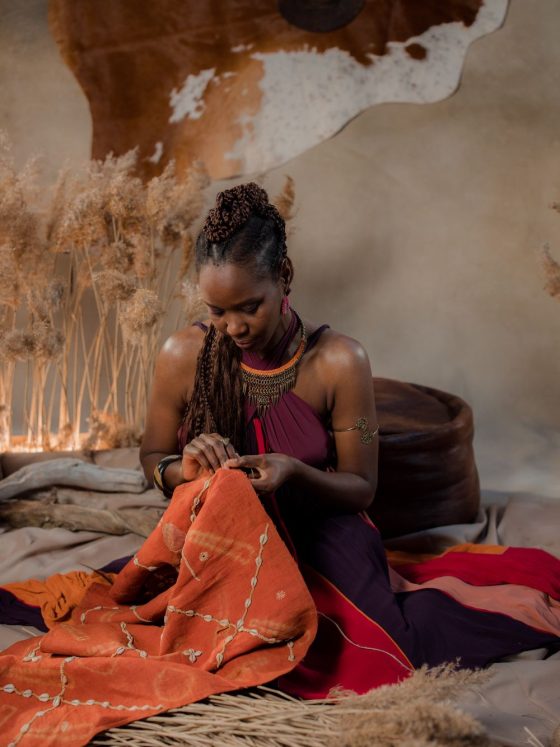
A visually striking aspect of Ethiopian textiles is tibeb, which features geometric borders and symbolic colours. From gold borders on a netela to vibrant Habesha kemis details, these designs are labour-intensive, requiring careful handwork and often employing no machines.
Such embroidery is designed with purpose and restraint. Key takeaway: Minimalist yet meaningful ornamentation strengthens environmental and cultural value.
Women, Empowerment, and Ethical Fashion
Women predominantly practice weaving in many Ethiopian communities, positioning sustainable fashion at the nexus of gender empowerment and cultural preservation. Through weaving, women sustain family economies, transmit generational knowledge, and anchor social identities.
Design collectives and cooperatives often prioritise women’s participation, making fashion a vehicle for financial independence. This ethical dimension elevates Ethiopian sustainable fashion from trend to social impact.
ALSO READ:
Contemporary Reinventions: Heritage in Modern Design
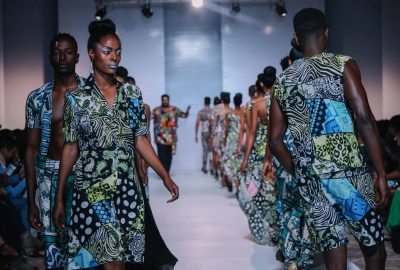
While rooted in tradition, Ethiopian fashion continues to evolve. Contemporary designers reimagine handwoven fabrics and motifs in modern silhouettes, such as jackets with shema panels or dresses with new warp-stripe uses. These show that style and sustainability coexist.
This reinvention does not erase cultural meaning; it amplifies it. By bringing traditional fabrics into modern design, Ethiopian fashion finds relevance beyond ceremonies, reaching runways, global boutiques, and wardrobes that value both style and substance.
Global Recognition and Cultural Respect
Sustainability in Ethiopian fashion is gaining visibility on global platforms. International fashion weeks, cultural showcases, and ethical fashion discussions increasingly feature African designers who honour their heritage while adopting environmentally responsible practices. This interest is not about exoticism but about recognising innovation born of tradition.
Ethical collaboration is essential for global engagement. Key takeaway: Respectful partnerships protect both culture and community as Ethiopian fashion grows worldwide.
Slow Fashion as Cultural Identity
Slow fashion values quality over quantity, process over profit, and principles embedded in Ethiopian textiles. A netela worn for decades, or a handwoven dress passed down through generations, reflects a system that values longevity and personal connection.
For Ethiopians, clothing is about connection rather than disposability. Key takeaway: Value and longevity are integral to Ethiopian fashion, countering the fast-fashion cycle.
Sustainability Beyond the Environment
True sustainability in Ethiopian fashion has three pillars. Key takeaway: Social, cultural, and economic pillars guide lasting impact beyond the environment.
Social: It uplifts weaving communities and builds intergenerational skill transfer.
Cultural: It protects artistic heritage and symbolic meaning.
Economic: It offers ethical employment outside exploitative fashion factory systems.
This threefold model is lived reality, not an aspiration. Key takeaway: Ethiopian textile communities practice sustainability daily, demonstrating practical application.
Challenges and the Path Forward
Key challenges include market access and recognition. Key takeaway: Growth depends on infrastructure, design education, and strategic investment.
Digital and cultural platforms boost global reach. Key takeaway: Leveraging visibility tools ensures Ethiopian voices shape international sustainability narratives.
The Omiren Styles Perspective
For Omiren Styles, sustainability goes beyond buzzwords. It honours systems that existed before the trend. Ethiopian fashion shows stewardship of land, craft, and community; it is a cultural duty, not a choice.
The future of fashion will see traditions like Ethiopia’s as guides, not relics.
Frequently Asked Questions (FAQs)
Q: What defines Ethiopian sustainable fashion?
A: It is defined by handwoven textiles, community craftsmanship, natural materials, and ethical production that prioritise heritage and environmental responsibility.
Q: How does handweaving contribute to sustainability?
A: Handweaving uses minimal energy, renewable fibres, and local labour, reducing carbon footprints and supporting cultural ecosystems.
Q: Can sustainable Ethiopian fashion enter global markets?
A: Yes — with ethical partnerships, fair trade agreements, and visibility platforms that respect cultural origin and compensate artisans.
Q: How does sustainability connect with Ethiopian cultural identity?
The clothing traditions emphasise longevity, symbolic meaning, and craftsmanship, values aligned with slow fashion and cultural continuity.