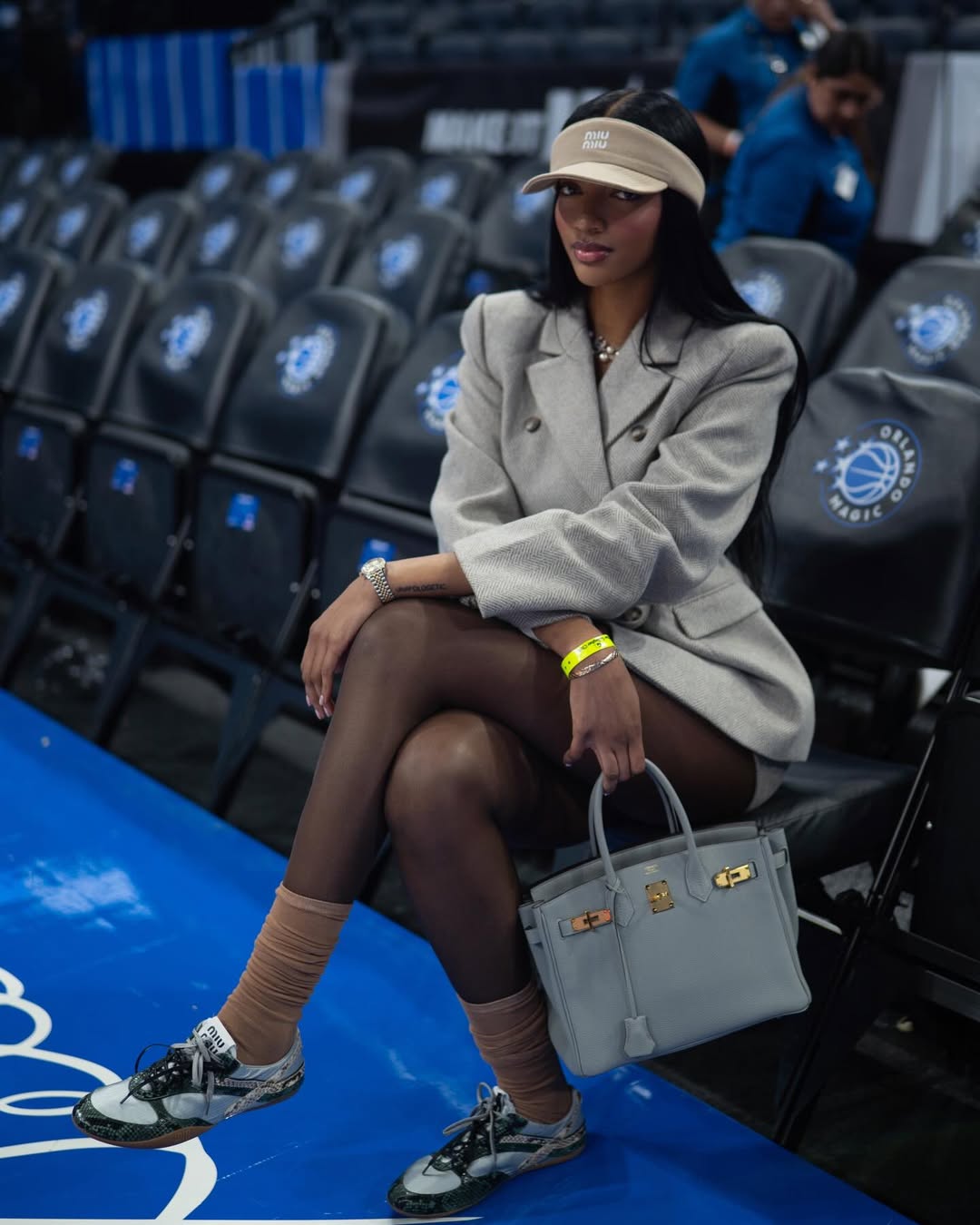
In 2025, Black pop culture didn’t chase the spotlight; it set the rules. Creators took ownership of their stories, their work, and what it all means, especially in a country that felt unstable. This wasn’t just another artistic shift. It was an intentional strategy: take back control, on purpose, for good. The people driving these changes get it – if you influence culture but don’t own any pieces of it, you’re just creating fads that fade fast. But when you own the structure, you build something that actually lasts. Movements like the New Negro, Black Arts, the Black Renaissance, hip-hop, and Afrofuturism? These movements, all led by Black visionaries, are setting the pace for global trends. But right now feels different. The individuals spearheading this wave aren’t content with mere visibility – they seek genuine equity, creative authority, and tangible transformation within the institutions. At the heart of it all is a straightforward question: Who gets to decide how Blackness is seen, heard, and experienced in the world?
Explore how global Black culture leaders redefine creativity through ownership and lineage, from Pharrell’s luxury vision to Kendrick’s cultural boundaries.
Why Ownership Matters More Than Ever
Across music, television, film, fashion, and sports, creators prioritise ownership. Forget just having access or chasing clicks – they want real communities, real intentions, and lasting control. This isn’t just about money. It’s about survival, because history’s full of Black creatives inventing genres and aesthetics that generated billions, yet they were left out of the rewards and decision-making. So now, ownership isn’t a business move – it’s a way to protect the culture itself.
Please consider the reasons why this shift is so urgent. Algorithms reward what’s popular, not what’s outstanding. That means everything gets flattened into the exact viral moment, stripped of depth or meaning. The new culture leaders saw this transformation coming. They realised that chasing virality means giving up control over how their work spreads and what it stands for. So they started prioritising ownership of labels, platforms, brands, and stories. That’s how you make something that lasts, not just a passing trend.
Pharrell Williams and the Luxury Question
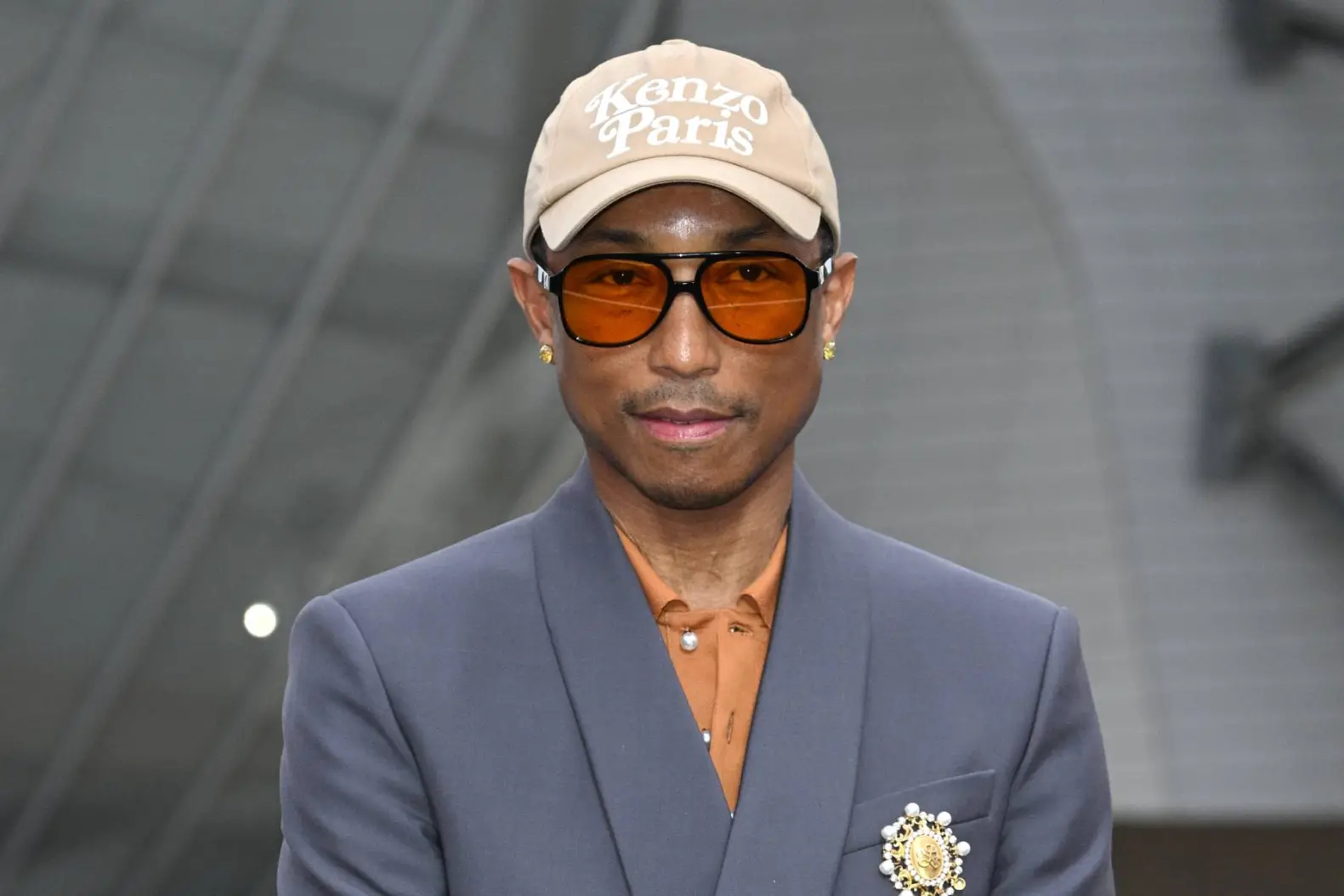
Pharrell’s appointment as Menswear Creative Director at Louis Vuitton changed the game. His designs blend high fashion with street style and are already shaking up runways. The 2025 Met Gala, themed “Superfine: Tailoring Black Style,” put black dandyism, craftsmanship, and heritage at its centre, with Pharrell, Lewis Hamilton, Colman Domingo, and A$AP Rocky running the show. The appearance was more than just a fashion show; it was an opportunity to rectify misconceptions.
Pharrell’s new role raises a big question: What happens when Black creatives don’t just collaborate with luxury brands but actually run the show? His position at Louis Vuitton goes way beyond personal success. It signals that luxury fashion finally recognises street culture as a legitimate design language, not just something to steal and discard. At the Gala, tailoring, elegance, and experimentation weren’t one-offs – they were treated as birthrights. Suddenly, “style is about intention” wasn’t just a quiet idea; it was the main point.
This shift matters because luxury fashion has long sought to define what counts as classy or trashy, refined or street. By putting Black creative directors at the top of European luxury houses, the industry is finally acknowledging what Black communities have long known: when style comes from intention, heritage, and craft, it transcends the artificial boundaries between “high” and “street” fashion.
Kendrick Lamar Changes the Story
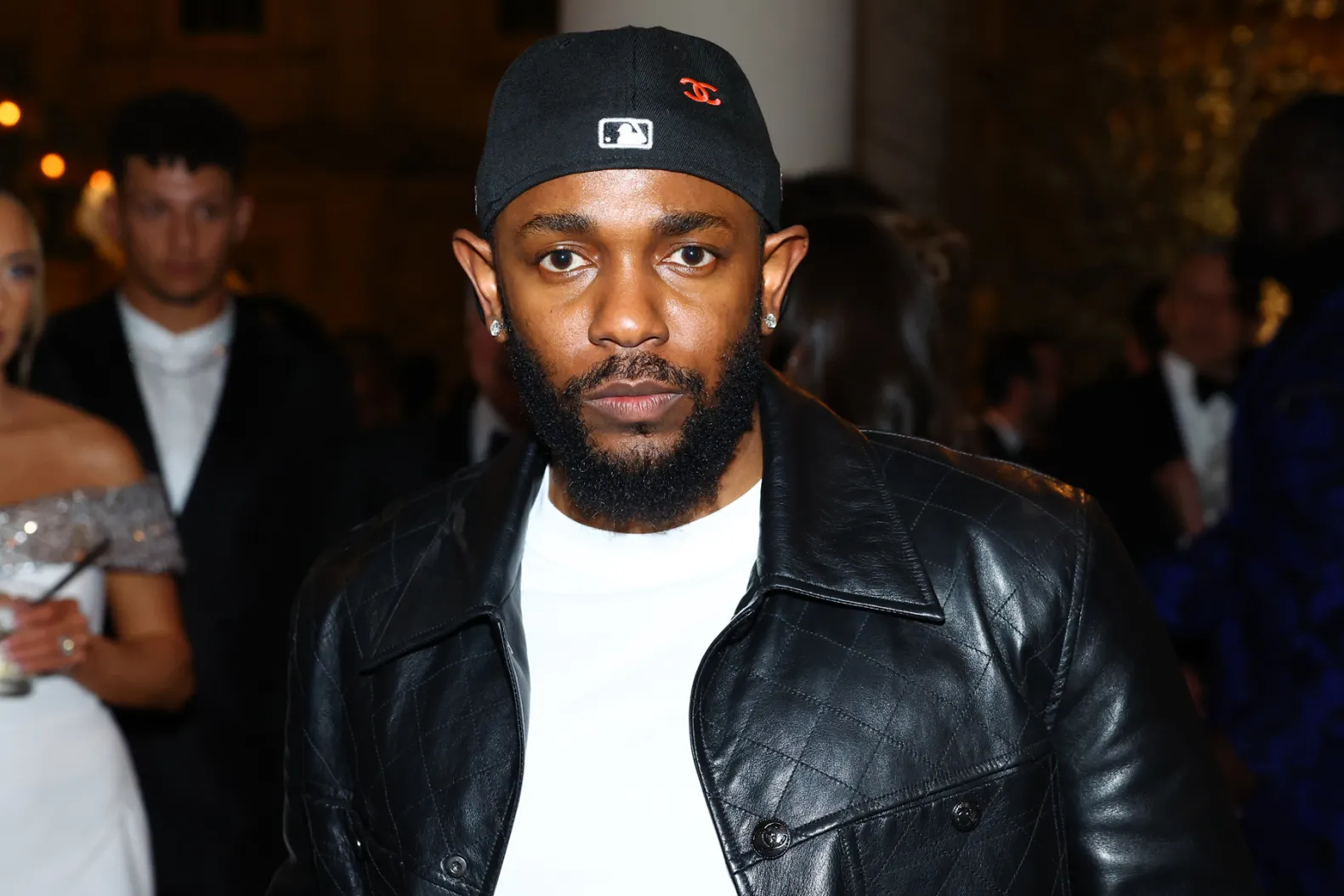
Kendrick Lamar’s “Not Like Us” wasn’t just everywhere; it changed the conversation. “They are not like us” turned into a rallying cry – a way to talk about lineage, authorship, and accountability. People chanted it at concerts, in locker rooms, online – everywhere. It wasn’t just a catchy phrase; it was a statement.
Why did that line hit so hard? Because it said what a lot of folks have always felt but couldn’t quite put into words: being different isn’t something to fix or hide – it’s something to defend. In a world where algorithms push everything toward sameness, Kendrick’s line challenged the idea that all cultures should be watered down for mass appeal.
Kendrick cleaned up at the 2025 BET Awards, cementing his spot as one of hip-hop’s best storytellers. His success proves that when you stick to your roots and refuse to water down your story, you can be both critically loved and wildly successful. The old idea that Black artists have to smooth out their edges to “cross over” was never accurate. Kendrick just proved it again.
What Can We Learn from Beyoncé About Reinvention?
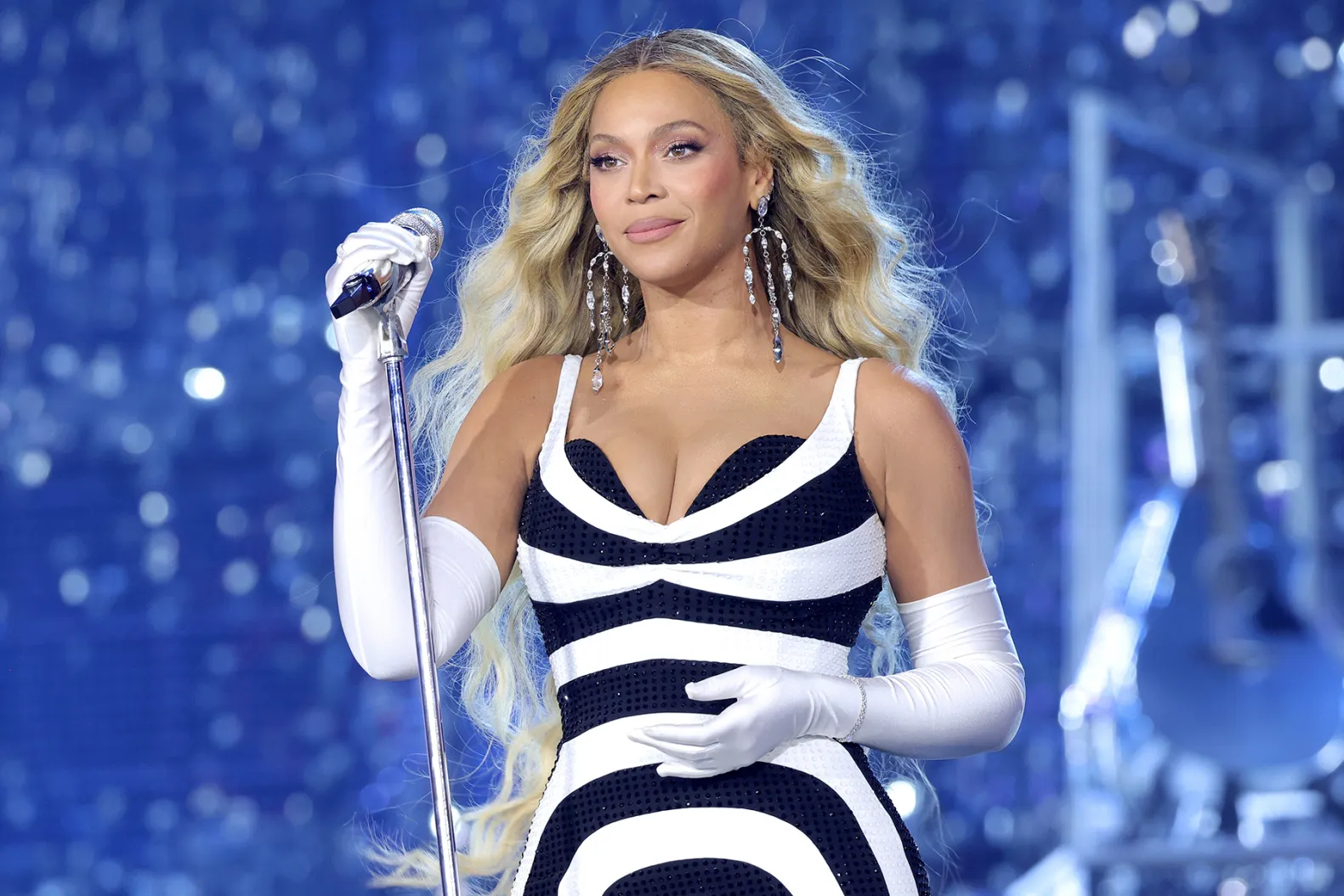
Beyoncé doesn’t just keep up with the times – she shapes them. Most artists fade or get stuck in one style, but she keeps pushing the boundaries, not just as a singer, but as a leader and a real force in music and business. Just look at her journey from Destiny’s Child to running the world. For her, longevity means constantly evolving without losing the core of who you are.
Take her Cowboy Carter album. She dives into country music’s Black roots but never loses that signature Beyoncé flair. That’s huge. She’s not just playing with sounds – she’s challenging the way the industry puts music (especially by Black artists) into boxes that serve business, not art. By reclaiming the country as part of Black cultural history, she’s unearthing stories that got buried while also building something new.
She has also learnt to achieve fame according to her own terms. She keeps her private life private, controls her story, and uses her fame for ownership, not just endorsement deals. For Beyoncé, being an artist and an entrepreneur isn’t a tradeoff – it’s the whole point.
Why Are Black Women Athletes Changing the Game?
Angel Reese isn’t just putting up numbers on the court. She’s using all the attention – good or bad – to build something bigger: absolute ownership and influence. Her confidence signals a new era for Black women athletes who refuse to play small. Coco Gauff, the highest-paid female athlete of 2024, shows the same spirit. Whether she’s winning tournaments or speaking out for social justice, she’s always herself.
These women get it – being great at a sport opens doors, but just showing up isn’t enough. They turn the spotlight onto ownership: brands, media companies, and investments. That way, their success doesn’t disappear when they leave the game – it grows into generational wealth and absolute power.
Simone Biles is still one of the most influential athletes on the planet. By prioritising her mental health, she changed the definition of what makes an athlete “strong”. She’s not letting anyone exploit her, even if it means walking away from medals. That sets a new standard for younger athletes, especially in a system designed to extract everything from them and offer little in return.
READ ALSO:
- Fashion as Statecraft: The Power of Black Cultural Diplomacy
- 10 African Gaming Studios Changing the Game
- Black Fine Art Auctions Rising: A Market Transformation
How Is Fashion Turning Into a Cultural Archive?
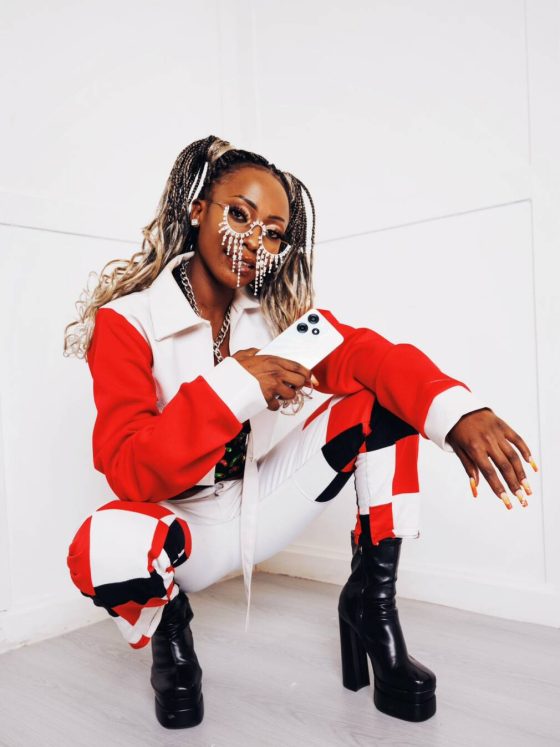
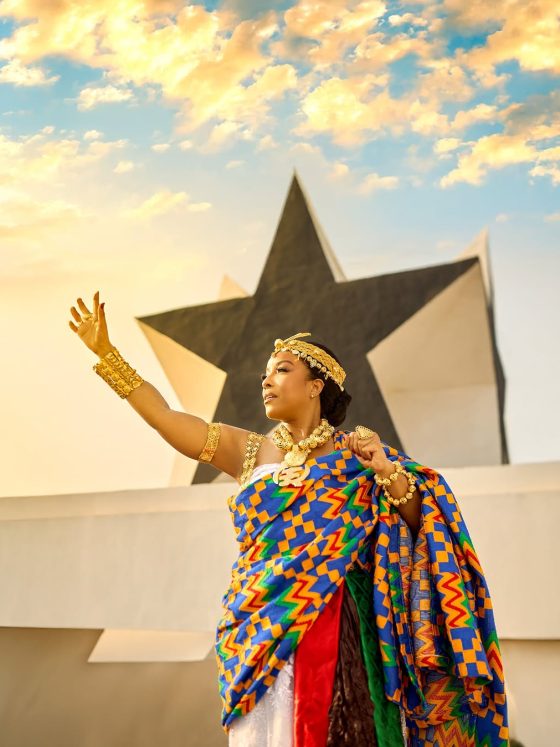
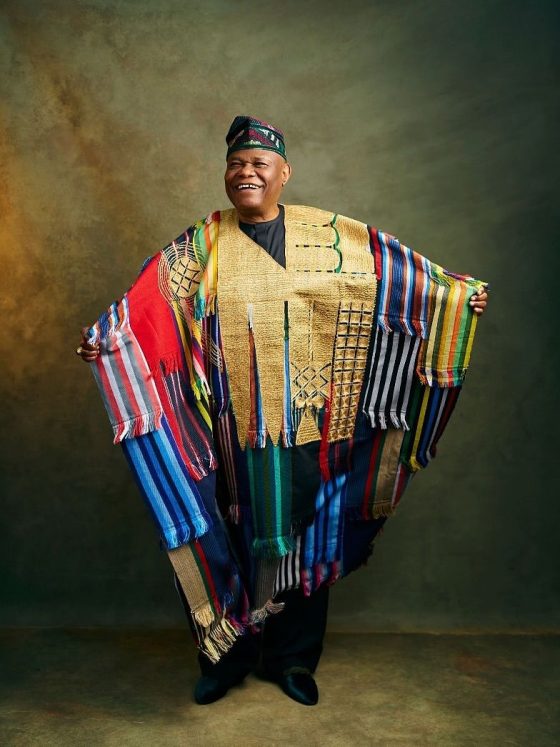
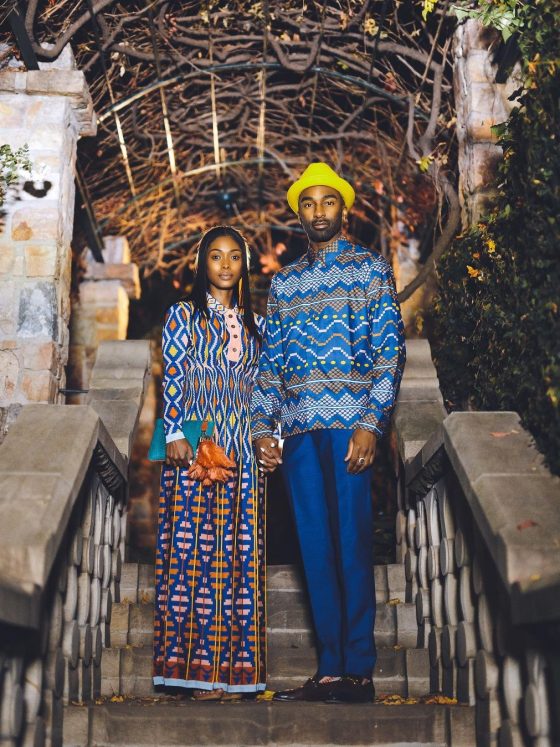
Big fashion houses can’t ignore Black culture’s impact anymore. Now, we’re seeing fundamental shifts – not just token models or designers, but actual creative control and leadership for Black talent in top fashion brands. Cities such as Lagos and Atlanta host Black Fashion Weeks that blend tradition with bold new ideas. African textiles and streetwear aren’t just trends – they’re shaping what global fashion wants next.
But fashion isn’t just about looking good. Clothes tell stories – about identity, resistance, and dreams. When Black designers take control of their own narratives, fashion becomes a dynamic archive. It preserves heritage while pushing things forward.
That’s why ownership is about more than money. If brands steal street style but never hire the artists behind it, that’s just theft. When Black designers run the show or start their own labels, fashion actually honours its roots – and pays the people who built it.
What’s the Real Power of Digital Creators?
Black TikTok creators do more than follow trends – they set them. They mix entertainment and education, and most of what goes viral in 2025 started in these digital spaces. Music charts, social justice movements, memes – the spark often comes from here.
Digital platforms have enabled anyone to create and grow an audience, eliminating the need for gatekeepers. However, not everything is equal. Algorithms decide who gets seen, and the platforms still make the real money. The people changing the culture see this. They use these spaces wisely and build their own models so they actually profit from what they create.
This matters because young people live and breathe culture through their screens. Whoever shapes how Blackness appears online shapes how the world sees it. The creators who know how these platforms work and stay true to their culture make sure they’re represented as they really are – not just as someone else’s caricature.
Why Does This Moment Feel Different?
Black culture has long shaped how we dress, talk, and entertain ourselves. You see it in Air Jordans, R&B, and streetwear – the influence is everywhere. But there’s a pattern: Black communities set trends, and then others capitalise.
What’s different now? People are waking up. Representation is not the final goal; it is only the start. The folks driving culture want more than just a seat at the table – they want ownership. They want to lead, not just show up. They want to be paid, not just mentioned. They know that real cultural power means changing the system, not just celebrating a few standouts.
Where art meets inspiration — explore Culture & Arts on OmirenStyles.
Frequently Asked Questions
1. Who’s changing the game in Black culture right now?
You’ve got Pharrell Williams running menswear at Louis Vuitton, Kendrick Lamar pushing hip-hop into new territory, Beyoncé breaking boundaries and building her own empire, athletes like Angel Reese and Coco Gauff turning fame into absolute ownership, and a whole wave of digital creators making viral moments on TikTok and keeping control of their work.
2. Why is cultural ownership more significant than mere visibility?
Ownership means creators actually profit from their work. They get to decide how their culture looks, build wealth that endures, and establish institutions for the next generation. When there’s only representation and not ownership, Black communities keep making the culture, but someone else keeps making the money. That just keeps old power structures in place, even if things look more diverse on the surface.
3. How has Black culture changed global fashion?
Black culture flipped fashion by making streetwear a luxury staple, placing Black creative directors at top European brands, launching Fashion Weeks in places like Lagos and Atlanta, and proving that style rooted in heritage breaks down the artificial barriers between high fashion and the street.
4. What sets this moment apart from the past?
Now, it’s about owning the whole process – not just getting access. Building community matters more than chasing likes. Having a clear intention is more important than going viral for its own sake. Instead of fighting for a spot in the old system, today’s leaders are building their own, ensuring they control the story, the business, and the culture itself — while pushing old institutions to change.
5. How can you support Black cultural leaders?
Buy from Black-owned brands. Stream music in ways that pay the artists directly. Follow and share Black creators online. Attend events such as Black Fashion Weeks. Invest in Black-led businesses. And remember: appreciating a culture means paying and supporting the people who create it, not just enjoying the result.