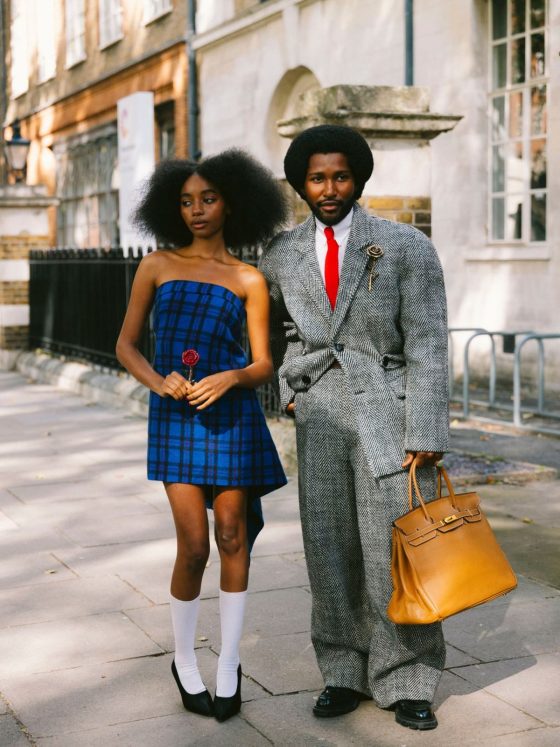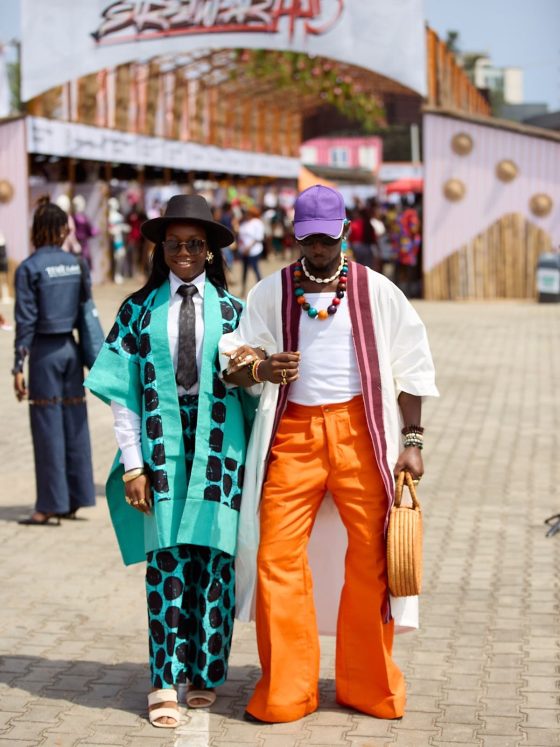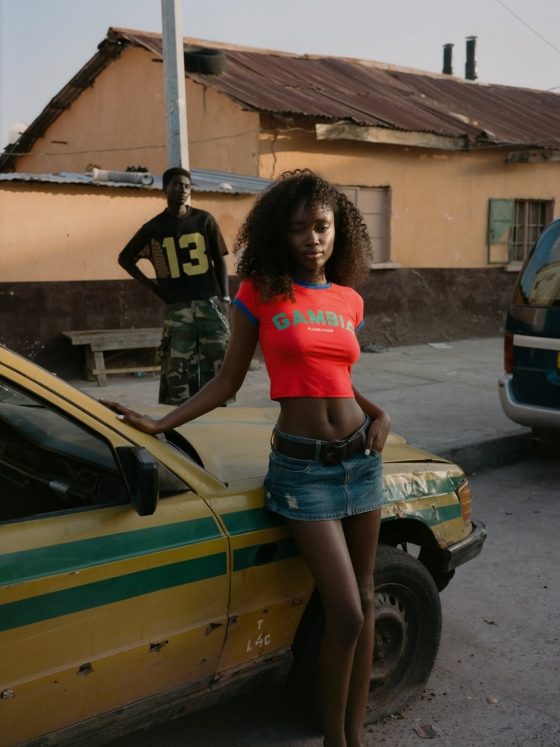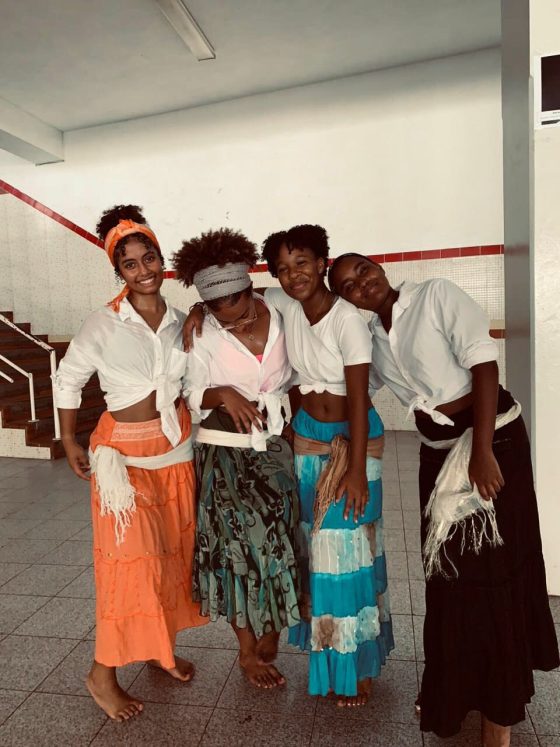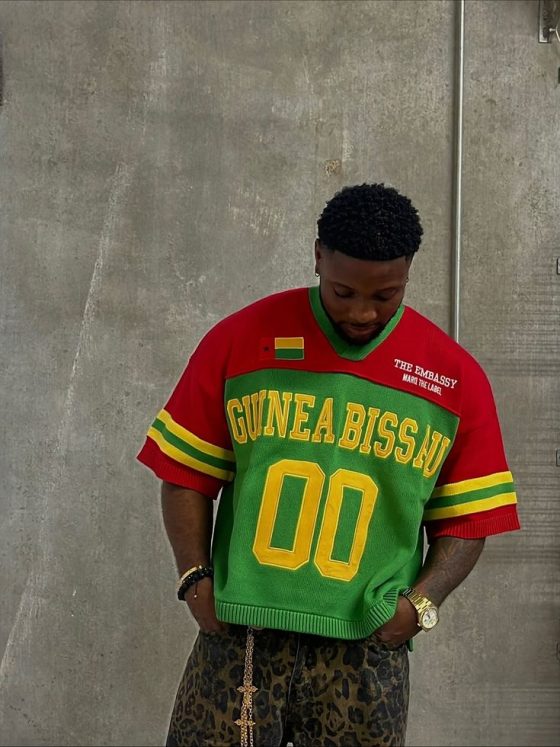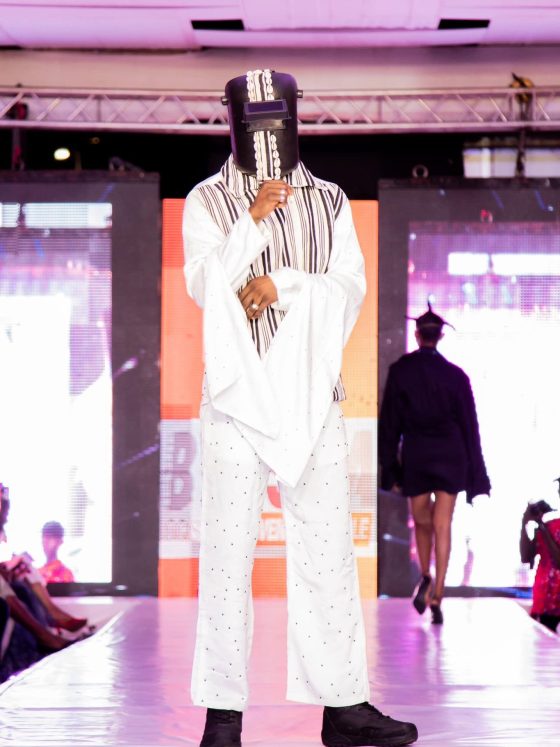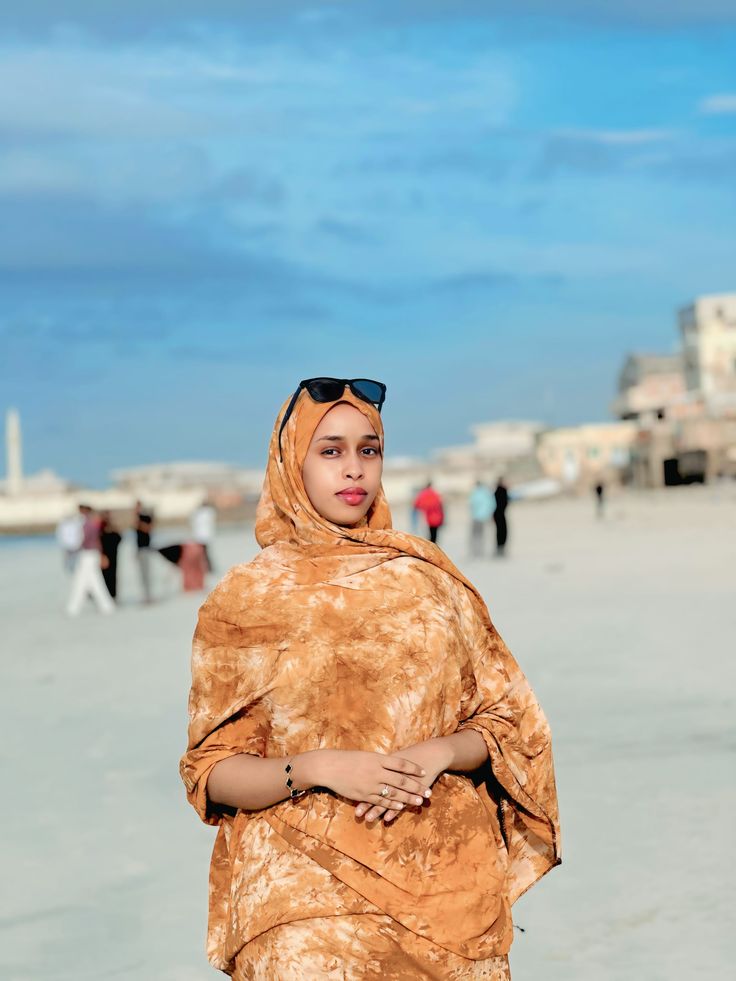
On a warm evening in Zanzibar’s Stone Town, I watched a group of teenagers glide past in oversized hoodies layered over flowing thobes, sneakers dusted with coral sand, and kufi caps tilted just enough to signal confidence without arrogance. Their outfits did not feel experimental. They felt inevitable, like a language that had always existed but was only now being spoken aloud.
Across the Red Sea, in Jeddah’s Al-Balad district, young creatives were doing something similar: pairing embroidered abayas with vintage denim jackets, gold chains resting beside prayer beads, and silk scarves tied like street bandanas. In Kano, Khartoum, Cairo, Casablanca, Nairobi, and Dubai, the story repeats with local accents, but the same emotional rhythm, pride, movement, identity, and belonging prevail.
This change is not a trend in the conventional sense. It is a cultural shift.
In this article, I explore why Afro-Arab street fashion is becoming the next global style movement, how history and hospitality shaped its foundations, what makes its aesthetic distinct from Western streetwear, and why designers, stylists, and international fashion houses are now paying close attention. Through cultural context, lived observation, and grounded analysis, we examine how a style rooted in tradition is redefining modernity on the street.
Afro-Arab street fashion is reshaping global style by blending heritage, faith, and urban culture into a bold, expressive movement that honours identity while redefining what modern fashion looks like across cities, communities, and cultures worldwide.
The Afro-Arab Street Fashion
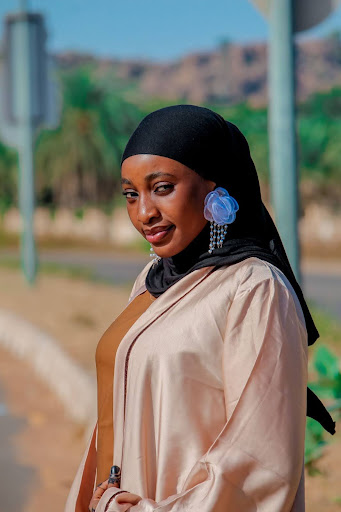
Afro-Arab street fashion is not a single look, silhouette, or brand. It is a cultural aesthetic emerging from the lived intersections between African and Arab worlds, shaped by trade routes, religion, migration, hospitality traditions, climate, and urban youth culture.
Unlike Western streetwear, which evolved from skate culture, hip-hop, and punk aesthetics, Afro-Arab street fashion grows from:
- Modest dressing traditions
- Textile heritage
- Community-based identity
- Spiritual expression
- Urban resilience
It blends abayas with bomber jackets, kaftans with sneakers, kufi hats with oversized hoodies, and handwoven textiles with global silhouettes. Beyond garments, Afro-Arab street fashion embodies deeper values: dignity, community, reverence for heritage, and expressive individuality without alienating faith or culture.
Why It Feels Different From Global Streetwear
What sets Afro-Arab street fashion apart is not rebellion; it is redefinition. Where Western street fashion often emerges as protest, Afro-Arab street fashion grows from continuity, honouring ancestral identity while confidently navigating modern urban life.
It does not discard tradition to appear contemporary. It makes tradition contemporary.
History, Trade, and Cultural Exchange of Afro-Arab Street Fashion
The Afro-Arab connection is not new. It is one of the oldest cultural exchange systems in human history.
For over a millennium, trade routes have existed across the Red Sea and the Sahara Desert.
- The Red Sea
- The Sahara Desert
- The Indian Ocean
connected East Africa, North Africa, the Arabian Peninsula, Persia, and South Asia. Along these routes flowed spices, gold, textiles, language, religion, and clothing.
Swahili coastal fashion, for example, reflects centuries of Arab, Persian, African, and Indian influence. The long, flowing kanzu worn by men in East Africa closely resembles Gulf thobes but uses local fabrics and tailoring styles. Women’s kanga, dirac, and wrap pieces blend modest silhouettes with vibrant African patterns and poetic inscriptions.
In North Africa, Amazigh embroidery meets Andalusian tailoring and Arab modesty codes. In Sudan, layered tobes combine Nubian heritage with Arab aesthetics. In Nigeria’s north, turbans, jalabiyas, and embroidered caps reflect centuries of Sahelian and Arab contact.
Street fashion today is the latest chapter in that centuries-old exchange, now expressed through sneakers, denim, oversized fits, and digital culture.
Why Afro-Arab Street Fashion Is Rising Now
A New Generation Refusing to Choose Between Identity and Style
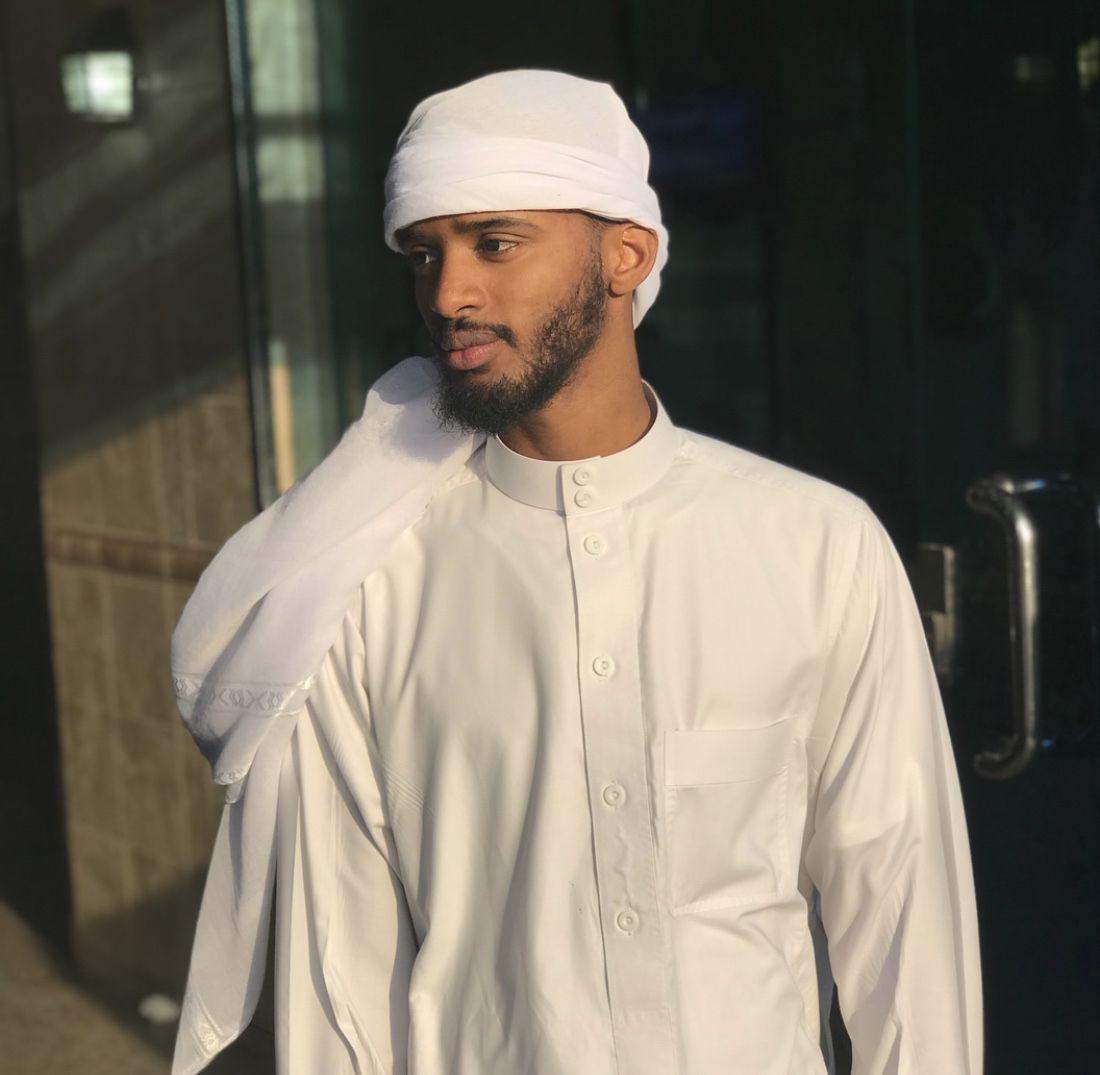
Across Africa and the Arab world, Gen Z and Millennials are rewriting the rules of modern style. They reject the notion that being contemporary means copying the West. Instead, they want fashion that respects faith, reflects heritage, feels global, and moves with the rhythm of the streets, clothing that speaks both to where they come from and where they are going.
Afro-Arab street fashion offers exactly that: a third language of style, neither traditional costume nor borrowed streetwear, but something deeply authentic and unmistakably current. In conversations across cities and online communities, young creatives often say they want to “look fresh without losing myself.” This movement doesn’t just answer that desire; it embodies it.
Social Media as a Cultural Amplifier
TikTok, Instagram, Pinterest, and YouTube have become visual runways for Afro-Arab style.
Creators from Nairobi, Mogadishu, Khartoum, Marrakech, Jeddah, Dubai, and Kano are shaping a new visual language of style, blending heritage garments with contemporary streetwear and sharing their looks across digital platforms, turning local identity into global inspiration. post daily outfit breakdowns, blending heritage garments with sneakers, denim, hoodies, jewellery, and traditional headwear.
These visuals travel globally in seconds; no fashion week gatekeepers are required.
Global Fashion’s Search for Meaning
The fashion industry is experiencing cultural fatigue with surface-level trends. Consumers increasingly want stories, heritage, sustainability, craftsmanship, and meaning.
Afro-Arab street fashion offers:
- Textile history
- Ethical craftsmanship
- Cultural depth
- Spiritual resonance
- Community symbolism
This depth gives the movement durability; it is not just wearable, it is inhabitable.
Afro-Arab Hospitality as a Style Philosophy
Fashion does not exist in isolation. In Afro-Arab societies, hospitality is a way of relating to others, not merely entertaining guests.
In many communities:
- Guests are fed before they are questioned
- Elders are honoured before the youth speak
- Strangers are welcomed before trust is demanded
This ethic subtly shapes fashion aesthetics.
Afro-Arab street fashion often avoids the aggressive self-centring posture typical in Western streetwear branding. Instead, it leans toward:
- Warmth
- Openness
- Dignity
- Communal pride
People in Marrakesh, Old Town Dubai, Khartoum, and Zanzibar don’t dress to intimidate; they dress to express their presence, without demanding spectacle.
In my experience walking markets in Marrakesh, Old Town Dubai, Khartoum, and Zanzibar, people don’t dress to intimidate. They dress to belong while still expressing individuality. Afro-Arab street fashion carries this emotional DNA.
Afro-Arab Street Fashion is Gaining Global Popularity
It Aligns With Global Shifts Toward Modest Fashion
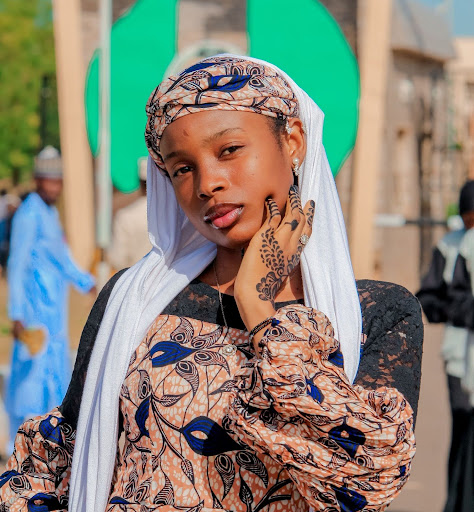
The global modest fashion market has expanded significantly over the past decade. Afro-Arab street fashion fits naturally into this movement, but unlike corporate modestwear, it feels organic, youth-driven, and culturally grounded.
It does not sell modesty as a restriction.
It expresses modesty as power.
It Speaks to Post-Identity Globalism
In a world where identity is fluid, layered, and hybrid, Afro-Arab street fashion reflects what many young people feel internally: that they are not one thing, but many.
This style does not ask you to choose between:
- Faith and fashion
- Tradition and trend
- Culture and creativity
It allows coexistence, and that resonates far beyond Afro-Arab communities.
It Challenges Western Fashion Hierarchies
For decades, global fashion authority flowed outward from Europe and North America. Afro-Arab street fashion disrupts that narrative by creating influence from:
- Kano to London
- Cairo to Copenhagen
- Khartoum to Paris
- Dubai to New York
The movement does not seek Western validation. It operates on self-definition, which ironically makes it more influential.
READ ALSO:
- Arab–Swahili Fashion Heritage: The Role of Omani Traders in Zanzibar and Mombasa
- Why Modesty Became Power: The Cultural Significance of Loose Clothing for Afro-Arab Women
- Reimagining Arabian Imprints on African Fashion Identity
The Role of Designers and Content Creators in Promoting Afro-Arab Street Fashion
Independent Designers and Local Tailors
Unlike Western streetwear, which often relies on mass production and branding hype, Afro-Arab street fashion remains deeply rooted in:
- Local tailors
- Artisan workshops
- Family-owned textile markets
- Community designers
This preserves craftsmanship while allowing innovation. A single garment might be stitched by a local tailor using fabric sourced from three regions, carrying both heritage and modern intention.
Content Creators as Cultural Archivists
Many Afro-Arab fashion creators are not simply influencers; they are archivists, educators, and storytellers.
Their content often explains:
- The history behind garments
- The cultural significance of fabrics
- The symbolism in styling choices
- The balance between faith and fashion
This educational layer strengthens the movement’s cultural credibility and global appeal.
Spiritual Connection and Cultural Integration
One of Afro-Arab street fashion’s most compelling aspects is its refusal to separate spirituality from self-expression.
In many Western fashion narratives, religion is treated as either irrelevant or restrictive. Afro-Arab street fashion reframes spirituality as:
- A source of elegance
- A foundation for modesty
- A rhythm for daily life
- A grounding influence on aesthetics
- Culturally and religiously relevant
This integration creates a fashion culture that feels sustainable, not just environmentally, but emotionally and socially.
When I first noticed Afro-Arab street fashion, it did not feel like a discovery; it felt like recognition. It was a recognition that the street could once again be sacred, that heritage could feel modern, and that identity didn’t need to be diluted to achieve global relevance.
In cities across Africa and the Arab world, young people are dressing not to escape who they are, but to arrive more fully into it. They layer faith with freedom, ancestry with ambition, community with individuality. They walk the pavement carrying the weight of centuries, and tomorrow, at the same time, they will continue to do so.
This is why Afro-Arab street fashion is not just the next global style movement. It is the next global philosophy of style.
Not trend-driven, but story-driven.
Not logo-centred, but lineage-centred.
Not performative, but personal.
Perhaps most powerfully, the style is not loud but lasting.
At Omiren Styles, we believe fashion is most transformative when it reflects lived truth rather than borrowed aesthetics. Afro-Arab street fashion does precisely that. It invites the world not to consume culture, but to understand it.
Have you noticed Afro-Arab street fashion in your city, on your social media feed, or in your personal style? Share your observations, photos, or stories with us at omirenstyles.com, and join the global conversation shaping the future of fashion, one sidewalk at a time.
Find your daily dose of style — explore Street Style on OmirenStyles.
FAQs
1. What is Afro-Arab street fashion?
Afro-Arab street fashion is a contemporary style movement blending African and Arab cultural aesthetics with urban streetwear influences, rooted in heritage, modesty, and community identity rather than Western trend cycles.
2. How is Afro-Arab street fashion different from modest fashion?
While modest fashion focuses primarily on coverage and religious considerations, Afro-Arab street fashion adds cultural storytelling, street aesthetics, heritage textiles, and youth expression, creating a fuller lifestyle narrative.
3. Which regions most influence Afro-Arab street fashion?
Key influences come from North Africa, East Africa, the Horn of Africa, the Sahel, the Arabian Peninsula, and coastal Indian Ocean communities, especially regions with long histories of trade and cultural exchange.
4. Is Afro-Arab street fashion already influencing global brands?
Elements of modest silhouettes, layered dressing, heritage textiles, and flowing tailoring are increasingly visible in global collections [to be verified], though much of the movement remains grassroots and community-driven.
5. Can Afro-Arab street fashion work outside African and Arab communities?
Yes. While rooted in specific cultures, its values, identity, dignity, fluidity, and storytelling resonate globally. However, respectful engagement and cultural awareness are essential when adopting its aesthetics.